CN106933664B - A resource scheduling method and device for a Hadoop cluster - Google Patents
A resource scheduling method and device for a Hadoop cluster Download PDFInfo
- Publication number
- CN106933664B CN106933664B CN201710137921.6A CN201710137921A CN106933664B CN 106933664 B CN106933664 B CN 106933664B CN 201710137921 A CN201710137921 A CN 201710137921A CN 106933664 B CN106933664 B CN 106933664B
- Authority
- CN
- China
- Prior art keywords
- type
- node
- information
- queue
- target
- Prior art date
- Legal status (The legal status is an assumption and is not a legal conclusion. Google has not performed a legal analysis and makes no representation as to the accuracy of the status listed.)
- Expired - Fee Related
Links
Images



Classifications
-
- G—PHYSICS
- G06—COMPUTING OR CALCULATING; COUNTING
- G06F—ELECTRIC DIGITAL DATA PROCESSING
- G06F9/00—Arrangements for program control, e.g. control units
- G06F9/06—Arrangements for program control, e.g. control units using stored programs, i.e. using an internal store of processing equipment to receive or retain programs
- G06F9/46—Multiprogramming arrangements
- G06F9/48—Program initiating; Program switching, e.g. by interrupt
- G06F9/4806—Task transfer initiation or dispatching
- G06F9/4843—Task transfer initiation or dispatching by program, e.g. task dispatcher, supervisor, operating system
-
- G—PHYSICS
- G06—COMPUTING OR CALCULATING; COUNTING
- G06F—ELECTRIC DIGITAL DATA PROCESSING
- G06F9/00—Arrangements for program control, e.g. control units
- G06F9/06—Arrangements for program control, e.g. control units using stored programs, i.e. using an internal store of processing equipment to receive or retain programs
- G06F9/46—Multiprogramming arrangements
- G06F9/50—Allocation of resources, e.g. of the central processing unit [CPU]
- G06F9/5083—Techniques for rebalancing the load in a distributed system
Landscapes
- Engineering & Computer Science (AREA)
- Software Systems (AREA)
- Theoretical Computer Science (AREA)
- Physics & Mathematics (AREA)
- General Engineering & Computer Science (AREA)
- General Physics & Mathematics (AREA)
- Multi Processors (AREA)
Abstract
Description
技术领域technical field
本发明属于计算机技术领域,尤其涉及一种Hadoop集群的资源调度方法及装置。The invention belongs to the technical field of computers, and in particular relates to a resource scheduling method and device of a Hadoop cluster.
背景技术Background technique
Hadoop集群是开源的分布式存储和大数据处理框架,主要包括Common,分布式文件系统(Hadoop Distributed File System,HDFS),Hadoop资源管理器(Yet AnotherResource Negotiator,YARN)和映射归约MapReduce(MapReduce用于大规模数据集的并行运算)。异构Hadoop集群通常指组成集群的各个节点的硬件(CPU,内存,磁盘)配置存在差异。Hadoop cluster is an open source distributed storage and big data processing framework, mainly including Common, Distributed File System (Hadoop Distributed File System, HDFS), Hadoop Resource Manager (Yet Another Resource Negotiator, YARN) and MapReduce (MapReduce uses parallel operations on large-scale datasets). Heterogeneous Hadoop clusters usually refer to differences in the hardware (CPU, memory, disk) configurations of the nodes that make up the cluster.
YARN资源调度器负责Hadoop集群中所有资源的统一管理和分配,它接收来自各个节点的资源汇报信息,并把这些信息按照一定的策略分配给各个任务。目前的YARN资源调度器都认为集群的节点是同构的,没有考虑到某些节点的配置会有不同。这样不能根据任务需求调度最匹配的节点来执行该任务,例如,一些机器学习类型的计算机任务使用了复杂的算法,需要在高性能的CPU上计算,但现有的资源调度方式无法识别硬件配置的区别,将任务调度到普通的节点上。The YARN resource scheduler is responsible for the unified management and allocation of all resources in the Hadoop cluster. It receives the resource report information from each node and distributes the information to each task according to a certain strategy. The current YARN resource scheduler thinks that the nodes of the cluster are homogeneous, and does not consider that the configuration of some nodes will be different. In this way, it is not possible to schedule the most matching node to perform the task according to the task requirements. For example, some machine learning type computer tasks use complex algorithms and need to be calculated on high-performance CPUs, but the existing resource scheduling methods cannot recognize the hardware configuration. The difference is that tasks are scheduled to ordinary nodes.
发明内容SUMMARY OF THE INVENTION
为了解决传统的Hadoop集群的资源调度方式无法根据集群内节点的特点进行调度的问题,本申请提供一种Hadoop集群的资源调度方法及装置,其技术方案如下:In order to solve the problem that the traditional Hadoop cluster resource scheduling method cannot be scheduled according to the characteristics of the nodes in the cluster, the present application provides a Hadoop cluster resource scheduling method and device, and the technical solutions are as follows:
第一方面,本申请提供一种Hadoop集群的资源调度方法,应用于Hadoop集群中,包括:In a first aspect, the present application provides a resource scheduling method for a Hadoop cluster, which is applied to the Hadoop cluster, including:
获取待调度任务的指定执行信息,所述指定执行信息包括Hadoop集群包含节点对应的节点类型和任务队列的队列信息中的至少一项,所述节点类型根据所述节点的硬件配置情况设置;Obtain the specified execution information of the task to be scheduled, where the specified execution information includes at least one of the node type corresponding to the Hadoop cluster and the queue information of the task queue, where the node type is set according to the hardware configuration of the node;
从当前可调用的节点中,获取节点类型与所述指定执行信息相匹配的目标节点;From the currently callable nodes, obtain the target node whose node type matches the specified execution information;
将所述待调度任务分配给所述目标节点执行。Allocate the to-be-scheduled task to the target node for execution.
可选地,所述指定执行信息包含节点类型和队列信息;Optionally, the specified execution information includes node type and queue information;
所述从当前可调用的节点中,获取节点类型与所述指定执行信息相匹配的目标节点,包括:The obtaining, from the currently callable nodes, the target node whose node type matches the specified execution information includes:
获取当前可调用的节点列表;Get a list of currently callable nodes;
从所述指定执行信息中获取目标节点类型及目标队列类型;Obtain the target node type and the target queue type from the specified execution information;
判断所述目标队列类型与所述目标节点类型是否匹配;Determine whether the target queue type matches the target node type;
当所述目标队列类型与所述目标节点类型相匹配时,确定相匹配的节点为所述目标节点;When the target queue type matches the target node type, determine that the matched node is the target node;
当所述目标队列类型与所述目标节点类型不匹配时,根据冲突解决策略确定出所述目标节点,所述冲突解决策略包括队列类型优先策略、节点类型优先策略、逻辑与策略和逻辑或策略。When the target queue type does not match the target node type, the target node is determined according to a conflict resolution strategy, and the conflict resolution strategy includes a queue type priority strategy, a node type priority strategy, a logical AND strategy, and a logical OR strategy .
可选地,判断所述目标队列类型与所述目标节点类型是否匹配,包括:Optionally, judging whether the target queue type matches the target node type, including:
获取所述目标队列类型对应的全部可调度节点;Obtain all schedulable nodes corresponding to the target queue type;
获取所述目标节点类型所包含的全部可调度节点;Obtain all schedulable nodes included in the target node type;
比较所述目标队列类型对应的全部可调度节点与所述目标节点类型所包含的全部可调度节点是否完全相同;Compare whether all schedulable nodes corresponding to the target queue type are completely the same as all schedulable nodes included in the target node type;
如果完全相同,则确定所述目标队列类型与所述目标节点类型匹配;If it is exactly the same, then determine that the target queue type matches the target node type;
如果不完全相同,则确定所述目标队列类型与所述目标节点类型不匹配。If not identical, it is determined that the target queue type does not match the target node type.
可选地,所述方法还包括:Optionally, the method further includes:
接收类型信息设定命令,所述类型信息设定命令包括节点类型设置信息和队列类型设置信息中的至少一项;receiving a type information setting command, where the type information setting command includes at least one item of node type setting information and queue type setting information;
判断所述类型信息设定命令是否有效;Determine whether the type information setting command is valid;
当所述类型信息设定命令是否有效时,从所述类型信息设定命令中提取类型设置信息;When the type information setting command is valid, extract type setting information from the type information setting command;
存储所述类型设置信息。The type setting information is stored.
可选地,判断所述类型信息设定命令是否有效,包括:Optionally, judging whether the type information setting command is valid, including:
当所述类型信息设定命令包括节点类型设定命令时,判断所述节点类型设定命令请求配置的节点类型是否存在;如果存在,则确定所述节点类型设定命令有效;如果不存在,则确定所述节点类型设定命令无效;When the type information setting command includes a node type setting command, determine whether the node type requested by the node type setting command exists; if so, determine that the node type setting command is valid; if not, determine whether the node type setting command is valid; then it is determined that the node type setting command is invalid;
当所述类型信息设定命令包括队列类型设定命令时,判断所述队列类型设定命令请求配置的队列类型是否具有访问权限;如果具有访问权限,则确定所述队列类型设定命令有效;如果不具有访问权限,则确定所述节点类型设定命令无效。When the type information setting command includes a queue type setting command, determine whether the queue type requested to be configured by the queue type setting command has access authority; if it has access authority, determine that the queue type setting command is valid; If there is no access authority, it is determined that the node type setting command is invalid.
第二方面,本申请提供一种Hadoop集群的资源调度装置,应用于Hadoop集群中,包括:In a second aspect, the present application provides a resource scheduling device for a Hadoop cluster, which is applied to the Hadoop cluster, including:
第一获取单元,用于获取待调度任务的指定执行信息,所述指定执行信息包括Hadoop集群包含节点对应的节点类型和任务队列的队列信息中的至少一项,所述节点类型根据所述节点的硬件配置情况设置;a first obtaining unit, configured to obtain specified execution information of the task to be scheduled, where the specified execution information includes at least one of the node type corresponding to the Hadoop cluster and the queue information of the task queue, the node type is based on the node type hardware configuration settings;
第二获取单元,用于从当前可调用的节点中,获取节点类型与所述指定执行信息相匹配的目标节点;a second obtaining unit, configured to obtain a target node whose node type matches the specified execution information from a currently callable node;
分配单元,用于将所述待调度任务分配给所述目标节点执行。an allocation unit, configured to allocate the to-be-scheduled task to the target node for execution.
可选地,所述指定执行信息包含节点类型和队列信息;所述第二获取单元,包括:Optionally, the specified execution information includes node type and queue information; the second obtaining unit includes:
第一获取子单元,用于获取当前可调用的节点列表;The first obtaining subunit is used to obtain the current callable node list;
第二获取子单元,用于从所述指定执行信息中获取目标节点类型及目标队列类型;The second acquisition subunit is used to acquire the target node type and the target queue type from the specified execution information;
第一判断子单元,用于判断所述目标队列类型与所述目标节点类型是否匹配;a first judging subunit for judging whether the target queue type matches the target node type;
第一确定子单元,用于当所述目标队列类型与所述目标节点类型相匹配时,确定相匹配的节点为所述目标节点;a first determining subunit, configured to determine that the matched node is the target node when the target queue type matches the target node type;
第二确定子单元,用于当所述目标队列类型与所述目标节点类型不匹配时,根据冲突解决策略确定出所述目标节点,所述冲突解决策略包括队列类型优先策略、节点类型优先策略、逻辑与策略和逻辑或策略。A second determination subunit, configured to determine the target node according to a conflict resolution strategy when the target queue type does not match the target node type, and the conflict resolution strategy includes a queue type priority strategy and a node type priority strategy , logical AND strategy, and logical OR strategy.
可选地,所述第一判断子单元,包括:Optionally, the first judgment subunit includes:
第三获取子单元,用于获取所述目标队列类型对应的全部可调度节点;a third obtaining subunit, used to obtain all schedulable nodes corresponding to the target queue type;
第四获取子单元,用于获取所述目标节点类型所包含的全部可调度节点;a fourth obtaining subunit, used to obtain all schedulable nodes included in the target node type;
比较子单元,用于比较所述目标队列类型对应的全部可调度节点与所述目标节点类型所包含的全部可调度节点是否完全相同;a comparison subunit, configured to compare whether all schedulable nodes corresponding to the target queue type are completely the same as all schedulable nodes included in the target node type;
第三确定子单元,用于当完全相同时,确定所述目标队列类型与所述目标节点类型匹配;a third determining subunit, configured to determine that the target queue type matches the target node type when they are identical;
第四确定子单元,用于当不完全相同时,确定目标队列类型与所述目标节点类型不匹配。The fourth determining subunit is configured to determine that the target queue type does not match the target node type when they are not identical.
可选地,所述装置还包括:Optionally, the device further includes:
接收单元,用于接收类型信息设定命令,所述类型信息设定命令包括节点类型设置信息和队列类型设置信息中的至少一项;a receiving unit, configured to receive a type information setting command, where the type information setting command includes at least one item of node type setting information and queue type setting information;
判断单元,用于判断所述类型信息设定命令是否有效;a judging unit for judging whether the type information setting command is valid;
提取单元,用于当所述类型信息设定命令是否有效时,从所述类型信息设定命令中提取类型设置信息,所述配置信息包括节点类型配置信息和队列类型配置信息中的至少一项;an extraction unit, configured to extract type setting information from the type information setting command when the type information setting command is valid, the configuration information including at least one of node type configuration information and queue type configuration information ;
存储单元,用于存储所述类型设置信息。a storage unit for storing the type setting information.
可选地,所述判断单元,包括:Optionally, the judging unit includes:
第二判断子单元,用于当所述类型信息设定命令包括节点类型设置信息时,判断所述节点类型设置信息中的节点类型是否存在;如果存在,则确定所述类型信息设定命令有效;如果不存在,则确定所述类型信息设定命令无效;The second judging subunit is configured to judge whether the node type in the node type setting information exists when the type information setting command includes node type setting information; if so, determine that the type information setting command is valid ; If it does not exist, it is determined that the type information setting command is invalid;
第三判断子单元,用于当所述类型信息设定命令包括队列类型设置信息时,判断所述队列类型设置信息中的队列类型是否具有访问权限;如果具有访问权限,则确定所述类型信息设定命令有效;如果不具有访问权限,则确定所述类型信息设定命令无效。a third judging subunit, configured to judge whether the queue type in the queue type setting information has access authority when the type information setting command includes queue type setting information; if it has access authority, determine the type information The setting command is valid; if there is no access authority, it is determined that the type information setting command is invalid.
本实施例提供的Hadoop集群的资源调度方法,根据Hadoop集群中节点的硬件配置差异情况,预先为Hadoop集群中的节点设置节点类型,以及为集群中的任务队列设置队列类型。当接收到客户端发送的待调度任务后,从待调度任务中获取指定执行信息,其中,该指定执行信息包括节点类型和队列类型中的至少一项。然后,从Hadoop集群中当前可调用的节点中,获取节点类型与指定执行信息相匹配的目标节点,并将待调度任务分配给目标节点来执行。该方法根据Hadoop集群中节点的物理配置情况设置节点类型,而且,客户端发送的待调度任务中可以指定节点类型和队列类型中的至少一项;因此,能够从当前可调用的节点中调用与指定执行信息相匹配的目标节点来执行该待调度任务,根据节点物理配置的差异情况合理调度节点,提高了节点资源的利用率,以及,优化Hadoop集群的任务调度性能。In the resource scheduling method for a Hadoop cluster provided by this embodiment, according to the hardware configuration differences of the nodes in the Hadoop cluster, the node type is set for the nodes in the Hadoop cluster in advance, and the queue type is set for the task queue in the cluster. After receiving the to-be-scheduled task sent by the client, obtain specified execution information from the to-be-scheduled task, where the specified execution information includes at least one of a node type and a queue type. Then, from the currently callable nodes in the Hadoop cluster, obtain the target node whose node type matches the specified execution information, and assign the task to be scheduled to the target node for execution. This method sets the node type according to the physical configuration of the nodes in the Hadoop cluster, and at least one of the node type and the queue type can be specified in the to-be-scheduled task sent by the client. Specify the target node that matches the execution information to execute the task to be scheduled, reasonably schedule the node according to the differences in the physical configuration of the node, improve the utilization of node resources, and optimize the task scheduling performance of the Hadoop cluster.
附图说明Description of drawings
为了更清楚地说明本发明实施例或现有技术中的技术方案,下面将对实施例或现有技术描述中所需要使用的附图作简单地介绍,显而易见地,下面描述中的附图是本发明的一些实施例,对于本领域普通技术人员来讲,在不付出创造性劳动的前提下,还可以根据这些附图获得其他的附图。In order to illustrate the embodiments of the present invention or the technical solutions in the prior art more clearly, the following briefly introduces the accompanying drawings that need to be used in the description of the embodiments or the prior art. Obviously, the drawings in the following description are For some embodiments of the present invention, for those of ordinary skill in the art, other drawings can also be obtained according to these drawings without creative efforts.
图1是本申请实施例一种Hadoop集群的资源调度方法流程图;1 is a flowchart of a resource scheduling method for a Hadoop cluster according to an embodiment of the present application;
图2是本申请实施例一种获取目标节点过程的流程示意图;2 is a schematic flowchart of a process of acquiring a target node according to an embodiment of the present application;
图3是本申请实施例另一种Hadoop集群的资源调度方法的流程示意图;3 is a schematic flowchart of another resource scheduling method for a Hadoop cluster according to an embodiment of the present application;
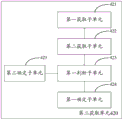
图4是本申请实施例一种Hadoop集群的资源调度装置的框图FIG. 4 is a block diagram of a resource scheduling apparatus for a Hadoop cluster according to an embodiment of the present application
图5是本申请实施例一种第二获取单元的框图;5 is a block diagram of a second obtaining unit according to an embodiment of the present application;
图6是本申请实施例另一种Hadoop集群的资源调度装置的框图。FIG. 6 is a block diagram of another resource scheduling apparatus for a Hadoop cluster according to an embodiment of the present application.
具体实施方式Detailed ways
为使本发明实施例的目的、技术方案和优点更加清楚,下面将结合本发明实施例中的附图,对本发明实施例中的技术方案进行清楚、完整地描述,显然,所描述的实施例是本发明一部分实施例,而不是全部的实施例。基于本发明中的实施例,本领域普通技术人员在没有做出创造性劳动前提下所获得的所有其他实施例,都属于本发明保护的范围。In order to make the purposes, technical solutions and advantages of the embodiments of the present invention clearer, the technical solutions in the embodiments of the present invention will be clearly and completely described below with reference to the accompanying drawings in the embodiments of the present invention. Obviously, the described embodiments These are some embodiments of the present invention, but not all embodiments. Based on the embodiments of the present invention, all other embodiments obtained by those of ordinary skill in the art without creative efforts shall fall within the protection scope of the present invention.
本申请实施例提供的Hadoop集群中,根据集群中各个节点的物理配置情况为节点设置节点类型,为任务队列分类。对节点分类,根据节点的硬件配置进行不同维度的类型划分,例如,是否配置了图像处理单元(Graphic Processing Unit,GPU),是否有更多的内存。每个任务队列分类标记,表示提交到本队列的任务会在哪种类型的节点上调度运行。例如,某个任务需要使用配置有GPU的节点来执行,则该任务可以提交到队列类型可为GPU的队列中。In the Hadoop cluster provided by the embodiment of the present application, the node type is set for the node according to the physical configuration of each node in the cluster, and the task queue is classified. The nodes are classified, and types are divided into different dimensions according to the hardware configuration of the nodes, for example, whether a graphics processing unit (Graphic Processing Unit, GPU) is configured, and whether there is more memory. The classification mark of each task queue indicates which type of node the task submitted to this queue will be scheduled to run. For example, if a task needs to be executed using a node configured with GPU, the task can be submitted to a queue whose queue type can be GPU.
请参见图1,示出了本申请实施例一种Hadoop集群的资源调度方法的流程图,该方法应用于Hadoop集群服务器中,如图1所示,该方法可以包括以下步骤:Please refer to FIG. 1 , which shows a flowchart of a method for scheduling resources of a Hadoop cluster according to an embodiment of the present application. The method is applied to a Hadoop cluster server. As shown in FIG. 1 , the method may include the following steps:
S110,获取待调度任务的指定执行信息。S110: Acquire specified execution information of the task to be scheduled.
待调度任务是指客户端发送给服务器的请求执行的任务,客户端在向服务器提交任务时,可以通过参数指定想要运行的节点对应的节点类型,和/或,指定想要运行的队列。其中,想要运行的队列可以利用队列名称表示。The task to be scheduled refers to the task that the client sends to the server to perform the request. When the client submits the task to the server, the client can specify the node type corresponding to the node it wants to run through parameters, and/or specify the queue it wants to run. Among them, the queue you want to run can be represented by the queue name.
所述指定执行信息包括节点类型和队列类型中的至少一项,节点类型是指Hadoop集群包含节点的类型,节点类型根据节点的硬件配置设置;The specified execution information includes at least one of a node type and a queue type, the node type refers to the type of the node included in the Hadoop cluster, and the node type is set according to the hardware configuration of the node;
例如,Hadoop集群中包括两个机架分别是rack1、rack2;10个节点分别是:production01、production02、production03、production04、production05、dev01、dev02、dev03、dev04和dev05。且这10个节点的CPU类型和内存类型如表1所示:For example, a Hadoop cluster includes two racks, rack1, rack2; 10 nodes: production01, production02, production03, production04, production05, dev01, dev02, dev03, dev04, and dev05. And the CPU types and memory types of these 10 nodes are shown in Table 1:
表1Table 1


表1中的节点在Hadoop集群服务器中的存储的节点类型如下:The node types of the nodes in Table 1 stored in the Hadoop cluster server are as follows:
production01rack1,default,defaultproduction01rack1,default,default
production02rack1,default,high-memproduction02rack1,default,high-mem
production03rack1,gpu,high-memproduction03rack1,gpu,high-mem
production04rack1,gpu,defaultproduction04rack1,gpu,default
production05rack1,gpu,defaultproduction05rack1,gpu,default
dev01rack2,gpu,defaultdev01rack2,gpu,default
dev02rack2,default,defaultdev02rack2,default,default
dev03rack2,default,defaultdev03rack2,default,default
dev04rack2,default,defaultdev04rack2,default,default
dev05rack2,default,defaultdev05rack2,default,default
如果队列设置了队列类型,表示提交到本队列的任务会在该种类型的节点上调度运行。If the queue is set with a queue type, it means that tasks submitted to this queue will be scheduled and run on nodes of this type.
例如,dev队列上执行的任务可以在“rack2”类型或者“gpu”类型的节点上运行,则dev队列的队列类型可以是“dev rack2||gpu”。“dev rack2||gpu”是一个类型表达式。For example, tasks executed on the dev queue can run on nodes of type "rack2" or "gpu", and the queue type of the dev queue can be "dev rack2||gpu". "dev rack2||gpu" is a type expression.
S120,从当前可调用的节点中,获取节点类型与所述指定执行信息相匹配的目标节点。S120: From the currently callable nodes, acquire a target node whose node type matches the specified execution information.
Hadoop集群服务器获取当前可以被调用的节点列表。然后,从可调用的节点列表中选择与指定执行信息相匹配的目标节点。The Hadoop cluster server gets the list of nodes that can currently be called. Then, select the target node that matches the specified execution information from the list of callable nodes.
请参见图2,示出了本申请实施例一种获取目标节点过程的流程示意图,如图2所示,该过程可以包括:Please refer to FIG. 2 , which shows a schematic flowchart of a process of acquiring a target node according to an embodiment of the present application. As shown in FIG. 2 , the process may include:
S121,获取当前可调用的节点列表。S121, obtain a current callable node list.
Hadoop集群服务器接收到客户端提交的待调度任务后,获取当前集群中可以被调用的节点对应的节点列表。After receiving the to-be-scheduled task submitted by the client, the Hadoop cluster server obtains the node list corresponding to the nodes that can be called in the current cluster.
S122,从指定执行信息中获取目标节点类型及目标队列类型。S122: Acquire the target node type and the target queue type from the specified execution information.
从指定执行信息中提取目标节点类型,即客户端指定的想运行的节点类型。Extract the target node type from the specified execution information, that is, the node type that the client specifies and wants to run.
在本申请一种可能的实现方式中,客户端指定的想运行的队列信息是队列名称,然后,根据队列名称获取该队列对应的队列类型。其中,队列类型可以根据需要进行设定,可以根据待调度任务的特定要求来设定,例如,某个待调度任务需要使用内存较大的节点,则可以根据内存分类设定队列类型。In a possible implementation manner of the present application, the queue information specified by the client to be run is the queue name, and then the queue type corresponding to the queue is obtained according to the queue name. Among them, the queue type can be set as needed, and can be set according to the specific requirements of the task to be scheduled. For example, if a task to be scheduled needs to use a node with a large memory, the queue type can be set according to the memory classification.
S123,判断目标队列类型与所述目标节点类型是否匹配;如果匹配,则执行S124;否则,执行S125。S123, judging whether the target queue type matches the target node type; if so, execute S124; otherwise, execute S125.
由于队列有自己的类型标识,节点也有自己的类型标识,队列的类型和节点的类型可能会不同。获取目标队列类型对应的全部节点,获取目标节点类型所包含的全部节点;然后,比较目标队列类型对应的全部节点与目标节点类型所包含的节点是否完全相同;如果完全相同,则确定目标队列类型与所述目标节点类型匹配;如果不完全相同,则确定目标队列类型与所述目标节点类型不匹配,即两种类型存在冲突。Since queues have their own type identifiers, and nodes have their own type identifiers, the types of queues and nodes may be different. Obtain all nodes corresponding to the target queue type, and obtain all nodes included in the target node type; then, compare all nodes corresponding to the target queue type with the nodes included in the target node type; if they are identical, determine the target queue type Matches with the target node type; if not identical, it is determined that the target queue type does not match the target node type, that is, the two types are in conflict.
S124,确定相匹配的节点为所述目标节点。S124, determine that the matched node is the target node.
例如,目标队列类型对应的节点分别是:节点1、节点2、节点4;而目标节点类型对应的节点是节点1、节点2和节点4,则两个类型对应的节点完全相同,最终,从节点1、节点2和节点4中任选一个作为目标节点。For example, the nodes corresponding to the target queue type are: node 1, node 2, and node 4; and the nodes corresponding to the target node type are node 1, node 2, and node 4, then the nodes corresponding to the two types are exactly the same. Finally, from Select any one of node 1, node 2 and node 4 as the target node.
S125,根据冲突解决策略确定出目标节点。S125, the target node is determined according to the conflict resolution strategy.
所述冲突解决策略包括队列类型优先策略、节点类型优先策略、逻辑与策略和逻辑或策略。The conflict resolution strategies include queue type priority strategy, node type priority strategy, logical AND strategy and logical OR strategy.
例如,任务提交时,指定在“dev”队列执行任务,同时又指定“想要”执行的节点类型是“gpu”;而且,“dev”队列指定的类型是“rack2&&gpu”,该队列类型对应的可调度节点是“dev01”。而根据节点类型“gpu”得到的可调度节点是“production03、production04、production05、dev01”。显然,节点类型的可调用节点与队列类型的可调用节点不完全相同,即队列类型与节点类型存在冲突。For example, when a task is submitted, it is specified to execute the task in the "dev" queue, and at the same time, the node type that "want" to execute is "gpu"; moreover, the specified type of the "dev" queue is "rack2&&gpu", which corresponds to the queue type. The schedulable node is "dev01". The schedulable nodes obtained according to the node type "gpu" are "production03, production04, production05, dev01". Obviously, the callable node of the node type is not exactly the same as the callable node of the queue type, that is, there is a conflict between the queue type and the node type.
如果按照“队列类型优先策略”解决冲突,则确定的可调度节点是“dev01”;If the conflict is resolved according to the "Queue Type Priority Policy", the determined schedulable node is "dev01";
如果按照“节点类型优先策略”解决冲突,则确定的可调度节点是“production03,production04,production05,dev01”,最后,可以从这四个可调度节点中任选一个作为最终的目标节点;If the conflict is resolved according to the "Node Type Priority Policy", the determined schedulable nodes are "production03, production04, production05, dev01", and finally, one of the four schedulable nodes can be selected as the final target node;
如果按照“逻辑与策略”解决冲突,则确定的可调度节点是“dev01”;If the conflict is resolved according to "logic and strategy", the determined schedulable node is "dev01";
如果按照“逻辑或策略”解决冲突,则确定的可调度节点是“production03,production04,production05,dev01”,最终从这四个节点中任选一个作为最终的目标节点。If the conflict is resolved according to the "logical OR strategy", the determined schedulable nodes are "production03, production04, production05, dev01", and finally any one of these four nodes is selected as the final target node.
在本申请的一种可能的实现方式中,默认按照“逻辑与”关系来确定最终的可调度节点;当然这4种冲突解决策略的优先级可以配置,优先级可以根据具体的需要进行设置。In a possible implementation manner of the present application, the final schedulable node is determined according to the "logical AND" relationship by default; of course, the priorities of the four conflict resolution strategies can be configured, and the priorities can be set according to specific needs.
S130,将待调度任务分配给目标节点执行。S130: Allocate the task to be scheduled to the target node for execution.
把待调度任务分配给最终确定的目标节点。Assign tasks to be scheduled to finalized target nodes.
本实施例提供的Hadoop集群的资源调度方法,根据Hadoop集群中节点的物理配置情况设置节点类型,而且,客户端发送的待调度任务中可以指定节点类型和队列类型中的至少一项;因此,能够从当前可调用的节点中调用与指定执行信息相匹配的目标节点来执行该待调度任务,根据节点物理配置的差异情况合理调度节点,提高了节点资源的利用率,以及,优化Hadoop集群的任务调度性能。In the resource scheduling method for a Hadoop cluster provided by this embodiment, the node type is set according to the physical configuration of the nodes in the Hadoop cluster, and at least one of the node type and the queue type can be specified in the task to be scheduled sent by the client; therefore, The target node that matches the specified execution information can be called from the currently callable nodes to execute the task to be scheduled, and the nodes are reasonably scheduled according to the differences in the physical configuration of the nodes, which improves the utilization of node resources, and optimizes the Hadoop cluster. Task scheduling performance.
请参见图3,示出了本申请实施例另一种Hadoop集群的资源调度方法的流程示意图,本实施例在图1所示实施例的基础上还包括以下步骤:Please refer to FIG. 3 , which shows a schematic flowchart of another method for scheduling resources of a Hadoop cluster according to an embodiment of the present application. On the basis of the embodiment shown in FIG. 1 , this embodiment further includes the following steps:
S210,接收类型信息设定命令。S210: Receive a type information setting command.
所述类型信息设定命令包括节点类型设定命令和队列类型设定命令中的至少一项。The type information setting command includes at least one of a node type setting command and a queue type setting command.
类型信息设定命令可以由管理员输入,除设置节点类型和队列类型的操作外,还包括查询节点类型和队列类型的操作。The type information setting command can be input by the administrator. In addition to the operation of setting node type and queue type, it also includes the operation of querying node type and queue type.
S220,判断所述类型信息设定命令是单个设定命令还是组设定命令;如果是单个设定命令,则执行S240;如果是组设定命令,则执行S230;S220, determine whether the type information setting command is a single setting command or a group setting command; if it is a single setting command, execute S240; if it is a group setting command, execute S230;
单个设定命令是指对单个节点设置节点类型的命令;组设定命令是指命令中节点的名称是正则表达式,正则表达式使用单个字符串来描述、匹配一系列符合某个句法规则的字符串。A single setting command refers to a command that sets the node type for a single node; a group setting command means that the name of the node in the command is a regular expression, and the regular expression uses a single string to describe and match a series of commands that conform to a certain syntax rule. string.
S230,解析所述组设定命令,得到该组设定命令所请求设置的全部节点名称。S230: Parse the group setting command to obtain all the node names set by the group setting command.
解析组设定命令中的正则表达式得到全部匹配的节点名称。然后,执行S240。Parse the regular expression in the group setting command to get all matching node names. Then, S240 is performed.
S240,判断类型信息设定命令是否有效;如果有效,则执行S250;如果无效,则执行S270。S240, determine whether the type information setting command is valid; if valid, execute S250; if invalid, execute S270.
例如,指定所有的节点类型包括gpu和high-mem,如果接收到的类型信息设定命令想设置某节点类型是high-cpu,此时,就会认为该类型信息设定命令是非法请求,即,该类型信息设定命令无效。For example, specify all node types including gpu and high-mem. If the received type information setting command wants to set a certain node type to high-cpu, at this time, the type information setting command will be considered as an illegal request, that is , the type information setting command is invalid.
如果类型信息设定命令包括节点类型设置信息,则判断节点类型设置信息中的节点类型是否存在;如果存在,则确定该类型信息设定命令有效;如果不存在,则确定该类型信息设定命令无效;If the type information setting command includes node type setting information, it is determined whether the node type in the node type setting information exists; if it exists, it is determined that the type information setting command is valid; if it does not exist, it is determined that the type information setting command invalid;
如果类型信息设定命令包括队列类型设置信息,则判断类型信息设置信息中的队列类型是否具有访问权限;如果具有访问权限,则确定类型信息设定命令有效;如果不具有访问权限,则确定所述类型信息设定命令无效。If the type information setting command includes queue type setting information, it is judged whether the queue type in the type information setting information has access authority; if it has access authority, it is determined that the type information setting command is valid; if it does not have access authority, it is determined that all The above type information setting command is invalid.
S250,从类型信息设定命令中提取类型设置信息。S250, extract type setting information from the type information setting command.
所述配置信息包括节点类型配置信息和队列类型配置信息中的至少一项;The configuration information includes at least one of node type configuration information and queue type configuration information;
S260,存储所述类型设置信息。S260, store the type setting information.
将从类型信息设定命令中提取得到的配置信息存储到Hadoop集群服务器中。The configuration information extracted from the type information setting command is stored in the Hadoop cluster server.
S270,返回错误消息。如果类型信息设定命令无效,则向客户端返回错误消息。S270, an error message is returned. If the type information set command is invalid, an error message is returned to the client.
本实施例提供的Hadoop集群的资源调度方法,根据节点的硬件配置差异情况预先配置集群中节点和队列的类型。为下一步根据节点类型进行调度奠定基础。客户端发送的待调度任务可以指定节点类型和队列类型中的至少一项,然后,从当前可调用的节点中调用与指定执行信息相匹配的目标节点来执行该待调度任务,根据节点物理配置的差异情况合理调度节点,提高了节点资源的利用率,以及,优化Hadoop集群的任务调度性能。In the resource scheduling method for a Hadoop cluster provided by this embodiment, the types of nodes and queues in the cluster are pre-configured according to differences in the hardware configuration of the nodes. Lays the groundwork for scheduling based on node type in the next step. The task to be scheduled sent by the client can specify at least one of the node type and the queue type, and then call the target node that matches the specified execution information from the currently callable nodes to execute the to-be-scheduled task. According to the physical configuration of the node According to the difference situation, the nodes are reasonably scheduled, the utilization of node resources is improved, and the task scheduling performance of the Hadoop cluster is optimized.
对于前述的各方法实施例,为了简单描述,故将其都表述为一系列的动作组合,但是本领域技术人员应该知悉,本发明并不受所描述的动作顺序的限制,因为依据本发明,某些步骤可以采用其他顺序或者同时进行。其次,本领域技术人员也应该知悉,说明书中所描述的实施例均属于优选实施例,所涉及的动作和模块并不一定是本发明所必须的。For the foregoing method embodiments, for the sake of simple description, they are all expressed as a series of action combinations, but those skilled in the art should know that the present invention is not limited by the described action sequence, because according to the present invention, Certain steps may be performed in other orders or simultaneously. Secondly, those skilled in the art should also know that the embodiments described in the specification are all preferred embodiments, and the actions and modules involved are not necessarily required by the present invention.
请参见图4,示出了本申请实施例一种Hadoop集群的资源调度装置的框图,该装置应用于Hadoop集群中,该装置包括:第一获取单元410、第二获取单元420和分配单元430。Please refer to FIG. 4 , which shows a block diagram of a resource scheduling apparatus for a Hadoop cluster according to an embodiment of the present application. The apparatus is applied to a Hadoop cluster, and the apparatus includes: a first obtaining
第一获取单元410,用于获取待调度任务的指定执行信息。The first obtaining
所述指定执行信息包括Hadoop集群包含节点对应的节点类型和任务队列的队列信息中的至少一项,所述节点类型根据所述节点的硬件配置情况设置。The specified execution information includes at least one item of a node type corresponding to the Hadoop cluster and queue information of a task queue, where the node type is set according to the hardware configuration of the node.
待调度任务是指客户端发送给服务器的请求执行的任务,客户端在向服务器提交任务时,可以通过参数指定想要运行的节点对应的节点类型,和/或,指定想要运行的队列。The task to be scheduled refers to the task that the client sends to the server to perform the request. When the client submits the task to the server, the client can specify the node type corresponding to the node it wants to run through parameters, and/or specify the queue it wants to run.
第二获取单元420,用于从当前可调用的节点中,获取节点类型与所述指定执行信息相匹配的目标节点。The second obtaining
Hadoop集群服务器获取当前可以被调用的节点列表。然后,从可调用的节点列表中选择与指定执行信息相匹配的目标节点。The Hadoop cluster server gets the list of nodes that can currently be called. Then, select the target node that matches the specified execution information from the list of callable nodes.
请参见图5,示出了本申请实施例一种第二获取单元的框图,本实施例中所述指定执行信息包含节点类型和队列信息,如图5所示,第二获取单元420包括:第一获取子单元421、第二获取子单元422、第一判断子单元423、第一确定子单元424和第二确定子单元425。Please refer to FIG. 5 , which shows a block diagram of a second obtaining unit according to an embodiment of the present application. In this embodiment, the specified execution information includes node type and queue information. As shown in FIG. 5 , the second obtaining
第一获取子单元421,用于获取当前可调用的节点列表。The first obtaining
Hadoop集群服务器接收到客户端提交的待调度任务后,获取当前集群中可以被调用的节点对应的节点列表。After receiving the to-be-scheduled task submitted by the client, the Hadoop cluster server obtains the node list corresponding to the nodes that can be called in the current cluster.
第二获取子单元422,用于从所述指定执行信息中获取目标节点类型及目标队列类型。The second obtaining
在本申请一种可能的实现方式中,客户端指定的想运行的队列信息是队列名称,然后,根据队列名称获取该队列对应的队列类型。其中,队列类型可以根据需要进行设定,可以根据待调度任务的特定要求来设定,例如,某个待调度任务需要使用内存较大的节点,则可以根据内存分类设定队列类型。In a possible implementation manner of the present application, the queue information specified by the client to be run is the queue name, and then the queue type corresponding to the queue is obtained according to the queue name. Among them, the queue type can be set as needed, and can be set according to the specific requirements of the task to be scheduled. For example, if a task to be scheduled needs to use a node with a large memory, the queue type can be set according to the memory classification.
第一判断子单元423,用于判断所述目标队列类型与所述目标节点类型是否匹配。The
在申请实施例一种可能的实现方式中,第一判断子单元423可以包括:第三获取子单元,用于获取目标队列类型对应的全部可调度节点;第四获取子单元,用于获取目标节点类型所包含的全部可调度节点;比较子单元,用于比较目标队列类型对应的全部可调度节点与目标节点类型所包含的全部可调度节点是否完全相同;第三确定子单元,用于当完全相同时,确定目标队列类型与目标节点类型匹配;第四确定子单元,用于当不完全相同时,确定目标队列类型与目标节点类型不匹配。In a possible implementation manner of the application embodiment, the
第一确定子单元424,用于当所述目标队列类型与所述目标节点类型相匹配时,确定相匹配的节点为所述目标节点;a
第二确定子单元425,用于当所述目标队列类型与所述目标节点类型不匹配时,根据冲突解决策略确定出所述目标节点,所述冲突解决策略包括队列类型优先策略、节点类型优先策略、逻辑与策略和逻辑或策略。The
分配单元430,用于将所述待调度任务分配给所述目标节点执行。The
本实施例提供的Hadoop集群的资源调度装置,根据Hadoop集群中节点的物理配置情况设置节点类型,而且,客户端发送的待调度任务中可以指定节点类型和队列类型中的至少一项;因此,能够从当前可调用的节点中调用与指定执行信息相匹配的目标节点来执行该待调度任务,根据节点物理配置的差异情况合理调度节点,提高了节点资源的利用率,以及,优化Hadoop集群的任务调度性能。The resource scheduling device for a Hadoop cluster provided by this embodiment sets the node type according to the physical configuration of the nodes in the Hadoop cluster, and at least one of a node type and a queue type can be specified in the task to be scheduled sent by the client; therefore, The target node that matches the specified execution information can be called from the currently callable nodes to execute the task to be scheduled, and the nodes are reasonably scheduled according to the differences in the physical configuration of the nodes, which improves the utilization of node resources, and optimizes the Hadoop cluster. Task scheduling performance.
请参见图6,示出了本申请实施例另一种Hadoop集群的资源调度装置的框图,该装置在图4所示实施例的基础上还包括:接收单元610、判断单元620、提取单元630和存储单元640。Please refer to FIG. 6 , which shows a block diagram of another resource scheduling apparatus for a Hadoop cluster according to an embodiment of the present application. On the basis of the embodiment shown in FIG. 4 , the apparatus further includes: a receiving
接收单元610,用于接收类型信息设定命令。The receiving
所述类型信息设定命令包括节点类型设置信息和队列类型设置信息中的至少一项。The type information setting command includes at least one item of node type setting information and queue type setting information.
在本申请一种可能的实施例中,接收单元接收到类型信息设定命令后,先判断该类型信息设定命令是单个设定命令还是组设定命令,如果是单个设定命令,则发送给判断单元进行处理;如果是组设定命令,则需要解析该命令中的全部节点命令,然后发送给判断单元进行处理。In a possible embodiment of the present application, after receiving the type information setting command, the receiving unit first determines whether the type information setting command is a single setting command or a group setting command, and if it is a single setting command, sends The judgment unit is processed; if it is a group setting command, all node commands in the command need to be parsed, and then sent to the judgment unit for processing.
判断单元620,用于判断所述类型信息设定命令是否有效。The
接收到类型信息设定命令后,获取元信息,元信息是所有合法的节点和队列类型的列表,根据元信息判断该类型信息设定命令是否有效。After receiving the type information setting command, obtain the meta information, which is a list of all valid node and queue types, and judge whether the type information setting command is valid according to the meta information.
在本申请一种可能的实现方式中,判断单元720可以包括第二判断子单元和第三判断子当源;In a possible implementation manner of the present application, the judging unit 720 may include a second judging subunit and a third judging subunit;
第二判断子单元,用于当类型信息设定命令包括节点类型设置信息时,判断节点类型设置信息中的节点类型是否存在;如果存在,则确定类型信息设定命令有效;如果不存在,则确定类型信息设定命令无效;The second judging subunit is used for judging whether the node type in the node type setting information exists when the type information setting command includes the node type setting information; if so, it is determined that the type information setting command is valid; if not, then Confirm that the type information setting command is invalid;
判断元信息中是否存在节点类型设置信息所包含的节点类型,如果存在,则类型信息设定命令有效;如果不存在,则类型信息设定命令无效。It is judged whether the node type included in the node type setting information exists in the meta information, if so, the type information setting command is valid; if not, the type information setting command is invalid.
第三判断子单元,用于当类型信息设定命令包括队列类型设置信息时,判断队列类型设置信息中的队列类型是否具有访问权限;如果具有访问权限,则确定类型信息设定命令有效;如果不具有访问权限,则确定类型信息设定命令无效,返回错误消息。The third judging subunit is used to judge whether the queue type in the queue type setting information has the access authority when the type information setting command includes the queue type setting information; if it has the access authority, then determine that the type information setting command is valid; if If it does not have access authority, it is determined that the type information setting command is invalid, and an error message is returned.
提取单元630,用于当所述类型信息设定命令是否有效时,从所述类型信息设定命令中提取类型设置信息;所述配置信息包括节点类型设置信息和队列类型设置信息中的至少一项。An
存储单元640,用于存储所述类型设置信息。The
本实施例提供的Hadoop集群的资源调度装置,根据节点的硬件配置差异情况预先配置集群中节点和队列的类型。为下一步根据节点类型进行调度奠定基础。客户端发送的待调度任务可以指定节点类型和队列类型中的至少一项,然后,从当前可调用的节点中调用与指定执行信息相匹配的目标节点来执行该待调度任务,根据节点物理配置的差异情况合理调度节点,提高了节点资源的利用率,以及,优化Hadoop集群的任务调度性能The resource scheduling apparatus for a Hadoop cluster provided by this embodiment pre-configures the types of nodes and queues in the cluster according to differences in hardware configuration of the nodes. Lays the groundwork for scheduling based on node type in the next step. The task to be scheduled sent by the client can specify at least one of the node type and the queue type, and then call the target node that matches the specified execution information from the currently callable nodes to execute the to-be-scheduled task. According to the physical configuration of the node Reasonable scheduling of nodes based on the differences in the situation, improves the utilization of node resources, and optimizes the task scheduling performance of Hadoop clusters
需要说明的是,本说明书中的各个实施例均采用递进的方式描述,每个实施例重点说明的都是与其他实施例的不同之处,各个实施例之间相同相似的部分互相参见即可。对于装置类实施例而言,由于其与方法实施例基本相似,所以描述的比较简单,相关之处参见方法实施例的部分说明即可。It should be noted that the various embodiments in this specification are described in a progressive manner, and each embodiment focuses on the differences from other embodiments. For the same and similar parts among the various embodiments, refer to each other Can. As for the apparatus type embodiment, since it is basically similar to the method embodiment, the description is relatively simple, and for the relevant part, please refer to the partial description of the method embodiment.
最后,还需要说明的是,在本文中,诸如第一和第二等之类的关系术语仅仅用来将一个实体或者操作与另一个实体或操作区分开来,而不一定要求或者暗示这些实体或操作之间存在任何这种实际的关系或者顺序。而且,术语“包括”、“包含”或者其任何其他变体意在涵盖非排他性的包含,从而使得包括一系列要素的过程、方法、物品或者设备不仅包括那些要素,而且还包括没有明确列出的其他要素,或者是还包括为这种过程、方法、物品或者设备所固有的要素。在没有更多限制的情况下,由语句“包括一个……”限定的要素,并不排除在包括所述要素的过程、方法、物品或者设备中还存在另外的相同要素。Finally, it should also be noted that in this document, relational terms such as first and second are used only to distinguish one entity or operation from another, and do not necessarily require or imply these entities or that there is any such actual relationship or sequence between operations. Moreover, the terms "comprising", "comprising" or any other variation thereof are intended to encompass a non-exclusive inclusion such that a process, method, article or device that includes a list of elements includes not only those elements, but also includes not explicitly listed or other elements inherent to such a process, method, article or apparatus. Without further limitation, an element qualified by the phrase "comprising a..." does not preclude the presence of additional identical elements in a process, method, article or apparatus that includes the element.
对所公开的实施例的上述说明,使本领域技术人员能够实现或使用本发明。对这些实施例的多种修改对本领域技术人员来说将是显而易见的,本文中所定义的一般原理可以在不脱离本发明的精神或范围的情况下,在其它实施例中实现。因此,本发明将不会被限制于本文所示的这些实施例,而是要符合与本文所公开的原理和新颖特点相一致的最宽的范围。The above description of the disclosed embodiments enables any person skilled in the art to make or use the present invention. Various modifications to these embodiments will be readily apparent to those skilled in the art, and the generic principles defined herein may be implemented in other embodiments without departing from the spirit or scope of the invention. Thus, the present invention is not intended to be limited to the embodiments shown herein, but is to be accorded the widest scope consistent with the principles and novel features disclosed herein.
以上所述仅是本发明的优选实施方式,应当指出,对于本技术领域的普通技术人员来说,在不脱离本发明原理的前提下,还可以做出若干改进和润饰,这些改进和润饰也应视为本发明的保护范围。The above are only the preferred embodiments of the present invention. It should be pointed out that for those skilled in the art, without departing from the principles of the present invention, several improvements and modifications can be made. It should be regarded as the protection scope of the present invention.
Claims (8)
Priority Applications (1)
| Application Number | Priority Date | Filing Date | Title |
|---|---|---|---|
| CN201710137921.6A CN106933664B (en) | 2017-03-09 | 2017-03-09 | A resource scheduling method and device for a Hadoop cluster |
Applications Claiming Priority (1)
| Application Number | Priority Date | Filing Date | Title |
|---|---|---|---|
| CN201710137921.6A CN106933664B (en) | 2017-03-09 | 2017-03-09 | A resource scheduling method and device for a Hadoop cluster |
Publications (2)
| Publication Number | Publication Date |
|---|---|
| CN106933664A CN106933664A (en) | 2017-07-07 |
| CN106933664B true CN106933664B (en) | 2020-06-30 |
Family
ID=59432764
Family Applications (1)
| Application Number | Title | Priority Date | Filing Date |
|---|---|---|---|
| CN201710137921.6A Expired - Fee Related CN106933664B (en) | 2017-03-09 | 2017-03-09 | A resource scheduling method and device for a Hadoop cluster |
Country Status (1)
| Country | Link |
|---|---|
| CN (1) | CN106933664B (en) |
Families Citing this family (9)
| Publication number | Priority date | Publication date | Assignee | Title |
|---|---|---|---|---|
| CN109960595A (en) * | 2017-12-22 | 2019-07-02 | 北京国双科技有限公司 | A kind of queue quoting method and device |
| CN109976902B (en) * | 2017-12-28 | 2021-09-03 | 北京京东尚科信息技术有限公司 | Task processing method, system, electronic device and computer readable medium |
| CN108279982B (en) * | 2018-02-27 | 2021-11-09 | 郑州云海信息技术有限公司 | Method, system and equipment for managing pbs resources and hadoop resources |
| CN109634748A (en) * | 2018-12-12 | 2019-04-16 | 深圳前海微众银行股份有限公司 | Cluster resource dispatching method, device, equipment and computer readable storage medium |
| CN110262901B (en) * | 2019-06-27 | 2023-06-20 | 深圳前海微众银行股份有限公司 | Data processing method and data processing system |
| CN111008063B (en) * | 2019-11-15 | 2022-07-19 | 苏州浪潮智能科技有限公司 | User binding scheduling method and system based on docker |
| CN111061548B (en) * | 2019-11-29 | 2024-04-05 | 西安四叶草信息技术有限公司 | Safe scanning task scheduling method and scheduler |
| CN112799807B (en) * | 2021-01-25 | 2024-05-07 | 武汉华大基因技术服务有限公司 | Cluster task front-end scheduling distribution method, device, medium and computer equipment |
| CN112905350A (en) * | 2021-03-22 | 2021-06-04 | 北京市商汤科技开发有限公司 | Task scheduling method and device, electronic equipment and storage medium |
Citations (3)
| Publication number | Priority date | Publication date | Assignee | Title |
|---|---|---|---|---|
| CN103744734A (en) * | 2013-12-24 | 2014-04-23 | 中国科学院深圳先进技术研究院 | Method, device and system for task operation processing |
| CN104794095A (en) * | 2014-01-16 | 2015-07-22 | 华为技术有限公司 | Distributed computation processing method and device |
| CN106528288A (en) * | 2015-09-10 | 2017-03-22 | 中兴通讯股份有限公司 | Resource management method, device and system |
Family Cites Families (5)
| Publication number | Priority date | Publication date | Assignee | Title |
|---|---|---|---|---|
| US8560365B2 (en) * | 2010-06-08 | 2013-10-15 | International Business Machines Corporation | Probabilistic optimization of resource discovery, reservation and assignment |
| US9342376B2 (en) * | 2012-06-27 | 2016-05-17 | Intel Corporation | Method, system, and device for dynamic energy efficient job scheduling in a cloud computing environment |
| CN103699433B (en) * | 2013-12-18 | 2017-07-14 | 中国科学院计算技术研究所 | One kind dynamically adjusts number of tasks purpose method and system in Hadoop platform |
| CN103701900B (en) * | 2013-12-26 | 2017-02-08 | 清华大学 | Data distribution method on basis of heterogeneous cluster |
| CN104915407B (en) * | 2015-06-03 | 2018-06-12 | 华中科技大学 | A kind of resource regulating method based under Hadoop multi-job environment |
-
2017
- 2017-03-09 CN CN201710137921.6A patent/CN106933664B/en not_active Expired - Fee Related
Patent Citations (3)
| Publication number | Priority date | Publication date | Assignee | Title |
|---|---|---|---|---|
| CN103744734A (en) * | 2013-12-24 | 2014-04-23 | 中国科学院深圳先进技术研究院 | Method, device and system for task operation processing |
| CN104794095A (en) * | 2014-01-16 | 2015-07-22 | 华为技术有限公司 | Distributed computation processing method and device |
| CN106528288A (en) * | 2015-09-10 | 2017-03-22 | 中兴通讯股份有限公司 | Resource management method, device and system |
Also Published As
| Publication number | Publication date |
|---|---|
| CN106933664A (en) | 2017-07-07 |
Similar Documents
| Publication | Publication Date | Title |
|---|---|---|
| CN106933664B (en) | A resource scheduling method and device for a Hadoop cluster | |
| US20190324819A1 (en) | Distributed-system task assignment method and apparatus | |
| CN109564528B (en) | System and method for computing resource allocation in distributed computing | |
| US9396010B2 (en) | Optimization of packet processing by delaying a processor from entering an idle state | |
| US11119813B1 (en) | Mapreduce implementation using an on-demand network code execution system | |
| CN107203560B (en) | Database, multi-database operation transaction consistency ensuring method and system | |
| CN105592110B (en) | A resource scheduling method and device | |
| CN110569252B (en) | Data processing system and method | |
| US11947534B2 (en) | Connection pools for parallel processing applications accessing distributed databases | |
| CN110609742A (en) | A method and device for configuring a queue of a Kubernetes scheduler | |
| CN111427670A (en) | Task scheduling method and system | |
| WO2014194869A1 (en) | Request processing method, device and system | |
| US10102230B1 (en) | Rate-limiting secondary index creation for an online table | |
| CN106569892B (en) | Resource scheduling method and device | |
| US11354164B1 (en) | Robotic process automation system with quality of service based automation | |
| CN104252386B (en) | The locking method and equipment of data renewal | |
| CN106528288A (en) | Resource management method, device and system | |
| CN106302780A (en) | The method of cluster device bulk transfer data, Apparatus and system, server | |
| WO2020108337A1 (en) | Cpu resource scheduling method and electronic equipment | |
| WO2018107945A1 (en) | Method and device for implementing allocation of hardware resources, and storage medium | |
| CN117407159A (en) | Memory space management method and device, equipment and storage medium | |
| CN109327422B (en) | A multi-tenant tenant isolation method and device | |
| CN111339132A (en) | Data query method and database agent | |
| CN106921512B (en) | Big data cluster tenant bandwidth control method and device | |
| US11882008B1 (en) | Workload classes for tenant-level resource isolation |
Legal Events
| Date | Code | Title | Description |
|---|---|---|---|
| PB01 | Publication | ||
| PB01 | Publication | ||
| SE01 | Entry into force of request for substantive examination | ||
| SE01 | Entry into force of request for substantive examination | ||
| GR01 | Patent grant | ||
| GR01 | Patent grant | ||
| CF01 | Termination of patent right due to non-payment of annual fee |
Granted publication date: 20200630 |
|
| CF01 | Termination of patent right due to non-payment of annual fee |