CN106664259B - Method and device for expanding virtual network function - Google Patents
Method and device for expanding virtual network function Download PDFInfo
- Publication number
- CN106664259B CN106664259B CN201580041914.5A CN201580041914A CN106664259B CN 106664259 B CN106664259 B CN 106664259B CN 201580041914 A CN201580041914 A CN 201580041914A CN 106664259 B CN106664259 B CN 106664259B
- Authority
- CN
- China
- Prior art keywords
- vdu
- vnf
- capacity expansion
- infrastructure
- vnfd
- Prior art date
- Legal status (The legal status is an assumption and is not a legal conclusion. Google has not performed a legal analysis and makes no representation as to the accuracy of the status listed.)
- Active
Links
Images



Classifications
-
- G—PHYSICS
- G06—COMPUTING OR CALCULATING; COUNTING
- G06F—ELECTRIC DIGITAL DATA PROCESSING
- G06F9/00—Arrangements for program control, e.g. control units
- G06F9/06—Arrangements for program control, e.g. control units using stored programs, i.e. using an internal store of processing equipment to receive or retain programs
- G06F9/46—Multiprogramming arrangements
- G06F9/50—Allocation of resources, e.g. of the central processing unit [CPU]
Landscapes
- Engineering & Computer Science (AREA)
- Software Systems (AREA)
- Theoretical Computer Science (AREA)
- Physics & Mathematics (AREA)
- General Engineering & Computer Science (AREA)
- General Physics & Mathematics (AREA)
- Data Exchanges In Wide-Area Networks (AREA)
- Information Retrieval, Db Structures And Fs Structures Therefor (AREA)
Abstract
Description
技术领域technical field
本发明实施例涉及网络功能虚拟化技术,尤其涉及一种虚拟网络功能扩容的方法和装置。Embodiments of the present invention relate to a network function virtualization technology, and in particular, to a method and device for expanding the capacity of a virtual network function.
背景技术Background technique
网络功能虚拟化(Network Functions Virtualization,NFV)是指利用通用硬件及虚拟化技术来承载多种功能的软件处理技术。在NFV技术框架下,一个NFV业务网络可以分解为一组虚拟网络功能(Virtual Network Function,简称VNF)和虚拟网络功能链接(Virtual Network Function Link,简称VNFL),其中,VNF是具有网络功能的虚拟化实体,例如:具有移动管理实体(Mobile Management Entity,简称MME)功能的VNF,其就是一个虚拟的MME。一个VNF可以分解为一组网络虚拟化功能组件(Virtual Network FunctionComponent,简称VNFC),这些VNFC都承载于相应的虚拟机(Virtual Machine,简称VM)上。Network Functions Virtualization (NFV) refers to a software processing technology that uses general-purpose hardware and virtualization technology to carry multiple functions. Under the framework of NFV technology, an NFV service network can be decomposed into a set of virtual network functions (Virtual Network Function, VNF for short) and virtual network function link (Virtual Network Function Link, VNFL for short). Among them, VNF is a virtual network function with network functions. A virtualized entity, for example, a VNF with a mobile management entity (Mobile Management Entity, MME for short) function, which is a virtual MME. A VNF can be decomposed into a set of network virtualization function components (Virtual Network Function Components, VNFC for short), and these VNFCs are all carried on a corresponding virtual machine (Virtual Machine, VM for short).
VNFC实例化过程中(这里将VNFC部署在VM上并且使其在VM上运行起来,称为VNFC实例,即就是对VNFC进行实例化的过程),VM的基础设施资源、操作系统等信息由虚拟化部署单元(Virtualization Deployment Unit,简称VDU)来规定,其中,VM的基础设施资源具体可以包括中央处理器(Central Processing Unit,简称CPU)、内存、网络等资源。VNF对业务量的变化比较敏感,当VNF业务的业务量发生变化时,需要及时地对VNFC实例进行扩容,以保证服务质量。现有技术中,每一个VNF业务都对应一个固定的VDU,并且,VDU中VM的基础设施资源分配事先由人工确定,当VNF业务的业务量发生变化时,需要根据与该VNF业务对应的VDU对VNFC实例进行扩容,以满足业务需求。During the VNFC instantiation process (here, deploying VNFC on the VM and making it run on the VM is called a VNFC instance, that is, the process of instantiating VNFC), the information such as the infrastructure resources and operating system of the VM is controlled by the virtual machine. It is specified by a Virtualization Deployment Unit (VDU for short), wherein the infrastructure resources of the VM may specifically include resources such as a central processing unit (Central Processing Unit, CPU for short), memory, and network. VNFs are sensitive to changes in service volume. When the service volume of VNF services changes, the VNFC instance needs to be expanded in time to ensure service quality. In the prior art, each VNF service corresponds to a fixed VDU, and the VM infrastructure resource allocation in the VDU is manually determined in advance. Expand the VNFC instance to meet business needs.
但是,当VNF业务发生变化,需要使用与该VNF业务对应的VDU对VNFC实例进行扩容时,容易出现VDU中所规定的VM的基础设施资源配置量远大于业务实际运行时的VNF的资源使用量,从而造成VM的基础设施资源的浪费。However, when the VNF service changes and the VNFC instance needs to be expanded by using the VDU corresponding to the VNF service, the VM infrastructure resource configuration specified in the VDU is likely to be much larger than the VNF resource usage when the service is actually running. , resulting in a waste of VM infrastructure resources.
发明内容SUMMARY OF THE INVENTION
本发明实施例提供一种虚拟网络功能扩容的方法和装置,不仅可以满足VNF业务的资源需求,而且不会造成VM的基础设施资源的浪费。The embodiments of the present invention provide a method and apparatus for expanding the virtual network function, which can not only meet the resource requirements of VNF services, but also will not cause waste of VM infrastructure resources.
第一方面,本发明实施例提供一种虚拟网络功能VNF扩容的方法,包括:In a first aspect, an embodiment of the present invention provides a method for expanding the capacity of a virtual network function VNF, including:
根据所述VNF中执行业务的VM的资源负载和虚拟网络描述符VNFD文件中第一VDU中的VM基础设施资源信息,确定所述VNF运行时所需的VM基础设施资源;其中,所述第一VDU为当前与所述VNF对应的VDU;According to the resource load of the VM executing the service in the VNF and the VM infrastructure resource information in the first VDU in the virtual network descriptor VNFD file, determine the VM infrastructure resources required for the VNF to run; A VDU is the VDU currently corresponding to the VNF;
根据所述VNFD文件中每个VDU中的VM基础设施资源信息和所述VNF运行时所需的VM基础设施资源,从所述VNFD文件的所有VDU中确定与所述VNF运行时所需的VM基础设施资源的匹配度最大的第二VDU;According to the VM infrastructure resource information in each VDU in the VNFD file and the VM infrastructure resources required for the VNF to run, determine the VMs required for the VNF to run from all the VDUs in the VNFD file The second VDU with the highest matching degree of infrastructure resources;
根据所述第二VDU对所述VNF进行扩容。The VNF is expanded according to the second VDU.
结合第一方面,在第一方面的第一种可能实现方式中,根据所述第二VDU对所述VNF进行扩容,具体包括:With reference to the first aspect, in a first possible implementation manner of the first aspect, expanding the VNF according to the second VDU specifically includes:
判断所述第二VDU中的VM基础设施资源与所述VNF运行时所需的VM基础设施资源之间的匹配度是否大于或者等于预设阈值;judging whether the matching degree between the VM infrastructure resources in the second VDU and the VM infrastructure resources required for the VNF to run is greater than or equal to a preset threshold;
若是,则根据所述第二VDU对所述VNF进行扩容;If yes, expand the VNF according to the second VDU;
若否,则根据所述VNFD文件初始化时,所述VNFD文件中与所述VNF对应的VDU对所述VNF进行扩容,并通过所述VNFD管理器在所述VNFD文件中创建新的VDU。If not, according to the initialization of the VNFD file, expand the VNF with the VDU corresponding to the VNF in the VNFD file, and create a new VDU in the VNFD file through the VNFD manager.
结合第一方面或第一方面的第一种可能实现方式,在第一方面的第二种可能实现方式中,所述根据所述VNFD文件中每个VDU中的VM基础设施资源信息,从所述VNFD文件的所有VDU中确定与所述VNF运行时所需的VM基础设施资源的匹配度最大的第二VDU,具体包括:With reference to the first aspect or the first possible implementation manner of the first aspect, in a second possible implementation manner of the first aspect, according to the VM infrastructure resource information in each VDU in the VNFD file, the Among all the VDUs in the VNFD file, determine the second VDU with the greatest degree of matching with the VM infrastructure resources required by the VNF during runtime, specifically including:
根据所述VNF中执行业务的VM的资源负载和所述第一VDU中的VM基础设施资源信息获取第一向量;Obtain the first vector according to the resource load of the VM executing the service in the VNF and the VM infrastructure resource information in the first VDU;
根据所述VNFD文件中每个VDU中的VM基础设施资源信息获取第二向量;Obtain a second vector according to the VM infrastructure resource information in each VDU in the VNFD file;
获取所述第一向量和每个所述第二向量之间的匹配度;obtaining the degree of matching between the first vector and each of the second vectors;
将所述匹配度最大的所述第二向量对应的VDU作为第二VDU。The VDU corresponding to the second vector with the highest matching degree is used as the second VDU.
结合第一方面的第一种可能实现方式,在第一方面的第三种可能实现方式中,所述通过所述VNFD管理器在所述VNFD文件中创建新的VDU,具体包括:With reference to the first possible implementation manner of the first aspect, in a third possible implementation manner of the first aspect, the creating a new VDU in the VNFD file by the VNFD manager specifically includes:
向网络功能虚拟化编排器NFVO发送VDU创建请求;其中,所述VDU创建请求携带所述VNF运行时所需的VM基础设施资源信息,用于请求所述NFVO在确定需要创建新的VDU之后,所述NFVO指示所述VNFD管理器根据所述VNF运行时所需的VM基础设施资源信息在所述VNFD文件中创建所述新的VDU。Send a VDU creation request to the network function virtualization orchestrator NFVO; wherein, the VDU creation request carries the VM infrastructure resource information required by the VNF to run, and is used to request the NFVO to create a new VDU after determining that it needs to create a new VDU. The NFVO instructs the VNFD manager to create the new VDU in the VNFD file according to the VM infrastructure resource information required for the VNF to run.
结合第一方面的第三种可能实现方式,在第一方面的第四种可能实现方式中,所述根据所述第二VDU对所述VNF进行扩容,具体包括:With reference to the third possible implementation manner of the first aspect, in a fourth possible implementation manner of the first aspect, the expanding the VNF according to the second VDU specifically includes:
根据所述第二VDU向所述NFVO发送扩容请求;其中,所述扩容请求包括扩容所需的VM数量和扩容所需的VM的基础设施资源信息;Send a capacity expansion request to the NFVO according to the second VDU; wherein, the capacity expansion request includes the number of VMs required for capacity expansion and the infrastructure resource information of the VMs required for capacity expansion;
接收所述NFVO发送的扩容指令;其中,所述扩容指令携带所述NFVO根据所述扩容请求为所述VNF的扩容所分配的资源信息;Receive the expansion instruction sent by the NFVO; wherein, the expansion instruction carries the resource information allocated by the NFVO for the expansion of the VNF according to the expansion request;
根据所述扩容指令创建并启动扩容所需的VM。Create and start the VM required for the expansion according to the expansion instruction.
第二方面,本发明实施例提供一种虚拟网络功能VNF扩容的装置,包括:In a second aspect, an embodiment of the present invention provides a device for expanding the capacity of a virtual network function VNF, including:
确定模块,用于根据所述VNF中执行业务的VM的资源负载和虚拟网络描述符VNFD文件中第一VDU中的VM基础设施资源信息,确定所述VNF运行时所需的VM基础设施资源;其中,所述第一VDU为当前与所述VNF对应的VDU;a determining module, configured to determine the VM infrastructure resources required for the VNF to run according to the resource load of the VM executing the service in the VNF and the VM infrastructure resource information in the first VDU in the virtual network descriptor VNFD file; Wherein, the first VDU is the VDU currently corresponding to the VNF;
匹配模块,用于根据所述VNFD文件中每个VDU中的VM基础设施资源信息和所述VNF运行时所需的VM基础设施资源,从所述VNFD文件的所有VDU中确定与所述VNF运行时所需的VM基础设施资源的匹配度最大的第二VDU;A matching module, configured to determine, from all the VDUs in the VNFD file, the operation of the VNF according to the VM infrastructure resource information in each VDU in the VNFD file and the VM infrastructure resources required for the VNF to run The second VDU with the highest matching degree of required VM infrastructure resources;
扩容模块,用于根据所述第二VDU对所述VNF进行扩容。A capacity expansion module, configured to expand the VNF according to the second VDU.
结合第二方面,在第二方面的第一种可能实现方式中,所述扩容模块具体用于判断所述第二VDU中的VM基础设施资源与所述VNF运行时所需的VM基础设施资源之间的匹配度是否大于或者等于预设阈值;若是,则所述扩容模块根据所述第二VDU对所述VNF进行扩容;若否,则所述扩容模块根据所述VNFD文件初始化时,所述VNFD文件中与所述VNF对应的VDU对所述VNF进行扩容,并通过所述VNFD管理器在所述VNFD文件中创建新的VDU。With reference to the second aspect, in a first possible implementation manner of the second aspect, the capacity expansion module is specifically configured to determine the VM infrastructure resources in the second VDU and the VM infrastructure resources required for the VNF to run Whether the matching degree between them is greater than or equal to a preset threshold; if so, the capacity expansion module expands the VNF according to the second VDU; if not, the capacity expansion module initializes the VNFD file according to the VNFD file. Expand the VNF with the VDU corresponding to the VNF in the VNFD file, and create a new VDU in the VNFD file through the VNFD manager.
结合第二方面或第二方面的第一种可能实现方式,在第二方面的第二种可能实现方式中,所述匹配模块具体用于根据所述VNF中执行业务的VM的资源负载和所述第一VDU中的VM基础设施资源信息获取第一向量;根据所述VNFD文件中每个VDU中的VM基础设施资源信息获取第二向量;获取所述第一向量和每个所述第二向量之间的匹配度;将所述匹配度最大的所述第二向量对应的VDU作为第二VDU。With reference to the second aspect or the first possible implementation manner of the second aspect, in a second possible implementation manner of the second aspect, the matching module is specifically configured to perform the service according to the resource load and all the parameters of the VM in the VNF. Obtain a first vector from the VM infrastructure resource information in the first VDU; obtain a second vector according to the VM infrastructure resource information in each VDU in the VNFD file; obtain the first vector and each of the second vectors The matching degree between vectors; the VDU corresponding to the second vector with the largest matching degree is used as the second VDU.
结合第二方面的第一种可能实现方式,在第二方面的第三种可能实现方式中,所述扩容模块还用于向网络功能虚拟化编排器NFVO发送VDU创建请求;其中,所述VDU创建请求携带所述VNF运行时所需的VM基础设施资源信息,用于请求所述NFVO在确定需要创建新的VDU之后,所述NFVO指示所述VNFD管理器根据所述VNF运行时所需的VM基础设施资源信息在所述VNFD文件中创建所述新的VDU。With reference to the first possible implementation manner of the second aspect, in a third possible implementation manner of the second aspect, the capacity expansion module is further configured to send a VDU creation request to the network function virtualization orchestrator NFVO; wherein the VDU The creation request carries the VM infrastructure resource information required by the VNF to run, and is used to request the NFVO to instruct the VNFD manager to instruct the VNFD manager to VM infrastructure resource information creates the new VDU in the VNFD file.
结合第二方面的第三种可能实现方式,在第二方面的第四种可能实现方式中,所述扩容模块具体还用于根据所述第二VDU向所述NFVO发送扩容请求;其中,所述扩容请求包括扩容所需的VM数量和扩容所需的VM的基础设施资源信息;所述扩容模块具体还用于接收所述NFVO发送的扩容指令,并根据所述扩容指令创建并启动扩容所需的VM;其中,所述扩容指令携带所述NFVO根据所述扩容请求为所述VNF的扩容所分配的资源信息。With reference to the third possible implementation manner of the second aspect, in the fourth possible implementation manner of the second aspect, the capacity expansion module is further configured to send a capacity expansion request to the NFVO according to the second VDU; The capacity expansion request includes the number of VMs required for capacity expansion and the infrastructure resource information of the VM required for capacity expansion; the capacity expansion module is specifically also used to receive the capacity expansion instruction sent by the NFVO, and create and start the capacity expansion station according to the capacity expansion instruction. The capacity expansion instruction carries the resource information allocated by the NFVO for the capacity expansion of the VNF according to the capacity expansion request.
本实施例提供的VNF扩容的方法和装置,根据VNF中执行业务的VM的资源负载和VNFD文件中第一VDU中的VM基础设施资源信息,确定VNF运行时所需的VM基础设施资源,并根据VNFD文件中每个VDU中的VM基础设施资源信息和VNF运行时所需的VM基础设施资源,从VNFD文件的所有VDU中确定与VNF运行时所需的VM基础设施资源的匹配度最大的第二VDU,根据第二VDU对VNF进行扩容,本实施例中,不再使用预先为VNF业务配置的VDU进行扩容,而是从所有的VDU中选择与VNF运行时所需的VM基础设施资源最匹配的第二VDU进行扩容,因此,第二VDU中的VM的基础设施资源的配置量与VNF运行时所需的VM基础设施资源量最为相似,故采用根据第二VDU对VNF进行扩容,不仅可以满足VNF业务的资源需求,而且不会造成VM的基础设施资源的浪费。The method and device for expanding the capacity of a VNF provided in this embodiment determine the VM infrastructure resources required for the VNF to run according to the resource load of the VM executing the service in the VNF and the VM infrastructure resource information in the first VDU in the VNFD file, and According to the VM infrastructure resource information in each VDU in the VNFD file and the VM infrastructure resources required for the VNF to run, determine from all the VDUs in the VNFD file the one that matches the VM infrastructure resources required for the VNF to run the most. The second VDU expands the VNF according to the second VDU. In this embodiment, the VDU pre-configured for the VNF service is no longer used for capacity expansion, but the VM infrastructure resources required by the VNF are selected from all the VDUs. The second VDU that best matches is used for capacity expansion. Therefore, the configuration amount of the VM infrastructure resources in the second VDU is most similar to the VM infrastructure resources required for the VNF to run. Therefore, the VNF is expanded according to the second VDU. It can not only meet the resource requirements of VNF services, but also will not cause waste of VM infrastructure resources.
附图说明Description of drawings
为了更清楚地说明本发明实施例或现有技术中的技术方案,下面将对实施例或现有技术描述中所需要使用的附图作一简单地介绍,显而易见地,下面描述中的附图是本发明的一些实施例,对于本领域普通技术人员来讲,在不付出创造性劳动性的前提下,还可以根据这些附图获得其他的附图。In order to more clearly illustrate the embodiments of the present invention or the technical solutions in the prior art, the following briefly introduces the accompanying drawings that need to be used in the description of the embodiments or the prior art. Obviously, the accompanying drawings in the following description These are some embodiments of the present invention, and for those of ordinary skill in the art, other drawings can also be obtained from these drawings without any creative effort.
图1为本发明实施例提供的VNF扩容的方法的应用场景示意图;FIG. 1 is a schematic diagram of an application scenario of a method for expanding a VNF provided by an embodiment of the present invention;
图2为本发明实施例一提供的VNF扩容的方法流程图;FIG. 2 is a flowchart of a method for expanding a VNF according to Embodiment 1 of the present invention;
图3为本发明实施例二提供的VNF扩容的方法流程图;FIG. 3 is a flowchart of a method for expanding a VNF according to Embodiment 2 of the present invention;
图4为本发明实施例三提供的VNF扩容的方法流程图;FIG. 4 is a flowchart of a method for expanding a VNF according to Embodiment 3 of the present invention;
图5为本发明实施例四提供的VNF扩容的装置结构示意图;FIG. 5 is a schematic structural diagram of an apparatus for expanding a VNF according to Embodiment 4 of the present invention;
图6为本发明实施例七提供的VNF扩容的设备结构示意图。FIG. 6 is a schematic structural diagram of a device for expanding the capacity of a VNF according to Embodiment 7 of the present invention.
具体实施方式Detailed ways
为使本发明实施例的目的、技术方案和优点更加清楚,下面将结合本发明实施例中的附图,对本发明实施例中的技术方案进行清楚、完整地描述,显然,所描述的实施例是本发明一部分实施例,而不是全部的实施例。基于本发明中的实施例,本领域普通技术人员在没有作出创造性劳动前提下所获得的所有其他实施例,都属于本发明保护的范围。In order to make the purposes, technical solutions and advantages of the embodiments of the present invention clearer, the technical solutions in the embodiments of the present invention will be clearly and completely described below with reference to the accompanying drawings in the embodiments of the present invention. Obviously, the described embodiments These are some embodiments of the present invention, but not all embodiments. Based on the embodiments of the present invention, all other embodiments obtained by those of ordinary skill in the art without creative efforts shall fall within the protection scope of the present invention.
图1为本发明实施例提供的VNF扩容的方法的应用场景示意图。如图1所示,该场景基于云平台来实现,该场景包括多个VM1、监控器2、虚拟网络描述符(Virtual NetworkFunction Descriptor,简称VNFD)管理器3、网络功能虚拟化编排器(Network FunctionsVirtualization Orchestrator,简称NFVO)4、虚拟基础设施管理器(VirtualInfrastructure Manager,简称VIM)5和虚拟网络功能管理器(Virtual Network FunctionManager,简称VNFM)。其中,监控器2负责监控与收集组成VNF的各个VM的资源负载和业务负载,VNFD管理器3用于创建和管理VNFD文件,VNFD文件中包括VUD,NFVO4负责通过VIM5管理虚拟基础设施资源,实现资源编排功能,VIM5负责计算资源、存储资源、网络资源等虚拟基础设置资源的管理与控制,VNFM6负责VNF实例的生命周期管理。FIG. 1 is a schematic diagram of an application scenario of a method for expanding a VNF according to an embodiment of the present invention. As shown in Figure 1, the scenario is implemented based on a cloud platform, and the scenario includes multiple VM1, monitor 2, virtual network descriptor (Virtual Network Function Descriptor, VNFD for short) manager 3, network function virtualization orchestrator (Network FunctionsVirtualization) Orchestrator, referred to as NFVO) 4, virtual infrastructure manager (Virtual Infrastructure Manager, referred to as VIM) 5 and virtual network function manager (Virtual Network Function Manager, referred to as VNFM). Among them, monitor 2 is responsible for monitoring and collecting the resource load and business load of each VM that constitutes VNF, VNFD manager 3 is used to create and manage VNFD files, VNFD files include VUDs, and NFVO4 is responsible for managing virtual infrastructure resources through VIM5 to achieve Resource orchestration function, VIM5 is responsible for the management and control of computing resources, storage resources, network resources and other virtual infrastructure resources, VNFM6 is responsible for the life cycle management of VNF instances.
本发明实施例涉及的方法,旨在解决现有技术中,当VNF业务发生变化时,使用与该VNF业务对应的VDU对VNFC实例进行扩容时,容易造成VM的基础设施资源的浪费这一技术问题。The method involved in the embodiments of the present invention aims to solve the problem that in the prior art, when the VNF service changes, when the VNFC instance is expanded by using the VDU corresponding to the VNF service, it is easy to cause waste of VM infrastructure resources. question.
下面以具体地实施例对本发明的技术方案进行详细说明。下面这几个具体的实施例可以相互结合,对于相同或相似的概念或过程可能在某些实施例不再赘述。The technical solutions of the present invention will be described in detail below with specific examples. The following specific embodiments may be combined with each other, and the same or similar concepts or processes may not be repeated in some embodiments.
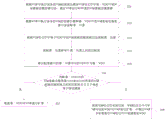
图2为本发明实施例一提供的VNF扩容的方法流程图。本实施例的执行主体为VNFM,如图2所示,该方法包括以下步骤:FIG. 2 is a flowchart of a method for expanding a VNF according to Embodiment 1 of the present invention. The execution body of this embodiment is VNFM. As shown in FIG. 2 , the method includes the following steps:
步骤101、根据VNF中执行业务的VM的资源负载和VNFD文件中第一VDU中的VM基础设施资源信息,确定VNF运行时所需的VM基础设施资源。Step 101: Determine the VM infrastructure resources required for the VNF to run according to the resource load of the VM executing the service in the VNF and the VM infrastructure resource information in the first VDU in the VNFD file.
其中,第一VDU为当前与VNF对应的VDU。The first VDU is the VDU currently corresponding to the VNF.
在本实施例中,VNFM可以通过监控器获取VNF中执行业务的VM的资源负载,VM的资源负载具体可以包括VM的基础设置资源中与计算资源、存储资源、网络资源等相关的指标,例如,中央处理器(Central Processing Unit,简称CPU)的利用率、内存利用率、带宽利用率、磁盘利用率等。VNFM也可以通过监控器获取VNF中执行业务的VM的关键性能指标(KeyPerformance Indicator,简称KPI),从KPI中获取VNF中执行业务的VM的资源负载,其中,KPI包括VNF中执行业务的VM的资源负载和VNF中执行业务的各个VM的业务负载,业务负载包括与VNF业务相关的指标,例如,当前系统中的用户数、会话数、分组数据协议(PacketData Protocol,简称PDP)上下文数、数据库读写队列长度、访问时延等。KPI中的每一种指标的取值可以是瞬时值,也可以是一定时窗内的平均值、最大值、最小值、中间值等。In this embodiment, the VNFM can obtain the resource load of the VM executing the service in the VNF through the monitor. The resource load of the VM can specifically include the indicators related to computing resources, storage resources, network resources, etc. in the basic setting resources of the VM, for example , the central processing unit (Central Processing Unit, CPU for short) utilization, memory utilization, bandwidth utilization, disk utilization, and so on. The VNFM can also obtain the key performance indicator (Key Performance Indicator, KPI) of the VM executing the service in the VNF through the monitor, and obtain the resource load of the VM executing the service in the VNF from the KPI, wherein the KPI includes the VM executing the service in the VNF. Resource load and service load of each VM executing services in the VNF. The service load includes indicators related to the VNF service, such as the number of users in the current system, the number of sessions, the number of Packet Data Protocol (PDP) contexts, and the number of databases. Read and write queue length, access delay, etc. The value of each indicator in the KPI can be an instantaneous value, or an average value, a maximum value, a minimum value, and an intermediate value within a certain time window.
在本实施例中,VNFD文件中包括描述VNF部署和管理行为、以及用来支持VNF上线和管理VNF实例生命周期的配置信息,同时还包含了VNF运行时的其他特定的实例信息和约束信息,本实施中所涉及的VDU也包含在VNFD文件中,并且是VNFD文件的重要组成部分。VNFM从VNFD文件中获取第一VDU,第一VDU为当前执行VNF业务正在使用的VDU,第一VDU中包括为VNF业务分配的VM基础设施资源信息以及操作系统等信息,为VNF业务分配的VM基础设施资源信息具体可以为VNF中执行业务的VM的基础设施资源的一组参数,例如CPU、内存、带宽,硬盘等参数。根据VNF中执行业务的VM的资源负载和第一VDU中为VNF业务分配的VM基础设施资源信息,可以计算出运行该VNF业务时实际使用的VM的资源量。In this embodiment, the VNFD file includes configuration information that describes the VNF deployment and management behavior, as well as the configuration information used to support the VNF online and manage the VNF instance life cycle, and also includes other specific instance information and constraint information when the VNF is running. The VDUs involved in this implementation are also included in the VNFD file and are an important part of the VNFD file. The VNFM obtains the first VDU from the VNFD file. The first VDU is the VDU currently being used for executing the VNF service. The first VDU includes information such as VM infrastructure resources and operating systems allocated for the VNF service. The VM allocated for the VNF service The infrastructure resource information may specifically be a set of parameters of the infrastructure resources of the VM executing the service in the VNF, such as parameters such as CPU, memory, bandwidth, and hard disk. According to the resource load of the VM executing the service in the VNF and the VM infrastructure resource information allocated for the VNF service in the first VDU, the resource amount of the VM actually used when running the VNF service can be calculated.
步骤102、根据VNFD文件中每个VDU中的VM基础设施资源信息和VNF运行时所需的VM基础设施资源,从VNFD文件的所有VDU中确定与VNF运行时所需的VM基础设施资源的匹配度最大的第二VDU。Step 102: According to the VM infrastructure resource information in each VDU in the VNFD file and the VM infrastructure resources required for the VNF to run, determine the match with the VM infrastructure resources required for the VNF to run from all the VDUs in the VNFD file The second VDU with the largest degree.
在本实施例中,VNFM获取VNFD文件中每个VDU中的VM基础设施资源信息,计算VNF运行时所需的VM基础设施资源与每个VDU中的VM基础设施资源之间的匹配度,并选择匹配度最大的VM基础设施资源对应的VDU为第二VDU。In this embodiment, the VNFM obtains the VM infrastructure resource information in each VDU in the VNFD file, calculates the matching degree between the VM infrastructure resources required for the VNF to run and the VM infrastructure resources in each VDU, and The VDU corresponding to the VM infrastructure resource with the highest matching degree is selected as the second VDU.
步骤103、根据第二VDU对VNF进行扩容。Step 103: Expand the VNF according to the second VDU.
在本实施例中,当确定第二VDU之后,VNFM根据第二VDU对VNF进行扩容,具体的扩容过程可以采用现有技术中的VNF的扩容方法,此处不再赘述。In this embodiment, after the second VDU is determined, the VNFM expands the VNF according to the second VDU, and the specific expansion process may adopt the VNF expansion method in the prior art, which will not be repeated here.
现有技术中,当VNF业务发生变化时,使用与该VNF业务对应的VDU对VNFC实例进行扩容时,容易出现VDU中所规定的VM的基础设施资源配置量大于业务实际运行时的VNF的资源使用量,例如,与该VNF业务对应的VDU中规定的内存大小为10G,而实际执行VNF业务时,在其他资源充分利用的情况下,6G内存已满足需求,有剩余4G的内存处于闲置状态,从而造成VM的基础设施资源的浪费。本实施例中,VNFM根据VNF中执行业务的VM的资源负载和VNFD文件中第一VDU中的VM基础设施资源信息,确定VNF运行时所需的VM基础设施资源,并根据VNFD文件中每个VDU中的VM基础设施资源信息和VNF运行时所需的VM基础设施资源,从VNFD文件的所有VDU中确定与VNF运行时所需的VM基础设施资源的匹配度最大的第二VDU,根据第二VDU对VNF进行扩容,本实施例中,不再使用预先为VNF业务配置的VDU进行扩容,而是从所有的VDU中选择与VNF运行时所需的VM基础设施资源最匹配的VDU进行扩容,因此,第二VDU中的VM的基础设施资源的配置量与VNF运行时所需的VM基础设施资源量最为相似,故采用根据第二VDU对VNF进行扩容,不仅可以满足VNF业务的资源需求,而且不会造成VM的基础设施资源的浪费。In the prior art, when the VNF service changes, when the VNFC instance is expanded by using the VDU corresponding to the VNF service, it is easy to cause the VM infrastructure resource configuration amount specified in the VDU to be larger than the VNF resources when the service is actually running. Usage, for example, the memory size specified in the VDU corresponding to the VNF service is 10G, but when the VNF service is actually executed, under the condition that other resources are fully utilized, the 6G memory has met the demand, and the remaining 4G memory is idle , resulting in a waste of VM infrastructure resources. In this embodiment, the VNFM determines the VM infrastructure resources required for the VNF to run according to the resource load of the VM executing the service in the VNF and the VM infrastructure resource information in the first VDU in the VNFD file, and determines the VM infrastructure resources required for the VNF to run The VM infrastructure resource information in the VDU and the VM infrastructure resources required for the VNF to run. From all the VDUs in the VNFD file, the second VDU that matches the VM infrastructure resources required for the VNF to run is determined. The second VDU expands the VNF. In this embodiment, the VDU pre-configured for the VNF service is no longer used for expansion, but the VDU that best matches the VM infrastructure resources required by the VNF is selected from all the VDUs for expansion. , therefore, the configuration amount of the VM infrastructure resources in the second VDU is most similar to the VM infrastructure resources required for the VNF to run. Therefore, the expansion of the VNF based on the second VDU can not only meet the resource requirements of the VNF service , and will not cause a waste of VM infrastructure resources.
本实施例提供的VNF扩容的方法,VNFM根据VNF中执行业务的VM的资源负载和VNFD文件中第一VDU中的VM基础设施资源信息,确定VNF运行时所需的VM基础设施资源,并根据VNFD文件中每个VDU中的VM基础设施资源信息和VNF运行时所需的VM基础设施资源,从VNFD文件的所有VDU中确定与VNF运行时所需的VM基础设施资源的匹配度最大的第二VDU,根据第二VDU对VNF进行扩容,本实施例中,不再使用预先为VNF业务配置的VDU进行扩容,而是从所有的VDU中选择与VNF运行时所需的VM基础设施资源最匹配的第二VDU进行扩容,因此,第二VDU中的VM的基础设施资源的配置量与VNF运行时所需的VM基础设施资源量最为相似,故采用根据第二VDU对VNF进行扩容,不仅可以满足VNF业务的资源需求,而且不会造成VM的基础设施资源的浪费。In the method for expanding the capacity of a VNF provided by this embodiment, the VNFM determines the VM infrastructure resources required for the VNF to run according to the resource load of the VM executing the service in the VNF and the VM infrastructure resource information in the first VDU in the VNFD file. The information about the VM infrastructure resources in each VDU in the VNFD file and the VM infrastructure resources required by the VNF at runtime are determined from all VDUs in the VNFD file, which have the highest matching degree with the VM infrastructure resources required by the VNF at runtime. Two VDUs, the VNF is expanded according to the second VDU. In this embodiment, the VDUs pre-configured for the VNF service are no longer used for capacity expansion, but the VM infrastructure resources that are the closest to the VM infrastructure resources required for the VNF to run are selected from all the VDUs. The matching second VDU is expanded. Therefore, the configuration amount of the VM infrastructure resources in the second VDU is most similar to the VM infrastructure resources required for the VNF to run. Therefore, expanding the VNF according to the second VDU not only It can meet the resource requirements of VNF services, and will not cause waste of VM infrastructure resources.
图3为本发明实施例二提供的VNF扩容的方法流程图。本实施例的执行主体为VNFM,如图3所示,该方法包括以下步骤:FIG. 3 is a flowchart of a method for expanding a VNF according to Embodiment 2 of the present invention. The execution body of this embodiment is the VNFM. As shown in FIG. 3 , the method includes the following steps:
步骤201、根据VNF中执行业务的VM的资源负载和VNFD文件中第一VDU中的VM基础设施资源信息,确定VNF运行时所需的VM基础设施资源。Step 201: Determine the VM infrastructure resources required for the VNF to run according to the resource load of the VM executing the service in the VNF and the VM infrastructure resource information in the first VDU in the VNFD file.
其中,第一VDU为当前与VNF对应的VDU。The first VDU is the VDU currently corresponding to the VNF.
在本实施例中,“根据VNFD文件中每个VDU中的VM基础设施资源信息,从VNFD文件的所有VDU中确定与VNF运行时所需的VM基础设施资源的匹配度最大的第二VDU”这一步骤的具体实现方法包括步骤202至步骤205。In this embodiment, "according to the VM infrastructure resource information in each VDU in the VNFD file, determine the second VDU with the highest matching degree with the VM infrastructure resources required by the VNF from all the VDUs in the VNFD file" The specific implementation method of this step includes
步骤202、根据VNF中执行业务的VM的资源负载和第一VDU中的VM基础设施资源信息获取第一向量。Step 202: Obtain a first vector according to the resource load of the VM executing the service in the VNF and the VM infrastructure resource information in the first VDU.
在本实施例中,第一向量为VNF运行时所需的VM基础设施资源对应的向量,VNFM根据VNF中执行业务的VM的资源负载和第一VDU中的VM基础设施资源信息获取第一向量,将第一向量表示为R=(R1,R2,...,Ri,...,Rn),其中,Ri表示VM的基础设施资源的使用量,例如,R1表示VM的CPU的使用量,R2表示VM的内存的使用量等。In this embodiment, the first vector is a vector corresponding to the VM infrastructure resources required for the VNF to run, and the VNFM obtains the first vector according to the resource load of the VM executing the service in the VNF and the VM infrastructure resource information in the first VDU , denote the first vector as R=(R 1 , R 2 ,...,R i ,...,R n ), where R i represents the usage of infrastructure resources of the VM, for example, R 1 represents The CPU usage of the VM, R 2 represents the memory usage of the VM, and so on.
步骤203、根据VNFD文件中每个VDU中的VM基础设施资源信息获取第二向量。Step 203: Acquire a second vector according to the VM infrastructure resource information in each VDU in the VNFD file.
在本实施例中,第二向量为每个VDU中的VM基础设施资源对应的向量,将第二向量表示为T=(T1,T2,...,Ti,...,Tn),其中,Ti表示VDU中VM的基础设施资源的使用量,例如,T1表示VM的CPU的配置量,T2表示VM的内存的配置量等。In this embodiment, the second vector is a vector corresponding to the VM infrastructure resources in each VDU, and the second vector is represented as T=(T 1 , T 2 ,...,T i ,...,T n ), where T i represents the usage of the infrastructure resources of the VM in the VDU, for example, T 1 represents the configuration amount of the CPU of the VM, T 2 represents the configuration amount of the memory of the VM, and so on.
需要说明的是,第二向量中的元素的排序必须和第一向量一致,例如,R1表示VM的CPU的使用量,则T1必须表示VM的CPU的配置量;R2表示VM的内存的使用量,则T2必须表示VM的内存的配置量。It should be noted that the order of elements in the second vector must be consistent with the first vector. For example, if R 1 represents the CPU usage of the VM, then T 1 must represent the configuration of the VM's CPU; R 2 represents the memory of the VM usage, T2 must represent the configured amount of VM memory.
步骤204、获取第一向量和每个第二向量之间的匹配度。Step 204: Obtain the matching degree between the first vector and each second vector.
在本实施例中,可以通过相似性算法来计算并记录R与T中各向量之间的匹配程度,获取匹配度,该匹配度通常介于0和1之间。一种常见的相似性度量为余弦相似性,也可以使用其他类似的相似性度量方法,本发明中不加以限制。In this embodiment, a similarity algorithm can be used to calculate and record the matching degree between the vectors in R and T to obtain the matching degree, and the matching degree is usually between 0 and 1. A common similarity measure is cosine similarity, and other similar similarity measure methods can also be used, which are not limited in the present invention.
步骤205、将匹配度最大的第二向量对应的VDU作为第二VDU。Step 205: Use the VDU corresponding to the second vector with the largest matching degree as the second VDU.
在本实施例中,获取到所有的第二向量与第一向量之间的匹配度之后,将匹配度最大的第二向量对应的VDU作为第二VDU。In this embodiment, after obtaining the matching degrees between all the second vectors and the first vector, the VDU corresponding to the second vector with the largest matching degree is used as the second VDU.
在本实施例中,“根据第二VDU对VNF进行扩容”这一步骤的具体实现方法包括步骤206至步骤208。In this embodiment, the specific implementation method of the step of "expanding the VNF according to the second VDU" includes
步骤206、判断第二VDU中的VM基础设施资源与VNF运行时所需的VM基础设施资源之间的匹配度是否大于或者等于预设阈值;若是,则执行步骤207;若否,则执行步骤208。Step 206: Determine whether the matching degree between the VM infrastructure resources in the second VDU and the VM infrastructure resources required by the VNF is greater than or equal to a preset threshold; if so, go to step 207; if not, go to step 207 208.
在本实施例中,匹配度大于等于0,且小于等于1,可以预先设置一个预设阈值,比较第二VDU中的VM基础设施资源与VNF运行时所需的VM基础设施资源之间的匹配度与预设阈值的大小,为了保证第二VDU中的VM基础设施资源与VNF运行时所需的VM基础设施资源最匹配,通常情况下,预设阈值的取值不小于0.8,具体的,预设阈值可以等于0.85、0.9等,本领域技术人员可以根据实际需要来设置预设阈值。In this embodiment, if the matching degree is greater than or equal to 0 and less than or equal to 1, a preset threshold may be preset to compare the matching between the VM infrastructure resources in the second VDU and the VM infrastructure resources required for the VNF to run In order to ensure that the VM infrastructure resources in the second VDU best match the VM infrastructure resources required for the VNF to run, usually, the value of the preset threshold is not less than 0.8. Specifically, The preset threshold may be equal to 0.85, 0.9, etc., and those skilled in the art may set the preset threshold according to actual needs.
步骤207、根据第二VDU对VNF进行扩容。Step 207: Expand the VNF according to the second VDU.
在本实施例中,当第二VDU中的VM基础设施资源与VNF运行时所需的VM基础设施资源之间的匹配度大于或者等于预设阈值时,根据第二VDU对VNF进行扩容。In this embodiment, when the matching degree between the VM infrastructure resources in the second VDU and the VM infrastructure resources required for the VNF to run is greater than or equal to a preset threshold, the VNF is expanded according to the second VDU.
步骤208、根据VNFD文件初始化时,VNFD文件中与VNF对应的VDU对VNF进行扩容,并通过VNFD管理器在VNFD文件中创建新的VDU。
在本实施中,当第二VDU中的VM基础设施资源与VNF运行时所需的VM基础设施资源之间的匹配度小于预设阈值时,VNFM根据VNFD文件初始化时,VNFD文件中与VNF对应的VDU对VNF进行扩容,并通过VNFD管理器在VNFD文件中创建新的VDU。由于建立新的VDU有等待时间,可能造成VNF业务的延迟,因此,在VNFD文件初始化时,为每个VNF业务配置相应的VDU,当第一次对该VNF业务进行扩容,或者,从所有的VDU中没有找到与VNF运行时所需的VM基础设施资源相匹配的VDU时,使用该初始化时配置的VDU对VNF进行扩容。从而避免了建立新的VDU造成的VNF业务的延迟,保证了VNF业务的服务质量。并且,若第二VDU中的VM基础设施资源与VNF运行时所需的VM基础设施资源之间的匹配度小于预设阈值,使用VNFD文件初始化过程中,为该VNF设置的VDU对VNF进行扩容的同时,VNFM还可以根据VNF运行时所需的VM基础设施资源,通过VNFD管理器在VNFD文件中创建新的VDU。In this implementation, when the matching degree between the VM infrastructure resources in the second VDU and the VM infrastructure resources required by the VNF is less than the preset threshold, when the VNFM is initialized according to the VNFD file, the VNFD file corresponds to the VNF The new VDU expands the VNF, and creates a new VDU in the VNFD file through the VNFD manager. Since there is a waiting time for establishing a new VDU, the VNF service may be delayed. Therefore, when the VNFD file is initialized, configure the corresponding VDU for each VNF service. When expanding the VNF service for the first time, or from all When a VDU that matches the VM infrastructure resources required by the VNF is not found in the VDU, the VDU configured during initialization is used to expand the VNF. Thus, the delay of the VNF service caused by the establishment of a new VDU is avoided, and the service quality of the VNF service is guaranteed. In addition, if the matching degree between the VM infrastructure resources in the second VDU and the VM infrastructure resources required for the VNF to run is smaller than the preset threshold, during the initialization process of the VNFD file, the VDU set for the VNF is used to expand the VNF. At the same time, the VNFM can also create new VDUs in the VNFD file through the VNFD manager according to the VM infrastructure resources required for the VNF to run.
可选地,在本实施例中,通过VNFD管理器在VNFD文件中创建新的VDU,具体包括:向NFVO发送VDU创建请求;其中,VDU创建请求携带VNF运行时所需的VM基础设施资源信息,用于请求NFVO在确定需要创建新的VDU之后,NFVO指示VNFD管理器根据VNF运行时所需的VM基础设施资源信息在VNFD文件中创建新的VDU。Optionally, in this embodiment, creating a new VDU in the VNFD file through the VNFD manager specifically includes: sending a VDU creation request to the NFVO; wherein the VDU creation request carries the VM infrastructure resource information required by the VNF to run , which is used to request NFVO to create a new VDU in the VNFD file according to the VM infrastructure resource information required by the VNF when the NFVO determines that a new VDU needs to be created.
在本实施例中,当需要创建新的VDU时,VNFM向NFVO发送VDU创建请求,NFVO根据VDU创建请求中携带的VNF运行时所需的VM基础设施资源信息判断是否需要建立新的VDU,如果确定需要创建新的VDU,则NFVO指示VNFD管理器根据VNF运行时所需的VM基础设施资源信息在VNFD文件中创建新的VDU,当下一次对该VNF扩容时,可以使用该新建的VDU对该VNF进行扩容。具体的,VNFD管理器是管理VNFD文件的逻辑实体,实际实现时需要建立一个功能模块作为VNFD管理器,该功能模块可以集成在NFVO中,也可以部署在其他模块中。VNFD管理器的作用包括对VNFD文件的查询、修改、以及VNFD文件的创建、更新和删除等,是VNFD文件管理的最终实现者,在实施例中,主要涉及的是VNFD管理器创建VDU的过程。表1为VNFD管理器的功能描述。In this embodiment, when a new VDU needs to be created, the VNFM sends a VDU creation request to the NFVO, and the NFVO determines whether a new VDU needs to be created according to the VM infrastructure resource information required for the VNF to run in the VDU creation request. It is determined that a new VDU needs to be created, and NFVO instructs the VNFD manager to create a new VDU in the VNFD file according to the VM infrastructure resource information required by the VNF during operation. VNF for expansion. Specifically, the VNFD manager is a logical entity for managing VNFD files. In actual implementation, a functional module needs to be established as the VNFD manager. The functional module can be integrated in NFVO or deployed in other modules. The role of the VNFD manager includes the query, modification of VNFD files, and the creation, update and deletion of VNFD files. . Table 1 is the functional description of the VNFD manager.
表1Table 1
需要说明的是,在本实施例中,对于VNFD文件的管理可以由VNFM或运营支撑系统(The Office of Strategic Services,简称OSS)发起,也可以由具有高级权限的运营维护人员发起,例如,第一种方式为:具有高级权限的运营维护人员可以通过VNF文件管理(package management)接口直接指示VNFD管理器进行VNFD文件管理,运营维护人员需要指定VNFD文件管理的具体内容;第二种方式为:VNFM或OSS向NFVO请求进行VNFD文件管理,NFVO许可VNFD文件管理操作后,NFVO向VNFD管理器发起指令,指示VNFD管理器对VNFD文件进行管理。It should be noted that, in this embodiment, the management of VNFD files may be initiated by VNFM or an operation support system (The Office of Strategic Services, OSS for short), or may be initiated by operation and maintenance personnel with advanced authority, for example, the first One way is: operation and maintenance personnel with advanced permissions can directly instruct the VNFD manager to manage VNFD files through the VNF file management (package management) interface, and the operation and maintenance personnel need to specify the specific content of VNFD file management; the second way is: VNFM or OSS requests NFVO for VNFD file management. After NFVO approves the VNFD file management operation, NFVO sends an instruction to the VNFD manager to instruct the VNFD manager to manage the VNFD file.
本实施例提供的VNF扩容的方法,VNFM将VNF运行时所需的VM基础设施资源和所有VDU中的VM基础设施资源向量化,通过计算第一向量和第二向量之间的相似性,选择出与VNF运行时所需的VM基础设施资源最匹配的第二VDU,并进一步的比较第二VDU中的VM基础设施资源与VNF运行时所需的VM基础设施资源之间的匹配度与预设阈值之间的大小,当该匹配度大于或等于预设阈值时,根据第二VDU对VNF进行扩容,不仅满足了VNF业务的需求,而且,不会造成VM基础设施资源的浪费;当该匹配度小于预设阈值时,根据VNFD文件初始化时,VNFD文件中与VNF对应的VDU对VNF进行扩容,并通过VNFD管理器在VNFD文件中创建新的VDU,不仅使得本次VNF扩容可以及时完成,保证了VNF业务的服务质量,而且,由于新的VDU为根据VNF业务运行时所需的VM基础设施资源新建的VDU,因此,该新建的VDU与VNF业务运行时所需的VM基础设施资源最匹配,下次对该VNF扩容时,采用新建的VDU对该VNF扩容,进一步减少VM基础设施资源的浪费。In the VNF expansion method provided in this embodiment, the VNFM vectorizes the VM infrastructure resources required by the VNF and the VM infrastructure resources in all VDUs, and calculates the similarity between the first vector and the second vector to select Obtain the second VDU that best matches the VM infrastructure resources required by the VNF runtime, and further compare the matching degree between the VM infrastructure resources in the second VDU and the VM infrastructure resources required by the VNF runtime. Set the size between the thresholds. When the matching degree is greater than or equal to the preset threshold, the VNF is expanded according to the second VDU, which not only meets the needs of the VNF service, but also does not cause waste of VM infrastructure resources; When the matching degree is less than the preset threshold, when the VNFD file is initialized, the VDU corresponding to the VNF in the VNFD file expands the VNF, and creates a new VDU in the VNFD file through the VNFD manager, which not only enables the VNF expansion to be completed in time , which ensures the service quality of the VNF service. Moreover, since the new VDU is a newly created VDU based on the VM infrastructure resources required for the VNF service to run, the newly created VDU and the VM infrastructure resources required for the VNF service to run If it is the best match, the next time the VNF is expanded, the newly-built VDU is used to expand the VNF to further reduce the waste of VM infrastructure resources.
图4为本发明实施例三提供的VNF扩容的方法流程图。在上述图2或图3所示实施例的基础上,“根据所述第二VDU对所述VNF进行扩容”这一步骤的方法实现原理具体包括以下步骤:FIG. 4 is a flowchart of a method for expanding a VNF according to Embodiment 3 of the present invention. On the basis of the above embodiment shown in FIG. 2 or FIG. 3 , the implementation principle of the method for the step of “expanding the VNF according to the second VDU” specifically includes the following steps:
步骤301、根据第二VDU向NFVO发送扩容请求。Step 301: Send a capacity expansion request to NFVO according to the second VDU.
其中,扩容请求包括扩容所需的VM数量和扩容所需的VM的基础设施资源信息。The capacity expansion request includes the number of VMs required for capacity expansion and information on infrastructure resources of the VMs required for capacity expansion.
在本实施例中,VNFM根据第二VDU确定扩容所需的VM数量和扩容所需的VM的基础设施资源信息,再根据扩容所需的VM数量和扩容所需的VM的基础设施资源信息生成扩容请求。NFVO接收到扩容请求之后,查询资源数据库判断扩容请求是否可行,若资源数据库中的资源可以满足该VNF业务,则确定该扩容请求可行,NFVO通过虚拟资源管理VRM(VirtualResource Management)接口创建预留资源,避免扩容VNF业务所需的资源被抢占,并向VNFM发送扩容指令;若资源数据库中的资源不能满足该VNF业务,则确定该扩容请求不可行,NFVO向VNFM发送资源不足消息或者不返回任何消息。In this embodiment, the VNFM determines the number of VMs required for expansion and the infrastructure resource information of the VMs required for expansion according to the second VDU, and then generates the VM based on the number of VMs required for expansion and the infrastructure resource information of the VMs required for expansion. Expansion request. After NFVO receives the expansion request, it queries the resource database to determine whether the expansion request is feasible. If the resources in the resource database can satisfy the VNF service, it is determined that the expansion request is feasible. NFVO creates reserved resources through the virtual resource management VRM (Virtual Resource Management) interface. , to avoid the preemption of the resources required for the expansion of the VNF service, and send the expansion instruction to the VNFM; if the resources in the resource database cannot meet the VNF service, it is determined that the expansion request is not feasible, and the NFVO sends a resource shortage message to the VNFM or does not return any information.
步骤302、接收NFVO发送的扩容指令。Step 302: Receive a capacity expansion instruction sent by the NFVO.
其中,扩容指令携带NFVO根据扩容请求为VNF的扩容所分配的资源信息。The capacity expansion instruction carries resource information allocated by the NFVO for the capacity expansion of the VNF according to the capacity expansion request.
在本实施例中,NFVO为VNF的扩容所分配的资源信息具体为NFVO通过VRM接口创建的预留资源信息。In this embodiment, the resource information allocated by the NFVO for the expansion of the VNF is specifically the reserved resource information created by the NFVO through the VRM interface.
步骤303、根据扩容指令创建并启动扩容所需的VM。Step 303: Create and start the VM required for the expansion according to the expansion instruction.
可选地,在本实施例中,可以在VNFM中建立一个匹配模块,并在该匹配模块和NFVO之间建立一个通信接口,该匹配模块用于根据VNFD文件中每个VDU中的VM基础设施资源信息和VNF运行时所需的VM基础设施资源,从VNFD文件的所有VDU中确定与VNF运行时所需的VM基础设施资源的匹配度最大的第二VDU,该通信接口用于实现匹配模块与NFVO之间的通信,例如,匹配模块选择出第二VDU之后,通过通信接口向VNFO发送扩容请求,或者,当需要创建新的VDU时,匹配模块通过通信接口向VNFO发送VDU创建请求。Optionally, in this embodiment, a matching module may be established in the VNFM, and a communication interface may be established between the matching module and NFVO, and the matching module is used to Resource information and the VM infrastructure resources required by the VNF runtime, determine the second VDU that matches the VM infrastructure resources required by the VNF runtime from all the VDUs in the VNFD file, and this communication interface is used to implement the matching module For communication with NFVO, for example, after the matching module selects the second VDU, it sends a capacity expansion request to the VNFO through the communication interface, or when a new VDU needs to be created, the matching module sends a VDU creation request to the VNFO through the communication interface.
在本实施例中,VNFM接收NFVO发送的扩容指令,VNFM根据扩容指令中的预留资源信息创建并启动扩容所需的VM。具体过程如下:VNFM向VIM请求创建扩容所需的VM,VIM创建、启动扩容所需的VM并相应分配网络资源,然后向VNFM发送创建成功信息,VNFM设置该VNF的VM的基础设置资源信息和操作系统等参数,并将扩容该VNF业务所增加的VM的数量以及增加的VM的基础设施资源信息发送给单元管理设备(Element Management,简称EM),以使EM对该VNF业务的相关参数进行设置,然后,VNFM将VNF成功扩容的消息上报给NFVO,由NFVO将该VNF业务关联到合适的VIM和资源池。In this embodiment, the VNFM receives the expansion instruction sent by the NFVO, and the VNFM creates and starts the VM required for expansion according to the reserved resource information in the expansion instruction. The specific process is as follows: the VNFM requests the VIM to create the VM required for the expansion, the VIM creates and starts the VM required for the expansion and allocates network resources accordingly, and then sends the creation success information to the VNFM, and the VNFM sets the basic setting resource information and resource information of the VM of the VNF. Operating system and other parameters, and send the number of VMs added by the VNF service and the infrastructure resource information of the added VMs to the element management device (Element Management, EM for short), so that the EM can analyze the relevant parameters of the VNF service. After setting, the VNFM reports the successful expansion of the VNF to the NFVO, and the NFVO associates the VNF service with the appropriate VIM and resource pool.
本实施例提供的VNF扩容的方法,VNFM确定了第二VDU之后,根据第二VDU向NFVO发送扩容请求,并接收NFVO发送的携带NFVO根据扩容请求为VNF的扩容所分配的资源信息的扩容指令,根据扩容指令创建并启动扩容所需的VM,完成整个VNF扩容的过程,满足VNF业务的需求,保证了服务质量,并减少了VM基础设施资源的浪费。In the method for VNF capacity expansion provided in this embodiment, after VNFM determines the second VDU, it sends a capacity expansion request to NFVO according to the second VDU, and receives a capacity expansion instruction sent by NFVO that carries the resource information allocated by NFVO for VNF capacity expansion according to the capacity expansion request , create and start the VM required for expansion according to the expansion instruction, complete the entire VNF expansion process, meet the needs of the VNF business, ensure the quality of service, and reduce the waste of VM infrastructure resources.
图5为本发明实施例四提供的VNF扩容的装置结构示意图。如图5所示,该装置包括确定模块11、匹配模块12和扩容模块13。确定模块11用于根据VNF中执行业务的VM的资源负载和VNFD文件中第一VDU中的VM基础设施资源信息,确定VNF运行时所需的VM基础设施资源;其中,第一VDU为当前与VNF对应的VDU。匹配模块12用于根据VNFD文件中每个VDU中的VM基础设施资源信息和VNF运行时所需的VM基础设施资源,从VNFD文件的所有VDU中确定与VNF运行时所需的VM基础设施资源的匹配度最大的第二VDU。扩容模块13用于根据第二VDU对VNF进行扩容。FIG. 5 is a schematic structural diagram of an apparatus for expanding the capacity of a VNF according to Embodiment 4 of the present invention. As shown in FIG. 5 , the device includes a
本实施例的装置,可以用于执行图2所示方法实施例的技术方案,其实现原理和技术效果类似,此处不再赘述。The apparatus of this embodiment can be used to execute the technical solution of the method embodiment shown in FIG. 2 , and the implementation principle and technical effect thereof are similar, and are not repeated here.
进一步地,在上述图5所示实施例的基础上,在本发明实施例五提供的VNF扩容的装置中,扩容模块13具体用于判断第二VDU中的VM基础设施资源与VNF运行时所需的VM基础设施资源之间的匹配度是否大于或者等于预设阈值;若是,则扩容模块13根据第二VDU对VNF进行扩容;若否,则扩容模块13根据VNFD文件初始化时,VNFD文件中与VNF对应的VDU对VNF进行扩容,并通过VNFD管理器在VNFD文件中创建新的VDU。Further, on the basis of the above embodiment shown in FIG. 5 , in the VNF capacity expansion device provided in Embodiment 5 of the present invention, the
在本实施例中,匹配模块12具体用于根据VNF中执行业务的VM的资源负载和第一VDU中的VM基础设施资源信息获取第一向量;根据VNFD文件中每个VDU中的VM基础设施资源信息获取第二向量;获取第一向量和每个第二向量之间的匹配度;将匹配度最大的第二向量对应的VDU作为第二VDU。In this embodiment, the
在本实施例中,扩容模块13还用于向网络功能虚拟化编排器NFVO发送VDU创建请求;其中,VDU创建请求携带VNF运行时所需的VM基础设施资源信息,用于请求NFVO在确定需要创建新的VDU之后,NFVO指示VNFD管理器根据VNF运行时所需的VM基础设施资源信息在VNFD文件中创建新的VDU。In this embodiment, the
本实施例的装置,可以用于执行图3所示方法实施例的技术方案,其实现原理和技术效果类似,此处不再赘述。The apparatus of this embodiment can be used to execute the technical solution of the method embodiment shown in FIG. 3 , and its implementation principle and technical effect are similar, and details are not repeated here.
更进一步地,在上述实施例五的基础上,在本发明实施例六提供的VNF扩容的装置中,扩容模块13具体还用于根据第二VDU向NFVO发送扩容请求;其中,扩容请求包括扩容所需的VM数量和扩容所需的VM的基础设施资源信息;扩容模块13具体还用于接收NFVO发送的扩容指令,并根据扩容指令创建并启动扩容所需的VM;其中,扩容指令携带NFVO根据扩容请求为VNF的扩容所分配的资源信息。Further, on the basis of the fifth embodiment, in the VNF capacity expansion device provided in the sixth embodiment of the present invention, the
可选地,在本实施例中,可以在该匹配模块和NFVO之间建立一个通信接口,通信接口用于实现匹配模块与NFVO之间的通信,例如,匹配模块选择出第二VDU之后,通过通信接口向VNFO发送扩容请求,或者,当需要创建新的VDU时,匹配模块通过通信接口向VNFO发送VDU创建请求。Optionally, in this embodiment, a communication interface may be established between the matching module and the NFVO, and the communication interface is used to implement communication between the matching module and the NFVO. For example, after the matching module selects the second VDU, The communication interface sends a capacity expansion request to the VNFO, or, when a new VDU needs to be created, the matching module sends a VDU creation request to the VNFO through the communication interface.
本实施例的装置,可以用于执行图4所示方法实施例的技术方案,其实现原理和技术效果类似,此处不再赘述。The apparatus in this embodiment can be used to execute the technical solution of the method embodiment shown in FIG. 4 , and the implementation principle and technical effect thereof are similar, and are not repeated here.
图6为本发明实施例七提供的VNF扩容的设备结构示意图。如图6所示,该设备包括处理器21、接收器22和发射器23。处理器21用于根据VNF中执行业务的VM的资源负载和VNFD文件中第一VDU中的VM基础设施资源信息,确定VNF运行时所需的VM基础设施资源;其中,第一VDU为当前与VNF对应的VDU。处理器21用于根据VNFD文件中每个VDU中的VM基础设施资源信息和VNF运行时所需的VM基础设施资源,从VNFD文件的所有VDU中确定与VNF运行时所需的VM基础设施资源的匹配度最大的第二VDU。处理器21还用于根据第二VDU对VNF进行扩容。接收器22用于接收监控设备发送的VNF中执行业务的VM的资源负载,或者,其它设备向VNF扩容的设备发送的信息。发射器23用于向与VNF扩容的设备通信的其它设备发送信息。FIG. 6 is a schematic structural diagram of a device for expanding the capacity of a VNF according to Embodiment 7 of the present invention. As shown in FIG. 6 , the device includes a
可选地,处理器21用于判断所述第二VDU中的VM基础设施资源与所述VNF运行时所需的VM基础设施资源之间的匹配度是否大于或者等于预设阈值;若是,则处理器21根据第二VDU对VNF进行扩容;若否,则处理器21根据VNFD文件初始化时,VNFD文件中与VNF对应的VDU对VNF进行扩容,并通过VNFD管理器在VNFD文件中创建新的VDU。Optionally, the
可选地,处理器21还用于根据VNF中执行业务的VM的资源负载和第一VDU中的VM基础设施资源信息获取第一向量;根据VNFD文件中每个VDU中的VM基础设施资源信息获取第二向量;获取第一向量和每个第二向量之间的匹配度;将匹配度最大的第二向量对应的VDU作为第二VDU。Optionally, the
可选地,发射器23还用于向NFVO发送VDU创建请求;其中,VDU创建请求携带VNF运行时所需的VM基础设施资源信息,用于请求NFVO在确定需要创建新的VDU之后,NFVO指示VNFD管理器根据VNF运行时所需的VM基础设施资源信息在VNFD文件中创建新的VDU。Optionally, the transmitter 23 is further configured to send a VDU creation request to the NFVO; wherein, the VDU creation request carries the VM infrastructure resource information required by the VNF to run, and is used to request the NFVO to indicate that after determining that a new VDU needs to be created, the NFVO indicates The VNFD manager creates new VDUs in the VNFD file based on the VM infrastructure resource information required for the VNF to run.
可选地,发射器23还用于根据第二VDU向NFVO发送扩容请求;其中,扩容请求包括扩容所需的VM数量和扩容所需的VM的基础设施资源信息;接收器22用于接收NFVO发送的扩容指令;其中,扩容指令携带NFVO根据扩容请求为VNF的扩容所分配的资源信息;处理器21还用于根据扩容指令创建并启动扩容所需的VM。Optionally, the transmitter 23 is also used to send a capacity expansion request to the NFVO according to the second VDU; wherein, the capacity expansion request includes the number of VMs required for capacity expansion and the infrastructure resource information of the VM required for capacity expansion; the
本实施例提供的VNF扩容的设备,可以用于执行上述任一VNF扩容的方法实施例的技术方案,其实现原理和技术效果类似,此处不再赘述。The VNF capacity expansion device provided in this embodiment can be used to implement the technical solutions of any of the foregoing VNF capacity expansion method embodiments, and the implementation principles and technical effects thereof are similar, and are not repeated here.
本领域普通技术人员可以理解:实现上述各方法实施例的全部或部分步骤可以通过程序指令相关的硬件来完成。前述的程序可以存储于一计算机可读取存储介质中。该程序在执行时,执行包括上述各方法实施例的步骤;而前述的存储介质包括:只读存储器(Read-Only Memory,简称ROM)、随机存取存储器(random access memory,简称RAM)、磁碟或者光盘等各种可以存储程序代码的介质。Those of ordinary skill in the art can understand that all or part of the steps of implementing the above method embodiments may be completed by program instructions related to hardware. The aforementioned program can be stored in a computer-readable storage medium. When the program is executed, it executes the steps including the above method embodiments; and the aforementioned storage medium includes: read-only memory (Read-Only Memory, ROM for short), random access memory (random access memory, RAM for short), magnetic Various media that can store program codes, such as discs or optical discs.
最后应说明的是:以上各实施例仅用以说明本发明的技术方案,而非对其限制;尽管参照前述各实施例对本发明进行了详细的说明,本领域的普通技术人员应当理解:其依然可以对前述各实施例所记载的技术方案进行修改,或者对其中部分或者全部技术特征进行等同替换;而这些修改或者替换,并不使相应技术方案的本质脱离本发明各实施例技术方案的范围。Finally, it should be noted that the above embodiments are only used to illustrate the technical solutions of the present invention, but not to limit them; although the present invention has been described in detail with reference to the foregoing embodiments, those of ordinary skill in the art should understand that: The technical solutions described in the foregoing embodiments can still be modified, or some or all of the technical features thereof can be equivalently replaced; and these modifications or replacements do not make the essence of the corresponding technical solutions deviate from the technical solutions of the embodiments of the present invention. scope.
Claims (10)
Applications Claiming Priority (1)
| Application Number | Priority Date | Filing Date | Title |
|---|---|---|---|
| PCT/CN2015/084315 WO2017011938A1 (en) | 2015-07-17 | 2015-07-17 | Virtual network function capacity expansion method and apparatus |
Publications (2)
| Publication Number | Publication Date |
|---|---|
| CN106664259A CN106664259A (en) | 2017-05-10 |
| CN106664259B true CN106664259B (en) | 2020-01-10 |
Family
ID=57833632
Family Applications (1)
| Application Number | Title | Priority Date | Filing Date |
|---|---|---|---|
| CN201580041914.5A Active CN106664259B (en) | 2015-07-17 | 2015-07-17 | Method and device for expanding virtual network function |
Country Status (2)
| Country | Link |
|---|---|
| CN (1) | CN106664259B (en) |
| WO (1) | WO2017011938A1 (en) |
Families Citing this family (8)
| Publication number | Priority date | Publication date | Assignee | Title |
|---|---|---|---|---|
| CN109286494B (en) * | 2017-07-20 | 2020-10-23 | 华为技术有限公司 | Method and device for generating initialization credential of virtual network function VNF |
| CN107368351B (en) * | 2017-07-25 | 2021-03-19 | 苏州浪潮智能科技有限公司 | A method and device for automatic upgrade and expansion of virtual machine configuration |
| CN111143023B (en) * | 2018-11-05 | 2024-10-18 | 中兴通讯股份有限公司 | A method, device, equipment and storage medium for changing resources |
| CN111698112B (en) * | 2019-03-15 | 2021-09-14 | 华为技术有限公司 | Resource management method and device for VNF (virtual network function) |
| CN112667389A (en) * | 2019-10-16 | 2021-04-16 | 北京京东尚科信息技术有限公司 | Resource container management method and device |
| CN111211998A (en) * | 2019-12-12 | 2020-05-29 | 北京淇瑀信息科技有限公司 | Elastically scalable resource allocation method, device and electronic device |
| CN114691349A (en) * | 2020-12-31 | 2022-07-01 | 维沃移动通信有限公司 | Information processing method, device, equipment and storage medium |
| CN116055339B (en) * | 2021-10-27 | 2025-04-08 | 中国移动通信集团设计院有限公司 | Network performance optimization method, device and storage medium |
Citations (4)
| Publication number | Priority date | Publication date | Assignee | Title |
|---|---|---|---|---|
| CN104050045A (en) * | 2014-06-27 | 2014-09-17 | 华为技术有限公司 | Method and device for distributing virtual resources based on disk IO |
| WO2014155292A1 (en) * | 2013-03-27 | 2014-10-02 | Ericsson Ab | A method and system to allocate bandwidth for heterogeneous bandwidth request in cloud computing networks |
| CN104601492A (en) * | 2014-12-29 | 2015-05-06 | 上海华为技术有限公司 | Method and device for controlling business flow under NFV framework |
| CN104601680A (en) * | 2014-12-31 | 2015-05-06 | 华为技术有限公司 | Resource management method and device |
Family Cites Families (1)
| Publication number | Priority date | Publication date | Assignee | Title |
|---|---|---|---|---|
| EP2849064B1 (en) * | 2013-09-13 | 2016-12-14 | NTT DOCOMO, Inc. | Method and apparatus for network virtualization |
-
2015
- 2015-07-17 WO PCT/CN2015/084315 patent/WO2017011938A1/en not_active Ceased
- 2015-07-17 CN CN201580041914.5A patent/CN106664259B/en active Active
Patent Citations (4)
| Publication number | Priority date | Publication date | Assignee | Title |
|---|---|---|---|---|
| WO2014155292A1 (en) * | 2013-03-27 | 2014-10-02 | Ericsson Ab | A method and system to allocate bandwidth for heterogeneous bandwidth request in cloud computing networks |
| CN104050045A (en) * | 2014-06-27 | 2014-09-17 | 华为技术有限公司 | Method and device for distributing virtual resources based on disk IO |
| CN104601492A (en) * | 2014-12-29 | 2015-05-06 | 上海华为技术有限公司 | Method and device for controlling business flow under NFV framework |
| CN104601680A (en) * | 2014-12-31 | 2015-05-06 | 华为技术有限公司 | Resource management method and device |
Also Published As
| Publication number | Publication date |
|---|---|
| CN106664259A (en) | 2017-05-10 |
| WO2017011938A1 (en) | 2017-01-26 |
Similar Documents
| Publication | Publication Date | Title |
|---|---|---|
| CN106664259B (en) | Method and device for expanding virtual network function | |
| US11429408B2 (en) | System and method for network function virtualization resource management | |
| WO2020135799A1 (en) | Vnf service instantiation method and device | |
| WO2018024059A1 (en) | Method and device for service deployment in virtualized network | |
| WO2015196931A1 (en) | Disk io-based virtual resource allocation method and device | |
| CN105049268A (en) | Distributed computing resource allocation system and task processing method | |
| CN110166507B (en) | Multi-resource scheduling method and device | |
| CN107026802A (en) | A kind of method for managing resource and equipment | |
| CN105812171A (en) | Virtualized network function VNF control method and device | |
| US20140282512A1 (en) | Zone management of compute-centric object stores | |
| US9660834B2 (en) | Bursting cloud resources to affect state change performance | |
| CN103795804A (en) | Storage resource scheduling method and storage calculation system | |
| CN109960579B (en) | Method and device for adjusting service container | |
| US20230221997A1 (en) | System and method for subscription management using composed systems | |
| CN106663012A (en) | A hardware acceleration method and related equipment | |
| US9342369B2 (en) | System and method for increasing throughput of a PaaS system | |
| WO2016155291A1 (en) | Method and apparatus for managing virtualized network function scaling | |
| CN110659126B (en) | Resource management method, device, and computer-readable storage medium | |
| CN109995552A (en) | VNF service instantiation method and device | |
| CN106534227B (en) | Method and apparatus for scaling distributed consensus services | |
| CN105094947B (en) | The quota management method and system of a kind of virtual computing resource | |
| CN109905258B (en) | PaaS management method, device and storage medium | |
| CN105100180A (en) | Cluster node dynamic loading method, device and system | |
| WO2022142515A1 (en) | Instance management method and apparatus, and cloud application engine | |
| WO2024148864A1 (en) | Virtual machine memory adjustment method and device, non-volatile readable storage medium, and electronic device |
Legal Events
| Date | Code | Title | Description |
|---|---|---|---|
| PB01 | Publication | ||
| PB01 | Publication | ||
| SE01 | Entry into force of request for substantive examination | ||
| SE01 | Entry into force of request for substantive examination | ||
| GR01 | Patent grant | ||
| GR01 | Patent grant | ||
| TR01 | Transfer of patent right | ||
| TR01 | Transfer of patent right |
Effective date of registration: 20200624 Address after: 266101 area a, software park, 169 Songling Road, Laoshan District, Qingdao City, Shandong Province Patentee after: Qingdao Huashi Intelligent Technology Co.,Ltd. Address before: 625, room 269, Connaught platinum Plaza, No. 518101, Qianjin Road, Xin'an street, Shenzhen, Guangdong, Baoan District Patentee before: SHENZHEN SHANGGE INTELLECTUAL PROPERTY SERVICE Co.,Ltd. Effective date of registration: 20200624 Address after: 625, room 269, Connaught platinum Plaza, No. 518101, Qianjin Road, Xin'an street, Shenzhen, Guangdong, Baoan District Patentee after: SHENZHEN SHANGGE INTELLECTUAL PROPERTY SERVICE Co.,Ltd. Address before: 518129 Bantian HUAWEI headquarters office building, Longgang District, Guangdong, Shenzhen Patentee before: HUAWEI TECHNOLOGIES Co.,Ltd. |