CN1058593A - Preparation method and intermediate of β-lactam with aminothiazole (iminooxyacetic acid) acetic acid side chain - Google Patents
Preparation method and intermediate of β-lactam with aminothiazole (iminooxyacetic acid) acetic acid side chain Download PDFInfo
- Publication number
- CN1058593A CN1058593A CN91105309A CN91105309A CN1058593A CN 1058593 A CN1058593 A CN 1058593A CN 91105309 A CN91105309 A CN 91105309A CN 91105309 A CN91105309 A CN 91105309A CN 1058593 A CN1058593 A CN 1058593A
- Authority
- CN
- China
- Prior art keywords
- hydrogen
- acid
- compound
- following formula
- alkyl
- Prior art date
- Legal status (The legal status is an assumption and is not a legal conclusion. Google has not performed a legal analysis and makes no representation as to the accuracy of the status listed.)
- Granted
Links
Classifications
-
- C—CHEMISTRY; METALLURGY
- C07—ORGANIC CHEMISTRY
- C07D—HETEROCYCLIC COMPOUNDS
- C07D417/00—Heterocyclic compounds containing two or more hetero rings, at least one ring having nitrogen and sulfur atoms as the only ring hetero atoms, not provided for by group C07D415/00
- C07D417/02—Heterocyclic compounds containing two or more hetero rings, at least one ring having nitrogen and sulfur atoms as the only ring hetero atoms, not provided for by group C07D415/00 containing two hetero rings
- C07D417/06—Heterocyclic compounds containing two or more hetero rings, at least one ring having nitrogen and sulfur atoms as the only ring hetero atoms, not provided for by group C07D415/00 containing two hetero rings linked by a carbon chain containing only aliphatic carbon atoms
-
- A—HUMAN NECESSITIES
- A61—MEDICAL OR VETERINARY SCIENCE; HYGIENE
- A61P—SPECIFIC THERAPEUTIC ACTIVITY OF CHEMICAL COMPOUNDS OR MEDICINAL PREPARATIONS
- A61P31/00—Antiinfectives, i.e. antibiotics, antiseptics, chemotherapeutics
- A61P31/04—Antibacterial agents
-
- C—CHEMISTRY; METALLURGY
- C07—ORGANIC CHEMISTRY
- C07D—HETEROCYCLIC COMPOUNDS
- C07D417/00—Heterocyclic compounds containing two or more hetero rings, at least one ring having nitrogen and sulfur atoms as the only ring hetero atoms, not provided for by group C07D415/00
- C07D417/02—Heterocyclic compounds containing two or more hetero rings, at least one ring having nitrogen and sulfur atoms as the only ring hetero atoms, not provided for by group C07D415/00 containing two hetero rings
- C07D417/12—Heterocyclic compounds containing two or more hetero rings, at least one ring having nitrogen and sulfur atoms as the only ring hetero atoms, not provided for by group C07D415/00 containing two hetero rings linked by a chain containing hetero atoms as chain links
Landscapes
- Chemical & Material Sciences (AREA)
- Organic Chemistry (AREA)
- Health & Medical Sciences (AREA)
- Life Sciences & Earth Sciences (AREA)
- General Health & Medical Sciences (AREA)
- General Chemical & Material Sciences (AREA)
- Medicinal Chemistry (AREA)
- Nuclear Medicine, Radiotherapy & Molecular Imaging (AREA)
- Oncology (AREA)
- Pharmacology & Pharmacy (AREA)
- Communicable Diseases (AREA)
- Animal Behavior & Ethology (AREA)
- Chemical Kinetics & Catalysis (AREA)
- Public Health (AREA)
- Veterinary Medicine (AREA)
- Pharmaceuticals Containing Other Organic And Inorganic Compounds (AREA)
- Cephalosporin Compounds (AREA)
- Plural Heterocyclic Compounds (AREA)
- Organic Low-Molecular-Weight Compounds And Preparation Thereof (AREA)
- Thiazole And Isothizaole Compounds (AREA)
Abstract
本发明公开了制备下式(I)化合物的方法, 该方法是通过用碱处理,使下式(II)的新化合物 与式(III) 的β-内酰胺进行反应,其中的符号如说明书中定 义。The present invention discloses the method for preparing the following formula (I) compound, The method is to make the new compound of the following formula (II) by treating with base and formula (III) The β-lactam reacts, wherein the symbols are as defined in the specification.
Description
本发明涉及含有氨基噻唑(亚氨基氧基乙酸)乙酸侧链的β-内酰胺的制备及其新的中间体。尤其是这些化合物可用作抗菌剂或者可在其制备过程中用作中间体。The present invention relates to the preparation of β-lactams containing aminothiazole (iminooxyacetic acid) acetic acid side chains and novel intermediates thereof. In particular these compounds are useful as antibacterial agents or as intermediates in their preparation.
从十九世纪后期就已经知道β-内酰胺环:The β-lactam ring has been known since the late nineteenth century:

从那时起已经发现了多种青霉素、头孢菌素和monobactams(参见分别于1988年10月4日和1985年8月6日公布的USP4,775,670和4,533,670中关于现有技术的讨论)。一种最近发现的抗菌素是具有下面结构的aztreonam(“Azactam” 

最近公开的另一种抗菌素tigemonam具有结构:Another recently disclosed antibiotic tigemonam has the structure:

(参见USP4,533,660)。(See USP 4,533,660).
另外一些β-内酰胺抗菌素是ceftazidime,具有下述结构:Another β-lactam antibiotic is ceftazidime, which has the following structure:

(主要参考USP4,258,041和4,600,772);cefixime,具有下述结构:(Mainly refer to USP4,258,041 and 4,600,772); cefixime has the following structure:

(主要参见USP4,409,214);以及carumonam sodium,具有下述结构:(see mainly USP4,409,214); and carumonam sodium, having the following structure:

(主要参见欧洲专利申请No.93,376A2)。(See mainly European Patent Application No. 93,376A2).
这些抗菌剂具有氨基噻唑基(亚氨基氧基乙酸)乙酸侧链。在文献中也描述了很多此类化合物,例如,见英国专利申请No.2,071,650(1981年9月23日公开)。因而,在现有技术中已提供了能有效地生产具有氨基噻唑基(亚氨基氧基乙酸)乙酸侧链的β-内酰胺的方法。These antimicrobials have an aminothiazolyl (iminooxyacetic acid) acetic acid side chain. Many such compounds are also described in the literature, see, for example, British Patent Application No. 2,071,650 (published September 23, 1981). Thus, processes have been provided in the prior art for the efficient production of ?-lactams having aminothiazolyl (iminooxyacetic) acetic acid side chains.
按照本发明,提供了制备式Ⅰ化合物的方法:According to the present invention, there is provided a process for preparing a compound of formula I:

该方法是在碱存在下,使式(Ⅱ)化合物或其酸或胺的盐The method is to make the compound of formula (II) or its salt of acid or amine in the presence of base

与式(Ⅲ)的β-内酰胺反应,Reaction with a β-lactam of formula (III),

此后,用常规的分离方法回收由此得到的产物(Ⅰ)。Thereafter, the product (I) thus obtained is recovered by a conventional separation method.
在化合物Ⅰ、Ⅱ、Ⅲ以及整个说明书中,上述符号定义如下:In compounds I, II, III and throughout the specification, the above symbols are defined as follows:
R1是氢或1-4个碳原子的烷氧基, R is hydrogen or an alkoxy group of 1-4 carbon atoms,
R2是氢或烷基; R2 is hydrogen or alkyl;
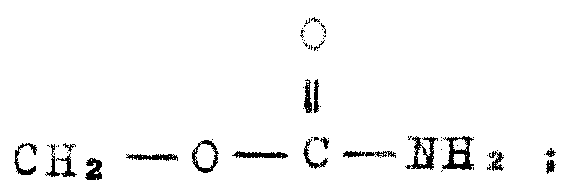
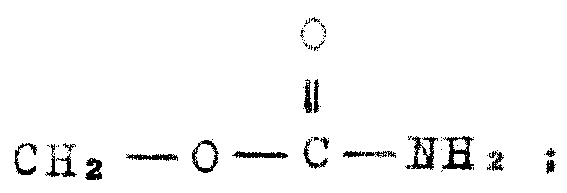
R3是氢、烷基或 
R4是氢、 
R5和R6相同或不同,各自是氢或烷基,或R5和R6与和它们所连接的碳原子一起为环烷基;R 5 and R 6 are the same or different, each is hydrogen or an alkyl group, or R 5 and R 6 are cycloalkyl together with the carbon atom to which they are attached;
R7是 


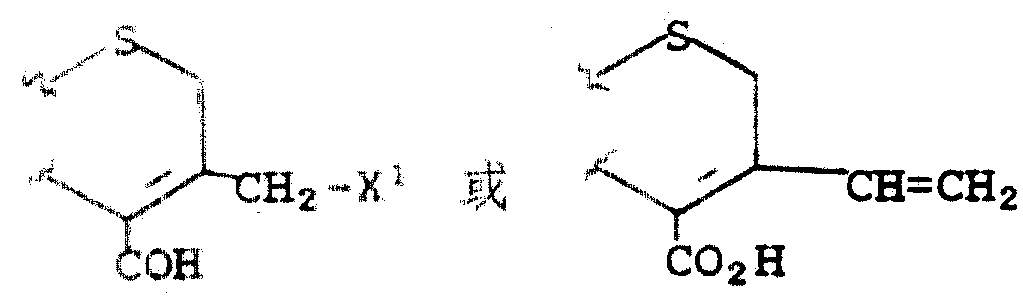
X1是-OH、-OAc、-Br、-Cl或 。 X is -OH, -OAc, -Br, -Cl or .
本发明还提供了制备其中的R7为 的化合物Ⅰ的方法, 该方法是使式Ⅳ的二酸:The present invention also provides the preparation wherein R 7 is The method of compound I, the method is to make the diacid of formula IV:
与烷基卤代甲硅烷反应生成式Ⅴ被保护了的化合物:Reaction with an alkyl halosilane to generate a protected compound of formula V:

其中PrO1为烷基甲硅烷基,该化合物在原处与式Ⅵ的羟基化合物Wherein PrO 1 is an alkylsilyl group, the compound is in situ with the hydroxyl compound of formula VI
Ⅵ

以及偶合剂(例如,碳化二亚胺,如二环己基碳化二亚胺)进行反应,接着用低级醇脱保护形成化合物Ⅱ。化合物Ⅱ可以酸盐(例如氢卤酸、磺酸)或胺盐(例如三乙基铵)分离。然后按上文所述化合物Ⅱ与化合物Ⅲ反应生成化合物Ⅰ。and a coupling agent (for example, a carbodiimide such as dicyclohexylcarbodiimide) followed by deprotection with a lower alcohol to form compound II. Compound II can be isolated as an acid salt (e.g. hydrohalic acid, sulfonic acid) or an amine salt (e.g. triethylammonium). Compound II is then reacted with compound III to form compound I as described above.
本发明还提供了制备其中R7为 

其中PrO2为保护基团(例如二苯甲基或叔丁基),与式Ⅷ化合物反应:Wherein PrO 2 is a protecting group (such as benzhydryl or tert-butyl), which reacts with the compound of formula VIII:
ⅧVIII

其中R8是烷基磺酰基,通过碱处理生成式Ⅸ被保护了的酯Wherein R 8 is an alkylsulfonyl group, and the protected ester of formula IX is generated by base treatment

上述酯在选择性地存在有诸如苯甲醚的试剂的条件下,用强酸,如三氟乙酸处理进行脱保护,生成化合物Ⅱ。按前面所述可分离出化合物Ⅱ,然后按上文所述使其与化合物Ⅲ反应生成化合物Ⅰ。Deprotection of the above ester by treatment with a strong acid, such as trifluoroacetic acid, optionally in the presence of a reagent such as anisole, yields compound II. Compound II can be isolated as previously described and then reacted with compound III to form compound I as described above.
再则,按照本发明,化合物Ⅱ是新的,并且是本发明的组成部分,正如本文所述,它通常用来制备具有氨基噻唑(亚氨基氧基乙酸)乙酸侧链的β-内酰胺抗菌素。在化合物Ⅱ中,优选的是R5和R6为甲基或氢,以及R7为Furthermore, according to the present invention, compound II is novel and forms part of the invention, as described herein, it is generally used to prepare β-lactam antibiotics with aminothiazole (iminooxyacetic acid) acetic acid side chain . In compound II, it is preferred that R5 and R6 are methyl or hydrogen, and R7 is
对本发明的化合物Ⅱ以及本发明的方法来说,R1、R2等是与目的产物aztreonam、tigemonam、ceftazidime、cefixime和carumonam sodium中的取代基相对应的基团也是优选的。此方法还可用来制备带有氨基噻唑(亚氨基氧基乙酸)乙酸侧链的许多其它抗菌素。For the compound II of the present invention and the method of the present invention, it is also preferred that R 1 , R 2 etc. are the groups corresponding to the substituents in the target products aztreonam, tigemonam, ceftazidime, cefixime and carumonam sodium. This method can also be used to prepare many other antibiotics with aminothiazole (iminooxyacetic acid) acetic acid side chains.
下面列出了用于描述本发明的各种术语的定义,这些定义适用于整个说明书中所用的术语(除非另外以具体实例限定),或用于单独的基团,或用于一个更大基团的一部分。Listed below are definitions of various terms used to describe the present invention, and these definitions apply to terms used throughout the specification (unless otherwise limited by specific examples), either to an individual group or to a larger group. part of the group.
术语“烷基”和“烷氧基”表示有1-10个碳原子的直链和支链的烃基。术语“低级烷基”表示有1-4个碳原子的基团。The terms "alkyl" and "alkoxy" denote straight and branched chain hydrocarbon groups having 1 to 10 carbon atoms. The term "lower alkyl" means a group having 1 to 4 carbon atoms.
术语“环烷基”表示环上有3、4、5、6或7个碳原子的环状烃基。The term "cycloalkyl" means a cyclic hydrocarbon group having 3, 4, 5, 6 or 7 carbon atoms in the ring.
在整个说明书中所用的“阳离子”表示任何带正电荷的原子或原子团。本发明β-内酰胺的氮原子上的“ 


术语“低级醇”是指连接有羟基的1-4个碳原子的烷基,低级醇原子团的实例是甲醇、乙醇、丙醇、异丙醇和丁醇。The term "lower alcohol" means an alkyl group of 1 to 4 carbon atoms to which a hydroxyl group is attached, and examples of lower alcohol radicals are methanol, ethanol, propanol, isopropanol and butanol.
术语“取代的苯基”是指由1、2或3个氨基、卤素、羟基、三氟甲基、烷基(1-4个碳原子的)或烷氧基(1-4个碳原子的)基团取代的苯基。The term "substituted phenyl" means a group consisting of 1, 2 or 3 amino, halogen, hydroxyl, trifluoromethyl, alkyl (1-4 carbon atoms) or alkoxy (1-4 carbon atoms ) group substituted phenyl.
“4、5、6或7节杂环”的表述是指带有一个或多个(优选1,2或3)氮、氧或硫原子的,取代和未取代的,芳香性和非芳香性的环。取代基的例子是氧代(=0)、卤素、羟基、硝基、氨基、氰基、三氟甲基、1-4个碳的烷基、1-4个碳的烷氧基、烷基磺酰基、苯基、取代苯基。“4、5、6或7节杂环”中的一类是“杂芳基”基团,术语“杂芳基”是指那些芳香性的4、5、6或7节杂环。杂芳基的例子是取代和未取代的吡啶基、1,2,3-三唑基、1,2,4-三唑基、咪唑基、噻唑基、噻二唑基、三嗪基以及四唑基。优选的 基团是:The expression "4-, 5-, 6- or 7-membered heterocycle" means substituted and unsubstituted, aromatic and nonaromatic, bearing one or more (preferably 1, 2 or 3) nitrogen, oxygen or sulfur atoms ring. Examples of substituents are oxo (=0), halogen, hydroxy, nitro, amino, cyano, trifluoromethyl, alkyl of 1-4 carbons, alkoxy of 1-4 carbons, alkyl Sulfonyl, phenyl, substituted phenyl. One class of "4, 5, 6 or 7-membered heterocyclic rings" is the "heteroaryl" group, the term "heteroaryl" referring to those 4, 5, 6 or 7-membered heterocyclic rings which are aromatic. Examples of heteroaryl groups are substituted and unsubstituted pyridyl, 1,2,3-triazolyl, 1,2,4-triazolyl, imidazolyl, thiazolyl, thiadiazolyl, triazinyl and tetrazolyl Azolyl. preferred The groups are:

式Ⅹ的起始化合物是已知的:Starting compounds of formula X are known:

在式Ⅹ化合物及整个说明书中,R9是1-4个碳原子的烷基。In the compound of formula X and throughout the specification, R 9 is an alkyl group of 1-4 carbon atoms.
在大约25°-100℃(优选大约80-90℃),在碱金属碱或碱土金属碱(如碳酸钾或碳酸钠)存在下,于有机溶剂(如二甲基甲酰胺)中,使化合物Ⅹ与烷基化试剂,如溴代异丁酸R10酯(优选乙基)、溴代乙酸R10酯(优选乙基)或其它取代的溴代乙酸酯反应,生成式Ⅺ:In the presence of an alkali metal base or an alkaline earth metal base (such as potassium carbonate or sodium carbonate) at about 25°-100°C (preferably about 80-90°C), in an organic solvent (such as dimethylformamide), the compound X is reacted with an alkylating agent such as R 10 bromoisobutyrate (preferably ethyl), R 10 bromoacetate (preferably ethyl) or other substituted bromoacetate to form formula XI:

其中R10是低级烷基、苯基(低级烷基)、二苯基(低级烷基)或取代的苯基(低级烷基)。Wherein R 10 is lower alkyl, phenyl (lower alkyl), diphenyl (lower alkyl) or substituted phenyl (lower alkyl).
在约25-80℃(优选45-55℃),于水或醇溶液中将化合物Ⅺ用碱的水溶液(如氢氧化钠或氢氧化钾)皂化,生成化合物Ⅳ。依次使化合物Ⅳ在大约25-80℃(优选大约45-55℃),于有机溶剂(优选二甲基甲酰胺)中与烷基卤代甲硅烷(优选三甲基氯代甲硅烷)反应生成化合物Ⅴ。化合物Ⅴ上的保护基(PrO1)是三烷基甲硅烷基或苯基二烷基甲硅烷基(优选三甲基甲硅烷基)。Saponification of compound XI with an aqueous base such as sodium hydroxide or potassium hydroxide in water or alcoholic solution at about 25-80°C (preferably 45-55°C) yields compound IV. Compound IV is reacted with alkylhalosilane (preferably trimethylchlorosilane) in an organic solvent (preferably dimethylformamide) at about 25-80°C (preferably about 45-55°C) in turn to form Compound V. The protecting group (PrO 1 ) on compound V is trialkylsilyl or phenyldialkylsilyl (preferably trimethylsilyl).
在有机溶剂(如乙酸乙酯、二氯甲烷、二甲基甲酰胺)中,于大约-20-25℃(优选的是大约-10°-0℃),通过用偶合剂,如二异丙基碳化二亚胺或二环己基碳化二亚胺(这是优选的)处理,使化合物Ⅴ与羟基化合物Ⅵ反应,然后在有机溶剂(如乙酸乙酯、二氯甲烷、二甲基甲酰胺)中,于大约-20°-25℃(优选大约0-10℃),用低级醇(优选甲醇)进行处理脱去保护生成其中R7是 


另外,化合物Ⅱ也可由已知化合物Ⅶ衍生得到。在化合物Ⅶ中,PrO2是保护基团,例如二苯甲基(这是优选的)或叔丁基。在这一路线中,在大约10-30℃,于有机溶剂(例如乙腈)中,在碱(优选三乙胺)存在下使化合物Ⅵ与烷基磺酰卤(优选甲磺酰氯)反应给出化合物Ⅷ。然后在惰性气氛(如氩)中,在大约10-40℃(优选大约20-30℃),在有机溶剂(如乙腈)中,在碱,例如三乙胺(这是优选的)、三丁胺和二异丙基乙基胺存在下,使化合物Ⅶ与其中的 
依次的,在惰性气氛(如氩)中,在大约-30-20℃(优选大约-20-0℃),在有机溶剂(如二氯甲烷)中用强酸,如三氟乙酸或甲磺酸(这是优选的)处理使化合物Ⅸ脱保护生成化合物Ⅱ,其中的R7是 

化合物Ⅱ和化合物Ⅲ(可以如实施例2所述在原处生产)最好在大约-10-20℃,在碱存在以使pH控制在大约8.0-8.5的条件下进行反应,生成化合物Ⅰ。在此反应中使用的碱的例子有三乙胺、氢氧化钠、氢氧化钾、碳酸钠、碳酸钾、碳酸氢钠、碳酸氢钾等等。优选的碱是三乙胺。化合物Ⅱ的盐是优选的,例如与甲磺酸生成的胺盐或与三乙胺生成的酸盐。Compound II and compound III (produced in situ as described in Example 2) are reacted to form compound I, preferably at about -10-20°C in the presence of a base to control the pH at about 8.0-8.5. Examples of the base used in this reaction are triethylamine, sodium hydroxide, potassium hydroxide, sodium carbonate, potassium carbonate, sodium bicarbonate, potassium bicarbonate and the like. A preferred base is triethylamine. Salts of compound II are preferred, such as the amine salt with methanesulfonic acid or the acid salt with triethylamine.
当R4是-SO-3M+时,优选的化合物Ⅲ可按下法制备:在有机溶剂中使式Ⅻ化合物When R 4 is -SO- 3 M + , the preferred compound III can be prepared as follows: make the compound of formula XII in an organic solvent

(其中Z是苄氧羰基以及R2′是烷基、芳基、芳烷基或烷芳基)先与卤代磺酸-吡啶配合物(优选的是2,6-二甲基吡啶-氯代磺酸)反应,经过如此反应的化合物Ⅻ在水溶液中再与选自碱金属氢氧化物、碳酸盐和碳酸氢盐的碱(优选氢氧化钠)反应,生成化合物Ⅲ,其中R2和R3中有一个是氢以及R4是-OSO-3M+,优选的是该反应在原处进行。更具体的反应条件如实施例2说明。也可参见USP4,386,034。(where Z is benzyloxycarbonyl and R2 ' is alkyl, aryl, aralkyl or alkaryl) first with a halosulfonic acid-pyridine complex (preferably 2,6-lutidine-chloro Substituting sulfonic acid) reaction, the compound XII reacted in this way is reacted with a base (preferably sodium hydroxide) selected from alkali metal hydroxides, carbonates and bicarbonates in aqueous solution to generate compound III, wherein R 2 and One of R 3 is hydrogen and R 4 is -OSO- 3 M + , preferably the reaction is carried out in situ. More specific reaction conditions are illustrated in Example 2. See also USP 4,386,034.
现在,用下面的操作实施例进一步说明本发明。这些实施例是本发明用以制备aztreonam的优选实施方案,目的是说明而不是限制。所有的温度为摄氏温度。作为简化形式,在实施例的A部分制备的化合物称作“化合物A”,对B、C、D等部分制备的化合物也是如此。Now, the present invention is further illustrated by the following working examples. These examples are preferred embodiments of the invention for the preparation of aztreonam and are intended to be illustrative and not limiting. All temperatures are in degrees Celsius. As a simplified form, the compound prepared in Part A of the Examples will be referred to as "Compound A", as will the compounds prepared in Parts B, C, D, etc.
实施例 1Example 1
2〔〔〔1-(2-氨基-4-噻唑基)-2-〔(2-甲基-4-氧代-1-磺基-3-氮杂环丁烷基)氨基〕-2-氧代亚乙基〕氨基〕氧基〕-2-甲基丙酸2[[[1-(2-amino-4-thiazolyl)-2-[(2-methyl-4-oxo-1-sulfo-3-azetidinyl)amino]-2- Oxyethylene]amino]oxy]-2-methylpropionic acid
A.1-〔(甲基磺酰基)氧基〕-1H-苯并三唑A.1-[(methylsulfonyl)oxy]-1H-benzotriazole
把羟基苯并三唑(5.4g)悬浮在乙腈(50ml)中,在氩气中冷却至16℃。加入三乙胺(6.1ml)给出不透明的无色溶液,用3分钟时间滴加甲磺酰氯(4.7g)的乙腈(5ml)溶液,使温度保持在低于30℃。把所得溶液在16℃浴中搅拌1小时,用乙酸乙酯(150ml)稀释,并过滤去除三乙胺·盐酸固体。固体用乙酸乙酯(100ml)洗涤。将无色滤液用1∶1的水∶饱和氯化钠(100ml)、1∶1∶1的水∶饱和氯化钠∶碳酸氢钠(75ml)、1∶1的水∶饱和氯化钠(2×50ml)和氯化钠(50ml)进行洗涤,用硫酸镁干燥。过滤溶液,真空浓缩滤液给出化合物A白色晶体(8.27g,97%)。由Itoh等,Bull.Chem.Soe.Japan51(11),3320-3329(1978)知得产率为99%。Hydroxybenzotriazole (5.4g) was suspended in acetonitrile (50ml) and cooled to 16°C under argon. Addition of triethylamine (6.1ml) gave an opaque colorless solution and methanesulphonyl chloride (4.7g) in acetonitrile (5ml) was added dropwise over 3 minutes keeping the temperature below 30°C. The resulting solution was stirred in a 16°C bath for 1 hour, diluted with ethyl acetate (150ml) and filtered to remove solid triethylamine hydrochloric acid. The solid was washed with ethyl acetate (100ml). The colorless filtrate was treated with 1:1 water: saturated sodium chloride (100ml), 1:1:1 water: saturated sodium chloride: sodium bicarbonate (75ml), 1:1 water: saturated sodium chloride ( 2 x 50ml) and sodium chloride (50ml), dried over magnesium sulfate. The solution was filtered and the filtrate was concentrated in vacuo to give compound A as white crystals (8.27 g, 97%). According to Itoh et al., Bull. Chem. Soe. Japan 51 (11), 3320-3329 (1978), the yield was 99%.
熔点:90-92.5℃Melting point: 90-92.5°C
B.(Z)-2-〔〔〔1-(2-氨基-4-噻唑基)-2-氧代-2-(3-氧代-1H-苯并三唑-1-基)亚乙基〕氨基〕氧基〕-2-甲基丙酸二苯甲基酯,以及B. (Z)-2-[[[1-(2-amino-4-thiazolyl)-2-oxo-2-(3-oxo-1H-benzotriazol-1-yl)ethylene Base]amino]oxy]-2-methylpropanoic acid benzhydryl ester, and
C.(Z)-2-氨基-α-〔〔2-(二苯基甲氧基)-1,1-二甲基-2-氧代乙氧基〕亚氨基〕-4-噻唑乙酸1H-苯并三唑-1-基酯C. (Z)-2-amino-α-[[2-(diphenylmethoxy)-1,1-dimethyl-2-oxoethoxy]imino]-4-thiazoleacetic acid 1H -Benzotriazol-1-yl ester
室温下,氩气中制备2-氨基噻唑基-4-α-(二苯甲基-氧基羰基-二甲基-甲氧亚氨基)-乙酸(7.04g)的乙腈(80ml)悬浮液。加入三乙胺(2.40ml)给出不透明的无色溶液,加入化合物A(3.41g)给出不透明的黄色溶液,将其在室温下搅拌4小时,薄层色谱(TLC)说明生成了74∶26的化合物B∶化合物C的混合物。A suspension of 2-aminothiazolyl-4-?-(benzhydryl-oxycarbonyl-dimethyl-methoxyimino)-acetic acid (7.04g) in acetonitrile (80ml) was prepared under argon at room temperature. Addition of triethylamine (2.40ml) gave an opaque colorless solution and addition of compound A (3.41g) gave an opaque yellow solution which was stirred at room temperature for 4 hours and thin layer chromatography (TLC) indicated formation of 74: Compound B of 26: Compound C mixture.
D.(Z)-2-〔〔〔1-(2-氨基-4-噻唑基)-2-(3-氧-1H-苯并三唑-1-基)-2-氧代亚乙基〕氨基〕氧基〕-2-甲基丙酸二苯甲基酯,甲磺酸(1∶1)盐D. (Z)-2-[[[1-(2-amino-4-thiazolyl)-2-(3-oxo-1H-benzotriazol-1-yl)-2-oxoethylene ]amino]oxy]-2-methylpropionic acid benzhydryl ester, methanesulfonic acid (1:1) salt
将B∶C混合物过滤,滤液用40ml乙酸乙酯稀释,并在氩气中冷却至-12℃。用1-2分钟时间向滤液中滴加入甲磺酸(1.0ml),然后搅拌15分钟。悬浮液用乙酸乙酯(150ml)稀释,搅拌5分钟,在氮气下过滤,用乙酸乙酯(120ml)洗涤,室温下真空干燥,给出化合物D(7.1g,按化合物A计产率为68%),为细密的白色固体。The B:C mixture was filtered and the filtrate was diluted with 40 mL of ethyl acetate and cooled to -12°C under argon. Methanesulfonic acid (1.0 ml) was added dropwise to the filtrate over 1-2 minutes, followed by stirring for 15 minutes. The suspension was diluted with ethyl acetate (150ml), stirred for 5 minutes, filtered under nitrogen, washed with ethyl acetate (120ml), and dried under vacuum at room temperature to give compound D (7.1g, yield 68% based on compound A). %), as a fine white solid.
E.(Z)-2-〔〔〔1-(2-氨基-4-噻唑基)-2-(3-氧-1H-苯并三唑-1-基)-2-氧代亚乙基〕氨基〕氧基〕-2-甲基丙酸,甲磺酸(1∶1)盐E. (Z)-2-[[[1-(2-amino-4-thiazolyl)-2-(3-oxo-1H-benzotriazol-1-yl)-2-oxoethylene ]amino]oxy]-2-methylpropionic acid, methanesulfonic acid (1:1) salt
把化合物D(6.52g)悬浮于二氯甲烷(60ml),加入苯甲醚(2.0ml),在氩气中将悬浮液冷却至-14℃。在1-2分钟里滴加甲磺酸(3.3ml),在-14℃-6℃将溶液搅拌2.5小时(在-14℃约0.5小时,在-10℃1小时,以及在-6℃1小时)。用二氯甲烷(50ml)稀释该溶液,并缓慢加入乙酸乙酯(300ml),滴加速度应使反应温度保持在低于0℃。(可使用-10℃浴以助控制该放热反应)。将混合物在-2℃搅拌1.5小时(虽然0.5小时可能已经足够了),在氮气中过滤,用乙酸乙酯(75ml)洗涤,真空干燥,给出化合物E(4.457g,产率91.6%),为细密的白色固体。Compound D (6.52g) was suspended in dichloromethane (60ml), anisole (2.0ml) was added and the suspension was cooled to -14°C under argon. Methanesulfonic acid (3.3 ml) was added dropwise over 1-2 minutes, and the solution was stirred at -14°C to 6°C for 2.5 hours (about 0.5 hour at -14°C, 1 hour at -10°C, and 1 hour at -6°C). Hour). The solution was diluted with dichloromethane (50ml) and ethyl acetate (300ml) was added slowly at such a rate as to keep the reaction temperature below 0°C. (A -10°C bath may be used to help control this exothermic reaction). The mixture was stirred at -2°C for 1.5 hours (although 0.5 hours may be sufficient), filtered under nitrogen, washed with ethyl acetate (75ml) and dried in vacuo to give compound E (4.457g, 91.6% yield), For fine white solid.
F.〔2S-〔2α,3β(Z)〕〕-3-〔〔(2-氨基-4-噻唑基)-〔(1-羧基-1-甲基乙氧基)亚氨基〕乙酰基〕-氨基〕-2-甲基-4-氧代-1-氮杂环丁烷磺酸F. [2S-[2α,3β(Z)]]-3-[[(2-amino-4-thiazolyl)-[(1-carboxy-1-methylethoxy)imino]acetyl] -amino]-2-methyl-4-oxo-1-azetidinesulfonic acid
把实施例2得到的化合物D(0.901g)悬浮于30%含水乙醇(9.8ml)中,并冷却至-6℃。加入三乙胺(3.0ml)后给出透明的无色溶液。在1小时内分批加入化合物E(2.44g),并用含水乙醇(0.7ml)淋洗该溶液,将溶液在-6--3℃再搅拌2小时。滴加浓盐酸(1.75ml),在2分钟内产品化合物F的沉淀开始形成。使混合物在-3-0℃下静置2.5小时,过滤,用1∶1的水∶95%乙醇(2×2ml)和乙醇(2×2ml)淋洗固体,室温下真空干燥16小时,给出与含水乙醇形成溶剂化物的化合物F(2.38g,产率为81摩尔百分数,未经校正)。Compound D (0.901 g) obtained in Example 2 was suspended in 30% aqueous ethanol (9.8 ml), and cooled to -6°C. Addition of triethylamine (3.0ml) gave a clear colorless solution. Compound E (2.44g) was added portionwise over 1 hour, and the solution was rinsed with aqueous ethanol (0.7ml), and the solution was stirred at -6-3°C for a further 2 hours. Concentrated hydrochloric acid (1.75ml) was added dropwise and within 2 minutes a precipitate of the product compound F began to form. Allow the mixture to stand at -3-0°C for 2.5 hours, filter, rinse the solid with 1:1 water:95% ethanol (2 x 2ml) and ethanol (2 x 2ml), dry under vacuum at room temperature for 16 hours, and give Compound F formed a solvate with aqueous ethanol (2.38 g, 81 mole percent yield, uncorrected).
实施例 2Example 2
〔2S-〔2α,3β(Z)〕〕-3-〔〔(2-氨基-4-噻唑基)〔(1-羧基-1-甲基乙氧基)亚氨基〕乙酰基〕氨基〕-2-甲基-4-氧代-1-氮杂环丁烷磺酸[2S-[2α,3β(Z)]]-3-[[(2-amino-4-thiazolyl)[(1-carboxy-1-methylethoxy)imino]acetyl]amino]- 2-Methyl-4-oxo-1-azetidinesulfonic acid
A.(Z)-2-氨基-α-〔(2-乙氧基-1,1-二甲基-2-氧代乙氧基)亚氨基〕-4-噻唑乙酸乙基酯A. (Z)-2-amino-α-[(2-ethoxy-1,1-dimethyl-2-oxoethoxy)imino]-4-thiazole ethyl acetate
室温下于一三颈园底烧瓶中将2-(2-氨基-4-噻唑基)-2-羟基亚氨基乙酸乙基酯(100g)溶于300ml二甲基甲酰胺,在三颈烧瓶上装有机械驱动的桨式搅拌器、温度计和冷凝器。加入溴代异丁酸乙基酯(100g)和磨碎的碳酸钾(64g),把混合物加热至85℃4-5小时,直到薄层色谱(TLC)说明反应已经完全为止。然后把反应混合物冷却至40℃,缓慢加入1000ml冰水,在15-20℃下搅拌1小时。使生成的沉淀固体,用抽滤收集沉淀,用水(4×300ml)洗涤滤饼,直到滤液PH值呈中性止,30℃干燥(盘式或流动床干燥器)得到化合物A(147g)。Dissolve 2-(2-amino-4-thiazolyl)-2-hydroxy iminoacetic acid ethyl ester (100g) in 300ml dimethylformamide in a three-necked round bottom flask at room temperature, and install on the three-necked flask There is a mechanically driven paddle stirrer, thermometer and condenser. Ethyl bromoisobutyrate (100g) and ground potassium carbonate (64g) were added and the mixture was heated to 85°C for 4-5 hours until the reaction was complete as indicated by thin layer chromatography (TLC). Then the reaction mixture was cooled to 40°C, 1000ml of ice water was added slowly, and stirred at 15-20°C for 1 hour. The resulting precipitated solid was collected by suction filtration, and the filter cake was washed with water (4×300ml) until the pH value of the filtrate was neutral, and dried at 30°C (tray or fluid bed dryer) to obtain compound A (147g).
B.(Z)-2-氨基-α-〔(1-羧基-1-甲基乙氧基)亚氨基〕-4-噻唑乙酸B. (Z)-2-Amino-α-[(1-carboxy-1-methylethoxy)imino]-4-thiazoleacetic acid
在装有机械驱动的桨式搅拌器、PH电极和温度计的三颈园底烧瓶中把片状氢氧化钾(40g,含量85%)溶于500ml水中(温度会升至50℃),加入化合物A(100g),使悬浮液保持在50℃,1-2小时之后,沉淀消失,PH降低至11。透明溶液 说明反应完成,这可用TLC确证。将温度调至20℃,并用浓盐酸(大约60ml)将PH调至2.0,沉淀出化合物B。将沉淀在20℃搅拌1小时,抽滤收集,用水洗涤(4×250ml),在40℃干燥(盘式或流动床)至最后的水含量为7-10%。将所得粗产品悬浮于异丙醇(400ml),加热回流3小时,冷却至20℃,抽滤收集,用异丙醇(3×50ml)洗涤,在40℃真空干燥,得到71g化合物B,其最终水含量小于0.3%。Dissolve flake potassium hydroxide (40g, content 85%) in 500ml of water (the temperature will rise to 50°C) in a three-necked round-bottomed flask equipped with a mechanically driven paddle stirrer, a pH electrode and a thermometer, and add the compound A (100g), keep the suspension at 50°C, after 1-2 hours, the precipitate disappears and the pH drops to 11. A clear solution indicated the completion of the reaction, which was confirmed by TLC. The temperature was adjusted to 20°C and the pH was adjusted to 2.0 with concentrated hydrochloric acid (about 60 ml) to precipitate compound B. The precipitate was stirred at 20°C for 1 hour, collected by suction filtration, washed with water (4×250ml), and dried (tray or fluid bed) at 40°C to a final water content of 7-10%. The resulting crude product was suspended in isopropanol (400ml), heated to reflux for 3 hours, cooled to 20°C, collected by suction filtration, washed with isopropanol (3×50ml), and dried in vacuo at 40°C to obtain 71g of compound B, which The final water content was less than 0.3%.
C.(Z)-2-氨基-α-〔(1-羧基-1-甲基乙氧基)亚氨基〕-4-噻唑乙酸2,5-二氧代-1-吡咯烷基酯甲磺酸盐C. (Z)-2-Amino-α-[(1-carboxy-1-methylethoxy)imino]-4-thiazoleacetic acid 2,5-dioxo-1-pyrrolidinyl ester methanesulfonate salt
在一升烧瓶中把化合物B(109.2g)加入到二甲基甲酰胺(500ml)中,在旋转蒸发器上蒸出300ml二甲基甲酰胺。在50℃加入三甲基氯甲硅烷(70ml)并搅拌15分钟。真空去除过剩的三甲基氯甲硅烷,把剩下的溶液加入到配备有温度计、磁力搅拌棒和分液漏斗的一升三颈烧瓶中,然后在冰/氯化钠浴中将溶液冷却至-5℃。在搅拌下加入50g N-羟基琥珀酰亚胺并继续搅拌3分钟。Compound B (109.2g) was added to dimethylformamide (500ml) in a one liter flask and 300ml of dimethylformamide was distilled off on a rotary evaporator. Trimethylchlorosilane (70ml) was added at 50°C and stirred for 15 minutes. Excess trimethylchlorosilane was removed in vacuo, and the remaining solution was added to a one-liter three-necked flask equipped with a thermometer, magnetic stir bar, and separatory funnel, and the solution was cooled in an ice/sodium chloride bath to -5°C. 50 g of N-hydroxysuccinimide was added with stirring and stirring was continued for 3 minutes.
在搅拌下通过滴液漏斗加入溶于乙酸乙酯(450ml)的二环己基碳化二亚胺(95g),滴加速度(用45-60分钟)是使温度不超过5℃(需要外部冷却)。在0℃下继续搅拌二个多小时,TLC表明反应已完成。在0℃下用1分钟时间通过滴液漏斗加入三乙胺(30g),滤出沉淀,滤饼用4∶1的乙酸乙酯/二甲基甲酰胺(200ml)和乙酸乙酯(100ml)洗涤,将母液冷却至5℃。加入甲醇(20ml),接着用5分钟时间加入甲磺酸(36ml),在≤10℃下搅拌10分钟。加入乙酸乙酯(300ml), 同时在5℃下搅拌20分钟。然后过滤混合物,用乙酸乙酯(200ml)洗涤,并在25℃真空干燥生成185.0g(78.3%)的化合物C。在另一次试验中,用54.6g化合物B,得到95.0g(80.5%)化合物C。Dicyclohexylcarbodiimide (95g) dissolved in ethyl acetate (450ml) was added through the dropping funnel with stirring at such a rate (over 45-60 minutes) that the temperature did not exceed 5°C (external cooling required). Stirring was continued at 0°C for more than two hours, and TLC showed that the reaction was complete. Add triethylamine (30g) through the dropping funnel at 0°C for 1 minute, filter out the precipitate, and wash the filter cake with 4:1 ethyl acetate/dimethylformamide (200ml) and ethyl acetate (100ml) After washing, the mother liquor was cooled to 5°C. Methanol (20ml) was added followed by methanesulfonic acid (36ml) over 5 minutes and stirred at ≤10°C for 10 minutes. Ethyl acetate (300 ml) was added while stirring at 5°C for 20 minutes. The mixture was then filtered, washed with ethyl acetate (200ml) and dried under vacuum at 25°C to yield 185.0g (78.3%) of compound C. In another run, using 54.6 g of compound B, 95.0 g (80.5%) of compound C were obtained.
D.(2S-反式)-2-甲基-4-氧代-3-〔〔(苯甲氧基)羰基〕氨基〕-1-氮杂环丁烷磺酸单钠盐D. (2S-trans)-2-methyl-4-oxo-3-[[(benzyloxy)carbonyl]amino]-1-azetidinesulfonic acid monosodium salt
把2,6-二甲基吡啶(8.4ml)溶于二氯甲烷(252ml)中并冷却至-20℃。用大约70分钟时间缓慢加入氯磺酸(22.4ml),使温度保持在低于-10℃。该溶液在-10℃搁置30分钟后,在-10℃边搅拌边加入N-〔(苯甲氧基)羰基〕-L-苏氨酸酰胺甲磺酸酯(30.0g),直到用HPLC和TLC(8∶2-乙酸乙酯-甲醇,Merck硅胶)确定反应已经完全为止。2,6-Lutidine (8.4ml) was dissolved in dichloromethane (252ml) and cooled to -20°C. Chlorosulfonic acid (22.4ml) was added slowly over about 70 minutes keeping the temperature below -10°C. After the solution was left at -10°C for 30 minutes, N-[(benzyloxy)carbonyl]-L-threonine amide methanesulfonate (30.0 g) was added with stirring at -10°C until it was analyzed by HPLC and TLC (8:2-ethyl acetate-methanol, Merck silica gel) confirmed that the reaction had gone to completion.
然后把反应混合物加入200ml冰水中,同时使温度保持在低于5℃,生成黄褐色乳液。用氢氧化钠(大约190-200ml)调节pH至大约8.3,同时冷却以限定温度只提高大约4℃。相分离,水相用二氯甲烷(112ml)再萃取。然后将水相加热至并维持在35-40℃,以及PH值为8.0(9.5ml 5N氢氧化钠)直到反应完成(如上文所叙HPLC、TLC)。而后在减压(大约400mbar)下于40℃汽提溶剂二氯甲烷大约30分钟。2小时后,将溶液冷却至5℃并搅拌30分钟。抽滤收集所得沉淀,用冰水(2×20ml)洗涤,干燥后得到27.25g化合物D。The reaction mixture was then added to 200 ml of ice water while maintaining the temperature below 5°C, resulting in a tan emulsion. The pH was adjusted to about 8.3 with sodium hydroxide (about 190-200 ml) while cooling to limit the temperature increase to about 4°C. The phases were separated and the aqueous phase re-extracted with dichloromethane (112ml). The aqueous phase was then heated to and maintained at 35-40°C and pH 8.0 (9.5 ml 5N NaOH) until the reaction was complete (HPLC, TLC as described above). The solvent dichloromethane was then stripped at 40°C for about 30 minutes under reduced pressure (about 400 mbar). After 2 hours, the solution was cooled to 5°C and stirred for 30 minutes. The resulting precipitate was collected by suction filtration, washed with ice water (2 x 20 ml), and dried to obtain 27.25 g of compound D.
E.〔(2S-反式)-3-氨基-2-甲基-4-氧代-1-氮杂环丁烷磺酸内盐E. [(2S-trans)-3-amino-2-methyl-4-oxo-1-azetidinesulfonic acid inner salt
在一配备有机械搅拌器、进气管、PH电极的21三颈园底烧瓶中,把150.0g部分D的钠盐悬浮于1400ml甲醇/水(1∶1)之中,用氮气冲洗烧瓶,加入钯-碳(30.0g)并用强的氢气流通过混合物,在pH7.0时TLC指出反应完成。用Diacel 抽滤过滤该溶液,滤饼用100ml甲醇/水(1∶1)洗涤。In a 21-inch three-necked round bottom flask equipped with a mechanical stirrer, inlet tube, and pH electrode, suspend 150.0 g of the sodium salt of Part D in 1400 ml of methanol/water (1:1), flush the flask with nitrogen, and add Palladium-carbon (30.0g) was passed through the mixture with a strong stream of hydrogen. At pH 7.0 TLC indicated completion of the reaction. Use Diacel The solution was filtered with suction, and the filter cake was washed with 100 ml of methanol/water (1:1).
F.〔2S-〔2α,3β(Z)〕〕-3-〔〔(2-氨基-4-噻唑基)-〔(1-羧基-1-甲基乙氧基)亚氨基〕乙酰基〕-氨基〕-2-甲基-4-氧代-1-氮杂环丁烷磺酸F. [2S-[2α,3β(Z)]]-3-[[(2-amino-4-thiazolyl)-[(1-carboxy-1-methylethoxy)imino]acetyl] -amino]-2-methyl-4-oxo-1-azetidinesulfonic acid
将E部分的滤液转移至一配备有机械搅拌器、PH电极、温度计和滴液漏斗的4升烧杯中,把温度调至0℃,并用三乙胺把PH调至8.0。把化合物C(225.5g)分批加入,用三乙胺使pH值保持在8.0-8.5。在TLC确认反应完成后,用浓盐酸调节pH至4.3。加入Diacel 
Claims (41)





Applications Claiming Priority (2)
| Application Number | Priority Date | Filing Date | Title |
|---|---|---|---|
| US546,622 | 1983-10-28 | ||
| US07/546,622 US5194604A (en) | 1990-06-29 | 1990-06-29 | Process and intermediates for beta-lactams having aminothiazole(iminooxyacetic acid)acetic acid sidechains |
Publications (2)
| Publication Number | Publication Date |
|---|---|
| CN1058593A true CN1058593A (en) | 1992-02-12 |
| CN1029965C CN1029965C (en) | 1995-10-11 |
Family
ID=24181260
Family Applications (1)
| Application Number | Title | Priority Date | Filing Date |
|---|---|---|---|
| CN91105309A Expired - Fee Related CN1029965C (en) | 1990-06-29 | 1991-06-29 | Process for the preparation of beta-lactams having aminothiazole (iminooxyacetic acid) acetic acid side chains |
Country Status (20)
| Country | Link |
|---|---|
| US (1) | US5194604A (en) |
| EP (1) | EP0464705A1 (en) |
| JP (1) | JPH04261175A (en) |
| KR (1) | KR920000757A (en) |
| CN (1) | CN1029965C (en) |
| AU (1) | AU645810B2 (en) |
| CA (1) | CA2043817A1 (en) |
| FI (1) | FI913138L (en) |
| HU (1) | HU211083B (en) |
| IE (1) | IE912174A1 (en) |
| IL (1) | IL98395A0 (en) |
| MX (1) | MX26368A (en) |
| MY (1) | MY107234A (en) |
| NO (1) | NO912560L (en) |
| NZ (1) | NZ238631A (en) |
| PL (1) | PL165404B1 (en) |
| PT (1) | PT98139A (en) |
| RU (1) | RU2021270C1 (en) |
| TW (1) | TW201310B (en) |
| ZA (1) | ZA914348B (en) |
Cited By (3)
| Publication number | Priority date | Publication date | Assignee | Title |
|---|---|---|---|---|
| CN103554054A (en) * | 2013-11-20 | 2014-02-05 | 山东金城医药化工股份有限公司 | Preparation method of (Z)-2-(2-aminothiazol-4-yl)-2-(1-carboxyl-1-methyl) ethoxyiminoacetic acid |
| CN113754651A (en) * | 2020-06-02 | 2021-12-07 | 中国医学科学院医药生物技术研究所 | Beta-lactam compound, application and preparation method thereof |
| WO2026065462A1 (en) * | 2024-09-30 | 2026-04-02 | 广州艾奇西新药研究有限公司 | β-LACTAM COMPOUND, CRYSTAL FORM THEREOF, PREPARATION METHOD THEREFOR, AND USE THEREOF |
Families Citing this family (9)
| Publication number | Priority date | Publication date | Assignee | Title |
|---|---|---|---|---|
| WO1998045290A1 (en) * | 1997-04-04 | 1998-10-15 | Tokuyama Corporation | 2-aminothiazoleacetamide derivatives |
| DE122011100043I1 (en) | 2000-12-27 | 2011-12-15 | Gilead Sciences Inc | Inhalable aztreonam for the treatment and prevention of bacterial lung infections. |
| US7214364B2 (en) * | 2000-12-27 | 2007-05-08 | Corus Pharma, Inc. | Inhalable aztreonam lysinate formulation for treatment and prevention of pulmonary bacterial infections |
| KR100687001B1 (en) * | 2002-08-05 | 2007-02-27 | 테바 기오기스제르갸르 자르트쾨렌 뮈쾨되 레스즈베니타르사사그 | Aztreonam recipe |
| WO2004103999A1 (en) * | 2003-05-15 | 2004-12-02 | TEVA Gyógyszergyár Részvénytársaság | AZTREONAM β POLYMORPH WITH VERY LOW RESIDUAL SOLVENT CONTENT |
| AU2004256124B2 (en) * | 2003-07-02 | 2011-04-28 | Corus Pharma, Inc. | Aztreonam L-lysine and methods for the preparation thereof |
| ES2321336T3 (en) * | 2005-05-09 | 2009-06-04 | Sicor Inc. | PROCEDURE FOR THE MANUFACTURE OF AZTREONAM. |
| US9120796B2 (en) | 2013-10-02 | 2015-09-01 | Cubist Pharmaceuticals, Inc. | B-lactamase inhibitor picoline salt |
| CN104447610A (en) * | 2014-11-21 | 2015-03-25 | 山东金城医药化工股份有限公司 | Preparation method for high-purity ethyl 2-(2-aminothiazole-4-yl)-2-(1-tert-butoxycarbonyl-1-methylethoxyimino)acetate |
Family Cites Families (13)
| Publication number | Priority date | Publication date | Assignee | Title |
|---|---|---|---|---|
| GB1299223A (en) * | 1969-03-25 | 1972-12-13 | Sankyo Co | 6-aminopenicillanic acid compounds and novel cycloheptimidazolone compounds |
| AR228726A1 (en) * | 1978-05-26 | 1983-04-15 | Glaxo Group Ltd | PROCEDURE FOR THE PREPARATION OF ANTIBIOTIC (6R, 7R) -7 - ((Z) -2- (2-AMINOTIAZOL-4-IL) -2- (2-CARBOXIPROP-2-OXIIMINO) ACETAMIDO) -3- (1- PIRIDINIOMETIL) CEF-3-EM-4-CARBOXILATO |
| US4409214A (en) * | 1979-11-19 | 1983-10-11 | Fujisawa Pharmaceutical, Co., Ltd. | 7-Acylamino-3-vinylcephalosporanic acid derivatives and processes for the preparation thereof |
| US4775670A (en) * | 1980-09-29 | 1988-10-04 | E. R. Squibb & Sons, Inc. | 2-oxo-1-azetidinesulfonic acid salts |
| US4533660A (en) * | 1980-10-31 | 1985-08-06 | E. R. Squibb & Sons, Inc. | Antibacterial O-sulfated β-lactam hydroxamic acids |
| US4782147A (en) * | 1980-12-05 | 1988-11-01 | Takeda Chemical Industries, Ltd. | 1-sulfo-2-oxoazetidine derivatives and their production |
| US4386034A (en) * | 1981-02-02 | 1983-05-31 | E. R. Squibb & Sons, Inc. | Sulfamated amino acid amides |
| AU564150B2 (en) * | 1982-04-30 | 1987-08-06 | Takeda Chemical Industries Ltd. | 1-sulfo-2-azetidinone derivatives |
| US4500526A (en) * | 1982-06-28 | 1985-02-19 | Bristol-Myers Company | Cephalosporin derivatives |
| DE3374410D1 (en) * | 1982-06-28 | 1987-12-17 | Bristol Myers Co | Cephalosporin derivatives, a process for the manufacture thereof and pharmaceutical compositions containing said derivatives |
| JPS60112789A (en) * | 1983-11-21 | 1985-06-19 | Otsuka Chem Co Ltd | 3-acylamino-4-alkyl-2-azetidinone-1-sulfonic acid derivative, tis preparation, and drug containing it |
| ZA877987B (en) * | 1986-11-12 | 1988-08-31 | Ici Pharma | Antibiotic compounds |
| US4904775A (en) * | 1988-05-16 | 1990-02-27 | E. R. Squibb & Sons, Inc. | Heteroaroylhydrazide derivatives of monocyclic beta-lactam antibiotics |
-
1990
- 1990-06-29 US US07/546,622 patent/US5194604A/en not_active Expired - Fee Related
-
1991
- 1991-06-04 CA CA002043817A patent/CA2043817A1/en not_active Abandoned
- 1991-06-05 AU AU78163/91A patent/AU645810B2/en not_active Ceased
- 1991-06-06 IL IL98395A patent/IL98395A0/en unknown
- 1991-06-06 ZA ZA914348A patent/ZA914348B/en unknown
- 1991-06-12 TW TW080104597A patent/TW201310B/zh active
- 1991-06-17 MY MYPI91001084A patent/MY107234A/en unknown
- 1991-06-20 NZ NZ238631A patent/NZ238631A/en unknown
- 1991-06-24 IE IE217491A patent/IE912174A1/en unknown
- 1991-06-25 MX MX2636891A patent/MX26368A/en unknown
- 1991-06-27 FI FI913138A patent/FI913138L/en not_active Application Discontinuation
- 1991-06-28 EP EP91110748A patent/EP0464705A1/en not_active Ceased
- 1991-06-28 RU SU914895787A patent/RU2021270C1/en active
- 1991-06-28 KR KR1019910010920A patent/KR920000757A/en not_active Withdrawn
- 1991-06-28 NO NO91912560A patent/NO912560L/en unknown
- 1991-06-28 HU HU912202A patent/HU211083B/en not_active IP Right Cessation
- 1991-06-28 JP JP3158322A patent/JPH04261175A/en not_active Withdrawn
- 1991-06-28 PL PL91290856A patent/PL165404B1/en unknown
- 1991-06-28 PT PT98139A patent/PT98139A/en not_active Application Discontinuation
- 1991-06-29 CN CN91105309A patent/CN1029965C/en not_active Expired - Fee Related
Cited By (7)
| Publication number | Priority date | Publication date | Assignee | Title |
|---|---|---|---|---|
| CN103554054A (en) * | 2013-11-20 | 2014-02-05 | 山东金城医药化工股份有限公司 | Preparation method of (Z)-2-(2-aminothiazol-4-yl)-2-(1-carboxyl-1-methyl) ethoxyiminoacetic acid |
| CN113754651A (en) * | 2020-06-02 | 2021-12-07 | 中国医学科学院医药生物技术研究所 | Beta-lactam compound, application and preparation method thereof |
| WO2021244199A1 (en) * | 2020-06-02 | 2021-12-09 | 中国医学科学院医药生物技术研究所 | β-LACTAM COMPOUND, USE THEREOF AND PREPARATION METHOD THEREFOR |
| CN113754651B (en) * | 2020-06-02 | 2023-04-18 | 中国医学科学院医药生物技术研究所 | Beta-lactam compound, application and preparation method thereof |
| JP2023527917A (en) * | 2020-06-02 | 2023-06-30 | インスティテュート オブ メディシナル バイオテクノロジー、チャイニーズ アカデミー オブ メディカル サイエンシーズ | β-Lactam Compounds, Their Use and Methods of Making Them |
| US12497393B2 (en) | 2020-06-02 | 2025-12-16 | Institute Of Medicinal Biotechnology, Chinese Academy Of Medical | β-lactam compound, use thereof and preparation method therefor |
| WO2026065462A1 (en) * | 2024-09-30 | 2026-04-02 | 广州艾奇西新药研究有限公司 | β-LACTAM COMPOUND, CRYSTAL FORM THEREOF, PREPARATION METHOD THEREFOR, AND USE THEREOF |
Also Published As
| Publication number | Publication date |
|---|---|
| AU645810B2 (en) | 1994-01-27 |
| AU7816391A (en) | 1992-01-02 |
| PT98139A (en) | 1993-09-30 |
| ZA914348B (en) | 1992-03-25 |
| MX26368A (en) | 1994-02-28 |
| JPH04261175A (en) | 1992-09-17 |
| FI913138A7 (en) | 1991-12-30 |
| HU211083B (en) | 1995-10-30 |
| KR920000757A (en) | 1992-01-29 |
| CA2043817A1 (en) | 1991-12-30 |
| TW201310B (en) | 1993-03-01 |
| CN1029965C (en) | 1995-10-11 |
| EP0464705A1 (en) | 1992-01-08 |
| PL290856A1 (en) | 1992-09-21 |
| MY107234A (en) | 1995-10-31 |
| IL98395A0 (en) | 1992-07-15 |
| IE912174A1 (en) | 1992-01-01 |
| NZ238631A (en) | 1993-10-26 |
| FI913138L (en) | 1991-12-30 |
| HU912202D0 (en) | 1991-12-30 |
| FI913138A0 (en) | 1991-06-27 |
| NO912560D0 (en) | 1991-06-28 |
| PL165404B1 (en) | 1994-12-30 |
| HUT58090A (en) | 1992-01-28 |
| NO912560L (en) | 1991-12-30 |
| RU2021270C1 (en) | 1994-10-15 |
| US5194604A (en) | 1993-03-16 |
Similar Documents
| Publication | Publication Date | Title |
|---|---|---|
| CN1189469C (en) | 3-(heteroaryl acetamido)-2-oxo-azetidine-1-sulfonic acid derivatives as anti-bacterial agents | |
| CN1072218C (en) | 1-(mercaptomethyl)cyclopropaneacetic acid preparation process | |
| US6388070B1 (en) | Thioester derivatives of thiazolyl acetic acid and their use in the preparation of cephalosporin compounds | |
| CN1029965C (en) | Process for the preparation of beta-lactams having aminothiazole (iminooxyacetic acid) acetic acid side chains | |
| JPH0670006B2 (en) | Beta-lactam antibiotic intermediate | |
| EP0138407A1 (en) | Azetidinones | |
| EP0177940B1 (en) | Hydrazine derivatives and their use | |
| KR100526379B1 (en) | Coupling process and intermediates useful for preparing cephalosporins | |
| IE55839B1 (en) | Azetidine compounds | |
| CN1060778C (en) | Cephalosporin derivatives | |
| LU82352A1 (en) | 7- (2- (2-AMINO-4-THIAZOLYL) -2 - ((1-CARBOXY-1,1-DIALKYL) ALCOXY-IMINO) ACETAMIDO) CEPHEM SULFOXIDES WITH ANTIBACTERIAL ACTION | |
| CN1134447C (en) | Process for purification of cephalosporin derivative | |
| CN1265662A (en) | Process for selective preparation of z-isomers of 3-(2-substituted vinyl) cephalsporins | |
| EP0095778B1 (en) | 2-oxo-1-azetidinesulfonic acid derivatives, process for production thereof, and use thereof | |
| EP0763043A1 (en) | Process for the preparation of trihydrated cefixime | |
| CN1176641A (en) | 3-Pyrrolidinylidene-2-one-cephalosporin derivatives | |
| EP0212392B1 (en) | Copper-mediated oximation reaction | |
| CA1253502A (en) | 4-[[(amidomethyl)oxy]methyl]-2-oxo-1- azetidinesulfonic acid salts | |
| CH654297A5 (en) | 2-OXO-AZETIDINES. | |
| CH642648A5 (en) | 2- (AMINOTHIAZOLYL) 2-HYDROXYIMINO ACETIC ACID DERIVATIVES. | |
| EP0628562A1 (en) | Cephalospornis having in position 7 as substituted axymino radical, intermediates, processes for their preparation and their use as medicaments | |
| CN1065269A (en) | Pyridazinone acetic acid derivatives | |
| FR2576596A1 (en) | PROCESS FOR THE PREPARATION OF 4,4-DIALKYL-2-AZETIDINONES, AND NOVEL COMPOUNDS THUS PREPARED | |
| KR100215551B1 (en) | 2-beta-imine-phenam derivatives and methods for their preparation | |
| FR2467854A1 (en) | IMIDAZOLIC AND TETRAZOLIC 7- ((2- (AMINO-4-THIAZOLYL) -OXIMINO) CEPHALOSPORIN DERIVATIVES WITH ANTIMICROBIAL AND ANTIBACTERIAL ACTION |
Legal Events
| Date | Code | Title | Description |
|---|---|---|---|
| C06 | Publication | ||
| PB01 | Publication | ||
| C10 | Entry into substantive examination | ||
| SE01 | Entry into force of request for substantive examination | ||
| C14 | Grant of patent or utility model | ||
| GR01 | Patent grant | ||
| C19 | Lapse of patent right due to non-payment of the annual fee | ||
| CF01 | Termination of patent right due to non-payment of annual fee |