CN105723397B - Content recommendation based on a performance model - Google Patents
Content recommendation based on a performance model Download PDFInfo
- Publication number
- CN105723397B CN105723397B CN201480062727.0A CN201480062727A CN105723397B CN 105723397 B CN105723397 B CN 105723397B CN 201480062727 A CN201480062727 A CN 201480062727A CN 105723397 B CN105723397 B CN 105723397B
- Authority
- CN
- China
- Prior art keywords
- user
- data
- performance
- item
- trip
- Prior art date
- Legal status (The legal status is an assumption and is not a legal conclusion. Google has not performed a legal analysis and makes no representation as to the accuracy of the status listed.)
- Expired - Fee Related
Links
Images









Classifications
-
- G—PHYSICS
- G06—COMPUTING OR CALCULATING; COUNTING
- G06F—ELECTRIC DIGITAL DATA PROCESSING
- G06F16/00—Information retrieval; Database structures therefor; File system structures therefor
- G06F16/20—Information retrieval; Database structures therefor; File system structures therefor of structured data, e.g. relational data
- G06F16/24—Querying
- G06F16/245—Query processing
- G06F16/2457—Query processing with adaptation to user needs
- G06F16/24578—Query processing with adaptation to user needs using ranking
-
- G—PHYSICS
- G06—COMPUTING OR CALCULATING; COUNTING
- G06F—ELECTRIC DIGITAL DATA PROCESSING
- G06F16/00—Information retrieval; Database structures therefor; File system structures therefor
- G06F16/20—Information retrieval; Database structures therefor; File system structures therefor of structured data, e.g. relational data
- G06F16/29—Geographical information databases
-
- G—PHYSICS
- G06—COMPUTING OR CALCULATING; COUNTING
- G06Q—INFORMATION AND COMMUNICATION TECHNOLOGY [ICT] SPECIALLY ADAPTED FOR ADMINISTRATIVE, COMMERCIAL, FINANCIAL, MANAGERIAL OR SUPERVISORY PURPOSES; SYSTEMS OR METHODS SPECIALLY ADAPTED FOR ADMINISTRATIVE, COMMERCIAL, FINANCIAL, MANAGERIAL OR SUPERVISORY PURPOSES, NOT OTHERWISE PROVIDED FOR
- G06Q10/00—Administration; Management
- G06Q10/40—Business processes related to social networking or social networking services
-
- G—PHYSICS
- G06—COMPUTING OR CALCULATING; COUNTING
- G06Q—INFORMATION AND COMMUNICATION TECHNOLOGY [ICT] SPECIALLY ADAPTED FOR ADMINISTRATIVE, COMMERCIAL, FINANCIAL, MANAGERIAL OR SUPERVISORY PURPOSES; SYSTEMS OR METHODS SPECIALLY ADAPTED FOR ADMINISTRATIVE, COMMERCIAL, FINANCIAL, MANAGERIAL OR SUPERVISORY PURPOSES, NOT OTHERWISE PROVIDED FOR
- G06Q10/00—Administration; Management
- G06Q10/40—Business processes related to social networking or social networking services
- G06Q10/42—Determination of affinities or common interests between users
-
- G—PHYSICS
- G06—COMPUTING OR CALCULATING; COUNTING
- G06Q—INFORMATION AND COMMUNICATION TECHNOLOGY [ICT] SPECIALLY ADAPTED FOR ADMINISTRATIVE, COMMERCIAL, FINANCIAL, MANAGERIAL OR SUPERVISORY PURPOSES; SYSTEMS OR METHODS SPECIALLY ADAPTED FOR ADMINISTRATIVE, COMMERCIAL, FINANCIAL, MANAGERIAL OR SUPERVISORY PURPOSES, NOT OTHERWISE PROVIDED FOR
- G06Q30/00—Commerce
- G06Q30/02—Marketing; Price estimation or determination; Fundraising
- G06Q30/0241—Advertisements
- G06Q30/0251—Targeted advertisements
-
- G—PHYSICS
- G06—COMPUTING OR CALCULATING; COUNTING
- G06Q—INFORMATION AND COMMUNICATION TECHNOLOGY [ICT] SPECIALLY ADAPTED FOR ADMINISTRATIVE, COMMERCIAL, FINANCIAL, MANAGERIAL OR SUPERVISORY PURPOSES; SYSTEMS OR METHODS SPECIALLY ADAPTED FOR ADMINISTRATIVE, COMMERCIAL, FINANCIAL, MANAGERIAL OR SUPERVISORY PURPOSES, NOT OTHERWISE PROVIDED FOR
- G06Q30/00—Commerce
- G06Q30/06—Buying, selling or leasing transactions
- G06Q30/0601—Electronic shopping [e-shopping]
- G06Q30/0631—Recommending goods or services
Landscapes
- Engineering & Computer Science (AREA)
- Business, Economics & Management (AREA)
- Theoretical Computer Science (AREA)
- Physics & Mathematics (AREA)
- General Physics & Mathematics (AREA)
- Accounting & Taxation (AREA)
- Finance (AREA)
- Strategic Management (AREA)
- Development Economics (AREA)
- Economics (AREA)
- Marketing (AREA)
- General Business, Economics & Management (AREA)
- Databases & Information Systems (AREA)
- Entrepreneurship & Innovation (AREA)
- Data Mining & Analysis (AREA)
- General Engineering & Computer Science (AREA)
- Game Theory and Decision Science (AREA)
- Remote Sensing (AREA)
- Computational Linguistics (AREA)
- Human Resources & Organizations (AREA)
- Operations Research (AREA)
- Quality & Reliability (AREA)
- Tourism & Hospitality (AREA)
- Management, Administration, Business Operations System, And Electronic Commerce (AREA)
- Information Retrieval, Db Structures And Fs Structures Therefor (AREA)
- Computing Systems (AREA)
Abstract
The present disclosure includes systems and methods for providing recommended items to a user. The system includes a processor and a memory holding instructions that, when executed, cause the system to: receiving identification input data associated with a user; identifying the user using the identification input data; receiving sensor data; determining a current context associated with the user from one or more predetermined contexts described by the predetermined context data and associated parameters; receiving data describing a set of candidate items; generating a set of performance scores for the set of candidate items; excluding one or more candidate items from the set of candidate items to obtain one or more remaining candidate items; ranking the one or more remaining candidate items according to one or more associated performance scores; and providing one or more recommended items to the user from the one or more ranked remaining candidate items.
Description
Technical Field
This specification relates to content recommendation. In particular, the present description relates to a system for providing recommended items to a user based on an effectiveness model (efficacy model).
Background
While driving the vehicle, the user may request content items from the content recommendation system. For example, a user may request that a podcast be played in an in-vehicle infotainment system. However, existing content recommendation systems often recommend content items to a user based on what the user wants, but not based on what the user needs in a particular context. For example, existing content recommendation systems may provide audio items to a user in situations where the recommendation of the audio items is ineffective and distracts the user from driving.
Disclosure of Invention
In accordance with one innovative aspect of the subject matter recited in the present disclosure, a system for providing recommended items to a user based on a performance model includes a processor and a memory, the memory holding instructions that, when executed, cause the system to: receiving identification input data associated with a user; identifying the user using the identification input data; receiving sensor data; determining, from the sensor data, a current context associated with the user from one or more predetermined contexts described by the predetermined context data and associated parameters; receiving data describing a set of candidate items; generating a set of performance scores for the set of candidate items based on the current context and a user performance model associated with the user; excluding one or more candidate items from the set of candidate items to obtain one or more remaining candidate items; ranking the one or more remaining candidate items according to one or more performance scores associated with the one or more remaining candidate items; and providing one or more recommended items to the user from the one or more ranked remaining candidate items.
In general, another innovative aspect of the subject matter described in this disclosure can be embodied in methods that include: receiving identification input data associated with a user; identifying the user using the identification input data; receiving sensor data; determining, from the sensor data, a current context associated with the user from one or more predetermined contexts described by the predetermined context data and associated parameters; receiving data describing a set of candidate items; generating a set of performance scores for the set of candidate items based on the current context and a user performance model associated with the user; excluding one or more candidate items from the set of candidate items to obtain one or more remaining candidate items; ranking the one or more remaining candidate items according to one or more performance scores associated with the one or more remaining candidate items; and providing one or more recommended items to the user from the one or more ranked remaining candidate items.
Other aspects include corresponding methods, systems, devices, and computer program products of these and other inventive aspects.
These and other implementations can optionally include one or more of the following features. For example, the operations include: receiving stakeholder performance data defined by the stakeholder; generating a user performance model based on one or more of the current context and the stakeholder performance data; further generating a set of performance scores based on the performance data of the stakeholders; aggregating device data associated with the mobile computing device; determining device bias data that describes one or more scoring preferences regarding a mobile computing device configuration; generating a set of efficacy scores further based on the device data and the device bias data; determining a context bias model describing one or more context constraints to be satisfied according to a current context; generating a user efficiency model according to the current situation and the situation deviation model; determining that there is a historical user performance model associated with the user; generating a user efficiency model according to the current situation and the historical user efficiency model; retrieving a grouping performance model associated with a user; generating a user efficiency model according to the current situation and the grouping efficiency model; retrieving user profile data associated with a user; retrieving user social data associated with a user; generating user attribute data associated with the user based on the user profile data and the user social data; generating a user performance model based on one or more of the user attribute data and the current context; further generating a set of performance scores based on the user attribute data; identifying one or more items consumed by a user; identifying one or more affinity states for one or more consumed items; retrieving item social data associated with the one or more consumed items; generating item attribute data associated with the one or more consumed items based on the one or more affinity states and the item social data; categorizing the one or more consumed items into one or more groups; determining one or more packet identifiers identifying the one or more packets; generating a user performance model based on one or more of the item attribute data, the current context, and the one or more group identifiers; determining a trip starting point, a trip stopover point and a trip end point associated with a trip according to the sensor data; retrieving data describing travel history associated with a user; determining a trip offset distance according to one or more of a trip history, a trip starting point, a trip stopover point and a trip end point; aggregating device data associated with the mobile computing device; generating trip mobility data associated with a mobile computing device, the trip mobility data including one or more of a trip start point, a trip end point, a trip stopover point, a trip offset distance, and device data; and generating a set of performance scores further based on the trip mobility data.
The present disclosure is particularly advantageous in a number of respects. First, the system can not only recommend items to the user based on what the user wants, but also recommend items to the user based on what the user needs. For example, the system creates a user performance model associated with the user and applies the user performance model to generate recommended items to the user in a manner that achieves a desired effect for the content recommendation to the user. In some cases, content recommendations may achieve the effectiveness of legitimacy, security, financial considerations, contextual considerations, or other considerations. Second, the user performance model used to generate the performance scores for the candidate items is dynamic and configured based on the user's current context, the stakeholder performance data, and other data. Thus, effective, desirable, and relevant content recommendations may be provided to the user according to the user performance model. It will be appreciated that the above advantages are provided by way of example and that the system may have many other advantages and benefits.
Drawings
The present disclosure is illustrated by way of example, and not by way of limitation, in the figures of the accompanying drawings and in which like reference numerals are used to refer to similar elements.
FIG. 1 is a block diagram illustrating an exemplary system for providing recommended items to a user based on a performance model.
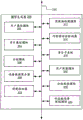
Fig. 2 is a block diagram illustrating an example of a performance application.
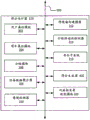
FIG. 3A is a block diagram illustrating an example of a model generator.
FIG. 3B is a block diagram illustrating an example of a model generator.
Fig. 4A is a block diagram illustrating an example of a score estimator.
Fig. 4B is a block diagram illustrating an example of a score estimator.
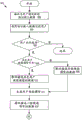
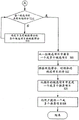
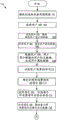
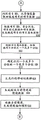
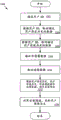
FIG. 5A is a flow diagram of an exemplary method for providing recommended items to a user in accordance with a performance model.
FIG. 5B is a flow diagram of an exemplary method for providing recommended items to a user according to a performance model.
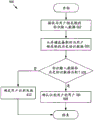
FIG. 6 is a flow chart of an exemplary method of identifying a user.
FIG. 7A is a flow chart of an exemplary method of generating a user performance model.
FIG. 7B is a flow chart of an exemplary method of generating a user performance model.
FIG. 7C is a flow chart of an exemplary method of generating a user performance model.
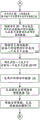
Fig. 8A is a flow chart of an exemplary method of generating a performance score for a candidate item.
Fig. 8B is a flow chart of an exemplary method of generating a performance score for a candidate item.
Fig. 8C is a flow chart of an exemplary method of generating a performance score for a candidate item.
FIG. 9 is a flow chart of an exemplary method of determining items consumed by a user.
FIG. 10 is a flow diagram of an exemplary method of determining an affinity status of an item consumed by a user.
Fig. 11 is a flow chart of an example method of generating trip mobility data.
FIG. 12 is a flow diagram of an exemplary method of determining a current context associated with a user.
FIG. 13 is a graphical representation illustrating an exemplary venue consumed by a user.
FIG. 14 is a graphical representation of an exemplary user interface illustrating an affinity state that allows a user to enter items.
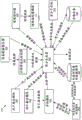
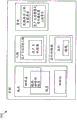
FIG. 15 is a graphical representation illustrating an exemplary packet.
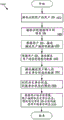
FIG. 16 is a flow chart of an exemplary method of predicting an affinity state of a candidate item.
Detailed Description
(general overview)
FIG. 1 illustrates a block diagram of a system 100 for providing recommended items to a user based on a performance model, according to some embodiments. The illustrated system 100 includes a server 101, a client device 115, a mobile computing device 135, a social network server 130, and a data server 120. The various entities of system 100 are communicatively coupled via a network 105.
The network 105 may be a wired or wireless network of a conventional type and may have a number of different configurations including a star configuration, a token ring configuration, or other configurations. Further, the network 105 may include a Local Area Network (LAN), a Wide Area Network (WAN) (e.g., the internet), and/or other interconnected data paths through which multiple devices may communicate. In some embodiments, the network 105 may be a peer-to-peer network. The network 105 may also be coupled to or include various portions of a telecommunications network for transmitting data using a variety of different communication protocols. In some embodiments, network 105 comprises a bluetooth (R) communication network or a cellular communication network for sending and receiving data (including via Short Messaging Service (SMS), Multimedia Messaging Service (MMS), hypertext transfer protocol (HTTP), direct data connection, WAP, email, etc.). Although fig. 1 illustrates one network 105 coupled to the server 101, the client device 115, the mobile computing device 135, the social network server 130, and the data server 120, in practice, one or more networks 105 may be connected to these entities.
In some embodiments, the performance application 109a may operate on a server 101 coupled to the network 105 via signal line 104. The server 101 may be a hardware and/or virtual server that includes a processor, memory, and network communication capabilities. In some embodiments, the server 101 sends data to and receives data from one or more of the social network server 130, the client device 115, the data server 120, and the mobile computing device 135. Although fig. 1 illustrates one server 101, the system 100 may include one or more servers 101.
In some embodiments, the performance application 109b may operate on a client device 115 connected to the network 105 via the signal line 108. In some embodiments, the client device 115 sends data to and receives data from one or more of the server 101, the data server 120, the social network server 130, and the mobile computing device 135. The client device 115 is a computing device that includes a memory and a processor, such as a laptop computer, desktop computer, tablet computer, mobile phone, Personal Digital Assistant (PDA), mobile email device, or any other electronic device capable of accessing the network 105. In the illustrated embodiment, the user 125 interacts with the client device 115. Although fig. 1 illustrates one client device 115, the system 100 may include one or more client devices 115.
In some cases, the performance application 109b may function in part as a thin client application that may be stored on the client device 115 and in part as a component that may be stored on one or more of the server 101 and the mobile computing device 135. For example, the server 101 determines recommended items to the user, and generates graphic data for providing the user with a user interface describing the recommended items. The performance application 109b may send instructions to a browser (not shown) installed on the client device 115 to present a user interface on a display device (not shown) coupled to the client device 115.
In some embodiments, the performance application 109c may operate on a mobile computing device 135 coupled to the network 105 via signal line 134. In some embodiments, the mobile computing device 135 sends data to and receives data from one or more of the server 101, the social network server 130, the data server 120, and the client device 115. The mobile computing device 135 is any computing device that includes a memory and a processor. In some embodiments, the mobile computing device 135 is one of a vehicle, automobile, bus, bionic implant, or any other mobile system with non-transitory computer electronics (e.g., a processor, memory, or any combination of non-transitory computer electronics). In the illustrated embodiment, the user 125 interacts with a mobile computing device 135. In some examples, the user 125 may be a driver driving a vehicle or a passenger sitting in a passenger seat. Although fig. 1 illustrates one mobile computing device 135, the system 10 may include one or more mobile computing devices 135.
The performance application 109 is code and routines for providing recommended items to the user according to a performance model. In some embodiments, the performance application 109 may be implemented using hardware including a Field Programmable Gate Array (FPGA) or an Application Specific Integrated Circuit (ASIC). In further embodiments, the performance application 109 may be implemented using a combination of hardware and software. In some embodiments, the performance application 109 may be stored in a combination of the device and the server, or in one of the device or the server. The performance application 109 is described in greater detail below with reference to at least fig. 2-12 and 16.
In the embodiment shown in fig. 1, one or more first sensors 140a.. 140n are coupled to the mobile computing device 135. For example, the first sensor 140a is coupled to the mobile computing device 135 via signal line 141 and the first sensor 140n is coupled to the mobile computing device 135 via signal line 143. In fig. 1 and the remaining figures, the letter following the reference number (e.g., "140 a") indicates a reference to the element having that particular reference number. Reference numbers without subsequent letters in the text (e.g., "140") represent a broad reference to an instance of an element having the reference number.
The first sensor 140 may be a device that measures one or more physical parameters. For example, the first sensor 140 measures one or more of current gas mileage, engine start or shut down in the vehicle, parking brake, CAN bus, speed, time of day, location (e.g., latitude, longitude, and altitude of location), system safety parameters related to the vehicle (e.g., airbag system, antilock brake system, etc.), distance from the vehicle to other objects (e.g., wayside buildings, traffic lights, etc.), distance from the vehicle to nearby vehicles, acceleration of the vehicle, direction of travel, fuel tank level, battery charge level, temperature, humidity, and/or any other physical parameter associated with the vehicle, etc. In some embodiments, the first sensor 140 is one of a Global Positioning System (GPS), a camera, an on-board diagnostic (OBD) system, a keyboard, a touch screen, hardware buttons on a steering wheel, a steering wheel controller, an engine control unit (ECU, PCM, etc.), a fingerprint reader, or any other kind of sensor. In some embodiments, the first sensor 140 is a sensor installed in a mobile computing device 135, such as a vehicle.
In the illustrated embodiment, one or more second sensors 160a.. 160n are coupled to client device 115. For example, second sensor 160a is coupled to client device 115 via signal line 161 and second sensor 160n is coupled to client device 115 via signal line 163. The second sensor 160 may be a device that measures one or more physical parameters. For example, the second sensor 160 measures one or more of velocity, acceleration, time of day, location (e.g., latitude, longitude, and altitude of the location), temperature, humidity, and/or any other physical parameter, among others. In some embodiments, the second sensor 160 is one of a Global Positioning System (GPS), a camera, a keyboard, a touch screen, a fingerprint reader, or any other kind of sensor. In some embodiments, the second sensor 160 is a sensor installed on the client device 115.
The social network server 130 may be a hardware and/or virtual server that includes a processor, memory, and network communication capabilities. In some embodiments, the social network server 130 sends data to and receives data from one or more of the client device 115, the server 101, the mobile computing device 135, and the data server 120 via the network 105. The social network server 130 includes a social network application 132. A social network may be a social structure in which users are connected by a common feature. The common characteristics include relationships/connections, e.g., friendship, family, work, interests, etc. Common features may be provided by one or more social networking systems, including well-defined relationships, and relationships implied by social connections to other online users, where the relationships form a social graph. In some examples, the social graph may reflect the mapping of these users and how they are associated. Further, the social network server 130 and the social network application 132 may represent one social network, and there may be multiple social networks coupled to the network 105, each having its own server, application, and social graph. For example, a first social network may be more targeted for business contacts, a second social network may be more targeted or focused on academia, a third social network may be more targeted for local business, a fourth social network may be targeted for appointments, and other social networks may be targeted for general interests or particular topics.
The data server 120 may be hardware and/or virtual servers including a processor, memory, and network communication capabilities. In some embodiments, the data server 120 sends data to and receives data from one or more of the social network server 130, the server 101, the client device 115, and the mobile computing device 135. Although fig. 1 illustrates one data server 120, the system 100 may include one or more data servers 120. In the illustrated embodiment, the data server 120 includes a mapping application 122 and a storage device 145.
The mapping application 122 may be code and routines that process requests or queries received from the performance application 109. For example, the mapping application 122 receives a request for a map from the performance application 109. The mapping application 122 processes the request and returns data describing the map to the performance application 109. In another example, the mapping application 122 receives a query (e.g., a request for a vehicle update) from the performance application 109, retrieves data matching the query from the memory 145, and sends the data to the performance application 109.
In some embodiments, storage 145 may include a database management system (DBMS) for storing and providing access to data. In some embodiments, storage device 145 acts as a cloud storage device. In some embodiments, the storage device 145 maintains one or more of historical identification data associated with the user, item data describing one or more items, groupings of items, consumption history associated with the user, affinity levels for different items, affinity states associated with the items, a user profile associated with the user, a map, a standard context bias model, a user request history, a user context history, a travel history associated with the user, a standard grouping performance model, an average grouping performance model, a user performance model for different users, and performance scores for different items. Storage device 145 may store other data for providing the actions and/or functions described herein. The data stored in the storage device 145 is described in more detail below.
(exemplary Performance applications)
Referring now to fig. 2, an example of the performance application 109 is shown in greater detail. Fig. 2 is a block diagram of a computing device 200 including a performance application 109, a processor 235, a memory 237, a communication unit 241, an input/output device 243, a storage device 245, and a stakeholder performance database 247, according to some embodiments. The components of computing device 200 are communicatively coupled by a bus 220. Input/output devices 243 are communicatively coupled to bus 220 via signal lines 230. In various embodiments, the computing device 200 may be a server 101, a client device 115, and/or a mobile computing device 135.
The memory 237 holds instructions and/or data that the processor 235 is capable of executing. Memory 237 is coupled to bus 220 for communication with other components via signal lines 224. The instructions and/or data may include code for performing the techniques described herein. The memory 237 may be a Dynamic Random Access Memory (DRAM) device, a Static Random Access Memory (SRAM) device, flash memory, or some other memory device. In some embodiments, memory 237 also includes non-volatile memory or similar permanent storage devices and media for more permanently containing information (including a hard disk drive, a floppy disk drive, a CD-ROM device, a DVD-RAM device, a DVD-RW device, a flash memory device, or some other mass storage device).
In the illustrated embodiment, communication unit 241 is communicatively coupled to bus 220 via signal line 226. Depending on where the performance application 109 is stored, the communication unit 241 transmits and receives data to and from one or more of the server 101, the mobile computing device 135, the client device 115, the data server 120, and the social network server 130. In some embodiments, the communication unit 241 includes a port for direct physical connection with the network 105 or with another communication channel. For example, the communication unit 241 includes a USB, SD, CAT-5, or similar port for wired communication with the client device 115. In some embodiments, the communication unit 241 includes a wireless transceiver to exchange data with the client device 115 or other communication channel using one or more wireless communication methods, including IEEE 802.11, IEEE802.16, bluetooth (R), Dedicated Short Range Communication (DSRC), or another suitable wireless communication method.
In some embodiments, communication unit 241 comprises a cellular communication transceiver that transmits and receives data over a cellular communication network, including via Short Messaging Service (SMS), Multimedia Messaging Service (MMS), hypertext transfer protocol (HTTP), direct data connection, WAP, email, or another suitable type of electronic communication. In some embodiments, the communication unit 241 includes a wired port and a wireless transceiver. Communication unit 241 also provides other conventional connections to network 105 for the distribution of files and/or media objects using standard network protocols including TCP/IP, HTTP, HTTPs, SMTP, and the like.
In the illustrated embodiment, the storage device 245 is communicatively coupled to the bus 220 via signal line 228. In some embodiments, the storage device 245 maintains one or more of a user performance model associated with the user, a group performance model, a performance score, historical identification data associated with the user, a user Identifier (ID) identifying the user, user attribute data, item attribute data, affinity levels for different items, affinity states associated with different items, trip mobility data, context data, user context history, context bias model, standard context bias model, different groups of items, group IDs, consumption history associated with the user, a user profile, a map, a standard context bias model, user request history, travel history associated with the user, a standard group performance model, and an average group performance model. The data stored in the storage device 245 is described in more detail below. In some embodiments, storage device 245 may store other data for providing the actions and/or functions described herein.
The stakeholder performance database 247 holds stakeholder performance data defined by the stakeholders. The stakeholder performance database 247 is communicatively coupled to the bus 220 via signal line 238. Exemplary stakeholders include, but are not limited to, the entity that produces the mobile computing device 135 (e.g., the vehicle manufacturer), the entity that sells the mobile computing device 135, and the entity that rents the mobile computing device 135 to a user (e.g., the vehicle rental company).
The stakeholder performance data may be data describing one or more content recommendation constraints configured by one or more stakeholders. For example, the stakeholder performance data describes one or more constraints that define what kind of recommended items are effective for the user. In some embodiments, the constraints are configured according to one or more of what user experience the stakeholder desires the user to have, security priorities, legal considerations, financial considerations, and other considerations. For example, constraints in the stakeholder performance data indicate that music is not recommended to the user when the user is on a highway and is on the road, even when the user requests a music recommendation. In another example, constraints in the stakeholder performance data indicate that no bar is recommended to drivers under 21 years of age. Other exemplary constraints in the stakeholder performance data are also possible.
In the illustrated embodiment, the performance application 109 includes a controller 202, an identification module 204, a consumption module 206, an affinity status module 207, a model generator 208, a score estimator 210, a recommendation module 212, and a user interface module 214. These components of the performance application 109 are communicatively coupled via a bus 220.
The controller 202 may be software that includes routines for handling communications between the performance application 109 and other components of the computing device 200. In some embodiments, the controller 202 may be a set of instructions executable by the processor 235 to provide the actions and/or functions described below for handling communications between the performance application 109 and other components of the computing device 200. In some embodiments, the controller 202 may be stored in the memory 237 of the computing device 200 and may be accessed and executed by the processor 235. The controller 202 may be adapted to cooperate and communicate with the processor 235 and other components of the computing device 200.
Depending on where the performance application 109 is stored, the controller 202 sends data to and receives data from one or more of the client device 115, the social network server 130, the server 101, the data server 120, and the mobile computing device 135 via the communication unit 241. For example, the controller 202 receives social network data (e.g., user social data, project social data) from the social network server 130 via the communication unit 241 and sends the social network data to one or more of the model generator 208 and the score estimator 210. In another example, the controller 202 receives graphical data from the user interface module 214 for providing a user interface to a user and sends the graphical data to the client device 115 or the mobile computing device 135 to cause the client device 115 or the mobile computing device 135 to present the user interface to the user.
In some embodiments, the controller 202 receives data from other components of the performance application 109 and stores the data in the storage device 245. For example, the controller 202 receives graphical data from the user interface module 214 and stores the graphical data in the storage device 245. In some embodiments, the controller 202 retrieves data from the storage device 245 and sends the retrieved data to other components of the performance application 109. For example, the controller 202 retrieves data describing the performance score associated with the candidate item from the storage device 245 and sends the data to the recommendation module 212.
The identification module 204 may be software that includes routines for identifying a user. In some embodiments, the identification module 204 may be a set of instructions executable by the processor 235 to provide the actions and/or functions described below for identifying a user. In some embodiments, the identification module 204 may be stored in the memory 237 of the computing device 200 and may be accessed and executed by the processor 235. The identification module 204 may be adapted to cooperate and communicate with the processor 235 and other components of the computing device 200.
In some embodiments, the identification module 204 receives identification input data associated with the user from the one or more first sensors 140 and/or the one or more second sensors 160. For example, a user enters a fingerprint into a fingerprint reader coupled to the mobile computing device 135, causing the fingerprint reader to transmit the user's fingerprint to the identification module 204. Exemplary identification input data includes, but is not limited to, a user name and password, a fingerprint, other identification data provided by a device acting as a proxy for the user (e.g., a card, a handheld device, a vehicle registered under the user's name), facial recognition-based identification data, and other biometric data (e.g., voice, retina, etc.), and so forth.
The identification module 204 retrieves historical identification data associated with the user from the storage device 245 and/or the storage device 145. The identification module 204 determines whether the identification input data matches the historical identification data. For example, the identification module 204 determines whether the fingerprint entered by the user matches a historical fingerprint of the user stored in the storage device 245. If the identification input data and the historical identification data match, the identification module 204 determines that the user is authenticated and confirms a user Identifier (ID) that identifies the user. The identification module 204 sends the user ID to other components of the performance application 109 so that the other components of the performance application 109 can retrieve data associated with the user using the user ID. If the identification input data and the historical identification data do not match, the identification module 204 determines that the user's authentication failed.
In some embodiments, the identification module 204 sends the user ID to other components of the performance application 109. In further embodiments, the identification module 204 stores the user ID in the storage device 245 and/or the storage device 145.
The consumption module 206 may be software that includes routines for identifying items consumed by a user. In some embodiments, the consumption module 206 may be a set of instructions executable by the processor 235 to provide the actions and/or functions described below for identifying items consumed by a user. In some embodiments, the consumption module 206 may be stored in the memory 237 of the computing device 200 and may be accessed and executed by the processor 235. The consumption module 206 may be adapted to cooperate and communicate with the processor 235 and other components of the computing device 200.
In some embodiments, the consumption module 206 receives a user ID from the identification module 204 that identifies the user. The consumption module 206 retrieves a consumption history associated with the user from the storage device 245 and/or the storage device 145 using the user ID. The consumption history associated with the user includes data describing items consumed by the user. For example, the user's consumption history describes songs played by the user, videos watched by the user, radio programs listened to by the user, places the user has gone past, trips taken by the user, and people with whom the user interacted (e.g., people called by the user). The consumption module 206 receives sensor data from the one or more first sensors 140 and/or the one or more second sensors 160 and identifies items consumed by the user based on the sensor data and/or the consumption history of the user.
In some examples, the consumption module 206 receives sensor data from one or more first sensors 140 and/or one or more second sensors 160 and estimates a location to which the user is currently going based on the sensor data and a user consumption history including one or more locations to which the user has gone in the past. For example, the consumption module 206 receives data describing the current location and time of day from a GPS installed in the user's vehicle. The consumption module 206 also receives data describing engine shut-down from a first sensor monitoring an engine of the user vehicle, the data indicating that the user driven vehicle is stopped at a current location. The consumption module 206 retrieves data describing a map associated with the current location from the data server 120 and determines one or more candidate places in the vicinity of the current location. The consumption module 206 estimates the location that the user is currently traveling to as a candidate location that the user has traveled in the past based on the time of day, the duration of the vehicle stopped at the current location, and/or the distance from the current location that is suitable for walking. For example, the consumption module 206 estimates the location the user is currently going to as a restaurant the user has been going to in the past because the time of day is 7:10 PM. Referring now to FIG. 13, an exemplary process of estimating a location currently visited by a user is illustrated in more detail. The place the user is currently at is an example of an item that the user consumes.
In some examples, the consumption module 206 tracks items played in an in-vehicle infotainment system using speaker actuators, and/or tracks items played in the client device 115. For example, the consumption module 206 tracks songs played on a radio station, or songs played by a client device 115 connected to the mobile computing device 135 via a cable or wireless connection (e.g., bluetooth (R)). The consumption module 206 identifies the song as an exemplary item for consumption by the user.
The consumption module 206 determines an item ID that identifies the item consumed by the user and updates the user's consumption history with the consumed item. For example, the consumption module 206 determines a song ID that identifies a song played by the user, a place ID that identifies a place where the user has gone, and a contact ID that identifies people interacting with the user, and adds the song ID, the place ID, and the contact ID to the user's consumption history. In some embodiments, the consumption module 206 sends the item ID to other components of the performance application 109. In further embodiments, the consumption module 206 stores the item ID in the storage device 245 and/or the storage device 145.
The affinity state module 207 may be software that includes routines for determining the affinity state of items consumed by a user. In some embodiments, the affinity status module 207 may be a set of instructions executable by the processor 235 to provide the actions and/or functions described below for determining an affinity status of an item consumed by a user. In some embodiments, the affinity state module 207 may be stored in the memory 237 of the computing device 200 and may be accessed and executed by the processor 235. The affinity status module 207 may be adapted to cooperate and communicate with the processor 235 and other components of the computing device 200.
The affinity status may be data indicating a degree of user affinity for the item. For example, the affinity status associated with an item indicates that the user likes the item, dislikes the item, or has no affinity with the item. In another example, the affinity status associated with an item indicates that the user rated the item as 5 stars, with an affinity rating from 1 star to 5 stars. In some embodiments, the affinity state has a discontinuous value. For example, if the user rated the item with 4 of 5 stars, the affinity status for the item would have a value of 4/5. In some embodiments, different affinity states are associated with different values in the affinity rating, indicating different degrees of user affinity. For example, an affinity state with 5 stars indicates a higher user affinity than an affinity state with 4 stars. Exemplary affinity ratings include, but are not limited to, a rating of like/dislike/no affinity, a rating of star rating (e.g., from 1 star to 5 stars), a rating represented by a discrete state of a 16-bit computer register, a rating from 0 to 100 points, or any other discretized representation of affinity.
In some embodiments, the affinity status module 207 receives a user ID from the identification module 204 identifying the user and an item ID from the consumption module 206 identifying the item consumed by the user. The affinity state module 207 retrieves data describing the affinity level of the consumed item from the storage device 245. The affinity status module 207 presents affinity ratings associated with the consumed items to the user and requests the user to enter an affinity status for the consumed items. In some embodiments, the affinity status module 207 instructs the user interface module 214 to generate graphical data that provides a user interface to the user in the mobile computing device 135 or client device 115, allowing the user to input the affinity status of the consumed item via the user interface. For example, the user may press a 5 star or like button for the item consumed via a touch screen in a head unit (head unit). An exemplary user interface is illustrated in FIG. 14. In some embodiments, the user may enter the affinity status of the consumed item by interacting with a reading (reading) sensor (e.g., a hardware button on the steering wheel or a hardware button in the vehicle head unit). For example, the user may press a hardware button in the steering wheel 4 times to indicate a 4 star selection for the consumed item.
The affinity status module 207 determines the affinity status of the consumed item based on the data entered by the user. For example, if the user selects a "like" button in the user interface displayed in the touch screen, the affinity status module 207 determines the affinity status of the consumed item as a like item. In some embodiments, the affinity state module 207 sends data describing the affinity state associated with the consumed item to one or more of the model generator 208 and the score estimator 210. In further embodiments, the affinity state module 207 stores data describing the affinity state in the storage device 245 and/or the storage device 145.
The user performance model associated with the user may be a model for generating a performance score associated with the project. The performance score associated with an item is data indicative of a degree of performance associated with the item. For example, a high performance score associated with an item may indicate that the item is or should be valid, desirable, and/or relevant to the user based on one or more considerations (such as availability, legitimacy, personalization, financial considerations, and/or other considerations). For example, a valid recommended item may not necessarily be an item that the user desires, but may instead be an item that the user desires based on one or more requirements such as availability, legitimacy, personalization, financial considerations, and/or other considerations. In some embodiments, the performance score associated with an item is a discrete numerical score that indicates the degree of performance that a recommendation for the item may produce. For example, performance includes the satisfaction of one or more requirements, such as availability, legitimacy, personalization, financial considerations, and/or other considerations. The model generator 208 and the user performance model are described in more detail below with reference to fig. 3A and 3B.
The score estimator 210 may be software that includes routines for generating a performance score for a project. In some embodiments, the score estimator 210 may be a set of instructions executable by the processor 235 to provide the acts and/or functions described below for generating a performance score for an item. In some embodiments, the score estimator 210 may be stored in the memory 237 of the computing device 200 and may be accessed and executed by the processor 235. The score estimator 210 may be adapted to cooperate and communicate with the processor 235 and other components of the computing device 200.
In some embodiments, the score estimator 210 generates a performance score for the item and sends the performance score to the recommendation module 212. In further embodiments, the score estimator 210 stores the performance score in the storage device 245 and/or the storage device 145. The performance score and score estimator 210 is described in more detail below with reference to fig. 4A and 4B.
The recommendation module 212 may be software that includes routines for providing recommended items to the user. In some embodiments, the recommendation module 212 may be a set of instructions executable by the processor 235 to provide the actions and/or functions described below for providing recommended items to a user. In some embodiments, the recommendation module 212 may be stored in the memory 237 of the computing device 200 and may be accessed and executed by the processor 235. The recommendation module 212 may be adapted to cooperate and communicate with the processor 235 and other components of the computing device 200.
In some embodiments, the recommendation module 212 receives a set of candidate items from the data server 120, the server 101, and/or the social network server 130. Exemplary candidates include, but are not limited to, restaurants, hotels, points of interest, radio programs, audio files (e.g., songs, podcasts), videos, radio stations, news items, and the like. The recommendation module 212 instructs the score estimator 210 to generate a performance score for each candidate item. The recommendation module 212 receives a set of performance scores associated with a set of candidate items from the score estimator 210. The recommendation module 212 ranks the set of candidate items according to the set of performance scores. The recommendation module 212 generates one or more recommended items as the highest ranked one or more candidate items in the set of candidate programs.
In further embodiments, the recommendation module 212 retrieves the stakeholder performance data from the stakeholder performance database 247. Recommendation module 212 removes one or more candidate items from the set of candidate items based on the stakeholder performance data. For example, if the user is 18 years old, the recommendation module 212 excludes bar recommendations from the set of candidate items because the stakeholder performance data indicates that bars are not recommended to users less than 21 years old. In another example, if the user is merging on a highway, the recommendation module 212 suspends the recommendation of audio items to the user because the stakeholder performance data indicates that audio items are not recommended to the user when the user is merging on a highway. The recommendation module 212 ranks the remaining candidate items according to the corresponding performance scores, and generates one or more recommended items from the ranked remaining candidate items. For example, the recommendation module 212 generates one or more recommended items as the top ranked one or more remaining candidate items.
In some examples, the user performance model indicates that the user typically listens to a particular type of audio item (e.g., music or radio program) at a particular time of day, or during a particular trip, and recommendation module 212 generates a recommendation to the user that includes the particular type of audio item at the particular time of day or during a particular trip. For example, the user performance model indicates that the user typically listens to news while commuting from home to work, so that the recommendation module 212 recommends a news radio to the user while the user is driving from home to work. In some examples, the user performance model indicates that the user frequently picks up children from school between 3:00PM to 3:30PM on each weekday, so that the recommendation module 212 downloads and saves the favorite animation films of the children in the mobile computing device 135 before 3:00PM on each weekday, so that the favorite animation films are available for viewing by the children on the way from school to home. In some examples, the user performance model indicates that the user typically calls a particular contact at a particular time of day, or during a particular trip, such that at the particular time of day, or during the particular trip, recommendation module 212 presents the user with the phone number of the contact so that the user can easily access the phone number and call the contact.
The recommendation module 212 provides one or more recommended items to the user. For example, recommendation module 212 instructs user interface module 214 to generate graphical data for providing a user interface for presenting the one or more recommended items to the user. In another example, the recommendation module 212 transmits one or more audio recommendation items to the mobile computing device 135 or the client device 115 to cause a speaker system coupled to the mobile computing device 135 or the client device 115 to play the one or more audio recommendation items to the user. In some embodiments, the recommendation module 212 stores the one or more recommended items in the storage device 245 and/or the storage device 145.
The user interface module 214 may be software including routines for generating graphical data for providing a user interface to a user. In some embodiments, user interface module 214 may be a set of instructions executable by processor 235 to provide the actions and/or functions described below for generating graphical data for providing a user interface to a user. In some embodiments, the user interface module 214 may be stored in the memory 237 of the computing device 200 and may be accessed and executed by the processor 235. The user interface module 214 may be adapted to cooperate and communicate with the processor 235 and other components of the computing device 200.
In some embodiments, the user interface module 214 generates graphical data for providing a user interface for presenting one or more recommended items to a user. The user interface module 214 sends graphical data to the client device 115 and/or the mobile computing device 135 causing the client device 115 and/or the mobile computing device 135 to present the user interface to the user. In some embodiments, the user interface module 214 generates graphical data for providing a user interface that allows a user to enter an affinity state for an item. An exemplary user interface will be illustrated with reference to fig. 14. In some embodiments, the user interface module 214 generates graphical data for providing a user interface that allows the stakeholder to input the stakeholder performance data. The user interface module 214 may generate graphical data for providing other user interfaces to the user.
Exemplary uses of the performance application 109 include providing in-vehicle content recommendations to a user. For example, a user (e.g., a driver or passenger) in a vehicle may request the performance application 109 to provide recommended items including, but not limited to, places (e.g., restaurants, gas stations, hotels), routes to different destinations, audio items, contacts with whom the user wants to communicate based on voice commands, and the like. The performance application 109 determines recommended items to the user based at least in part on a user performance model associated with the user such that content recommendations to the user are effective. For example, the content recommendation meets one or more performance requirements, including legitimacy, security, mobility, contextual requirements, financial requirements, and other requirements configured by stakeholders.
(exemplary model Generator)
Referring now to FIG. 3A, an example of model generator 208 is shown in greater detail. The exemplary model generator 208 includes a user attributes module 302, an item attributes module 304, a grouping module 306, a device data aggregator 308, a context detector 310, a context bias modeler 312, a trip mobility detector 314, an affinity subsystem 315, a user performance module 316, a grouping performance module 318, and a stakeholder performance module 320. The various components of model generator 208 are communicatively coupled to each other via a bus 220.
The user attributes module 204 may retrieve user social data associated with the user from the social network server 130. The user social data may be data describing one or more social activities performed by the user in the social network. For example, the user social data describes one or more of a place that the user checked in to in the social network, a post posted by the user, a comment posted by the user, a share made by the user, an endorsement made by the user, a topic subscribed to by the user, a community followed by the user, and so forth. Other exemplary data social data are also possible.
In some embodiments, the user attribute module 302 generates user attribute data for the user based on one or more of the user profile and the user social data. User attribute data associated with a user may be data representing one or more attributes describing the user. For example, user attribute data includes one or more attributes that describe the user and corresponding values for the one or more attributes. Exemplary attributes describing the user include, but are not limited to, the city, position, institution, interests, gender, age, hobbies, subject matter, and/or community subscription that the user lives in, or from which the user is graduate. Other exemplary attributes associated with the user are also possible. Exemplary values for attributes include, but are not limited to, zero values, non-zero numerical values, descriptions, links (e.g., Uniform Resource Locators (URLs)), symbols, and the like. Other exemplary values are also possible.
For example, the user attribute data includes a first attribute "interest" having a value of "1": technique "and a second attribute" of value "0" interest: poetry ", indicating that the user likes technology and dislikes poetry. In yet another example, the user attribute data includes a first attribute "topic associated with an affinity rating from 1 to 10 having a value of 8: science fiction "and a second attribute of 5" topic: the story novel indicates that the user likes science fiction more than the story novel. In another example, the user attribute data includes a first attribute "location" having a value of "san Francisco" and a second attribute "education" having a value of "XYZ university" with a link to XYZ university. Other exemplary user attribute data are also possible.
In some embodiments, the user attribute module 302 sends the user attribute data to the user performance module 316 and the score generator 402 illustrated in fig. 4A and 4B. In further embodiments, user attribute module 302 stores the user attribute data in storage device 245 and/or storage device 145.
The item properties module 304 may be code and routines for aggregating data associated with an item to generate item property data. In some embodiments, the item properties module 304 receives an item ID from the consumption module 206 that identifies the item and data from the affinity status module 207 that describes the affinity status associated with the item. The item attribute module 304 retrieves item data describing the item from the storage device 245 and/or the storage device 145. For example, the item properties module 304 retrieves structured item data from the storage device 245 holding the item.
In some embodiments, the item attribute module 304 receives item social data associated with the item from the social network server 130. The item social data associated with the item may be data describing one or more social activities conducted in a social network that are related to the item. For example, the item social data describes one or more of the popularity of the item in the social network (e.g., total number of views, reviews, forwards, and/or shares associated with the item), whether the item is a trending item, whether the item is in a leaderboard, whether the item is a current item, and/or whether the item is published by a famous publisher, etc. Other exemplary items of social data are also possible.
In some embodiments, the item properties module 304 generates item property data for the item based on one or more of the affinity status, the item social data, and the item data. The item attribute data associated with an item may be data representing one or more attributes describing the item. For example, the item attribute data includes an affinity state of the item. In some embodiments, the item attribute data includes one or more attributes describing the item and corresponding values for the one or more attributes. For example, attributes associated with an item include title, author, publisher, address from which the item was retrieved, total number of views of the item in the social network, comments, forwards and/or shares, and the like. In another example, the attributes associated with the item include a name of the item (e.g., hotel name), a location associated with the item (e.g., hotel address), a user rating and a comment associated with the item. In another example, the attributes associated with an item include a contact name, a relationship between the contact and the user, a phone number and an email address of the contact, and so on. Other exemplary attributes associated with the item are also possible. Exemplary values for attributes include, but are not limited to, zero values, non-zero numerical values, descriptions, links (e.g., Uniform Resource Locators (URLs)), symbols, and the like. Other exemplary values are also possible.
For example, the item attribute data describing a news item includes a first attribute "author" having a value of "Mary ABC", a second attribute "total browsing times" having a value of "1,234", and a third attribute "category" having a value of "news item". In another example, the project attribute data describing hotels visited by the user includes a first attribute "hotel name" having a value of "XYZ hotel," a second attribute "check-in date" having a value of "2013 year 4 month 1 day," a third attribute "check-out date" having a value of "2013 year 4 month 5 day," and a fourth attribute "user rating" having a value of "5 stars. In another example, the item attribute data describing a song includes a first attribute "artist" having a value "Kelly DEF", a second attribute "total number of times the user played the song" having a value "10", and a third attribute "last played time of the song" having a value "yesterday". Other exemplary item attribute data are also possible.
In some embodiments, the item attribute module 304 sends the item attribute data to the user performance module 316 and the score generator 402. In further embodiments, the item attribute module 304 stores the item attribute data in the storage device 245 and/or the storage device 145.
The grouping module 306 can be code and routines for grouping items into one or more groups. In some embodiments, the grouping module 306 receives item attribute data associated with the item from the item attribute module 304. The grouping module 306 classifies the items into one or more groups based on the item attribute data. For example, the grouping module 306 groups restaurants with bars into a venue group, a restaurant subgroup, and a bar subgroup that provides alcoholic beverages to adults over 21 years of age. A grouping of items may be data describing a series of items that share one or more similar attributes. Exemplary groupings include, but are not limited to, location groupings including gas station sub-groupings and restaurant sub-groupings, people groupings including friends sub-groupings and family member sub-groupings, travel and route groupings, music file groupings, video groupings, and news item groupings, among others. Further exemplary groupings of items are illustrated in FIG. 15.
The grouping module 306 determines one or more group IDs identifying the one or more groups and associates the one or more group IDs with the item. The identification of one or more groupings associated with items is advantageous because, for example, the performance produced by recommended items from a first grouping may be different than the performance produced by recommended items from a second grouping. For example, the effectiveness of a place recommended to a user is different from the effectiveness of a song recommended to the user.
In some embodiments, the grouping module 306 sends one or more grouping IDs identifying one or more groupings associated with the item to the user performance module 316, the grouping performance module 318, and/or the score generator 402. In further embodiments, the grouping module 306 stores the one or more group IDs and the association between the one or more group IDs and the items in the storage device 245 and/or the storage device 145.
The device data aggregator 308 may be code and routines for aggregating device data associated with the mobile computing device 135. The device data may be data describing the mobile computing device 135. In some embodiments, the device data includes a device type, a device model, sensor data received from a first sensor 140 coupled to the mobile computing device 135, and remote device data retrieved from the data server 120 via the network 105. For example, if the mobile computing device 135 is a vehicle, the device data may include vehicle data, including vehicle type (e.g., gasoline, electric, hybrid), vehicle model, sensor data from the vehicle (e.g., current gas mileage or other data from a camera, GPS, or OBD system), data stored in the storage device 245 (e.g., local vehicle data including a vehicle ID), and data retrieved from the data server 120 (e.g., remote vehicle data including vehicle updates stored in the data server 120). In some embodiments, the device data may include other data associated with the mobile computing device 135.
In some embodiments, the device data aggregator 308 retrieves one or more of sensor data associated with the mobile computing device 135 from one or more first sensors 140, local data (e.g., local vehicle data) from the storage device 245, and/or remote data (e.g., remote vehicle data) from the storage device 145 in the data server 120 via the network 105. The device data aggregator 308 aggregates the retrieved data into device data associated with the mobile computing device 135. In some embodiments, the device data aggregator 308 stores the aggregated device data in the storage device 245. In further embodiments, the device data aggregator 308 sends the device data to the travel mobility detector 314 and the score generator 402.
The context detector 310 may be code and routines for generating context data describing a context associated with a user. Exemplary scenarios include, but are not limited to, driving a car to pick up a child, picking up a child from school, commuting to work, purchasing groceries, traveling to vacation, going to a gas station, going to an airport, and the like. Other exemplary scenarios are also possible.
In some embodiments, the context detector 310 receives a user ID identifying the user from the identification module 204. Context detector 310 retrieves data describing the user request history associated with the user from storage device 245 using the user ID. The user request history may be data describing one or more historical requests made by the user in the past. For example, the user request history includes data describing one or more destinations, one or more hotels, one or more songs, one or more restaurants, etc. requested by the user. In some examples, the user request history may also include other data requested by the user.
In some embodiments, context detector 310 retrieves data describing a user context history associated with the user from storage device 245 and/or storage device 145. The user context history may be data describing historical context, such as trips taken by the user, locations marked on the map by the user, driving activities, social activities, and entertainment activities (e.g., listening music) that the user has engaged in the past, etc. For example, the user context history describes that the user went on a weekly trip to purchase groceries. In another example, the user context history describes the user going on a trip every weekday to pick up children to school and go down. The context detector 310 also receives sensor data from the first sensor 140 and/or the second sensor 160. For example, the context detector 310 receives data from a GPS that describes the time of day and the user's current location. The context detector 310 retrieves map data describing a map associated with the user's current location from the data server 120.
The context detector 310 determines a current context associated with the user based on one or more of the user request history, the user context history, the sensor data, and the map data. The current context may describe an activity that the user is performing, such as driving activity, entertainment activity, social activity, consumption activity, and the like. For example, assume that the time of day is 7:40AM, and the user's current location indicates that the user is on a road heading toward the workplace. If the user context history indicates that the user is typically driving to work between 7:30AM and 8:30AM, the context detector 310 determines the current context associated with the user as a commute to work. In another example, if the user request history indicates that 2 minutes ago, the user requested driving directions to an airport, and the user is currently driving to a highway connecting the airport, the context detector 310 determines the current context associated with the user as being to the airport.
In some embodiments, an administrator or user of computing device 200 enters one or more predetermined contexts of the user. The predetermined context is described by predetermined context data and associated parameters (e.g., time of day, day of week, current location, direction of travel, etc.). For example, an administrator or user configures a series of predefined scenarios according to time of day, such that the predefined scenario for the 8:00AM-9:00AM period is commuting to work, the predefined scenario for the 3:00PM-4:00PM period is receiving children to go to school, the predefined scenario for the 6:00PM-7:00PM period is going to a restaurant to buy dinner on the way home from work, and so on. In further embodiments, the context detector 310 determines one or more predetermined contexts of the user based on one or more of the user context history and the user request history. For example, the context detector 310 aggregates historical context of the user retrieved from the user context history and generates a series of predetermined contexts as one or more of the historical context of the user.
The context detector 310 receives sensor data (e.g., time of day, current location of the user, direction of travel, etc.) from one or more first sensors 140 and/or one or more second sensors 160. From the sensor data, the context detector 310 determines a current context of the user from a series of predetermined contexts, such that the current context is a predetermined context that matches the sensor data. For example, if the time of day is 8:00AM, the context detector 310 determines the current context (e.g., commute to work) matching the time of day from a series of predetermined contexts.
In some embodiments, the context detector 310 updates the user context history with the current context of the user. For example, the context detector 310 adds the current context to the user context history. In some embodiments, the context detector 310 sends context data describing the current context to one or more of the context bias modeler 312, the affinity subsystem 315, the user performance module 316, and the score generator 402. In further embodiments, the context detector 310 stores the context data in the storage device 245 and/or the storage device 145.
The context bias modeler 312 may be code and routines for generating a context bias model for a context associated with a user. The context bias model may be data describing one or more context constraints to be satisfied under a certain context in order to achieve a desired performance. Exemplary contextual constraints include, but are not limited to, a time constraint to a destination, a shortest distance constraint, a lowest price constraint, a fastest route constraint, a security constraint, a legitimacy constraint, a financial constraint, or any other contextual constraint configured by a user, and the like. Different contexts may have different context constraints.
For example, for the context "go to children", the context bias model may include a time constraint to the destination; however, for the scenario "buy groceries," the scenario bias model may not include a time constraint to the destination, but rather a shortest distance constraint. In another example, if the current context indicates that the user is searching for restaurants that provide dinner, the context bias modeler 312 may generate a context bias model for the current context to include a time constraint to the destination such that restaurants with a fixed closing time need to satisfy the time constraint from the user's current location to the destination in order to be recommended to the user.
In some embodiments, context bias modeler 312 receives context data describing the current context from context detector 310. Context bias modeler 312 retrieves data describing one or more standard context bias models from storage device 245 and/or storage device 145. The standard context bias model may be a context bias model having a predetermined configuration. For example, a configuration of a standard context bias model including one or more context constraints is saved in storage 145 and/or storage 245. The context bias modeler 312 generates a context bias model for the current context based on one or more standard context bias models. For example, the context bias modeler 312 determines the context bias model for the current context as a standard context bias model that matches the current context. In another example, the context bias modeler 312 selects a standard context bias model having a relevant context closest to the current context and generates a context bias model for the current context by adjusting a configuration (e.g., context constraints) of the selected standard context bias model according to the current context.
In some embodiments, contextual bias modeler 312 receives configuration data describing one or more constraints of the contextual bias model from a user and/or stakeholder, and generates the contextual bias model based at least in part on the received configuration data. In some embodiments, the contextual bias modeler 312 records data describing user interactions with one or more recommended items and generates a contextual bias model for the user based on the user interactions. For example, the context bias modeler 312 learns from user interaction data that a user refuses or ignores a particular category of suggestion and/or selects a particular category of recommended item under a particular context. The contextual bias modeler 312 may generate a contextual bias model for the user based on the behavior described in the user interaction data.
In some embodiments, the context bias modeler 312 sends the context bias model to the user performance module 316 and the score generator 402. In further embodiments, context bias modeler 312 stores the context bias model in storage 145 and/or storage 245.
The travel mobility detector 314 may be code and routines for generating travel mobility data associated with a user. The travel mobility data may be data describing one or more trips taken by the user. Example trip mobility data includes, but is not limited to, a planned route for a trip, an optimal route for a trip, a trip offset distance (e.g., a distance of a trip stopover point away from the planned route), a trip duration, a trip start point, a trip end point, a distance of a trip, a trip stopover point, a trip start time, a trip end time, a map associated with the route, and device data associated with the mobile computing device 135 (e.g., vehicle data including a vehicle category, how far the vehicle will travel, etc.). For example, assume that the user's travel history indicates that the user is generally taking a particular route to commute from home to work. A user sometimes purchases groceries from a grocery store on the way home from work, and the grocery store is about 0.2 miles away from the particular route. In this example, the travel mobility data associated with the user includes the user's travel history, route, travel stopover point at the grocery store, travel offset distance of 0.2 miles, and the like. The travel mobility data may include other data associated with the user's trip.
In some embodiments, the travel mobility detector 314 receives sensor data from one or more of the first sensor 140 and/or the second sensor 160. For example, the travel mobility detector 314 receives sensor data from the first sensor 140 and/or the second sensor 160 that describes one or more of an engine start in the vehicle, an engine shut down in the vehicle, a parking brake in the vehicle, a travel speed, a current location, and a time of day. The trip mobility detector 314 determines a trip start point, trip stopover point, and/or trip end point from the sensor data. For example, the trip mobility detector 314 determines a trip start point as a position where the engine of the vehicle is started, a trip end point as a position where the engine of the vehicle is turned off, and a trip stopover point as a position where the travel speed is 0 and the parking brake occurs.
In some embodiments, trip mobility detector 314 retrieves one or more similar historical trips taken by the user from a trip start point to a trip end point from the trip history of the user saved in storage 145 and/or storage 245. The trip mobility detector 314 determines a trip offset distance by comparing the current trip to the one or more similar historical trips. For example, assume that during a trip back home from work, the user travels to a trip stopover point (e.g., driving through a dry cleaner) and the trip stopover point is 0.5 miles away from the historical route back home from work. The trip mobility detector 314 determines the trip offset distance to be 0.5 miles from the historical route.
In some embodiments, the trip mobility detector 314 retrieves map data describing a map associated with a current trip by the user. The journey mobility detector 314 receives device data associated with the mobile computing device 135 from the device data aggregator 308. The trip mobility detector 314 generates trip mobility data including one or more of a trip start point, a trip stopover point, a trip end point, a trip offset distance, map data, and device data. In some embodiments, the journey mobility detector 314 sends journey mobility data to the user efficiency module 316 and the score generator 402. In further embodiments, the trip mobility detector 314 stores the trip mobility data in the storage device 145 and/or the storage device 245.
The affinity subsystem 315 may be code and routines for predicting an affinity state of an item. For example, the affinity subsystem 315 predicts the affinity state of the candidate and sends the affinity state of the candidate to the score generator 402. In some embodiments, the affinity subsystem 315 receives a user ID identifying the user from the identification module 204, an item ID identifying a candidate item, data describing one or more user preferences associated with the user from the storage 145 and/or storage 245, and data describing the current context from the context detector 310. The affinity subsystem 315 retrieves data describing the consumption history associated with the user from the storage device 145 and/or the storage device 245. The consumption history includes one or more items consumed by the user. The affinity subsystem 315 retrieves data describing historical affinity states for the consumed items and trains predictions of affinity states for candidate items based on the historical affinity states of the consumed items.
The affinity subsystem 315 predicts the affinity state for the candidate item based on one or more of user preferences, current context, consumption history of the user, and historical affinity states associated with the consumed item. For example, if the user approves similar songs played in the past, the affinity subsystem 315 estimates the affinity status of the song as a favorite item. In another example, if the current context indicates that the user is on the way to pick up a child's school, the affinity subsystem 315 estimates that the affinity status of the new episode of the animation that the child likes is higher than the news item. In another example, the affinity subsystem 315 estimates that the affinity status of a coffee shop is higher than other coffee shops because the user's consumption history indicates that the user has gone to the coffee shop in the past.
In some embodiments, the affinity subsystem 315 sends the predicted affinity state to the user performance module 316 and the score estimator 402. In further embodiments, the affinity subsystem 315 stores the predicted affinity state in the storage device 145 and/or the storage device 245.
The user performance module 316 may be code and routines for generating a user performance model for a user. In some embodiments, the user performance module 316 receives one or more of the stakeholder performance data from the stakeholder performance module 320, the user attribute data associated with the user from the user attribute module 302, the item attribute data associated with the item consumed by the user from the item attribute module 304, the affinity state of the consumed item from the affinity state module 207, the grouping ID associated with the consumed item from the grouping module 306, the context data describing the current context from the context detector 310, the context bias model of the current context from the context bias modeler 312, and the trip mobility data from the trip mobility detector 314.
The user performance module 316 determines whether there is a historical user performance model associated with the user. If there is no historical user performance model associated with the user (e.g., there is no user performance model generated for the user in the past), the user performance module 316 retrieves data describing the grouped performance model from the grouped performance module 318. In some embodiments, the user performance module 316 retrieves the group performance model from the group performance module 318 based on the user ID and the user profile. For example, if the user is a city resident, the user performance module 316 retrieves a group performance model that satisfies the first distance-to-home attribute; however, if the user is a rural resident, the user performance module 316 retrieves the group performance model that satisfies the second distance-to-home attribute. In some embodiments, the user performance module 316 retrieves the group performance model from the group performance module 318 based on the group to which the item belongs. For example, the user performance module 316 retrieves a group performance model that matches a group ID associated with the item. The packet performance model is described in more detail below.
The user performance module 316 generates a user performance model based on one or more of the stakeholder performance data, the grouping performance model, the user attribute data, the item attribute data including affinity status, the grouping ID, the context bias model, and the trip mobility data. For example, the user performance module 316 generates a user performance model that encodes the stakeholder performance data, the grouping performance model, the user attribute data, the item attribute data including affinity status, the grouping ID, the context bias model, and the trip mobility data such that when the user performance model is used to generate the performance scores for the candidates, the desired effect (e.g., performance of availability, personalization, legitimacy, financial considerations, etc.) is produced.
For example, the user performance module 316 generates a user performance model encoding the time constraints to the destination in the context bias model such that the score generator 402 generates a higher performance score for candidate locations that satisfy the time constraints to the destination. In another example, the user performance module 316 generates a user performance model encoding stakeholder performance data indicating that bar recommendations are not to be provided to users under 21 years of age, such that if the user is under 21 years of age, the score generator 402 generates a lower performance score (e.g., 0 performance score) for candidate locations that include a bar. In another example, the user performance module 316 generates a user performance model that encodes travel offset distances included in the travel mobility data such that the score generator 402 generates a higher affinity score for candidate locations that are within the travel offset distance from the current travel and a lower affinity score for candidate locations that are not within the travel offset distance from the current travel.
If a historical user performance model associated with the user already exists (e.g., a user performance model was previously generated for the user), the user performance module 316 retrieves data describing the historical user performance model from the storage device 145 and/or the storage device 245. The user performance module 316 generates a user performance model for the user based on one or more of the stakeholder performance data, the historical user performance model, the user attribute data, the item attribute data including affinity status, the group ID, the context bias model, and the trip mobility data. For example, the user performance module 316 updates the historical user performance model based on one or more of the stakeholder performance data, the historical user performance model, the user attribute data, the item attribute data including affinity status, the group ID, the context bias model, and the trip mobility data to generate a new user performance model.
In some embodiments, the user performance module 316 sends the user performance model to the score generator 402. In further embodiments, the user performance module 316 stores the user performance model in the storage device 145 and/or the storage device 245.
The grouping efficiency module 318 may be code and routines for generating a grouping efficiency model. In some embodiments, the group performance model may be a performance model of a group of items. For example, the first group performance model is a performance model of a hotel group and the second group performance model is a performance model of a song group. In another example, the group performance model may be a standard performance model that encodes biases according to the item attributes in a particular group. For example, even if a user likes a particular bar, and the bar is open at this time of day, the standard efficacy model for the bar group indicates that the bar is not recommended to any user under 21 years of age. In some embodiments, the group performance module 318 determines a standard performance model for the grouping of items and stores the standard performance model in the storage device 145 and/or the storage device 245. For example, the group performance module 318 receives the stakeholder performance data from the stakeholder performance module 320 and encodes the stakeholder performance data as a configuration to achieve the desired effect in the standard performance model for the particular group.
In some embodiments, the group performance model may be a performance model of a user group. For example, the first group performance model is a performance model for a group of users under 21 years of age, and the second group performance model is a performance model for a group of users at least 21 years of age. In another example, the group performance model may be an average group performance model, which is an average of user performance models associated with users in the same group. In some embodiments, the group performance module 318 compiles a series of user performance models associated with users in the same group and generates an average group performance model from the series of user performance models. The grouping efficiency module 318 may periodically update and publish the average grouping efficiency model. In some examples, the average group performance model is updated and published in the server 101.
In some embodiments, the grouping performance module 318 stores the grouping performance model in the storage device 145 and/or the storage device 245. In further embodiments, the group performance module 318 sends the group performance model to the user performance module 316.
The stakeholder performance module 320 may be code and routines for configuring the stakeholder performance data. In some embodiments, the stakeholder performance module 320 receives the stakeholder performance data from the stakeholders, stores the stakeholder performance data in the stakeholder performance database 247. In further embodiments, the stakeholder performance module 320 sends the stakeholder performance data to the user performance module 316 and the score generator 402.
Referring now to FIG. 3B, another example of model generator 208 is shown in greater detail. The user attribute module 302 generates user attribute data associated with the user and sends the user attribute data to the user performance module 316. The item attribute module 304 generates item attribute data and sends the item attribute data to the grouping module 306 and the user performance module 316. The grouping module 306 generates a grouping ID with which the item is associated and sends the grouping ID to the grouping performance module 318 and the user performance module 316. The stakeholder performance module 320 retrieves the stakeholder performance data from the stakeholder performance database 247 and sends the stakeholder performance data to the grouping performance module 318. The group performance module 318 generates a group performance model based on the group ID and the stakeholder performance data and sends the group performance model to the user performance module 316.
The device data aggregator 308 generates device data associated with the mobile computing device 135 and sends the device data to the journey mobility detector 314. The trip mobility detector 314 generates trip mobility data and sends the trip mobility data to the user performance module 316. The context detector 310 generates context data describing the current context and sends the context data to the user performance module 316 and the context bias modeler 312. The context bias modeler 312 generates a context bias model for the current context and sends the context bias model to the user performance module 316. The affinity subsystem 315 predicts the affinity state of the item and sends the affinity state as affinity state data to the user performance module 316.
The user performance module 316 retrieves the stakeholder performance data from the stakeholder performance database 247. The user performance module 316 generates a user performance model based on one or more of the user attribute data, the project attribute data, the group ID, the group performance model, the stakeholder performance data, the affinity state, the contextual bias model, the contextual data, and the trip mobility data. The user performance module 316 stores the user performance model in the storage device 245. In some embodiments, the user performance module 316 sends the user performance model to the group performance module 318.
(exemplary score estimator)
Referring now to FIG. 4A, an example of the score estimator 210 is shown in greater detail. In the illustrated embodiment, the score generator 210 includes a user attributes module 302, an item attributes module 304, a grouping module 306, a device data aggregator 308, a context detector 310, a context bias modeler 312, a trip mobility detector 314, an affinity subsystem 315, a score generator 402, and a stakeholder performance module 320. The structure, acts, and/or functions of the user attributes module 302, the item attributes module 304, the grouping module 306, the device data aggregator 308, the context detector 310, the context bias modeler 312, the travel mobility detector 314, the affinity subsystem 315, and the stakeholder performance module 320 are described above and their description is not repeated here.
The score generator 402 may be code and routines for generating a performance score for an item. In some embodiments, the score generator 402 receives one or more of the stakeholder performance data from the stakeholder performance module 320, the user attribute data associated with the user from the user attributes module 302, the item attribute data associated with the set of candidate items from the item attributes module 304, the affinity state of the set of candidate items from the affinity subsystem 315, the grouping ID associated with the candidate items from the grouping module 306, the context data describing the current context from the context detector 310, the context bias model of the current context from the context bias modeler 312, the trip mobility data from the trip mobility detector 314, and the user performance model associated with the user from the user performance module 316.
In some embodiments, the score generator 402 receives device data associated with the mobile computing device 135 from the device data aggregator 308. The score generator 402 determines device bias data for the mobile computing device 135 from the device data. The device bias data can be data describing one or more scoring preferences configured for the mobile computing device 135. For example, assuming that the mobile computing device 135 is a vehicle, the device data includes the vehicle model and vehicle make of the vehicle. The score generator 402 generates the device bias data as vehicle bias data configured to bias in generating performance scores for different types of vehicles. For example, if the user is driving an electric vehicle, the vehicle preference data indicates that a higher performance score is generated for locations with charging stations nearby; however, if the user is driving a gasoline car, the vehicle bias data indicates that a higher performance score is generated for locations with nearby gasoline stations. The device bias data (e.g., vehicle bias data) is not encoded into the user performance model, such that the score generator 402 may apply the same user performance model to generate the performance score even if the user operates a different mobile computing device 135 (e.g., a different type of vehicle).
The score generator 402 generates a performance score for each candidate based on one or more of the stakeholder performance data, the user performance model, the user attribute data, the item attribute data including affinity status, the group ID, the context data, the context bias model, the trip mobility data, the device data, and the device bias data. For example, if (1) the user performance model encodes the stakeholder performance data indicating that bar recommendations are not to be provided to users under 21 years of age, and (2) the user attribute data indicates that the user is 20 years of age, the score generator 402 generates a lower performance score (e.g., 0 performance score) for candidate locations that include bars. The score generator 402 may exclude candidate locations that include a bar from a set of candidate items. In another example, if the user performance model encodes the maximum travel offset distance as 10 miles, the score generator 402 generates a higher affinity score for candidate locations within the maximum travel offset distance and a lower affinity score for candidate locations not within the maximum travel offset distance. In another example, if the user is driving an electric vehicle, the score generator 402 generates a higher performance score for locations with charging stations nearby, in accordance with the vehicle bias data; however, if the user is driving a gasoline car, the score generator 402 generates a higher performance score for locations with nearby gas stations. In another example, if the contextual data indicates that the user is merging on a highway, the score generator 402 generates a lower performance score for candidate items that may distract the user's driving attention.
In some embodiments, the score generator 402 sends the performance scores it generates with respect to a set of candidate items to the recommendation module 212. In further embodiments, the score generator 402 stores the performance score it generates in the storage device 145 and/or the storage device 245.
Referring to FIG. 4B, another example of the score estimator 210 is described in more detail. As shown in fig. 4B, the score generator 402 generates candidate purpose performance scores based on one or more of the user attribute data received from the user attribute model 302, the item attribute data received from the item attribute module 304, the grouping ID received from the grouping module 306, the stakeholder performance data retrieved from the stakeholder performance database 247, the trip mobility data received from the trip mobility detector 314, the device data received from the device data aggregator 308, the context data received from the context detector 310, the context bias model received from the context bias modeler 312, the affinity state data received from the affinity subsystem 315, the user performance model retrieved from the storage device 245, and the device bias data retrieved from the storage device 245.
It should be understood that the descriptions of the various modules shown in fig. 3A-4B are provided as examples and that numerous other variations are possible. In some embodiments, various modules may retrieve data from storage device 145 and/or storage device 245 and utilize the data to provide the actions and/or functions described herein. The various modules may store data in the storage device 145 and/or the storage device 245. In further embodiments, each module may receive data directly from the other modules and utilize the data to provide the actions and/or functions described herein. Each module may send data directly to the other modules.
(method)
FIGS. 5A and 5B are a flow diagram of an exemplary method 500 for providing recommended items to a user according to a performance model. Referring to fig. 5A, controller 202 receives identification input data associated with a user (block 502). The identification module 204 identifies the user using the identification input data (block 504). An exemplary method 600 of identifying a user will be illustrated with reference to FIG. 6. Model generator 208 determines whether the user identification was successful (block 505). If the user identification is successful, the method 500 proceeds to block 506. Otherwise, the method 500 ends or repeats. At block 506, the model generator 208 determines whether a historical user performance model associated with the user is available. If a historical user performance model associated with the user exists, the method 500 proceeds to block 510. Otherwise, the controller 202 retrieves data describing the packet performance model from the storage device 245 (block 508) and the method 500 proceeds to block 512. Turning to block 510, the controller 202 retrieves data describing the historical user performance model from the storage device 245. The model generator 208 generates a user performance model for the user (block 512). An exemplary method 700 of generating a user performance model will be illustrated with reference to fig. 7A-7C. In some embodiments, the controller 202 receives data describing a set of candidates (block 514).
Referring to fig. 5B, the score estimator 210 determines whether each candidate item in the set of candidate items has a performance score (block 516). If each candidate item has a performance score, the method 500 proceeds to block 520. Otherwise, the method 500 proceeds to block 518. At block 518, the score estimator 210 determines a performance score for each candidate that does not have a performance score (block 518), and the method 500 proceeds to block 516. An exemplary method 800 of generating a candidate efficacy score will be illustrated with reference to fig. 8A-8C.
Moving to block 520, the recommendation module 212 excludes one or more candidate items from the set of candidate items. For example, recommendation module 212 excludes one or more candidate items from the set of candidate items that do not satisfy the stakeholder performance data. The recommendation module 212 ranks the remaining candidate items according to the associated performance scores (block 522). The recommendation module 212 generates one or more recommended items from the ranked candidate items (block 524). For example, the recommendation module 212 may determine one or more candidate items from the ranked candidate items for recommendation to the user. The recommendation module 212 provides the one or more recommended items to the user (block 526).
FIG. 6 is a flow chart illustrating an exemplary method 600 for identifying a user. The controller 202 receives identification input data associated with the user from the one or more first sensors 140 and/or the one or more second sensors 160 (block 602). Controller 202 retrieves historical identification data associated with the user from storage device 245 and/or storage device 145 (block 604). The identification module 204 determines whether the identification input data matches the historical identification data (block 606). If the identification input data and the historical identification data match, the identification module 204 confirms the user ID that identifies the user (block 608). Otherwise, the identification module 204 determines that the user identification failed (block 610).
7A-7C are flow diagrams of an exemplary method 700 for generating a user performance model. Referring to FIG. 7A, controller 202 receives stakeholder performance data from stakeholder performance database 247 (block 701). Controller 202 receives a user ID from user identification module 204 (block 702). The controller 202 receives data describing the user profile from the storage device 245 and/or the storage device 145 using the user ID (block 704). The controller 202 receives the user social data from the social network server 130 using the user ID (block 706). User attribute module 302 generates user attribute data based on the user ID, the user profile data, and the user social data (block 708). The consumption module 206 identifies items consumed by the user (block 710). An exemplary method 900 of identifying items consumed by a user will be illustrated with reference to FIG. 9. The consumption module 206 determines an item ID that identifies the consumed item (block 712). The affinity status module 207 identifies the affinity status of each consumed item using the corresponding item ID that identifies the consumed item (block 714). An exemplary method 1000 of identifying an affinity status of an item will be illustrated with reference to FIG. 10. The controller 202 receives the item social data for each consumed item using the corresponding item ID (block 716).
Referring to FIG. 7B, the controller 202 retrieves item data for each consumed item from the storage device 245 and/or the storage device 145 using the corresponding item ID (block 718). The item attribute module 304 generates item attribute data for each consumed item based on the corresponding item ID, affinity status, item social data, and item data (block 720). The grouping module 306 classifies each consumed item into one or more groups based on item attribute data associated with the consumed item (block 722). The grouping module 306 determines one or more group IDs that identify the one or more groups (block 724). The trip mobility detector 314 generates trip mobility data (block 726). An exemplary method 1100 of generating trip mobility data will be illustrated with reference to fig. 11. The context detector 310 generates context data describing the current context (block 728). An exemplary method 1200 of generating context data will be illustrated with reference to FIG. 12. The context bias modeler 312 generates a context bias model based on the current context (block 730).
Referring to fig. 7C, the user performance module 316 determines whether a historical user performance model associated with the user is available (block 732). If a historical user performance model associated with the user exists, the method 700 proceeds to block 734. Otherwise, the method 700 proceeds to block 738. Turning to block 734, controller 202 retrieves data describing the historical user performance model associated with the user from storage device 245 and/or storage device 145. The user performance module 316 generates a user performance model for the user based on one or more of the stakeholder performance data, the historical user performance model, the user attribute data, the item attribute data including affinity status, the group ID, the context data, the context bias model, and the trip mobility data (block 736). Turning to block 738, controller 202 retrieves data describing the group performance model from storage device 245 and/or storage device 145. The user performance module 316 generates a user performance model for the user based on one or more of the stakeholder performance data, the grouping performance model, the user attribute data, the item attribute data including affinity status, the grouping ID, the context data, the context bias model, and the trip mobility data (block 740).
Fig. 8A-8C are flow diagrams of an exemplary method 800 for generating a efficacy score for a candidate item. Referring to fig. 8A, controller 202 receives stakeholder performance data from stakeholder performance database 247 (block 801). The controller 202 receives data describing the candidates (block 802). The controller 202 receives a user ID from the user identification module 204 (block 804). The controller 202 receives user profile data from the storage device 245 and/or the storage device 145 using the user ID (block 806). The controller 202 receives the user social data from the social network server 130 using the user ID (block 808). The user attribute module 302 generates user attribute data based on the user ID, the user profile data, and the user social data (block 810). The consumption module 206 determines an item ID that identifies the candidate item (block 812). The affinity subsystem 315 predicts the affinity status of the candidate using the item ID (block 814). An exemplary method 1600 of predicting an affinity status of a project is illustrated with reference to FIG. 16. The controller 202 receives item social data for the candidate item from the social network server 130 using the item ID (block 816).
Referring to fig. 8B, the controller 202 retrieves item data for the candidate item from the storage device 245 and/or the storage device 145 using the item ID (block 818). The item attribute module 304 generates item attribute data for the candidate item based on the item ID, the affinity status, the item social data, and the item data (block 820). The grouping module 306 classifies the candidate item into one or more groups based on item attribute data associated with the candidate item (block 822). The grouping module 306 determines one or more group IDs that identify the one or more groups (block 824). The trip mobility detector 314 generates trip mobility data (block 826). An exemplary method 1100 of generating trip mobility data will be illustrated with reference to fig. 11. The context detector 310 generates context data that describes a current context associated with the user (block 828). An exemplary method 1200 of generating context data will be illustrated with reference to FIG. 12. Context bias modeler 312 generates a context bias model based on the current context (block 830).
Referring to fig. 8C, controller 202 retrieves data describing a user performance model associated with the user from storage device 245 and/or storage device 145 (block 832). The controller 202 receives device data from the device data aggregator 308 (block 834). The score generator 402 determines device bias data associated with the mobile computing device 135 from the device data (block 836). The score generator 402 determines a performance score for the candidate based on one or more of the stakeholder performance data, the user performance model, the device data, the device bias data, the user attribute data, the context data, the trip mobility data, the group ID, and the item attribute data (block 838).
FIG. 9 is a flow diagram of an exemplary method 900 for determining items consumed by a user. The controller 202 receives sensor data from one or more first sensors 140 and/or one or more second sensors 160 (block 902). Controller 202 receives a user ID from identification module 204 identifying the user (block 904). Controller 202 retrieves data describing the user's consumption history from storage device 145 and/or storage device 245 based on the user ID (block 906). The consumption module 206 identifies items consumed by the user based on the sensor data and the consumption history of the user (block 908). The consumption module 206 determines an item ID that identifies the consumed item (block 910). The consumption module 206 updates the user's consumption history based on the item ID (block 912).
FIG. 10 is a flow diagram of an exemplary method 1000 for determining an affinity status of an item consumed by a user. The controller 202 receives a user ID identifying the user (block 1002). The controller 202 receives an item ID identifying the item (block 1004). The controller 202 receives data describing an affinity level for the item based on the item ID (block 1006). The affinity status module 207 presents the affinity rating to the user identified by the user ID (block 1007). The controller 202 receives user input data from one or more first sensors 140 and/or one or more second sensors 160 (block 1008). The affinity status module 207 determines the affinity status of the item based on the user input data (block 1010).
Fig. 11 is a flow diagram of an example method 1100 for generating trip mobility data. The controller 202 receives sensor data from one or more first sensors 140 and/or one or more second sensors 160 (block 1102). The trip mobility detector 314 determines one or more of a trip start point, a trip stopover point, and a trip end point of a trip performed by the user based on the sensor data (block 1104). Controller 202 retrieves data describing the user's travel history (block 1106). The trip mobility detector 314 determines a trip offset distance (block 1108). Controller 202 retrieves map data describing a map associated with the trip (block 1110). The device data aggregator 308 aggregates device data associated with the mobile computing device 135 (block 1112). The trip mobility detector 314 generates trip mobility data including one or more of a trip start point, a trip stopover point, a trip end point, a trip offset distance, map data, and device data (block 1114).
FIG. 12 is a flow diagram of an exemplary method 1200 for determining a current context associated with a user. The controller 202 receives a user ID identifying the user (block 1202). Controller 202 retrieves data describing a user request history associated with the user from storage device 145 and/or storage device 245 based on the user ID (block 1204). The controller 202 retrieves data describing the user context history based on the user ID (block 1206). The controller 202 receives sensor data from the one or more first sensors 140 and/or the one or more second sensors 160 (block 1208). For example, the one or more first sensors 140 and/or the one or more second sensors 160 may be associated with the user's mobile computing device 135. The controller 202 retrieves map data describing a map associated with the current location associated with the user (block 1210). The context detector 310 determines a current context associated with the user based on one or more of the user request history, the user context history, the sensor data, and the map data (block 1212). The context detector 310 updates the user context history with the current context (block 1214).
FIG. 16 is a flow diagram of an exemplary method 1600 for predicting affinity status of candidates. The controller 202 receives a user ID identifying the user (block 1602). The controller 202 receives an item ID identifying a candidate item (block 1604). The controller 202 receives data describing one or more user preferences based on the user ID (block 1605). Controller 202 receives data describing the current context of the user based on the user ID (block 1606). The controller 202 receives data describing historical affinity states associated with items consumed by the user and input by the user (block 1607). The affinity subsystem 315 trains predictions of affinity states for candidates using historical affinity states (block 1608). The affinity subsystem 315 predicts an affinity state for the candidate item identified by the item ID based on one or more of the current context of the user, one or more user preferences, and one or more historical affinity states (block 1610).
(graphic representation)
FIG. 13 is a graphical representation 1300 illustrating an exemplary place of consumption by a user. For example, the consumption module 206 determines a current location 1302 at which the user-operated mobile computing device 135 is currently located. The consumption module 206 determines one or more candidate locations within a distance 1303 suitable for walking from the current location 1302. The one or more candidate places include consumed places from a consumption history of the user. The consumed location may be a location that the user has gone in the past. The consumption module 206 estimates the current location 1304 that the user is going to as a consumed location from the user's consumption history, for example because the user has previously gone to the consumption location.
In another example, consumption module 206 determines a current location 1306 at which mobile computing device 135 is currently located. Consumption module 206 determines one or more candidate locations within a distance 1307 suitable for walking from current location 1306. Consumption module 206 estimates the current location 1308 that the user is going to based on the time of day and the duration of time that mobile computing device 135 stays at current location 1306. For example, if the time of day is 7:30PM, and the mobile computing device 135 has been at the current location 1306 for more than 45 minutes, the consumption module 206 estimates the current location 1308 that the user is going to as a restaurant.
In another example, the consumption module 206 determines a current location 1310 at which the mobile computing device 135 is currently located. Consumption module 206 determines that there is only one candidate location for walking within distance 1311 from current location 1310. The consumption module 206 estimates the current location 1312 that the user is going to as the candidate location for walking.
FIG. 14 is a graphical representation 1400 illustrating an exemplary user interface that allows a user to enter an affinity status for an item. In some embodiments, the exemplary user interface is displayed in a vehicle head unit with a touch screen. The user may press the fourth star to indicate the 4/5 affinity of the song being played.
FIG. 15 is a graphical representation 1500 illustrating an exemplary packet. Example groupings include location groupings, people groupings, travel and route groupings, and music groupings. Each packet also has one or more sub-packets.
In the description above, for the purposes of explanation, numerous specific details are set forth in order to provide a thorough understanding of the present description. It will be apparent, however, to one skilled in the art that the present disclosure may be practiced without these specific details. In other implementations, various structures and devices are shown in block diagram form in order to avoid obscuring the description. For example, in one implementation below, the implementation is described primarily with respect to a user interface and specific hardware. However, the present implementations are applicable to any kind of computing device capable of receiving data and commands and any peripheral providing services.
Reference in the specification to "one implementation" or "an implementation" means that a particular feature, structure, or characteristic described in connection with the implementation is included in at least one implementation of the specification. The appearances of the phrase "in one implementation" in various places in the specification are not necessarily all referring to the same implementation.
Some portions of the detailed descriptions which follow are presented in terms of algorithms and symbolic representations of operations on data bits within a computer memory. These algorithmic descriptions and representations are the means used by those skilled in the data processing arts to most effectively convey the substance of their work to others skilled in the art. An algorithm is here, and generally, considered to be a self-consistent sequence of steps leading to a desired result. The steps are those requiring physical manipulations of physical quantities. Usually, though not necessarily, these quantities take the form of electrical or magnetic signals capable of being stored, transferred, combined, compared, and otherwise manipulated. It has proven convenient at times, principally for reasons of common usage, to refer to these signals as bits, values, elements, symbols, characters, terms, numbers, or the like.
It should be borne in mind, however, that all of these and similar terms are to be associated with the appropriate physical quantities and are merely convenient labels applied to these quantities. Unless specifically stated otherwise as apparent from the following discussions, it is appreciated that throughout the present specification discussions utilizing terms including "processing" or "computing" or "calculating" or "determining" or "displaying" or the like, refer to the action and processes of a computer system, or similar electronic computing device, that manipulates and transforms data represented as physical (electronic) quantities within the computer system's registers and memories into other data similarly represented as physical quantities within the computer system memories or registers or other such information storage, transmission or display devices.
The present implementations of the specification also relate to apparatus for performing the operations herein. The apparatus may be specially constructed for the required purposes, or it may comprise a general purpose computer selectively activated or reconfigured by a computer program stored in the computer. Such a computer program may be stored in a computer readable storage medium, including, but not limited to, any type of disk including floppy disks, optical disks, CD-ROMs, and magnetic-disks, read-only memories (ROMs), Random Access Memories (RAMs), EPROMs, EEPROMs, magnetic or optical cards, flash memory including a USB Key with non-volatile memory, or any type of media suitable for storing electronic instructions, all of which may be coupled to a computer system bus.
The description may take the form of an entirely hardware implementation, an entirely software implementation or an implementation containing both hardware and software elements. In a preferred implementation, the description is implemented in software, which includes but is not limited to firmware, resident software, microcode, etc.
Furthermore, the description may take the form of a computer program product accessible from a computer-usable or computer-readable medium providing program code for use by or in connection with a computer or any instruction execution system. For the purposes of this description, a computer-usable or computer readable medium can be any apparatus that can contain, store, communicate, propagate, or transport the program for use by or in connection with the instruction execution system, apparatus, or device.
A data processing system suitable for storing and/or executing program code will include at least one processor coupled directly or indirectly to memory elements through a system bus. The memory elements can include local memory employed during actual execution of the program code, bulk storage, and cache memories which provide temporary storage of at least some program code in order to reduce the number of times code must be retrieved from bulk storage during execution.
Input/output or I/O devices (including but not limited to keyboards, displays, pointing devices, etc.) can be coupled to the system either directly or through intervening I/O controllers.
Network adapters may also be coupled to the system to enable the data processing system to become coupled to other data processing systems or remote printers or storage devices through intervening private or public networks. Modems, cable modem and Ethernet cards are just a few of the currently available types of network adapters.
Finally, the algorithms and displays presented herein are not inherently related to any particular computer or other apparatus. Various general-purpose systems may be used with programs in accordance with the teachings herein, or it may prove convenient to construct more specialized apparatus to perform the required method steps. The required structure for a variety of these systems will appear from the description below. In addition, this specification does not refer to any particular programming language. It will be appreciated that a variety of programming languages may be used to implement the teachings of the specification as described herein.
The foregoing description of various implementations of the specification is provided for the purpose of illustration. The description is not intended to be exhaustive or to limit the description to the precise form disclosed. Many modifications and variations are possible in light of the above teaching. The scope of the present disclosure is defined not by the detailed description but by the claims of the present application. It will be apparent to those skilled in the art that the present description can be embodied in other specific forms without departing from the spirit or essential characteristics thereof. Likewise, the particular naming and division of the modules, routines, features, attributes, methodologies and other aspects are not mandatory or significant, and the mechanisms that implement the specification or its features may have different names, divisions and/or formats. Furthermore, it will be apparent to one of ordinary skill in the art that the modules, routines, features, attributes, methodologies and other aspects of the disclosure can be implemented as software, hardware, firmware or any combination of the three. Additionally, wherever a component of the specification (an example of which is a module) is implemented as software, the component can be implemented as a standalone program, as part of a larger program, as multiple separate programs, as a statically or dynamically linked library, as a kernel loadable module, as a device driver, and/or in any other way known now or in the future to those of ordinary skill in the art of computer programming. In addition, the present disclosure is in no way limited to implementations in any specific programming language, or for any specific operating system or environment. Accordingly, the present disclosure illustrates (but is not limited to) the subject matter recited in the following claims.
Claims (18)
Applications Claiming Priority (3)
| Application Number | Priority Date | Filing Date | Title |
|---|---|---|---|
| US14/085,452 | 2013-11-20 | ||
| US14/085,452 US9916362B2 (en) | 2013-11-20 | 2013-11-20 | Content recommendation based on efficacy models |
| PCT/JP2014/002597 WO2015075848A1 (en) | 2013-11-20 | 2014-05-16 | Content recommendation based on efficacy models |
Publications (2)
| Publication Number | Publication Date |
|---|---|
| CN105723397A CN105723397A (en) | 2016-06-29 |
| CN105723397B true CN105723397B (en) | 2020-04-17 |
Family
ID=50972753
Family Applications (1)
| Application Number | Title | Priority Date | Filing Date |
|---|---|---|---|
| CN201480062727.0A Expired - Fee Related CN105723397B (en) | 2013-11-20 | 2014-05-16 | Content recommendation based on a performance model |
Country Status (5)
| Country | Link |
|---|---|
| US (1) | US9916362B2 (en) |
| JP (1) | JP2016541054A (en) |
| CN (1) | CN105723397B (en) |
| DE (1) | DE112014005290T5 (en) |
| WO (1) | WO2015075848A1 (en) |
Families Citing this family (16)
| Publication number | Priority date | Publication date | Assignee | Title |
|---|---|---|---|---|
| US9367628B2 (en) * | 2014-01-03 | 2016-06-14 | Facebook, Inc. | Object recommendation based upon similarity distances |
| US9325654B2 (en) | 2014-02-28 | 2016-04-26 | Aol Inc. | Systems and methods for optimizing message notification timing based on electronic content consumption associated with a geographic location |
| US9584968B2 (en) | 2014-05-21 | 2017-02-28 | Aol Inc. | Systems and methods for deploying dynamic geo-fences based on content consumption levels in a geographic location |
| US11477602B2 (en) * | 2014-06-10 | 2022-10-18 | Verizon Patent And Licensing Inc. | Systems and methods for optimizing and refining message notification timing |
| US9842298B1 (en) | 2014-07-01 | 2017-12-12 | Google Llc | Providing an inquiry based on deficient plan information using email/chat and confidence levels |
| JP6164197B2 (en) * | 2014-11-13 | 2017-07-19 | 株式会社デンソー | Electronic control unit |
| CN106960566A (en) * | 2017-03-31 | 2017-07-18 | 芜湖泰领信息科技有限公司 | The preferential method for pushing of public bicycles |
| US10945012B2 (en) * | 2018-06-28 | 2021-03-09 | Pandora Media, Llc | Cold-start podcast recommendations |
| US11526811B1 (en) * | 2018-07-12 | 2022-12-13 | Intuit, Inc. | Method for predicting trip purposes using unsupervised machine learning techniques |
| CN109217885B (en) * | 2018-09-21 | 2022-07-12 | 法法汽车(中国)有限公司 | Vehicle-mounted radio channel searching device and method |
| US11449327B2 (en) * | 2018-11-30 | 2022-09-20 | Paccar Inc | Error-resilient over-the-air software updates for vehicles |
| CN110851738B (en) * | 2019-10-28 | 2021-03-19 | 百度在线网络技术(北京)有限公司 | Method, device and equipment for acquiring POI state information and computer storage medium |
| US11416770B2 (en) | 2019-10-29 | 2022-08-16 | International Business Machines Corporation | Retraining individual-item models |
| CN111737382A (en) * | 2020-05-15 | 2020-10-02 | 百度在线网络技术(北京)有限公司 | Sorting method of geographic location points, method for training sorting model and corresponding device |
| US12056643B2 (en) * | 2021-03-19 | 2024-08-06 | Tyco Fire & Security Gmbh | Systems and methods for ranking recommendations |
| US20240403966A1 (en) * | 2023-06-05 | 2024-12-05 | Pavo Insurance Solutions Inc. | System and method for predictive market place |
Citations (1)
| Publication number | Priority date | Publication date | Assignee | Title |
|---|---|---|---|---|
| JP2006185189A (en) * | 2004-12-27 | 2006-07-13 | Denso It Laboratory Inc | User support device and user support method |
Family Cites Families (37)
| Publication number | Priority date | Publication date | Assignee | Title |
|---|---|---|---|---|
| US6680694B1 (en) * | 1997-08-19 | 2004-01-20 | Siemens Vdo Automotive Corporation | Vehicle information system |
| JPH11337361A (en) | 1998-05-28 | 1999-12-10 | Denso Corp | Navigation device |
| US6212473B1 (en) | 1999-09-20 | 2001-04-03 | Ford Global Technologies, Inc. | Vehicle navigation system having inferred user preferences |
| KR100759346B1 (en) | 1999-10-19 | 2007-09-17 | 아메리칸 캘카어 인코포레이티드 | Effective navigation technology based on user preference |
| JP2001215124A (en) | 2000-02-03 | 2001-08-10 | Fujitsu Ten Ltd | Navigation device, facility data memory media, and facility data supplying data |
| US7284008B2 (en) * | 2000-08-30 | 2007-10-16 | Kontera Technologies, Inc. | Dynamic document context mark-up technique implemented over a computer network |
| US7129825B2 (en) | 2000-09-26 | 2006-10-31 | Caterpillar Inc. | Action recommendation system for a mobile vehicle |
| US6385542B1 (en) | 2000-10-18 | 2002-05-07 | Magellan Dis, Inc. | Multiple configurations for a vehicle navigation system |
| EP1346299A1 (en) * | 2000-10-18 | 2003-09-24 | Johnson & Johnson Consumer Companies, Inc. | Intelligent performance-based product recommendation system |
| JP3919527B2 (en) | 2001-12-26 | 2007-05-30 | 株式会社ケンウッド | Navigation device, destination search / navigation method, and program |
| US20040117246A1 (en) | 2002-11-07 | 2004-06-17 | Applebaum Ted H. | Navigation and promotion distribution system |
| JP2004206679A (en) * | 2002-12-12 | 2004-07-22 | Sony Corp | Information processing apparatus and method, recording medium, and program |
| US7734565B2 (en) * | 2003-01-18 | 2010-06-08 | Yahoo! Inc. | Query string matching method and apparatus |
| JP4045303B2 (en) | 2005-04-08 | 2008-02-13 | 松下電器産業株式会社 | Map information updating apparatus and map information updating method |
| US20070100805A1 (en) * | 2005-09-14 | 2007-05-03 | Jorey Ramer | Mobile content cross-inventory yield optimization |
| JP4910563B2 (en) | 2006-08-14 | 2012-04-04 | 日産自動車株式会社 | Voice recognition device |
| US8417573B2 (en) | 2007-03-14 | 2013-04-09 | Yahoo! Inc. | Sponsored listing recommendation engine |
| EP2343660A1 (en) | 2007-03-31 | 2011-07-13 | Sony Deutschland GmbH | Method for content recommendation |
| US20080288406A1 (en) | 2007-05-16 | 2008-11-20 | The Marketing Store Worldwide Llc | System and method for telematic marketing |
| US20090006194A1 (en) | 2007-06-27 | 2009-01-01 | Microsoft Corporation | Location, destination and other contextual information-based mobile advertisements |
| JP5097213B2 (en) | 2007-11-09 | 2012-12-12 | パイオニア株式会社 | Stop location information providing device, stop location information providing method, stop location information providing program, and storage medium |
| US8306921B2 (en) | 2008-02-13 | 2012-11-06 | Toyota Motor Engineering & Manufacturing North America, Inc. | Mobile recommendation and reservation system |
| JP2009217397A (en) | 2008-03-07 | 2009-09-24 | Pioneer Electronic Corp | Schedule management system, schedule management method, schedule management program, and recording medium |
| US20100211304A1 (en) * | 2009-02-19 | 2010-08-19 | Hwang Timothy H | Personalized User Routing and Recommendations |
| US20100250370A1 (en) * | 2009-03-26 | 2010-09-30 | Chacha Search Inc. | Method and system for improving targeting of advertising |
| US9075883B2 (en) * | 2009-05-08 | 2015-07-07 | The Nielsen Company (Us), Llc | System and method for behavioural and contextual data analytics |
| WO2010138775A1 (en) | 2009-05-27 | 2010-12-02 | Geodelic, Inc. | Location discovery system and method |
| US20100331016A1 (en) | 2009-05-27 | 2010-12-30 | Geodelic, Inc. | Location-based promotion for a mobile communication network |
| US20100305855A1 (en) | 2009-05-27 | 2010-12-02 | Geodelic, Inc. | Location relevance processing system and method |
| US20110029398A1 (en) * | 2009-07-31 | 2011-02-03 | Wesley John Boudville | Geo name service for validated locations and occupants and URLs |
| US20110145040A1 (en) | 2009-12-16 | 2011-06-16 | Microsoft Corporation | Content recommendation |
| US20110238608A1 (en) | 2010-03-25 | 2011-09-29 | Nokia Corporation | Method and apparatus for providing personalized information resource recommendation based on group behaviors |
| US20130238432A1 (en) * | 2012-03-06 | 2013-09-12 | GM Global Technology Operations LLC | Automatic provider recommendation |
| US20140041055A1 (en) | 2012-08-06 | 2014-02-06 | Avaya Inc. | System and method for online access control based on users social network context |
| US8983836B2 (en) | 2012-09-26 | 2015-03-17 | International Business Machines Corporation | Captioning using socially derived acoustic profiles |
| US9798799B2 (en) * | 2012-11-15 | 2017-10-24 | Sri International | Vehicle personal assistant that interprets spoken natural language input based upon vehicle context |
| WO2014099127A1 (en) * | 2012-12-20 | 2014-06-26 | Aha! Software LLC | Dynamic model data facility and automated operational model building and usage |
-
2013
- 2013-11-20 US US14/085,452 patent/US9916362B2/en active Active
-
2014
- 2014-05-16 DE DE112014005290.6T patent/DE112014005290T5/en active Pending
- 2014-05-16 CN CN201480062727.0A patent/CN105723397B/en not_active Expired - Fee Related
- 2014-05-16 JP JP2016530249A patent/JP2016541054A/en active Pending
- 2014-05-16 WO PCT/JP2014/002597 patent/WO2015075848A1/en not_active Ceased
Patent Citations (1)
| Publication number | Priority date | Publication date | Assignee | Title |
|---|---|---|---|---|
| JP2006185189A (en) * | 2004-12-27 | 2006-07-13 | Denso It Laboratory Inc | User support device and user support method |
Also Published As
| Publication number | Publication date |
|---|---|
| WO2015075848A1 (en) | 2015-05-28 |
| DE112014005290T5 (en) | 2016-08-04 |
| US20150142789A1 (en) | 2015-05-21 |
| US9916362B2 (en) | 2018-03-13 |
| CN105723397A (en) | 2016-06-29 |
| JP2016541054A (en) | 2016-12-28 |
Similar Documents
| Publication | Publication Date | Title |
|---|---|---|
| CN105723397B (en) | Content recommendation based on a performance model | |
| US12118624B2 (en) | Social journey | |
| JP6488588B2 (en) | Speech recognition method and speech recognition system | |
| US11488277B2 (en) | Personalizing ride experience based on contextual ride usage data | |
| US20130345958A1 (en) | Computing Recommendations for Stopping During a Trip | |
| US20130151148A1 (en) | Place Affinity Estimation | |
| US12241753B2 (en) | Systems and methods for personalized ground transportation processing and user intent predictions | |
| US20140201004A1 (en) | Managing Interactive In-Vehicle Advertisements | |
| CN107609935B (en) | Push-based recommendations | |
| US20140257989A1 (en) | Method and system for selecting in-vehicle advertisement | |
| US20150289120A1 (en) | System for Dynamic Content Recommendation Using Social Network Data | |
| US20120215641A1 (en) | System and method for determining destination characteristics of vehicle operators | |
| US20150112919A1 (en) | Estimating Journey Destination Based on Popularity Factors | |
| CN109389849B (en) | Information providing device and information providing system | |
| WO2014074513A1 (en) | Activity recognition systems and methods | |
| US20210404832A1 (en) | Systems and Methods for Generating Movement Insights | |
| US20150370903A1 (en) | Delivering Personalized Information | |
| WO2015052857A1 (en) | Generating dynamic vocabulary for personalized speech recognition | |
| CN110160548A (en) | Method, system and device for generating driving route | |
| US10506049B2 (en) | Selecting media using vehicle information | |
| US20160127294A1 (en) | Method and Apparatus for Location Related Social Reminder Provision | |
| US20250368209A1 (en) | Individual information and recommendation system for vehicles | |
| CN121456212A (en) | Content recommendation method and device, electronic equipment, storage medium and vehicle | |
| Feng | Destination Prediction with Decision Tree An Intelligent Driver Assistant for Volvo Cars: Destination Prediction, Traffic Notifying and Route Advising |
Legal Events
| Date | Code | Title | Description |
|---|---|---|---|
| C06 | Publication | ||
| PB01 | Publication | ||
| C10 | Entry into substantive examination | ||
| SE01 | Entry into force of request for substantive examination | ||
| GR01 | Patent grant | ||
| GR01 | Patent grant | ||
| CF01 | Termination of patent right due to non-payment of annual fee | ||
| CF01 | Termination of patent right due to non-payment of annual fee |
Granted publication date: 20200417 Termination date: 20210516 |