CN103797332A - Selectively performing positioning procedure at access terminal based on behavior model - Google Patents
Selectively performing positioning procedure at access terminal based on behavior model Download PDFInfo
- Publication number
- CN103797332A CN103797332A CN201280044263.1A CN201280044263A CN103797332A CN 103797332 A CN103797332 A CN 103797332A CN 201280044263 A CN201280044263 A CN 201280044263A CN 103797332 A CN103797332 A CN 103797332A
- Authority
- CN
- China
- Prior art keywords
- location
- access terminal
- user
- logic
- given
- Prior art date
- Legal status (The legal status is an assumption and is not a legal conclusion. Google has not performed a legal analysis and makes no representation as to the accuracy of the status listed.)
- Pending
Links
Images




Classifications
-
- H—ELECTRICITY
- H04—ELECTRIC COMMUNICATION TECHNIQUE
- H04W—WIRELESS COMMUNICATION NETWORKS
- H04W4/00—Services specially adapted for wireless communication networks; Facilities therefor
- H04W4/02—Services making use of location information
- H04W4/021—Services related to particular areas, e.g. point of interest [POI] services, venue services or geofences
-
- H—ELECTRICITY
- H04—ELECTRIC COMMUNICATION TECHNIQUE
- H04W—WIRELESS COMMUNICATION NETWORKS
- H04W64/00—Locating users or terminals or network equipment for network management purposes, e.g. mobility management
-
- G—PHYSICS
- G01—MEASURING; TESTING
- G01S—RADIO DIRECTION-FINDING; RADIO NAVIGATION; DETERMINING DISTANCE OR VELOCITY BY USE OF RADIO WAVES; LOCATING OR PRESENCE-DETECTING BY USE OF THE REFLECTION OR RERADIATION OF RADIO WAVES; ANALOGOUS ARRANGEMENTS USING OTHER WAVES
- G01S19/00—Satellite radio beacon positioning systems; Determining position, velocity or attitude using signals transmitted by such systems
- G01S19/01—Satellite radio beacon positioning systems transmitting time-stamped messages, e.g. GPS [Global Positioning System], GLONASS [Global Orbiting Navigation Satellite System] or GALILEO
- G01S19/13—Receivers
- G01S19/34—Power consumption
-
- G—PHYSICS
- G01—MEASURING; TESTING
- G01S—RADIO DIRECTION-FINDING; RADIO NAVIGATION; DETERMINING DISTANCE OR VELOCITY BY USE OF RADIO WAVES; LOCATING OR PRESENCE-DETECTING BY USE OF THE REFLECTION OR RERADIATION OF RADIO WAVES; ANALOGOUS ARRANGEMENTS USING OTHER WAVES
- G01S19/00—Satellite radio beacon positioning systems; Determining position, velocity or attitude using signals transmitted by such systems
- G01S19/38—Determining a navigation solution using signals transmitted by a satellite radio beacon positioning system
- G01S19/39—Determining a navigation solution using signals transmitted by a satellite radio beacon positioning system the satellite radio beacon positioning system transmitting time-stamped messages, e.g. GPS [Global Positioning System], GLONASS [Global Orbiting Navigation Satellite System] or GALILEO
- G01S19/42—Determining position
- G01S19/48—Determining position by combining or switching between position solutions derived from the satellite radio beacon positioning system and position solutions derived from a further system
-
- G—PHYSICS
- G01—MEASURING; TESTING
- G01S—RADIO DIRECTION-FINDING; RADIO NAVIGATION; DETERMINING DISTANCE OR VELOCITY BY USE OF RADIO WAVES; LOCATING OR PRESENCE-DETECTING BY USE OF THE REFLECTION OR RERADIATION OF RADIO WAVES; ANALOGOUS ARRANGEMENTS USING OTHER WAVES
- G01S5/00—Position-fixing by co-ordinating two or more direction or position line determinations; Position-fixing by co-ordinating two or more distance determinations
- G01S5/02—Position-fixing by co-ordinating two or more direction or position line determinations; Position-fixing by co-ordinating two or more distance determinations using radio waves
- G01S5/0278—Position-fixing by co-ordinating two or more direction or position line determinations; Position-fixing by co-ordinating two or more distance determinations using radio waves involving statistical or probabilistic considerations
-
- H—ELECTRICITY
- H04—ELECTRIC COMMUNICATION TECHNIQUE
- H04B—TRANSMISSION
- H04B17/00—Monitoring; Testing
- H04B17/20—Monitoring; Testing of receivers
- H04B17/27—Monitoring; Testing of receivers for locating or positioning the transmitter
-
- H—ELECTRICITY
- H04—ELECTRIC COMMUNICATION TECHNIQUE
- H04L—TRANSMISSION OF DIGITAL INFORMATION, e.g. TELEGRAPHIC COMMUNICATION
- H04L67/00—Network arrangements or protocols for supporting network services or applications
- H04L67/50—Network services
- H04L67/52—Network services specially adapted for the location of the user terminal
-
- H—ELECTRICITY
- H04—ELECTRIC COMMUNICATION TECHNIQUE
- H04W—WIRELESS COMMUNICATION NETWORKS
- H04W4/00—Services specially adapted for wireless communication networks; Facilities therefor
- H04W4/02—Services making use of location information
- H04W4/024—Guidance services
-
- H—ELECTRICITY
- H04—ELECTRIC COMMUNICATION TECHNIQUE
- H04W—WIRELESS COMMUNICATION NETWORKS
- H04W4/00—Services specially adapted for wireless communication networks; Facilities therefor
- H04W4/02—Services making use of location information
- H04W4/029—Location-based management or tracking services
-
- H—ELECTRICITY
- H04—ELECTRIC COMMUNICATION TECHNIQUE
- H04W—WIRELESS COMMUNICATION NETWORKS
- H04W88/00—Devices specially adapted for wireless communication networks, e.g. terminals, base stations or access point devices
- H04W88/02—Terminal devices
-
- H—ELECTRICITY
- H04—ELECTRIC COMMUNICATION TECHNIQUE
- H04W—WIRELESS COMMUNICATION NETWORKS
- H04W88/00—Devices specially adapted for wireless communication networks, e.g. terminals, base stations or access point devices
- H04W88/18—Service support devices; Network management devices
-
- H—ELECTRICITY
- H04—ELECTRIC COMMUNICATION TECHNIQUE
- H04B—TRANSMISSION
- H04B17/00—Monitoring; Testing
- H04B17/20—Monitoring; Testing of receivers
- H04B17/24—Monitoring; Testing of receivers with feedback of measurements to the transmitter
-
- H—ELECTRICITY
- H04—ELECTRIC COMMUNICATION TECHNIQUE
- H04B—TRANSMISSION
- H04B17/00—Monitoring; Testing
- H04B17/30—Monitoring; Testing of propagation channels
- H04B17/391—Modelling the propagation channel
- H04B17/3912—Simulation models, e.g. distribution of spectral power density or received signal strength indicator [RSSI] for a given geographic region
Landscapes
- Engineering & Computer Science (AREA)
- Computer Networks & Wireless Communication (AREA)
- Radar, Positioning & Navigation (AREA)
- Remote Sensing (AREA)
- Physics & Mathematics (AREA)
- Signal Processing (AREA)
- General Physics & Mathematics (AREA)
- Probability & Statistics with Applications (AREA)
- Electromagnetism (AREA)
- Mobile Radio Communication Systems (AREA)
- Telephonic Communication Services (AREA)
- Position Fixing By Use Of Radio Waves (AREA)
Abstract
Description
根据35U.S.C.§119主张优先权Claim of priority under 35 U.S.C. §119
本专利申请案主张2011年7月27日申请的题为“在接入终端处基于行为模型选择性地执行定位程序(SELECTIVELY PERFORMING A POSITIONING PROCEDURE ATAN ACCESS TERMINAL BASED ON A BEHAVIOR MODEL)”的第61/512,352号临时申请案的优先权,且所述申请案已让与给其受让人并在此明确地以引用的方式并入本文中。This patent application claims the 61st/ 512,352, assigned to its assignee and expressly incorporated herein by reference.
技术领域technical field
本发明的实施例是有关在接入终端处基于行为模型选择性地执行定位程序。Embodiments of the invention are concerned with selectively performing positioning procedures at an access terminal based on behavioral models.
背景技术Background technique
在接入终端(AT)或用户装备(UE)上执行的一些客户端应用程序不时地将请求确定AT的位置以实施基于位置的服务。然而,例如基于全球定位系统(GPS)的定位程序等定位程序消耗相对大量的功率且由此减少AT的电池寿命。From time to time, some client applications executing on an access terminal (AT) or user equipment (UE) will request to determine the location of the AT to implement location-based services. However, location procedures, such as Global Positioning System (GPS) based location procedures, consume relatively large amounts of power and thereby reduce the AT's battery life.
发明内容Contents of the invention
在实施例中,一种接入终端(AT)在定位于与服务器的地理围栏相关联的用户定义的地点处时,测量并报告位置信息,且所述服务器基于所述所报告的位置信息更新经配置以识别所述用户定义的地点的地点指纹。在另一实施例中,所述AT或所述服务器获得与可通过一组地点指纹识别的一组用户定义的地点相关联的位置信息,确定是否发生位置事件,以及基于所述确定更新所述接入终端的行为模型。在另一实施例中,所述AT接收对其位置的请求且评估一组因素(例如,所述行为模型等)以确定是否通过高功率消耗定位程序(例如,GPS)获取所述AT的位置。In an embodiment, an access terminal (AT) measures and reports location information when positioned at a user-defined location associated with a geo-fence of a server, and the server updates based on the reported location information. A place fingerprint configured to identify the user-defined place. In another embodiment, the AT or the server obtains location information associated with a set of user-defined locations identifiable by a set of location fingerprints, determines whether a location event has occurred, and updates the Behavioral model of the access terminal. In another embodiment, the AT receives a request for its location and evaluates a set of factors (e.g., the behavioral model, etc.) to determine whether to acquire the AT's location through a power-intensive positioning procedure (e.g., GPS) .
附图说明Description of drawings
将容易地获得对本发明实施例的更完整的了解及其许多附带优点,其同样通过参考结合随附图式考虑的以下详细描述变得更好理解,仅出于说明而非限制本发明的目的而呈现随附图式,且在随附图式中:A more complete appreciation of embodiments of the present invention and its many attendant advantages will readily be obtained, which likewise becomes better understood by reference to the following detailed description considered in conjunction with the accompanying drawings, which are for purposes of illustration only and not limitation of the invention Whereas the accompanying drawings are presented, and in the accompanying drawings:
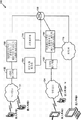
图1为根据本发明的至少一个实施例的支持接入终端(AT)和接入网络的无线网络结构的图。1 is a diagram of a wireless network architecture supporting an access terminal (AT) and an access network in accordance with at least one embodiment of the present invention.
图2A说明根据本发明的实施例的运营商网络。Figure 2A illustrates an operator network according to an embodiment of the invention.
图2B说明根据本发明的至少一个实施例的无线通信系统的实例。2B illustrates an example of a wireless communication system in accordance with at least one embodiment of the invention.
图2C说明根据本发明的实施例的应用服务器。Figure 2C illustrates an application server according to an embodiment of the invention.
图3A说明根据本发明的实施例的接入终端(AT)。Figure 3A illustrates an access terminal (AT) according to an embodiment of the invention.
图3B说明根据本发明的实施例的图3A的AT。Figure 3B illustrates the AT of Figure 3A, according to an embodiment of the invention.
图4A说明根据本发明的实施例的学习过程的实例,通过所述学习过程来建立与给定AT相关联的一个或一个以上地点的特性。4A illustrates an example of a learning process by which characteristics of one or more locations associated with a given AT are established, according to an embodiment of the invention.
图4B说明地理围栏配置屏幕的实例,可结合图4A的地理围栏配置操作将所述地理围栏配置屏幕显示给给定AT。4B illustrates an example of a geofence configuration screen that may be displayed to a given AT in conjunction with the geofence configuration operation of FIG. 4A.
图5A说明根据本发明的实施例的基于服务器的行为模型产生程序。Figure 5A illustrates a server-based behavioral model generation process according to an embodiment of the present invention.
图5B说明根据本发明的实施例的图5A的一部分的实例实施方案。Figure 5B illustrates an example implementation of a portion of Figure 5A, according to an embodiment of the invention.
图5C说明根据本发明的实施例的图5A的一部分的实例实施方案。Figure 5C illustrates an example implementation of a portion of Figure 5A, according to an embodiment of the invention.
图5D说明根据本发明的实施例的实例行为模型。Figure 5D illustrates an example behavioral model according to an embodiment of the invention.
图5E说明根据本发明的实施例的基于客户端的行为模型产生程序。FIG. 5E illustrates a client-based behavioral model generation procedure according to an embodiment of the present invention.
图6A说明根据本发明的实施例的客户端起始的行为模型布建操作。FIG. 6A illustrates a client-initiated behavioral model deployment operation according to an embodiment of the present invention.
图6B说明根据本发明的实施例的服务器起始的行为模型布建操作。Figure 6B illustrates a server-initiated behavioral model deployment operation according to an embodiment of the invention.
图7说明根据本发明的实施例的在给定AT处实施的基于行为模型的功率控制程序的实例。7 illustrates an example of a behavioral model-based power control procedure implemented at a given AT, according to an embodiment of the invention.
图8A说明根据本发明的实施例的在给定AT处实施的基于行为模型的功率控制程序的另一实例。8A illustrates another example of a behavioral model-based power control procedure implemented at a given AT, according to an embodiment of the invention.
图8B说明根据本发明的实施例的图8A的一部分的实例实施方案。Figure 8B illustrates an example implementation of a portion of Figure 8A, according to an embodiment of the invention.
图9说明包含经配置以执行功能性的逻辑的通信装置。9 illustrates a communications device including logic configured to perform functionality.
具体实施方式Detailed ways
在针对本发明的特定实施例的以下描述及相关图式中揭示本发明的各方面。可在不偏离本发明的范围的情况下设计替代实施例。另外,将不会详细描述本发明的众所周知的元件,或将省略所述元件,以免混淆本发明的相关细节。Aspects of the invention are disclosed in the following description and associated drawings directed to specific embodiments of the invention. Alternative embodiments may be devised without departing from the scope of the present invention. Additionally, well-known elements of the invention will not be described in detail or will be omitted so as not to obscure the relevant details of the invention.
词语“示范性的”和/或“实例”在本文中意味着“充当实例、例子或说明”。本文描述为“示范性”和/或“实例”的任何实施例未必被解释为比其它实施例优选或有利。同样,术语“本发明的实施例”并非要求本发明的所有实施例包含所论述的特征、优点或操作模式。The words "exemplary" and/or "example" mean "serving as an example, instance, or illustration" herein. Any embodiment described herein as "exemplary" and/or "example" is not necessarily to be construed as preferred or advantageous over other embodiments. Likewise, the term "embodiments of the invention" does not require that all embodiments of the invention include the discussed feature, advantage or mode of operation.
另外,根据待由(例如)计算装置的元件执行的动作序列来描述许多实施例。将认识到,可由特定电路(例如,专用集成电路(ASIC))、由正由一个或一个以上处理器执行的程序指令或由两者的组合来执行本文中所描述的各种动作。另外,可将本文中所描述的这些动作序列视为完全体现于任何形式的计算机可读存储媒体内,所述计算机可读存储媒体中已存储一组对应计算机指令,所述指令在被执行时将致使相关联的处理器执行本文中所描述的功能性。因此,本发明的各方面可以许多不同形式来体现,所有所述形式均被涵盖在所主张的标的物的范围内。另外,对于本文中所描述的实施例中的每一者来说,任何此类实施例的对应形式可在本文中被描述为(例如)“经配置以执行所描述的动作的逻辑”。Additionally, many embodiments are described in terms of sequences of actions to be performed by elements of, for example, a computing device. It will be appreciated that various acts described herein may be performed by specific circuitry (eg, an Application Specific Integrated Circuit (ASIC)), by program instructions being executed by one or more processors, or by a combination of both. Additionally, the sequences of actions described herein may be considered fully embodied within any form of computer-readable storage medium having stored therein a corresponding set of computer instructions which, when executed, The associated processor will be caused to perform the functionality described herein. Accordingly, aspects of the invention may be embodied in many different forms, all of which are encompassed within the scope of claimed subject matter. In addition, for each of the embodiments described herein, the corresponding form of any such embodiments may be described herein as, for example, "logic configured to perform the described action."
高数据速率(HDR)订户台(在本文中被称为接入终端(AT))可为移动的或固定的,且可与一个或一个以上HDR基站(在本文中被称为调制解调器池收发器(modem pooltransceiver,MPT)或基站(BS))通信。接入终端通过一个或一个以上调制解调器池收发器向HDR基站控制器发射数据包及接收数据包,所述HDR基站控制器被称为调制解调器池控制器(MPC)、基站控制器(BSC)和/或包控制功能(PCF)。调制解调器池收发器和调制解调器池控制器为被称作接入网络的网络的若干部分。接入网络在多个接入终端之间输送数据包。A high data rate (HDR) subscriber station (referred to herein as an access terminal (AT)) may be mobile or stationary, and may communicate with one or more HDR base stations (referred to herein as a modem pool transceiver). (modem pooltransceiver, MPT) or base station (BS)) communication. The access terminal transmits packets and receives packets through one or more modem pool transceivers to and from the HDR base station controller, referred to as the modem pool controller (MPC), base station controller (BSC), and/or or Packet Control Function (PCF). Modem pool transceivers and modem pool controllers are parts of a network called an access network. The access network transports data packets between multiple access terminals.
接入网络可进一步连接到接入网络外部的额外网络(例如,企业内部网络或因特网),且可在每一接入终端与此类外部网络之间输送数据包。已建立与一个或一个以上调制解调器池收发器的现用业务信道连接的接入终端被称作现用接入终端,且称其处于业务状态中。将正处于建立与一个或一个以上调制解调器池收发器的现用业务信道连接的过程中的接入终端称作处于连接设置状态中。接入终端可为通过无线信道或通过有线信道(例如,使用光纤或同轴电缆)通信的任何数据装置。接入终端另外可为许多类型的装置中的任一者,所述装置包含(但不限于)PC卡、紧凑式闪存、外部或内部调制解调器,或无线或有线电话。由接入终端用来将信号发送到调制解调器池收发器的通信链路被称作反向链路或业务信道。由调制解调器池收发器用来将信号发送到接入终端的通信链路被称作前向链路或业务信道。如本文中所使用,术语“业务信道”可指前向业务信道或反向业务信道。The access network can further connect to additional networks external to the access network (eg, an intranet or the Internet), and data packets can be conveyed between each access terminal and such external networks. An access terminal that has established an active traffic channel connection with one or more modem pool transceivers is referred to as an active access terminal and is said to be in traffic. An access terminal that is in the process of establishing an active traffic channel connection with one or more modem pool transceivers is said to be in a connection setup state. An access terminal may be any data device that communicates through a wireless channel or through a wired channel (eg, using fiber optic or coaxial cables). An access terminal may additionally be any of many types of devices including, but not limited to, PC cards, compact flash memory, external or internal modems, or wireless or wireline telephones. The communication link used by the access terminal to send signals to the modem pool transceiver is called the reverse link or traffic channel. The communication link used by the modem pool transceiver to send signals to the access terminal is called the forward link or traffic channel. As used herein, the term "traffic channel" may refer to a forward traffic channel or a reverse traffic channel.
图1说明根据本发明的至少一个实施例的无线系统100的一个示范性实施例的框图。系统100可含有跨越空中接口104与接入网络或无线电接入网络(RAN)120通信的接入终端(例如,蜂窝式电话102等),所述接入网络或无线电接入网络可将接入终端102连接到在包交换数据网络(例如,企业内部网络、因特网和/或运营商网络126)与接入终端102、108、110、112之间提供数据连接性的网络装备。如此处所示,接入终端可为蜂窝式电话102、个人数字助理108、寻呼机110(其在此处被展示为双向文本寻呼机)或甚至为具有无线通信入口的单独计算机平台112。因此,本发明的实施例可实现于包含无线通信入口或具有无线通信能力的任何形式的接入终端上,包含(但不限于)无线调制解调器、PCMCIA卡、个人计算机、电话,或其任何组合或子组合。另外,如本文中所使用,术语“接入终端”、“无线装置”、“客户端装置”、“移动终端”及其变化可互换地使用。1 illustrates a block diagram of an exemplary embodiment of a
返回参看图1,本发明的示范性实施例的无线网络100的组件及元件间的相互关系不限于所说明的配置。系统100仅为示范性的且可包含允许远程接入终端(例如,无线客户端计算装置102、108、110、112等)在其两者间及多者间和/或在经由空中接口104和RAN120连接的组件中的两者间及多者间进行无线通信的任何系统,包含(但不限于)运营商网络126、因特网和/或其它远程服务器。Referring back to FIG. 1 , the components of the
RAN120控制发送到基站控制器/包控制功能(BSC/PCF)122的消息(通常作为数据包发送)。BSC/PCF122负责在包数据服务节点160(“PDSN”)与接入终端102/108/110/112之间发信号、建立及拆卸承载信道(即,数据信道)。如果能够进行链路层加密,那么BSC/PCF122在经由空中接口104转发内容之前还对所述内容进行加密。BSC/PCF122的功能在此项技术中众所周知且为简洁起见将不作进一步论述。运营商网络126可通过网络(因特网和/或公共交换电话网络(PSTN))与BSC/PCF122通信。或者,BSC/PCF122可直接连接到因特网或外部网络。通常,在运营商网络126与BSC/PCF122之间的网络或因特网连接传送数据,且PSTN传送语音信息。BSC/PCF122可连接到多个基站(BS)或调制解调器池收发器(MPT)124。以类似于运营商网络的方式,BSC/PCF122通常通过网络(用于数据传送和/或语音信息的因特网和/或PSTN)连接到MPT/BS124。MPT/BS124可将数据消息以无线方式广播到接入终端,例如蜂窝式电话102等。MPT/BS124、BSC/PCF122和其它组件可形成RAN120,如此项技术中所已知的。然而,还可使用交替配置且本发明不限于所说明的配置。举例来说,在另一实施例中,可将BSC/PCF122及MPT/BS124中的一者或一者以上的功能性收缩到具有BSC/PCF122和MPT/BS124两者的功能性的单个“混合”模块中。The
图2A说明根据本发明的实施例的运营商网络126。在图2A的实施例中,运营商网络126包含包数据服务节点(PDSN)160、广播服务节点(BSN)165、应用服务器170和因特网175。然而,在替代实施例中,应用服务器170和其它组件可位于运营商网络的外部。PDSN160为利用(例如)cdma2000无线电接入网络(RAN)(例如,图1的RAN120)的移动台(例如,接入终端,例如来自图1的102、108、110、112等)提供对因特网175、内部网和/或远程服务器(例如,应用服务器170)的接入。通过充当接入网关,PDSN160可提供简单IP和移动IP接入、国外代理支持以及包输送。PDSN160可充当用于验证、授权与记账(AAA)服务器和其它支持性基础结构的客户端,且向移动台提供到达IP网络的网关,如此项技术中所已知。如图2A中所展示,PDSN160可经由常规A10连接与RAN120(例如,BSC/PCF122)通信。A10连接是此项技术中众所周知的,且为了简洁起见将不进一步对其进行描述。Figure 2A illustrates the
参看图2A,广播服务节点(BSN)165可经配置以支持多播和广播服务。下文将更详细地描述BSN165。BSN165经由广播(BC)A10连接与RAN120(例如,BSC/PCF122)通信,且经由因特网175与应用服务器170通信。BCA10连接用以传送多播和/或广播消息传递。因此,应用服务器170经由因特网175将单播消息传递发送到PDSN160,且经由因特网175将多播消息传递发送到BSN165。Referring to Figure 2A, a Broadcast Serving Node (BSN) 165 may be configured to support multicast and broadcast services. BSN165 will be described in more detail below.
一般来说,如下文将更详细地描述,RAN120经由空中接口104的广播信道(BCH)向一个或一个以上接入终端200发射经由BCA10连接从BSN165接收的多播消息。In general, as will be described in more detail below,
图2B更详细地说明图1的无线通信100的实例。明确地说,参看图2B,AT1…N经展示为在由不同包数据网络端点服务的位置处连接到RAN120。因此,AT1和3在由第一包数据网络端点162(例如,其可对应于PDSN160、BSN165、归属代理(HA)、国外代理(FA)等)服务的部分处连接到RAN120。第一包数据网络端点162又经由布线单元188连接到因特网175及/或连接到应用服务器170和一个或一个以上社交网络服务器180(例如,支持Facebook、MySpace、Twitter和/或其它社交网络服务的一个或一个以上服务器)中的一者或一者以上。AT2和5…N在由第二包数据网络端点164(例如,其可对应于PDSN160、BSN165、FA、HA等)服务的部分处连接到RAN120。类似于第一包数据网络端点162,第二包数据网络端点164又经由布线单元188连接到因特网175及/或连接到应用服务器170和一个或一个以上社交网络服务器180中的一者或一者以上。AT4直接连接到因特网175,且通过因特网175可接着连接到上文所描述的系统组件中的任一者。2B illustrates an example of
参看图2B,AT1、3和5…N经说明为无线电话,AT2经说明为无线平板计算机且AT4经说明为有线桌面工作站(wired desktop station)。然而,在其它实施例中,将了解,无线通信系统100可连接到任何类型的AT,且图2B中所说明的实例不希望限制可在系统内实施的AT的类型。而且,虽然应用服务器170和社交网络服务器180各自经说明为结构上分离的服务器,但在本发明的至少一个实施例中,可合并这些服务器。Referring to Figure 2B, AT1, 3 and 5...N are illustrated as wireless phones, AT2 is illustrated as a wireless tablet computer and AT4 is illustrated as a wired desktop station. However, in other embodiments, it will be appreciated that the
图2C说明根据本发明的实施例的应用服务器170。参看图2C,应用服务器170包含行为建模作业模块235C、行为建模服务模块240C和建模数据库245C。Figure 2C illustrates an
参看图2C,行为建模作业模块235C经配置以产生及/或更新特定AT的行为模型。如本文中所使用,行为模型对应于基于由AT向应用服务器170报告的位置信息的历史的AT的移动的模型。如下文将更详细描述,可将行为模型下载或布建到AT且接着使用所述行为模型来实施与AT上的功率控制功能有关的决策逻辑,例如,当执行相对高功率定位程序(例如,GPS等)时。Referring to FIG. 2C, the behavior
参看图2C,行为建模服务模块240C负责为AT布建行为模型。此布建可响应于对从AT接收的行为模型的请求而发生(例如,如图6A中),或在无明确请求的情况下以自动化方式发生(例如,以周期性或事件驱动方式)(例如,如图6B中)。Referring to FIG. 2C, the behavior
参看图2C,建模数据库245C经配置以存储由行为建模作业模块235针对一个或一个以上AT产生的行为模型。建模数据库245C可将所存储的行为模型提供到行为建模服务模块240C以促进将行为模型布建到相应AT。除存储行为模型之外,建模数据库245C还可经配置以存储:(i)原始位置信息的至少一部分,在一实例中,其供行为建模作业模块235C使用以产生行为模块;以及(ii)具有相关联的地点指纹的一组地点,其供行为建模作业模块235C使用以产生及/或更新给定AT的行为模块。Referring to FIG. 2C ,
如将了解,应用服务器170的模块235C到245C可彼此相互作用以实现其相应功能性,如下文将更详细描述。As will be appreciated, the
参看图3A,例如蜂窝式电话等接入终端200(此处为无线装置)具有平台202,所述平台可接收及执行从RAN120传输的软件应用程序、数据和/或命令(其最终可来自运营商网络126、因特网和/或其它远程服务器及网络)。平台202可包含收发器206,其可操作地耦合到专用集成电路(ASIC)208或其它处理器、微处理器、逻辑电路或其它数据处理装置。ASIC208或其它处理器执行与无线装置的存储器212中的任何驻留程序介接的应用程序编程接口(API)210层。存储器212可由只读存储器或随机存取存储器(RAM和ROM)、EEPROM、闪存卡或计算机平台通用的任何存储器组成。平台202还可包含本地数据库214,所述本地数据库可将未有效使用的应用程序保持在存储器212中。本地数据库214通常为快闪存储器单元,但可为如此项技术中已知的任何辅助存储装置,例如磁性媒体、EEPROM、光学媒体、磁带、软盘或硬盘或其类似物等。如此项技术中所已知,平台202的组件还可操作地耦合到例如天线222、显示器224、即按即说按钮228及小键盘226及其它组件等外部装置。Referring to FIG. 3A, an access terminal 200 (here a wireless device), such as a cellular phone, has a
因此,本发明的一实施例可包含一种接入终端,所述接入终端包含执行本文中所描述的功能的能力。如所属领域的技术人员将了解,各种逻辑元件可以离散元件、在处理器上执行的软件模块或软件与硬件的任何组合来体现,以实现本文中所揭示的功能性。举例来说,可以协作方式使用全部ASIC208、存储器212、API210及本地数据库214来加载、存储及执行本文中所揭示的各种功能,且因此可将用于执行这些功能的逻辑分配于各种元件上。或者,可将功能性并入到一个离散组件中。因此,图3A中的接入终端的特征应被视为仅为说明性的,且本发明不限于所说明的特征或布置。Accordingly, an embodiment of the invention may include an access terminal including the capability to perform the functions described herein. As will be appreciated by those skilled in the art, the various logic elements may be embodied as discrete elements, software modules executing on a processor, or any combination of software and hardware to achieve the functionality disclosed herein. For example, all of
接入终端102与RAN120之间的无线通信可基于不同的技术,例如码分多址(CDMA)、WCDMA、时分多址(TDMA)、频分多址(FDMA)、正交频分多路复用(OFDM)、全球移动通信系统(GSM)或可在无线通信网络或数据通信网络中使用的其它协议等。数据通信通常在客户端装置102、MPT/BS124与BSC/PCF122之间。BSC/PCF122可连接到多个数据网络,例如,运营商网络126、PSTN、因特网、虚拟专用网络及类似网络等,因此允许接入终端102接入较广泛的通信网络。如前文中所论述及此项技术中所已知的,可使用多种网络和配置将语音传输和/或数据从RAN传输到接入终端。因此,本文中所提供的说明不希望限制本发明的实施例且仅辅助描述本发明的实施例的各方面。Wireless communication between
图3B说明根据本发明的实施例的AT200。参看图3B,AT200包含:至少一个客户端应用程序模块300B,其经配置以执行针对AT200的用户的基于位置的服务;位置事件检测模块305B;及系统位置确定模块310B。FIG. 3B illustrates an
参看图3B,所述至少一个客户端应用程序模块300B可对应于任何类型的客户端应用程序(例如,PTT应用程序、日历应用程序、餐馆指南应用程序、电子邮件应用程序等),所述客户端应用程序经配置以不时地请求接入AT的位置以实施一个或一个以上基于位置的服务。Referring to FIG. 3B, the at least one
参看图3B,位置事件检测模块305B负责确定何时授权系统位置确定模块310B执行AT200的定位程序。如下文将更详细描述,此确定是至少部分基于AT200的行为模型。一般来说,位置事件检测模块305B部分基于行为配置文件确定“位置事件”的概率。如下文将关于图7更详细描述,位置事件检测模块305B接着使用此概率作为关于以下情形的确定中的因素:是否启动通过系统位置确定模块310B进行的相对功率密集型定位程序(例如,GPS程序),或者是否在不调用系统位置确定模块310B的情况下通过预测AT200的位置而节省功率(例如,通过假定AT200的位置对应于较早计算的位置或地点,或基于行为配置文件的所预测的地点)。Referring to FIG. 3B , the location
参看图3B,系统位置确定模块310B经配置以执行一个或一个以上相对功率密集型定位程序,可通过所述相对功率密集型定位程序来估计AT200的位置。举例来说,经配置以供系统位置确定模块310B执行的定位程序可包含GPS定位程序、三角测量、混合GPS/蜂窝式定位程序,和/或任何其它众所熟知的定位程序。Referring to FIG. 3B , the system
如一般所属领域的技术人员将了解,在给定AT处执行例如GPS等定位程序消耗大量功率且使电池寿命降级。因此,本发明的实施例是有关在给定AT处部分基于给定AT所特定的行为模型选择性地执行定位程序。如下文将更详细解释,可使用给定AT的行为配置文件来估计在不执行定位程序的情况下可预测给定AT的位置的概率。As will be appreciated by those of ordinary skill in the art, performing a positioning procedure, such as GPS, at a given AT consumes significant power and degrades battery life. Accordingly, embodiments of the invention are concerned with selectively performing a location procedure at a given AT based in part on a behavioral pattern specific to the given AT. As will be explained in more detail below, the behavioral profile of a given AT can be used to estimate the probability that the location of a given AT can be predicted without performing a location procedure.
图4A说明根据本发明的实施例的学习过程的实例,通过所述学习过程来建立与给定AT相关联的一个或一个以上地点的特性(或地点指纹)。参看图4A,假定给定AT的用户已激活与给定AT上的基于位置的客户端应用程序相关联的地点学习模式,且给定AT的用户选择添加或更新地点的选项(400)。举例来说,地点可对应于用户的家所在地、工作地、图书馆、餐馆等等。在用户选择添加或更新地点选项之后,用户配置与地点相关联的地理围栏(405)。4A illustrates an example of a learning process by which characteristics (or location fingerprints) of one or more locations associated with a given AT are established, according to an embodiment of the invention. Referring to FIG. 4A , assume that a user of a given AT has activated a location learning mode associated with a location-based client application on the given AT, and the user of the given AT selects the option to add or update a location (400). For example, a location may correspond to a user's home location, work, library, restaurant, and so on. After the user selects the add or update location option, the user configures a geofence associated with the location (405).
图4B说明地理围栏配置屏幕400B的实例,可结合图4A的地理围栏配置操作405将所述地理围栏配置屏幕显示给给定AT的用户。如图4B中所展示,地理围栏配置屏幕400B包含:栏405B,在所述栏中,用户可输入与地点相关联的名称(例如,“家”、“工作”等);位置输入栏410B;和地图显示415B。作为实例,在图4A的框400之后,可将地理围栏配置屏幕400B显示给用户。接着,在框405中,用户可通过将目标位置(或地址)输入到位置输入栏410B中来配置地点的地理围栏(例如,“6235卢斯科大道(6235Lusk Blvd)”、“当前位置”等),在此之后,地图显示415B缩放以用所提议的地理围栏425B展示目标位置。此时,用户可调整地理围栏的半径(例如,从初始地理围栏半径起,例如200米等)及/或将所提议的地理围栏425B完全拖曳到新的位置。一旦用户满意地图显示410B上的地理围栏表示其所希望的地点的界限,用户就命名地点的名称且选择“完成”,此后,命名所述地点的名称且按下“完成”。现在在本地将此地点保存到其地点列表,且还将所述地点发送到应用服务器170。地图显示415B中还展示与地理围栏430B和435B相关联的预先建立的地点。虽然地理围栏425B、430B和435B在图4B中各自经说明为圆形区,但在其它实施例中,所述地理围栏可对应于多边形和/或其它形状。4B illustrates an example of a geofence configuration screen 400B that may be displayed to a user of a given AT in conjunction with
参看图4A,在405之后,给定AT执行位置定位程序(例如,蜂窝式和/或GPS定位程序)以确定给定AT是否当前位于所述地点(410)。在图4A的实施例中,假定给定AT在410处确定自身位于所述地点。在确定(410)之后,给定AT开始或继续监视可指示位置的任何信息(415)(例如,声音,例如用户是否在床上打鼾、WiFi热点信号、如通过加速度计推断的运动的缺乏等等)。给定AT可周期性地将所监视的位置信息报告给应用服务器170的行为建模作业模块235C(420)。行为建模作业模块235C使用所报告的位置信息产生及/或更新地点的“地点指纹”(425)。虽然图4A中未展示,但给定AT还可在415中报告给定AT处于所述地点的确定作为用于更新及/或建立行为模型的位置事件,如下文将关于图5A更详细论述。Referring to FIG. 4A, following 405, the given AT performs a position location procedure (eg, a cellular and/or GPS location procedure) to determine whether the given AT is currently located at the location (410). In the embodiment of FIG. 4A, assume that a given AT determines at 410 that it is located at the location. After the determination (410), the given AT begins or continues to monitor any information (415) that may be indicative of location (e.g., sounds such as whether the user is snoring in bed, WiFi hotspot signals, lack of motion as inferred by accelerometers, etc. ). A given AT may periodically report the monitored location information to the behavior
参看图4A的425,地点指纹可包含可用以识别地点的任何信息,其包含(但不限于):(i)给定AT的地理坐标,(ii)由给定AT监视的环境签名,和/或(iii)给定AT与一个或一个以上地点特定物体的接近度。举例来说,给定AT可在420中报告用GPS计算的多个地理坐标,且应用服务器170可在425中使用所述地理坐标产生及/或更新所述地点的具有地理区(或地理围栏)的地点指纹。在另一实例中,给定AT可在420中报告所测量的环境条件,例如在所述地点处给定的范围内的蜂窝式基站导频信号、在特定时间点在所述地点处的环境光、温度或湿度、给定AT的声音和/或运动、在给定AT的范围内的WiFi或蓝牙信号等等,使得应用服务器170可在425中使用此信息产生及/或更新所述地点的地点指纹。在另一实例中,给定AT可在420中报告到特定计算机或WiFi热点的连接,且应用服务器170可在425中使用此信息产生及/或更新所述地点的地点指纹。Referring to 425 of FIG. 4A, a location fingerprint may include any information that can be used to identify a location, including (but not limited to): (i) geographic coordinates of a given AT, (ii) environmental signatures monitored by a given AT, and/or Or (iii) the proximity of a given AT to one or more site-specific objects. For example, a given AT may report a plurality of geographic coordinates calculated with GPS at 420, and the
接下来,在一段时间内重复415到425,直到给定AT确定给定AT不再处于所述地点为止(例如,基于后续GPS和/或蜂窝式定位程序)(430),此情形准许给定AT停止构建用于定义地点的地点指纹。虽然图4A中未展示,但给定AT也可基于给定AT距所述地点的偏离(描述为位置事件)将通知传输到应用服务器170处的行为建模作业模块,如下文将关于图5A更详细论述。Next, 415 through 425 are repeated for a period of time until the given AT determines that the given AT is no longer at the location (e.g., based on subsequent GPS and/or cellular positioning procedures) (430), which permits the given AT to AT stops building the place fingerprints that define places. Although not shown in FIG. 4A , a given AT may also transmit a notification to a behavioral modeling job module at the
关于图4A,一旦产生地点指纹,就将每一地点指纹存储在建模数据库245C中,以使得可使用地点指纹来产生及/或更新给定AT的行为配置文件,如下文将关于图5A到5D所论述。在图4A中,给定AT监视给定AT何时处于给定地点,以使得可将位置特定信息报告给应用服务器170,以使得行为建模作业模块235C可随着时间的过去而定义可用以识别特定地点且形成地点指纹的特性。在图5A中,不是详述定义地点的特性,而是使用定义相应地点的地点指纹来构建跟踪位置事件的行为配置文件(即,给定AT进入地点及/或离开地点的转变)。因此,虽然可能将图4A中的给定AT的操作解释为关于多个地点的地点指纹的学习模式,但可将图5A解释为行为配置文件的单独学习模式。With respect to FIG. 4A , once the location fingerprints are generated, each location fingerprint is stored in the
参看图5A,假定:在通过相应地点指纹定义一个或一个以上地点(如关于图4A所描述)之后,给定AT的用户已激活行为配置文件的学习模式。因此,在500A中,给定AT监视可指示位置的任何信息,且给定AT将所监视的位置信息报告给应用服务器170的行为建模作业模块235C(505A)。除了以下情形以外,500A和505A分别类似于图4A的415和420:使用所报告的位置信息来确定给定AT所位于的地点,而不是试图特性化预定或已知地点(如图4A中)。Referring to FIG. 5A , it is assumed that a user of a given AT has activated the learning mode of the behavior profile after defining one or more places by corresponding place fingerprints (as described with respect to FIG. 4A ). Thus, in 500A, the given AT monitors any information that may indicate a location, and the given AT reports the monitored location information to the behavior
参看图5A,行为建模作业模块235C从给定AT接收所报告的位置信息且基于所报告的位置信息产生及/或更新给定AT的行为模型(510A)。下文将关于图5B到5D更详细地描述510A的实例实施方案。Referring to Figure 5A, the behavior
返回到给定AT,给定AT继续监视可指示位置的任何信息(515A),且给定AT将所监视的位置信息报告给应用服务器170的行为建模作业模块235C(520A)。行为建模作业模块235C从给定AT接收所报告的位置信息且基于所报告的位置信息更新给定AT的行为模型(525A),等等。下文将关于图5B到5D更详细地描述525A的实例实施方案。因此,重复图5A的过程,直到将给定AT的行为配置文件的学习模式去激活为止(通过给定AT的用户,或者通过应用服务器170)。Returning to the given AT, the given AT continues to monitor any information that may indicate a location (515A), and the given AT reports the monitored location information to the behavior
图5B说明根据本发明的实施例的图5A的510A和/或525A的实例实施方案。因此,图5B说明基于所报告的位置信息更新给定AT的行为模型中的位置事件概率的实例。Figure 5B illustrates an example implementation of 510A and/or 525A of Figure 5A, according to an embodiment of the invention. Thus, FIG. 5B illustrates an example of updating the location event probability in a behavior model for a given AT based on reported location information.
参看图5B,在从给定AT接收到所报告的位置信息之后,行为建模作业模块235C加载给定AT的现有行为模型和/或原始行为数据(即,来自给定AT的先前所报告的位置信息)(500B)。举例来说,如果加载现有行为模型,那么对行为模型的更新可对应于对现有行为模型进行的用以产生经更新的行为模型的修改或微调。或者,行为建模作业模块235C可简单地加载原始行为数据以便从头开始重新产生行为模型(同时还使用新近报告的位置信息)。在实例中,可在500B中,在行为建模作业模块235C处从建模数据库245C加载现有行为模型和/或原始行为数据。如将了解,500B的操作是在假定某一较早位置信息是由给定AT报告的情况下加以描述。或者,如果AT的所报告的位置信息对应于来自给定AT的位置信息的初始报告,那么可省略500B,且可仅基于初始的所报告的位置信息产生行为模型。Referring to FIG. 5B , after receiving reported location information from a given AT, the behavior
参看图5B,行为建模作业模块235C确定与给定AT的所报告的位置信息相关联的时间(505B)。举例来说,在505B处确定的时间可对应于在行为建模作业模块235C处接收到所报告的位置信息时的时间。或者,在505B处确定的时间可对应于由给定AT发送位置信息及/或由给定AT测量位置信息时的时间,如通过报告中所含有的一个或一个以上时间戳指示。Referring to Figure 5B, the behavioral
接下来,行为建模作业模块235C确定所报告的位置信息是否指示位置事件(510B)。如上文所提及,当确定给定AT进入新地点及/或离开旧地点时,发生位置事件。在510B中,如果行为建模作业模块235C确定所报告的位置信息指示位置事件,那么过程前进到515B,由此更新给定AT的行为模型以反映在所确定的时间的增加的位置事件概率。当然,如果在所确定的时间内的行为配置文件中的位置事件概率已经达到最大化,那么不需要在515B中进一步增加概率。返回到510B,如果行为建模作业模块235C确定所报告的位置信息不指示位置事件,那么过程前进到520B,由此更新给定AT的行为模型以反映在所确定的时间内的减小的位置事件概率。当然,如果在所确定的时间内的行为配置文件中的位置事件概率已经达到最小化,那么不需要在520B中进一步减小概率。Next, behavior
图5C说明根据本发明的实施例的图5B的510B的实例实施方案。因此,图5C说明基于位置转变确定检测是否发生位置事件的实例。Figure 5C illustrates an example implementation of 510B of Figure 5B, according to an embodiment of the invention. Thus, FIG. 5C illustrates an example of determining whether a location event has occurred based on a location transition determination.
参看图5C,在510B之前的某一点,假定行为建模作业模块235C定义与给定AT的用户有关的多个地点中的每一者的地点指纹(500C)。在图5C的实例中,进一步假定通过以下各者中的一者或一者以上来定义地点指纹:(i)所定义的地理区,(ii)环境签名,和/或(iii)与一个或一个以上地点特定物体的接近度。作为实例,图5C的500C可对应于如上文所描述的图4A的过程的较早执行。Referring to Figure 5C, at some point prior to 510B, assume that the behavioral
在图5C的实例内,前进到图5B的510B,行为建模作业模块235C比较给定AT的所报告的位置信息与多个地点中的每一者的地点指纹(505C)。基于来自505C的比较,在510C中,行为建模作业模块235C:(i)识别与匹配指纹相关联的地点,或者(ii)确定所述地点指纹中无一者匹配给定AT的所报告的位置信息。举例来说,如果给定AT的所报告的位置信息对应于地理坐标,那么行为建模作业模块235C可比较所报告的地理坐标与所述地点指纹(如果有的话)当中的地理区以确定是否存在匹配。在另一实例中,如果给定AT的所报告的位置信息对应于给定AT在特定WiFi热点范围内的指示,那么行为建模作业模块235C可比较所报告的WiFi热点指示与相关联于所述地点指纹(如果有的话)的WiFi热点以确定是否存在匹配。在另一实例中,如果给定AT的所报告的位置信息对应于给定AT连接到特定个人计算机(PC)的指示,那么行为建模作业模块235C可比较所报告的PC连接与相关联于所述地点指纹(如果有的话)的PC以确定是否存在匹配。In the example of FIG. 5C , proceeding to 510B of FIG. 5B , the behavioral
在于510C中确定匹配地点(或确定不存在任何匹配地点)之后,行为建模作业模块235C加载来自先前地点确定程序的结果(515C)。换句话说,在515C中,行为建模作业模块235C加载给定AT所位于的先前地点,要不然加载关于给定AT先前未处于所述地点中的任一者的指示。After determining matching locations (or determining that there are no matching locations) in 510C, the behavioral
参看图5C,在520C中,行为建模作业模块235C比较510C的结果与在515C处加载的先前结果以确定是否发生地点转变。举例来说,如果在510C处确定的地点不同于在515C处加载的先前地点,那么在520C处确定给定AT已在地点之间转变。在另一实例中,如果在510C处确定给定AT在所述地点中的任一者外部且先前在515C处确定给定AT处于给定地点,那么在520C处确定给定AT已转变到给定地点的外部。在另一实例中,如果在510C处确定给定AT处于给定地点且先前在515C处确定给定AT处于所述地点中的任一者外部,那么在520C处确定给定AT已转变到给定地点。如果行为建模作业模块235C在520C处确定已发生地点转变,那么行为建模作业模块235C在525C处确定已发生位置事件。否则,如果行为建模作业模块235C在520C处确定未发生地点转变,那么行为建模作业模块235C在530C处确定未发生位置事件。Referring to Figure 5C, at 520C, the behavioral
图5D说明根据本发明的实施例的在图5A的过程期间针对给定AT产生的行为配置文件的实例。参看图5D,行为模型建立在一周时间期间在给定AT处发生的位置事件的概率的模型。在图5D中,对于一周内的每一天,将x轴展示为表示时刻且将y轴展示为表示位置事件的概率。如将了解,图5D中所展示的数据可为“典型的”或平均的一周内的数据,且实际上可基于数周内的AT行为。因此,作为实例,在用户的上下班通勤(例如,上午8点到9点和下午5点到6点)期间,周一到周五的位置事件的概率高;在工作时间(例如,上午9:30到下午4:30)期间,周一到周五的位置事件的概率相对较低,这是因为用户在工作时通常位于其书桌处;在午夜时间(例如,下午11点到上午6点)期间,一周内的每一天的位置事件的概率低,这是因为用户通常在家中睡觉;等等。Figure 5D illustrates an example of a behavioral profile generated for a given AT during the process of Figure 5A, according to an embodiment of the invention. Referring to Figure 5D, the behavioral model models the probability of a location event occurring at a given AT during a period of one week. In FIG. 5D , for each day of the week, the x-axis is shown representing the time of day and the y-axis is shown representing the probability of the location event. As will be appreciated, the data shown in Figure 5D may be "typical" or average over a week's worth of data, and may indeed be based on AT behavior over several weeks. Thus, as an example, during the user's commute (e.g., 8:00 am to 9:00 am and 5:00 pm to 6:00 pm), the probability of location events is high from Monday to Friday; 30 to 4:30 pm), the probability of location events is relatively low from Monday to Friday, because users are usually at their desks when they are working; , the probability of a location event for each day of the week is low because the user is usually sleeping at home; and so on.
虽然图5A到5D各自是有关行为模型产生(由此给定AT将所监视的位置信息报告给应用服务器170以使得应用服务器170可远程地产生行为模型)的实例,但将了解,具有相对较高处理功率的AT也可执行上文所描述的如在应用服务器170处实施的功能性。在实例中,在产生行为模型及/或在本地在给定AT处更新行为模型的情况下,可节省系统资源,这是因为给定AT不需要建立与RAN120的业务信道以用于将位置报告发送到应用服务器170。While FIGS. 5A to 5D are each an example pertaining to behavioral model generation whereby a given AT reports monitored location information to the
因此,图5E说明图5A的过程的替代执行,由此独立地在给定AT处产生行为模型,而不直接与应用服务器170交互。Accordingly, FIG. 5E illustrates an alternative implementation of the process of FIG. 5A whereby a behavioral model is generated at a given AT independently, without interacting directly with the
参看图5E,给定AT监视可指示位置的任何信息(500E)。接下来,不是将所监视的位置信息报告给应用服务器170的行为建模作业模块235C(如图5A的505A中),而是应用服务器170在505E中基于所监视的位置信息更新及/或产生给定AT的行为模型(例如,除了在给定AT处执行以外,类似于图5A的510A)。接着将500E和505E重复给定次数,分别如510E和515E中所展示。因此,将了解,图5B表示如在给定AT处执行的图505E和/或515E等等的实例实施方案。Referring to Figure 5E, a given AT monitors any information that may indicate a location (500E). Next, instead of reporting the monitored location information to the behavior
虽然图4A到5E说明与产生及更新给定AT的行为配置文件相关联的程序的实例,但图6A和6B说明对给定AT布建行为配置文件的替代实例。明确地说,图6A说明AT起始的布建操作,且图6B说明服务器起始的布建操作。While FIGS. 4A-5E illustrate an example of a procedure associated with generating and updating a behavioral profile for a given AT, FIGS. 6A and 6B illustrate an alternate example of provisioning a behavioral profile for a given AT. In particular, FIG. 6A illustrates an AT-initiated provisioning operation, and FIG. 6B illustrates a server-initiated provisioning operation.
参看图6A,给定AT确定更新其在给定AT上的行为配置文件(600A)。举例来说,在实例中,可在行为模型的学习模式结束时(即,在图5A的过程之后)触发确定600A。或者,可以基于时间的方式(例如,每周一次、每月一次等)及/或以事件触发的方式(例如,现有行为配置文件展现与位置事件相关联的不良预测性能,给定AT的用户或给定AT上的客户端应用程序明确地请求对行为模型的更新,等等)执行确定600A。Referring to FIG. 6A, a given AT determines to update its behavior profile on the given AT (600A). For example, in an example,
在于600A中确定更新给定AT上的行为模型之后,给定AT在605A中将对行为模型的请求传输到行为建模服务模块240C。行为建模服务模块240C接收所述请求且代表给定AT发出其自身对来自建模数据库245C的所存储的行为模型的请求(610A)。建模数据库245C为行为建模服务模块240C提供所存储的行为模型(615A),且行为建模服务模块240C将行为模型发送到给定AT(620A)。给定AT从行为建模服务模块240C接收行为模型且更新给定AT上的行为模型(625A)。如果由给定AT在620A处接收的行为模型为布建到给定AT的行为模型的第一实例,那么可在625A中简单地将行为模型存储在给定AT处的存储器中。或者,如果由给定AT在620A处接收的行为模型为布建到给定AT的较早行为模型的补充,那么在620A处所接收的行为模型可在625A处替换较早行为模型。After determining in 600A to update the behavioral model on the given AT, the given AT transmits a request for the behavioral model to the behavioral
在于625A中更新给定AT上的行为模型之后,给定AT基于经更新的行为配置文件执行功率控制程序(630A)。下文关于图7到8B更详细地描述功率控制程序630A的实例。After updating the behavior model on the given AT in 625A, the given AT executes a power control procedure based on the updated behavior profile (630A). An example of the
参看图6B,不同于图6A,行为建模服务模块240C确定更新给定AT上的行为配置文件(600B)。举例来说,在实例中,可在行为模型的学习模式结束时(即,在图5A的过程之后)触发确定600B。或者,可以基于时间的方式(例如,每周一次、每月一次等)及/或以事件触发的方式(例如,行为配置文件已通过行为建模作业模块235C在应用服务器170处经历更新且需要与给定AT处的行为模型同步,等等)执行确定600B。在确定600B之后,605B到625B分别对应于图6A的610A到630A,且因而为了简洁起见将不再对其加以描述。Referring to Figure 6B, unlike Figure 6A, behavior
如将了解,图6A和6B涉及通过给定AT进行的行为模型检索,其中应用服务器170托管行为模型且接着将行为模型分配给给定AT。此情形与上文关于图5A到5D所描述的基于服务器的行为模型产生程序一致。然而,在图5E的实例中,给定AT在本地产生行为模型,以使得可省略图6A和/或6D的程序,且可简单地从给定AT处的存储器加载所存储的行为模型。As will be appreciated, Figures 6A and 6B relate to behavioral model retrieval by a given AT, where the
图7说明根据本发明的实施例的在给定AT处实施的基于行为模型的功率控制程序的实例。具体来说,图7的功率控制程序涉及在客户端应用程序模块300B请求给定AT的位置时部分地用以在给定AT处作出关于是否调用相对功率密集型定位程序(例如,GPS、混合蜂窝式/GPS等)的决策的行为配置文件。7 illustrates an example of a behavioral model-based power control procedure implemented at a given AT, according to an embodiment of the invention. Specifically, the power control procedure of FIG. 7 involves making a decision at a given AT in part when the
参看图7,客户端应用程序模块300B向位置事件检测模块305B发出对给定AT的位置的请求(700)。举例来说,客户端应用程序模块300B可对应于给定AT上的导航应用程序且在700处所发出的请求可通过来自给定AT的用户的对指导的请求来触发。位置事件检测模块305B从客户端应用程序模块300B接收对给定AT的位置的请求且加载行为模型(705)。举例来说,可如上文关于图4A到5E所展示来产生在705处加载的行为模型且可根据图6A或图6B在给定AT处布建所述行为模型。Referring to Figure 7, the
参看图7,除在705处加载行为模型之外,位置事件检测模块305B还确定当前时间(710)。在710中,可以任何众所熟知的方式来获取时间,例如,通过查询给定AT的内部时钟及/或经由给定AT与蜂窝式网络之间的时间同步程序。在715中,位置事件检测模块305B基于当前时间内的行为模型的位置事件概率期望值确定当前时间内的位置事件的概率。举例来说,关于来自图5D的实例行为模型,在715中,位置事件检测模块305B可从对应于一周内的同一天及与来自710的当前时间相同的时间的行为模型加载概率。举例来说,如果当前时间为周二下午7点,那么位置事件检测模块305B在行为模型中查找周二下午7点时的位置事件概率。Referring to Figure 7, in addition to loading the behavioral model at 705, the location
参看图7,位置事件检测模块305B还可视情况评估次级因素以调整或加权在715处确定的位置事件概率。举例来说,给定AT的用户在周二上午早晨4点可能99%的时间在家里。然而,在实例中,用户可能在度假中,用户可能在工作时工作到很晚或用户可能具有医疗应急,因此位置事件检测模块305B可能试图用次级环境因素确证位置事件概率。举例来说,可基于用户很可能在家中睡眠的期望而期望光传感器来检测周二上午4点时的低环境光。与此对比,如果光传感器检测到大量光,那么可能光为日光且用户正在另一时区度假或由于其它原因而不在家中。类似地,如果给定AT上的加速度计检测到高速运动,那么用户很可能正在多个地点之间导航且可使用高运动指示来替代低位置阈值概率。或者,与WiFi热点和/或蜂窝式基站断开,因此用户很可能正在多个地点之间导航且可使用高运动指示来替代低位置阈值概率。Referring to FIG. 7 , the location
在另一实例中,用户可修改给定AT上的日历应用程序以指示用户将要在给定周末到外地。如果进行此操作,那么可由位置事件检测模块305B来评估此信息以增加位置事件概率,这是因为未遵循用户的“正常”例行程序。In another example, a user may modify a calendar application on a given AT to indicate that the user will be out of town on a given weekend. If this is done, this information may be evaluated by the location
因此,在720中,位置事件检测模块305B确定一个或一个以上次级因素(例如,环境光、温度、运动、日历信息等)且接着在必要时基于所确定的次级因素调整来自715的位置事件概率(725)。此外,在图7中,720和725为可选操作。Thus, in 720, the location
在730中,位置事件检测模块305B确定所确定的位置事件概率是否高于给定阈值。如果位置事件检测模块305B确定位置事件概率不高于给定阈值,那么位置事件检测模块305B将给定位置作为给定AT的位置传回,而不执行新的AT定位程序(例如,GPS等)(735)。举例来说,经传回到客户端应用程序模块300B的给定位置可对应于针对给定AT基于先前AT定位程序确定的先前位置,或与预测给定AT将位于的地点相关联的默认位置(例如,例如定义基于行为配置文件而预测给定AT将位于的地点的给定地理区的中心点)。如将了解,在735处避免执行AT定位程序保存了给定AT处的功率且延长了电池寿命。In 730, the location
返回到730,如果位置事件检测模块305B确定位置事件概率高于给定阈值,那么无法以高确定程度来预测给定AT的当前位置,因此位置事件检测模块305B请求系统位置确定模块310B执行更准确的AT定位程序。在740处,系统位置确定模块310B执行AT定位程序且接着,在745处,系统位置确定模块310B将AT定位的结果传回到位置事件检测模块305B和客户端应用程序模块300B。Returning to 730, if the location
上文关于图4A到7描述的实施例涉及产生行为模型及执行与部分地基于行为模型选择性地调用定位程序有关的功率控制程序。然而,在本发明的其它实施例中,行为模型可为可选的或甚至完全省略行为模型。如下文将关于图8A到8B描述,除行为模型之外(或代替行为模型),其它实施例还包含评估一组内部和/或环境因素,以便决定是否调用给定AT的相对高功率定位程序(例如,GPS等)。The embodiments described above with respect to FIGS. 4A-7 relate to generating behavioral models and executing power control procedures related to selectively invoking positioning procedures based in part on the behavioral models. However, in other embodiments of the invention, the behavioral model may be optional or even omitted entirely. As will be described below with respect to FIGS. 8A-8B , other embodiments include evaluating a set of internal and/or environmental factors in addition to (or instead of) the behavioral model in order to decide whether to invoke a given AT's relatively high power location procedure (eg, GPS, etc.).
参看图8A,客户端应用程序模块300B向位置事件检测模块305B发出对给定AT的位置的请求(800A)(例如,类似于图7的700)。位置事件检测模块305B从客户端应用程序模块300B接收对给定AT的位置的请求且确定与保证AT定位程序的可能性相关联的一组因素(805A)。在下文关于图8B来给出可在805A处确定的所述组因素的实例。位置事件检测模块305B评估所述组因素(810A),且基于此评估,位置事件检测模块305B确定是否执行AT定位程序(815A)。Referring to FIG. 8A, the
如果位置事件检测模块305B在815A中确定不执行AT定位程序,那么位置事件检测模块305B将给定位置作为给定AT的位置传回,而不执行新的AT定位程序(例如,GPS等)(820A)(例如,如图7中的735)。否则,如果位置事件检测模块305B在815A中确定执行AT定位程序,那么位置事件检测模块305B向系统位置确定模块310B发出AT定位程序请求,且系统位置确定模块310B执行AT定位程序(825A)。接着,在830A处,系统位置确定模块310B将AT定位的结果传回到位置事件检测模块305B和客户端应用程序模块300B。If the location
参看图8A,在实例中,可以反复方式执行框805A、810A和815A,以使得在805A处确定单个因素且接着在810A处评估单个因素,其中下一因素是在815A处在先前所确定/所评估的因素未产生决策的情况下进行确定及评估,以绕过AT定位程序。在此实例中,仅在所述组因素中的每一者被视为不足以推断位置事件的概率和/或给定AT当前所位于的地点的情况下执行相对功率密集型AT定位程序(例如,GPS),此情形通过减少需要给定AT执行相对功率密集型AT定位程序的次数节省了功率。下文关于图8B给出以反复方式执行框805A、810A和815A的实例实施方案。Referring to FIG. 8A , in an example, blocks 805A, 810A, and 815A may be performed in an iterative manner such that a single factor is determined at 805A and then evaluated at 810A, where the next factor is at 815A at the previously determined/defined The factors evaluated are determined and evaluated without resulting in a decision to bypass the AT location procedure. In this example, relatively power-intensive AT location procedures (e.g., , GPS), which saves power by reducing the number of times a given AT is required to perform relatively power-intensive AT positioning procedures. An example implementation of performing
参看图8B,给定AT执行关于地点转变是否实际的一般评估(800B)。如果给定AT确定地点转变不实际,那么图8B的决策程序退出且过程前进到图8A的820A,以便绕过或跳过相对功率密集型AT定位程序。否则,过程前进到805B。Referring to Figure 8B, a given AT performs a general assessment as to whether a location transition is realistic (800B). If a given AT determines that a location shift is not practical, then the decision procedure of FIG. 8B exits and the process proceeds to 820A of FIG. 8A in order to bypass or skip the relatively power-intensive AT location procedure. Otherwise, the process proceeds to 805B.
参看图8B,在805B中,给定AT检查给定AT的当前电池电量且将当前电池电量与阈值相比较。如果电池电量低于阈值以致执行功率密集型定位程序不可行或不实际,那么图8B的决策程序退出且过程前进到图8A的820A,以便绕过或跳过相对功率密集型AT定位程序。否则,过程前进到810B。Referring to FIG. 8B, in 805B, the given AT checks the given AT's current battery level and compares the current battery level to a threshold. If the battery level is below the threshold such that performing a power intensive positioning procedure is not feasible or practical, then the decision routine of FIG. 8B exits and the process proceeds to 820A of FIG. 8A to bypass or skip the relatively power intensive AT positioning procedure. Otherwise, the process proceeds to 810B.
参看图8B,在810B中,给定AT加载及评估如上文关于图7的框705到725所论述的行为模型。因此,将位置事件概率与概率阈值相比较。如果位置事件概率低于阈值,那么图8B的决策程序退出且过程前进到图8A的820A,以便绕过或跳过相对功率密集型AT定位程序。否则,过程前进到815B。Referring to FIG. 8B , in 810B a given AT is loaded and evaluated with a behavioral model as discussed above with respect to blocks 705 - 725 of FIG. 7 . Therefore, the location event probability is compared to a probability threshold. If the location event probability is below the threshold, then the decision procedure of FIG. 8B exits and the process proceeds to 820A of FIG. 8A to bypass or skip the relatively power intensive AT location procedure. Otherwise, the process proceeds to 815B.
参看图8B,在815B中,给定AT确定其运动水平且将其所确定的运动水平与运动阈值相比较。举例来说,所确定的运动水平可对应于如通过加速度计确定的给定AT的速度。在另一实例中,可通过给定AT学习某些WiFi热点和/或蜂窝式基站的范围的速率及检测新的WiFi热点和/或蜂窝式基站(例如,用户是否正用给定AT驾驶车辆,这些检测/断开可频繁地发生)来推断运动。如果所确定的运动水平低于运动阈值以使得可推断给定AT的位置及/或位置事件被视为不太可能的,那么图8B的决策程序退出且过程前进到图8A的820A,以便绕过或跳过相对功率密集型AT定位程序。否则,过程前进到820B。Referring to Figure 8B, in 815B, a given AT determines its motion level and compares its determined motion level to a motion threshold. For example, the determined level of motion may correspond to a velocity for a given AT as determined by an accelerometer. In another example, the rate at which certain WiFi hotspots and/or cellular base stations are learned by a given AT and the detection of new WiFi hotspots and/or cellular base stations (e.g., whether the user is driving a vehicle with the given AT , these detections/disconnections can occur frequently) to infer motion. If the determined motion level is below the motion threshold such that the location of a given AT can be inferred and/or the location event is considered unlikely, then the decision routine of FIG. 8B exits and the process proceeds to 820A of FIG. Pass or skip relatively power-intensive AT positioning procedures. Otherwise, the process proceeds to 820B.
参看图8B,在820B中,给定AT执行WiFi存在检查。举例来说,给定AT可监视载送本地WiFi连接的SSID的本地WiFi信标信号且接着将本地SSID与所存储的一组SSID相比较。如果本地SSID为已知的(即,其匹配预先定义的地点的地点指纹中的一者或一者以上),以使得可推断给定AT的位置,那么图8B的决策程序退出且过程前进到图8A的820A,以便绕过或跳过相对功率密集型AT定位程序(例如,因为可从本地SSID推断地点)。否则,过程前进到825B。Referring to Figure 8B, in 820B, a given AT performs a WiFi presence check. For example, a given AT may monitor a local WiFi beacon signal carrying the SSID of the local WiFi connection and then compare the local SSID to a stored set of SSIDs. If the local SSID is known (i.e., it matches one or more of the location fingerprints of the predefined locations) such that the location of a given AT can be inferred, then the decision routine of FIG. 8B exits and the process proceeds to 820A of FIG. 8A in order to bypass or skip the relatively power-intensive AT location procedure (eg, because the location can be inferred from the local SSID). Otherwise, the process proceeds to 825B.
参看图8B,在825B中,给定AT执行环境或本地声音检查。举例而言,给定AT可监视本地声音且确定本地声音是否指示为已知的(即,其匹配预先定义的地点的地点指纹中的一者或一者以上)。举例来说,如果给定AT通过匹配用户的先前打鼾习惯的语音签名监视到打鼾且时刻对应于用户通常睡眠的时间,那么可推断给定AT位于特定地点,例如用户的家中。如果本地声音可用以推断给定AT的位置,那么图8B的决策程序退出且过程前进到图8A的820A,以便绕过或跳过相对功率密集型AT定位程序(例如,因为可从本地SSID推断地点)。否则,过程前进到830B。Referring to Figure 8B, in 825B, the given AT performs an ambient or local sound check. For example, a given AT may monitor local sounds and determine whether the local sounds are indicated as known (ie, they match one or more of the place fingerprints of predefined places). For example, if a given AT monitors snoring with a voice signature that matches the user's previous snoring habits and the times correspond to times when the user typically sleeps, then it may be inferred that the given AT is located in a particular location, such as the user's home. If local sound can be used to infer the location of a given AT, then the decision procedure of FIG. 8B exits and the process proceeds to 820A of FIG. Place). Otherwise, the process proceeds to 830B.
参看图8B,在830B中,给定AT执行小区塔(或基站/节点B)检查。举例来说,如果给定AT检测到三个基站导频信号,那么给定AT知道其位置对应于三个基站的覆盖区域的重叠部分。由此,可粗略地近似给定AT的位置。如果对给定AT的位置的此粗略近似可用(即,基站在给定AT的范围内)且位置估计的精度足够满足位置请求,那么图8B的决策程序退出且过程前进到图8A的820A,以便绕过或跳过相对功率密集型AT定位程序(例如,因为可从本地SSID推断地点)。否则,过程前进到835B。Referring to Figure 8B, in 830B, a given AT performs a cell tower (or base station/Node B) check. For example, if a given AT detects three base station pilot signals, then the given AT knows that its location corresponds to the overlapping portion of the coverage areas of the three base stations. From this, the location of a given AT can be roughly approximated. If this rough approximation to the location of the given AT is available (i.e., the base station is within range of the given AT) and the accuracy of the location estimate is sufficient to satisfy the location request, then the decision routine of FIG. 8B exits and the process proceeds to 820A of FIG. 8A, In order to bypass or skip the relatively power-intensive AT location procedure (eg, because the location can be inferred from the local SSID). Otherwise, the process proceeds to 835B.
参看图8B,在835B中,给定AT执行网络检查以确定基于网络(或地面)的定位程序是否可用。如果网络或蜂窝式定位程序可用,那么图8B的决策程序退出且过程前进到图8A的820A,以便绕过或跳过相对功率密集型AT定位程序(例如,因为可从本地SSID推断地点)。否则,过程前进到840B。Referring to Figure 8B, in 835B, a given AT performs a network check to determine if a network (or ground) based location procedure is available. If a network or cellular location procedure is available, the decision procedure of FIG. 8B exits and the process proceeds to 820A of FIG. 8A to bypass or skip the relatively power-intensive AT location procedure (eg, because the location can be inferred from the local SSID). Otherwise, the process proceeds to 840B.
参看图8B,在840B中,给定AT试图执行混合蜂窝式/基于GPS的定位程序或排它的GPS定位程序。在准备执行基于GPS的定位程序中,在给定AT上加载GPS管理模块(未图示)且确定是否可能由GPS定位程序产生准确GPS定位。举例来说,如果三个GPS定位程序已经产生极不准确的位置估计,那么GPS管理模块可假定后续GPS定位程序很可能为另一种浪费时间。如果GPS管理模块确定不可能获得有效的或令人满意的GPS位置估计,那么图8B的决策程序退出且过程前进到图8A的820A,以便绕过或跳过相对功率密集型AT定位程序(例如,因为可从本地SSID推断地点)。否则,过程前进到图8A的825A且给定AT执行功率密集型AT定位程序。Referring to FIG. 8B, in 840B, a given AT attempts to perform a hybrid cellular/GPS-based positioning procedure or an exclusive GPS positioning procedure. In preparation for executing a GPS-based positioning procedure, a GPS management module (not shown) is loaded on a given AT and it is determined whether an accurate GPS fix is likely to be produced by the GPS positioning procedure. For example, if three GPS positioning procedures have produced wildly inaccurate position estimates, the GPS management module may assume that subsequent GPS positioning procedures are likely to be another waste of time. If the GPS management module determines that it is not possible to obtain a valid or satisfactory GPS position estimate, then the decision routine of FIG. 8B exits and the process proceeds to 820A of FIG. , since the location can be inferred from the local SSID). Otherwise, the process proceeds to 825A of FIG. 8A and the given AT performs a power-intensive AT location procedure.
如将了解,图8B仅说明对在图8A的805A处确定的所述组因素的评估的一个实例次序。在其它实施例中,可将图8B中所展示的实例次序重新排序,且可根据上文所论述的特定实例包含(或排除)额外因素。As will be appreciated, FIG. 8B illustrates only one example order of evaluation of the set of factors determined at 805A of FIG. 8A. In other embodiments, the order of the examples shown in Figure 8B may be reordered, and additional factors may be included (or excluded) according to the particular examples discussed above.
另外,描述图8A的实例,以使得每当客户端应用程序模块300B请求给定AT的位置时,便评估所述组因素。然而,在另一实施例中,可基于请求AT的位置的频率来评估减少的一组因素或增加的一组因素。举例来说,如果频繁地请求给定AT的位置且某些因素一贯地未能与图8B的决策相关,那么对于后续位置请求可省略这些参数。或者,可在类似情况下(即,某些因素无帮助,因此试试其它因素)及/或基于关于框805A到815A(或图8B)的较早执行相关的相关联的因素(即,某些因素有帮助,因此试试其它有关因素)而添加新的因素。Additionally, the example of FIG. 8A is described such that the set of factors is evaluated each time the
图9说明包含经配置以执行功能性的逻辑的通信装置900。通信装置900可对应于上文所提及的通信装置中的任一者,包含(但不限于)AT102、108、110、112或200、节点B或基站120、RNC或基站控制器122、包数据网络端点(例如,SGSN、GGSN等)、服务器170或180中的任一者等。因此,通信装置900可对应于经配置以经由网络与一个或一个以上其它实体通信(或促进与一个或一个以上其它实体通信)的任何电子装置。9 illustrates a communications device 900 including logic configured to perform functionality. The communication device 900 may correspond to any of the communication devices mentioned above, including but not limited to
参看图9,通信装置900包含经配置以接收及/或发射信息的逻辑905。在实例中,如果通信装置900对应于无线通信装置(例如,AT200、节点B124等),那么经配置以接收及/或发射信息的逻辑905可包含无线通信接口(例如,蓝牙、WiFi、2G、3G等),例如无线收发器和相关联的硬件(例如,RF天线、调制解调器、调制器和/或解调器等)。在另一实例中,经配置以接收及/或发射信息的逻辑905可对应于有线通信接口(例如,串联连接、USB或火线连接、可借以接入因特网175的以太网连接等)。因此,如果通信装置900对应于某种类型的基于网络的服务器(例如,SGSN、GGSN、应用服务器170等),那么在实例中,经配置以接收及/或发射信息的逻辑905可对应于以太网卡,所述以太网卡经由以太网协议将基于网络的服务器连接到其它通信实体。在另一实例中,经配置以接收及/或发射信息的逻辑905可包含感官或测量硬件,通信装置900可通过所述感官或测量硬件监视其本地环境(例如,加速度计、温度传感器、光传感器、用于监视本地RF信号的天线等)。经配置以接收及/或发射信息的逻辑905还可包含软件,所述软件在经执行时准许经配置以接收及/或发射信息的逻辑905的相关联的硬件执行其接收及/或发射功能。然而,经配置以接收及/或发射信息的逻辑905不对应于单独软件,且经配置以接收及/或发射信息的逻辑905至少部分依赖于硬件来实现其功能性。Referring to Figure 9, a communications device 900 includes logic 905 configured to receive and/or transmit information. In an example, if communication device 900 corresponds to a wireless communication device (e.g.,
参看图9,通信装置900进一步包含经配置以处理信息的逻辑910。在实例中,经配置以处理信息的逻辑910可包含至少一处理器。可由经配置以处理信息的逻辑910执行的类型的处理的实例实施方案包含(但不限于):执行确定,建立连接,在不同信息选项之间作出选择,执行与数据有关的评估,与耦合到通信装置900以执行测量操作的传感器交互,将信息从一种格式转换到另一种格式(例如,在例如.wmv到.avi等不同协议之间转换),等等。举例来说,经配置以处理信息的逻辑910中所包含的处理器可对应于通用处理器、数字信号处理器(DSP)、专用集成电路(ASIC)、现场可编程门阵列(FPGA)或其它可编程逻辑装置、离散门或晶体管逻辑、离散硬件组件,或其经设计以执行本文中所描述的功能的任何组合。通用处理器可为微处理器,但在替代例中,处理器可为任何常规的处理器、控制器、微控制器或状态机。处理器还可实施为计算装置的组合,例如,DSP与微处理器的组合、多个微处理器的组合、一个或一个以上微处理器与DSP核心的联合,或任何其它此配置。经配置以处理信息的逻辑910还可包含软件,所述软件在经执行时准许经配置以处理信息的逻辑910的相关联的硬件执行其处理功能。然而,经配置以处理信息的逻辑910不对应于单独软件,且经配置以处理信息的逻辑910至少部分依赖于硬件来实现其功能性。Referring to Figure 9, the communications device 900 further includes logic 910 configured to process information. In an example, logic 910 configured to process information may include at least one processor. Example embodiments of the types of processing that may be performed by logic 910 configured to process information include, but are not limited to, performing determinations, establishing connections, selecting between different information options, performing data-related evaluations, and coupling to The communication device 900 interacts with sensors performing measurement operations, converting information from one format to another (eg, between different protocols such as .wmv to .avi), and so on. A processor included in logic 910 configured to process information may correspond to, for example, a general purpose processor, a digital signal processor (DSP), an application specific integrated circuit (ASIC), a field programmable gate array (FPGA), or other Programmable logic devices, discrete gate or transistor logic, discrete hardware components, or any combination thereof designed to perform the functions described herein. A general-purpose processor may be a microprocessor, but in the alternative, the processor may be any conventional processor, controller, microcontroller, or state machine. A processor may also be implemented as a combination of computing devices, eg, a DSP and a microprocessor, a plurality of microprocessors, one or more microprocessors in conjunction with a DSP core, or any other such configuration. Logic configured to process information 910 may also include software that, when executed, permits associated hardware of logic configured to process information 910 to perform its processing functions. However, logic configured to process information 910 does not correspond to separate software, and logic configured to process information 910 relies at least in part on hardware for its functionality.
参看图9,通信装置900进一步包含经配置以存储信息的逻辑915。在实例中,经配置以存储信息的逻辑915可包含至少一非暂时性存储器及相关联的硬件(例如,存储器控制器等)。举例来说,经配置以存储信息的逻辑915中所包含的非暂时性存储器可对应于RAM存储器、闪存存储器、ROM存储器、EPROM存储器、EEPROM存储器、寄存器、硬盘、可卸除式磁盘、CD-ROM,或此项技术中已知的任何其它形式的存储媒体。经配置以存储信息的逻辑915还可包含软件,所述软件在经执行时准许经配置以存储信息的逻辑915的相关联的硬件执行其存储功能。然而,经配置以存储信息的逻辑915不对应于单独软件,且经配置以存储信息的逻辑915至少部分依赖于硬件来实现其功能性。Referring to Figure 9, the communications device 900 further includes logic 915 configured to store information. In an example, logic 915 configured to store information may include at least one non-transitory memory and associated hardware (eg, a memory controller, etc.). For example, non-transitory memory included in logic 915 configured to store information may correspond to RAM memory, flash memory, ROM memory, EPROM memory, EEPROM memory, registers, hard disk, removable disk, CD- ROM, or any other form of storage media known in the art. Logic configured to store information 915 may also include software that, when executed, permits associated hardware of logic configured to store information 915 to perform its storage function. However, logic configured to store information 915 does not correspond to separate software, and logic configured to store information 915 relies at least in part on hardware for its functionality.
参看图9,通信装置900进一步视情况包含经配置以呈现信息的逻辑920。在实例中,经配置以显示信息的逻辑920可包含至少一输出装置及相关联的硬件。举例来说,输出装置可包含视频输出装置(例如,显示屏幕、可载送视频信息的端口,例如USB、HDMI等)、音频输出装置(例如,扬声器、可载送音频信息的端口,例如麦克风插孔、USB、HDMI等)、振动装置和/或可借以格式化信息以用于输出或实际上由通信装置900的用户或操作员输出的任何其它装置。举例来说,如果通信装置900对应于如图3中所展示的AT200,那么经配置以呈现信息的逻辑920可包含显示器224。在另一实例中,对于某些通信装置来说,可省略经配置以呈现信息的逻辑920,例如不具有本地用户的网络通信装置(例如,网络交换机或路由器、远程服务器等)。经配置以呈现信息的逻辑920还可包含软件,所述软件在经执行时准许经配置以呈现信息的逻辑920的相关联的硬件执行其呈现功能。然而,经配置以呈现信息的逻辑920不对应于单独软件,且经配置以呈现信息的逻辑920至少部分依赖于硬件来实现其功能性。Referring to FIG. 9, communications device 900 further optionally includes logic 920 configured to present information. In an example, logic 920 configured to display information may include at least one output device and associated hardware. For example, an output device may include a video output device (e.g., a display screen, a port that can carry video information, such as USB, HDMI, etc.), an audio output device (e.g., a speaker, a port that can carry audio information, such as a microphone) jack, USB, HDMI, etc.), a vibrating device, and/or any other device by which information may be formatted for output or indeed output by a user or operator of communication device 900 . For example, if communication device 900 corresponds to
参看图9,通信装置900进一步视情况包含经配置以接收本地用户输入的逻辑925。在实例中,经配置以接收本地用户输入的逻辑925可包含至少一用户输入装置及相关联的硬件。举例来说,用户输入装置可包含按钮、触摸屏显示器、键盘、相机、音频输入装置(例如,麦克风或可载送音频信息的端口,例如麦克风插孔等),和/或可用来从通信装置900的用户或操作员接收信息的任何其它装置。举例来说,如果通信装置900对应于如图3中所展示的AT200,那么经配置以接收本地用户输入的逻辑925可包含显示器224(如果实施为触摸屏)、按钮226等。在另一实例中,对于某些通信装置来说,可省略经配置以接收本地用户输入的逻辑925,例如不具有本地用户的网络通信装置(例如,网络交换机或路由器、远程服务器等)。经配置以接收本地用户输入的逻辑925还可包含软件,所述软件在经执行时准许经配置以接收本地用户输入的逻辑925的相关联的硬件执行其接收功能。然而,经配置以接收本地用户输入的逻辑925不对应于单独软件,且经配置以接收本地用户输入的逻辑925至少部分依赖于硬件来实现其功能性。Referring to Figure 9, the communications device 900 further optionally includes logic 925 configured to receive local user input. In an example, logic 925 configured to receive local user input may include at least one user input device and associated hardware. For example, user input devices may include buttons, a touch screen display, a keyboard, a camera, an audio input device (e.g., a microphone or a port that may carry audio information, such as a microphone jack, etc.), and/or may be used to any other device by which the user or operator of the device receives information. For example, if communication device 900 corresponds to
参看图9,虽然在图9中将经配置的逻辑905到925展示为单独的或相异的框,但将了解,相应的经配置的逻辑用以执行其功能性的硬件和/或软件可部分地重叠。举例来说,用以促进经配置的逻辑905到925的功能性的任何软件可存储在与经配置以存储信息的逻辑915相关联的非暂时性存储器中,以使得经配置的逻辑905到925各自部分地基于由经配置以存储信息的逻辑905存储的软件的操作执行其功能性(即,在此情况下,软件执行)。同样地,其它经配置的逻辑不时地可借用或使用直接与经配置的逻辑中的一者相关联的硬件。举例来说,经配置以处理信息的逻辑910的处理器可在由经配置以接收及/或发射信息的逻辑905发射数据之前将数据格式化成适当格式,以使得经配置以接收及/或发射信息的逻辑905部分基于与经配置以处理信息的逻辑910相关联的硬件(即,处理器)的操作执行其功能性(即,在此情况下,发射数据)。另外,经配置的逻辑或“经配置以进行操作的逻辑”905到925不限于特定逻辑门或元件,但一般指执行本文中所描述的功能性的能力(经由硬件或硬件与软件的组合)。因此,尽管共享词语“逻辑”,但经配置的逻辑或“经配置以进行操作的逻辑”905到925未必实施为逻辑门或逻辑元件。对于一般所属领域的技术人员来说,经配置的逻辑905到925之间的其它交互或协作将从对上文所描述的实施例的审阅而变得清楚。Referring to FIG. 9, although configured logic 905-925 is shown in FIG. 9 as separate or distinct blocks, it will be appreciated that the hardware and/or software used by the corresponding configured logic to perform its functionality may partially overlap. For example, any software to facilitate the functionality of configured logic 905-925 may be stored in non-transitory memory associated with logic 915 configured to store information such that configured logic 905-925 Each performs its functionality based in part on the operation of software stored by logic 905 configured to store information (ie, in this case, the software executes). Likewise, from time to time other configured logic may borrow or use hardware directly associated with one of the configured logics. For example, a processor of logic 910 configured to process information may format the data into an appropriate format prior to transmission by logic 905 configured to receive and/or transmit information such that Informational logic 905 performs its functionality (ie, in this case, transmits data) based in part on the operation of hardware (ie, a processor) associated with informational logic 910 configured to process informational logic 910 . Additionally, configured logic or "logic configured to operate" 905-925 is not limited to specific logic gates or elements, but generally refers to the ability to perform the functionality described herein (via hardware or a combination of hardware and software) . Thus, although the word "logic" is shared, configured logic or "logic configured to operate" 905-925 are not necessarily implemented as logic gates or logic elements. Other interactions or collaborations between configured logic 905-925 will become apparent to those of ordinary skill in the art from review of the embodiments described above.
所属领域的技术人员将了解,可使用多种不同技术和技艺中的任一者来表示信息和信号。举例来说,可由电压、电流、电磁波、磁场或磁粒子、光场或光粒子或其任何组合来表示在以上描述中可能始终参考的数据、指令、命令、信息、信号、位、符号及码六。Those of skill in the art would understand that information and signals may be represented using any of a variety of different technologies and techniques. For example, data, instructions, commands, information, signals, bits, symbols, and codes that may be referenced throughout the above description may be represented by voltages, currents, electromagnetic waves, magnetic fields or particles, optical fields or particles, or any combination thereof six.
另外,所属领域的技术人员将了解,结合本文中所揭示的实施例而描述的各种说明性逻辑块、模块、电路及算法步骤可实施为电子硬件、计算机软件或两者的组合。为清楚说明硬件与软件的此互换性,上文已大致关于其功能性而描述了各种说明性组件、块、模块、电路及步骤。所述功能性是实施为硬件还是软件取决于特定应用及施加于整个系统的设计约束。所属领域的技术人员可针对每一特定应用以不同方式来实施所描述的功能性,但所述实施方案决策不应被解释为会导致偏离本发明的范围。Additionally, those of ordinary skill in the art would appreciate that the various illustrative logical blocks, modules, circuits, and algorithm steps described in connection with the embodiments disclosed herein may be implemented as electronic hardware, computer software, or combinations of both. To clearly illustrate this interchangeability of hardware and software, various illustrative components, blocks, modules, circuits, and steps have been described above generally in terms of their functionality. Whether such functionality is implemented as hardware or software depends upon the particular application and design constraints imposed on the overall system. Skilled artisans may implement the described functionality in varying ways for each particular application, but such implementation decisions should not be interpreted as causing a departure from the scope of the present invention.
可用通用处理器、数字信号处理器(DSP)、专用集成电路(ASIC)、现场可编程门阵列(FPGA)或其它可编程逻辑装置、离散门或晶体管逻辑、离散硬件组件或其经设计以执行本文中所描述的功能的任何组合来实施或执行结合本文中所揭示的实施例而描述的各种说明性逻辑块、模块及电路。通用处理器可为微处理器,但在替代例中,处理器可为任何常规的处理器、控制器、微控制器或状态机。处理器还可实施为计算装置的组合,例如,DSP与微处理器的组合、多个微处理器的组合、一个或一个以上微处理器与DSP核心的联合,或任何其它此配置。A general-purpose processor, digital signal processor (DSP), application-specific integrated circuit (ASIC), field-programmable gate array (FPGA) or other programmable logic device, discrete gate or transistor logic, discrete hardware components, or its design to perform Any combination of the functions described herein implements or performs the various illustrative logical blocks, modules, and circuits described in connection with the embodiments disclosed herein. A general-purpose processor may be a microprocessor, but in the alternative, the processor may be any conventional processor, controller, microcontroller, or state machine. A processor may also be implemented as a combination of computing devices, eg, a DSP and a microprocessor, a plurality of microprocessors, one or more microprocessors in conjunction with a DSP core, or any other such configuration.
结合本文中所揭示的实施例而描述的方法、序列和/或算法可直接体现于硬件中、由处理器执行的软件模块中或两者的组合中。软件模块可驻存在RAM存储器、闪存存储器、ROM存储器、EPROM存储器、EEPROM存储器、寄存器、硬盘、可卸除式磁盘、CD-ROM,或此项技术中已知的任何其它形式的存储媒体中。示范性存储媒体耦合到处理器,使得处理器可从存储媒体读取信息及将信息写入到存储媒体。在替代例中,存储媒体可与处理器成一体式。处理器及存储媒体可驻留于ASIC中。ASIC可驻留于用户终端(例如,接入终端)中。在替代例中,处理器和存储媒体可作为离散组件驻留于用户终端中。The methods, sequences and/or algorithms described in conjunction with the embodiments disclosed herein may be embodied directly in hardware, in software modules executed by a processor, or in a combination of both. A software module may reside in RAM memory, Flash memory, ROM memory, EPROM memory, EEPROM memory, registers, hard disk, a removable disk, a CD-ROM, or any other form of storage medium known in the art. An exemplary storage medium is coupled to the processor such that the processor can read information from, and write information to, the storage medium. In the alternative, the storage medium may be integral to the processor. The processor and storage medium can reside in the ASIC. An ASIC may reside in a user terminal (eg, an access terminal). In the alternative, the processor and storage medium may reside as discrete components in the user terminal.
在一个或一个以上示范性实施例中,所描述的功能可实施于硬件、软件、固件或其任何组合中。如果实施于软件中,那么可将功能作为一个或一个以上指令或代码存储在计算机可读媒体上或在计算机可读媒体上予以传输。计算机可读媒体包含计算机存储媒体与通信媒体两者,通信媒体包含促进将计算机程序从一处传送到另一处的任何媒体。存储媒体可为可由计算机存取的任何可用媒体。以实例方式(且并非限制),所述计算机可读媒体可包括RAM、ROM、EEPROM、CD-ROM或其它光盘存储装置、磁盘存储装置或其它磁性存储装置,或可用于载送或存储呈指令或数据结构的形式的所要程序代码且可由计算机存取的任何其它媒体。而且,可恰当地将任何连接称作计算机可读媒体。举例来说,如果使用同轴电缆、光纤缆线、双绞线、数字订户线(DSL)或例如红外线、无线电及微波的无线技术从网站、服务器或其它远程源传输软件,那么同轴电缆、光纤缆线、双绞线、DSL或例如红外线、无线电及微波的无线技术包含于媒体的定义中。如本文中所使用,磁盘和光盘包含紧密光盘(CD)、激光光盘、光学光盘、数字多功能光盘(DVD)、软磁盘及蓝光光盘,其中磁盘通常磁性地复制数据,而光盘使用激光光学地复制数据。上文的组合也应包含在计算机可读媒体的范围内。In one or more exemplary embodiments, the functions described may be implemented in hardware, software, firmware, or any combination thereof. If implemented in software, the functions may be stored on or transmitted over as one or more instructions or code on a computer-readable medium. Computer-readable media includes both computer storage media and communication media including any medium that facilitates transfer of a computer program from one place to another. Storage media may be any available media that can be accessed by a computer. By way of example, and not limitation, the computer readable medium may include RAM, ROM, EEPROM, CD-ROM or other optical disk storage, magnetic disk storage or other magnetic storage, or may be used to carry or store instructions or any other medium in the form of a desired program code or data structure that can be accessed by a computer. Also, any connection is properly termed a computer-readable medium. For example, if the software is transmitted from a website, server, or other remote source using coaxial cable, fiber optic cable, twisted pair, digital subscriber line (DSL), or wireless technologies such as infrared, radio, and microwave, then the coaxial cable, Fiber optic cable, twisted pair, DSL or wireless technologies such as infrared, radio and microwave are included in the definition of media. Disk and disc, as used herein, includes compact disc (CD), laser disc, optical disc, digital versatile disc (DVD), floppy disk and blu-ray disc where disks usually reproduce data magnetically, while discs reproduce optically using lasers data. Combinations of the above should also be included within the scope of computer-readable media.
虽然前文的揭示内容展示本发明的说明性实施例,但应注意,在不偏离如所附权利要求书所界定的本发明的范围的情况下,可在本文中进行各种变化及修改。无需以任何特定次序来执行根据本文中所描述的本发明的实施例的方法权利要求项的功能、步骤和/或动作。此外,尽管可能以单数形式描述或主张本发明的元件,但除非明确陈述对于单数的限制,否则也涵盖复数形式。While the foregoing disclosure shows illustrative embodiments of the invention, it should be noted that various changes and modifications may be made therein without departing from the scope of the invention as defined in the appended claims. The functions, steps and/or actions of the method claims in accordance with the embodiments of the invention described herein need not be performed in any particular order. Furthermore, although elements of the invention may be described or claimed in the singular, the plural is also contemplated unless limitation to the singular is expressly stated.
Claims (14)
Applications Claiming Priority (5)
| Application Number | Priority Date | Filing Date | Title |
|---|---|---|---|
| US201161512352P | 2011-07-27 | 2011-07-27 | |
| US61/512,352 | 2011-07-27 | ||
| US13/558,527 | 2012-07-26 | ||
| US13/558,527 US20130203440A1 (en) | 2011-07-27 | 2012-07-26 | Selectively performing a positioning procedure at an access terminal based on a behavior model |
| PCT/US2012/048698 WO2013016692A2 (en) | 2011-07-27 | 2012-07-27 | Selectively performing a positioning procedure at an access terminal based on a behavior model |
Publications (1)
| Publication Number | Publication Date |
|---|---|
| CN103797332A true CN103797332A (en) | 2014-05-14 |
Family
ID=47601779
Family Applications (1)
| Application Number | Title | Priority Date | Filing Date |
|---|---|---|---|
| CN201280044263.1A Pending CN103797332A (en) | 2011-07-27 | 2012-07-27 | Selectively performing positioning procedure at access terminal based on behavior model |
Country Status (8)
| Country | Link |
|---|---|
| US (1) | US20130203440A1 (en) |
| EP (1) | EP2737281A4 (en) |
| KR (1) | KR101643479B1 (en) |
| CN (1) | CN103797332A (en) |
| BR (1) | BR112014001762A2 (en) |
| CA (1) | CA2842697A1 (en) |
| RU (1) | RU2014131455A (en) |
| WO (1) | WO2013016692A2 (en) |
Cited By (4)
| Publication number | Priority date | Publication date | Assignee | Title |
|---|---|---|---|---|
| CN104580499A (en) * | 2015-01-23 | 2015-04-29 | 北京嘀嘀无限科技发展有限公司 | Method and device for accurately labeling positions |
| CN106205038A (en) * | 2016-07-01 | 2016-12-07 | 成都铅笔科技有限公司 | The fence of a kind of wearable device arranges system |
| CN107113565A (en) * | 2014-11-26 | 2017-08-29 | 英特尔公司 | Virtual-sensor apparatus and method |
| CN120264221A (en) * | 2025-06-03 | 2025-07-04 | 浙江大学湖州研究院 | A Bluetooth fingerprint library update method based on voiceprint quality estimation |
Families Citing this family (50)
| Publication number | Priority date | Publication date | Assignee | Title |
|---|---|---|---|---|
| US9014717B1 (en) * | 2012-04-16 | 2015-04-21 | Foster J. Provost | Methods, systems, and media for determining location information from real-time bid requests |
| US9324034B2 (en) | 2012-05-14 | 2016-04-26 | Qualcomm Incorporated | On-device real-time behavior analyzer |
| US9690635B2 (en) | 2012-05-14 | 2017-06-27 | Qualcomm Incorporated | Communicating behavior information in a mobile computing device |
| US9202047B2 (en) | 2012-05-14 | 2015-12-01 | Qualcomm Incorporated | System, apparatus, and method for adaptive observation of mobile device behavior |
| US9609456B2 (en) | 2012-05-14 | 2017-03-28 | Qualcomm Incorporated | Methods, devices, and systems for communicating behavioral analysis information |
| US9298494B2 (en) | 2012-05-14 | 2016-03-29 | Qualcomm Incorporated | Collaborative learning for efficient behavioral analysis in networked mobile device |
| US9691115B2 (en) * | 2012-06-21 | 2017-06-27 | Cellepathy Inc. | Context determination using access points in transportation and other scenarios |
| US9319897B2 (en) | 2012-08-15 | 2016-04-19 | Qualcomm Incorporated | Secure behavior analysis over trusted execution environment |
| US9330257B2 (en) | 2012-08-15 | 2016-05-03 | Qualcomm Incorporated | Adaptive observation of behavioral features on a mobile device |
| US9495537B2 (en) | 2012-08-15 | 2016-11-15 | Qualcomm Incorporated | Adaptive observation of behavioral features on a mobile device |
| US9747440B2 (en) | 2012-08-15 | 2017-08-29 | Qualcomm Incorporated | On-line behavioral analysis engine in mobile device with multiple analyzer model providers |
| US9552590B2 (en) | 2012-10-01 | 2017-01-24 | Dstillery, Inc. | Systems, methods, and media for mobile advertising conversion attribution |
| US9686023B2 (en) | 2013-01-02 | 2017-06-20 | Qualcomm Incorporated | Methods and systems of dynamically generating and using device-specific and device-state-specific classifier models for the efficient classification of mobile device behaviors |
| US10089582B2 (en) | 2013-01-02 | 2018-10-02 | Qualcomm Incorporated | Using normalized confidence values for classifying mobile device behaviors |
| US9684870B2 (en) | 2013-01-02 | 2017-06-20 | Qualcomm Incorporated | Methods and systems of using boosted decision stumps and joint feature selection and culling algorithms for the efficient classification of mobile device behaviors |
| US9742559B2 (en) | 2013-01-22 | 2017-08-22 | Qualcomm Incorporated | Inter-module authentication for securing application execution integrity within a computing device |
| US9491187B2 (en) | 2013-02-15 | 2016-11-08 | Qualcomm Incorporated | APIs for obtaining device-specific behavior classifier models from the cloud |
| JP6322893B2 (en) * | 2013-03-21 | 2018-05-16 | カシオ計算機株式会社 | Positioning processing device, positioning processing method and program |
| US9338759B2 (en) * | 2013-10-10 | 2016-05-10 | Pushd Inc. | Method and system for tracking a mobile user |
| US12443645B2 (en) | 2013-10-10 | 2025-10-14 | Aura Home, Inc. | Photo content clustering for digital picture frame display and automated frame conversation |
| US11944466B2 (en) | 2013-10-10 | 2024-04-02 | Aura Home, Inc. | Method and apparatus for monitoring virus variant risk during an epidemic and pandemic |
| US12547657B2 (en) | 2013-10-10 | 2026-02-10 | Aura Home, Inc. | Photo content clustering for digital picture frame display and automated frame storytelling |
| US9498163B2 (en) | 2013-10-10 | 2016-11-22 | Pushd, Inc. | Automated location and activity aware medical monitoring |
| US10430986B2 (en) | 2013-10-10 | 2019-10-01 | Pushd, Inc. | Clustering photographs for display on a digital picture frame |
| US9472166B2 (en) | 2013-10-10 | 2016-10-18 | Pushd, Inc. | Automated personalized picture frame method |
| US9420015B2 (en) | 2013-10-10 | 2016-08-16 | Pushd, Inc. | Automated deduction of user locations and activities in a mobile positional social media method and system |
| US10474407B2 (en) | 2013-10-10 | 2019-11-12 | Pushd, Inc. | Digital picture frame with automated interactions with viewer and viewer devices |
| US20200089702A1 (en) | 2013-10-10 | 2020-03-19 | Pushd, Inc. | Digital picture frames and methods of photo sharing |
| US11797599B2 (en) | 2013-10-10 | 2023-10-24 | Aura Home, Inc. | Trend detection in digital photo collections for digital picture frames |
| US10824666B2 (en) | 2013-10-10 | 2020-11-03 | Aura Home, Inc. | Automated routing and display of community photographs in digital picture frames |
| US11013472B1 (en) | 2013-10-10 | 2021-05-25 | Aura Home, Inc. | Method and apparatus for epidemic and pandemic risk assessment |
| US11350889B2 (en) | 2013-10-10 | 2022-06-07 | Aura Home, Inc. | Covid-19 risk and illness assessment method |
| US11669562B2 (en) | 2013-10-10 | 2023-06-06 | Aura Home, Inc. | Method of clustering photos for digital picture frames with split screen display |
| US9439038B2 (en) | 2013-10-10 | 2016-09-06 | Pushd, Inc. | Automated notification of social media member events |
| US10820293B2 (en) | 2013-10-10 | 2020-10-27 | Aura Home, Inc. | Digital picture frame with improved display of community photographs |
| US12517943B2 (en) | 2013-10-10 | 2026-01-06 | Aura Home, Inc. | Photo content clustering for digital picture frame display and automated frame storytelling |
| US9398411B2 (en) | 2014-09-05 | 2016-07-19 | Qualcomm Incorporated | Dispatch console client functionality |
| US10681155B1 (en) * | 2015-01-13 | 2020-06-09 | Google Llc | Presenting user activity timeline in a colloquial style |
| SG11201705930PA (en) | 2015-01-20 | 2017-08-30 | Beijing Didi Infinity Tech And Dev Co Ltd | Systems and methods for providing information for an on-demand service |
| USD857721S1 (en) | 2016-01-12 | 2019-08-27 | Google Llc | Display screen with graphical user interface for presenting user activity timeline in a colloquial style |
| KR102676115B1 (en) | 2016-12-12 | 2024-06-19 | 삼성전자주식회사 | Electronic device and method for providing location information |
| CN106803844B (en) * | 2017-03-01 | 2019-02-15 | 维沃移动通信有限公司 | Lighting control method and mobile terminal |
| US11281992B2 (en) * | 2017-11-28 | 2022-03-22 | International Business Machines Corporation | Predicting geofence performance for optimized location based services |
| US11075951B1 (en) * | 2018-06-29 | 2021-07-27 | NortonLifeLock Inc. | Query learning for automated incident investigation and remediation |
| KR102740978B1 (en) | 2019-03-06 | 2024-12-11 | 삼성전자 주식회사 | Method and electronic device for scanning channel to perform location based service |
| US20210282033A1 (en) * | 2020-03-09 | 2021-09-09 | Psj International Ltd. | Positioning system for integrating machine learning positioning models and positioning method for the same |
| IT202000013243A1 (en) | 2020-06-04 | 2021-12-04 | Novamont Spa | PROCESS FOR THE PURIFICATION OF A MIXTURE OF DIOLS |
| US12511094B2 (en) | 2023-03-06 | 2025-12-30 | Aura Home, Inc. | Digital picture frame with life chronology storytelling |
| US11861259B1 (en) | 2023-03-06 | 2024-01-02 | Aura Home, Inc. | Conversational digital picture frame |
| US20250052909A1 (en) * | 2023-08-08 | 2025-02-13 | Astra Navigation, Inc. | Using Magnetic-Sensor Data to Correct for INS Drift |
Citations (7)
| Publication number | Priority date | Publication date | Assignee | Title |
|---|---|---|---|---|
| US20030093218A1 (en) * | 1993-05-18 | 2003-05-15 | Jones Martin Kelly | System and method for an advance notification system for monitoring and reporting proximity of a vehicle |
| WO2007078816A2 (en) * | 2005-12-16 | 2007-07-12 | General Electric Company | A system and method for updating geo-fencing information on mobile devices |
| WO2008076668A1 (en) * | 2006-12-18 | 2008-06-26 | Motorola, Inc. | Tracking device that conserves power using a sleep mode when proximate to an anchor beacon |
| CN101622891A (en) * | 2006-09-19 | 2010-01-06 | 真实定位公司 | User plane uplink time difference of arrival (U-TDOA) |
| CN101690271A (en) * | 2006-09-21 | 2010-03-31 | 真实定位公司 | Location quality of service indicator |
| WO2011022412A1 (en) * | 2009-08-17 | 2011-02-24 | Savi Networks Llc | Contextually aware monitoring of assets |
| CN102047695A (en) * | 2008-05-30 | 2011-05-04 | 阿尔卡特朗讯美国公司 | Mobile-server protocol for location-based services |
Family Cites Families (11)
| Publication number | Priority date | Publication date | Assignee | Title |
|---|---|---|---|---|
| US6748318B1 (en) | 1993-05-18 | 2004-06-08 | Arrivalstar, Inc. | Advanced notification systems and methods utilizing a computer network |
| US7176835B2 (en) * | 2005-01-28 | 2007-02-13 | Motorola, Inc. | Selecting an optimal antenna in a GPS receiver and methods thereof |
| US7647171B2 (en) * | 2005-06-29 | 2010-01-12 | Microsoft Corporation | Learning, storing, analyzing, and reasoning about the loss of location-identifying signals |
| US7633389B2 (en) * | 2006-04-14 | 2009-12-15 | Motorola, Inc. | Location enabled device with power saving control and method thereof |
| US8019356B2 (en) * | 2007-04-26 | 2011-09-13 | Qualcomm Incorporated | Location based tracking |
| US8797214B2 (en) * | 2007-07-06 | 2014-08-05 | Qualcomm Incorporated | Tracking implementing geopositioning and local modes |
| US8214139B2 (en) * | 2008-01-25 | 2012-07-03 | Garmin Switzerland Gmbh | Position source selection |
| US8018329B2 (en) * | 2008-12-12 | 2011-09-13 | Gordon * Howard Associates, Inc. | Automated geo-fence boundary configuration and activation |
| US20100159871A1 (en) * | 2008-12-22 | 2010-06-24 | Nortel Networks Limited | Predictive notification system for emergency services |
| US20100317371A1 (en) * | 2009-06-12 | 2010-12-16 | Westerinen William J | Context-based interaction model for mobile devices |
| US9116818B2 (en) * | 2012-05-31 | 2015-08-25 | Qualcomm Incorporated | Methods and systems for retrieving and caching geofence data |
-
2012
- 2012-07-26 US US13/558,527 patent/US20130203440A1/en not_active Abandoned
- 2012-07-27 CN CN201280044263.1A patent/CN103797332A/en active Pending
- 2012-07-27 BR BR112014001762A patent/BR112014001762A2/en not_active IP Right Cessation
- 2012-07-27 CA CA2842697A patent/CA2842697A1/en not_active Abandoned
- 2012-07-27 KR KR1020147005390A patent/KR101643479B1/en not_active Expired - Fee Related
- 2012-07-27 EP EP12751175.6A patent/EP2737281A4/en not_active Withdrawn
- 2012-07-27 WO PCT/US2012/048698 patent/WO2013016692A2/en not_active Ceased
- 2012-07-27 RU RU2014131455A patent/RU2014131455A/en not_active Application Discontinuation
Patent Citations (7)
| Publication number | Priority date | Publication date | Assignee | Title |
|---|---|---|---|---|
| US20030093218A1 (en) * | 1993-05-18 | 2003-05-15 | Jones Martin Kelly | System and method for an advance notification system for monitoring and reporting proximity of a vehicle |
| WO2007078816A2 (en) * | 2005-12-16 | 2007-07-12 | General Electric Company | A system and method for updating geo-fencing information on mobile devices |
| CN101622891A (en) * | 2006-09-19 | 2010-01-06 | 真实定位公司 | User plane uplink time difference of arrival (U-TDOA) |
| CN101690271A (en) * | 2006-09-21 | 2010-03-31 | 真实定位公司 | Location quality of service indicator |
| WO2008076668A1 (en) * | 2006-12-18 | 2008-06-26 | Motorola, Inc. | Tracking device that conserves power using a sleep mode when proximate to an anchor beacon |
| CN102047695A (en) * | 2008-05-30 | 2011-05-04 | 阿尔卡特朗讯美国公司 | Mobile-server protocol for location-based services |
| WO2011022412A1 (en) * | 2009-08-17 | 2011-02-24 | Savi Networks Llc | Contextually aware monitoring of assets |
Cited By (7)
| Publication number | Priority date | Publication date | Assignee | Title |
|---|---|---|---|---|
| CN107113565A (en) * | 2014-11-26 | 2017-08-29 | 英特尔公司 | Virtual-sensor apparatus and method |
| CN107113565B (en) * | 2014-11-26 | 2021-02-05 | 英特尔公司 | Virtual sensor apparatus and method |
| CN104580499A (en) * | 2015-01-23 | 2015-04-29 | 北京嘀嘀无限科技发展有限公司 | Method and device for accurately labeling positions |
| CN104580499B (en) * | 2015-01-23 | 2018-08-21 | 北京嘀嘀无限科技发展有限公司 | Method and apparatus for accurate labeling position |
| CN106205038A (en) * | 2016-07-01 | 2016-12-07 | 成都铅笔科技有限公司 | The fence of a kind of wearable device arranges system |
| CN120264221A (en) * | 2025-06-03 | 2025-07-04 | 浙江大学湖州研究院 | A Bluetooth fingerprint library update method based on voiceprint quality estimation |
| CN120264221B (en) * | 2025-06-03 | 2025-08-22 | 浙江大学湖州研究院 | Bluetooth fingerprint library updating method based on voiceprint quality estimation |
Also Published As
| Publication number | Publication date |
|---|---|
| CA2842697A1 (en) | 2013-01-31 |
| WO2013016692A2 (en) | 2013-01-31 |
| WO2013016692A3 (en) | 2013-03-21 |
| KR20140043835A (en) | 2014-04-10 |
| EP2737281A4 (en) | 2015-08-12 |
| BR112014001762A2 (en) | 2017-02-21 |
| EP2737281A2 (en) | 2014-06-04 |
| KR101643479B1 (en) | 2016-07-27 |
| RU2014131455A (en) | 2016-02-20 |
| US20130203440A1 (en) | 2013-08-08 |
Similar Documents
| Publication | Publication Date | Title |
|---|---|---|
| CN103797332A (en) | Selectively performing positioning procedure at access terminal based on behavior model | |
| CN102938927B (en) | The layering geography fence that power is known and beacon monitor list | |
| CN104584637B (en) | Network selection based on measurement | |
| US8396470B2 (en) | Predicting user availability from aggregated signal strength data | |
| US8543135B2 (en) | Contextually aware mobile device | |
| US9185135B2 (en) | Location based enforcement of mobile policy | |
| EP3004914B1 (en) | Fine grain position data collection | |
| KR101609075B1 (en) | Baseband on-board location monitoring | |
| US9071701B2 (en) | Using wireless characteristic to trigger generation of position fix | |
| RU2558153C2 (en) | Method and device for service of information on access points | |
| US9137746B2 (en) | Determining availability of an access network | |
| US20150024787A1 (en) | Mobile device tracking prevention method and system | |
| US10405133B1 (en) | Geofenced mesh network communication | |
| TW202101949A (en) | Exposure of connection configuration change | |
| CN104737030A (en) | Changing a position determination scheme used by a user equipment during a transition between indoor and outdoor spaces relative to an enclosed environment | |
| EP3241362A1 (en) | Cloud support for discovery and data transfer for mobile client devices | |
| JP2012181087A (en) | Mobile terminal, control method, and program | |
| EP1986457B1 (en) | Predicting user availability from aggregated signal strength data | |
| JP2025124649A (en) | Separation alerts to notify you while you're on the move | |
| CN107810650B (en) | Optimizing message beacon devices with respect to number of wireless devices | |
| JP7098012B1 (en) | Terminal equipment, servers, systems and programs |
Legal Events
| Date | Code | Title | Description |
|---|---|---|---|
| C06 | Publication | ||
| PB01 | Publication | ||
| C10 | Entry into substantive examination | ||
| SE01 | Entry into force of request for substantive examination | ||
| WD01 | Invention patent application deemed withdrawn after publication | ||
| WD01 | Invention patent application deemed withdrawn after publication |
Application publication date: 20140514 |