CN102414320A - Improved cell lines with reduced NOCR expression and uses thereof - Google Patents
Improved cell lines with reduced NOCR expression and uses thereof Download PDFInfo
- Publication number
- CN102414320A CN102414320A CN2010800196110A CN201080019611A CN102414320A CN 102414320 A CN102414320 A CN 102414320A CN 2010800196110 A CN2010800196110 A CN 2010800196110A CN 201080019611 A CN201080019611 A CN 201080019611A CN 102414320 A CN102414320 A CN 102414320A
- Authority
- CN
- China
- Prior art keywords
- cell
- cells
- tip
- seq
- protein
- Prior art date
- Legal status (The legal status is an assumption and is not a legal conclusion. Google has not performed a legal analysis and makes no representation as to the accuracy of the status listed.)
- Pending
Links
Images




Classifications
-
- C—CHEMISTRY; METALLURGY
- C12—BIOCHEMISTRY; BEER; SPIRITS; WINE; VINEGAR; MICROBIOLOGY; ENZYMOLOGY; MUTATION OR GENETIC ENGINEERING
- C12N—MICROORGANISMS OR ENZYMES; COMPOSITIONS THEREOF; PROPAGATING, PRESERVING, OR MAINTAINING MICROORGANISMS; MUTATION OR GENETIC ENGINEERING; CULTURE MEDIA
- C12N15/00—Mutation or genetic engineering; DNA or RNA concerning genetic engineering, vectors, e.g. plasmids, or their isolation, preparation or purification; Use of hosts therefor
- C12N15/09—Recombinant DNA-technology
- C12N15/11—DNA or RNA fragments; Modified forms thereof; Non-coding nucleic acids having a biological activity
- C12N15/111—General methods applicable to biologically active non-coding nucleic acids
-
- C—CHEMISTRY; METALLURGY
- C12—BIOCHEMISTRY; BEER; SPIRITS; WINE; VINEGAR; MICROBIOLOGY; ENZYMOLOGY; MUTATION OR GENETIC ENGINEERING
- C12N—MICROORGANISMS OR ENZYMES; COMPOSITIONS THEREOF; PROPAGATING, PRESERVING, OR MAINTAINING MICROORGANISMS; MUTATION OR GENETIC ENGINEERING; CULTURE MEDIA
- C12N15/00—Mutation or genetic engineering; DNA or RNA concerning genetic engineering, vectors, e.g. plasmids, or their isolation, preparation or purification; Use of hosts therefor
- C12N15/09—Recombinant DNA-technology
- C12N15/63—Introduction of foreign genetic material using vectors; Vectors; Use of hosts therefor; Regulation of expression
-
- C—CHEMISTRY; METALLURGY
- C12—BIOCHEMISTRY; BEER; SPIRITS; WINE; VINEGAR; MICROBIOLOGY; ENZYMOLOGY; MUTATION OR GENETIC ENGINEERING
- C12N—MICROORGANISMS OR ENZYMES; COMPOSITIONS THEREOF; PROPAGATING, PRESERVING, OR MAINTAINING MICROORGANISMS; MUTATION OR GENETIC ENGINEERING; CULTURE MEDIA
- C12N15/00—Mutation or genetic engineering; DNA or RNA concerning genetic engineering, vectors, e.g. plasmids, or their isolation, preparation or purification; Use of hosts therefor
- C12N15/09—Recombinant DNA-technology
- C12N15/11—DNA or RNA fragments; Modified forms thereof; Non-coding nucleic acids having a biological activity
- C12N15/113—Non-coding nucleic acids modulating the expression of genes, e.g. antisense oligonucleotides; Antisense DNA or RNA; Triplex- forming oligonucleotides; Catalytic nucleic acids, e.g. ribozymes; Nucleic acids used in co-suppression or gene silencing
- C12N15/1136—Non-coding nucleic acids modulating the expression of genes, e.g. antisense oligonucleotides; Antisense DNA or RNA; Triplex- forming oligonucleotides; Catalytic nucleic acids, e.g. ribozymes; Nucleic acids used in co-suppression or gene silencing against growth factors, growth regulators, cytokines, lymphokines or hormones
-
- C—CHEMISTRY; METALLURGY
- C12—BIOCHEMISTRY; BEER; SPIRITS; WINE; VINEGAR; MICROBIOLOGY; ENZYMOLOGY; MUTATION OR GENETIC ENGINEERING
- C12N—MICROORGANISMS OR ENZYMES; COMPOSITIONS THEREOF; PROPAGATING, PRESERVING, OR MAINTAINING MICROORGANISMS; MUTATION OR GENETIC ENGINEERING; CULTURE MEDIA
- C12N15/00—Mutation or genetic engineering; DNA or RNA concerning genetic engineering, vectors, e.g. plasmids, or their isolation, preparation or purification; Use of hosts therefor
- C12N15/09—Recombinant DNA-technology
- C12N15/11—DNA or RNA fragments; Modified forms thereof; Non-coding nucleic acids having a biological activity
-
- C—CHEMISTRY; METALLURGY
- C12—BIOCHEMISTRY; BEER; SPIRITS; WINE; VINEGAR; MICROBIOLOGY; ENZYMOLOGY; MUTATION OR GENETIC ENGINEERING
- C12N—MICROORGANISMS OR ENZYMES; COMPOSITIONS THEREOF; PROPAGATING, PRESERVING, OR MAINTAINING MICROORGANISMS; MUTATION OR GENETIC ENGINEERING; CULTURE MEDIA
- C12N15/00—Mutation or genetic engineering; DNA or RNA concerning genetic engineering, vectors, e.g. plasmids, or their isolation, preparation or purification; Use of hosts therefor
- C12N15/09—Recombinant DNA-technology
- C12N15/11—DNA or RNA fragments; Modified forms thereof; Non-coding nucleic acids having a biological activity
- C12N15/113—Non-coding nucleic acids modulating the expression of genes, e.g. antisense oligonucleotides; Antisense DNA or RNA; Triplex- forming oligonucleotides; Catalytic nucleic acids, e.g. ribozymes; Nucleic acids used in co-suppression or gene silencing
-
- C—CHEMISTRY; METALLURGY
- C12—BIOCHEMISTRY; BEER; SPIRITS; WINE; VINEGAR; MICROBIOLOGY; ENZYMOLOGY; MUTATION OR GENETIC ENGINEERING
- C12N—MICROORGANISMS OR ENZYMES; COMPOSITIONS THEREOF; PROPAGATING, PRESERVING, OR MAINTAINING MICROORGANISMS; MUTATION OR GENETIC ENGINEERING; CULTURE MEDIA
- C12N15/00—Mutation or genetic engineering; DNA or RNA concerning genetic engineering, vectors, e.g. plasmids, or their isolation, preparation or purification; Use of hosts therefor
- C12N15/09—Recombinant DNA-technology
- C12N15/63—Introduction of foreign genetic material using vectors; Vectors; Use of hosts therefor; Regulation of expression
- C12N15/67—General methods for enhancing the expression
-
- C—CHEMISTRY; METALLURGY
- C12—BIOCHEMISTRY; BEER; SPIRITS; WINE; VINEGAR; MICROBIOLOGY; ENZYMOLOGY; MUTATION OR GENETIC ENGINEERING
- C12N—MICROORGANISMS OR ENZYMES; COMPOSITIONS THEREOF; PROPAGATING, PRESERVING, OR MAINTAINING MICROORGANISMS; MUTATION OR GENETIC ENGINEERING; CULTURE MEDIA
- C12N15/00—Mutation or genetic engineering; DNA or RNA concerning genetic engineering, vectors, e.g. plasmids, or their isolation, preparation or purification; Use of hosts therefor
- C12N15/09—Recombinant DNA-technology
- C12N15/63—Introduction of foreign genetic material using vectors; Vectors; Use of hosts therefor; Regulation of expression
- C12N15/79—Vectors or expression systems specially adapted for eukaryotic hosts
- C12N15/85—Vectors or expression systems specially adapted for eukaryotic hosts for animal cells
-
- C—CHEMISTRY; METALLURGY
- C12—BIOCHEMISTRY; BEER; SPIRITS; WINE; VINEGAR; MICROBIOLOGY; ENZYMOLOGY; MUTATION OR GENETIC ENGINEERING
- C12N—MICROORGANISMS OR ENZYMES; COMPOSITIONS THEREOF; PROPAGATING, PRESERVING, OR MAINTAINING MICROORGANISMS; MUTATION OR GENETIC ENGINEERING; CULTURE MEDIA
- C12N5/00—Undifferentiated human, animal or plant cells, e.g. cell lines; Tissues; Cultivation or maintenance thereof; Culture media therefor
- C12N5/10—Cells modified by introduction of foreign genetic material
-
- C—CHEMISTRY; METALLURGY
- C12—BIOCHEMISTRY; BEER; SPIRITS; WINE; VINEGAR; MICROBIOLOGY; ENZYMOLOGY; MUTATION OR GENETIC ENGINEERING
- C12P—FERMENTATION OR ENZYME-USING PROCESSES TO SYNTHESISE A DESIRED CHEMICAL COMPOUND OR COMPOSITION OR TO SEPARATE OPTICAL ISOMERS FROM A RACEMIC MIXTURE
- C12P21/00—Preparation of peptides or proteins
-
- C—CHEMISTRY; METALLURGY
- C12—BIOCHEMISTRY; BEER; SPIRITS; WINE; VINEGAR; MICROBIOLOGY; ENZYMOLOGY; MUTATION OR GENETIC ENGINEERING
- C12N—MICROORGANISMS OR ENZYMES; COMPOSITIONS THEREOF; PROPAGATING, PRESERVING, OR MAINTAINING MICROORGANISMS; MUTATION OR GENETIC ENGINEERING; CULTURE MEDIA
- C12N2310/00—Structure or type of the nucleic acid
- C12N2310/10—Type of nucleic acid
- C12N2310/14—Type of nucleic acid interfering nucleic acids [NA]
Landscapes
- Health & Medical Sciences (AREA)
- Genetics & Genomics (AREA)
- Engineering & Computer Science (AREA)
- Life Sciences & Earth Sciences (AREA)
- Biomedical Technology (AREA)
- Organic Chemistry (AREA)
- Chemical & Material Sciences (AREA)
- Wood Science & Technology (AREA)
- Zoology (AREA)
- Bioinformatics & Cheminformatics (AREA)
- Biotechnology (AREA)
- General Engineering & Computer Science (AREA)
- Molecular Biology (AREA)
- Biochemistry (AREA)
- Microbiology (AREA)
- General Health & Medical Sciences (AREA)
- Plant Pathology (AREA)
- Physics & Mathematics (AREA)
- Biophysics (AREA)
- Endocrinology (AREA)
- Chemical Kinetics & Catalysis (AREA)
- General Chemical & Material Sciences (AREA)
- Cell Biology (AREA)
- Micro-Organisms Or Cultivation Processes Thereof (AREA)
- Preparation Of Compounds By Using Micro-Organisms (AREA)
- Medicines That Contain Protein Lipid Enzymes And Other Medicines (AREA)
- Measuring Or Testing Involving Enzymes Or Micro-Organisms (AREA)
Abstract
Description
技术领域 technical field
本发明系关于细胞培养技术之领域。其系关于核糖体RNA(rRNA)表达增加之生产宿主细胞系,该种增加系透过减少NoCR蛋白质(尤其系TIP-5)表达而达成。该等细胞系具有比对照细胞系改善之分泌及生长特性。The present invention relates to the field of cell culture technology. It relates to production host cell lines with increased expression of ribosomal RNA (rRNA) by reducing the expression of NoCR proteins, especially TIP-5. These cell lines have improved secretion and growth properties compared to control cell lines.
发明背景Background of the invention
筛选出哺乳动物高效生产者细胞系仍然为生物医药制造工业中之主要挑战。自DNA至产物翻译之过程为限制哺乳动物生产细胞系之比生产率之主要瓶颈。细胞能够上调蛋白质合成速率,其系藉由增加已存在之核糖体之翻译效力,或透过生成新的核糖体(核糖体生物合成)而使翻译能力增加。由于约80%之核转录总量系用于合成核糖体RNA(rRNA),因此核糖体生物合成为哺乳动物细胞之其中一种主要新陈代谢活动。核糖体组装发生于核内,且需要四种rRNA(45S前rRNA,其随后加工成18S、5.8S、28S及5S rRNA)及约80种核糖体蛋白质(r-蛋白质)之协同表达。45S前rRNA系于核内由聚合酶I(Pol I)转录,5S RNA系于核周边由Pol III转录且随后进入核内,且r-蛋白质系由PolII转录。因此,核糖体生物合成需要在不同隔室由不同聚合酶进行一系列转录。哺乳动物细胞中之该等过程大体上未知(Santoro,R.及Grummt,I.(2001).Molecular mechanisms mediating methylation-dependent silencing of ribosomalgene transcription.Mol Cell 8,719-725)。Screening of efficient producer cell lines in mammals remains a major challenge in the biomedical manufacturing industry. The process of translation from DNA to product is the major bottleneck limiting the specific productivity of mammalian producer cell lines. Cells are able to upregulate the rate of protein synthesis, either by increasing the translational efficiency of existing ribosomes, or by increasing translational capacity by generating new ribosomes (ribosome biosynthesis). Since about 80% of the total nuclear transcription is used to synthesize ribosomal RNA (rRNA), ribosome biogenesis is one of the major metabolic activities in mammalian cells. Ribosome assembly occurs in the nucleus and requires the coordinated expression of four rRNAs (45S pre-rRNA, which are subsequently processed into 18S, 5.8S, 28S and 5S rRNA) and about 80 ribosomal proteins (r-proteins). 45S pre-rRNA is transcribed in the nucleus by polymerase I (Pol I), 5S RNA is transcribed by Pol III at the nuclear periphery and then enters the nucleus, and r-protein is transcribed by Pol II. Thus, ribosome biogenesis requires a series of transcriptions by different polymerases in different compartments. These processes in mammalian cells are largely unknown (Santoro, R. and Grummt, I. (2001). Molecular mechanisms mediating methylation-dependent silencing of ribosomalgene transcription. Mol Cell 8, 719-725).
45S前rRNA之转录为核糖体生物合成之关键步骤。哺乳动物单倍体基因组包含约200个核糖体RNA基因,其中仅一部份于任一指定时间转录,而其余则保持沉默(Santoro,R.,Li,J.,及Grummt,I.(2002).The nucleolar remodelingcomplex NoRC mediates heterochromatin formation and silencing of ribosomalgene transcription.Nat Genet.32,393-396)。可根据染色质构造区分活性及沉默基因:活性基因具有常染色质结构,而沉默基因为异染色质的。活性rRNA基因之启动子无CpG甲基化,且系与乙酰基化之组蛋白相连。沉默基因则相反。The transcription of 45S pre-rRNA is a key step in ribosome biosynthesis. Mammalian haploid genomes contain approximately 200 ribosomal RNA genes, only a portion of which are transcribed at any given time, while the rest remain silent (Santoro, R., Li, J., and Grummt, I. (2002 ). The nuclear remodeling complex NoRC mediates heterochromatin formation and silencing of ribosomalgene transcription. Nat Genet. 32, 393-396). Active and silent genes can be distinguished on the basis of their chromatin structure: active genes have an euchromatin structure, while silent genes are heterochromatin. The promoters of active rRNA genes lack CpG methylation and are linked to acetylated histones. Silent genes do the opposite.
转录沉默rRNA基因之存在为合成rRNA及产生核糖体之限制因素。已经建立假说认为细胞可藉由改变各基因之转录活性及/或藉由改变活性基因之数目而调节rDNA之转录水平。然而,在45S前rRNA合成水平与rRNA基因数目之间还未发现令人满意的相关性。例如,于酿酒酵母(S.cerevisiae)中,使rRNA基因数目减少约三分之二不影响总rRNA生成。类似地,含有不同rRNA拷贝数目之玉米自交系及非整倍体鸡细胞显示出相同的rRNA转录水平。The presence of transcriptionally silent rRNA genes is a limiting factor for the synthesis of rRNA and the production of ribosomes. It has been hypothesized that cells can regulate rDNA transcription levels by altering the transcriptional activity of individual genes and/or by altering the number of active genes. However, no satisfactory correlation has been found between the level of 45S pre-rRNA synthesis and the number of rRNA genes. For example, in S. cerevisiae, reducing the number of rRNA genes by about two-thirds did not affect total rRNA production. Similarly, maize inbred lines and aneuploid chicken cells containing different rRNA copy numbers showed the same rRNA transcript levels.
由于rDNA代表核糖体之主要组分,该等基因之沉默导致核糖体生物合成受到限制,且蛋白质翻译因此受到限制,故而最终导致蛋白质合成减少。Since rDNA represents the major component of the ribosome, silencing of these genes leads to a restriction of ribosome biogenesis and hence protein translation, thus ultimately leading to a decrease in protein synthesis.
于生物医药生产细胞中,其对细胞之完全生产能力构成限制,其意指治疗用蛋白质产物之比生产率减少。因此会导致工业生产工艺之总蛋白质产量减少。In biopharmaceutical production cells, this places a limit on the full production capacity of the cells, which means that the specific productivity of therapeutic protein products is reduced. This can result in a reduction in the overall protein yield of the industrial process.
除比生产率(Pspec)以外之决定工艺产量(Y)之另一因素为IVC,即在产生期望蛋白质之时间内的活细胞之积分值。该关系系由如下公式表示:Y=Pspec*IVC。因此,迫切需要增强宿主细胞之生产能力或藉由改善细胞生长而增加生物反应器中之活细胞密度,或最理想地,同时提高这两个参数。Another factor that determines the process yield (Y) besides the specific productivity (Pspec) is the IVC, the integral value of viable cells within the time to produce the desired protein. This relationship is represented by the following formula: Y=P spec *IVC. Therefore, there is an urgent need to increase the productive capacity of host cells or to increase the density of viable cells in a bioreactor by improving cell growth, or ideally, to increase both parameters.
发明概述Summary of the invention
本发明解决上述问题,且显示敲低TIP-5(NoRC(核仁重建复合物;McStay,B.及Grummt,I.(2008).The epigenetics of rRNA genes:from molecularto chromosome biology.Annu.Rev Cell Dev.Biol 24,131-157)之亚单位)可减少沉默rRNA基因之数目,上调rRNA转录,促进核糖体合成,并增加重组蛋白质之生成。The present invention solves the above problems, and shows knockdown of TIP-5 (NoRC (nucleolar remodeling complex; McStay, B. and Grummt, I. (2008). The epigenetics of rRNA genes: from molecular to chromosome biology. Annu. Rev Cell Dev. Biol 24, 131-157) subunit) can reduce the number of silenced rRNA genes, up-regulate rRNA transcription, promote ribosome synthesis, and increase the production of recombinant proteins.
本申请中之数据证实,能够转录之rRNA基因之数目限制核糖体合成。后生遗传工程处理核糖体RNA基因,为改善生物医药制造提供新的可能性,且提供了解主导翻译机制之复杂调节网络之新观点。The data in this application demonstrate that the number of rRNA genes capable of transcription limits ribosome synthesis. Epigenetic genetic engineering of ribosomal RNA genes offers new possibilities for improving biomedical manufacturing and provides new insights into the complex regulatory networks that govern translation machinery.
本申请显示,敲低TIP-5可诱发rDNA重复序列上之抑制性染色质标记丧失,促进rDNA转录,改变核结构,且促进细胞生长及增殖。The present application shows that knocking down TIP-5 can induce the loss of repressive chromatin marks on rDNA repeat sequences, promote rDNA transcription, change nuclear structure, and promote cell growth and proliferation.
为确定活性rRNA基因之数目增加是否会影响细胞生长及增殖,我们藉由流式细胞术(FACS)分析数种shRNA-TIP5细胞。To determine whether the increased number of active rRNA genes affects cell growth and proliferation, we analyzed several shRNA-TIP5 cells by flow cytometry (FACS).
我们于本申请中首次令人惊奇地显示,经工程处理使沉默rRNA基因数目减少能与rRNA及核糖体之生产增加,且因此与哺乳动物细胞之生产力提高相关。In this application we surprisingly show for the first time that engineered reduction in the number of silenced rRNA genes can be correlated with increased production of rRNA and ribosomes and thus increased productivity in mammalian cells.
出人意料地,本申请还提供数据显示,于不同哺乳动物细胞系中敲低TIP-5均导致细胞周期行进加快且促进细胞增殖。Surprisingly, the present application also provides data showing that knockdown of TIP-5 in different mammalian cell lines results in accelerated cell cycle progression and increased cell proliferation.
此发现系与先前技术(WO2009/017670)中所述者相反。先前技术曾判定TIP-5之功能为在全面miRNA筛选中作为Fas的由Ras介导之后生遗传沉默效应器(RESE)(WO2009/017670)。已知Ras为参与细胞转化及肿瘤生成之致癌基因,其在人类癌症中经常发生突变或过表达。因此,先前技术认为,减少诸如TIP-5之Ras效应器的表达导致抑制细胞增殖。This finding is contrary to that described in the prior art (WO2009/017670). Previous art has determined that TIP-5 functions as a Ras-mediated epigenetic silencing effector (RESE) of Fas in a comprehensive miRNA screen (WO2009/017670). Ras is known to be an oncogene involved in cell transformation and tumorigenesis, which is frequently mutated or overexpressed in human cancers. Thus, prior art believed that reducing the expression of Ras effectors such as TIP-5 resulted in inhibition of cell proliferation.
为了确认此点,我们藉由流式细胞术(FACS)分析两种shRNA-TIP5细胞。然而,如图4A、B所示,shRNA-TIP-5细胞中处于S期之shRNA-TIP-5细胞的数目显著高于对照细胞。与该等结果一致,shRNA TIP5细胞中显示,掺入至新生DNA的5-溴去氧尿苷(BrdU)增加,且细胞周期蛋白A水平更高(图4C)。To confirm this, we analyzed two shRNA-TIP5 cells by flow cytometry (FACS). However, as shown in Figure 4A, B, the number of shRNA-TIP-5 cells in S phase in shRNA-TIP-5 cells was significantly higher than that of control cells. Consistent with these results, shRNA TIP5 cells showed increased incorporation of 5-bromodeoxyuridine (BrdU) into nascent DNA and higher levels of cyclin A (Fig. 4C).
此外,我们已比较shRNA-TIP5细胞、shRNA-对照细胞及亲本NIH3T3及CHO-K1细胞之间细胞增殖速率(图4D、F)。令人惊奇地出现与先前技术报导相反之结果,即表达miRNA-TIP5序列的NIH/3T3及CHO-K1细胞的增殖速率皆比对照细胞更快。因此,沉默rRNA基因数目减少确实影响细胞之新陈代谢。令人惊奇地,本发明显示,消减TIP5且因此导致rDNA沉默降低,可加强细胞增殖。Furthermore, we have compared cell proliferation rates between shRNA-TIP5 cells, shRNA-control cells, and parental NIH3T3 and CHO-K1 cells (Fig. 4D, F). Surprisingly, contrary to previous technical reports, the proliferation rate of NIH/3T3 and CHO-K1 cells expressing miRNA-TIP5 sequence was faster than that of control cells. Therefore, the reduction of the number of silenced rRNA genes does affect the metabolism of cells. Surprisingly, the present invention shows that knockdown of TIP5, and thus resulting in reduced rDNA silencing, enhances cell proliferation.
本申请证实,消减TIP5之细胞中之蛋白质生成显著高于对照细胞系(参见实施例6,图6)。消减TIP5之细胞中之蛋白质生成比对照细胞系高2倍以上、高4倍以上、高5倍以上、高6倍以上、高10倍以上、在2-10倍之间。该等数据显示,消减TIP5会增加异源性蛋白质生成。本申请显示,减少沉默rRNA基因数目会促进核糖体合成,并提高细胞产生重组蛋白质之潜力。The present application demonstrates that protein production in TIP5-depleted cells is significantly higher than control cell lines (see Example 6, Figure 6). Protein production in cells depleted of TIP5 was more than 2-fold, more than 4-fold, more than 5-fold, more than 6-fold, more than 10-fold, between 2-10 times higher in TIP5-depleted cells than the control cell line. These data show that depletion of TIP5 increases heterologous protein production. The present application shows that reducing the number of silenced rRNA genes promotes ribosome synthesis and increases the potential of cells to produce recombinant proteins.
于本发明中,我们提供一种藉由减少TIP-5而促进rRNA转录、核糖体生物合成及翻译的新颖方法,其效益为最终促进重组蛋白质分泌。In the present invention, we provide a novel approach to promote rRNA transcription, ribosome biogenesis and translation by reducing TIP-5, with the benefit of ultimately promoting recombinant protein secretion.
此外,我们证实,TIP-5消减导致细胞周期行进加快,且改善细胞生长。Furthermore, we demonstrate that TIP-5 depletion leads to faster cell cycle progression and improved cell growth.
改善细胞生长对生物医药生产工艺之许多方面具有深远影响:Improving cell growth has profound effects on many aspects of biopharmaceutical manufacturing processes:
-细胞生成时间缩短,导致细胞系开发之时间线缩短。生成时间较佳少于24小时,较佳20至24小时,更佳15至24小时或15至22小时,最佳10至24小时。-Shorter cell generation times resulting in shorter timelines for cell line development. The generation time is preferably less than 24 hours, preferably 20 to 24 hours, more preferably 15 to 24 hours or 15 to 22 hours, most preferably 10 to 24 hours.
-单细胞克隆之后之效力增加,且此后之生长更快速。- Increased potency after single cell cloning and faster growth thereafter.
-扩大规模期间之时间范围缩短,尤其于大规模生物反应器中接种体的情况。- Reduced time frame during scale-up, especially in the case of inoculum in large-scale bioreactors.
-由于IVC与产量之间具有成比例之相关性,随每单位发酵时间之产量增加。相反,小的IVC导致产量较小及/或发酵时间较长。产量较佳增加10%,更佳增加20%,最佳增加30%。- Due to the proportional correlation between IVC and yield, yield increases per unit of fermentation time. Conversely, small IVCs result in smaller yields and/or longer fermentation times. The yield is preferably increased by 10%, preferably increased by 20%, and optimally increased by 30%.
此举使得基于真核细胞之生产工艺的蛋白质产量增加。因此,降低该等工艺之生产成本,且同时使为了产生供研究、诊断、临床研究或市场供应治疗用蛋白质所需材料而需制造的生产批数减少。此外,本发明加快药物开发,因为产生供临床前研究之足量材料通常成为与时间线相关之一套重要工作。This has led to increased protein yields in eukaryotic cell-based production processes. Thus, the production costs of these processes are reduced and at the same time the number of production batches that need to be manufactured to produce the material required for research, diagnostics, clinical studies or market supply of therapeutic proteins is reduced. Furthermore, the present invention speeds up drug development, as generating sufficient material for preclinical studies is often a significant set of tasks related to the timeline.
本发明可用于改善所有用于产生一种或数种特定蛋白质之真核细胞之性质,该等蛋白质系供诊断目的、研究目的(标靶鉴定、先导鉴定、先导优化)、或供制造用于出售或临床开发之治疗用蛋白质。The present invention can be used to improve the properties of all eukaryotic cells for the production of one or several specific proteins for diagnostic purposes, research purposes (target identification, lead identification, lead optimization), or for manufacturing Therapeutic proteins for sale or clinical development.
由本发明提供之细胞系/宿主细胞有助于增加基于真核细胞之生产工艺的蛋白质产量。其降低该等工艺之生产成本,且同时减少为了产生供研究、诊断、临床研究或市场供应治疗用蛋白质所需要产生之材料而需制造之生产批数。The cell lines/host cells provided by the present invention help to increase protein yield in eukaryotic cell-based production processes. It reduces the production costs of these processes and at the same time reduces the number of production batches that need to be manufactured in order to produce the material needed to produce therapeutic proteins for research, diagnosis, clinical research or market supply.
此外,本发明加快药物开发,因为产生供临床前研究之足量材料通常成为与时间线相关之一套重要工作。Furthermore, the present invention speeds up drug development, as generating sufficient material for preclinical studies is often a significant set of tasks related to the timeline.
TIP-5表达减少之优化宿主细胞系可用于产生一种或多种特定蛋白质,供用于诊断目的、研究目的(标靶鉴定、先导鉴定、先导优化),或用于制造供出售或临床开发之治疗用蛋白质。Optimized host cell lines with reduced expression of TIP-5 can be used to produce one or more specific proteins for diagnostic purposes, research purposes (target identification, lead identification, lead optimization), or to manufacture for sale or clinical development Healing protein.
其同样可应用于表达或产生共享相同分泌途径且同样于脂质囊泡中运送的分泌型或膜结合型蛋白质,诸如表面受体、GPCR、金属蛋白酶或受体激酶。该等蛋白质随后可用于研究目的,其致力于细胞表面受体之功能特征,例如用于产生及随后纯化、结晶及/或分析表面蛋白质。其对开发新颖之人类药物疗法非常重要,因为细胞表面受体为主要类型之药物标靶。此外,其有利于研究与细胞表面受体相关之细胞内信号传导复合物,或分析部分藉由可溶性生长因子与其在相同细胞或另一细胞上之对应受体的相互作用所介导之细胞-细胞-交流(communication)。It is equally applicable to the expression or production of secreted or membrane-bound proteins that share the same secretory pathway and are also transported in lipid vesicles, such as surface receptors, GPCRs, metalloproteases or receptor kinases. These proteins can then be used for research purposes, which focus on the functional characterization of cell surface receptors, eg for production and subsequent purification, crystallization and/or analysis of surface proteins. It is very important for the development of novel human drug therapies because cell surface receptors are the main type of drug target. Furthermore, it facilitates the study of intracellular signaling complexes associated with cell surface receptors, or the analysis of cell-mediated interactions mediated in part by the interaction of soluble growth factors with their corresponding receptors on the same cell or another cell. Cell - communication.
附图说明Description of drawings
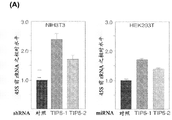
图1:于啮齿动物及人类细胞系中敲低TIP-5Figure 1: Knockdown of TIP-5 in rodent and human cell lines
(A、B):针对(A)稳定表达shRNA-TIP5-1及TIP5-2序列之NIH/3T3细胞中及(B)稳定表达miRNA-TIP5-1及TIP5-2序列之HEK293T细胞中之TIP5mRNA所进行之qRT-PCR。数据系针对GAPDH mRNA水平标准化。(A, B): TIP5 mRNA in (A) NIH/3T3 cells stably expressing shRNA-TIP5-1 and TIP5-2 sequences and (B) HEK293T cells stably expressing miRNA-TIP5-1 and TIP5-2 sequences Performed qRT-PCR. Data were normalized to GAPDH mRNA levels.
1(c)针对稳定之shRNA-TIP5-1/2NIH/3T3、miRNA-TIP5-1/2HEK293T及miRNA-TIP5-1/2CHO-K1细胞中之TIP5mRNA所进行之半定量RT-PCR。出示GAPDH mRNA之qRT-PCR作为对照。1(c) Semi-quantitative RT-PCR for TIP5 mRNA in stable shRNA-TIP5-1/2NIH/3T3, miRNA-TIP5-1/2HEK293T and miRNA-TIP5-1/2CHO-K1 cells. qRT-PCR of GAPDH mRNA is presented as a control.
图2:敲低TIP-5导致rDNA甲基化减少Figure 2: Knockdown of TIP-5 results in reduced rDNA methylation
(A-C)消减TIP5使rDNA启动子之CpG甲基化减少。上图:包括所分析之HpaII(H)位点的(A)小鼠、(B)人类及(C)中国仓鼠之rDNA启动子区域的图。黑色圆点指示CpG二核苷酸。箭头表示用于扩增被HpaII消化之DNA的引物。(A-C) Depletion of TIP5 reduces CpG methylation of rDNA promoters. Upper panels: Maps of the rDNA promoter regions of (A) mouse, (B) human and (C) Chinese hamster including the analyzed HpaII (H) sites. Black dots indicate CpG dinucleotides. Arrows indicate primers used to amplify HpaII-digested DNA.
下图:于稳定表达shRNA-及/或miRNA TIP5-1/2及对照序列的(A)NIH/3T3、(B)HEK293T及(C)CHO-K1细胞中所测定rDNA CpG甲基化水平。数据表示HpaII抗性rDNA之量,其已利用涵盖缺少HpaII位点之DNA序列之引物及未消化之DNA进行扩增,计算总rDNA量来标准化。Lower panels: rDNA CpG methylation levels measured in (A) NIH/3T3, (B) HEK293T and (C) CHO-K1 cells stably expressing shRNA- and/or miRNA TIP5-1/2 and control sequences. Data represent the amount of HpaII resistant rDNA, which has been amplified using primers covering the DNA sequence lacking the HpaII site and undigested DNA, normalized by calculating the total rDNA amount.
(D、E)消减TIP5减少rDNA CpG甲基化水平。分析(D)rDNA基因间及启动子区域,包括转录起始位点(+1),及(E)编码区内之两个区域。图示代表单个小鼠rDNA重复序列及所分析之HpaII(H)位点。箭头表示用于扩增被HpaII消化之DNA的引物。数据表示HpaII抗性rDNA之量,其已利用涵盖缺少HpaII位点之DNA序列之引物及未消化之DNA进行扩增,计算总rDNA来标准化。(D, E) Depletion of TIP5 reduces rDNA CpG methylation levels. Analysis of (D) rDNA intergenic and promoter regions, including the transcription initiation site (+1), and (E) two regions within the coding region. Schematic representation of individual mouse rDNA repeats and analyzed HpaII(H) sites. Arrows indicate primers used to amplify HpaII-digested DNA. Data represent the amount of HpaII-resistant rDNA that has been amplified using primers covering DNA sequences lacking the HpaII site and undigested DNA, normalized by calculating total rDNA.
图3:敲低TIP-5之细胞中之rRNA水平增加Figure 3: Increased rRNA levels in TIP-5 knockdown cells
(A)消减TIP5促进rRNA合成。稳定之NIH/3T3及HEK293T细胞系中基于qRT-PCR之45S前rRNA水平已针对GAPDH mRNA水平标准化。(A) Depletion of TIP5 promotes rRNA synthesis. qRT-PCR based 45S pre-rRNA levels in stable NIH/3T3 and HEK293T cell lines were normalized to GAPDH mRNA levels.
(B)经过相同暴露时间之后,于原位掺入BrUTP,检测rDNA转录。于消减TIP-5之细胞中BrUTP信号(左图)较强,且可于核中特异性检测到(由相差影像(右图)所示核内之较暗区域)。(B) After the same exposure time, rDNA transcription was detected by in situ incorporation of BrUTP. The BrUTP signal (left panel) was stronger in TIP-5 depleted cells and could be specifically detected in nuclei (darker regions within nuclei shown by phase contrast images (right panel)).
图4:消减TIP-5导致促进增殖及细胞生长Figure 4: Depletion of TIP-5 results in enhanced proliferation and cell growth
(A)shRNA TIP5细胞之FACS分析(A) FACS analysis of shRNA TIP5 cells
(B)处于各细胞周期阶段之细胞百分比。于消减TIP5之细胞中,处于S期之细胞的数目或百分比增加,而处于G1期之细胞的数目或百分比减少。增殖加强。(B) Percentage of cells in each cell cycle phase. In TIP5-depleted cells, the number or percentage of cells in S phase increases, while the number or percentage of cells in G1 phase decreases. Proliferation is enhanced.
(C)BrdU掺入测定法。细胞与10μM BrdU一起温育30min,利用针对BrdU之抗体染色,并估测处于S期之细胞百分比。BrdU测定法显示TIP5细胞中之DNA合成增加。(C) BrdU incorporation assay. Cells were incubated with 10 μM BrdU for 30 min, stained with an antibody against BrdU, and the percentage of cells in S phase was estimated. BrdU assay showed increased DNA synthesis in TIP5 cells.
(D-F)稳定表达miRNA-TIP5及对照序列之(D)NIH/3T3、(E)HEK293T及(F)CHO-K1细胞的生长曲线。生长曲线证实,消减TIP-5之细胞之生长至少与对照细胞一样快(HEK293),或甚至比对照细胞更快(NIH3T3及CHO-K1)。(D-F) Growth curves of (D) NIH/3T3, (E) HEK293T and (F) CHO-K1 cells stably expressing miRNA-TIP5 and control sequences. Growth curves demonstrated that TIP-5 depleted cells grew at least as fast as control cells (HEK293), or even faster than control cells (NIH3T3 and CHO-K1).
图5:敲低TIP-5之细胞的核糖体分析Figure 5: Ribosome Analysis of TIP-5 Knockdown Cells
(A-C)(A)稳定之NIH/3T3、(B)HEK293T及(C)CHO-K1细胞中之细胞质RNA/细胞的相对量。数据表示一式三份进行之两次实验的平均值。(A-C) Relative amount of cytoplasmic RNA/cell in (A) stable NIH/3T3, (B) HEK293T and (C) CHO-K1 cells. Data represent the mean of two experiments performed in triplicate.
(D)稳定之HEK293T的核糖体曲线及(D) Ribosome profile of stable HEK293T and
(E)CHO-K1细胞系。(E) CHO-K1 cell line.
敲低TIP5之细胞含有更多核糖体。Cells with TIP5 knocked down contained more ribosomes.
图6:敲低TIP-5导致促进产生受体蛋白质Figure 6: Knockdown of TIP-5 results in enhanced receptor protein production
(A-C)经组成性SEAP表达载体pCAG-SEAP工程处理之(A)稳定之NIH/3T3、(B)HEK293T及(C)CHO-K1细胞系的SEAP表达。(A-C) SEAP expression in (A) stable NIH/3T3, (B) HEK293T and (C) CHO-K1 cell lines engineered with the constitutive SEAP expression vector pCAG-SEAP.
(D、E)经组成性萤光素酶表达载体pCMV-萤光素酶工程处理之(D)稳定之NIH/3T3及(E)HEK293T细胞系的萤光素酶表达。(D, E) Luciferase expression in (D) stable NIH/3T3 and (E) HEK293T cell lines engineered with the constitutive luciferase expression vector pCMV-luciferase.
发明详述Detailed description of the invention
TIP-5之敲低:Knockdown of TIP-5:
为了工程处理细胞,使其增加合成重组蛋白质,我们需决定减少沉默rRNA基因数目是否会增加45S前rRNA合成,且因此亦刺激核糖体生物合成,并增加能够翻译之核糖体之数目。因此,我们利用特异针对TIP5之两个不同区域(TIP5-1及TIP5-2)之shRNA/miRNA序列进行RNA干扰,敲低TIP5表达,并构建经稳定转基因之表达shRNA之NIH/3T3或表达miRNA之HEK293T及CHO-K1。使用表达混合shRNA及miRNA序列之稳定细胞系作为对照。利用表达shRNA-TIP5或miRNA-TIP5序列之质粒产生稳定细胞系而不是进行瞬时转染有两个理由。第一,诸如CpG甲基化之抑制性后生遗传学标记之丧失为一种被动机制,需要多次细胞分裂。第二,虽然可相对容易地转染HEK293T细胞,但是NIH/3T3及CHO-K1细胞的转染效力差会妨碍随后针对内源性rRNA、核糖体水平及细胞生长性质之分析。为了确定所选择克隆中敲低TIP5之效力,我们藉由逆转录酶所介导定量性及半定量性PCR测定TIP5mRNA水平(图1)。与对照细胞比较,NIH/3T3/shRNA-TIP5-1及-2细胞中之TIP5表达减少约70-80%(图1A)。在稳定之HEK293T中,观察到类似的TIP5mRNA水平减少(图1B)。仅可由半定量性PCR测得衍生自CHO-K1之细胞中之TIP5mRNA水平(图1C),但其TIP5mRNA之减少类似稳定之NIH/3T3及HEK293T细胞的。该等结果证实,经建立之细胞系含有低水平之TIP5。To engineer cells to increase the synthesis of recombinant proteins, we needed to determine whether reducing the number of silenced rRNA genes would increase 45S pre-rRNA synthesis and thus also stimulate ribosome biogenesis and increase the number of ribosomes capable of translation. Therefore, we used shRNA/miRNA sequences specific to two different regions of TIP5 (TIP5-1 and TIP5-2) to perform RNA interference to knock down the expression of TIP5, and constructed a stably transgenic NIH/3T3 expressing shRNA or expressing miRNA HEK293T and CHO-K1. Stable cell lines expressing mixed shRNA and miRNA sequences were used as controls. There are two reasons for using plasmids expressing shRNA-TIP5 or miRNA-TIP5 sequences to generate stable cell lines instead of transient transfections. First, loss of repressive epigenetic marks such as CpG methylation is a passive mechanism requiring multiple cell divisions. Second, although HEK293T cells can be transfected relatively easily, the poor transfection efficiency of NIH/3T3 and CHO-K1 cells hampers subsequent analysis of endogenous rRNA, ribosome levels, and cell growth properties. To determine the efficacy of TIP5 knockdown in selected clones, we measured TIP5 mRNA levels by reverse transcriptase-mediated quantitative and semi-quantitative PCR ( FIG. 1 ). TIP5 expression was reduced by about 70-80% in NIH/3T3/shRNA-TIP5-1 and -2 cells compared to control cells ( FIG. 1A ). In stabilized HEK293T, a similar reduction in TIP5 mRNA levels was observed (Fig. IB). TIP5 mRNA levels in cells derived from CHO-K1 could only be detected by semi-quantitative PCR (Fig. 1C), but the reduction of TIP5 mRNA was similar to that of stable NIH/3T3 and HEK293T cells. These results demonstrate that established cell lines contain low levels of TIP5.
敲低TIP-5导致rDNA甲基化减少:Knockdown of TIP-5 results in reduced rDNA methylation:
小鼠rDNA启动子的CpG甲基化减少基本转录因子UBF之结合,且防止形成起始前复合物(Sanij,E.,Poortinga,G.,Sharkey,K.,Hung,S.,Holloway,T.P.,Quin,J.,Robb,E.,Wong,L.H.,Thomas,W.G.,Stefanovsky,V.,Moss,T.,Rothblum,L.,Hannan,K.M.,McArthur,G.A.,Pearson,R.B.,及Hannan,R.D.(2008).UBF levels determine the number of active ribosome RNA genes inmammals.J.Cell Biol 183,1259-1274)。于NIH/3T3细胞中,约40%至50%之rRNA基因含有CpG-甲基化序列,且呈转录沉默。人类、小鼠及中国仓鼠中之rDNA启动子之序列及CpG密度差异显著。人类之rDNA启动子含有23个CpG,而小鼠及中国仓鼠分别含有3个及8个CpG(图2A-C)。为了证实敲低TIP5可影响rDNA沉默,我们测定CCGG序列中之meCpG量,以判定rDNA甲基化水平。以HpaII消化基因组DNA,且利用涵盖HpaII序列(CCGG)之引物进行定量性实时PCR,测定对消化之抗性(亦即CpG甲基化)。在所有敲低TIP5之细胞系中,大部份rRNA基因中之启动子区域内之CpG甲基化减少,证实TIP5对促进rDNA沉默具有关键作用(图2)。CpG methylation of the mouse rDNA promoter reduces the binding of the essential transcription factor UBF and prevents the formation of the preinitiation complex (Sanij, E., Poortinga, G., Sharkey, K., Hung, S., Holloway, T.P. , Quin, J., Robb, E., Wong, L.H., Thomas, W.G., Stefanovsky, V., Moss, T., Rothblum, L., Hannan, K.M., McArthur, G.A., Pearson, R.B., and Hannan, R.D. (2008). UBF levels determine the number of active ribosome RNA genes inmammals. J. Cell Biol 183, 1259-1274). In NIH/3T3 cells, about 40% to 50% of rRNA genes contain CpG-methylated sequences and are transcriptionally silent. The sequences and CpG densities of rDNA promoters in humans, mice and Chinese hamsters differ significantly. Human rDNA promoters contain 23 CpGs, while mice and Chinese hamsters contain 3 and 8 CpGs, respectively (Fig. 2A-C). In order to confirm that knocking down TIP5 can affect rDNA silencing, we measured the amount of meCpG in the CCGG sequence to determine the rDNA methylation level. Genomic DNA was digested with HpaII and resistance to digestion (ie, CpG methylation) was determined by quantitative real-time PCR using primers covering the HpaII sequence (CCGG). In all TIP5-knockdown cell lines, CpG methylation in the promoter region of most rRNA genes was reduced, confirming that TIP5 plays a critical role in promoting rDNA silencing ( FIG. 2 ).
注意,虽然TIP5结合及重新甲基化局限于rDNA启动子序列内,但是TIP-5减少之NIH3T3细胞的整个rDNA基因(基因间、启动子及编码区域;图2D、E)的CpG甲基化量均减少,说明一旦TIP5与rDNA启动子结合,其即启动在整个rDNA基因座建立沉默后生遗传标记的传播机制。Note that although TIP5 binding and re-methylation were restricted to rDNA promoter sequences, TIP-5-reduced NIH3T3 cells showed CpG methylation of the entire rDNA gene (intergenic, promoter and coding regions; Fig. 2D,E) Both amounts were reduced, suggesting that once TIP5 binds to the rDNA promoter, it initiates a propagation mechanism that establishes silent epigenetic markers throughout the rDNA locus.
敲低TIP-5之细胞中之rRNA水平增加:Increased rRNA levels in TIP-5 knockdown cells:
为了判定沉默基因数目之减少是否会影响rRNA转录物之量,我们藉由使用涵盖第一rRNA加工位点之引物之qRT-PCR(图3A)且藉由活体内BrUTP掺入(图3B),测定45S前rRNA合成。在两个分析中皆测得,消减TIP5之NIH/3T3及HEK293T细胞的rRNA产生皆比对照细胞系高。To determine whether the reduction in the number of silenced genes affects the amount of rRNA transcripts, we determined by qRT-PCR using primers covering the first rRNA processing site (Figure 3A) and by in vivo BrUTP incorporation (Figure 3B), Determination of 45S pre-rRNA synthesis. TIP5-depleted NIH/3T3 and HEK293T cells had higher rRNA production than control cell lines as measured in both assays.
消减TIP-5导致促进增殖及细胞生长:Depletion of TIP-5 results in enhanced proliferation and cell growth:
已知Ras为涉及细胞转化及肿瘤形成之致癌基因,其在人类癌症中经常发生突变或过表达。Green等人,在WO2009/017670中记载已鉴定TIP-5之功能为在全面miRNA筛选中作为Fas之由Ras所介导后生遗传沉默效应器(RESE)。该出版物记载,减少诸如TIP-5之Ras效应器之表达导致抑制细胞增殖。Ras is a known oncogene involved in cellular transformation and tumor formation that is frequently mutated or overexpressed in human cancers. Green et al., in WO2009/017670 describe that TIP-5 has been identified to function as a Ras-mediated epigenetic silencing effector (RESE) of Fas in a comprehensive miRNA screen. This publication states that reducing the expression of Ras effectors such as TIP-5 results in inhibition of cell proliferation.
我们已藉由流式细胞术(FACS)分析两种shRNA-TIP5细胞。如图4A、B所示,两种shRNA-TIP5细胞中处于S期之细胞数目显著高于对照细胞。NIH3T3细胞在感染逆转录病毒(其表达针对TIP5序列之miRNA)10天后,获得类似曲线。与该等结果一致,shRNA TIP5细胞显示,新生DNA的5-溴脱氧尿苷(BrdU)掺入增加,且细胞周期蛋白A水平较高(图4C)。We have analyzed two shRNA-TIP5 cells by flow cytometry (FACS). As shown in Figure 4A and B, the number of cells in S phase in the two shRNA-TIP5 cells was significantly higher than that in the control cells. Similar curves were obtained for
最后,我们比较shRNA-TIP5、shRNA-对照及亲本NIH3T3、HEK293及CHO-K1细胞之细胞增殖速率(图4D-F)。令人惊奇地,与先前技术报导相反,表达miRNA-TIP5序列之NIH/3T3及CHO-K1细胞二者的增殖速率比对照细胞快,说明沉默rRNA基因数目之减少确实影响细胞新陈代谢。HEK293T中之TIP5消减并未显著影响细胞增殖,此系因为该等细胞已到达彼等之最大增殖速率。令人惊奇地,该等数据显示,TIP5消减及随之rDNA沉默之减少会加快细胞增殖。Finally, we compared the cell proliferation rates of shRNA-TIP5, shRNA-control and parental NIH3T3, HEK293 and CHO-K1 cells (Fig. 4D-F). Surprisingly, contrary to previous art reports, both NIH/3T3 and CHO-K1 cells expressing the miRNA-TIP5 sequence proliferated faster than control cells, indicating that the reduction in the number of silenced rRNA genes does affect cell metabolism. Depletion of TIP5 in HEK293T did not significantly affect cell proliferation because the cells had reached their maximal proliferation rate. Surprisingly, these data show that depletion of TIP5 and consequent reduction of rDNA silencing accelerates cell proliferation.
敲低TIP-5之细胞之核糖体分析:Ribosome Analysis of TIP-5 Knockdown Cells:
于哺乳动物细胞培养中,蛋白质合成速率为与产量直接相关的重要参数。为了确定TIP5消减及随之rDNA沉默之减少是否会增加细胞中能够翻译之核糖体之数目,我们首先测定细胞质rRNA水平。在细胞质中,大多数RNA系由组装成核糖体之经加工rRNA组成。如图5A-C所示,所有消减TIP5之细胞系中之每一个细胞均含有更多之细胞质RNA,说明该等细胞会产生更多核糖体。多核糖体曲线之分析亦显示,消减TIP5之HEK293及CHO-K1细胞所含有之核糖体亚单位(40S、60S及80S)比对照细胞更多(图5D)。In mammalian cell culture, the rate of protein synthesis is an important parameter directly related to yield. To determine whether TIP5 depletion and consequent reduction of rDNA silencing would increase the number of ribosomes in cells capable of translation, we first measured cytoplasmic rRNA levels. In the cytoplasm, most RNA consists of processed rRNA that assembles into ribosomes. As shown in Figures 5A-C, all TIP5-depleted cell lines contained more cytoplasmic RNA per cell, indicating that these cells produced more ribosomes. Analysis of polysome profiles also showed that TIP5-depleted HEK293 and CHO-K1 cells contained more ribosomal subunits (40S, 60S and 80S) than control cells ( FIG. 5D ).
敲低TIP-5促进产生受体蛋白质:Knockdown of TIP-5 promotes production of receptor proteins:
为了确定消减TIP5及减少rDNA沉默是否会促进异源性蛋白质产生,我们以促进组成性表达人类胎盘分泌之碱性磷酸酶SEAP(pCAG-SEAP;图6A-C)或萤光素酶(pCMV-萤光素酶;图6D、E)之表达载体转染稳定之消减TIP5之NIH/3T3、HEK293T及CHO-K1衍生物。48h之后,定量蛋白质生成,发现消减TIP5之细胞中之SEAP及萤光素酶生成皆比对照细胞系多二至四倍,说明消减TIP5使异源性蛋白质生成增加。所有该等结果说明,减少沉默rRNA基因数目会促进核糖体合成,并增强细胞产生重组蛋白质之潜力。To determine whether knockdown of TIP5 and reduced rDNA silencing would promote heterologous protein production, we promoted constitutive expression of human placental-secreted alkaline phosphatase SEAP (pCAG-SEAP; Fig. 6A-C) or luciferase (pCMV-SEAP). Luciferase; Figure 6D, E) expression vectors were transfected with stable TIP5-depleted NIH/3T3, HEK293T and CHO-K1 derivatives. After 48 hours, the protein production was quantified, and it was found that the production of SEAP and luciferase in TIP5-depleted cells was two to four times higher than that in the control cell line, indicating that TIP5 depletion increased the production of heterologous proteins. All these results suggest that reducing the number of silenced rRNA genes promotes ribosome synthesis and enhances the potential of cells to produce recombinant proteins.
敲除TIP5增加单核细胞趋化蛋白1(MCP-1)之生物医药生成,并增加治疗性抗体之生成:Knockdown of TIP5 increases biopharmaceutical production of monocyte chemoattractant protein 1 (MCP-1) and increases production of therapeutic antibodies:
a)以空载体(模拟对照)或设计用于敲低TIP-5表达之小型RNA(shRNA或RNAi)转染会分泌单核细胞趋化蛋白1(MCP-1)或治疗性抗体之CHO细胞系(CHO DG44)。于TIP-5消减效率最高之细胞群中观察到最高之MCP-1滴度,而在模拟转染之细胞或亲本细胞系中,蛋白质浓度显著更低。a) Transfect CHO cells secreting monocyte chemoattractant protein 1 (MCP-1) or therapeutic antibody with empty vector (mock control) or small RNA (shRNA or RNAi) designed to knock down TIP-5 expression line (CHO DG44). The highest MCP-1 titers were observed in the cell population with the most efficient TIP-5 depletion, whereas the protein concentration was significantly lower in the mock-transfected cells or the parental cell line.
b)首先以短RNA序列(shRNA或RNAi)转染CHO宿主细胞(CHO DG44),以减少TIP-5表达,且产生稳定之消减TIP-5宿主细胞系。随后以编码作为感兴趣基因之单核细胞趋化蛋白1(MCP-1)或治疗性抗体之载体转染该等细胞系及平行之CHO DG44野生型细胞。于TIP-5消减效率最高之细胞群中观察到最高MCP-1滴度及生产率,而模拟转染之细胞或亲本细胞系中之蛋白质浓度显著较低。b) First transfect CHO host cells (CHO DG44) with a short RNA sequence (shRNA or RNAi) to reduce TIP-5 expression and generate a stable TIP-5-depleted host cell line. These cell lines and parallel CHO DG44 wild-type cells were then transfected with vectors encoding monocyte chemoattractant protein 1 (MCP-1) as the gene of interest or a therapeutic antibody. The highest MCP-1 titers and productivity were observed in the cell populations with the most efficient TIP-5 depletion, whereas protein concentrations were significantly lower in mock-transfected cells or parental cell lines.
c)当以a)或b)中所述相同细胞进行分批或补料-分批发酵时,总MCP-1滴度或抗体滴度之差异甚至更显著:因为经减少表达之TIP-5转染之细胞更快速生长,且每单位细胞及每单位时间亦产生更多蛋白质,因此其在相同时间内具有更高IVC且显示更高生产率。两种性质皆正面影响总工艺产量。因此,消减Tip5之细胞具有显著更高之MCP-1或抗体收获滴度,且导致更高效率之生产工艺。c) The difference in total MCP-1 titers or antibody titers is even more pronounced when batch or fed-batch fermentations are performed with the same cells as described in a) or b): because of the reduced expression of TIP-5 Transfected cells grow faster and also produce more protein per unit cell and per unit time, thus they have higher IVC and show higher productivity in the same time period. Both properties positively affect the overall process yield. Thus, Tip5-depleted cells had significantly higher MCP-1 or antibody harvest titers and resulted in a more efficient production process.
消减SNF2H之细胞同样具有显著更高之IgG收获滴度,且导致更高效率之生产工艺。Cells depleted of SNF2H also had significantly higher IgG harvest titers and resulted in a more efficient production process.
敲除TIP-5基因可最高效促进rRNA转录且促进增殖:Knockout of the TIP-5 gene most efficiently promotes rRNA transcription and promotes proliferation:
产生具有恒定降低水平之TIP-5表达之改良生产宿主细胞系的最有效方法为完全敲除TIP-5基因。为此,可利用同源性重组或利用锌指核酸酶(ZFN)技术破坏TIP-5基因,防止其表达。由于CHO细胞之同源性重组效率不高,因此我们设计一种在TIP-5基因内部引入双链断裂之ZFN,藉此破坏功能。为了控制有效敲除TIP-5,利用抗TIP-5抗体进行Western印迹。在膜上,敲除TIP-5之细胞不会检测到TIP-5表达,而亲本CHO细胞系则显示对应于TIP-5蛋白质之清晰信号。The most efficient way to generate an improved production host cell line with a constant reduced level of expression of TIP-5 is to completely knock out the TIP-5 gene. To this end, homologous recombination or zinc finger nuclease (ZFN) technology can be used to destroy the TIP-5 gene to prevent its expression. Since the efficiency of homologous recombination in CHO cells is not high, we designed a ZFN that introduces a double-strand break inside the TIP-5 gene, thereby disrupting the function. To control for efficient knockdown of TIP-5, Western blotting was performed using an anti-TIP-5 antibody. On the membrane, TIP-5 expression was not detectable in TIP-5 knockout cells, whereas the parental CHO cell line showed a clear signal corresponding to the TIP-5 protein.
随后,分析敲除TIP-5之CHO细胞及亲本CHO细胞系之rRNA转录。该测定法证实,敲除TIP-5之细胞中之rRNA合成水平及核糖体数目皆高于亲本细胞及仅减少TIP-5表达水平之细胞。Subsequently, rRNA transcripts in TIP-5 knockout CHO cells and parental CHO cell lines were analyzed. This assay demonstrated that both rRNA synthesis levels and ribosome numbers were higher in TIP-5 knockout cells than in parental cells and cells with reduced TIP-5 expression levels only.
此外,在补料-分批工艺中,消减TIP-5之细胞增殖比TIP5野生型细胞及其中仅藉由引入干扰RNA(诸如shRNA或RNAi)而减少TIP-5表达之细胞系更快速,且细胞数目更高。Furthermore, in a fed-batch process, TIP-5-depleted cells proliferated faster than TIP5 wild-type cells and cell lines in which TIP-5 expression was reduced only by introducing interfering RNA such as shRNA or RNAi, and The number of cells is higher.
一般实施方案“包括”或“包含”涵盖更特定之实施方案“由...组成”。此外,单数及复数形式之使用方式没有限制。The general embodiment "comprising" or "comprising" encompasses the more specific embodiment "consisting of". In addition, the usage of singular and plural is not limited.
本发明过程中所用之术语具有如下含意。The terms used in the course of the present invention have the following meanings.
术语“后生遗传工程”意指影响染色质之后生遗传修饰,而不影响核酸序列。后生遗传修饰包括组蛋白或DNA核苷酸之甲基化或乙酰基化改变、及烷基化。于本发明中,“后生遗传工程”主要系指DNA甲基化之工程处理。The term "epigenetic genetic engineering" means affecting epigenetic genetic modifications of chromatin without affecting the nucleic acid sequence. Epigenetic modifications include methylation or acetylation changes, and alkylation of histone or DNA nucleotides. In the present invention, "epigenetic genetic engineering" mainly refers to the engineering treatment of DNA methylation.
“NoRC”(核仁重建复合物)为rDNA沉默之关键决定物,且系由TIP-5(TTF-1-相互作用蛋白质5)及ATP酶SNF2h组成。NoRC系与沉默基因之rDNA启动子结合,且透过组蛋白修饰及DNA甲基化活性抑制rDNA转录。"NoRC" (nucleolar remodeling complex) is a key determinant of rDNA silencing and consists of TIP-5 (TTF-1-interacting protein 5) and the ATPase SNF2h. NoRC binds to the rDNA promoter of silenced genes and represses rDNA transcription through histone modification and DNA methylation activity.
“TIP-5”或“TIP5”(转录终止因子1(TTF1)-相互作用蛋白质5)为大于200kD之核仁蛋白质,且系藉由与DNA-甲基-转移酶(DNMT)及组蛋白去乙酰基化酶(HDAC)及其它染色质修饰因子相互作用,为rDNA募集组蛋白去乙酰基化酶活性。其它同义词为:BAZ2A、WALp3、FLJ13768、FLJ13780、FLJ45876、KIAA0314及DKFZp781B109。"TIP-5" or "TIP5" (transcription termination factor 1 (TTF1)-interacting protein 5) is a nucleolar protein of greater than 200 kD and is formed by binding to DNA-methyl-transferase (DNMT) and histone Acetylases (HDACs) interact with other chromatin modifiers to recruit histone deacetylase activity to rDNA. Other synonyms are: BAZ2A, WALp3, FLJ13768, FLJ13780, FLJ45876, KIAA0314 and DKFZp781B109.
“SNF2h”属于SWI/SNF蛋白质家族成员,且具有解螺旋酶及ATP酶活性。SNF2h为NoRC之组分,且参与核小体转移成封闭之异染色质状态。SNF2h之官方名称为SMARCA5(表示与SWI/SNF相关,与基质相连,染色质之肌动蛋白依赖性调节剂、a子家族、第五个成员)。其它名称为ISWI、hISWI、hSNF2H及WCRF135。"SNF2h" is a member of the SWI/SNF protein family and has helicase and ATPase activities. SNF2h is a component of NoRC and is involved in the transfer of nucleosomes to a closed heterochromatin state. The official name of SNF2h is SMARCA5 (indicating SWI/SNF-associated, matrix-associated, actin-dependent regulator of chromatin, a subfamily, fifth member). Other names are ISWI, hISWI, hSNF2H and WCRF135.
表述“减少核糖体RNA基因(rDNA)沉默”意指影响编码核糖体RNA的DNA或该特定区域中之染色质的甲基化及/或乙酰基化,导致rRNA基因转录解除抑制。更特定言之,于本发明中,该术语系指减少rRNA基因甲基化之方法,导致基因更易于获得转录因子,且使相应基因合成更多rRNA。The expression "reducing ribosomal RNA gene (rDNA) silencing" means affecting the methylation and/or acetylation of the DNA encoding ribosomal RNA or of chromatin in this specific region, resulting in derepression of rRNA gene transcription. More specifically, in the context of the present invention, the term refers to a method of reducing the methylation of rRNA genes, resulting in easier access to transcription factors for the genes and allowing the corresponding genes to synthesize more rRNA.
文中之“rDNA沉默”明确言之系指rRNA基因沉默。其不包括不受NoRC所介导之非特异性、全基因组沉默机制(genome-wide silencing mechanism)。The term "rDNA silencing" in this article clearly refers to rRNA gene silencing. It does not include non-specific, genome-wide silencing mechanisms not mediated by NoRC.
可藉由如下测定法测定/监测rDNA沉默:rDNA silencing can be determined/monitored by the following assays:
rDNA沉默导致减少rRNA转录,其可由定量性或半定量性PCR分析(例如,如材料及方法部份所述,利用针对45S前RNA之寡核苷酸引物)。rDNA silencing results in reduced rRNA transcription, which can be analyzed by quantitative or semi-quantitative PCR (eg, using oligonucleotide primers to 45S preRNA as described in the Materials and Methods section).
rDNA基因启动子之甲基化之分析方法为以甲基化敏感性限制酶消化基因组DNA,且随后进行Southern印迹,产生甲基化及未甲基化状态的差异性条带样式。Methylation of rDNA gene promoters was analyzed by digesting genomic DNA with methylation-sensitive restriction enzymes, followed by Southern blotting, resulting in differential band patterns for methylated and unmethylated states.
或者,可由如下定量由甲基化诱导之rDNA沉默:利用甲基化敏感性限制酶消化基因组DNA,且随后利用横跨裂解位点之引物进行qPCR(如材料及方法部份中所述,且示于图2)。Alternatively, methylation-induced rDNA silencing can be quantified by digesting genomic DNA with methylation-sensitive restriction enzymes and subsequent qPCR with primers spanning the cleavage site (as described in the Materials and Methods section, and shown in Figure 2).
如文中所用,关于基因表达之术语“敲低”或“消减”系指导致指定基因之表达比对照细胞表达减少之实验方法。可藉由多种实验方法达成基因敲低,诸如向细胞引入会与基因之部份mRNA杂交之核酸分子,导致其降解(例如shRNA、RNAi、miRNA),或以一种导致转录减少、mRNA稳定性降低或mRNA翻译减少之方式改变基因序列。As used herein, the term "knockdown" or "ablation" with respect to gene expression refers to an experimental procedure that results in a decrease in the expression of a given gene compared to that of a control cell. Gene knockdown can be achieved by a variety of experimental methods, such as introducing nucleic acid molecules into the cell that hybridize to part of the mRNA of the gene, causing its degradation (such as shRNA, RNAi, miRNA), or by introducing a nucleic acid molecule that causes a decrease in transcription and stabilizes the mRNA. Altering the gene sequence in such a way as to reduce sex or reduce mRNA translation.
完全抑制指定基因表达系称为“敲除”。敲除基因意指该基因不会合成功能性转录物,导致该基因正常提供之功能丧失。敲除基因之方法为:改变DNA序列,导致该基因或其调节序列被破坏或删除。敲除技术包括使用同源性重组技术,以置换、间断或删除关键部份或整段基因序列,或使用诸如锌指核酸酶之DNA修饰酶,在标靶基因之DNA中引入双链断裂。Complete suppression of expression of a given gene is referred to as a "knockout". Knockout of a gene means that the gene does not synthesize a functional transcript, resulting in a loss of the function normally provided by the gene. The method of knocking out a gene is: changing the DNA sequence, causing the gene or its regulatory sequence to be destroyed or deleted. Knockout technology includes the use of homologous recombination technology to replace, interrupt or delete key parts or entire gene sequences, or the use of DNA modifying enzymes such as zinc finger nucleases to introduce double-strand breaks in the DNA of the target gene.
有许多种监测/证实基因之敲低或敲除之测定法:There are a number of assays to monitor/confirm knockdown or knockout of a gene:
例如,采用Northern印迹杂交、核糖核酸酶RNA保护、与细胞RNA原位杂交、或藉由PCR定量所选择基因中转录之mRNA减少/流失。可藉由多种方法定量选择之基因所编码对应蛋白质的减少/流失,例如ELISA、Western印迹、放射免疫测定法、免疫沉淀、测定蛋白质之生物学活性、对蛋白质免疫染色后进行FACS分析、或均相时间分辨荧光(HTRF)测定法。For example, Northern blot hybridization, ribonuclease RNA protection, in situ hybridization to cellular RNA, or quantification of transcribed mRNA reduction/loss in selected genes by PCR. The reduction/loss of the corresponding protein encoded by the selected gene can be quantified by various methods, such as ELISA, Western blot, radioimmunoassay, immunoprecipitation, determination of the biological activity of the protein, FACS analysis after immunostaining of the protein, or Homogeneous Time-Resolved Fluorescence (HTRF) Assay.
如本发明所用术语“衍生物”意指与原始序列或其互补序列具有至少70%序列一致性之多肽分子或核酸分子。较佳地,多肽分子或核酸分子与原始序列或其互补序列具有至少80%之序列一致性。更佳地,多肽分子或核酸分子与原始序列或其互补序列具有至少90%序列一致性。最佳地,多肽分子或核酸分子与原始序列或其互补序列具有至少95%序列一致性,且对分泌显示与原始序列相同或类似之影响。The term "derivative" as used in the present invention means a polypeptide molecule or a nucleic acid molecule having at least 70% sequence identity with the original sequence or its complement. Preferably, the polypeptide molecule or nucleic acid molecule has at least 80% sequence identity with the original sequence or its complement. More preferably, the polypeptide molecule or nucleic acid molecule has at least 90% sequence identity to the original sequence or its complement. Optimally, the polypeptide molecule or nucleic acid molecule has at least 95% sequence identity to the original sequence or its complement and exhibits the same or a similar effect on secretion as the original sequence.
序列差异可源自不同生物体同源性序列之间的差异。序列差异亦可源于由于置换、插入或删除一个或多个核苷酸或氨基酸(较佳1、2、3、4、5、6、7、8、9或10个),对序列进行之靶定修饰。可利用位点特异性诱变及/或基于PCR之诱变技术产生删除、插入或置换突变体。相关方法说明于(Lottspeich及Zorbas,1998)之第36.1章中及其它参考文献。Sequence differences can arise from differences between homologous sequences from different organisms. Sequence differences may also result from the modification of the sequence due to substitution, insertion or deletion of one or more nucleotides or amino acids (preferably 1, 2, 3, 4, 5, 6, 7, 8, 9 or 10). Targeted modification. Deletion, insertion or substitution mutants can be generated using site-specific mutagenesis and/or PCR-based mutagenesis techniques. Related methods are described in Chapter 36.1 of (Lottspeich and Zorbas, 1998) and other references.
于本发明中,“宿主细胞”意指真核细胞,较佳为哺乳动物细胞,最佳为啮齿动物细胞,诸如仓鼠细胞。较佳细胞为BHK21、BHK TK-、CHO、CHO-K1、CHO-DUKX、CHO-DUKX B1、及CHO-DG44细胞或其中任一种细胞系之衍生物/后代。特别佳者为CHO-DG44、CHO-DUKX、CHO-K1及BHK21,且更佳者为CHO-DG44及CHO-DUKX细胞。最佳者为CHO-DG44细胞。于本发明之一项特定实施方案中,宿主细胞意指鼠科动物骨髓瘤细胞,较佳为NS0及Sp2/0细胞或其中任一种细胞系之衍生物/后代。可用于本发明含意的鼠科动物及仓鼠细胞实例亦概括于表1中。然而,该等细胞之衍生物/后代、其它哺乳动物细胞(包括但不限于人类、小鼠、大鼠、猴、及啮齿动物细胞系)、或真核细胞(包括但不限于酵母、昆虫及植物细胞)亦可用于本发明之含意,特定言之用于产生生物医药蛋白质。In the present invention, "host cell" means a eukaryotic cell, preferably a mammalian cell, most preferably a rodent cell, such as a hamster cell. Preferred cells are BHK21, BHK TK − , CHO, CHO-K1, CHO-DUKX, CHO-DUKX B1, and CHO-DG44 cells or derivatives/progeny of any one of these cell lines. Particularly preferred are CHO-DG44, CHO-DUKX, CHO-K1 and BHK21, and more preferred are CHO-DG44 and CHO-DUKX cells. The best one is CHO-DG44 cells. In a specific embodiment of the present invention, the host cells refer to murine myeloma cells, preferably NSO and Sp2/0 cells or derivatives/progeny of any one of the cell lines. Examples of murine and hamster cells that can be used within the meaning of the present invention are also summarized in Table 1. However, derivatives/progeny of such cells, other mammalian cells (including but not limited to human, mouse, rat, monkey, and rodent cell lines), or eukaryotic cells (including but not limited to yeast, insect and Plant cells) may also be used within the meaning of the present invention, in particular for the production of biopharmaceutical proteins.
表1:真核生产细胞系Table 1: Eukaryotic production cell lines
宿主细胞最佳系在无血清条件下且视需要于不含动物来源之任何蛋白质/肽的培养基中建立、驯化及完全培养。适当营养溶液实例为诸如Ham氏F12(Sigma,Deisenhofen,德国)、RPMI-1640(Sigma)、Dulbecco氏改良Eagle氏培养基(DMEM;Sigma)、最基本培养基(MEM;Sigma)、Iscove氏改良Dulbecco氏培养基(IMDM;Sigma)、CD-CHO(Invitrogen,Carlsbad,CA)、CHO-S(Invtirogen)、无血清CHO培养基(Sigma)、及无蛋白质CHO培养基(Sigma)之市售培养基。若必要时,可在任何培养基中补充各种化合物,该等化合物之实例为激素及/或其它生长因子(诸如胰岛素、转铁蛋白、表皮生长因子、胰岛素样生长因子)、盐(诸如氯化钠、钙、镁、磷酸盐)、缓冲剂(诸如HEPES)、核苷(诸如腺苷、胸苷)、谷氨酰胺、葡萄糖或其它等价能量来源、抗生素、痕量元素。亦可包括彼等熟习此项技术者所知之适宜浓度之任一其它必要补充剂。于本发明中,较佳使用不含血清之培养基,但是亦可使用补充适量血清的培养基来培养宿主细胞。为了使表达选择基因之经遗传修饰之细胞生长并进行选择,可向培养基添加适宜选择剂。Host cells are optimally established, acclimated and fully cultured under serum-free conditions and optionally in media free of any proteins/peptides of animal origin. Examples of suitable nutrient solutions are Ham's F12 (Sigma, Deisenhofen, Germany), RPMI-1640 (Sigma), Dulbecco's Modified Eagle's Medium (DMEM; Sigma), Minimal Minimal Medium (MEM; Sigma), Iscove's Modified Commercial cultivation of Dulbecco's medium (IMDM; Sigma), CD-CHO (Invitrogen, Carlsbad, CA), CHO-S (Invtirogen), serum-free CHO medium (Sigma), and protein-free CHO medium (Sigma) base. If necessary, any medium may be supplemented with various compounds, examples of which are hormones and/or other growth factors (such as insulin, transferrin, epidermal growth factor, insulin-like growth factor), salts (such as chloride Sodium chloride, calcium, magnesium, phosphate), buffers (such as HEPES), nucleosides (such as adenosine, thymidine), glutamine, glucose or other equivalent energy sources, antibiotics, trace elements. Any other necessary supplements may also be included at appropriate concentrations known to those skilled in the art. In the present invention, it is preferable to use a serum-free medium, but a medium supplemented with an appropriate amount of serum can also be used for culturing host cells. In order to grow and select genetically modified cells expressing a selection gene, an appropriate selection agent can be added to the culture medium.
术语“蛋白质”可与氨基酸残基序列或多肽相互交换使用,且系指任一长度之氨基酸聚合物。该等术语亦包括经如下反应翻译后之修饰之蛋白质,该等反应包括但不限于糖基化、乙酰基化、磷酸化或蛋白质加工。可在分子保留其生物功能活性的同时,在多肽结构中进行修饰及改变,例如与其它蛋白质融合、氨基酸序列之取代、删除或插入。例如,可在多肽或其基本核酸编码序列中进行某些氨基酸序列取代,且获得具有类似性质之蛋白质。The term "protein" is used interchangeably with a sequence of amino acid residues or polypeptide and refers to a polymer of amino acids of any length. The terms also include proteins that are post-translationally modified by reactions including, but not limited to, glycosylation, acetylation, phosphorylation, or protein processing. Modifications and changes in the structure of polypeptides, such as fusions with other proteins, substitutions, deletions or insertions of amino acid sequences, can be made while the molecule retains its biological functional activity. For example, certain amino acid sequence substitutions can be made in a polypeptide or its basic nucleic acid coding sequence and result in a protein with similar properties.
术语“多肽”意指超过10个氨基酸之序列,且术语“肽”意指至多为10个氨基酸长度之序列。The term "polypeptide" means a sequence of more than 10 amino acids, and the term "peptide" means a sequence of up to 10 amino acids in length.
本发明适于产生用于生产生物医药多肽/蛋白质之宿主细胞。本发明特别适于由显示加强细胞生产率的细胞以高产量表达许多不同感兴趣基因。The present invention is suitable for generating host cells for the production of biopharmaceutical polypeptides/proteins. The present invention is particularly suitable for expressing in high yield many different genes of interest from cells that exhibit enhanced cell productivity.
“感兴趣基因”(GOI)、“所选择之序列”、或“产物基因”于文中具有相同含意,且系指编码感兴趣产物或“感兴趣蛋白质”(亦称为“期望产物”)的任何长度之多核苷酸序列。所选择之序列可为全长或经截断之基因、融合或带标签之基因,且可为cDNA、基因组DNA、或DNA片段,且以cDNA较佳。其可为天然序列,亦即天然存在形式,或可依需要进行突变或其它修饰。该等修饰包括在所选择之宿主细胞中优化密码子,使用最适当密码子、进行人类化或带上标签。所选择之序列可编码分泌型、细胞质型、核型、膜结合型或细胞表面型多肽。"Gene of interest" (GOI), "selected sequence", or "product gene" have the same meaning herein and refer to a gene encoding a product of interest or a "protein of interest" (also referred to as a "desired product") Polynucleotide sequences of any length. The selected sequence can be a full-length or truncated gene, a fused or tagged gene, and can be cDNA, genomic DNA, or a DNA fragment, and cDNA is preferred. It may be the native sequence, ie, as it occurs in nature, or may be mutated or otherwise modified as desired. Such modifications include codon optimization, use of the most appropriate codons, humanization or tagging in the host cell of choice. The selected sequence may encode a secreted, cytoplasmic, nuclear, membrane-bound or cell surface polypeptide.
“感兴趣蛋白质”包括蛋白质、多肽、其片段、肽,其均可于所选择之宿主细胞中表达。期望蛋白质可为例如抗体、酶、细胞因子、淋巴因子、粘附分子、受体及其衍生物或片段,及可作为激动剂或拮抗剂及/或具有治疗或诊断用途之任一其它多肽。以下亦出示期望蛋白质/多肽实例。"Protein of interest" includes proteins, polypeptides, fragments thereof, and peptides, all of which can be expressed in the host cell of choice. Desirable proteins can be, for example, antibodies, enzymes, cytokines, lymphokines, adhesion molecules, receptors and derivatives or fragments thereof, and any other polypeptide that can act as an agonist or antagonist and/or have therapeutic or diagnostic use. Examples of desired proteins/polypeptides are also shown below.
对于诸如单克隆抗体之更复杂分子,GOI编码两条抗体链中之一条或两条。For more complex molecules such as monoclonal antibodies, the GOI encodes one or both of the two antibody chains.
“感兴趣产物”亦可为反义RNA。The "product of interest" can also be antisense RNA.
“感兴趣蛋白质”或“期望蛋白质”为如上所述。尤其,期望蛋白质/多肽或感兴趣蛋白质为例如但不限于胰岛素、胰岛素样生长因子、hGH、tPA、细胞因子诸如介白素(IL),例如IL-1、IL-2、IL-3、IL-4、IL-5、IL-6、IL-7、IL-8、IL-9、IL-10、IL-11、IL-12、IL-13、IL-14、IL-15、IL-16、IL-17、IL-18;干扰素(IFN)α、IFNβ、IFNγ、IFNω或IFNτ;肿瘤坏死因子(TNF),诸如TNF α及TNFβ、TNFγ;TRAIL;G-CSF;GM-CSF;M-CSF;MCP-1及VEGF。亦包括产生红细胞生成素或任一其它激素生长因子。根据本发明之方法亦适用于产生抗体或其片段。该等片段包括例如Fab片段(抗原结合片段=Fab)。Fab片段系由两条链之可变区组成,且由相邻之恒定区保持在一起。其可由通常之抗体经过蛋白酶消化(例如利用木瓜蛋白酶)形成,但亦可同时由遗传工程产生类似Fab片段。其它抗体片段包括F(ab′)2片段,其可利用胃蛋白酶蛋白水解裂解制得。A "protein of interest" or "desired protein" is as described above. In particular, the desired protein/polypeptide or protein of interest is for example but not limited to insulin, insulin-like growth factor, hGH, tPA, cytokines such as interleukins (IL), e.g. IL-1, IL-2, IL-3, IL -4, IL-5, IL-6, IL-7, IL-8, IL-9, IL-10, IL-11, IL-12, IL-13, IL-14, IL-15, IL-16 , IL-17, IL-18; Interferon (IFN) α, IFN β, IFN γ, IFN ω or IFN τ; Tumor necrosis factor (TNF), such as TNF α and TNF β, TNF γ; TRAIL; G-CSF; GM-CSF; M - CSF; MCP-1 and VEGF. Also included are the production of erythropoietin or any other hormonal growth factor. The method according to the invention is also suitable for the production of antibodies or fragments thereof. Such fragments include, for example, Fab fragments (fragment antigen binding = Fab). Fab fragments consist of the variable regions of two chains held together by adjacent constant regions. It can be formed by protease digestion (for example, using papain) of ordinary antibodies, but similar Fab fragments can also be produced by genetic engineering at the same time. Other antibody fragments include F(ab')2 fragments, which can be prepared by proteolytic cleavage with pepsin.
感兴趣蛋白质较佳系呈分泌型多肽自培养基回收,或者若在没有分泌信号下表达,则其可自宿主细胞之溶胞物中回收。必须依一种可获得感兴趣蛋白质的实质上均质制备物的方法,自其它重组蛋白质及宿主细胞蛋白质中纯化出感兴趣蛋白质。第一步,自培养基或溶胞物移除细胞及/或颗粒状细胞碎片。随后,例如藉由免疫亲和或离子交换柱上分级、乙醇沉淀、反相HPLC、Sephadex层析、硅土或诸如DEAE之阳离子交换树脂上层析,自污染性之可溶蛋白质、多肽及核酸中纯化出感兴趣产物。一般地,已于相关技术中熟知教示熟习此项技术者如何纯化由宿主细胞异源性表达之蛋白质的方法。The protein of interest is preferably recovered from the culture medium as a secreted polypeptide, or, if expressed in the absence of a secretion signal, it can be recovered from the host cell lysate. The protein of interest must be purified from other recombinant proteins and host cell proteins by a method that will yield a substantially homogeneous preparation of the protein of interest. In a first step, cells and/or granular cell debris are removed from the culture medium or lysate. Subsequently, from contaminating soluble proteins, polypeptides and nucleic acids, e.g. Purify the product of interest. In general, methods are well known in the art to teach the skilled person how to purify proteins heterologously expressed by host cells.
使用遗传工程方法,可产生仅由重链(VH)及轻链(VL)之可变区组成之缩短之抗体片段。其称为Fv片段(可变片段=可变部份之片段)。由于该等Fv片段缺少由恒定链中之半胱氨酸所形成之两条链的共价键结,因此Fv片段通常已稳定化。宜藉由短肽片段(例如具10至30个氨基酸,较佳15个氨基酸)连接重链及轻链之可变区。依此方式获得由肽接头连接之VH及VL组成之单肽链。该类型之其中一种抗体蛋白质称为单链Fv(scFv)。于相关技术中已熟知该种类型之scFv抗体蛋白质之实例。Using genetic engineering methods, shortened antibody fragments consisting only of the variable regions of the heavy (VH) and light chain (VL) chains can be produced. It is called an Fv fragment (fragment variable=fragment of the variable part). Fv fragments are usually stabilized because they lack the covalent linkage of the two chains formed by the cysteines in the constant chains. The variable regions of the heavy and light chains are preferably connected by short peptide fragments (eg, 10 to 30 amino acids, preferably 15 amino acids). In this way, a single peptide chain consisting of VH and VL linked by a peptide linker is obtained. One type of antibody protein of this type is called a single-chain Fv (scFv). Examples of this type of scFv antibody protein are well known in the related art.
近几年,已开发出用于制备scFv多聚衍生物之多种策略。特定言之,其计划产生具有改善的药物动力学及生物分布性质,且具有提高之结合亲合力的重组抗体。为了达到scFv多聚化,scFv系制成具有多聚域之融合蛋白质。多聚域可为例如IgG之CH3区,或诸如亮氨酸拉链域之卷曲螺旋结构(螺旋结构)。然而,亦可采用使用scFv中之VH/VL区之间的相互作用进行多聚化之策略(例如双抗体(diabody)、三抗体及五抗体)。熟习此项技术者所指之双抗体意指双价同二聚scFv衍生物。使scFv分子中之接头缩短至5至10个氨基酸可导致形成同二聚体,其中会出现VH/VL链之间重迭。可另外藉由引入二硫桥,使双抗体稳定化。相关技术中已熟知双抗体蛋白质实例。In recent years, various strategies for the preparation of scFv polymeric derivatives have been developed. In particular, it is intended to generate recombinant antibodies with improved pharmacokinetic and biodistribution properties, and with increased binding affinity. In order to achieve scFv multimerization, scFvs are made as fusion proteins with multimerization domains. The multimerization domain can be, for example, the CH3 region of IgG, or a coiled-coil structure (helix structure) such as a leucine zipper domain. However, strategies using interactions between the VH/VL regions in scFv for multimerization (eg diabodies, triabodies and pentabodies) can also be employed. By diabodies, those skilled in the art mean bivalent homodimeric scFv derivatives. Shortening the linker in the scFv molecule to 5 to 10 amino acids can lead to the formation of homodimers where overlap between the VH/VL chains occurs. Diabodies can additionally be stabilized by the introduction of disulfide bridges. Examples of diabody proteins are well known in the related art.
熟习此项技术者所指之微型抗体(minibody)意指双价、同二聚scFv衍生物。其系由融合蛋白质组成,其含有作为二聚化区域之免疫球蛋白(较佳为IgG,最佳为IgG1)之CH3区,且其利用铰链区(例如亦源自IgG1)及接头区域与scFv相连。相关技术中已熟知微型抗体蛋白质实例。By minibody, those skilled in the art mean bivalent, homodimeric scFv derivatives. It consists of a fusion protein containing the CH3 region of an immunoglobulin (preferably IgG, most preferably IgG1) as the dimerization region and which utilizes the hinge region (e.g. also derived from IgG1) and the linker region with the scFv connected. Examples of minibody proteins are well known in the related art.
熟习此项技术者所指之三抗体意指三价同三聚scFv衍生物。其中VH-VL不利用接头序列即直接融合之scFv衍生物导致形成三聚体。By triabodies, those skilled in the art mean trivalent homotrimeric scFv derivatives. scFv derivatives in which VH-VL are fused directly without the use of a linker sequence result in the formation of trimers.
熟习此项技术者所指之“支架蛋白质”意指藉由基因克隆或藉由共翻译过程,与具有另一功能之另一蛋白质或蛋白质之一部份偶联之蛋白质之任一功能域。A "scaffold protein" referred to by those skilled in the art means any functional domain of a protein that is coupled to another protein or a portion of a protein that has another function, either by gene cloning or by a co-translation process.
熟习此项技术者亦熟习所谓之小型抗体(miniantibody),其具有双价、三价或四价结构,且系衍生自scFv。藉由二聚、三聚或四聚卷曲螺旋结构形成多聚化。Those skilled in the art are also familiar with so-called miniantibodies, which have a bivalent, trivalent or tetravalent structure and are derived from scFv. Multimerization is formed by dimeric, trimeric or tetrameric coiled-coil structures.
任何引入宿主细胞之序列或基因均定义为宿主细胞之“异源性序列”或“异源性基因”或“转基因”,即使该引入之序列或基因与宿主细胞中之内源性序列或基因相同。Any sequence or gene introduced into a host cell is defined as a "heterologous sequence" or "heterologous gene" or "transgene" of the host cell, even if the introduced sequence or gene is different from the endogenous sequence or gene in the host cell same.
因此,“异源性”蛋白质为异源性序列所表达之蛋白质。Thus, a "heterologous" protein is a protein expressed from a heterologous sequence.
术语“重组”与术语“异源性”在本发明之说明书全文中,尤其在有关蛋白质表达之内容中可交换使用。因此,“重组”蛋白质为异源性序列所表达之蛋白质。The term "recombinant" and the term "heterologous" are used interchangeably throughout the description of the present invention, especially in relation to protein expression. Thus, a "recombinant" protein is one expressed from a heterologous sequence.
可利用“表达载体”,较佳真核表达载体,甚至更佳哺乳动物表达载体,将异源性基因序列引入标靶细胞。用于构建载体之方法为熟习此项技术者熟知,且已阐述于许多出版物中。特定言之,构建适宜载体之技术,包括诸如启动子、增强子、终止及聚腺苷酸化信号、选择标记、复制起点、及剪接信号之功能性组件之说明,相当详细论述于Sambrook等人,1989及其中所引用之参考文献。载体可包括但不限于质粒载体、噬菌粒、粘粒、人工/微型染色体(例如ACE)、或病毒载体,诸如杆状病毒、逆转录病毒、腺病毒、腺伴随病毒、单纯疱疹病毒、逆转录病毒、噬菌体。真核表达载体通常亦含有原核序列,其有利于该载体在细菌中增殖,诸如细菌中之复制起点及用于选择之抗生素抗性基因。含有可操作地连接多核苷酸之克隆位点的多种真核表达载体在此技术中已熟知,且一些可购自诸如Stratagene,La Jolla,CA;Invitrogen,Carlsbad,CA;Promega,Madison,WI或BD Biosciences Clontech,Palo Alto,CA公司之商品。An "expression vector", preferably a eukaryotic expression vector, and even more preferably a mammalian expression vector, can be used to introduce heterologous gene sequences into target cells. Methods for constructing vectors are well known to those skilled in the art and have been described in numerous publications. In particular, techniques for constructing suitable vectors, including descriptions of functional components such as promoters, enhancers, termination and polyadenylation signals, selectable markers, origins of replication, and splicing signals, are discussed in considerable detail in Sambrook et al. 1989 and references cited therein. Vectors may include, but are not limited to, plasmid vectors, phagemids, cosmids, artificial/minichromosomes (eg, ACE), or viral vectors such as baculoviruses, retroviruses, adenoviruses, adeno-associated viruses, herpes simplex viruses, retroviruses, Viruses, bacteriophages. Eukaryotic expression vectors also typically contain prokaryotic sequences that facilitate propagation of the vector in bacteria, such as origins of replication in bacteria and antibiotic resistance genes for selection. A variety of eukaryotic expression vectors containing cloning sites operably linked to polynucleotides are well known in the art, and some are commercially available from sources such as Stratagene, La Jolla, CA; Invitrogen, Carlsbad, CA; Promega, Madison, WI Or BD Biosciences Clontech, Palo Alto, CA company's commodity.
于一项较佳实施例中,表达载体包含至少一个对于编码感兴趣肽/多肽/蛋白质的核苷酸序列转录及翻译所需之调节序列之核酸序列。In a preferred embodiment, the expression vector comprises at least one nucleic acid sequence of regulatory sequences required for the transcription and translation of the nucleotide sequence encoding the peptide/polypeptide/protein of interest.
如文中所用,术语“表达”系指在宿主细胞内部异源性核酸序列之转录及/或翻译。如本发明实施例中所示,可基于存在于细胞中之对应mRNA之量,或基于由所选择序列所编码之期望多肽/感兴趣蛋白质之量,测定期望产物/感兴趣蛋白质在宿主细胞中之表达水平。例如,可采用Northern印迹杂交、核糖核酸酶RNA保护、与细胞RNA原位杂交、或藉由PCR,定量所选择序列所转录之mRNA。所选择序列所编码之蛋白质的定量方法有多种,例如ELISA、Western印迹、放射免疫测定法、免疫沉淀、测定蛋白质之生物活性、对蛋白质免疫染色且随后进行FACS分析、或均相时间分辨荧光(HTRF)分析。As used herein, the term "expression" refers to the transcription and/or translation of a heterologous nucleic acid sequence inside a host cell. As shown in the examples of the present invention, the presence of the desired product/protein of interest in the host cell can be determined based on the amount of the corresponding mRNA present in the cell, or based on the amount of the desired polypeptide/protein of interest encoded by the selected sequence the level of expression. For example, mRNA transcribed from selected sequences can be quantified using Northern blot hybridization, ribonuclease RNA protection, in situ hybridization to cellular RNA, or by PCR. The protein encoded by the selected sequence can be quantified by various methods, such as ELISA, Western blot, radioimmunoassay, immunoprecipitation, determination of the biological activity of the protein, immunostaining of the protein followed by FACS analysis, or homogeneous time-resolved fluorescence (HTRF) analysis.
可藉由相关技术中已知任一方法,以多核苷酸或表达载体“转染”真核宿主细胞,产生经遗传修饰之细胞或转基因细胞。转染方法包括但不限于由脂质体介导之转染、磷酸钙共沉淀、电穿孔、由聚阳离子(诸如DEAE-葡聚糖)所介导之转染、原生质体融合、病毒感染及显微注射。该转染较佳为稳定转染。以在特定宿主细胞系及类型中可提供较佳转染频率且表达出异源性基因之转染方法较佳。可藉由例行规程确定适宜方法。针对稳定转染子之构建物系整合进入宿主细胞之基因组中或人工染色体/微型染色体中,或位于游离基因中,以在宿主细胞中稳定维持。Genetically modified cells or transgenic cells can be produced by "transfecting" eukaryotic host cells with polynucleotides or expression vectors by any method known in the related art. Transfection methods include, but are not limited to, liposome-mediated transfection, calcium phosphate co-precipitation, electroporation, polycation (such as DEAE-dextran)-mediated transfection, protoplast fusion, viral infection and Microinjection. The transfection is preferably a stable transfection. Transfection methods that provide better transfection frequency and express heterologous genes in specific host cell lines and types are preferred. Suitable methods can be determined by routine procedure. Constructs for stable transfectants are integrated into the genome or artificial chromosome/minichromosome of the host cell, or are located episomally for stable maintenance in the host cell.
本发明系关于一种在细胞中增加蛋白质,较佳为重组蛋白质表达之方法,包括The present invention relates to a method for increasing the expression of a protein, preferably a recombinant protein, in a cell, comprising
a.提供一种细胞,a. providing a cell,
b.增加该细胞中之核糖体RNA量,且b. increasing the amount of ribosomal RNA in the cell, and
c.于允许蛋白质表达之条件下培养该细胞。c. Culturing the cells under conditions that allow protein expression.
于一项特定实施方案中,步骤b)包括上调该宿主细胞中之核糖体RNA转录,较佳系藉由减少该细胞中之核糖体RNA基因(rDNA)沉默(后生遗传工程处理至少一种核糖体RNA基因(rDNA))。In a particular embodiment, step b) comprises upregulating ribosomal RNA transcription in the host cell, preferably by reducing ribosomal RNA gene (rDNA) silencing (epigenetic engineering of at least one ribosomal sugar) in the cell Somatic RNA gene (rDNA)).
本发明特定言之系关于一种于细胞中增加蛋白质,较佳为重组蛋白质表达之方法,包括In particular, the present invention relates to a method for increasing the expression of a protein, preferably a recombinant protein, in a cell, comprising
a.提供一种细胞,a. providing a cell,
b.藉由减少该细胞中之核糖体RNA基因(rDNA)沉默而使该细胞中之核糖体RNA量增加,且b. increasing the amount of ribosomal RNA in the cell by reducing ribosomal RNA gene (rDNA) silencing in the cell, and
c.于允许蛋白质表达之条件下培养该细胞。c. Culturing the cells under conditions that allow protein expression.
于一项特定实施方案中,步骤b)包括后生遗传工程处理至少一种核糖体RNA基因(rDNA)。In a specific embodiment, step b) comprises epigenetic genetic engineering of at least one ribosomal RNA gene (rDNA).
本发明较佳系关于一种于细胞中增加蛋白质,较佳为重组蛋白质表达之方法,包括The present invention preferably relates to a method for increasing expression of a protein, preferably a recombinant protein, in a cell, comprising
a.提供一种细胞,a. providing a cell,
b.减少该细胞中之核糖体RNA基因(rDNA)沉默,且b. reducing ribosomal RNA gene (rDNA) silencing in the cell, and
c.于允许蛋白质表达之条件下培养该细胞。c. Culturing the cells under conditions that allow protein expression.
于本发明之一项特定实施方案中,该细胞中之重组蛋白质表达比未减少rDNA沉默之细胞增加。该增幅较佳为20%至100%,较佳为20%至300%,最佳为20%以上。In a specific embodiment of the invention, recombinant protein expression is increased in the cells compared to cells without reduced rDNA silencing. The increase is preferably from 20% to 100%, more preferably from 20% to 300%, most preferably above 20%.
于本发明之另一项特定实施方案中,方法步骤b)包括敲低或敲除核仁重建复合物(NoRC)中之组分。In another particular embodiment of the invention, method step b) comprises knocking down or knocking out components of the nucleolar remodeling complex (NoRC).
特定言之,步骤b)包括使核仁重建复合物(NoRC)组分之表达减少。In particular, step b) comprises reducing the expression of components of the nucleolar remodeling complex (NoRC).
于另一项本发明之较佳实施方案中,NoRC组分为TIP-5或SNF2H,以TIP-5较佳。In another preferred embodiment of the present invention, the NoRC component is TIP-5 or SNF2H, preferably TIP-5.
于本发明之一项特别佳实施方案中,敲除TIP-5。In a particularly preferred embodiment of the invention, TIP-5 is knocked out.
于本发明之另一实施方案中,敲除SNF2H。In another embodiment of the present invention, SNF2H is knocked out.
于本发明方法之一项特定实施方案中,敲低或敲除TIP-5,由此TIP-5沉默载体包括:In a specific embodiment of the method of the invention, TIP-5 is knocked down or knocked out, whereby the TIP-5 silencing vector comprises:
a.如SEQ ID NO:1、SEQ ID NO:2、SEQ ID NO:8或SEQ IDNO:9之shRNA,或a. shRNA such as SEQ ID NO: 1, SEQ ID NO: 2, SEQ ID NO: 8 or SEQ ID NO: 9, or
b.如SEQ ID NO:3、SEQ ID NO:4、SEQ ID NO:10或SEQ ID NO:11之miRNA。b. Such as the miRNA of SEQ ID NO: 3, SEQ ID NO: 4, SEQ ID NO: 10 or SEQ ID NO: 11.
于本发明之最佳实施方案中,于步骤b)中敲低TIP-5。In a preferred embodiment of the present invention, TIP-5 is knocked down in step b).
本发明另外系关于一种产生感兴趣蛋白质之方法,包括The invention additionally relates to a method of producing a protein of interest comprising
a.提供一种细胞,a. providing a cell,
b.增加该细胞中之核糖体RNA量,b. Increase the amount of ribosomal RNA in the cell,
c.于允许该感兴趣蛋白质表达之条件下培养该细胞。c. Culturing the cells under conditions that allow expression of the protein of interest.
于本发明之一项特定实施方案中,该方法另外包括In a particular embodiment of the invention, the method further comprises
d.纯化该感兴趣蛋白质。d. Purifying the protein of interest.
于一项特定实施方案中,步骤a)中之细胞为空宿主细胞。于另一实施方案中,步骤a)中之该细胞为重组细胞,其包括编码感兴趣蛋白质的基因。In a specific embodiment, the cell in step a) is an empty host cell. In another embodiment, the cell in step a) is a recombinant cell comprising a gene encoding a protein of interest.
于另一特定实施方案中,步骤b)包括藉由减少该细胞中核糖体RNA基因(rDNA)沉默(后生遗传工程处理至少一种rDNA),而使该细胞中核糖体RNA量增加(上调核糖体RNA转录)。In another specific embodiment, step b) comprises increasing the amount of ribosomal RNA in the cell (upregulation of ribosomal RNA) by reducing ribosomal RNA gene (rDNA) silencing in the cell (epigenetic engineering of at least one rDNA) somatic RNA transcription).
本发明特定言之系关于一种产生感兴趣蛋白质的方法,包括In particular the invention relates to a method of producing a protein of interest comprising
a.提供一种细胞,a. providing a cell,
b.减少该细胞中核糖体RNA基因(rDNA)沉默(后生遗传工程处理至少一种rDNA),且b. reducing ribosomal RNA gene (rDNA) silencing in the cell (epigenetic genetic engineering of at least one rDNA), and
c.于允许该感兴趣蛋白质表达之条件下,培养该细胞。c. Culturing the cells under conditions that allow expression of the protein of interest.
于本发明之另一实施方案中,该方法另外包括In another embodiment of the present invention, the method further comprises
d.纯化该感兴趣蛋白质。d. Purifying the protein of interest.
于一项特定实施方案中,步骤b)包括敲低或敲除核仁重建复合物(NoRC)之组分。于另一实施方案中,步骤b)包括减少核仁重建复合物(NoRC)中之组分的表达。In a specific embodiment, step b) comprises knocking down or knocking out a component of the nucleolar remodeling complex (NoRC). In another embodiment, step b) comprises reducing the expression of components in the nucleolar remodeling complex (NoRC).
于本发明之极佳实施方案中,NoRC组分为TIP-5或SNF2H,以TIP-5最佳。In an excellent embodiment of the present invention, the NoRC component is TIP-5 or SNF2H, with TIP-5 being the most preferred.
于上述用于产生蛋白质之方法的特定实施方案中,敲低或敲除TIP-5,由此TIP-5沉默载体包括:In certain embodiments of the above methods for producing a protein, TIP-5 is knocked down or knocked out, whereby the TIP-5 silencing vector comprises:
a.如SEQ ID NO:1、SEQ ID NO:2、SEQ ID NO:8或SEQ IDNO:9之shRNA,或a. shRNA such as SEQ ID NO: 1, SEQ ID NO: 2, SEQ ID NO: 8 or SEQ ID NO: 9, or
b.如SEQ ID NO:3、SEQ ID NO:4、SEQ ID NO:10或SEQ ID NO:11之miRNA。b. Such as the miRNA of SEQ ID NO: 3, SEQ ID NO: 4, SEQ ID NO: 10 or SEQ ID NO: 11.
本发明另外系关于一种产生较佳系用于生产重组/异源性蛋白质的宿主细胞之方法,包括The present invention further relates to a method of producing a host cell, preferably for the production of recombinant/heterologous proteins, comprising
a.提供一种细胞,a. providing a cell,
b.增加该细胞中之核糖体RNA量。b. increasing the amount of ribosomal RNA in the cell.
本发明特定言之系关于一种产生较佳系用于生产重组/异源性蛋白质的宿主细胞之方法,包括The present invention relates in particular to a method of producing host cells, preferably for the production of recombinant/heterologous proteins, comprising
a.提供一种细胞,a. providing a cell,
b.增加该细胞中之核糖体RNA量,b. Increase the amount of ribosomal RNA in the cell,
c.获得宿主细胞。c. Obtaining host cells.
本发明另外系关于一种用于产生较佳用于生产重组/异源性蛋白质之单细胞克隆的方法,包括The present invention additionally relates to a method for producing single cell clones, preferably for the production of recombinant/heterologous proteins, comprising
a.提供一种细胞,a. providing a cell,
b.增加该细胞中之核糖体RNA量,b. Increase the amount of ribosomal RNA in the cell,
c.选出单细胞克隆。c. Selection of single cell clones.
本发明另外系关于一种产生较佳系用于生产重组/异源性蛋白质之宿主细胞系之方法,包括The present invention further relates to a method of producing a host cell line preferably for the production of recombinant/heterologous proteins, comprising
a.提供一种细胞,a. providing a cell,
b.增加该细胞中之核糖体RNA量,b. Increase the amount of ribosomal RNA in the cell,
c.选出单细胞克隆。c. Selection of single cell clones.
于本发明之一项特定实施方案中,该方法另外包括In a particular embodiment of the invention, the method further comprises
d.自该单细胞克隆获得宿主细胞系。d. Deriving a host cell line from the single cell clone.
本发明另外系关于一种产生较佳系用于生产重组/异源性蛋白质之单克隆宿主细胞系的方法,包括The present invention additionally relates to a method of producing a monoclonal host cell line, preferably for the production of recombinant/heterologous proteins, comprising
a.提供一种细胞,a. providing a cell,
b.增加该细胞中之核糖体RNA量,b. Increase the amount of ribosomal RNA in the cell,
c.选出单克隆宿主细胞系。c. Selection of monoclonal host cell lines.
于上述方法之一项特定实施方案中,步骤b)包括增加该细胞中之核糖体RNA量(上调核糖体RNA转录),其系藉由i)减少该细胞中之核糖体RNA基因(rDNA)沉默(后生遗传工程处理至少一种rDNA)。In a specific embodiment of the above method, step b) comprises increasing the amount of ribosomal RNA in the cell (upregulating ribosomal RNA transcription) by i) reducing the amount of ribosomal RNA gene (rDNA) in the cell Silencing (epigenetic genetic engineering of at least one rDNA).
本发明特定言之系关于一种产生较佳系用于生产重组/异源性蛋白质之宿主细胞(系)的方法,包括In particular the present invention relates to a method of producing a host cell (line) preferably for the production of recombinant/heterologous proteins, comprising
a.提供一种细胞,a. providing a cell,
b.减少该细胞中之核糖体RNA基因(rDNA)沉默(后生遗传工程处理至少一种rDNA)。b. Reducing ribosomal RNA gene (rDNA) silencing in the cell (epigenetic engineering of at least one rDNA).
视需要,该方法另外包括Optionally, the method additionally includes
c.选择单细胞克隆。c. Selection of single cell clones.
d.该方法较佳另外包括获得宿主细胞(系)。d. The method preferably further comprises obtaining a host cell (line).
于特定实施方案中,步骤b)包括敲低或敲除核仁重建复合物(NoRC)之组分。于另一实施方案中,步骤b)包括减少核仁重建复合物(NoRC)中之组分的表达。In a particular embodiment, step b) comprises knocking down or knocking out a component of the nucleolar remodeling complex (NoRC). In another embodiment, step b) comprises reducing the expression of components in the nucleolar remodeling complex (NoRC).
于本发明之极佳实施方案中,该NoRC组分为TIP-5或SNF2H,以TIP-5最佳。In an excellent embodiment of the present invention, the NoRC component is TIP-5 or SNF2H, TIP-5 being the most preferred.
于上述产生宿主细胞之方法的一项特定实施方案中,敲低或敲除TIP-5,由此该TIP-5沉默载体包括:In a specific embodiment of the above method of producing a host cell, TIP-5 is knocked down or knocked out, whereby the TIP-5 silencing vector comprises:
a.如SEQ ID NO:1、SEQ ID NO:2、SEQ ID NO:8或SEQ IDNO:9之shRNA,或a. shRNA such as SEQ ID NO: 1, SEQ ID NO: 2, SEQ ID NO: 8 or SEQ ID NO: 9, or
b.如SEQ ID NO:3、SEQ ID NO:4、SEQ ID NO:10或SEQ ID NO:11之miRNA。b. Such as the miRNA of SEQ ID NO: 3, SEQ ID NO: 4, SEQ ID NO: 10 or SEQ ID NO: 11.
本发明另外系关于一种根据任一种上述方法所产生之细胞。The invention additionally relates to a cell produced according to any one of the above methods.
较佳为该细胞中重组蛋白质表达比未减少rDNA沉默之细胞增加,该增幅较佳为20%至100%,更佳为20%至300%,最佳为大于20%。Preferably, the expression of the recombinant protein in the cells is increased compared to cells without reduced rDNA silencing, and the increase is preferably 20% to 100%, more preferably 20% to 300%, most preferably greater than 20%.
该细胞或任一种上述方法中之细胞较佳为真核细胞,较佳为哺乳动物、啮齿动物或仓鼠细胞。该仓鼠细胞较佳为诸如CHO-DG44、CHO-K1、CHO-S或CHO-DUKX B11之中国仓鼠卵巢(CHO)细胞,该细胞较佳为CHO-DG44细胞。The cell or the cell in any of the above methods is preferably a eukaryotic cell, preferably a mammalian, rodent or hamster cell. The hamster cells are preferably Chinese hamster ovary (CHO) cells such as CHO-DG44, CHO-K1, CHO-S or CHO-DUKX B11, preferably CHO-DG44 cells.
本发明另外系关于一种该细胞的用途,较佳系用于生产感兴趣蛋白质。The invention further relates to a use of such cells, preferably for the production of a protein of interest.
本发明另外系关于一种TIP-5沉默载体,包括The present invention additionally relates to a TIP-5 silencing vector, comprising
a.如SEQ ID NO:1、SEQ ID NO:2、SEQ ID NO:8或SEQ IDNO:9之shRNA,或a. shRNA such as SEQ ID NO: 1, SEQ ID NO: 2, SEQ ID NO: 8 or SEQ ID NO: 9, or
b.如SEQ ID NO:3、SEQ ID NO:4、SEQ ID NO:10或SEQ ID NO:11之miRNA。b. Such as the miRNA of SEQ ID NO: 3, SEQ ID NO: 4, SEQ ID NO: 10 or SEQ ID NO: 11.
此外,本发明系关于一种含有TIP-5沉默载体之细胞。该细胞较佳另外包括(含有)载体,其含有包括编码感兴趣蛋白质的基因之表达盒。Furthermore, the present invention relates to a cell containing a TIP-5 silencing vector. The cell preferably further comprises (contains) a vector comprising an expression cassette comprising a gene encoding a protein of interest.
本发明另外系关于一种细胞,其中已敲除TIP-5,且其视需要包括一种载体,该载体包括含有编码感兴趣蛋白质的基因之表达盒。该敲除细胞较佳为完全敲除。于另一实施方案中,本发明系关于一种已删除TIP-5且视需要包括载体的细胞,该载体包括含有编码感兴趣蛋白质的基因之表达盒。The invention additionally relates to a cell in which TIP-5 has been knocked out, and which optionally comprises a vector comprising an expression cassette comprising a gene encoding a protein of interest. The knockout cells are preferably completely knockout. In another embodiment, the invention relates to a cell in which TIP-5 has been deleted, optionally comprising a vector comprising an expression cassette comprising a gene encoding a protein of interest.
本发明另外系关于一种试剂盒,其包括TIP-5沉默载体。该试剂盒较佳系用于制造感兴趣蛋白质。该试剂盒较佳另外包括一种细胞(诸如上述之宿主细胞)。该试剂盒较佳包括如上所述敲除TIP-5之细胞。该试剂盒视需要包括细胞培养基及/或转染试剂。The present invention additionally relates to a kit comprising a TIP-5 silencing vector. The kit is preferably used to produce the protein of interest. The kit preferably further comprises a cell (such as the host cell described above). The kit preferably includes TIP-5 knockout cells as described above. The kit optionally includes cell culture medium and/or transfection reagents.
除非另外指出,否则操作本发明时将使用细胞生物学、分子生物学、细胞培养、免疫学中之常用技术及一般技术者所知之技术。该等技术全部揭示于现有之文献中。The practice of the present invention will employ, unless otherwise indicated, conventional techniques of cell biology, molecular biology, cell culture, immunology and techniques within the skill of the art. These techniques are fully disclosed in the existing literature.
材料及方法Materials and methods
质粒plasmid
含有于巨细胞病毒立即早期启动子控制之下转录之TAP标签序列的pCMV-TAP-tag。pCMV-TAP-tag containing the TAP tag sequence transcribed under the control of the cytomegalovirus immediate early promoter.
稳定细胞系stable cell line
以可于H1启动子控制之下表达shRNA TIP5-1(5′-GGACGATAAAGCAAAGATGTTCAAGAGACATCTTTGCTTTATCGTCC3′SEQ ID NO:1)及TIP5-2(5′-GCAGCCCAGGGAAACTAGATTCAAGAGATCTAGTTTCCCTGGGCTGC3′SEQ ID NO:2)序列之质粒稳定转染NIH/3T3细胞。NIH/ 3T3 cells.
所转录之shRNA序列如下:shRNA TIP5-1.1(5′-GGACGAUAAAGCAAAGAUGUUCAAGAGACAUCUU UGCUU UAUCG UCC3′SEQ ID NO:8)及shRNA TIP5-2.1(5′-GCAGCCCAGGGAAACUAGA UUCAAGAGAUCUAGUUUCCCUGGGCUGC3′SEQ ID NO:9)。The transcribed shRNA sequences are as follows: shRNA TIP5-1.1 (5'-GGACGAUAAAGCAAAGAUGUUCAAGAGACAUCUU UGCUU UAUCG UCC3'SEQ ID NO: 8) and shRNA TIP5-2.1 (5'-GCAGCCCAGGGAAACUAGA UUCAAGAGAUCUAGUUUCCCUGGGCUGC3'SEQ ID NO: 9).
根据Block-iT Pol II miR RNAi系统(Invitrogen),以表达靶向TIP5之对照miRNA或miRNA序列(TIP5-1:5′-GATCAGCCGCAAACTCCTCTGAGTTTTGGCCACTGACTGACTCAGAGGATTGCGGCTGAT-3′SEQ ID NO:3;TIP5-2:5′-GCAAAGATGGGATCAGTTAAGGGTTTTGGCCACTGACTGACCCTTAACTTCCCATCTTTG-3′SEQ ID NO:4)的质粒稳定转染HEK293T及CHO-K1细胞。根据制造说明书实施转染。在转染之后10天分析细胞。According to the Block-iT Pol II miR RNAi system (Invitrogen), to express the control miRNA or miRNA sequence targeting TIP5 (TIP5-1: 5′-GATCAGCCGCAAACTCCTCTGAGTTTTGGCCACTGACTGACTCAGAGGATTGCGGCTGAT-3′SEQ ID NO: 3; -3'SEQ ID NO: 4) was stably transfected into HEK293T and CHO-K1 cells. Transfection was performed according to the manufacturer's instructions. Cells were analyzed 10 days after transfection.
所转录之miRNA序列为:miRNA TIP5-1.1:5′-GAUCAGCCGCAAACUCCUCUGAGUUUUGGCCACUGACUGACUCAGAGGAUUGCGGCUGAU-3′SEQ ID NO:10;及miRNA TIP5-2.1:5′-GCAAAGAUGGGAUCAGUUAAGGGUUUUGGCCACUGACUGACCCUUAACUUCCCAUCUUUG-3′SEQ IDNO:11。The transcribed miRNA sequences are: miRNA TIP5-1.1:5′-GAUCAGCCGCAAACUCCUCUGAGUUUGGCCACUGACUGACUCAGAGGAUUGCGGCUGAU-3′SEQ ID NO:10;
转录分析Transcript analysis
根据标准步骤,且利用Universal Master mix(Diagenode),藉由qRT-PCR测定45S前rRNA转录。前文已阐述用于检测小鼠及人类45S前rRNA及GAPDH之引物序列。45S pre-rRNA transcription was determined by qRT-PCR according to standard procedures and using the Universal Master mix (Diagenode). The primer sequences used to detect mouse and human 45S pre-rRNA and GAPDH have been described above.
CpG甲基化分析CpG methylation analysis
如前所述测量小鼠及人类rDNA之甲基化。用于分析CHO-K1细胞中之rDNA甲基化的引物为:-168/-149正向5′-GACCAGTTGTTGCTTTGATG-3′SEQ ID NO:5;-10/+10反向5′-GCGTGTCAGTACCTATCTGC-3′SEQ IDNO:6;-100/-84正向5′-TCCCGACTTCCAGAATTTC-3′SEQ ID NO:7。Methylation of mouse and human rDNA was measured as previously described. The primers used to analyze rDNA methylation in CHO-K1 cells are: -168/-149 forward 5'-GACCAGTTGTTGCTTTGATG-3'SEQ ID NO: 5; -10/+10 reverse 5'-GCGTGTCAGTACCTATCTGC-3 'SEQ ID NO: 6; -100/-84 Forward 5'-TCCCGACTTCCAGAATTTC-3' SEQ ID NO: 7.
BrUTP之掺入Incorporation of BrUTP
为了BrUTP掺入,由接种shRNA对照及TIP5-1及2细胞之盖玻片使用含有10mM BrUTP之KH缓冲液温育10分钟。随后,移除BrUTP KH缓冲液,且于含有20%FCS之生长培养基中温育细胞30分钟,以在固定之前追踪转录物。于-20℃下,使细胞于100%甲醇中固定20分钟,于空气中干燥5分钟,且利用PBS再水合化5分钟。随后利用单克隆抗BrdU抗体(Sigma-Aldrich)检测BrUTP掺入。For BrUTP incorporation, coverslips seeded with shRNA control and TIP5-1 and 2 cells were incubated with KH buffer containing 10 mM BrUTP for 10 min. Subsequently, the BrUTP KH buffer was removed and cells were incubated in growth medium containing 20% FCS for 30 minutes to track transcripts prior to fixation. Cells were fixed in 100% methanol for 20 minutes at -20°C, air dried for 5 minutes, and rehydrated with PBS for 5 minutes. BrUTP incorporation was subsequently detected using a monoclonal anti-BrdU antibody (Sigma-Aldrich).
生长曲线Growth curve
于6孔板之每一孔中接种105个细胞,且每日以胰蛋白酶处理细胞,收集并利用
多核糖体曲线polysome curve
以环己酰亚胺(100μg/ml,10min)处理细胞,并于4℃下,以20mMTris-HCl(pH 7.5)、5mM MgCl2、100mM KCl、2.5mM DTT、100μg/ml环己酰亚胺、0.5%NP40、0.1mg/ml肝素及200U/ml RNA酶抑制剂溶解细胞。于8,000g下离心5min之后,将上清液加至15%-45%蔗糖梯度上,并于4℃下,于28,000rpm下离心4h。收集200μl级分,并于260nm下测定各级分之光密度。Treat cells with cycloheximide (100μg/ml, 10min), and at 4°C, add 20mM Tris-HCl (pH 7.5), 5mM MgCl 2 , 100mM KCl, 2.5mM DTT, 100μg/ml cycloheximide , 0.5% NP40, 0.1mg/ml heparin and 200U/ml RNase inhibitor to lyse the cells. After centrifugation at 8,000 g for 5 min, the supernatant was loaded onto a 15%-45% sucrose gradient and centrifuged at 28,000 rpm for 4 h at 4°C. Fractions of 200 μl were collected and the optical density of each fraction was determined at 260 nm.
蛋白质生成protein production
于转染组成性SEAP(pCAG-SEAP)或萤光素酶表达载体(pCMV-萤光素酶)之后48h,测定蛋白质生成。藉由基于对硝基苯磷酸酯之吸光度时间过程测定SEAP生成。根据制造商之说明(Applied biosystems,
悬浮细胞之细胞培养Cell Culture of Suspension Cells
在生产及开发规模所使用之所有细胞系均呈连续种子储备培养物维持于置于培养箱(Thermo,德国)之表面通气之T烧瓶(Nunc,丹麦)中,或维持于温度为37℃及含有5%CO2之大气中之摇瓶(Nunc,丹麦)中。每2至3天传代培养种子储备培养物,且接种密度为1-3E5个细胞/mL。藉由血细胞计数计确定所有培养物中之细胞浓度。藉由锥蓝排除法(trypan blue exclusion method)分析存活率。All cell lines used at production and development scale were maintained as continuous seed stock cultures in surface vented T-flasks (Nunc, Denmark) placed in an incubator (Thermo, Germany) or maintained at a temperature of 37 °C and Shake flasks (Nunc, Denmark) in an atmosphere containing 5% CO2 . Seed stock cultures were subcultured every 2 to 3 days and seeded at a density of 1-3E5 cells/mL. Cell concentrations in all cultures were determined by hemocytometer. Survival was analyzed by trypan blue exclusion method.
补料-分批培养fed-batch culture
细胞依3E05个细胞/mL接种于125ml摇瓶中,其含有30ml不含抗生素或MTX之BI-专属生产用培养基(Sigma-Aldrich,德国)。于37℃下,于5%CO2中,依120rpm搅拌培养物,且第3天后将CO2减少至2%。每日添加BI-专属补料溶液,且若需要,利用NaCO3调节pH至pH 7.0。利用自动化CEDEX细胞计数系统(Innovatis),藉由锥蓝排除法确定细胞密度及存活率。Cells were inoculated at 3E05 cells/mL in 125 ml shake flasks containing 30 ml of BI-exclusive production medium (Sigma-Aldrich, Germany) without antibiotics or MTX. Cultures were stirred at 120 rpm at 37°C in 5% CO2 and CO2 was reduced to 2% after
产生会生产抗体之细胞cells that produce antibodies
以编码IgG1型抗体重链及轻链之表达质粒稳定转染CHO-K1或CHO-DG44细胞(Urlaub等人,Cell 1983)。在由表达质粒所编码之各抗生素存在下培养经转染之细胞,进行选择。经约3周之选择之后,获得稳定之细胞群体,并根据标准储备物培养方法,每2至3天传代培养进一步培养。于下一个(视需要选用)步骤中,由经稳定转染之细胞群体进行基于FACS之单细胞克隆,产生单克隆细胞系。CHO-K1 or CHO-DG44 cells were stably transfected with expression plasmids encoding the heavy and light chains of IgG1 antibodies (Urlaub et al., Cell 1983). Selection is carried out by culturing transfected cells in the presence of the respective antibiotics encoded by the expression plasmids. After approximately 3 weeks of selection, stable cell populations were obtained and further cultured by subculturing every 2 to 3 days according to standard stock culture methods. In the next (optional) step, FACS-based single cell cloning is performed from the stably transfected cell population to generate monoclonal cell lines.
测定重组抗体浓度Determination of recombinant antibody concentration
为分析经转染之细胞中之重组抗体生成,于三次连续传代之每一传代结束时,自标准接种体培养物收集细胞上清液样品。随后藉由酶联免疫吸附测定法(ELISA)分析产物浓度。利用针对人类Fc片段之抗体(Jackson ImmunoResearch Laboratories)及HRP偶联之针对人类λ轻链之抗体(Sigma)测定所分泌之单克隆抗体产物之浓度。To analyze recombinant antibody production in transfected cells, cell supernatant samples were collected from standard inoculum cultures at the end of each of three serial passages. Product concentrations were subsequently analyzed by enzyme-linked immunosorbent assay (ELISA). The concentration of the secreted monoclonal antibody product was determined using an antibody against the human Fc fragment (Jackson ImmunoResearch Laboratories) and an HRP-conjugated antibody against the human lambda light chain (Sigma).
实施例 Example
实施例1:TIP-5之敲低Example 1: Knockdown of TIP-5
为了工程处理细胞,使其增加合成重组蛋白质,我们测定沉默rRNA基因数目之减少是否促进45S前rRNA合成,且因此亦刺激核糖体生物合成,并增加能够翻译之核糖体之数目。因此,我们使用RNA干扰敲低TIP5表达,并利用特异性针对TIP5之两个不同区域(TIP5-1及TIP5-2)之shRNA/miRNA序列,构建稳定转基因表达shRNA之NIH/3T3或表达miRNA之HEK293T及CHO-K1。使用表达混合shRNA及miRNA序列之稳定细胞系作为对照。关于产生稳定细胞系而不是利用表达shRNA-TIP5或miRNA-TIP5序列之质粒进行瞬时转染存在两个理由。第一,诸如CpG甲基化之抑制后生遗传学标记之丧失为一种被动机制,需要多次细胞分裂。第二,虽然相对容易转染HEK293T细胞,但是NIH/3T3及CHO-K1细胞之差的转染效率会妨碍随后针对内源性rRNA、核糖体水平及细胞生长性质之分析。为了确定所选择克隆中TIP5敲低之效率,我们藉由由逆转录酶介导之定量性及半定量性PCR测定TIP5mRNA水平(图1)。对比于对照细胞,NIH/3T3/shRNA-TIP5-1及-2细胞中之TIP5表达减少约70至80%(图1A)。在稳定之HEK293T中,观察到类似的TIP5mRNA水平减少(图1B)。仅可由半定量性PCR测定衍生自CHO-K1之细胞之TIP5mRNA水平(图1C),但其TIP5mRNA之减少类似稳定之NIH/3T3及HEK293T细胞。该等结果证实,经建立之细胞系含有低水平TIP5。To engineer cells to increase the synthesis of recombinant proteins, we determined whether a reduction in the number of silenced rRNA genes promotes 45S pre-rRNA synthesis and thus also stimulates ribosome biogenesis and increases the number of ribosomes capable of translation. Therefore, we used RNA interference to knock down TIP5 expression, and utilized shRNA/miRNA sequences specific to two different regions of TIP5 (TIP5-1 and TIP5-2) to construct NIH/3T3 that stably transgene expresses shRNA or expresses miRNA. HEK293T and CHO-K1. Stable cell lines expressing mixed shRNA and miRNA sequences were used as controls. There are two reasons for generating stable cell lines rather than transient transfection with plasmids expressing shRNA-TIP5 or miRNA-TIP5 sequences. First, loss of repressive epigenetic marks such as CpG methylation is a passive mechanism requiring multiple cell divisions. Second, although it is relatively easy to transfect HEK293T cells, the poor transfection efficiency of NIH/3T3 and CHO-K1 cells hinders the subsequent analysis of endogenous rRNA, ribosome levels and cell growth properties. To determine the efficiency of TIP5 knockdown in selected clones, we measured TIP5 mRNA levels by quantitative and semi-quantitative PCR mediated by reverse transcriptase ( FIG. 1 ). TIP5 expression was reduced by about 70 to 80% in NIH/3T3/shRNA-TIP5-1 and -2 cells compared to control cells ( FIG. 1A ). In stabilized HEK293T, a similar reduction in TIP5 mRNA levels was observed (Fig. IB). TIP5 mRNA levels in cells derived from CHO-K1 could only be determined by semi-quantitative PCR (Fig. 1C), but their TIP5 mRNA reduction was similar to that of stable NIH/3T3 and HEK293T cells. These results demonstrate that established cell lines contain low levels of TIP5.
实施例2:敲低TIP-5导致rDNA甲基化减少Example 2: Knockdown of TIP-5 results in reduced rDNA methylation
于NIH/3T3细胞中,约40%至50%之rRNA基因含有CpG甲基化序列,且系呈转录沉默。人类、小鼠及中国仓鼠之间的rDNA启动子序列及CpG密度差异显著。人类之rDNA启动子含有23个CpG,而小鼠及中国仓鼠分别含有3及8个CpG(图2A-C)。为了证实敲低TIP5可影响rDNA沉默,我们藉由测定CCGG序列中之meCpG量确定rDNA甲基化水平。以HpaII消化基因组DNA,且利用包含HpaII序列(CCGG)之引物,藉由定量性实时PCR测定对消化之抗性(亦即CpG甲基化)。在所有敲低TIP5之细胞系中,大部份rRNA基因中之启动子区域内之CpG甲基化减少,证实TIP5对促进rDNA沉默发挥关键作用(图2)。In NIH/3T3 cells, about 40% to 50% of rRNA genes contain CpG methylated sequences and are transcriptionally silent. The rDNA promoter sequence and CpG density were significantly different among human, mouse and Chinese hamster. Human rDNA promoters contain 23 CpGs, while mice and Chinese hamsters contain 3 and 8 CpGs, respectively (Fig. 2A-C). To confirm that knocking down TIP5 can affect rDNA silencing, we determined the rDNA methylation level by measuring the amount of meCpG in the CCGG sequence. Genomic DNA was digested with HpaII, and resistance to digestion (ie, CpG methylation) was determined by quantitative real-time PCR using primers comprising the HpaII sequence (CCGG). In all TIP5-knockdown cell lines, CpG methylation in the promoter region of most rRNA genes was reduced, confirming that TIP5 plays a key role in promoting rDNA silencing ( FIG. 2 ).
注意,虽然TIP5结合及重新甲基化局限于rDNA启动子序列,但是TIP-5减少之NIH3T3细胞之整个rDNA基因(基因间、启动子及编码区;图2D、E)的CpG甲基化量均减少,表示一旦TIP5与rDNA启动子结合,其即启动在整个rDNA基因座建立沉默后生遗传标记的传播机制。Note that although TIP5 binding and re-methylation are limited to the rDNA promoter sequence, the amount of CpG methylation in the entire rDNA gene (intergenic, promoter and coding regions; Fig. 2D, E) of TIP-5-reduced NIH3T3 cells Both decreased, indicating that once TIP5 binds to the rDNA promoter, it initiates a propagation mechanism that establishes silent epigenetic marks throughout the rDNA locus.
实施例3:敲低TIP-5之细胞中之rRNA水平增加Example 3: Increased rRNA levels in cells knocking down TIP-5
为判定沉默基因数目之减少是否会影响rRNA转录物之量,我们藉由使用包含第一rRNA加工位点之qRT-PCR(图3A)且藉由活体内BrUTP掺入(图3B),测定45S前rRNA合成。如预期,在两个分析中皆测得,消减TIP5之NIH/3T3及HEK293T细胞的rRNA生成皆比对照细胞系多。To determine whether the reduction in the number of silenced genes affects the amount of rRNA transcripts, we determined 45S Pre-rRNA synthesis. As expected, TIP5-depleted NIH/3T3 and HEK293T cells produced more rRNA than control cell lines in both analyses.
实施例4:消减TIP-5导致增殖及细胞生长加快Example 4: Depletion of TIP-5 leads to increased proliferation and cell growth
已知Ras为参与细胞转化及肿瘤形成之致癌基因,其在人类癌症中经常突变或过表达。Green等人,2009;WO2009/017670中已定义TIP-5之功能为在全面miRNA筛选中作为Fas的由Ras介导之后生遗传沉默效应器(RESE)。该出版物阐述,减少诸如TIP-5之Ras效应器之表达导致细胞增殖受到抑制。Ras is known to be an oncogene involved in cellular transformation and tumor formation, which is frequently mutated or overexpressed in human cancers. Green et al., 2009; WO2009/017670 defined the function of TIP-5 as a Ras-mediated epigenetic silencing effector (RESE) of Fas in a comprehensive miRNA screen. This publication states that reducing the expression of Ras effectors such as TIP-5 results in inhibition of cell proliferation.
我们已藉由流式细胞术(FACS)分析两种shRNA-TIP5细胞。如图4A、B所示,于两种shRNA-TIP5细胞中,处于S期之细胞数显著高于对照细胞。在感染逆转录病毒(表达针对TIP5序列之miRNA)后10天的NIH3T3细胞中,获得类似曲线。与该等结果一致,shRNA TIP5细胞中显示,新生DNA的5-溴脱氧尿苷(BrdU)掺入增加,且细胞周期蛋白A水平更高(图4C)。We have analyzed two shRNA-TIP5 cells by flow cytometry (FACS). As shown in Figure 4A, B, in the two shRNA-TIP5 cells, the number of cells in S phase was significantly higher than that of the control cells. Similar curves were obtained in
最后,我们比较shRNA-TIP5细胞、shRNA-对照及亲本NIH3T3、HEK293及CHO-K1细胞的细胞增殖速率(图4D-F)。令人惊奇地,与先前技术报导相 反,表达miRNA-TIP5序列之NIH/3T3及CHO-K1细胞二者的增殖速率均比对照细胞快,说明沉默rRNA基因数目之减少确实影响细胞新陈代谢。HEK293T中之TIP5消减并未显著影响细胞增殖,此系因为该等细胞已到达彼等之最大增殖速率。令人惊奇地,该等数据显示,TIP5消减及随之rDNA沉默之减少加快细胞增殖。Finally, we compared the cell proliferation rates of shRNA-TIP5 cells, shRNA-control and parental NIH3T3, HEK293 and CHO-K1 cells (Fig. 4D-F). Surprisingly, contrary to previous technical reports , both NIH/3T3 and CHO-K1 cells expressing the miRNA-TIP5 sequence proliferated faster than control cells, indicating that the reduction in the number of silenced rRNA genes does affect cell metabolism. Depletion of TIP5 in HEK293T did not significantly affect cell proliferation because the cells had reached their maximal proliferation rate. Surprisingly, these data show that depletion of TIP5 and consequent reduction of rDNA silencing accelerates cell proliferation.
实施例5:敲低TIP-5之细胞之核糖体分析Example 5: Ribosome analysis of cells knocking down TIP-5
于哺乳动物细胞培养中,蛋白质合成速率为与产量直接相关之重要参数。为了确定消减TIP5及随之rDNA沉默减少是否会增加细胞中之能够翻译之核糖体之数目,我们首先测定细胞质rRNA水平。在细胞质中,大多数RNA系由组装成核糖体之经加工rRNA组成。如图5A-C所示,所有消减TIP5之细胞系之每一细胞均含有更多之细胞质RNA,说明该等细胞会产生更多核糖体。对多核糖体曲线之分析亦显示,消减TIP5之HEK293及CHO-K1细胞所含有之核糖体亚单位(40S、60S及80S)比对照细胞更多(图5D)。In mammalian cell culture, the rate of protein synthesis is an important parameter directly related to yield. To determine whether ablation of TIP5 and consequent reduction in rDNA silencing would increase the number of translation-capable ribosomes in cells, we first measured cytoplasmic rRNA levels. In the cytoplasm, most RNA consists of processed rRNA that assembles into ribosomes. As shown in Figures 5A-C, all TIP5-depleted cell lines contained more cytoplasmic RNA per cell, indicating that these cells produced more ribosomes. Analysis of polysome profiles also showed that TIP5-depleted HEK293 and CHO-K1 cells contained more ribosomal subunits (40S, 60S and 80S) than control cells (Fig. 5D).
实施例6:敲低TIP-5导致促进产生受体蛋白质Example 6: Knockdown of TIP-5 results in enhanced production of receptor protein
为了确定消减TIP5及减少rDNA沉默是否会促进异源性蛋白质产生,我们以促进组成性表达人类胎盘分泌之碱性磷酸酶SEAP(pCAG-SEAP;图6A-C)或萤光素酶(pCMV-萤光素酶;图6D,E)之表达载体转染稳定之消减TIP5之NIH/3T3、HEK293T及CHO-K1衍生物。经48h之后,定量蛋白质生成,发现消减TIP5之细胞中之SEAP及萤光素酶生成皆比对照细胞系增加二至四倍,说明消减TIP5促进异源性蛋白质生成。所有该等结果说明,沉默rRNA基因数目之减少会促进核糖体合成,并增强细胞产生重组蛋白质之潜力。To determine whether knockdown of TIP5 and reduced rDNA silencing would promote heterologous protein production, we promoted constitutive expression of human placental-secreted alkaline phosphatase SEAP (pCAG-SEAP; Fig. 6A-C) or luciferase (pCMV-SEAP). Luciferase; Figure 6D, E) expression vectors were transfected with stable TIP5-depleted NIH/3T3, HEK293T and CHO-K1 derivatives. After 48 hours, protein production was quantified, and it was found that SEAP and luciferase production in TIP5-depleted cells were two to four times higher than that in the control cell line, indicating that TIP5 depletion promoted heterologous protein production. All these results suggest that the reduction in the number of silenced rRNA genes promotes ribosome synthesis and enhances the potential of cells to produce recombinant proteins.
实施例7:敲除TIP5增加单核细胞趋化蛋白1(MCP-1)之生物医药生成Example 7: Knockout of TIP5 increases biopharmaceutical production of monocyte chemoattractant protein 1 (MCP-1)
a)以空载体(模拟对照)或设计用于敲低TIP-5表达之小型RNA(shRNA或RNAi)转染分泌单核细胞趋化蛋白1(MCP-1)之CHO细胞系(CHO DG44)。随后选择细胞,以获得稳定之细胞群。在随后6次传代期间,自模拟及消减TIP-5之稳定细胞群之种子储备培养物收集上清液,藉由ELISA测定MCP-1滴度,并除以细胞平均数,计算比生产率。于TIP-5消减效率最高之细胞群中观察到最高MCP-1滴度,而在模拟转染细胞或亲本细胞系中该蛋白质浓度显著较低。a) Transfect the CHO cell line (CHO DG44) secreting monocyte chemoattractant protein 1 (MCP-1) with empty vector (mock control) or small RNA (shRNA or RNAi) designed to knock down the expression of TIP-5 . Cells are then selected to obtain a stable cell population. During the next 6 passages, supernatants were collected from seed stock cultures of mock and TIP-5-depleted stable cell populations, MCP-1 titers were determined by ELISA and divided by the mean number of cells to calculate specific productivity. The highest MCP-1 titers were observed in the cell population with the most efficient depletion of TIP-5, whereas the protein concentration was significantly lower in mock-transfected cells or parental cell lines.
b)首先以短RNA序列(shRNAs或RNAi)转染CHO宿主细胞(CHO DG44)以减少TIP-5表达,产生稳定之消减TIP-5之宿主细胞系。随后该等细胞系及平行CHO DG44野生型细胞以编码作为感兴趣基因的单核细胞趋化蛋白1(MCP-1)的载体转染。于第二轮选择之后,在随后四次传代期间,自所有稳定细胞群的种子储备培养物收集上清液,藉由ELISA测定MCP-1滴度,并除以细胞平均数,以计算比生产率。于TIP-5消减效率最高之细胞群中观察到最高MCP-1滴度及生产率,而模拟转染细胞或亲本细胞系中该蛋白质浓度显著较低。b) First transfect CHO host cells (CHO DG44) with short RNA sequences (shRNAs or RNAi) to reduce the expression of TIP-5, and generate a stable TIP-5-depleted host cell line. These cell lines and parallel CHO DG44 wild-type cells were then transfected with a vector encoding monocyte chemoattractant protein 1 (MCP-1) as the gene of interest. After the second round of selection, supernatants were collected from seed stock cultures of all stable cell populations during the next four passages, MCP-1 titers were determined by ELISA and divided by the mean number of cells to calculate specific productivity . The highest MCP-1 titers and productivity were observed in the cell population with the most efficient depletion of TIP-5, whereas the protein concentration was significantly lower in mock-transfected cells or parental cell lines.
c)当a)或b)中所述之相同细胞进行分批或补料-分批发酵时,总MCP-1滴度之差异甚至更显著:由于减少TIP-5表达之转染细胞较快速生长且每一细胞及时间亦产生较多蛋白质,故其显示较高IVC,且同时显示较高生产率。两种性质皆正面影响总工艺产量。因此,消减Tip5之细胞具有显着较高MCP-1收获滴度,且导致较高效生产工艺。c) The difference in total MCP-1 titers is even more pronounced when the same cells as described in a) or b) are subjected to batch or fed-batch fermentation: the transfected cells with reduced TIP-5 expression are faster grows and also produces more protein per cell and time, so it shows a higher IVC and at the same time shows a higher productivity. Both properties positively affect the overall process yield. Thus, Tip5-depleted cells had significantly higher MCP-1 harvest titers and resulted in a more efficient production process.
实施例8:敲除TIP-5基因可依最高效率增加rRNA转录,且促进增殖Example 8: Knocking out the TIP-5 gene can increase rRNA transcription with the highest efficiency and promote proliferation
产生具有恒定降低水平之TIP-5表达之改良生产宿主细胞系的最有效方法为完全敲除TIP-5基因。为此,可利用同源性重组或利用锌指核酸酶(ZFN)技术破坏TIP-5基因,防止其表达。由于CHO细胞之同源性重组效率不高,因此我们设计ZFN,其在TIP-5基因内部引入双链断裂,藉此破坏其功能。为了控制有效敲除TIP-5,利用抗TIP-5抗体进行Western印迹。于膜上,敲除TIP-5之细胞不会检测到TIP-5表达,而亲本CHO细胞系则显示出对应于TIP-5蛋白质之清晰信号。The most efficient way to generate an improved production host cell line with a constant reduced level of expression of TIP-5 is to completely knock out the TIP-5 gene. To this end, homologous recombination or zinc finger nuclease (ZFN) technology can be used to destroy the TIP-5 gene to prevent its expression. Since homologous recombination is not efficient in CHO cells, we designed ZFNs that introduce double-strand breaks inside the TIP-5 gene, thereby disrupting its function. To control for efficient knockdown of TIP-5, Western blotting was performed using an anti-TIP-5 antibody. On the membrane, TIP-5 expression was not detectable in TIP-5 knockout cells, whereas the parental CHO cell line showed a clear signal corresponding to the TIP-5 protein.
随后,分析敲除TIP-5之CHO细胞及亲本CHO细胞系之rRNA转录。该测定法证实,敲除TIP-5之细胞中之rRNA合成水平及核糖体数目皆高于亲本细胞及仅减少TIP-5表达水平之细胞。Subsequently, rRNA transcripts in TIP-5 knockout CHO cells and parental CHO cell lines were analyzed. This assay demonstrated that both rRNA synthesis levels and ribosome numbers were higher in TIP-5 knockout cells than in parental cells and cells with reduced TIP-5 expression levels only.
此外,在补料-分批工艺中,TIP-5缺陷之细胞比TIP5野生型细胞及其中仅藉由引入干扰性RNA(诸如shRNA或RNAi)而减少TIP-5表达之细胞系更快速增殖,且细胞数目更高。Furthermore, in a fed-batch process, TIP-5-deficient cells proliferated more rapidly than TIP5 wild-type cells and cell lines in which TIP-5 expression was reduced only by introducing interfering RNA such as shRNA or RNAi, and higher cell numbers.
实施例9:消减TIP-5之细胞中之治疗性抗体生成增加Example 9: Increased Therapeutic Antibody Production in TIP-5 Depleted Cells
a)以空载体(模拟对照)或设计用于敲低TIP-5表达之小型RNA(shRNA或RNAi)转染会分泌人类单克隆IgG亚型抗体之CHO细胞系(CHO DG44)。随后选择细胞,以获得稳定之细胞群。或者,藉由删除TIP-5基因(基因敲除)消减TIP-5。在六次随后之传代中,自模拟及消减TIP-5之稳定细胞群之种子储备培养物收集上清液,藉由ELISA测定抗体滴度,并除以细胞数平均值,以计算比生产率。于消减TIP-5之细胞培养物中所测得之IgG滴度最高,而在模拟转染之细胞或亲本细胞系中蛋白质浓度显著较低。a) A CHO cell line (CHO DG44) that secretes human monoclonal IgG subtype antibodies was transfected with an empty vector (mock control) or a small RNA (shRNA or RNAi) designed to knock down the expression of TIP-5. Cells are then selected to obtain a stable cell population. Alternatively, TIP-5 is depleted by deleting the TIP-5 gene (gene knockout). In six subsequent passages, supernatants were collected from seed stock cultures of mock- and TIP-5-depleted stable cell populations, antibody titers were determined by ELISA, and divided by the mean number of cells to calculate specific productivity. IgG titers were highest measured in TIP-5 depleted cell cultures, whereas protein concentrations were significantly lower in mock-transfected cells or parental cell lines.
b)藉由转染与TIP-5序列杂交之短RNA序列(shRNA或RNAi),或藉由稳定之敲除TIP-5基因,使CHO宿主细胞(CHO DG44)中之TIP-5消减。随后以编码作为感兴趣基因的抗体之重链及轻链的表达构建物转染该等细胞系及平行之CHO DG44野生型细胞。产生经稳定转染之细胞群体,并在四次随后之传代期间,自所有稳定细胞群之种子储备培养物收集上清液。藉由ELISA测定培养物上清液中之抗体浓度,并除以细胞数平均值,以计算比生产率。衍生自消减TIP-5之细胞的细胞群显示最高之抗体滴度及生产率,而模拟对照及未经修饰之亲本DG44细胞系所产生之IgG量则显著较低。b) Depletion of TIP-5 in CHO host cells (CHO DG44) by transfection of a short RNA sequence (shRNA or RNAi) that hybridizes to the TIP-5 sequence, or by stable knockout of the TIP-5 gene. These cell lines and parallel CHO DG44 wild-type cells were then transfected with expression constructs encoding the heavy and light chains of the antibody as the gene of interest. Stably transfected cell populations were generated and supernatants were collected from seed stock cultures of all stable cell populations during four subsequent passages. The antibody concentration in the culture supernatant was determined by ELISA and divided by the average number of cells to calculate the specific productivity. Cell populations derived from TIP-5 depleted cells showed the highest antibody titers and productivity, whereas mock control and unmodified parental DG44 cell lines produced significantly lower amounts of IgG.
c)当由a)或b)中所述之相同细胞进行分批或补料-分批发酵时,总抗体滴度之差异则更为显著:由于消减TIP-5之细胞生长更快,且每单位细胞及时间内亦产生更多蛋白质,因此其在相同时间内,显示出更高IVC,且显示出更高生产率。两种性质皆正面影响总工艺产量。因此,消减TIP-5之细胞的IgG收集滴度显著更高,且导致更高效率之生产工艺。c) The difference in total antibody titers is even more pronounced when batch or fed-batch fermentations are performed from the same cells described in a) or b): since TIP-5 depleted cells grow faster, and It also produces more protein per unit cell and time, so it shows higher IVC and shows higher productivity in the same time. Both properties positively affect the overall process yield. Thus, the IgG pooled titers of TIP-5 depleted cells were significantly higher and resulted in a more efficient production process.
实施例10:敲低SNF2H导致蛋白质生成增加且细胞生长改善Example 10: Knockdown of SNF2H leads to increased protein production and improved cell growth
a)以空载体(模拟对照)或设计用于敲低SNF2H表达之小型RNA(shRNA或RNAi)转染会分泌人类单克隆IgG亚型抗体之CHO细胞系(CHO DG44)。随后选择细胞,获得稳定之细胞群。或者,藉由删除/破坏SNF2H基因(基因敲除)消减SNF2H。在六次随后之传代中,自模拟及消减SNF2H之稳定细胞群的种子储备培养物收集上清液,藉由ELISA测定抗体滴度,并除以细胞数平均值,以计算比生产率。于消减SNF2H之细胞培养物中所测得之IgG滴度最高,而在模拟转染之细胞或亲本细胞系中,蛋白质浓度显著较低。a) A CHO cell line (CHO DG44) that secretes human monoclonal IgG subtype antibodies was transfected with an empty vector (mock control) or a small RNA (shRNA or RNAi) designed to knock down the expression of SNF2H. Cells are then selected to obtain a stable cell population. Alternatively, SNF2H is abolished by deleting/disrupting the SNF2H gene (gene knockout). In six subsequent passages, supernatants were collected from seed stock cultures of mock and SNF2H-depleted stable cell populations, antibody titers were determined by ELISA, and divided by the average number of cells to calculate specific productivity. IgG titers were highest measured in SNF2H-depleted cell cultures, whereas protein concentrations were significantly lower in mock-transfected cells or parental cell lines.
b)藉由转染与SNF2H序列杂交之短RNA序列(shRNA或RNAi),或藉由敲除SNF2H基因,使CHO宿主细胞(CHO DG44)中之SNF2H基因消减。随后以编码作为感兴趣蛋白质的抗体之重链及轻链的表达构建物转染该等细胞系及平行之CHO DG44野生型细胞。产生经稳定转染之细胞群体,并在四次随后之传代期间,自所有稳定细胞群之种子储备培养物收集上清液。藉由ELISA测定培养物上清液中之抗体浓度,并除以细胞数平均值,以计算比生产率。衍生自消减SNF2H之细胞的细胞群显示出最高之抗体滴度及生产率,而模拟对照细胞及未修饰之亲本DG44细胞系所产生之IgG量则显著较低。b) Depletion of the SNF2H gene in CHO host cells (CHODG44) by transfection of a short RNA sequence (shRNA or RNAi) that hybridizes to the SNF2H sequence, or by knockout of the SNF2H gene. These cell lines and parallel CHO DG44 wild-type cells were then transfected with expression constructs encoding the heavy and light chains of the antibody as the protein of interest. Stably transfected cell populations were generated and supernatants were collected from seed stock cultures of all stable cell populations during four subsequent passages. The antibody concentration in the culture supernatant was determined by ELISA and divided by the average number of cells to calculate the specific productivity. Cell populations derived from SNF2H-depleted cells showed the highest antibody titers and productivity, whereas mock control cells and the unmodified parental DG44 cell line produced significantly lower amounts of IgG.
c)当由a)或b)中所述之相同细胞进行分批或补料-分批发酵时,总抗体滴度之差异则更为显著:由于消减SNF2H之细胞生长更快,且每单位细胞及时间内亦产生更多蛋白质,因此其在相同时间内,显示出更高IVC,且显示出更高生产率。两种性质皆正面影响总工艺产量。因此,消减SNF2H之细胞的IgG收集滴度显著更高,且导致更高效率之生产工艺。c) The difference in total antibody titers is even more pronounced when batch or fed-batch fermentations are performed from the same cells described in a) or b): since SNF2H-depleted cells grow faster and Cells and time also produce more protein, so they show higher IVC and show higher productivity in the same time. Both properties positively affect the overall process yield. Thus, the IgG collection titers of SNF2H-depleted cells were significantly higher and resulted in a more efficient production process.
序列表sequence listing
在NIH3T3细胞中消减TIP-5所使用之RNA:RNA used to deplete TIP-5 in NIH3T3 cells:
SEQ ID NO:1shRNA TIP5-1SEQ ID NO: 1shRNA TIP5-1
SEQ ID NO:2shRNA TIP5-2SEQ ID NO: 2shRNA TIP5-2
在人类及仓鼠细胞系中消减TIP-5所使用之RNA:RNA used to deplete TIP-5 in human and hamster cell lines:
SEQ ID NO:3miRNA TIP5-1SEQ ID NO: 3miRNA TIP5-1
SEQ ID NO:4miRNA TIP5-2SEQ ID NO: 4miRNA TIP5-2
用于甲基化分析之引物Primers for Methylation Analysis
SEQ ID NO:5引物-168/-149正向SEQ ID NO: 5 Primer -168/-149 forward
SEQ ID NO:6引物-10/+10反向SEQ ID NO: 6 Primer -10/+10 Reverse
SEQ ID NO:7引物-100/-84正向SEQ ID NO: 7 Primer -100/-84 forward
转录之RNA序列:Transcribed RNA sequence:
SEQ ID NO:8shRNATIP5-1.1SEQ ID NO: 8shRNATIP5-1.1
SEQ ID NO:9shRNATIP5-2.1SEQ ID NO: 9shRNATIP5-2.1
SEQ ID NO:10miRNA TIP5-1.1SEQ ID NO: 10miRNA TIP5-1.1
SEQ ID NO:11miRNA TIP5-2.1SEQ ID NO: 11miRNA TIP5-2.1
本发明中所述之基因/蛋白质:Genes/proteins described in the present invention:


Claims (19)
Applications Claiming Priority (3)
| Application Number | Priority Date | Filing Date | Title |
|---|---|---|---|
| EP09160340.7 | 2009-05-15 | ||
| EP09160340 | 2009-05-15 | ||
| PCT/EP2010/056583 WO2010130800A1 (en) | 2009-05-15 | 2010-05-12 | Improved cell lines having reduced expression of nocr and use thereof |
Publications (1)
| Publication Number | Publication Date |
|---|---|
| CN102414320A true CN102414320A (en) | 2012-04-11 |
Family
ID=40801811
Family Applications (1)
| Application Number | Title | Priority Date | Filing Date |
|---|---|---|---|
| CN2010800196110A Pending CN102414320A (en) | 2009-05-15 | 2010-05-12 | Improved cell lines with reduced NOCR expression and uses thereof |
Country Status (10)
| Country | Link |
|---|---|
| US (2) | US20110124108A1 (en) |
| EP (1) | EP2430159A1 (en) |
| JP (1) | JP2012526535A (en) |
| KR (1) | KR20120013371A (en) |
| CN (1) | CN102414320A (en) |
| AR (1) | AR076774A1 (en) |
| CA (1) | CA2761274A1 (en) |
| SG (1) | SG175779A1 (en) |
| TW (1) | TW201107472A (en) |
| WO (1) | WO2010130800A1 (en) |
Cited By (3)
| Publication number | Priority date | Publication date | Assignee | Title |
|---|---|---|---|---|
| CN106029692A (en) * | 2013-12-20 | 2016-10-12 | 诺华股份有限公司 | Novel eukaryotic cells and methods for recombinantly expressing a product of interest |
| CN106029691A (en) * | 2013-12-20 | 2016-10-12 | 诺华股份有限公司 | Novel eukaryotic cells and methods for recombinant expression of products of interest |
| CN112852874A (en) * | 2021-02-04 | 2021-05-28 | 中国农业科学院兰州兽医研究所 | HDAC5 gene knockout BHK-21 cell line and construction method and application thereof |
Families Citing this family (4)
| Publication number | Priority date | Publication date | Assignee | Title |
|---|---|---|---|---|
| CA2821547A1 (en) * | 2010-12-29 | 2012-07-05 | Sigma-Aldrich Co. Llc | Cells having disrupted expression of proteins involved in adme and toxicology processes |
| SI3218478T1 (en) | 2014-11-12 | 2020-08-31 | Lek Pharmaceuticals D.D. | Predicting productivity in early cell line development |
| WO2016075216A1 (en) * | 2014-11-12 | 2016-05-19 | Lek Pharmaceuticals D.D. | Predicting genetically stable recombinant protein production in early cell line development |
| TWI784063B (en) * | 2017-12-27 | 2022-11-21 | 財團法人生物技術開發中心 | Host cells with enhanced protein expression efficiency and uses thereof |
Citations (1)
| Publication number | Priority date | Publication date | Assignee | Title |
|---|---|---|---|---|
| WO2009017670A2 (en) * | 2007-07-26 | 2009-02-05 | University Of Massachusetts | Ras-mediated epigenetic silencing effectors and uses thereof |
Family Cites Families (2)
| Publication number | Priority date | Publication date | Assignee | Title |
|---|---|---|---|---|
| NZ553687A (en) * | 2000-03-30 | 2010-03-26 | Whitehead Biomedical Inst | RNA sequence-specific mediators of RNA interference |
| WO2007022474A2 (en) * | 2005-08-19 | 2007-02-22 | Cylene Pharmaceuticals, Inc. | HUMAN RIBOSOMAL DNA(rDNA) AND RIBOSOMAL RNA (rRNA) NUCLEIC ACIDS AND USES THEREOF |
-
2010
- 2010-05-12 CN CN2010800196110A patent/CN102414320A/en active Pending
- 2010-05-12 KR KR1020117026690A patent/KR20120013371A/en not_active Withdrawn
- 2010-05-12 WO PCT/EP2010/056583 patent/WO2010130800A1/en not_active Ceased
- 2010-05-12 SG SG2011077880A patent/SG175779A1/en unknown
- 2010-05-12 JP JP2012510302A patent/JP2012526535A/en active Pending
- 2010-05-12 CA CA2761274A patent/CA2761274A1/en not_active Abandoned
- 2010-05-12 EP EP10721463A patent/EP2430159A1/en not_active Withdrawn
- 2010-05-13 US US12/779,356 patent/US20110124108A1/en not_active Abandoned
- 2010-05-14 AR ARP100101698A patent/AR076774A1/en unknown
- 2010-05-14 TW TW099115558A patent/TW201107472A/en unknown
-
2013
- 2013-04-09 US US13/859,097 patent/US20130210074A1/en not_active Abandoned
Patent Citations (1)
| Publication number | Priority date | Publication date | Assignee | Title |
|---|---|---|---|---|
| WO2009017670A2 (en) * | 2007-07-26 | 2009-02-05 | University Of Massachusetts | Ras-mediated epigenetic silencing effectors and uses thereof |
Non-Patent Citations (3)
| Title |
|---|
| RAFFAELLA SANTORO 等: "Epigenetic mechanism of rRNA gene silencing: Temporal order of NoRC-mediated histone modification, chromatin remodeling, and DNA methylation", 《MOLECULAR AND CELLULAR BIOLOGY》 * |
| RAFFAELLA SANTORO 等: "The nucleolar remodeling complex NoRC mediates heterochromatin formation and silencing of ribosomal gene transcription", 《NATURE GENETICS》 * |
| YONGGANG ZHOU 等: "The chromatin remodeling complex NoRC targets HDAC1 to the ribosomal gene promoter and represses RNA polymerase I transcription", 《EMBO》 * |
Cited By (6)
| Publication number | Priority date | Publication date | Assignee | Title |
|---|---|---|---|---|
| CN106029692A (en) * | 2013-12-20 | 2016-10-12 | 诺华股份有限公司 | Novel eukaryotic cells and methods for recombinantly expressing a product of interest |
| CN106029691A (en) * | 2013-12-20 | 2016-10-12 | 诺华股份有限公司 | Novel eukaryotic cells and methods for recombinant expression of products of interest |
| US11203631B2 (en) | 2013-12-20 | 2021-12-21 | Novartis Ag | Eukaryotic cells and methods for recombinantly expressing a product of interest |
| US11242551B2 (en) | 2013-12-20 | 2022-02-08 | Novartis Ag | Eukaryotic cells and methods for recombinantly expressing a product of interest |
| CN112852874A (en) * | 2021-02-04 | 2021-05-28 | 中国农业科学院兰州兽医研究所 | HDAC5 gene knockout BHK-21 cell line and construction method and application thereof |
| CN112852874B (en) * | 2021-02-04 | 2023-05-23 | 中国农业科学院兰州兽医研究所 | BHK-21 cell line with HDAC5 gene knocked out, construction method and application thereof |
Also Published As
| Publication number | Publication date |
|---|---|
| CA2761274A1 (en) | 2010-11-18 |
| US20110124108A1 (en) | 2011-05-26 |
| JP2012526535A (en) | 2012-11-01 |
| EP2430159A1 (en) | 2012-03-21 |
| SG175779A1 (en) | 2011-12-29 |
| WO2010130800A1 (en) | 2010-11-18 |
| AR076774A1 (en) | 2011-07-06 |
| KR20120013371A (en) | 2012-02-14 |
| US20130210074A1 (en) | 2013-08-15 |
| TW201107472A (en) | 2011-03-01 |
Similar Documents
| Publication | Publication Date | Title |
|---|---|---|
| US8975391B2 (en) | Regulatory elements | |
| US10030063B2 (en) | Production of therapeutic proteins in genetically modified mammalian cells | |
| CN102414320A (en) | Improved cell lines with reduced NOCR expression and uses thereof | |
| US20220064690A1 (en) | CELL ENGINEERING USING RNAs | |
| Fu et al. | Improvement strategies for transient gene expression in mammalian cells | |
| KR20100097123A (en) | Novel recombination sequences | |
| US11618904B2 (en) | Promoter with an enriched Cytosine-Guanine dinucleotide region, vectors, cellular lines, method for producing recombinant protein | |
| CN102459608A (en) | Combined engineering | |
| EP4092125A1 (en) | Method for producing a biomolecule by a cell | |
| HK1164368A (en) | Improved cell lines having reduced expression of nocr and use thereof | |
| HK1164937A (en) | Combinatorial engineering | |
| HK1156663B (en) | Novel regulatory elements |
Legal Events
| Date | Code | Title | Description |
|---|---|---|---|
| C06 | Publication | ||
| PB01 | Publication | ||
| C10 | Entry into substantive examination | ||
| SE01 | Entry into force of request for substantive examination | ||
| REG | Reference to a national code |
Ref country code: HK Ref legal event code: DE Ref document number: 1164368 Country of ref document: HK |
|
| C02 | Deemed withdrawal of patent application after publication (patent law 2001) | ||
| WD01 | Invention patent application deemed withdrawn after publication |
Application publication date: 20120411 |
|
| REG | Reference to a national code |
Ref country code: HK Ref legal event code: WD Ref document number: 1164368 Country of ref document: HK |