CN102273254B - Tunneling-based mobility support equipment and method - Google Patents
Tunneling-based mobility support equipment and method Download PDFInfo
- Publication number
- CN102273254B CN102273254B CN200980107223.5A CN200980107223A CN102273254B CN 102273254 B CN102273254 B CN 102273254B CN 200980107223 A CN200980107223 A CN 200980107223A CN 102273254 B CN102273254 B CN 102273254B
- Authority
- CN
- China
- Prior art keywords
- tunnel
- mobility support
- router
- mobile node
- mobility
- Prior art date
- Legal status (The legal status is an assumption and is not a legal conclusion. Google has not performed a legal analysis and makes no representation as to the accuracy of the status listed.)
- Expired - Fee Related
Links
Images




Classifications
-
- H—ELECTRICITY
- H04—ELECTRIC COMMUNICATION TECHNIQUE
- H04L—TRANSMISSION OF DIGITAL INFORMATION, e.g. TELEGRAPHIC COMMUNICATION
- H04L12/00—Data switching networks
- H04L12/28—Data switching networks characterised by path configuration, e.g. LAN [Local Area Networks] or WAN [Wide Area Networks]
-
- H—ELECTRICITY
- H04—ELECTRIC COMMUNICATION TECHNIQUE
- H04Q—SELECTING
- H04Q11/00—Selecting arrangements for multiplex systems
- H04Q11/04—Selecting arrangements for multiplex systems for time-division multiplexing
- H04Q11/0428—Integrated services digital network, i.e. systems for transmission of different types of digitised signals, e.g. speech, data, telecentral, television signals
- H04Q11/0478—Provisions for broadband connections
-
- H—ELECTRICITY
- H04—ELECTRIC COMMUNICATION TECHNIQUE
- H04W—WIRELESS COMMUNICATION NETWORKS
- H04W60/00—Affiliation to network, e.g. registration; Terminating affiliation with the network, e.g. de-registration
- H04W60/005—Multiple registrations, e.g. multihoming
-
- H—ELECTRICITY
- H04—ELECTRIC COMMUNICATION TECHNIQUE
- H04W—WIRELESS COMMUNICATION NETWORKS
- H04W36/00—Hand-off or reselection arrangements
- H04W36/0005—Control or signalling for completing the hand-off
- H04W36/0011—Control or signalling for completing the hand-off for data sessions of end-to-end connection
- H04W36/0016—Hand-off preparation specially adapted for end-to-end data sessions
-
- H—ELECTRICITY
- H04—ELECTRIC COMMUNICATION TECHNIQUE
- H04W—WIRELESS COMMUNICATION NETWORKS
- H04W8/00—Network data management
- H04W8/02—Processing of mobility data, e.g. registration information at HLR [Home Location Register] or VLR [Visitor Location Register]; Transfer of mobility data, e.g. between HLR, VLR or external networks
- H04W8/06—Registration at serving network Location Register, VLR or user mobility server
- H04W8/065—Registration at serving network Location Register, VLR or user mobility server involving selection of the user mobility server
-
- H—ELECTRICITY
- H04—ELECTRIC COMMUNICATION TECHNIQUE
- H04W—WIRELESS COMMUNICATION NETWORKS
- H04W80/00—Wireless network protocols or protocol adaptations to wireless operation
- H04W80/04—Network layer protocols, e.g. mobile IP [Internet Protocol]
-
- H—ELECTRICITY
- H04—ELECTRIC COMMUNICATION TECHNIQUE
- H04W—WIRELESS COMMUNICATION NETWORKS
- H04W80/00—Wireless network protocols or protocol adaptations to wireless operation
- H04W80/04—Network layer protocols, e.g. mobile IP [Internet Protocol]
- H04W80/045—Network layer protocols, e.g. mobile IP [Internet Protocol] involving different protocol versions, e.g. MIPv4 and MIPv6
Landscapes
- Engineering & Computer Science (AREA)
- Computer Networks & Wireless Communication (AREA)
- Signal Processing (AREA)
- Mobile Radio Communication Systems (AREA)
- Data Exchanges In Wide-Area Networks (AREA)
Abstract
Description
技术领域 technical field
以下描述涉及一种用于支持移动节点的移动性的方法和设备,且更具体地,涉及一种用以支持对异构因特网协议(IP)网络进行接入的移动节点的基于隧穿(tunneling)的移动性的方法和设备。The following description relates to a method and apparatus for supporting mobility of a mobile node, and more particularly, to a tunneling-based ) method and apparatus for mobility.
背景技术 Background technique
当IPv4/IPv6(因特网协议版本4/6)移动节点移交到新的网络时,IPv4/IPv6移动节点断开旧的接入网络,并连接到新的接入网络,以进行通信。移交处理中的延迟在非无缝服务中可能导致实时服务的中断。移交处理中的这种延迟也发生在移动IPv6(MIPv6)中。在MIPv6中,如果移动节点检测到新的接入点,则执行层2(L2)移交,并然后执行层3(L3)移交,移交处理中的延迟是不可避免的。When an IPv4/IPv6 (
为了减少MIPv6中的移交延迟,IETF(因特网工程任务组)已经提出了一种用于MIPv6的快速移交(FMIPv6)。FMIPv6在层2移交以前执行层3移交,由此使移交延迟最小化。然而,由于FMIPv6需要对数据业务进行缓冲以及与归属代理的信号发送,所以用于支持FMUPv6的移动节点的复杂度增加。此外,在FMIPv6中,接入路由器仅支持IPv6。然而,由于IPv6和IPv4网络仍然并存,所以也需要支持IPv4。In order to reduce the handover delay in MIPv6, IETF (Internet Engineering Task Force) has proposed a Fast Handover for MIPv6 (FMIPv6). FMIPv6 performs Layer 3 handovers before Layer 2 handovers, thereby minimizing handover delays. However, since FMIPv6 requires buffering of data traffic and signaling with the home agent, the complexity for mobile nodes supporting FMUPv6 increases. Furthermore, in FMIPv6, access routers only support IPv6. However, since IPv6 and IPv4 networks still coexist, IPv4 also needs to be supported.
为了支持移交、以在包括IPv6和IPv4网络的异构网络中提供无缝服务,已经提出了一种包括IPv6移动性支持服务器的移动性支持系统。更具体地,具有多个无线接口的IPv6移动节点通过每个接口来建立L2协议,并且建立与移动性支持服务器的有效隧道和备用隧道。在此情况下,移动节点通过有效隧道来进行通信,并且当移动到另一网络时,激活备用信道,以保持执行通信。在此情况下,已经执行了与新网络的L2协定,并使用了已知的L3信息,由此减少了用于L2和L3移交的时间段。In order to support handover to provide seamless services in a heterogeneous network including IPv6 and IPv4 networks, a mobility support system including an IPv6 mobility support server has been proposed. More specifically, an IPv6 mobile node having a plurality of wireless interfaces establishes an L2 protocol through each interface, and establishes an active tunnel and a backup tunnel with a mobility support server. In this case, the mobile node communicates through an active tunnel, and when moving to another network, activates a backup channel to keep performing communication. In this case, an L2 agreement with the new network has already been performed and known L3 information is used, thereby reducing the time period for L2 and L3 handover.
然而,由于每个移动节点建立与移动性支持系统中的移动性支持服务器的有效和备用隧道,所以可能在移动性支持服务器上施加大量的负载。相应地,移动性支持系统可能无法以灵活的方式来处置增加数目的订户移动节点。更具体地,增加数目的订户移动节点可能在隧道建立和管理方面导致移动性支持服务器上的负担增加。此外,限制了移动性支持服务器数目或容量的立即增加。另外,增加数目的订户移动节点可能导致移动性支持服务器要处理增加数量的消息或数据,导致了在移动性支持服务器上施加的增加的负担。However, since each mobile node establishes active and backup tunnels with the mobility support server in the mobility support system, a large load may be imposed on the mobility support server. Accordingly, the mobility support system may not be able to handle an increasing number of subscriber mobile nodes in a flexible manner. More specifically, an increased number of subscriber mobile nodes may lead to an increased burden on the mobility support server in terms of tunnel establishment and management. In addition, the immediate increase in the number or capacity of mobility-supporting servers is limited. In addition, an increased number of subscriber mobile nodes may result in an increased number of messages or data to be processed by the mobility support server, resulting in an increased load imposed on the mobility support server.
发明内容 Contents of the invention
技术问题technical problem
以下描述涉及一种基于隧穿的移动性支持方法和设备,其以灵活和高效的方法来处置用于在异构网络中支持移交的基于隧穿的移动性支持系统中的订户移动节点的数目改变。The following description relates to a tunneling-based mobility support method and apparatus that handles the number of subscriber mobile nodes in a tunneling-based mobility support system for supporting handover in a heterogeneous network in a flexible and efficient manner Change.
以下描述还涉及一种基于隧穿的移动性支持方法和设备,其使由于增加数目的订户移动节点而施加在移动性支持服务器上的负担最小化,并且高效地在包括在移动支持设备中的多个移动性支持服务器上分布负担。The following description also relates to a tunneling-based mobility support method and device that minimizes the burden imposed on a mobility support server due to an increased number of subscriber mobile nodes, and efficiently Distributed load on multiple mobility support servers.
以下描述还涉及一种基于隧穿的移动性支持方法和设备,其在移交期间向移动节点提供无缝服务。The following description also relates to a tunneling-based mobility support method and apparatus that provide seamless services to mobile nodes during handover.
技术方案Technical solutions
以下描述涉及一种基于隧穿的移动性支持方法和设备,其以灵活和高效的方法来处置在异构网络中支持移交的基于隧穿的移动性支持系统中的订户移动节点的数目的改变。The following description relates to a tunneling-based mobility support method and apparatus that handles changes in the number of subscriber mobile nodes in a tunneling-based mobility support system supporting handover in a heterogeneous network in a flexible and efficient manner .
以下描述还涉及一种基于隧穿的移动性支持方法和设备,其使由于增加数目的订户移动节点而施加在移动性支持服务器上的负担最小化,并且高效地在包括在移动支持设备中的多个移动性支持服务器上分布负担。The following description also relates to a tunneling-based mobility support method and device that minimizes the burden imposed on a mobility support server due to an increased number of subscriber mobile nodes, and efficiently Distributed load on multiple mobility support servers.
以下描述还涉及一种基于隧穿的移动性支持方法和设备,其在移交期间向移动节点提供无缝服务。The following description also relates to a tunneling-based mobility support method and apparatus that provide seamless services to mobile nodes during handover.
在一个普通方面中,为移动性支持服务器提供了一种基于隧穿的移动性支持方法,所述移动性支持服务器使得移动节点能够当从当前接入网络移动到不同的接入网络时进行无缝通信。更具体地,当从移动节点接收到用于请求IP隧道建立的隧道建立请求消息时,移动性支持服务器可以从多个端路由器(end router)选择一个端路由器以及所选择的端路由器的隧道端地址,并且向所述端路由器转发所述隧道建立请求消息。当从该端路由器接收到对于该隧道建立请求消息的响应时,该移动性支持服务器可以向移动节点转发包括所选择的隧道端地址的隧道建立响应消息。移动节点的示例可包括IPv4移动节点、IPv6移动节点或IPv4/IPv6移动节点。如果移动节点尝试在IPv4网络上利用IPv6地址来进行通信,则该移动性支持服务器可以在移动节点和端路由器之间建立IPv4上的IPv6(IPv6-over-IPv4)隧道。如果该移动节点尝试在IPv6网络上利用IPv6地址来进行通信,则该移动性支持服务器可以在该移动节点和该端路由器之间建立IPv6上的IPv6隧道。如果该移动节点尝试在IPv6网络上利用IPv4地址来进行通信,则该移动性支持服务器可以在该移动节点和该端路由器之间建立IPv6上的IPv4隧道。In a general aspect, a tunneling-based mobility support method is provided for a mobility support server that enables a mobile node to wirelessly communication. More specifically, when receiving a tunnel establishment request message for requesting IP tunnel establishment from a mobile node, the mobility support server may select an end router from a plurality of end routers and the tunnel end of the selected end router. address, and forward the tunnel establishment request message to the end router. When receiving a response to the tunnel establishment request message from the end router, the mobility support server may forward a tunnel establishment response message including the selected tunnel end address to the mobile node. Examples of mobile nodes may include IPv4 mobile nodes, IPv6 mobile nodes, or IPv4/IPv6 mobile nodes. If the mobile node attempts to communicate using an IPv6 address on the IPv4 network, the mobility support server may establish an IPv6 over IPv4 (IPv6-over-IPv4) tunnel between the mobile node and the end router. If the mobile node attempts to communicate using the IPv6 address on the IPv6 network, the mobility support server may establish an IPv6 tunnel over IPv6 between the mobile node and the end router. If the mobile node attempts to communicate using the IPv4 address on the IPv6 network, the mobility support server may establish an IPv4 tunnel over IPv6 between the mobile node and the end router.
在另一普通方面中,为移动性支持设备提供了一种基于隧穿的移动性支持方法,所述移动性支持设备支持在多个IP网络上进行接入的移动节点的移动性。更具体地,当从移动节点接收到用于请求IP隧道建立的隧道建立请求消息,该移动性支持设备可以从多个移动性支持服务器中选择一个移动性支持服务器,以控制该移动性支持设备中用于该移动节点的移动性服务。可以由该移动性支持设备中的负载平衡器来选择移动性支持服务器。所选择的移动性支持服务器可以从多个端路由器中选择一个端路由器,以建立与移动性支持设备中的移动节点的IP隧道,并且选择所选择端路由器的隧道端地址。移动性支持服务器可以向移动节点发送包括该端路由器的所选择的隧道端地址的隧道建立响应消息。In another general aspect, a tunneling-based mobility support method is provided for a mobility support device that supports mobility of mobile nodes accessing over multiple IP networks. More specifically, when receiving a tunnel establishment request message for requesting establishment of an IP tunnel from a mobile node, the mobility support device may select a mobility support server from a plurality of mobility support servers to control the mobility support device Mobility services for the mobile node in . The mobility support server may be selected by a load balancer in the mobility support device. The selected mobility support server may select one end router from among the plurality of end routers to establish an IP tunnel with the mobile node in the mobility support device, and select a tunnel end address of the selected end router. The mobility support server may send a tunnel establishment response message including the selected tunnel end address of the end router to the mobile node.
在又一普通方面中,提供了一种基于隧穿的移动性支持设备,所述移动性支持设备支持在多个IP网络上进行接入的移动节点的移动性。该基于隧穿的移动性支持设备可以包括至少一个移动性支持服务器和多个端路由器,并且还包括负载平衡器。当从移动节点接收到IP隧道建立请求时,移动性支持服务器可以从多个TCP连接的端路由器中选择一个端路由器,以建立与该移动节点的IP隧道,并且选择所选择的端路由器的隧道端地址。该移动性支持服务器可以向移动节点发送端路由器的所选择的隧道端地址。当从移动性支持服务器接收到隧道建立请求消息时,该端路由器可以在数据面(data plane)上建立与移动节点的IP隧道。In yet another general aspect, a tunneling-based mobility support device that supports mobility of a mobile node accessing over multiple IP networks is provided. The tunneling-based mobility support device may include at least one mobility support server and a plurality of end routers, and also includes a load balancer. When receiving an IP tunnel establishment request from a mobile node, the mobility support server may select an end router from a plurality of TCP-connected end routers to establish an IP tunnel with the mobile node, and select the tunnel of the selected end router end address. The mobility support server may send the selected tunnel end address of the end router to the mobile node. When receiving the tunnel establishment request message from the mobility support server, the end router can establish an IP tunnel with the mobile node on the data plane (data plane).
当存在多个移动性支持服务器时,可需要该负载平衡器。该负载平衡器可以从该移动节点接收IP隧道建立请求,响应于该隧道建立请求而从所述多个移动性支持服务器中选择一个移动性支持服务器,并且向所选择的移动性支持服务器转发该隧道建立请求消息。This load balancer may be required when there are multiple mobility support servers. The load balancer may receive an IP tunnel establishment request from the mobile node, select a mobility support server from the plurality of mobility support servers in response to the tunnel establishment request, and forward the IP tunnel establishment request to the selected mobility support server. Tunnel establishment request message.
有益效果Beneficial effect
移动性支持设备包括移动性支持服务器和端路由器,以共享用于提供移动性服务的功能,由此减少了在移动性支持服务器上施加的负担。具体地,该端路由器可以为了移动性支持服务器而管理与移动节点建立的隧道,或向相对(correspondent)节点传送数据。The mobility support device includes a mobility support server and an end router to share a function for providing mobility services, thereby reducing the load imposed on the mobility support server. Specifically, the end router may manage a tunnel established with the mobile node for the mobility support server, or transfer data to a corresponding node.
此外,除了该移动性支持服务器和所述端路由器之外,该移动性支持设备还包括负载平衡器。当由于移动性支持服务的增加数目的订户而导致需要移动性支持服务器的增加容量时,为所述移动性支持服务器来将配置该负载平衡器,以共享用于提供移动性支持服务的其任务,由此便于添加移动性支持服务器。相应地,可能确保无缝的移动性支持服务,并且提供更加可靠的移动性支持服务。Furthermore, the mobility support device includes a load balancer in addition to the mobility support server and the end router. When an increased capacity of a mobility support server is required due to an increased number of subscribers of the mobility support service, the load balancer will be configured for said mobility support server to share its tasks for providing the mobility support service , thereby facilitating the addition of mobility support servers. Accordingly, it is possible to secure a seamless mobility support service and provide a more reliable mobility support service.
附图说明 Description of drawings
图1是图示了由用以支持移动节点的基于隧穿的移动性的示范方法和系统所支持的移动性服务的示例的视图。1 is a diagram illustrating an example of a mobility service supported by an exemplary method and system to support tunneling-based mobility of a mobile node.
图2是图示了移动性支持终端如何通过图1中的移动性支持系统来与相对节点进行通信的视图。FIG. 2 is a view illustrating how a mobility support terminal communicates with an opposite node through the mobility support system in FIG. 1 .
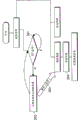
图3是图示了包括示范的基于隧穿的移动性支持设备的示范移动性支持系统的视图。FIG. 3 is a view illustrating an exemplary mobility support system including an exemplary tunneling-based mobility support device.
图4是图示了其中移动性支持服务器选择用于做出了隧道建立请求的移动节点的合适端路由器并且选择该端路由器的一个合适的隧道端IP地址的处理的流程图。4 is a flowchart illustrating a process in which the mobility support server selects an appropriate end router for the mobile node that has made a tunnel establishment request and selects an appropriate tunnel end IP address of the end router.
图5是图示了其中移动节点建立与移动性支持设备的端路由器的有效和备用隧道并且通过有效隧道来获取相对节点的地址信息的处理的分组流程图。5 is a packet flowchart illustrating a process in which a mobile node establishes active and standby tunnels with an end router of a mobility support device and acquires address information of an opposite node through the active tunnel.
图6是图示了包括示范的基于隧穿的移动性支持设备的示范移动性支持系统的视图。FIG. 6 is a view illustrating an exemplary mobility support system including an exemplary tunneling-based mobility support device.
图7是图示了在图6中的移动性支持设备中包括的每个移动性支持服务器的操作或处理机制的流程图。FIG. 7 is a flowchart illustrating the operation or processing mechanism of each mobility support server included in the mobility support device in FIG. 6 .
图8是图示了图6中的移动性支持设备中的每个端路由器用于管理移动性支持服务器的机制的流程图。FIG. 8 is a flowchart illustrating a mechanism by which each end router in the mobility support device in FIG. 6 manages a mobility support server.
图9是图示了在图6中的移动性支持设备中包括的端路由器和移动性支持服务器之间的协议处理的视图。FIG. 9 is a view illustrating protocol processing between an end router and a mobility support server included in the mobility support device in FIG. 6 .
图10是图示了其中在示范移动性支持设备中包括的示范移动性支持服务器处理与移动性支持服务器进行TCP连接的端路由器的处理的视图。FIG. 10 is a view illustrating a process in which an exemplary mobility support server included in an exemplary mobility support device processes an end router making a TCP connection with the mobility support server.
具体实施方式 Detailed ways
提供详细描述,以帮助读者增进对在这里描述的方法、设备和/或系统的综合理解。相应地,将向本领域的普通技术人员建议在这里描述的系统、设备、和/或方法的各种改变、修改、和等效物。同样,省略了公知的功能和构造的描述,以增加清楚性和简洁性。The detailed description is provided to help the reader improve their general understanding of the methods, devices and/or systems described herein. Accordingly, various changes, modifications, and equivalents of the systems, devices, and/or methods described herein will be suggested to one of ordinary skill in the art. Also, descriptions of well-known functions and constructions are omitted for increased clarity and conciseness.
首先,将描述由用以支持移动节点的基于隧穿的移动性的示范方法和系统所支持的移动性服务。First, mobility services supported by exemplary methods and systems to support tunneling-based mobility for mobile nodes will be described.
图1是图示了由用以支持移动节点的基于隧穿的移动性的示范方法和系统所支持的移动性服务的示例的视图。虽然图1图示了从Wi-Fi网络行进到WiBro网络的移动节点(MN)10,但是当前示例并不限于此情况。在图1中,附图标记22和24表示了到Wi-Fi网络和WiBro网络的网关或路由器。1 is a diagram illustrating an example of a mobility service supported by an exemplary method and system to support tunneling-based mobility of a mobile node. Although FIG. 1 illustrates a mobile node (MN) 10 traveling from a Wi-Fi network to a WiBro network, the present example is not limited to this case. In Fig. 1, reference numerals 22 and 24 denote gateways or routers to the Wi-Fi network and the WiBro network.
参考图1,移动节点10在IP网络核心上建立有效隧道和备有隧道。备用隧道指的是被保留用于如下有效隧道的临时或替代隧道,即在移动节点10被移动时、由于弱信号或遮蔽(blanket)区域而导致对于服务不可用的有效隧道。移动节点10可以是IPv4移动节点和/或IPv6移动节点(在下文中,称为IPv4/6移动节点)。移动节点10可以接入包括Wi-Fi网络和WiBro网络的异构网络,并且支持不同类型的网络之中的移动性。移动节点10也被称为移动性支持终端。在下文中,除非相反地指明,否则移动节点是指移动性支持IPv6移动节点。Referring to FIG. 1, a
从Wi-Fi网络行进到WiBro网络的移动性支持终端10通过Wi-Fi接口来建立有效隧道,并且通过WiBro接口来建立备用隧道。对于移动性支持终端10通过其来建立有效隧道和备用隧道的接口的类型不存在限制。例如,可以通过服务质量、服务费用或用户的选取来确定用于移动性支持终端10的有效隧道或备用隧道的接口类型。The
将结合图1来更详细地描述基于隧穿的移动性支持服务。当移动性支持终端10在图1所示的箭头的方向中移动时,由移动性支持终端10在Wi-Fi网络上经由有效隧道而接收的信号可能变弱。在此情况下,移动性支持终端10可以在Wi-Fi网络上向移动性支持服务器30通知它将通过备用隧道来保持通信。移动性支持服务器10然后可以将备用隧道改变到有效隧道,并继续在WiBro网络上进行通信。在此情况下,由于移动性支持终端10已经进行了用于WiBro网络的L2关联,并已经建立了IP隧道,所以可能使移交延迟最小化。尽管在图1中未示出,但是当在执行移交时、将备用隧道改变到有效隧道之后,移动性支持终端10在不同的接入网络(例如,诸如Wi-Fi网络或3GPP之类的移动通信网络)上建立另一备用隧道,以准备从WiBro网络的移交。The tunneling-based mobility support service will be described in more detail with reference to FIG. 1 . When the
根据移动性服务,尽管移动性支持终端10接入了除了当前接入的网络之外的网络,但是移动性支持终端10可以从移动性支持服务器30接收无缝服务。例如,当移动性支持终端10正在与连接到移动性支持服务器30的装置40(诸如,接入另一网络的网关41、服务服务器42或相对节点(CN)43)进行通信时,移动性支持终端10可以借助于基于隧穿的移动性服务来在不同的接入网络上继续进行与装置40的无缝通信。According to the mobility service, the
图2是图示了移动性支持终端10如何通过图1中的移动性支持系统来与相对节点43进行通信的视图。在图2中,假设了移动性支持终端10和相对节点43在IPv4网络(CoA,转交地址)上以IPv6(HoA,归属地址)来彼此通信。在图2中,没有示出由图1中的附图标记22和24标示的网关或路由器,并且没有示出备用隧道,这是因为它没有用于进行中的通信。附图标记52和54可以是其上建立了有效隧道的无线接入网络的附着点(POA)。例如,POA可以是Wi-Fi网络上的接入点(AP)或WiBro无线电接入站(RAS)。FIG. 2 is a view illustrating how the
参考图2,移动节点(MN)10产生包括了要发送到相对节点(CN)43的数据的第一IPv6分组(A),并且通过第一有效隧道来传送第一IPv6分组。如上所述,由于移动节点10和相对节点43在IPv4上的IPv6网络上进行通信,所以第一IPv6分组(A)包括数据、包括了关于被设置为目的地的相对节点43的信息的IPv6报头(IPv6 CN)、和包括了关于被设置为目的地的IPv4服务器的信息以使用IPv4网络的IPv4报头(IPv4服务器)。移动节点30通过第一有效隧道来接收第二IPv6分组(B)。第二IPv6分组(B)具有以下格式,其中当第一IPv6分组(A)穿过IPv4网络时,从第一IPv6分组(A)中去除IPv4报头。移动性支持服务器30生成第三IPv6分组(C),并且通过第二有效隧道来将它发送到相对节点43。由于还在IPv4网络上将第三IPv6分组(C)发送到相对节点43,所以第三IPv6分组(C)具有其中将IPv4报头(IPv4 CN)添加到第二IPv6分组(B)的格式。Referring to FIG. 2, the mobile node (MN) 10 generates a first IPv6 packet (A) including data to be transmitted to the opposite node (CN) 43, and transmits the first IPv6 packet through a first active tunnel. As described above, since the
图3是图示了包括示范的基于隧穿的移动性支持设备的示范移动性支持系统的视图。FIG. 3 is a view illustrating an exemplary mobility support system including an exemplary tunneling-based mobility support device.
参考图3,移动性支持设备130包括移动性支持服务器132和多个端路由器134a和134b。端路由器134a和134b中的每一个建立与移动节点110a、110b和110c之一的一对IP隧道(即,有效隧道和备用隧道)。基于移动节点110a、110b和110c之一(例如,移动节点110a)的请求,移动性支持服务器132选择端路由器134a和134b之一(例如,第一端路由器134a),以建立与移动节点110a的IP隧道。第一移动节点110a获取隧道端地址,以生成到所选择的第一端路由器134a的隧道,并且建立与第一端路由器134a的有效隧道和备用隧道。Referring to FIG. 3, a
移动节点110a、110b和110c中的每一个是移动性支持终端,其支持多个接口并支持所述接口之间的IPv6移动性。移动节点110a、110b或110c从移动性支持服务器132获取端路由器134a和134b之一的隧道端IP地址。移动节点110a、110b或110c使用所获取的隧道端IP地址、通过两个接口来建立与端路由器的一对IP隧道。该对IP隧道根据预定的准则而用作有效和备用隧道。该IP隧道可以(但不限于)是IPv6-IPv4隧道。Each of the mobile nodes 110a, 110b, and 110c is a mobility supporting terminal that supports a plurality of interfaces and supports IPv6 mobility between the interfaces. The mobile node 110 a , 110 b or 110 c obtains from the mobility support server 132 the tunnel end IP address of one of the end routers 134 a and 134 b . The mobile node 110a, 110b or 110c uses the obtained IP address of the tunnel end to establish a pair of IP tunnels with the end router through two interfaces. The pair of IP tunnels are used as active and backup tunnels according to predetermined criteria. The IP tunnel may (but is not limited to) be an IPv6-IPv4 tunnel.
可以将端路由器134a和134b中的每一个配置(但不限于)为处理IPv4和IPv6数据两者的双堆栈路由器。基于移动性支持服务器132的请求,端路由器134a或134b建立与已经请求了隧道建立的移动节点110a、110b或110c的一对IP隧道(例如,IPv6-IPv4隧道),并且通过所建立的隧道来与移动节点110a、110b或110c来进行通信。端路由器134a和134b可以通过传送控制协议(TCP)来进行IPv6通信,以与移动性支持服务器132交换IPv4/IPv6消息(例如,隧道建立请求/答复消息)。当初始地连接到移动性支持服务器132时,端路由器134a和134b可以根据预定的过程来向移动性支持服务器132注册。端路由器134a和134b可以在注册时或者在注册之后以规则或不规则的间隔来向移动性支持服务器132发送关于当前建立的隧道的数目和/或可用隧道的数目的信息。Each of end routers 134a and 134b may be configured (but not limited to) as a dual-stack router handling both IPv4 and IPv6 data. Based on the request of the mobility support server 132, the end router 134a or 134b establishes a pair of IP tunnels (for example, IPv6-IPv4 tunnels) with the mobile node 110a, 110b, or 110c that has requested tunnel establishment, and communicates via the established tunnel Communicates with a mobile node 110a, 110b or 110c. The end routers 134a and 134b may perform IPv6 communication through a Transport Control Protocol (TCP) to exchange IPv4/IPv6 messages (eg, tunnel establishment request/reply messages) with the mobility support server 132 . When initially connected to the mobility support server 132, the end routers 134a and 134b may register with the mobility support server 132 according to a predetermined procedure. The end routers 134a and 134b may transmit information about the number of currently established tunnels and/or the number of available tunnels to the mobility support server 132 at the time of registration or at regular or irregular intervals after registration.
例如,端路由器134a和134b可以确定服务隧道的类型(例如,IPv4上的IPv4隧道、IPv4上的IPv6隧道等),准备TCP连接的建立,传送和接收内部事件,与移动性支持服务器交换消息,或设置数据面上的隧道信息。For example, end routers 134a and 134b may determine the type of service tunnel (e.g., IPv4 tunnel over IPv4, IPv6 tunnel over IPv4, etc.), prepare for TCP connection establishment, transmit and receive internal events, exchange messages with mobility support servers, Or set the tunnel information on the data plane.
将移动性支持服务器132配置为支持异构接口之间的移动节点110a、110b和110c的移动性。响应于来自移动节点110a、110b和110c之一的隧道建立请求,移动性支持服务器132根据预定的准则来选择端路由器134a和134b之一。移动性支持服务器132向该移动节点和所选择的端路由器发送信息,使得可以在该移动节点和所选择的端路由器之间建立IP隧道(即,有效和备用隧道)。还将移动性支持服务器132配置为用作用于维护、管理、终结或切换所建立的隧道的控制服务器。The mobility support server 132 is configured to support mobility of the mobile nodes 110a, 110b, and 110c between heterogeneous interfaces. In response to a tunnel establishment request from one of the mobile nodes 110a, 110b and 110c, the mobility support server 132 selects one of the end routers 134a and 134b according to predetermined criteria. The mobility support server 132 sends information to the mobile node and the selected end router so that IP tunnels (ie, active and backup tunnels) can be established between the mobile node and the selected end router. The mobility support server 132 is also configured to act as a control server for maintaining, managing, terminating or switching established tunnels.
如果当增加移动节点的数目时、将新的端路由器添加到移动性支持设备130,则移动性支持服务器132注册新的端路由器。移动性支持服务器132存储关于新端路由器的信息,并且以规则和/或不规则的间隔来有规律地监视关于所有已注册的端路由器的状态信息。If a new end router is added to the
例如,移动性支持服务器132可以确定端路由器,建立与端路由器的TCP连接,与端路由器交换消息,选择端路由器,选择端路由器的隧道端地址,或建立/删除/维持/切换到端路由器的隧道。For example, the mobility support server 132 may determine a peer router, establish a TCP connection with a peer router, exchange messages with a peer router, select a peer router, select a tunnel peer address of a peer router, or establish/delete/maintain/switch to a peer router. tunnel.
当从移动节点接收到隧道建立请求时,移动性支持服务器基于预定的准则(例如,服务隧道、隧道的数目、具有最低业务负载的端路由器、地址前缀和/或随机选取)来选择端路由器,以建立与移动节点的IP隧道。端路由器可以拥有多个隧道端IP地址。在此情况下,移动性支持服务器可以考虑到控制服务器来选择合适的端路由器,并且选择所选择的端路由器的一个合适的隧道端IP地址。When receiving a tunnel establishment request from a mobile node, the mobility support server selects a side router based on predetermined criteria (e.g. serving tunnel, number of tunnels, side router with lowest traffic load, address prefix and/or random selection), To establish an IP tunnel with the mobile node. End routers can have multiple tunnel end IP addresses. In this case, the mobility support server may select an appropriate end router in consideration of the control server, and select an appropriate tunnel end IP address of the selected end router.
图4是图示了其中移动性支持服务器选择用于做出了隧道建立请求的移动节点的合适端路由器并且选择该端路由器的一个合适的隧道端IP地址的处理的流程图。4 is a flowchart illustrating a process in which the mobility support server selects an appropriate end router for the mobile node that has made a tunnel establishment request and selects an appropriate tunnel end IP address of the end router.
参考图4,移动性支持服务器从移动节点接收隧道建立请求消息(操作1)。隧道建立请求消息包括与要建立的隧道相关联的、由移动节点请求的特定条件(例如,隧道的类型)。移动性支持服务器选择满足了所请求的条件(例如,支持所请求的隧道类型)的所注册的端路由器之一(操作2)。在此情况下,移动性支持服务器可以考虑到每个端路由器的隧道总数、可用性(业务量)、或前缀来选择合适的端路由器。在所选择的端路由器的多个隧道端地址之中,考虑到当前通过每个隧道端地址而建立的隧道的数目来为移动节点选择隧道端地址(操作3)。一旦选择了隧道端地址,对应的端路由器通过所选择的隧道端路由器来建立用于移动节点的IP隧道(操作4)。同时,对应的端路由器向移动节点发送包括了所选择的隧道端地址的隧道建立响应消息。移动节点可以使用该隧道端地址来建立到端路由器的IP隧道。Referring to FIG. 4, a mobility support server receives a tunnel establishment request message from a mobile node (operation 1). The Tunnel Establishment Request message includes specific conditions requested by the mobile node associated with the tunnel to be established (eg, the type of tunnel). The mobility support server selects one of the registered end routers that satisfies the requested condition (eg, supports the requested tunnel type) (operation 2). In this case, the mobility support server can select an appropriate end router in consideration of the total number of tunnels, availability (traffic volume), or prefixes of each end router. Among the plurality of tunnel end addresses of the selected end router, a tunnel end address is selected for the mobile node in consideration of the number of tunnels currently established through each tunnel end address (operation 3). Once the tunnel end address is selected, the corresponding end router establishes an IP tunnel for the mobile node through the selected tunnel end router (operation 4). At the same time, the corresponding end router sends a tunnel establishment response message including the selected tunnel end address to the mobile node. The mobile node can use the tunnel end address to establish an IP tunnel to the end router.
图5是图示了以下处理的分组流程图,其中在图3中的移动性支持系统中,移动节点110a建立与移动性支持设备130的第一端路由器134a的有效和备用隧道,并且通过有效隧道来与相对节点进行通信。由于可以将图5所示的用于建立有效隧道的处理应用于建立备用隧道的处理,所以现在将仅仅描述其中第一移动节点110a建立与第一端路由器134a的有效隧道的处理。在图5中,分组流程图图示了IPv6移动节点使用IPv4网络。以IPv4/IPv6来将第一端路由器134a连接到移动性支持服务器132。移动性支持服务器132可以是IPv4/IPv6双堆栈服务器。FIG. 5 is a packet flow diagram illustrating the process in which, in the mobility support system in FIG. 3, the mobile node 110a establishes active and standby tunnels with the first-end router 134a of the mobility support Tunnel to communicate with the opposite node. Since the process for establishing an active tunnel shown in FIG. 5 can be applied to the process for establishing a standby tunnel, only the process in which the first mobile node 110a establishes an active tunnel with the first end router 134a will now be described. In FIG. 5, a group flow diagram illustrates the use of an IPv4 network by an IPv6 mobile node. The first-end router 134a is connected to the mobility support server 132 with IPv4/IPv6. The mobility support server 132 may be an IPv4/IPv6 dual stack server.
参考图5,第一移动节点110a在IPv4通信中向移动性支持服务器132发送隧道建立请求消息(操作11)。隧道建立请求消息可以具有以下格式,其中指定移动性支持服务器132为目的地的IPv4报头被添加到关于隧道建立请求(例如,包括了有关要建立的隧道的特定条件的隧道建立请求)的信息。Referring to FIG. 5, the first mobile node 110a transmits a tunnel establishment request message to the mobility support server 132 in IPv4 communication (operation 11). The tunnel establishment request message may have a format in which an IPv4 header designating the mobility support server 132 as a destination is added to information on a tunnel establishment request (for example, a tunnel establishment request including specific conditions on a tunnel to be established).
在从第一移动节点110a接收到隧道建立请求消息之后,移动性支持服务器132根据预定的准则来选择端路由器134a和134b之一(例如,第一端路由器134a),并且向所选择的第一端路由器134a发送隧道建立请求消息(操作12)。如果所选择的端路由器134a拥有多个隧道端地址(如参考图4所描述的),移动性支持服务器132可以选择一个合适的隧道端地址,并且向所选择的端路由器134a发送隧道建立请求消息。After receiving the tunnel establishment request message from the first mobile node 110a, the mobility support server 132 selects one of the end routers 134a and 134b (for example, the first end router 134a) according to predetermined criteria, and sends the selected first end router 134a End router 134a sends a tunnel establishment request message (operation 12). If the selected end router 134a has a plurality of tunnel end addresses (as described with reference to FIG. 4 ), the mobility support server 132 can select an appropriate tunnel end address, and send a tunnel establishment request message to the selected end router 134a .
在接收到隧道建立请求消息之后,所选择的第一端路由器134a通过所选择的隧道端地址来生成用于第一移动节点110a的IP隧道。响应于该隧道建立请求消息,第一端路由器134a向移动性支持服务器132发送隧道建立响应消息(操作13)。移动性支持服务器132在IPv4通信中向第一移动节点110a发送隧道建立响应消息(操作14)。隧道建立响应消息也可以具有以下格式,其中指定第一移动节点110a为目的地的IPv4报头被添加到关于隧道建立响应的消息。隧道建立响应消息包括所选择的第一端路由器134a的所选择的隧道端地址,例如IPv4地址。第一端路由器134a的IPv4地址用于使第一移动节点110a建立与第一端路由器134a的IP隧道。尽管在图5中未示出,但是第一移动节点110a使用所接收的IPv4地址来建立与第一端路由器134a的IP隧道。After receiving the tunnel setup request message, the selected first-end router 134a creates an IP tunnel for the first mobile node 110a through the selected tunnel-end address. In response to the tunnel establishment request message, the first-end router 134a transmits a tunnel establishment response message to the mobility support server 132 (operation 13). The mobility support server 132 transmits a tunnel establishment response message to the first mobile node 110a in IPv4 communication (operation 14). The tunnel establishment response message may also have a format in which an IPv4 header designating the first mobile node 110a as a destination is added to the message on the tunnel establishment response. The tunnel establishment response message includes the selected tunnel end address, such as an IPv4 address, of the selected first end router 134a. The IPv4 address of the first-end router 134a is used to enable the first mobile node 110a to establish an IP tunnel with the first-end router 134a. Although not shown in FIG. 5, the first mobile node 110a uses the received IPv4 address to establish an IP tunnel with the first end router 134a.
第一移动节点110a发送关于相对节点的信息请求消息(操作15)。通过所建立的IP隧道来向第一端路由器134a首先发送信息请求消息。信息请求消息可以具有以下格式,所述格式包括指示了相对节点信息请求的消息、将移动性支持服务器132指定为最后的目的地的IPv6报头(IPv6服务器)、和将第一端路由器134a指定为目的地的IPv4报头(IPv4路由器)。第一端路由器134a参考在信息请求消息的IPv6报头中包含的目的地,以向移动性支持服务器132发送信息请求消息(操作16)。信息请求消息包括指示了相对节点信息请求的消息和将移动性支持服务器132指定为目的地的IPv6报头(IPv6服务器)。The first mobile node 110a transmits an information request message on the opposite node (operation 15). An information request message is first sent to the first-end router 134a through the established IP tunnel. The information request message may have a format including a message indicating a relative node information request, an IPv6 header specifying the mobility support server 132 as the final destination (IPv6 server), and specifying the first-end router 134a as IPv4 header for the destination (IPv4 router). The first-end router 134a refers to the destination included in the IPv6 header of the information request message to transmit the information request message to the mobility support server 132 (operation 16). The information request message includes a message indicating a relative node information request and an IPv6 header (IPv6 server) specifying the mobility support server 132 as a destination.
移动性支持服务器132向第一端路由器134a发送包括了所请求的相对节点的地址的信息请求响应消息(操作17)。信息请求响应消息包括对于信息请求的响应和将第一移动节点110a指定为目的地的IPv6报头(IPv6报头移动节点)。第一端路由器134通过所建立的IP隧道来转发信息请求响应消息(操作18)。由于使用了用于IPv6报头移动节点的隧道,所以信息请求响应消息还包括被添加到从移动性支持服务器130接收的信息请求响应消息的、将第一移动节点110a指定为目的地的IPv4报头。The mobility support server 132 transmits an information request response message including the address of the requested opposite node to the first-end router 134a (operation 17). The information request response message includes a response to the information request and an IPv6 header specifying the first mobile node 110a as a destination (IPv6 header mobile node). The first-end router 134 forwards the information request response message through the established IP tunnel (operation 18). The information request response message also includes an IPv4 header specifying the first mobile node 110 a as a destination added to the information request response message received from the
在建立了与第一端路由器134a的IP隧道和获取了相对节点的地址信息之后,第一移动节点110a通过所建立的IP隧道(有效隧道、或移交时所激活的备用隧道)来向第一端路由器134a发送要转发到相对节点的消息。第一端路由器134a通过与相对节点建立的另一IP隧道来向相对节点转发从第一移动节点110a接收的消息。After setting up the IP tunnel with the first-end router 134a and obtaining the address information of the opposite node, the first mobile node 110a sends the first mobile node 110a to the first End router 134a sends the message to be forwarded to the opposite node. The first-end router 134a forwards the message received from the first mobile node 110a to the opposite node through another IP tunnel established with the opposite node.
图6是图示了包括示范的基于隧穿的移动性支持设备的示范移动性支持系统的视图。随着订户的数目增加,移动性支持设备230可以以主动和灵活的方式来扩展其容量。现在,将与参考图3而描述的示例相比来详细地描述当前示例。FIG. 6 is a view illustrating an exemplary mobility support system including an exemplary tunneling-based mobility support device. As the number of subscribers increases, the mobility support device 230 can expand its capacity in a proactive and flexible manner. Now, the present example will be described in detail in comparison with the example described with reference to FIG. 3 .
参考图6,移动性支持设备230包括多个移动性支持服务器232a、232b和232c以及多个端路由器234a、234b和234c。可以将移动性支持服务器232a、232b和232c中的每一个以及端路由器234a、234b和234c中的每一个配置为在服务器群(farm)IPv4/IPv6网络中彼此通信。在当前的示例中,可以根据已预订了移动支持服务的订户的数目或容量来动态地扩展端路由器234a、234b和234c的数目以及移动性支持服务器232a、232b和232c的数目。Referring to FIG. 6, a mobility support device 230 includes a plurality of mobility support servers 232a, 232b, and 232c and a plurality of end routers 234a, 234b, and 234c. Each of the mobility support servers 232a, 232b, and 232c and each of the end routers 234a, 234b, and 234c may be configured to communicate with each other in a server farm IPv4/IPv6 network. In the current example, the number of end routers 234a, 234b, and 234c and the number of mobility support servers 232a, 232b, and 232c may be dynamically expanded according to the number or capacity of subscribers who have subscribed to the mobility support service.
移动性支持服务器230还包括负载平衡器236。该负载平衡器236适于调整移动性支持服务器232a、232b和232c之间的负载。当从移动节点110接收到隧道建立请求消息时,负载平衡器236选择移动性支持服务器232a、232b和232c之一,以基于支持了负载均衡的预定算法(诸如,循环算法或散列(hash)算法)来向移动节点10提供移动性服务。相应地,当从移动节点110接收到隧道建立请求消息时,负载平衡器236向所选择的移动性支持服务器(例如,第二移动性支持服务器232b)转发隧道建立请求消息。可以与已经参考图5而描述的操作12到14相似地执行用于建立IP隧道的剩余操作。The mobility support server 230 also includes a load balancer 236 . The load balancer 236 is adapted to adjust the load among the mobility support servers 232a, 232b and 232c. When receiving a tunnel establishment request message from the mobile node 110, the load balancer 236 selects one of the mobility support servers 232a, 232b, and 232c to support load balancing based on a predetermined algorithm (such as a round-robin algorithm or hash (hash) Algorithm) to provide mobility services to the
更具体地,移动节点210向负载平衡器236发送隧道建立请求消息(操作21)。负载平衡器236向根据预定准则而选择的移动性支持服务器(例如,第二移动性支持服务器232b)转发隧道建立请求消息(操作22)。在从负载平衡器236接收到隧道建立请求消息之后,第二移动性支持服务器232b基于预定的准则(诸如,可用隧道的数目、业务量、地址前缀或随机选取)来选择当前注册的端路由器234a、234b和234c之一(或者,如果端路由器拥有多个隧道端地址,则选择隧道端地址),并且向所选择的端路由器(例如,第一端路由器234a)转发隧道建立请求消息(操作23)。第一端路由器234a生成隧道,并且向移动性支持服务器232b通知隧道生成结果(操作24)。隧道支持服务器232b向移动节点210发送对于隧道建立请求消息的响应(即,隧道建立响应消息)(操作25)。隧道建立响应消息包括要建立的IP隧道的端地址,即所选择的端路由器的隧道端地址。在接收到隧道建立响应消息之后,移动节点210建立到在所接收的消息中包含的IP隧道的端地址的IP隧道。More specifically, the mobile node 210 sends a tunnel establishment request message to the load balancer 236 (operation 21). The load balancer 236 forwards the tunnel establishment request message to a mobility support server (eg, the second mobility support server 232b) selected according to a predetermined criterion (operation 22). After receiving the tunnel establishment request message from the load balancer 236, the second mobility support server 232b selects the currently registered end router 234a based on predetermined criteria such as the number of available tunnels, traffic volume, address prefixes or random selection , 234b and 234c (or, if the end router has multiple tunnel end addresses, select the tunnel end address), and forward the tunnel establishment request message to the selected end router (for example, the first end router 234a) (operation 23 ). The first-end router 234a generates a tunnel, and notifies the mobility support server 232b of the tunnel generation result (operation 24). The tunnel support server 232b transmits a response to the tunnel establishment request message (ie, a tunnel establishment response message) to the mobile node 210 (operation 25). The tunnel establishment response message includes the end address of the IP tunnel to be established, that is, the tunnel end address of the selected end router. After receiving the tunnel establishment response message, the mobile node 210 establishes an IP tunnel to the end address of the IP tunnel contained in the received message.
图7是图示了在图6中的移动性支持设备230中包括的移动性支持服务器232a、232b和232c中的每一个的操作或处理机制的流程图。FIG. 7 is a flowchart illustrating the operation or processing mechanism of each of the mobility support servers 232a, 232b, and 232c included in the mobility support device 230 in FIG. 6 .
参考图7,操作101是移动性支持服务器注册关于端路由器的信息的处理,以及操作102是移动性支持服务器管理关于端路由器的信息的处理。更具体地,如果移动性支持服务器接收到用于添加端路由器的命令,则相应地,移动性支持服务器附加地注册端路由器(操作101)。用于添加端路由器的命令可以(但不限于)是由操作员输入的信号。移动性支持服务器管理和存储关于可以与其通信的端路由器的信息(操作102)。该信息用于使移动性支持服务器选择和管理端路由器(和隧道端地址),诸如由每个对应端路由器拥有的隧道端地址的列表或通过每个隧道端地址而建立的隧道的数目。可以以规则或不规则的间隔或通过请求来从每个端路由器传送该信息。Referring to FIG. 7,
操作103到107图示了用于支持端路由器和移动节点之间的隧道建立过程的、移动性支持服务器中的处理或机制。移动性支持服务器接收隧道建立请求消息(操作103)。隧道建立请求消息可以(但不限于)是从负载平衡器(参见图6)接收的消息。移动性支持服务器基于预定的准则来选择端路由器之一,以对所接收的隧道建立请求消息进行响应(操作104)。在操作104中,如果所选择的端路由器拥有多个隧道端地址,则移动性支持服务器可以选择隧道端地址之一。移动性支持服务器可以例如基于由端路由器使用的隧道的数目、隧道的可用性(例如,业务量)、前缀和/或随机选取、或其组合来选择端路由器(或隧道端地址)。另外,移动性支持服务器可以基于隧道的类型(例如,IPv4上的IPv4、IPv4上的IPv6、IPv6上的IPv4或IPv6上的IPv6)来选择端路由器(或隧道端地址)。可以由操作员来确定选择准则。
移动性支持服务器向所选择的端路由器发送隧道建立请求消息(操作105)。端路由器接收隧道建立请求消息,并且建立用于移动节点的IP隧道。移动性支持服务器从端路由器接收隧道建立响应消息(操作106),并且向移动节点转发该隧道建立响应消息(操作107)。该隧道建立响应消息包括端路由器的IP地址,即IP隧道的端地址。该IP地址用于使移动节点建立与端路由器的IP隧道。The mobility support server sends a tunnel establishment request message to the selected end router (operation 105). The end router receives the Tunnel Establishment Request message and establishes an IP tunnel for the mobile node. The mobility support server receives the tunnel establishment response message from the end router (operation 106), and forwards the tunnel establishment response message to the mobile node (operation 107). The tunnel establishment response message includes the IP address of the end router, that is, the end address of the IP tunnel. The IP address is used to enable the mobile node to establish an IP tunnel with the end router.
图8是图示了图6中的移动性支持设备230中的端路由器234a、234b和234c中的每一个用于管理移动性支持服务器的机制的流程图。如上所述,端路由器以TCP来与移动性支持服务器进行通信,并且考虑到TCP而用作服务器。FIG. 8 is a flowchart illustrating a mechanism by which each of the end routers 234a, 234b, and 234c in the mobility support device 230 in FIG. 6 manages a mobility support server. As described above, the end router communicates with the mobility support server in TCP, and functions as a server in consideration of TCP.
参考图8,端路由器准备TCP连接(操作201)。如果移动性支持服务器做出TCP连接,则端路由器注册该移动性支持服务器(操作202)。在此情况下,端路由器可以在所共享的存储器中存储关于移动性支持服务器的信息,以执行该注册操作。端路由器通知新移动性支持服务器已经注册的消息接收功能(诸如,接收线程)和消息发送功能(诸如,发送线程)。在此情况下,由于消息接收功能和消息发送功能在同一处理器中以线程来进行工作,所以端路由器可以使用事件信号来通知该消息接收功能和该消息发送功能。Referring to FIG. 8, an end router prepares a TCP connection (operation 201). If the mobility support server makes a TCP connection, the end router registers the mobility support server (operation 202). In this case, the end router may store information on the mobility support server in the shared memory to perform the registration operation. The end router notifies the message receiving function (such as receiving thread) and message sending function (such as sending thread) that the new mobility support server has registered. In this case, since the message receiving function and the message sending function work as threads in the same processor, the end router can notify the message receiving function and the message sending function using an event signal.
在被通知已经注册了新的移动性支持服务器之后,当必要时,该消息接收功能和该消息发送功能可以从所共享的存储器中获取关于所注册的移动性支持服务器的信息,并且在传送或接收时使用该信息。更具体地,当从移动性支持服务器接收到隧道建立请求消息时,该消息接收功能处理所接收的消息,并将隧道信息插入到要用于隧穿的数据面中(操作204)。为此操作,该消息接收功能(即,接收线程)需要关于所注册的移动性支持服务器的信息,以从该移动性支持服务器接收消息。该消息发送功能(即,发送线程)使用关于所注册的移动性支持服务器的信息,以发送隧道建立请求响应消息或用于向移动性支持服务器通知其状态的消息,例如保持有效(Keep Alive)消息。After being notified that a new mobility support server has been registered, when necessary, the message reception function and the message transmission function can acquire information about the registered mobility support server from the shared memory, and transmit or Use this information when receiving. More specifically, when a tunnel establishment request message is received from the mobility support server, the message reception function processes the received message and inserts tunnel information into a data plane to be used for tunneling (operation 204). For this operation, the message receiving function (ie, receiving thread) needs information about the registered mobility support server in order to receive messages from the mobility support server. This message sending function (i.e., sending thread) uses information about the registered mobility support server to send a tunnel establishment request response message or a message for notifying the mobility support server of its status, such as Keep Alive information.
除非实时地通知了新移动性支持服务器的注册,否则该消息接收功能将不从移动性支持服务器接收消息,并且该消息发送功能将不向移动性支持服务器发送消息或者不实时地发送消息。例如,如果端路由器与利用该端路由器而注册的单一移动性支持服务器进行通信,则端路由器根据TCP/IP机制而仅仅等待从所注册的移动性支持服务器接收消息。除非端路由器识别出已经添加了新的移动性支持服务器,否则该消息接收功能不可以从新移动性支持服务器接收消息,这是由于该消息不是来自所注册的移动性支持服务器。作为结果,该消息接收功能保持等待仅来自所注册的移动性支持服务器的消息。如果该消息接收功能如在上述示例中一样接收到事件信号,则端路由器的消息接收功能可以准备从新移动性支持服务器接收消息。Unless the registration of a new mobility support server is notified in real time, the message receiving function will not receive messages from the mobility support server, and the message sending function will not send messages to the mobility support server or in real time. For example, if an end router communicates with a single mobility support server registered with the end router, the end router simply waits to receive a message from the registered mobility support server according to the TCP/IP mechanism. Unless the end router recognizes that a new mobility support server has been added, the message receiving function cannot receive a message from the new mobility support server since the message is not from the registered mobility support server. As a result, the message receiving function keeps waiting for messages only from the registered mobility support server. If the message receiving function receives an event signal as in the above example, the message receiving function of the end router may prepare to receive a message from the new mobility support server.
图9是图示了在图6中的移动性支持设备230中包括的端路由器234a、234b或234c和移动性支持服务器232a、232b或232c之间的协议处理的视图。FIG. 9 is a view illustrating protocol processing between the end router 234a, 234b, or 234c and the mobility support server 232a, 232b, or 232c included in the mobility support apparatus 230 in FIG. 6 .
端路由器通过端路由器的操作员来设置诸如隧道端地址和所支持的隧道类型之类的信息(操作301)。例如,隧道端地址可以是(IPv4上的IPv4或IPv4上的IPv6隧道中的)隧道端IPv4地址。端路由器可以拥有多个隧道端地址。隧道类型信息例如可以是IPv4上的IPv4、IPv4上的IPv6、IPv6上的IPv4或IPv6上的IPv6。移动性支持服务器设置其自身的IP地址(操作302)。例如,如果移动性支持服务器是IPv4/IPv6双堆栈服务器,则它设置IPv4和IPv6地址两者。The end router sets information such as tunnel end addresses and supported tunnel types by an operator of the end router (operation 301 ). For example, the tunnel end address may be a tunnel end IPv4 address (in an IPv4 over IPv4 or IPv6 over IPv4 tunnel). An end router can have multiple tunnel end addresses. The tunnel type information may be, for example, IPv4 over IPv4, IPv6 over IPv4, IPv4 over IPv6, or IPv6 over IPv6. The mobility support server sets its own IP address (operation 302). For example, if the mobility support server is an IPv4/IPv6 dual-stack server, it sets both IPv4 and IPv6 addresses.
端路由器等待TCP连接请求信号(操作303)。同时,如果端路由器从移动性支持服务器接收到TCP连接请求信号(操作304),则端路由器通过在所共享的存储器等中存储关于移动性支持服务器的信息来执行注册过程(操作305)。一旦完成了该注册,端路由器就发送事件信号,以向其自身的发送和接收线程通知完成的注册,并且向移动性支持服务器通知完成的注册(操作306)。The end router waits for a TCP connection request signal (operation 303). Meanwhile, if the end router receives a TCP connection request signal from the mobility support server (operation 304), the end router performs a registration process by storing information on the mobility support server in a shared memory or the like (operation 305). Once this registration is completed, the end router sends an event signal to notify its own sending and receiving threads of the completed registration and to the mobility support server of the completed registration (operation 306).
移动性支持服务器向端路由器发送用于请求隧道端地址信息的消息(操作307)。作为响应,端路由器向移动性支持服务器发送包括了隧道端地址信息的隧道端地址响应消息(操作308)。移动性支持服务器注册端路由器的所接收的隧道端地址(操作309)。一旦在端路由器和移动性支持服务器之间完成了该注册过程,端路由器和移动性支持服务器两者就准备向彼此提供服务。端路由器和移动性支持服务器以规则的间隔来彼此交换保持有效(KeepAlive)消息,或当必要时,保持监视彼此的状态(操作310)。The mobility support server sends a message for requesting tunnel end address information to the end router (operation 307). In response, the end router sends a tunnel end address response message including the tunnel end address information to the mobility support server (operation 308). The mobility support server registers the received tunnel end address of the end router (operation 309). Once this registration process between the end router and the mobility support server is completed, both the end router and the mobility support server are ready to provide services to each other. The end router and the mobility support server exchange KeepAlive messages with each other at regular intervals, or when necessary, keep monitoring each other's status (operation 310).
在从移动节点或负载平衡器接收到隧道建立请求消息之后,移动性支持服务器向端路由器转发隧道建立请求消息,并且向端路由器发送隧道切换请求消息和/或隧道删除请求消息(操作311)。在从移动性支持服务器接收到隧道建立/删除/切换请求消息之后,端路由器建立与移动节点的新隧道,或者删除或切换所建立的隧道(操作312)。即,移动性支持服务器通过建立、切换或删除移动节点和端路由器之间的IP隧道来管理IPv6路由。端路由器向移动性支持服务器发送隧道建立/删除/切换响应消息(操作313)。After receiving the tunnel establishment request message from the mobile node or the load balancer, the mobility support server forwards the tunnel establishment request message to the end router, and sends a tunnel switching request message and/or a tunnel deletion request message to the end router (operation 311). After receiving the tunnel establishment/deletion/handover request message from the mobility support server, the end router establishes a new tunnel with the mobile node, or deletes or switches the established tunnel (operation 312). That is, the mobility support server manages IPv6 routing by establishing, switching, or deleting the IP tunnel between the mobile node and the end router. The end router sends a tunnel establishment/deletion/handover response message to the mobility support server (operation 313).
当必要时,移动性支持服务器被关断,或者向端路由器发送TCP连接关闭(Connection Close)消息(操作314)。在从移动性支持服务器接收到TCP连接关闭消息之后,端路由器取消移动性支持服务器的注册。在此情况下,端路由器可以发送事件信号,以向发送和接收线程通知已经取消了移动性支持服务器的注册。When necessary, the mobility support server is shut down, or sends a TCP connection close (Connection Close) message to the end router (operation 314). After receiving the TCP connection close message from the mobility support server, the end router cancels the registration of the mobility support server. In this case, the end router may send an event signal to notify the sending and receiving threads that the registration of the mobility support server has been canceled.
表1示出了在图9中的协议处理中在端路由器和移动性支持服务器之间交换的消息。在表1中,仅仅为了说明性目的而指定了消息。Table 1 shows the messages exchanged between the end router and the mobility support server in the protocol process in FIG. 9 . In Table 1, messages are specified for illustrative purposes only.
表1Table 1
[表1][Table 1]
[表格][sheet]


参考表1,将端路由器和移动性支持服务器之间的通信中的消息分类为隧道相关消息、两重性相关消息、查询相关消息和通知相关消息。隧道相关消息与移动节点和端路由器之间的隧道的建立/管理/删除/切换相关。隧道相关消息的示例包括保持有效消息、服务器注册消息、隧道端请求消息、隧道端响应消息、隧道操作请求消息、隧道操作响应消息、和隧道删除所有消息。两重性相关消息与有效和备用隧道相关。两重性相关消息的示例是TGW(隧道网关)角色消息。查询相关消息的示例包括TGW查询请求消息和TGW查询响应消息。通知相关消息的示例是TGW通知消息。Referring to Table 1, messages in communication between an end router and a mobility support server are classified into tunnel related messages, duality related messages, query related messages, and notification related messages. Tunnel-related messages are related to the establishment/management/deletion/handover of tunnels between the mobile node and the end router. Examples of tunnel-related messages include keep-alive messages, server registration messages, tunnel end request messages, tunnel end response messages, tunnel operation request messages, tunnel operation response messages, and tunnel delete all messages. Duality related messages are related to active and backup tunnels. An example of a duality related message is a TGW (Tunnel Gateway) role message. Examples of query related messages include a TGW query request message and a TGW query response message. An example of a notification related message is a TGW notification message.
表2示出了可以在表1中的消息中包括的元素。更具体地,所述元素是对象的类型。表1中的消息可以是基于对象的消息,其包括表2中的一个或多个对象。应理解,表格中的每个消息还可以包括在该消息中共同包括的公共报头。Table 2 shows elements that may be included in the messages in Table 1. More specifically, the elements are types of objects. The messages in Table 1 may be object-based messages that include one or more objects in Table 2. It should be understood that each message in the table may also include a common header that is commonly included in that message.
表2示出了对象的18个类型,其仅仅是说明性的。可以将每个对象配置为包括具有被共同包括的对象报头的唯一信息。Table 2 shows 18 types of objects, which are only illustrative. Each object can be configured to include unique information with a commonly included object header.
表2Table 2
[表2][Table 2]
[表格][sheet]
图10是图示了其中在示范移动性支持设备中包括的示范移动性支持服务器处理与移动性支持服务器进行TCP连接的端路由器的处理的视图。FIG. 10 is a view illustrating a process in which an exemplary mobility support server included in an exemplary mobility support device processes an end router making a TCP connection with the mobility support server.
参考图10,如果在移动性支持服务器和端路由器之间进行初始TCP连接,则移动性支持服务器将端路由器设置为初始(INIT)状态(操作401)。移动性支持服务器向端路由器发送服务器注册请求(Server Register Request)消息,并且将端路由器改变到发送(SENT)状态(操作402)。移动性支持服务器可以向端路由器发送不同类型的请求消息,并将端路由器改变到发送状态。在发送状态或将被描述的打开(OPEN)状态时,移动性支持服务器可以从端路由器接收隧道端地址修改(Tunnel End Address Modify)消息或隧道端地址通知(Tunnel End Address Notify)消息。Referring to FIG. 10, if an initial TCP connection is made between the mobility support server and the end router, the mobility support server sets the end router to an initial (INIT) state (operation 401). The mobility support server sends a Server Register Request (Server Register Request) message to the end router, and changes the end router to a sending (SENT) state (operation 402). The mobility support server can send different types of request messages to the end router and change the end router to the sending state. The mobility support server may receive a Tunnel End Address Modify (Tunnel End Address Modify) message or a Tunnel End Address Notify (Tunnel End Address Notify) message from the end router in the sending state or the described open (OPEN) state.
在发送状态时,移动性支持服务器向端路由器发送隧道端地址请求(Tunnel End Address Request)消息,并且作为响应而接收包括了隧道端地址的隧道端地址响应(Tunnel End Address Response)消息。在此情况下,移动性支持服务器将端路由器设置为打开状态(操作403)。打开状态指示了可以通过端路由器来提供基于隧穿的移动性支持服务。当接收到隧道端地址删除请求(Tunnel End Address Delete Request)消息时,移动性支持服务器将端路由器设置为关闭(CLOSE)状态(操作404)。When sending the status, the mobility support server sends a Tunnel End Address Request (Tunnel End Address Request) message to the end router, and receives a Tunnel End Address Response (Tunnel End Address Response) message including the tunnel end address as a response. In this case, the mobility support server sets the end router to an open state (operation 403). The open state indicates that the tunneling-based mobility support service can be provided through the end router. When receiving the Tunnel End Address Delete Request (Tunnel End Address Delete Request) message, the mobility support server sets the end router to a closed (CLOSE) state (operation 404).
上面已经描述了几个示范实施例。然而,将理解可以做出各种修改。例如,如果以不同的顺序来执行所描述的技术、和/或如果以不同的方式来组合所描述的系统、架构、装置、或电路中的组件、和/或通过其他组件或其等效物来替换或补充所述组件,则可以实现适当的结果。相应地,其他实现处于以下权利要求的范围内。Several exemplary embodiments have been described above. However, it will be understood that various modifications may be made. For example, if the described techniques were performed in a different order, and/or if components in the described system, architecture, apparatus, or circuit were combined in a different manner, and/or by other components or their equivalents, Suitable results can be achieved by replacing or supplementing the described components. Accordingly, other implementations are within the scope of the following claims.
产业适用性Industry Applicability
可以将本发明应用于用于支持移动节点在异构IP网络上的移动性的移动性支持服务以及用于该移动性支持服务的网络系统。The present invention can be applied to a mobility support service for supporting mobility of a mobile node on a heterogeneous IP network and a network system for the mobility support service.
Claims (16)
Applications Claiming Priority (5)
| Application Number | Priority Date | Filing Date | Title |
|---|---|---|---|
| KR10-2008-0122658 | 2008-12-04 | ||
| KR20080122658 | 2008-12-04 | ||
| KR10-2009-0027766 | 2009-03-31 | ||
| KR20090027766A KR101057815B1 (en) | 2008-12-04 | 2009-03-31 | Tunneling-based mobility support device and method |
| PCT/KR2009/006898 WO2010064801A2 (en) | 2008-12-04 | 2009-11-23 | Tunneling-based mobility support equipment and method |
Publications (2)
| Publication Number | Publication Date |
|---|---|
| CN102273254A CN102273254A (en) | 2011-12-07 |
| CN102273254B true CN102273254B (en) | 2014-03-12 |
Family
ID=42363979
Family Applications (1)
| Application Number | Title | Priority Date | Filing Date |
|---|---|---|---|
| CN200980107223.5A Expired - Fee Related CN102273254B (en) | 2008-12-04 | 2009-11-23 | Tunneling-based mobility support equipment and method |
Country Status (4)
| Country | Link |
|---|---|
| US (1) | US8594099B2 (en) |
| JP (1) | JP4980468B2 (en) |
| KR (1) | KR101057815B1 (en) |
| CN (1) | CN102273254B (en) |
Families Citing this family (16)
| Publication number | Priority date | Publication date | Assignee | Title |
|---|---|---|---|---|
| KR100901790B1 (en) * | 2006-12-04 | 2009-06-11 | 한국전자통신연구원 | CONTROL TUNNEL AND DIRECT TUNNEL CONFIGURATION METHOD IN IPv6 SERVICE PROVIDE SYSTEM BASED IPv4 NETWORK |
| US9054943B2 (en) * | 2009-12-23 | 2015-06-09 | Citrix Systems, Inc. | Systems and methods for mixed mode handling of IPv6 and IPv4 traffic by a virtual server |
| DE102010007670A1 (en) * | 2010-02-10 | 2011-08-11 | Phoenix Contact GmbH & Co. KG, 32825 | Method and control of a network system, network system and computer program |
| US8928756B2 (en) * | 2010-10-22 | 2015-01-06 | Alcatel Lucent | Surveillance video router |
| US8848702B2 (en) * | 2011-02-19 | 2014-09-30 | Cisco Technology, Inc. | Automated transitioning between different communication protocols in a network |
| KR20130123262A (en) * | 2012-05-02 | 2013-11-12 | 한국전자통신연구원 | Mobility supporting method for a mobile router |
| CN104052666B (en) * | 2013-03-14 | 2018-05-11 | 新华三技术有限公司 | The method and apparatus for realizing host routing reachable |
| JP5907239B2 (en) | 2014-01-31 | 2016-04-26 | 株式会社バッファロー | Network relay device, method for setting operation mode of packet relay processing unit included in network relay device, and computer program |
| JP5967173B2 (en) | 2014-01-31 | 2016-08-10 | 株式会社バッファロー | Network relay device, method for setting operation mode of packet relay processing unit included in network relay device, and computer program |
| US10051508B2 (en) * | 2014-11-10 | 2018-08-14 | Futurewei Technologies, Inc. | System and method for mobility support selection |
| US10423937B2 (en) | 2015-07-17 | 2019-09-24 | Mastercard International Incorporated | Systems and methods for establishing message routing paths through a computer network |
| KR101598109B1 (en) | 2015-09-24 | 2016-02-26 | 국방과학연구소 | Method and system for robust distributed mobility management |
| CN108322941B (en) * | 2017-12-29 | 2020-06-05 | 京信通信系统(中国)有限公司 | Information communication method and device |
| US11381380B2 (en) * | 2018-04-03 | 2022-07-05 | Veniam, Inc. | Systems and methods to improve end-to-end control and management in a network of moving things that may include, for example, autonomous vehicles |
| CN109618005B (en) * | 2019-01-18 | 2020-12-08 | 华为终端有限公司 | Method for calling server and proxy server |
| US20250350529A1 (en) * | 2024-05-13 | 2025-11-13 | Dell Products L.P. | Configuring electronic equipment from a user device using a self-generated network address |
Citations (6)
| Publication number | Priority date | Publication date | Assignee | Title |
|---|---|---|---|---|
| CN1416064A (en) * | 2001-10-31 | 2003-05-07 | 富士通株式会社 | load balancer |
| WO2005076649A1 (en) * | 2004-02-10 | 2005-08-18 | Forward Information Technologies Sa | Method and system for seamless handover of mobile devices in heterogenous networks |
| CN1666476A (en) * | 2002-07-10 | 2005-09-07 | 思科技术公司 | Systems and methods for communicating in a load balancing environment |
| CN1736077A (en) * | 2002-11-27 | 2006-02-15 | 捷讯研究有限公司 | Data transmission from the host server to the wireless device through the tunnel server and associating the temporary IPv6 address with the temporary IPv4 address for communicating with the device in the IPv4 wireless network |
| CN1770718A (en) * | 2004-10-28 | 2006-05-10 | 三星电子株式会社 | Method and system for establishing bidirectional tunnel |
| CN101310542A (en) * | 2006-01-09 | 2008-11-19 | 摩托罗拉公司 | Method and device for realizing handover in mobile internet protocol communication system |
Family Cites Families (14)
| Publication number | Priority date | Publication date | Assignee | Title |
|---|---|---|---|---|
| JP3821662B2 (en) * | 2001-05-15 | 2006-09-13 | 富士通株式会社 | Communication device |
| JP3715596B2 (en) * | 2002-07-11 | 2005-11-09 | 富士通株式会社 | Wide area load balancing control system |
| JP4063024B2 (en) * | 2002-09-13 | 2008-03-19 | 三菱電機株式会社 | Mobility management method using distributed MobileIP |
| US7031328B2 (en) | 2003-03-10 | 2006-04-18 | Cisco Technology, Inc. | Arrangement for traversing an IPv4 network by IPv6 mobile routers |
| KR100567823B1 (en) * | 2003-10-22 | 2006-04-05 | 삼성전자주식회사 | Network device for stable handoff in IP based mobile ad hoc network system and handoff method using same |
| KR100662885B1 (en) | 2005-02-04 | 2007-01-02 | 삼성전자주식회사 | Handoff Method for Guaranteed Seamless Transmission of TCCP Packets in FIMP6 |
| US20070070933A1 (en) | 2005-09-28 | 2007-03-29 | Mun-Choon Chan | Methods and systems for providing highly resilient IP-RANs |
| US20070160049A1 (en) | 2006-01-09 | 2007-07-12 | Motorola, Inc. | Method and apparatus for effecting a handoff in a mobile internet protocol communication system |
| WO2008052580A1 (en) | 2006-10-31 | 2008-05-08 | Telecom Italia S.P.A. | Management of seamless handover between different communication systems in an ip dual-mode terminal |
| KR100882355B1 (en) | 2006-12-01 | 2009-02-12 | 한국전자통신연구원 | IP6-IP4 switching method and system for performance improvement of control server |
| KR100912535B1 (en) | 2006-12-01 | 2009-08-18 | 한국전자통신연구원 | Method and system for supporting seamless handover using multiple wireless interface in mobile terminal |
| JP4869057B2 (en) * | 2006-12-27 | 2012-02-01 | 富士通株式会社 | Network connection recovery method, AAA server, and radio access network gateway device |
| CN101796769B (en) | 2007-07-04 | 2013-03-27 | 韩国电子通信研究院 | Internet Protocol Version 6 Transition Method and Apparatus over Internet Protocol Version 4 for Improving Control Server Performance |
| US8218502B1 (en) * | 2008-05-14 | 2012-07-10 | Aerohive Networks | Predictive and nomadic roaming of wireless clients across different network subnets |
-
2009
- 2009-03-31 KR KR20090027766A patent/KR101057815B1/en not_active Expired - Fee Related
- 2009-11-23 US US12/865,933 patent/US8594099B2/en not_active Expired - Fee Related
- 2009-11-23 JP JP2010544901A patent/JP4980468B2/en not_active Expired - Fee Related
- 2009-11-23 CN CN200980107223.5A patent/CN102273254B/en not_active Expired - Fee Related
Patent Citations (6)
| Publication number | Priority date | Publication date | Assignee | Title |
|---|---|---|---|---|
| CN1416064A (en) * | 2001-10-31 | 2003-05-07 | 富士通株式会社 | load balancer |
| CN1666476A (en) * | 2002-07-10 | 2005-09-07 | 思科技术公司 | Systems and methods for communicating in a load balancing environment |
| CN1736077A (en) * | 2002-11-27 | 2006-02-15 | 捷讯研究有限公司 | Data transmission from the host server to the wireless device through the tunnel server and associating the temporary IPv6 address with the temporary IPv4 address for communicating with the device in the IPv4 wireless network |
| WO2005076649A1 (en) * | 2004-02-10 | 2005-08-18 | Forward Information Technologies Sa | Method and system for seamless handover of mobile devices in heterogenous networks |
| CN1770718A (en) * | 2004-10-28 | 2006-05-10 | 三星电子株式会社 | Method and system for establishing bidirectional tunnel |
| CN101310542A (en) * | 2006-01-09 | 2008-11-19 | 摩托罗拉公司 | Method and device for realizing handover in mobile internet protocol communication system |
Also Published As
| Publication number | Publication date |
|---|---|
| KR101057815B1 (en) | 2011-08-19 |
| JP2011523793A (en) | 2011-08-18 |
| US8594099B2 (en) | 2013-11-26 |
| KR20100064286A (en) | 2010-06-14 |
| CN102273254A (en) | 2011-12-07 |
| JP4980468B2 (en) | 2012-07-18 |
| US20110002220A1 (en) | 2011-01-06 |
Similar Documents
| Publication | Publication Date | Title |
|---|---|---|
| CN102273254B (en) | Tunneling-based mobility support equipment and method | |
| JP5072864B2 (en) | Communication system and domain management device | |
| CN101690319B (en) | Method, radio system, and base station | |
| US8422467B2 (en) | Methods and apparatus for supporting proxy mobile IP registration in a wireless local area network | |
| WO2006049235A1 (en) | Multi-interface communication equipment, terminal and path switching method | |
| JP4088540B2 (en) | Packet communication system, communication network, and IP address selection method in mobile node | |
| US8155085B2 (en) | Mobile communication method and access router | |
| EP1911312A1 (en) | Means and methods for improving the handover characteristics of radio access networks | |
| EP1869937A2 (en) | A method of reconfiguring an internet protocol address in handover between heterogeneous networks | |
| JP4968328B2 (en) | Mobile IP communication system, mobile IP communication apparatus, and mobile IP communication method | |
| CN102265676A (en) | Control station, mobile station, and mobile communication system | |
| KR20150074220A (en) | System and protocols for inter-mobility access gateway tunneling for fast handoff transition | |
| JP5655018B2 (en) | Handover processing system and gateway router | |
| EP3142414B1 (en) | Service path changing method and device | |
| US20160150454A1 (en) | Client managed soft handover and seamless link failover for wireless networks | |
| CN101442478A (en) | Method, system and equipment for establishing data channel of wireless network | |
| US20140307712A1 (en) | Changes of Forward-Link and Reverse-Link Serving Access Points | |
| CN101136847A (en) | A packet routing method and system for a local mobility management network | |
| MX2007012502A (en) | A method of reconfiguring an internet protocol address in handover between heterogeneous networks. | |
| JP2006217382A (en) | Mobile router, radio base station, location management apparatus, and mobile router handover method | |
| JP2005244590A (en) | Multi-service terminal, handoff method, handoff program | |
| WO2010064801A2 (en) | Tunneling-based mobility support equipment and method | |
| KR101248954B1 (en) | Multicast support method for distributed mobility management network | |
| JP3555587B2 (en) | Mobile terminal management system | |
| KR101077596B1 (en) | Multicast stream providing system, multicast access gateway and mobile node access processing method using context profile for source specific multicast in proxy mobile internet protocol |
Legal Events
| Date | Code | Title | Description |
|---|---|---|---|
| C06 | Publication | ||
| PB01 | Publication | ||
| C10 | Entry into substantive examination | ||
| SE01 | Entry into force of request for substantive examination | ||
| GR01 | Patent grant | ||
| GR01 | Patent grant | ||
| CF01 | Termination of patent right due to non-payment of annual fee | ||
| CF01 | Termination of patent right due to non-payment of annual fee |
Granted publication date: 20140312 Termination date: 20211123 |