CN102263286A - A high energy density lithium-ion battery - Google Patents
A high energy density lithium-ion battery Download PDFInfo
- Publication number
- CN102263286A CN102263286A CN2011101544447A CN201110154444A CN102263286A CN 102263286 A CN102263286 A CN 102263286A CN 2011101544447 A CN2011101544447 A CN 2011101544447A CN 201110154444 A CN201110154444 A CN 201110154444A CN 102263286 A CN102263286 A CN 102263286A
- Authority
- CN
- China
- Prior art keywords
- slurry
- active material
- energy density
- ion battery
- high energy
- Prior art date
- Legal status (The legal status is an assumption and is not a legal conclusion. Google has not performed a legal analysis and makes no representation as to the accuracy of the status listed.)
- Pending
Links
Images


Classifications
-
- Y—GENERAL TAGGING OF NEW TECHNOLOGICAL DEVELOPMENTS; GENERAL TAGGING OF CROSS-SECTIONAL TECHNOLOGIES SPANNING OVER SEVERAL SECTIONS OF THE IPC; TECHNICAL SUBJECTS COVERED BY FORMER USPC CROSS-REFERENCE ART COLLECTIONS [XRACs] AND DIGESTS
- Y02—TECHNOLOGIES OR APPLICATIONS FOR MITIGATION OR ADAPTATION AGAINST CLIMATE CHANGE
- Y02E—REDUCTION OF GREENHOUSE GAS [GHG] EMISSIONS, RELATED TO ENERGY GENERATION, TRANSMISSION OR DISTRIBUTION
- Y02E60/00—Enabling technologies; Technologies with a potential or indirect contribution to GHG emissions mitigation
- Y02E60/10—Energy storage using batteries
Landscapes
- Battery Electrode And Active Subsutance (AREA)
- Secondary Cells (AREA)
Abstract
Description
技术领域 technical field
本发明涉及锂离子电池技术领域,特指一种高能量密度锂离子电池及其制备方法。The invention relates to the technical field of lithium ion batteries, in particular to a high energy density lithium ion battery and a preparation method thereof.
背景枝术Background Art
锂离子电池作为一种环保的二次电池,已经在便携式设备如手机、摄像机、笔记本电脑等领域得到了广泛应用。然而,随着现代社会的发展,众多便携式设备都向智能化、多功能化迈进,为了满足其对容量和功率的要求,保证其充足的使用时间,要求其动力源必须具有更高的能量密度。但目前可实用锂离子电池的电化学体系基本固定,很难满足其能量密度的进一步提高。现有的LiCoO2和石墨做成的电池,首次效率仅为88%左右,在型号为454261的软包装电池中,其能量密度仅约为500Wh/L。As an environmentally friendly secondary battery, lithium-ion batteries have been widely used in portable devices such as mobile phones, cameras, and notebook computers. However, with the development of modern society, many portable devices are moving towards intelligence and multi-function. In order to meet their capacity and power requirements and ensure their sufficient use time, their power sources must have higher energy density. . However, the electrochemical system of practical lithium-ion batteries is basically fixed at present, and it is difficult to meet the further improvement of its energy density. The existing batteries made of LiCoO 2 and graphite have an efficiency of only about 88% for the first time, and the energy density of the soft-packed battery of model 454261 is only about 500Wh/L.
在CN102024943A和CN101859888A专利中,提出富锂正极活性材料(LiMnO2/Li2MnO3/Li4Mn5O12)的制备方法,但此类材料由于本身晶格结构不稳定,存在首次效率低、高温存储和循环性能差等问题,很难单独使用。在负极方面,硬碳、Si基合金、Sn基合金、Si-C、Sn-C等负极材料具有较高克容量,是未来锂电的发展方向,但因其首次效率很低(仅为60%~85%),当与正极搭配使用时,严重影响正极的克容量发挥,从而使其应用受到限制。In the CN102024943A and CN101859888A patents, a method for preparing lithium-rich positive electrode active materials (LiMnO 2 /Li 2 MnO 3 /Li 4 Mn 5 O 12 ) was proposed, but such materials have low initial efficiency due to their unstable lattice structure. Problems such as high-temperature storage and poor cycle performance make it difficult to use alone. In terms of negative electrodes, negative electrode materials such as hard carbon, Si-based alloys, Sn-based alloys, Si-C, and Sn-C have relatively high gram capacity, which is the development direction of lithium batteries in the future, but because of their low initial efficiency (only 60%) ~85%), when used in conjunction with the positive electrode, it will seriously affect the gram capacity of the positive electrode, thereby limiting its application.
发明内容: Invention content:
本发明的目的在于针对现有技术的不足而提供一种采用至少两种活性材料的混合正极的高能量密度锂离子电池,该锂离子电池的混合正极弥补了负极因首次效率低而对正极锂的消耗,从而提高正极材料晶格中的可恢复锂的数量,进而提高锂离子电池的能量密度。The object of the present invention is to provide a kind of high energy density lithium-ion battery that adopts the mixed positive electrode of at least two kinds of active materials in view of the deficiencies in the prior art. consumption, thereby increasing the amount of recoverable lithium in the cathode material lattice, thereby increasing the energy density of the lithium-ion battery.
为了解决上述的技术问题,本发明中首次采用如下的技术方案:In order to solve the above-mentioned technical problems, the following technical solutions are adopted for the first time in the present invention:
一种高能量密度锂离子电池,其包括正极、负极、间隔于正负极之间的隔离膜,及其电解液,所述的正极中的活性材料至少含有A和B两种,所述的A具有首次效率高的特性,所述B具有克容量高的特性,所述A与B的质量比为1~19。A high-energy-density lithium-ion battery, which includes a positive electrode, a negative electrode, a separator between the positive and negative electrodes, and an electrolyte thereof, the active material in the positive electrode contains at least two kinds of A and B, and the A has the characteristic of high initial efficiency, said B has the characteristic of high gram capacity, and the mass ratio of said A to B is 1-19.
所述A包括LizNiO2、LizMn2O4、LizCo1-(x+y)NixMnyO2、LizNixMn1 -xO2、LizCoxNi1-xO2、Li3V2PO4中的任意一种,其中x<1,y<1,x+y<1,z≥0.95。The A includes Li z NiO 2 , Li z Mn 2 O 4 , Li z Co 1-(x+y) Ni x Mn y O 2 , Li z Ni x Mn 1 -x O 2 , Li z Co x Ni 1 Any one of x O 2 and Li 3 V 2 PO 4 , wherein x<1, y<1, x+y<1, z≥0.95.
所述B包括Li2MnO3、Li7Mn5O12、Li5Mn4O9、Li6.5Mn5O12、Li4Mn5O12、LizMnO2、LizMnxM1-xO4、(1-x)LiMO2·xLi2MnO3、LizNixCoyMrO4中的任意一种,其中x<1,y<1,r<1,z≥1,M为Ni、Al、Mg、Cr、Ti、Zr、Pt、Au、Pd、Ce、Pr、Nd中的任意一种或者几种。The B includes Li 2 MnO 3 , Li 7 Mn 5 O 12 , Li 5 Mn 4 O 9 , Li 6.5 Mn 5 O 12 , Li 4 Mn 5 O 12 , Li z MnO 2 , Li z Mn x M 1-x Any one of O 4 , (1-x)LiMO 2 ·xLi 2 MnO 3 , Li z Ni x Co y M r O 4 , where x<1, y<1, r<1, z≥1, M Any one or more of Ni, Al, Mg, Cr, Ti, Zr, Pt, Au, Pd, Ce, Pr, Nd.
所述A与B的质量比为1.5~4。The mass ratio of A and B is 1.5-4.
所述负极中活性材料为石墨、硬碳、Li4Ti5O12、金属氮化物、Sn基合金、Si基合金、Sn-C复合物、Si-C复合物、SnO/SnO2、SiOx、SbOx(0.5<x<2)中的任意一种或者几种。The active material in the negative electrode is graphite, hard carbon, Li 4 Ti 5 O 12 , metal nitride, Sn-based alloy, Si-based alloy, Sn-C composite, Si-C composite, SnO/SnO 2 , SiO x , any one or more of SbO x (0.5<x<2).
所述正极的制备方法包括以下三种:The preparation method of described positive electrode comprises following three kinds:
1)先将活性材料A、活性材料B、粘结剂、导电碳一起混合搅拌成浆料,然后将浆料涂布在正极集流体上,烘干后形成正极。1) Firstly, the active material A, active material B, binder, and conductive carbon are mixed and stirred together to form a slurry, and then the slurry is coated on the positive electrode current collector, and the positive electrode is formed after drying.
2)先将活性材料B、粘结剂、导电剂混合搅拌成浆料,然后将浆料涂布在正极集流体上,作为初始极片,接着将活性材料A、粘结剂、导电剂,混合搅拌成浆料,然后将浆料涂布在初始极片的表面,烘干后形成正极。2) First mix and stir the active material B, binder, and conductive agent to form a slurry, and then coat the slurry on the positive electrode current collector as the initial electrode sheet, and then mix the active material A, binder, and conductive agent, Mixing and stirring to form a slurry, and then coating the slurry on the surface of the initial pole piece, and drying to form a positive electrode.
3)先将活性材料A、粘结剂、导电剂混合搅拌成浆料,然后将浆料涂布在正极集流体上,作为初始极片,接着将活性材料B、粘结剂、导电剂,混合搅拌成浆料,然后将浆料涂布在初始极片的表面,烘干后形成正极。3) First mix and stir the active material A, binder, and conductive agent to form a slurry, then coat the slurry on the positive electrode current collector as the initial electrode sheet, and then mix the active material B, the binder, and the conductive agent, Mixing and stirring to form a slurry, and then coating the slurry on the surface of the initial pole piece, and drying to form a positive electrode.
以上方法工艺较简单,易于批量生产。The above method has a relatively simple process and is easy to produce in batches.
所述正极的制备方法还包括以下两种:The preparation method of the positive electrode also includes the following two methods:
1)活性材料A先包覆在活性材料B的表面,然后将包覆好的活性材料与粘结剂、导电碳,混合搅拌成浆料,然后将浆料涂布在正极集流体上,烘干后形成正极。此种方法做出的正极,A颗粒将B颗粒包覆起来,有利于抑制结构不稳定的B的溶解。1) The active material A is first coated on the surface of the active material B, and then the coated active material, the binder, and the conductive carbon are mixed and stirred to form a slurry, and then the slurry is coated on the positive electrode current collector and baked. After drying, the positive electrode is formed. In the positive electrode made by this method, the A particles cover the B particles, which is beneficial to inhibit the dissolution of the structurally unstable B.
2)活性材料B先包覆在活性材料A的表面,然后将包覆好的活性材料与粘结剂、导电碳,混合搅拌成浆料,然后将浆料涂布在正极集流体上,烘干后形成正极。此种方法做出的正极,B颗粒在表面,有助于首次充电时锂的脱出。2) The active material B is first coated on the surface of the active material A, and then the coated active material, the binder, and the conductive carbon are mixed and stirred to form a slurry, and then the slurry is coated on the positive electrode current collector and baked. After drying, the positive electrode is formed. In the positive electrode made by this method, the B particles are on the surface, which is helpful for the extraction of lithium during the first charge.
以上方法中,通过颗粒之间的包覆,可使活性材料晶体结构更加稳定。但工序复杂,成本较高。In the above method, the crystal structure of the active material can be made more stable through the coating between the particles. But the process is complex and the cost is high.
有益效果:Beneficial effect:
本发明中,正极中至少含有A、B两种正极活性材料,其中A具有首次效率高、高温存储好、循环性能稳定的特性,B具有很高的克容量,但其循环性能较差,B和A搭配使用;负极中采用高克容量的负极活性材料。In the present invention, the positive electrode contains at least two positive active materials, A and B, wherein A has the characteristics of high first-time efficiency, good high-temperature storage, and stable cycle performance, B has high gram capacity, but its cycle performance is poor, and B It is used in conjunction with A; the negative electrode active material with high gram capacity is used in the negative electrode.
相对于现有技术,本发明的优势在于,当此正极和负极搭配使用时,正极中的B可在首次充电时,利用其很高的克容量来弥补负极因首次效率较低而对正极锂的消耗,从而提高A晶格中的可恢复锂的数量,进而提高锂离子电池的能量密度。Compared with the prior art, the advantage of the present invention is that when the positive electrode and the negative electrode are used in conjunction, the B in the positive electrode can use its very high gram capacity to make up for the negative electrode's lower initial efficiency for the positive electrode lithium when it is charged for the first time. consumption, thereby increasing the amount of recoverable lithium in the A lattice, thereby increasing the energy density of the lithium-ion battery.
与此同时,正极中的B由于与A搭配使用,经过首次循环之后,B中的不稳定的结构会全部通过弥补负极的较低首次效率而消耗,从而转化成一种比较稳定的结构,能保证后期的存储及循环性能。At the same time, since B in the positive electrode is used in conjunction with A, after the first cycle, the unstable structure in B will be completely consumed by making up for the lower initial efficiency of the negative electrode, thus transforming into a relatively stable structure that can ensure Later storage and cycle performance.
当采用不同克容量及首次效率的负极时,可通过调整正极中A和B的比例来与负极匹配。调整比例时,要确保正极中B的首次不可逆部分完全用于弥补负极首次效率低而对正极锂的消耗。从而有效保证后期的存储及循环性能。When using negative electrodes with different gram capacity and first-time efficiency, the ratio of A and B in the positive electrode can be adjusted to match the negative electrode. When adjusting the ratio, it is necessary to ensure that the first irreversible part of B in the positive electrode is completely used to make up for the consumption of lithium on the positive electrode due to the low efficiency of the negative electrode for the first time. So as to effectively guarantee the later storage and cycle performance.
下表是三种正负极搭配的性能对比,从表中可以看出,应用A、B混合的正极后,首次效率和能量密度得到较大提高,且能保证电池的循环和存储性能。The following table is a comparison of the performance of the three positive and negative electrode combinations. It can be seen from the table that after using the mixed positive electrode of A and B, the initial efficiency and energy density are greatly improved, and the cycle and storage performance of the battery can be guaranteed.
三种正负极搭配的性能对比Performance comparison of three positive and negative electrode combinations

注“+”表示上述电池性能的优劣等级,“+”越多说明其性能越良好。Note "+" indicates the quality level of the above battery performance, the more "+" means the better the performance.
附图说明: Description of drawings:
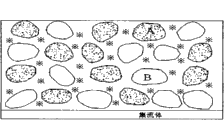
图1为本发明中实施例1的正极制备示意图;Fig. 1 is the positive electrode preparation schematic diagram of embodiment 1 in the present invention;
图2为本发明中实施例2的正极制备示意图;Fig. 2 is the positive electrode preparation schematic diagram of embodiment 2 in the present invention;
图3为本发明中实施例3的正极制各示意图;Fig. 3 is each schematic diagram of positive electrode system of embodiment 3 in the present invention;
图4为本发明中实施例4的正极制备示意图;Figure 4 is a schematic diagram of positive electrode preparation in Example 4 of the present invention;
图5为本发明中实施例5的正极制备示意图。Fig. 5 is a schematic diagram of positive electrode preparation in Example 5 of the present invention.
具体实施方式: Detailed ways:
下面结合附图和实施例对本发明作进一步的说明。The present invention will be further described below in conjunction with the accompanying drawings and embodiments.
为了提高锂离子电池的能量密度,本发明锂离子电池的正极中至少含有A、B两种正极活性材料,其中A具有首次效率高的特性,B具有克容量高但首次效率相对较低的特性;本发明锂离子电池的负极中采用高克容量的负极活性材料。当此正极和负极搭配使用时,正极中的B可在首次充电时,弥补负极因首次效率低而对正极锂的消耗,从而提高正极材料晶格中的可恢复锂的数量,进而提高锂离子电池的能量密度。In order to improve the energy density of the lithium ion battery, the positive electrode of the lithium ion battery of the present invention contains at least two positive electrode active materials, A and B, wherein A has the characteristics of high initial efficiency, and B has the characteristics of high gram capacity but relatively low initial efficiency ; The negative electrode active material with high gram capacity is adopted in the negative electrode of the lithium ion battery of the present invention. When the positive electrode and the negative electrode are used together, the B in the positive electrode can make up for the consumption of lithium on the positive electrode due to the low efficiency of the negative electrode when it is charged for the first time, thereby increasing the amount of recoverable lithium in the lattice of the positive electrode material, thereby increasing the lithium ion capacity. The energy density of the battery.
优选的,本发明中的高能量密度锂离子电池,其隔离膜可以是聚丙烯(PP)隔离膜,聚乙烯(PE)隔离膜,或PP和PE复合的高分子隔离膜,也可以是聚偏二氟乙烯(PVDF)、偏二氟乙烯-六氟丙烯共聚物(PVDF-HFP)、聚甲基丙烯酸甲酯(PMMA)、聚乙二醇(PEG)等形成的聚合物凝聚态隔离膜。Preferably, in the high energy density lithium ion battery among the present invention, its separator can be polypropylene (PP) separator, polyethylene (PE) separator, or the polymer separator of PP and PE composite, also can be polyethylene Polymer condensed state separator formed of vinylidene fluoride (PVDF), vinylidene fluoride-hexafluoropropylene copolymer (PVDF-HFP), polymethyl methacrylate (PMMA), polyethylene glycol (PEG), etc. .
优选的,本发明的高能量密度锂离子电池,其电解液可以是液态电解液,也可以是聚合物电解质。Preferably, the electrolyte of the high energy density lithium ion battery of the present invention may be a liquid electrolyte or a polymer electrolyte.
实施例1Example 1
一种高能量密度锂离子电池,其具体制备步骤如下:A high energy density lithium-ion battery, its specific preparation steps are as follows:
正极(如图一)的制备:第一步,将活性材料A(选用:LiCoO2和LiCo0.2Ni0.5Mn0.3O2混合,质量比为4∶6),活性材料B(选用:Li2MnO3)、粘结剂(例如:PVDF)、导电剂(例如:导电碳,即SP)按比例溶于溶剂(例如:氮甲基吡咯烷酮,即NMP)中,搅拌均匀为浆料,然后将浆料均匀涂布在正极集流体(例如:铝箔)上,烘干;第二步,经过冷压、切片(即对极片进行裁减、切割成所需要大小的尺寸),制得正极极片。其中,A与B的质量比为1.0。Preparation of the positive electrode (as shown in Figure 1): In the first step, the active material A (selection: LiCoO 2 and LiCo 0.2 Ni 0.5 Mn 0.3 O 2 are mixed, the mass ratio is 4:6), the active material B (selection: Li 2 MnO 3 ), binder (for example: PVDF), conductive agent (for example: conductive carbon, ie SP) dissolved in a solvent (for example: nitrogen methylpyrrolidone, ie NMP) in proportion, stirred evenly to form a slurry, and then the slurry The material is evenly coated on the positive electrode current collector (for example: aluminum foil), and dried; the second step is to cold press and slice (that is, cut and cut the electrode sheet into the required size) to obtain the positive electrode sheet. Wherein, the mass ratio of A and B is 1.0.
负极的制备:将负极活性材料(选用:Si基合金)、和粘结剂(例如:SBR)按比例溶于溶剂(选用:水)中,搅拌均匀为浆料,然后将浆料均匀涂布在负极集流体(例如:铜箔)上。最后经过冷压、切片,制得负极极片。Preparation of the negative electrode: Dissolve the negative electrode active material (selection: Si-based alloy) and binder (for example: SBR) in proportion to the solvent (selection: water), stir evenly to form a slurry, and then evenly coat the slurry On the negative current collector (for example: copper foil). Finally, through cold pressing and slicing, the negative electrode sheet is obtained.
电池的组装:将正极极片,隔离膜及负极极片卷绕后,形成型号为454261的电池芯,经过封装、注液、化成,抽气成型制得高能量密度锂离子电池。Battery assembly: After winding the positive pole piece, the separator and the negative pole piece, a battery core with a model number of 454261 is formed. After packaging, liquid injection, chemical formation, and air extraction, a lithium-ion battery with high energy density is produced.
此例中制备出的电池,首次效率为90%,能量密度为560Wh/L。The battery prepared in this example has an initial efficiency of 90% and an energy density of 560Wh/L.
实施例2Example 2
一种高能量密度锂离子电池,其具体制备步骤如下:A high energy density lithium-ion battery, its specific preparation steps are as follows:
正极的制备:第一步,将活性材料B(选用:LiMnO2)、粘结剂(例如:PVDF)、导电剂(例如:SP)按比例溶于溶剂(例如:NMP)中,搅拌均匀为浆料,然后将浆料均匀涂布在正极集流体(例如:铝箔)上,烘干后作为初始极片;第二步,将活性材料A(选用LiNiO2)和粘结剂(例如:PVDF)、导电剂(例如:SP)按比例溶于溶剂(例如:NMP)中,搅拌均匀为浆料,然后将浆料均匀涂布在初始极片的表面,烘干。第三步,经过冷压、切片(即对极片进行裁减、切割成所需要大小的尺寸),制得正极极片。其中,A与B的质量比为2.0。Preparation of the positive electrode: in the first step, the active material B (selection: LiMnO 2 ), binder (for example: PVDF), and conductive agent (for example: SP) are dissolved in a solvent (for example: NMP) in proportion, and stirred evenly slurry, and then uniformly coat the slurry on the positive current collector (for example: aluminum foil), and dry it as the initial electrode sheet; in the second step, active material A (select LiNiO 2 ) and binder (for example: PVDF ), conductive agent (for example: SP) in proportion to dissolve in solvent (for example: NMP), stir evenly to form a slurry, then evenly coat the slurry on the surface of the initial pole piece, and dry it. In the third step, after cold pressing and slicing (that is, cutting and cutting the pole piece into the required size), the positive pole piece is produced. Wherein, the mass ratio of A and B is 2.0.
负极的制备:与实施例1不同之处在于活性材料为Sn-C复合物。Preparation of negative electrode: the difference from Example 1 is that the active material is a Sn-C composite.
电池的组装:与实施例1相同,这里不再赘述。Assembly of the battery: the same as that of Embodiment 1, and will not be repeated here.
此例中制备出的电池,首次效率为91%,能量密度为550Wh/L。The battery prepared in this example has an initial efficiency of 91% and an energy density of 550Wh/L.
实施例3Example 3
一种高能量密度锂离子电池,其具体制备步骤如下:A high energy density lithium-ion battery, its specific preparation steps are as follows:
正极的制备:第一步,将活性材料A(选用:LiMn2O4)、粘结剂(例如:聚偏二氟乙烯,即PVDF)、导电剂(例如:导电碳,即SP)按比例溶于溶剂(例如:NMP)中,搅拌均匀为浆料,然后将浆料均匀涂布在正极集流体(例如:铝箔)上,烘干后作为初始极片;第二步,将活性材料B(选用0.5LiMO2·0.5Li2MnO3)和粘结剂(例如:PVDF)、导电剂(例如:SP)按比例溶于溶剂(例如:NMP)中,搅拌均匀为浆料,然后将浆料均匀涂布在初始极片的表面,烘干。第三步,经过冷压、切片(即对极片进行裁减、切割成所需要大小的尺寸),制得正极极片。其中,其中,A与B的质量比为2.5。Preparation of the positive electrode: in the first step, the active material A (selection: LiMn 2 O 4 ), binder (for example: polyvinylidene fluoride, ie PVDF), and conductive agent (for example: conductive carbon, ie SP) are proportionally Dissolve in a solvent (for example: NMP), stir evenly to form a slurry, then evenly coat the slurry on the positive electrode current collector (for example: aluminum foil), and use it as the initial electrode sheet after drying; the second step, the active material B (select 0.5LiMO 2 ·0.5Li 2 MnO 3 ), binder (for example: PVDF), conductive agent (for example: SP) in proportion to dissolve in the solvent (for example: NMP), stir evenly to form a slurry, and then put the slurry The material is evenly coated on the surface of the initial pole piece and dried. In the third step, after cold pressing and slicing (that is, cutting and cutting the pole piece into the required size), the positive pole piece is produced. Wherein, wherein, the mass ratio of A and B is 2.5.
负极的制备:与实施例1不同之处在于活性材料为硬碳。Preparation of negative electrode: the difference from Example 1 is that the active material is hard carbon.
电池的组装:与实施例1相同,这里不再赘述。Assembly of the battery: the same as that of Embodiment 1, and will not be repeated here.
此例中制备出的电池,首次效率为94%,能量密度为530Wh/L。The battery prepared in this example has an initial efficiency of 94% and an energy density of 530Wh/L.
实施例4Example 4
一种高能量密度锂离子电池,其具体制备步骤如下:A high energy density lithium-ion battery, its specific preparation steps are as follows:
正极的制备:第一步,将活性材料A(选用:LiCo1/3Ni1/3Mn1/3O2)和粘结剂(例如:丁苯橡胶,即SBR)按一定的比例溶于溶剂(例如:水)中,搅拌均匀,然后向浆料中逐量加入将活性材料B(选用Li2Mn4O9),最后蒸发掉溶剂,粉碎、研磨为粉末。第二步:将第一步制得的粉末、粘结剂(例如:PVDF)、导电剂(例如:SP)按比例溶于溶剂(例如:NMP)中,搅拌均匀为浆料,然后将浆料均匀涂布在初始极片的表面,烘干。第三步,经过冷压、切片(即对极片进行裁减、切割成所需要大小的尺寸),制得正极极片。其中,A与B的质量比为1.5。Preparation of the positive electrode: in the first step, the active material A (selection: LiCo 1/3 Ni 1/3 Mn 1/3 O 2 ) and the binder (for example: styrene-butadiene rubber, namely SBR) are dissolved in a certain proportion in Stir evenly in a solvent (for example: water), then gradually add active material B (selected as Li 2 Mn 4 O 9 ) into the slurry, and finally evaporate the solvent, pulverize and grind it into powder. The second step: dissolve the powder, binder (for example: PVDF) and conductive agent (for example: SP) prepared in the first step in a solvent (for example: NMP) in proportion, stir evenly to form a slurry, and then mix the slurry The material is evenly coated on the surface of the initial pole piece and dried. In the third step, after cold pressing and slicing (that is, cutting and cutting the pole piece into the required size), the positive pole piece is produced. Wherein, the mass ratio of A and B is 1.5.
负极的制备:与实施例1不同之处在于活性材料为Li4Ti5O12。Preparation of negative electrode: the difference from Example 1 is that the active material is Li 4 Ti 5 O 12 .
电池的组装:与实施例1相同,这里不再赘述。Assembly of the battery: the same as that of Embodiment 1, and will not be repeated here.
此例中制备出的电池,首次效率为96%,能量密度为510Wh/L。The battery prepared in this example has an initial efficiency of 96% and an energy density of 510Wh/L.
实施例5Example 5
一种高能量密度锂离子电池,其具体制备步骤如下:A high energy density lithium-ion battery, its specific preparation steps are as follows:
正极的制备:第一步,将活性材料B(选用:Li2MnO3)和粘结剂(例如:PVDF)按一定的比例溶于溶剂(例如:NMP)中,搅拌均匀,然后向浆料中逐量加入将活性材料A(选用LizNixMn1-xO2),最后蒸发掉溶剂,粉碎、研磨为粉末。第二步:将第一步制得的粉末、粘结剂(例如:SBR)、导电剂(例如:SP)按比例溶于溶剂(例如:水)中,搅拌均匀为浆料,然后将浆料均匀涂布在初始极片的表面,烘干。第三步,经过冷压、切片(即对极片进行裁减、切割成所需要大小的尺寸),制得正极极片。其中,A与B的质量比为4.5。Preparation of positive electrode: first step, dissolve active material B (selection: Li 2 MnO 3 ) and binder (for example: PVDF) in a solvent (for example: NMP) in a certain proportion, stir evenly, and then add to the slurry Active material A (selected as Li z Ni x Mn 1-x O 2 ) was gradually added into the mixture, and finally the solvent was evaporated, crushed and ground into powder. The second step: dissolve the powder, binder (for example: SBR) and conductive agent (for example: SP) prepared in the first step in a solvent (for example: water) in proportion, stir evenly to form a slurry, and then mix the slurry The material is evenly coated on the surface of the initial pole piece and dried. In the third step, after cold pressing and slicing (that is, cutting and cutting the pole piece into the required size), the positive pole piece is produced. Wherein, the mass ratio of A and B is 4.5.
负极的制备:与实施例1不同之处在于活性材料为硬碳。Preparation of negative electrode: the difference from Example 1 is that the active material is hard carbon.
电池的组装:与实施例1相同,这里不再赘述。Assembly of the battery: the same as that of Embodiment 1, and will not be repeated here.
此例中制备出的电池,首次效率为92%,能量密度为535Wh/L。The battery prepared in this example has an initial efficiency of 92% and an energy density of 535Wh/L.
实施例6Example 6
本实施例与实施例1相比不同之处在于:负极活性材料为石墨和Si基合金的混合物,其重量比为4∶1。其它与实施例1相同,这里不再赘述。The difference between this example and Example 1 is that the negative electrode active material is a mixture of graphite and Si-based alloy, and its weight ratio is 4:1. Others are the same as in Embodiment 1, and will not be repeated here.
此例中制备出的电池,首次效率为95%,能量密度为530Wh/L。The battery prepared in this example has an initial efficiency of 95% and an energy density of 530Wh/L.
实施例7Example 7
本实施例与实施例3相比不同之处在于:正极活性材料B为LiNi0.5Co0.4M0.1O4,其中M为Al。其它与实施例3相同,这里不再赘述。Compared with Example 3, this example differs in that: the positive electrode active material B is LiNi 0.5 Co 0.4 M 0.1 O 4 , wherein M is Al. Others are the same as those in Embodiment 3, and will not be repeated here.
此例中制备出的电池,首次效率为95%,能量密度为530Wh/L。The battery prepared in this example has an initial efficiency of 95% and an energy density of 530Wh/L.
实施例8Example 8
本实施例与实施例3相比不同之处在于:正极活性材料B为LiNi0.5Co0.4M0.1O4,其中M为Al和Mg,各占0.05。其它与实施例3相同,这里不再赘述。The difference between this example and example 3 is that the positive electrode active material B is LiNi 0.5 Co 0.4 M 0.1 O 4 , wherein M is Al and Mg, each accounting for 0.05. Others are the same as those in Embodiment 3, and will not be repeated here.
此例中制备出的电池,首次效率为93%,能量密度为540Wh/L。The battery prepared in this example has an initial efficiency of 93% and an energy density of 540Wh/L.
需要说明的是,根据上述说明书的揭示和阐述,本发明所属领域的技术人员还可以对上述实施方式进行变更和修改。因此,本发明并不局限于上面揭示和描述的具体实施方式,对本发明的一些等同修改和变更也应当在本发明的权利要求的保护范围内。此外,尽管本说明书中使用了一些特定的术语,但这些术语只是为了方便说明,并不对本发明构成任何限制。It should be noted that, according to the disclosure and elaboration of the above specification, those skilled in the art to which the present invention pertains can also make changes and modifications to the above implementation manners. Therefore, the present invention is not limited to the specific embodiments disclosed and described above, and some equivalent modifications and changes to the present invention should also be within the protection scope of the claims of the present invention. In addition, although some specific terms are used in this specification, these terms are only for convenience of description and do not constitute any limitation to the present invention.
Claims (10)
Priority Applications (1)
| Application Number | Priority Date | Filing Date | Title |
|---|---|---|---|
| CN2011101544447A CN102263286A (en) | 2011-06-10 | 2011-06-10 | A high energy density lithium-ion battery |
Applications Claiming Priority (1)
| Application Number | Priority Date | Filing Date | Title |
|---|---|---|---|
| CN2011101544447A CN102263286A (en) | 2011-06-10 | 2011-06-10 | A high energy density lithium-ion battery |
Publications (1)
| Publication Number | Publication Date |
|---|---|
| CN102263286A true CN102263286A (en) | 2011-11-30 |
Family
ID=45009819
Family Applications (1)
| Application Number | Title | Priority Date | Filing Date |
|---|---|---|---|
| CN2011101544447A Pending CN102263286A (en) | 2011-06-10 | 2011-06-10 | A high energy density lithium-ion battery |
Country Status (1)
| Country | Link |
|---|---|
| CN (1) | CN102263286A (en) |
Cited By (10)
| Publication number | Priority date | Publication date | Assignee | Title |
|---|---|---|---|---|
| CN102544575A (en) * | 2011-12-31 | 2012-07-04 | 万向电动汽车有限公司 | Lithium-rich manganese-based power battery and manufacturing method thereof |
| CN103872286A (en) * | 2012-12-10 | 2014-06-18 | 财团法人工业技术研究院 | Electrode structure of lithium battery |
| CN103996820A (en) * | 2014-05-30 | 2014-08-20 | 南京安普瑞斯有限公司 | Lithium ion battery as well as mixed positive electrode and active material with synergistic effect |
| CN104089876A (en) * | 2014-06-24 | 2014-10-08 | 上海应用技术学院 | Test method for bonding strength between battery current collector and binder |
| CN104300137A (en) * | 2013-07-16 | 2015-01-21 | 浙江万向亿能动力电池有限公司 | High energy density battery with excellent cycle performance |
| CN104409685A (en) * | 2014-11-28 | 2015-03-11 | 东莞市迈科科技有限公司 | Lithium ion cell cathode material with core shell structure and preparation method thereof |
| CN104779385A (en) * | 2015-04-21 | 2015-07-15 | 哈尔滨工业大学(威海) | High-specific capacity lithium ion battery cathode material and preparation method thereof |
| CN104882587A (en) * | 2014-02-27 | 2015-09-02 | 松下电器产业株式会社 | Positive Electrode For Non-aqueous Electrolyte Secondary Battery And Non-aqueous Electrolyte Secondary Battery |
| CN105470473A (en) * | 2014-07-08 | 2016-04-06 | 宁德时代新能源科技股份有限公司 | Positive electrode active material and secondary battery |
| CN115312710A (en) * | 2022-04-19 | 2022-11-08 | 深圳市德方创域新能源科技有限公司 | Lithium-rich ternary cathode material and preparation method and application thereof |
Citations (5)
| Publication number | Priority date | Publication date | Assignee | Title |
|---|---|---|---|---|
| US5443929A (en) * | 1992-09-25 | 1995-08-22 | Sanyo Electric Co., Ltd. | Nonaqueous secondary battery |
| US6551746B1 (en) * | 1998-04-09 | 2003-04-22 | Danionics A/S | Rechargeable electrochemical cell of lithium ion or lithium alloy-type possessing metal oxide modified cathode structure with high first charge capacity |
| US20030180616A1 (en) * | 2002-02-15 | 2003-09-25 | The University Of Chicago | Layered electrodes for lithium cells and batteries |
| CN1881660A (en) * | 2005-06-17 | 2006-12-20 | 董家琼 | Positive plate or negative plate with combination property for secondary lithium ion battery |
| CN101292389A (en) * | 2005-10-20 | 2008-10-22 | 三菱化学株式会社 | Lithium secondary battery and nonaqueous electrolyte used therein |
-
2011
- 2011-06-10 CN CN2011101544447A patent/CN102263286A/en active Pending
Patent Citations (5)
| Publication number | Priority date | Publication date | Assignee | Title |
|---|---|---|---|---|
| US5443929A (en) * | 1992-09-25 | 1995-08-22 | Sanyo Electric Co., Ltd. | Nonaqueous secondary battery |
| US6551746B1 (en) * | 1998-04-09 | 2003-04-22 | Danionics A/S | Rechargeable electrochemical cell of lithium ion or lithium alloy-type possessing metal oxide modified cathode structure with high first charge capacity |
| US20030180616A1 (en) * | 2002-02-15 | 2003-09-25 | The University Of Chicago | Layered electrodes for lithium cells and batteries |
| CN1881660A (en) * | 2005-06-17 | 2006-12-20 | 董家琼 | Positive plate or negative plate with combination property for secondary lithium ion battery |
| CN101292389A (en) * | 2005-10-20 | 2008-10-22 | 三菱化学株式会社 | Lithium secondary battery and nonaqueous electrolyte used therein |
Cited By (14)
| Publication number | Priority date | Publication date | Assignee | Title |
|---|---|---|---|---|
| CN102544575A (en) * | 2011-12-31 | 2012-07-04 | 万向电动汽车有限公司 | Lithium-rich manganese-based power battery and manufacturing method thereof |
| CN102544575B (en) * | 2011-12-31 | 2014-01-22 | 万向电动汽车有限公司 | Lithium-rich manganese-based power battery and manufacturing method thereof |
| CN103872286A (en) * | 2012-12-10 | 2014-06-18 | 财团法人工业技术研究院 | Electrode structure of lithium battery |
| CN103872286B (en) * | 2012-12-10 | 2017-04-12 | 财团法人工业技术研究院 | Electrode structure of lithium battery |
| CN104300137A (en) * | 2013-07-16 | 2015-01-21 | 浙江万向亿能动力电池有限公司 | High energy density battery with excellent cycle performance |
| CN104882587B (en) * | 2014-02-27 | 2019-06-07 | 松下电器产业株式会社 | Positive electrode for nonaqueous electrolyte secondary battery and non-aqueous electrolyte secondary battery |
| CN104882587A (en) * | 2014-02-27 | 2015-09-02 | 松下电器产业株式会社 | Positive Electrode For Non-aqueous Electrolyte Secondary Battery And Non-aqueous Electrolyte Secondary Battery |
| CN103996820A (en) * | 2014-05-30 | 2014-08-20 | 南京安普瑞斯有限公司 | Lithium ion battery as well as mixed positive electrode and active material with synergistic effect |
| CN104089876A (en) * | 2014-06-24 | 2014-10-08 | 上海应用技术学院 | Test method for bonding strength between battery current collector and binder |
| CN105470473A (en) * | 2014-07-08 | 2016-04-06 | 宁德时代新能源科技股份有限公司 | Positive electrode active material and secondary battery |
| CN104409685B (en) * | 2014-11-28 | 2017-09-22 | 东莞市迈科科技有限公司 | A kind of method for preparing the anode material for lithium-ion batteries with core shell structure |
| CN104409685A (en) * | 2014-11-28 | 2015-03-11 | 东莞市迈科科技有限公司 | Lithium ion cell cathode material with core shell structure and preparation method thereof |
| CN104779385A (en) * | 2015-04-21 | 2015-07-15 | 哈尔滨工业大学(威海) | High-specific capacity lithium ion battery cathode material and preparation method thereof |
| CN115312710A (en) * | 2022-04-19 | 2022-11-08 | 深圳市德方创域新能源科技有限公司 | Lithium-rich ternary cathode material and preparation method and application thereof |
Similar Documents
| Publication | Publication Date | Title |
|---|---|---|
| CN103730683B (en) | A kind of lithium battery and preparation method thereof | |
| CN111640913B (en) | Negative electrode sheet and secondary battery | |
| CN102263286A (en) | A high energy density lithium-ion battery | |
| CN105390671B (en) | The manufacturing method and positive electrode active material for lithium ion battery layer of positive electrode active material for lithium ion battery layer | |
| WO2022206877A1 (en) | Electrochemical device and electronic device | |
| CN105576287B (en) | Solid electrolyte lithium ion battery and preparation method thereof of the integration without interface | |
| CN101295780B (en) | Anode active material composition of lithium ion secondary battery and battery | |
| CN105185987B (en) | Positive electrode and lithium rechargeable battery | |
| CN102479947B (en) | Lithium ion battery positive electrode material and preparation method thereof, and lithium ion battery | |
| CN115810718A (en) | Negative electrode sheet and secondary battery including same | |
| CN110061222A (en) | A kind of lithium battery slurry preparation method and its application | |
| CN110556538A (en) | Positive plate and lithium ion battery | |
| CN102694158A (en) | Silicon-containing lithium cathode, preparation method thereof and lithium sulfur battery with silicon-containing lithium cathode | |
| CN102694200A (en) | Silicon-based negative lithium-ion battery and manufacturing method thereof | |
| CN101262078A (en) | Rapidly chargeable lithium-ion battery and preparation method thereof | |
| WO2022199681A1 (en) | Lithium-ion battery and motorized vehicle | |
| CN113328099A (en) | Negative pole piece and secondary battery | |
| CN103682415A (en) | High-energy-density lithium ion battery and preparation technology thereof | |
| WO2014032407A1 (en) | Silicon negative electrode pole piece of lithium ion battery and preparation method thereof, and lithium ion battery | |
| CN102800841A (en) | Negative plate, lithium ion battery and preparation method thereof | |
| CN105470473B (en) | Positive electrode active material and secondary battery | |
| CN105226256A (en) | For modified cathode material and the lithium titanate battery of lithium titanate battery | |
| WO2018059180A1 (en) | High-power, high-energy chemical power supply and preparation method therefor | |
| CN116470005B (en) | Positive plate, lithium ion battery and energy storage equipment | |
| CN107785537A (en) | A kind of method of modifying of new type lithium ion battery anode pole piece, its purposes and pole piece |
Legal Events
| Date | Code | Title | Description |
|---|---|---|---|
| C06 | Publication | ||
| PB01 | Publication | ||
| C10 | Entry into substantive examination | ||
| SE01 | Entry into force of request for substantive examination | ||
| RJ01 | Rejection of invention patent application after publication | ||
| RJ01 | Rejection of invention patent application after publication |
Application publication date: 20111130 |