CN101427401A - Synthesis of cathode active Material - Google Patents
Synthesis of cathode active Material Download PDFInfo
- Publication number
- CN101427401A CN101427401A CNA2005800161854A CN200580016185A CN101427401A CN 101427401 A CN101427401 A CN 101427401A CN A2005800161854 A CNA2005800161854 A CN A2005800161854A CN 200580016185 A CN200580016185 A CN 200580016185A CN 101427401 A CN101427401 A CN 101427401A
- Authority
- CN
- China
- Prior art keywords
- metal
- polyanion
- composition
- group
- compound
- Prior art date
- Legal status (The legal status is an assumption and is not a legal conclusion. Google has not performed a legal analysis and makes no representation as to the accuracy of the status listed.)
- Granted
Links
Images






Classifications
-
- H—ELECTRICITY
- H01—ELECTRIC ELEMENTS
- H01M—PROCESSES OR MEANS, e.g. BATTERIES, FOR THE DIRECT CONVERSION OF CHEMICAL ENERGY INTO ELECTRICAL ENERGY
- H01M4/00—Electrodes
- H01M4/02—Electrodes composed of, or comprising, active material
- H01M4/36—Selection of substances as active materials, active masses, active liquids
- H01M4/58—Selection of substances as active materials, active masses, active liquids of inorganic compounds other than oxides or hydroxides, e.g. sulfides, selenides, tellurides, halogenides or LiCoFy; of polyanionic structures, e.g. phosphates, silicates or borates
-
- H—ELECTRICITY
- H01—ELECTRIC ELEMENTS
- H01M—PROCESSES OR MEANS, e.g. BATTERIES, FOR THE DIRECT CONVERSION OF CHEMICAL ENERGY INTO ELECTRICAL ENERGY
- H01M4/00—Electrodes
- H01M4/02—Electrodes composed of, or comprising, active material
- H01M4/36—Selection of substances as active materials, active masses, active liquids
- H01M4/58—Selection of substances as active materials, active masses, active liquids of inorganic compounds other than oxides or hydroxides, e.g. sulfides, selenides, tellurides, halogenides or LiCoFy; of polyanionic structures, e.g. phosphates, silicates or borates
- H01M4/5825—Oxygenated metallic salts or polyanionic structures, e.g. borates, phosphates, silicates, olivines
-
- C—CHEMISTRY; METALLURGY
- C01—INORGANIC CHEMISTRY
- C01B—NON-METALLIC ELEMENTS; COMPOUNDS THEREOF; METALLOIDS OR COMPOUNDS THEREOF NOT COVERED BY SUBCLASS C01C
- C01B25/00—Phosphorus; Compounds thereof
- C01B25/16—Oxyacids of phosphorus; Salts thereof
- C01B25/26—Phosphates
- C01B25/45—Phosphates containing plural metal, or metal and ammonium
-
- H—ELECTRICITY
- H01—ELECTRIC ELEMENTS
- H01M—PROCESSES OR MEANS, e.g. BATTERIES, FOR THE DIRECT CONVERSION OF CHEMICAL ENERGY INTO ELECTRICAL ENERGY
- H01M10/00—Secondary cells; Manufacture thereof
- H01M10/05—Accumulators with non-aqueous electrolyte
-
- H—ELECTRICITY
- H01—ELECTRIC ELEMENTS
- H01M—PROCESSES OR MEANS, e.g. BATTERIES, FOR THE DIRECT CONVERSION OF CHEMICAL ENERGY INTO ELECTRICAL ENERGY
- H01M4/00—Electrodes
- H01M4/02—Electrodes composed of, or comprising, active material
- H01M4/13—Electrodes for accumulators with non-aqueous electrolyte, e.g. for lithium-accumulators; Processes of manufacture thereof
-
- H—ELECTRICITY
- H01—ELECTRIC ELEMENTS
- H01M—PROCESSES OR MEANS, e.g. BATTERIES, FOR THE DIRECT CONVERSION OF CHEMICAL ENERGY INTO ELECTRICAL ENERGY
- H01M4/00—Electrodes
- H01M4/02—Electrodes composed of, or comprising, active material
- H01M4/36—Selection of substances as active materials, active masses, active liquids
- H01M4/362—Composites
- H01M4/364—Composites as mixtures
-
- H—ELECTRICITY
- H01—ELECTRIC ELEMENTS
- H01M—PROCESSES OR MEANS, e.g. BATTERIES, FOR THE DIRECT CONVERSION OF CHEMICAL ENERGY INTO ELECTRICAL ENERGY
- H01M4/00—Electrodes
- H01M4/02—Electrodes composed of, or comprising, active material
- H01M4/36—Selection of substances as active materials, active masses, active liquids
- H01M4/58—Selection of substances as active materials, active masses, active liquids of inorganic compounds other than oxides or hydroxides, e.g. sulfides, selenides, tellurides, halogenides or LiCoFy; of polyanionic structures, e.g. phosphates, silicates or borates
- H01M4/581—Chalcogenides or intercalation compounds thereof
- H01M4/5815—Sulfides
-
- H—ELECTRICITY
- H01—ELECTRIC ELEMENTS
- H01M—PROCESSES OR MEANS, e.g. BATTERIES, FOR THE DIRECT CONVERSION OF CHEMICAL ENERGY INTO ELECTRICAL ENERGY
- H01M4/00—Electrodes
- H01M4/02—Electrodes composed of, or comprising, active material
- H01M4/36—Selection of substances as active materials, active masses, active liquids
- H01M4/58—Selection of substances as active materials, active masses, active liquids of inorganic compounds other than oxides or hydroxides, e.g. sulfides, selenides, tellurides, halogenides or LiCoFy; of polyanionic structures, e.g. phosphates, silicates or borates
- H01M4/583—Carbonaceous material, e.g. graphite-intercalation compounds or CFx
- H01M4/587—Carbonaceous material, e.g. graphite-intercalation compounds or CFx for inserting or intercalating light metals
-
- H—ELECTRICITY
- H01—ELECTRIC ELEMENTS
- H01M—PROCESSES OR MEANS, e.g. BATTERIES, FOR THE DIRECT CONVERSION OF CHEMICAL ENERGY INTO ELECTRICAL ENERGY
- H01M4/00—Electrodes
- H01M4/02—Electrodes composed of, or comprising, active material
- H01M4/62—Selection of inactive substances as ingredients for active masses, e.g. binders, fillers
- H01M4/621—Binders
- H01M4/622—Binders being polymers
-
- H—ELECTRICITY
- H01—ELECTRIC ELEMENTS
- H01M—PROCESSES OR MEANS, e.g. BATTERIES, FOR THE DIRECT CONVERSION OF CHEMICAL ENERGY INTO ELECTRICAL ENERGY
- H01M4/00—Electrodes
- H01M4/02—Electrodes composed of, or comprising, active material
- H01M4/36—Selection of substances as active materials, active masses, active liquids
- H01M4/48—Selection of substances as active materials, active masses, active liquids of inorganic oxides or hydroxides
- H01M4/485—Selection of substances as active materials, active masses, active liquids of inorganic oxides or hydroxides of mixed oxides or hydroxides for inserting or intercalating light metals, e.g. LiTi2O4 or LiTi2OxFy
-
- Y—GENERAL TAGGING OF NEW TECHNOLOGICAL DEVELOPMENTS; GENERAL TAGGING OF CROSS-SECTIONAL TECHNOLOGIES SPANNING OVER SEVERAL SECTIONS OF THE IPC; TECHNICAL SUBJECTS COVERED BY FORMER USPC CROSS-REFERENCE ART COLLECTIONS [XRACs] AND DIGESTS
- Y02—TECHNOLOGIES OR APPLICATIONS FOR MITIGATION OR ADAPTATION AGAINST CLIMATE CHANGE
- Y02E—REDUCTION OF GREENHOUSE GAS [GHG] EMISSIONS, RELATED TO ENERGY GENERATION, TRANSMISSION OR DISTRIBUTION
- Y02E60/00—Enabling technologies; Technologies with a potential or indirect contribution to GHG emissions mitigation
- Y02E60/10—Energy storage using batteries
Landscapes
- Chemical & Material Sciences (AREA)
- Chemical Kinetics & Catalysis (AREA)
- Electrochemistry (AREA)
- General Chemical & Material Sciences (AREA)
- Inorganic Chemistry (AREA)
- Organic Chemistry (AREA)
- Composite Materials (AREA)
- Crystallography & Structural Chemistry (AREA)
- Engineering & Computer Science (AREA)
- Manufacturing & Machinery (AREA)
- Materials Engineering (AREA)
- Battery Electrode And Active Subsutance (AREA)
Abstract
Description
技术领域 technical field
本发明涉及用于电池中的电极活性材料的合成,尤其涉及用于锂离子电池中的阴极活性材料的合成。The present invention relates to the synthesis of electrode active materials used in batteries, in particular to the synthesis of cathode active materials used in lithium ion batteries.
背景技术 Background technique
便携式电子设备如手机和膝上计算机的增多导致对于容量高,耐久、质轻的电池的需求增加。由于这一需求,碱金属电池,尤其是锂离子电池是实用的且受欢迎的能源。锂金属、钠金属和镁金属电池是众所周知且合宜的能源。The proliferation of portable electronic devices such as cell phones and laptop computers has led to an increased demand for high-capacity, durable, lightweight batteries. Because of this demand, alkali metal batteries, especially lithium-ion batteries, are practical and popular energy sources. Lithium metal, sodium metal and magnesium metal batteries are well known and convenient energy sources.
举例来说,一般锂电池是由一个或多个含有电化学活性(电活性)材料的电化学电池制得。这些电化学电池通常至少包括负极、正极和用于促进离子电荷载体在负极和正极之间运动的电解质。当电池充电时,锂离子从正极向电解质迁移,同时从电解质向负极迁移。在放电期间,锂离子从负极向电解质迁移,同时从电解质返回正极。因此,伴随着每次充电/放电循环,锂离子在电极之间进行传递。这样的可充电电池被称为可充电锂离子电池或摇椅电池。For example, typical lithium batteries are made from one or more electrochemical cells containing electrochemically active (electroactive) materials. These electrochemical cells typically include at least a negative electrode, a positive electrode, and an electrolyte for facilitating the movement of ionic charge carriers between the negative and positive electrodes. When the battery is charged, lithium ions migrate from the positive electrode to the electrolyte and from the electrolyte to the negative electrode. During discharge, lithium ions migrate from the negative electrode to the electrolyte and from the electrolyte back to the positive electrode. Thus, lithium ions are transferred between the electrodes with each charge/discharge cycle. Such rechargeable batteries are known as rechargeable lithium-ion batteries or rocking chair batteries.
这样的电池的电极通常包括具有晶格结构或构架的电化学活性材料,离子(如锂离子)可以从该晶格结构或构架中抽出,随后再嵌入其中,和/或离子插入或嵌入该晶格结构或构架中,随后再被抽出。近来,开发了一类具有这样的晶格结构的过渡金属磷酸盐及混合金属磷酸盐。这些过渡金属磷酸盐是插入类化合物,与其氧化物对应物类似。过渡金属磷酸盐和混合金属磷酸盐使得锂离子电池的设计有很大弹性。The electrodes of such batteries typically include electrochemically active materials having a lattice structure or framework from which ions, such as lithium ions, can be extracted and subsequently reintercalated, and/or ions can be intercalated or intercalated into the crystal. into a lattice structure or framework and then extracted. Recently, a class of transition metal phosphates and mixed metal phosphates having such a lattice structure has been developed. These transition metal phosphates are intercalation compounds, similar to their oxide counterparts. Transition metal phosphates and mixed metal phosphates allow great flexibility in the design of Li-ion batteries.
近来,已提出包括如(SO4)n-,(PO4)n-,(AsO4)n-等的聚阴离子的三维结构化合物,可被作为如LiMxOy等氧化物类电极材料的替代物。这样的一类材料已在U.S.6,528,003 B1(Barker等人)中公开。其中的化合物具有通式LiaMIbMIIc(PO4)d,其中MI和MII相同或不同。MI是一种选自如下组成的组中的金属:Fe、Co、Ni、Mn、Cu、V、Sn、Ti、Cr及其混合物。MII任选存在,当存在时,选自如下组成的组:Mg、Ca、Zn、Sr、Pb、Cd、Sn、Ba、Be及其混合物。聚阴离子类材料的更具体的实例包括LiMPO4等橄榄石化合物,其中M=Mn、Fe、Co等。聚阴离子类材料的其它实例包括Li3M2(PO4)3等NASICON化合物。Recently, three-dimensional structural compounds including polyanions such as (SO 4 ) n- , (PO 4 ) n- , (AsO 4 ) n- , etc. have been proposed as oxide-based electrode materials such as LiM x O y substitution. Such a class of materials is disclosed in US 6,528,003 B1 (Barker et al.). Compounds therein have the general formula Li a MI b MII c (PO 4 ) d , wherein MI and MII are the same or different. MI is a metal selected from the group consisting of Fe, Co, Ni, Mn, Cu, V, Sn, Ti, Cr and mixtures thereof. MII is optionally present and, when present, is selected from the group consisting of Mg, Ca, Zn, Sr, Pb, Cd, Sn, Ba, Be, and mixtures thereof. More specific examples of polyanion-based materials include olivine compounds such as LiMPO 4 , where M=Mn, Fe, Co, and the like. Other examples of polyanionic materials include NASICON compounds such as Li 3 M 2 (PO 4 ) 3 .
尽管这些化合物可用作用于制造电极的电化学活性材料,但这些材料的生产却不总是很经济的,这些材料可能不能提供足够的电压,不能提供足够的充电容量或表现低的离子传导性。本发明提供了一种经济、可再现的且高效的制造金属磷酸盐和混合金属磷酸盐的方法,其具有良好的电化学性能,能有效用于制备电极,尤其是阴极。Although these compounds are useful as electrochemically active materials for making electrodes, the production of these materials is not always economical, and these materials may not provide sufficient voltage, provide sufficient charge capacity, or exhibit low ionic conductivity. The present invention provides an economical, reproducible and efficient method for the manufacture of metal phosphates and mixed metal phosphates with good electrochemical properties for efficient use in the preparation of electrodes, especially cathodes.
发明内容 Contents of the invention
本发明涉及一种制造电活性的金属聚阴离子或混合金属聚阴离子的方法,该方法包括形成含有聚合材料、溶剂、聚阴离子源或碱金属聚阴离子源和至少一种金属离子源的浆液;在一定温度下加热该浆液达足够时间以去除溶剂,形成基本上干燥的混合物;在一定温度下加热该混合物达足够时间以制得电活性金属聚阴离子或电活性混合金属聚阴离子。在一个优选实施方案中,本发明涉及一种制造金属聚阴离子或混合金属聚阴离子的方法,其包括将聚合材料溶解在溶剂中形成第一溶液,在搅拌下将聚阴离子源或碱金属聚阴离子源加至第一溶液中形成第一浆液,在搅拌下将至少一种金属离子源加至所述第一浆液中得到第二浆液,在一定温度下加热所述第二浆液达到足够时间以去除溶剂从而形成基本上干燥的混合物,然后在一定温度下加热所述混合物达到足够时间从而得到电活性金属聚阴离子或电活性混合金属聚阴离子。在一个可替代实施方案中,本发明涉及一种制造金属聚阴离子或混合金属聚阴离子的方法,该方法包括将聚合材料与聚阴离子源或碱金属聚阴离子源以及至少一种金属离子源混合得到微细混合物,加热该混合物达到高于聚合材料熔点的温度,研磨(mill)所得材料,然后加热研磨的材料。本发明的另一个目的是提供由所述方法制得的电化学活性材料。如此制得的电化学活性材料可用于制造电极和电池。The present invention relates to a method of making an electroactive metal polyanion or mixed metal polyanion, the method comprising forming a slurry comprising a polymeric material, a solvent, a source of a polyanion or an alkali metal polyanion, and at least one source of metal ions; heating the slurry at a temperature for a time sufficient to remove the solvent to form a substantially dry mixture; heating the mixture at a temperature for a time sufficient to produce an electroactive metal polyanion or an electroactive mixed metal polyanion. In a preferred embodiment, the present invention relates to a method of making a metal polyanion or a mixed metal polyanion, which comprises dissolving a polymeric material in a solvent to form a first solution, mixing a source of polyanion or an alkali metal polyanion with stirring source is added to a first solution to form a first slurry, at least one source of metal ions is added to said first slurry with agitation to obtain a second slurry, said second slurry is heated at a temperature for a time sufficient to remove solvent thereby forming a substantially dry mixture which is then heated at a temperature for a sufficient time to obtain an electroactive metal polyanion or an electroactive mixed metal polyanion. In an alternative embodiment, the present invention relates to a method of making a metal polyanion or mixed metal polyanion, the method comprising mixing a polymeric material with a source of polyanions or alkali metal polyanions and at least one source of metal ions to obtain a finely divided mixture, heating the mixture to a temperature above the melting point of the polymeric material, milling the resulting material, and then heating the milled material. Another object of the present invention is to provide electrochemically active materials produced by said method. The electrochemically active materials thus produced can be used to make electrodes and batteries.
附图说明 Description of drawings
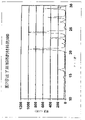
图1示出了实施例1制得的材料的XRD。FIG. 1 shows the XRD of the material prepared in Example 1.
图2示出了实施例1制得的聚合LVP的电压对时间的曲线图。FIG. 2 shows a graph of voltage versus time for the polymerized LVP prepared in Example 1. FIG.
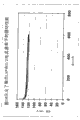
图3示出了实施例1制得的聚合LVP在C/2速率下的循环性能和电压的曲线图。FIG. 3 shows a graph of cycle performance and voltage of the polymerized LVP prepared in Example 1 at a C/2 rate.
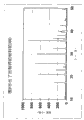
图4示出了实施例2制得的材料的XRD。FIG. 4 shows the XRD of the material prepared in Example 2.
图5示出了实施例2制得的聚合LVP的电压对时间的曲线图。FIG. 5 shows a graph of voltage versus time for the polymerized LVP prepared in Example 2.
图6示出了实施例2制得的聚合LVP在C/2速率下的循环性能和电压的曲线图。FIG. 6 shows a graph of cycle performance and voltage of the polymerized LVP prepared in Example 2 at a C/2 rate.
图7示出了实施例3制得的材料的XRD。FIG. 7 shows the XRD of the material prepared in Example 3.
图8示出了实施例3制得的聚合LVP在C/2电流速率下的循环性能。FIG. 8 shows the cycle performance of the polymerized LVP prepared in Example 3 at a current rate of C/2.
图9示出了实施例4制得的材料的XRD。FIG. 9 shows the XRD of the material prepared in Example 4.
图10示出了实施例5制得的材料的XRD。FIG. 10 shows the XRD of the material prepared in Example 5.
图11示出了实施例5制得的材料在C/2电流速率下的循环性能。FIG. 11 shows the cycle performance of the material prepared in Example 5 at a C/2 current rate.
图12示出了实施例6制得的材料的XRD。FIG. 12 shows the XRD of the material prepared in Example 6.
图13示出了实施例6制得的材料在C/2电流速率下的循环性能。FIG. 13 shows the cycle performance of the material prepared in Example 6 at a current rate of C/2.
图14示出了实施例7制得的聚合LVP在C/2电流速率下的循环性能。FIG. 14 shows the cycle performance of the polymerized LVP prepared in Example 7 at a C/2 current rate.
图15示出了实施例8制得的聚合LVP在C/2电流速率下的循环性能。FIG. 15 shows the cycle performance of the polymerized LVP prepared in Example 8 at a current rate of C/2.
发明详述Detailed description of the invention
本发明涉及制造电活性金属聚阴离子和混合金属聚阴离子的方法,尤其是涉及制造金属磷酸盐和混合金属磷酸盐的方法。在另一个实施方式中,本发明涉及由该方法制造的电化学活性材料,由该电活性材料制得的电极以及含有该电极的电池。The present invention relates to methods of making electroactive metal polyanions and mixed metal polyanions, and more particularly to methods of making metal phosphates and mixed metal phosphates. In another embodiment, the invention relates to an electrochemically active material made by the method, an electrode made from the electroactive material, and a battery containing the electrode.
金属磷酸盐和混合金属磷酸盐,尤其是含锂金属(lithiated metal)和混合金属磷酸盐近来被提出可作为用于离子电池尤其是锂离子电池中的电极活性材料。这些金属磷酸盐和混合金属磷酸盐是插入类化合物(insertionbased compounds)。也就是说,这样的材料具有晶格结构或构架,离子尤其是锂离子可以从该晶格结构或构架中抽出,随后再嵌入其中,和/或离子插入该晶格结构或构架中,随后再被抽出。Metal phosphates and mixed metal phosphates, especially lithiated metal and mixed metal phosphates, have recently been proposed as electrode active materials for ion batteries, especially lithium ion batteries. These metal phosphates and mixed metal phosphates are insertion based compounds. That is, such materials have a lattice structure or framework from which ions, especially lithium ions, can be extracted and subsequently reintercalated and/or into which ions can be inserted and subsequently reintercalated. was drawn out.
过渡金属磷酸盐使得电池尤其是锂离子电池的设计有很大弹性。仅通过改变过渡金属的种类就可达到调节活性材料的电压和比容量。这些过渡金属磷酸盐阴极材料的实例包括标称通式LiFePO4、Li3V2(PO4)3和LiFe1-xMgxPO4的化合物,如在2003年3月4日签发的U.S.6,528,033 B1(Barker等人,此后称作′033专利)中所公开的。Transition metal phosphates allow great flexibility in the design of batteries, especially lithium-ion batteries. The voltage and specific capacity of the active material can be adjusted only by changing the type of transition metal. Examples of these transition metal phosphate cathode materials include compounds of the nominal formulas LiFePO 4 , Li 3 V 2 (PO 4 ) 3 and LiFe 1-x Mg x PO 4 as described in US6, issued March 4, 2003, 528,033 B1 (Barker et al., hereinafter the '033 patent).
具有通式LiaMIbMIIc(PO4)d的一类化合物在U.S.6,528,003 B1(Barker等人)中公开,其中MI和MII相同或不同。MI是一种选自如下组成的组中的金属:Fe、Co、Ni、Mn、Cu、V、Sn、Ti、Pb、Si、Cr及其混合物。MII任选存在,当存在时,其选自如下组成的组:Mg、Ca、Zn、Sr、Pb、Cd、Sn、Ba、Be及其混合物。其中公开了,例如可通过将反应物Fe2O3、Li2CO3、(NH4)2HPO4和碳混合,然后在惰性气氛下加热该混合物而制得LiFePO4。碳的含量足以还原起始原料的至少一种金属离子的氧化态,但没有将其还原至元素态。该方法的有利之处在于它利用了较便宜的原料Fe2O3。先前制备LiFePO4的方法需要利用较昂贵的Fe2+盐,如草酸盐、醋酸盐或FeO。A class of compounds having the general formula Li a MI b MII c (PO 4 ) d is disclosed in US 6,528,003 B1 (Barker et al.), wherein MI and MII are the same or different. MI is a metal selected from the group consisting of Fe, Co, Ni, Mn, Cu, V, Sn, Ti, Pb, Si, Cr, and mixtures thereof. MII is optionally present and when present it is selected from the group consisting of Mg, Ca, Zn, Sr, Pb, Cd, Sn, Ba, Be and mixtures thereof. It is disclosed therein that LiFePO 4 can be produced, for example, by mixing the reactants Fe 2 O 3 , Li 2 CO 3 , (NH 4 ) 2 HPO 4 and carbon, and then heating the mixture under an inert atmosphere. The carbon is present in an amount sufficient to reduce the oxidation state of at least one metal ion of the starting material, but not to its elemental state. The advantage of this method is that it utilizes the less expensive raw material Fe2O3 . Previous methods for preparing LiFePO 4 required the utilization of more expensive Fe 2+ salts such as oxalate, acetate, or FeO.
U.S.6,528,033 B1还公开了可采用Fe2O3制备LiFe1-xMgxPO4。LiFe1-xMgxPO4的制备是通过将反应物LiH2PO4、Fe2O3、Mg(OH)2和碳混合,然后在惰性气氛下加热该反应混合物。该碳的含量也是足以还原起始原料的至少一种金属离子的氧化态,但没有将其还原至元素态。该方法也很经济,因为使用了Fe2O3而不是较昂贵的Fe2+盐。US6,528,033 B1 also discloses that Fe 2 O 3 can be used to prepare LiFe 1-x Mg x PO 4 . LiFe 1-x Mg x PO 4 is prepared by mixing the reactants LiH 2 PO 4 , Fe 2 O 3 , Mg(OH) 2 and carbon, and then heating the reaction mixture under an inert atmosphere. The amount of carbon is also sufficient to reduce the oxidation state of at least one metal ion of the starting material, but not to reduce it to the elemental state. The method is also economical because Fe2O3 is used instead of more expensive Fe2 + salts .
U.S.6,528,033 B1公开了Li3V2(PO4)3(磷酸钒锂)的制备,其为球磨V2O5、Li2CO3、(NH4)2HPO4和碳,然后对所得粉末进行制粒,然后将所得颗粒加热至300℃以去除LiCO3中的CO2,并去除NH2。然后粉化所得颗粒,再进行制粒。然后在850℃下加热新的颗粒,加热8个小时得到预期的电化学活性产品。US6,528,033 B1 discloses the preparation of Li 3 V 2 (PO 4 ) 3 (lithium vanadium phosphate) by ball milling V 2 O 5 , Li 2 CO 3 , (NH 4 ) 2 HPO 4 and carbon, and then the resulting powder Granulation was performed, and the resulting granules were then heated to 300 °C to remove CO 2 in LiCO 3 and to remove NH 2 . The resulting granules are then pulverized and then granulated. The new particles were then heated at 850°C for 8 hours to obtain the expected electrochemically active product.
当采用′033专利中的方法制备磷酸钒锂时发现,干球磨方法会产生问题。大生产规模进行干球磨混合方法会导致起始原料反应不完全。当反应不完全时,制得的产品用于电池中会使电池的循环性能不好。该方法在大规模生产上的利用也会导致产品的再现性差。When lithium vanadium phosphate was prepared using the method of the '033 patent, it was found that the dry ball milling method caused problems. Performing the dry ball milling mixing method on a large production scale can lead to incomplete reaction of the starting materials. When the reaction is incomplete, the use of the prepared product in the battery will make the cycle performance of the battery poor. Utilization of this method on a large scale also results in poor reproducibility of the product.
此外,当将按照′033专利中的方法大规模制造的磷酸钒锂和LiFe1-xMgxPO4用于制造磷酸盐阴极时,发现磷酸盐阴极具有很高的阻抗。由′033专利中的方法大规模制造的磷酸钒锂和LiFe1-xMgxPO4粉末还呈现出较低的振实密度。In addition , when lithium vanadium phosphate and LiFe1-xMgxPO4 produced on a large scale according to the method in the '033 patent were used to make phosphate cathodes, the phosphate cathodes were found to have very high resistance. Lithium vanadium phosphate and LiFe1 - xMgxPO4 powders produced on a large scale by the method in the '033 patent also exhibit lower tap densities.
现在令人惊奇地发现,这些化合物和类似于U.S.6,528,033 B1中公开的化合物可以以一种有益的方式进行制备,所得产品材料具有高导电性,优异的循环寿命,优良的可逆容量。本发明的方法利用了能与溶剂形成溶液的聚合材料,其在湿法混合或干法混合中充当相分离抑制剂。该聚合材料还能形成贯穿本发明方法制得的金属聚阴离子和混合金属聚阴离子的导电网络。还发现,当将本发明所制得的材料用作电极中的活性材料,优选阴极中的活性材料时,该材料具有良好的导电性。It has now surprisingly been found that these compounds and compounds similar to those disclosed in U.S. 6,528,033 B1 can be prepared in an advantageous manner, resulting in product materials with high electrical conductivity, excellent cycle life, and excellent reversible capacity. The method of the present invention utilizes a polymeric material that is capable of forming a solution with a solvent, which acts as a phase separation inhibitor during wet mixing or dry mixing. The polymeric material is also capable of forming a conductive network throughout the metal polyanions and mixed metal polyanions produced by the process of the present invention. It has also been found that the material produced according to the invention has good electrical conductivity when used as the active material in an electrode, preferably in a cathode.
在本发明的一个实施方案中,金属聚阴离子或混合金属聚阴离子是通过湿法混合制得。该方法包括形成包括具有沸点的溶剂以及聚合材料、聚阴离子源和至少一种金属离子源的混合物,在高于溶剂沸点的温度下加热该混合物达一段时间足以基本上去除所有溶剂,从而得到基本上干燥的混合物,加热得到的干燥混合物,得到电活性金属聚阴离子或电活性混合金属聚阴离子。聚阴离子源和聚合材料优选能在溶剂中形成溶液,基本上不会与溶剂发生相分离。In one embodiment of the invention, the metal polyanions or mixed metal polyanions are prepared by wet mixing. The method comprises forming a mixture comprising a solvent having a boiling point and a polymeric material, a source of polyanions, and a source of at least one metal ion, heating the mixture at a temperature above the boiling point of the solvent for a period of time sufficient to remove substantially all of the solvent, thereby obtaining substantially The dried mixture is added and the resulting dried mixture is heated to obtain an electroactive metal polyanion or an electroactive mixed metal polyanion. The polyanion source and polymeric material are preferably capable of forming a solution in a solvent without substantial phase separation from the solvent.
在一个优选实施方案中,本发明涉及一种制造金属聚阴离子或混合金属聚阴离子的方法,该方法包括将聚合材料溶解在溶剂中得到第一溶液,在搅拌下将聚阴离子源或碱金属聚阴离子源加至第一溶液中得到第一浆液,在搅拌下将至少一种金属离子源加至所述第一浆液中得到第二浆液,在一定温度下加热所述第二浆液达一段时间足以形成基本上干燥的混合物,然后在一定温度下加热所述混合物达一段时间足以形成电活性金属聚阴离子或电活性混合金属聚阴离子。In a preferred embodiment, the present invention relates to a method of producing a metal polyanion or a mixed metal polyanion, the method comprising dissolving the polymeric material in a solvent to obtain a first solution, mixing the polyanion source or the alkali metal polyanion with stirring adding a source of anions to a first solution to obtain a first slurry, adding at least one metal ion source to said first slurry with stirring to obtain a second slurry, heating said second slurry at a temperature for a period of time sufficient A substantially dry mixture is formed, and the mixture is then heated at a temperature for a period of time sufficient to form an electroactive metal polyanion or an electroactive mixed metal polyanion.
通过进一步的实施例说明,一个优选方法的第一步包括将聚合材料溶解在溶剂中得到第一溶液。该溶剂可以是能溶解该聚合材料的挥发性溶剂。优选地,该溶剂是沸点小于约300℃,优选小于200℃,更优选小于120℃的挥发性溶剂。在一个优选实施方案中,所述溶剂是水。在搅拌下,将聚阴离子源(或碱金属聚阴离子源)加至第一溶液中得到第一浆液。然后将至少一种金属离子源加至第一浆液中得到第二浆液。然后在大于所述溶剂的沸点的温度下加热所述第二浆液得到基本上干燥的混合物。然后球磨所述干燥混合物并加热得到高导电性金属磷酸盐或混合金属磷酸盐材料。By way of further example, a preferred first step of the method involves dissolving the polymeric material in a solvent to obtain a first solution. The solvent may be a volatile solvent capable of dissolving the polymeric material. Preferably, the solvent is a volatile solvent with a boiling point of less than about 300°C, preferably less than 200°C, more preferably less than 120°C. In a preferred embodiment, the solvent is water. Under stirring, a polyanion source (or an alkali metal polyanion source) is added to the first solution to obtain a first slurry. At least one source of metal ions is then added to the first slurry to obtain a second slurry. The second slurry is then heated at a temperature greater than the boiling point of the solvent to obtain a substantially dry mixture. The dried mixture is then ball milled and heated to obtain a highly conductive metal phosphate or mixed metal phosphate material.
可以理解,本领域普通技术人员会认识到,尽管上述优选实施方式描述了聚合材料、聚阴离子源和金属离子形成浆液的加入顺序,但聚合材料、聚阴离子源和金属离子可以以任意顺序加到溶剂中。例如,聚阴离子源和金属离子源可先加至溶剂中,然后再加入聚合材料。或者,将金属离子源加至溶剂中,然后加入聚合材料,之后再加入聚阴离子源。在一个可替代的实施方案中,聚合物可先被加至溶剂中,然后加入金属离子源,然后再加入聚阴离子源。It will be appreciated that those of ordinary skill in the art will recognize that although the preferred embodiments above describe the order of addition of the polymeric material, polyanion source, and metal ion forming slurry, the polymeric material, polyanion source, and metal ion may be added to the slurry in any order. in solvent. For example, the source of polyanions and the source of metal ions may be added to the solvent prior to the addition of the polymeric material. Alternatively, the source of metal ions is added to the solvent, then the polymeric material is added, followed by the source of polyanions. In an alternative embodiment, the polymer can be added to the solvent first, then the source of metal ions, and then the source of polyanions.
在一个优选的实施方案中,先加入的是聚合材料,因为该聚合材料可溶于该溶剂中,当聚合材料溶解时,很容易辨别出。在该优选实施方案中,然后加入聚阴离子源,优选磷酸根源。磷酸根源也溶于该溶剂,因此当磷酸根源溶解时也易于确定。最后加入的是金属离子,因为金属离子不溶于溶剂中,还会使溶液带有颜色,如V2O3能使溶液变黑。In a preferred embodiment, the polymeric material is added first because the polymeric material is soluble in the solvent and it is readily discernible when the polymeric material is dissolved. In this preferred embodiment, a polyanion source, preferably a phosphate source, is then added. The phosphate source is also soluble in this solvent, so it is also easy to determine when the phosphate source is dissolved. The last thing to add is the metal ion, because the metal ion is insoluble in the solvent and will also make the solution colored, such as V 2 O 3 can make the solution black.
在本发明的一个优选实施方案中,将一定量的聚合材料溶于水中得到第一溶液。在搅拌下首先将碱金属聚阴离子,即磷酸氢锂(LHP)加入到第一溶液中,得到第一浆液。在搅拌下将金属离子源加入到第一浆液中得到第二浆液。然后在高于溶剂沸点的温度下干燥该第二浆液达24个小时。然后将所得干燥的粉末制粒,然后在管炉中烧制。In a preferred embodiment of the invention, a first solution is obtained by dissolving an amount of polymeric material in water. First, the alkali metal polyanion, ie, lithium hydrogen phosphate (LHP), is added to the first solution under stirring to obtain a first slurry. A source of metal ions is added to the first slurry with stirring to obtain a second slurry. The second slurry was then dried at a temperature above the boiling point of the solvent for 24 hours. The resulting dried powder is then granulated and fired in a tube furnace.
据信聚合材料在干燥、加热和烧制期间充当相分离抑制剂,但并不仅限于此。此外,这些聚合材料还在最终产品中充当导电促进剂。聚合材料还在制造中起着混合助剂的作用,其帮助反应物紧密集拢从而得到高密产品,其振实密度高于′033专利方法所制得的材料。It is believed that the polymeric material acts as a phase separation inhibitor during drying, heating and firing, but is not limited thereto. In addition, these polymeric materials also act as conductivity enhancers in the final product. The polymeric material also acts as a mixing aid in manufacturing, which helps the reactants to pack tightly to give a high density product with a higher tap density than the material produced by the '033 patent process.
例如,在制造磷酸钒锂时,采用本发明的方法(如上概述而且在实施例中有更详细全面的描述),将优选的聚合材料聚乙二醇(PEG)或聚氧化乙烯(PEO)在搅拌下溶于水。PEG和PEO在溶剂,即水中,是可溶的。然后将优选的聚阴离子源,即磷酸氢锂(LHP),在搅拌下加至含有溶解的聚合材料的溶剂,即水中,得到第一浆液。聚阴离子源LHP也溶于溶剂,即水中。然后将金属离子源(V2O3)在搅拌下加至第一浆液中得到第二浆液。在干燥、加热和烧制期间,聚合材料充当将LHP支撑到V2O3表面上的支撑体,从而使LHP和V2O3之间的反应更有效,更趋于完全,而不会在反应物之间发生相分离。在制造期间,聚合材料熔融并改变其物质状态,从液体到凝胶,到固体,并形成贯穿所制得的电活性材料的导电网络。For example, in the manufacture of lithium vanadium phosphate, the preferred polymeric material polyethylene glycol (PEG) or polyethylene oxide (PEO) is incorporated into Dissolve in water with stirring. PEG and PEO are soluble in a solvent, namely water. A preferred source of polyanions, namely lithium hydrogen phosphate (LHP), is then added with stirring to the solvent containing the dissolved polymeric material, namely water, to obtain a first slurry. The polyanion source LHP is also soluble in a solvent, ie water. A source of metal ions (V 2 O 3 ) was then added to the first slurry with stirring to obtain a second slurry. During drying, heating and firing, the polymeric material acts as a support to hold LHP onto the surface of V 2 O 3 , making the reaction between LHP and V 2 O 3 more efficient and more complete without the Phase separation occurs between the reactants. During fabrication, the polymeric material melts and changes its state of matter, from liquid, to gel, to solid, and forms a conductive network throughout the fabricated electroactive material.
在一个可替代的实施方案中,可将碳源加至反应混合物中。碳可被加至第一浆液或第二浆液或在加热之前加至基本上干燥的混合物中。如果将碳加至基本上干燥的混合物中,该混合物和碳需在加热至前经球磨或经另一种手段进行混合以得到均一混合物。所使用的碳可以是单质碳,优选为颗粒形式如石墨、无定形碳、炭黑等。在另一个方面,碳可以通过有机前体材料、或单质碳和有机前体材料的混合物提供。有机前体材料是指由碳和氢构成的材料,其不含有显著量的其它元素,且能形成含碳的分解产物。有机前体材料的实例包括但不限于焦炭、有机烃、醇类、酯类、酮类、醛类、羧酸类、磺酸酯/盐类、醚类、糖类、其它碳水化合物、聚合物等。碳或有机前体材料的加入量为:约0.1wt%-约30wt%,优选为约1wt%-约12wt%,更优选为约6wt%-约12wt%。In an alternative embodiment, a carbon source may be added to the reaction mixture. Carbon may be added to the first slurry or the second slurry or to the substantially dry mixture prior to heating. If carbon is added to a substantially dry mixture, the mixture and carbon need to be ball milled or otherwise mixed to obtain a homogeneous mixture before being heated to . The carbon used may be elemental carbon, preferably in particulate form such as graphite, amorphous carbon, carbon black, and the like. In another aspect, the carbon can be provided by an organic precursor material, or a mixture of elemental carbon and an organic precursor material. Organic precursor materials refer to materials composed of carbon and hydrogen, which do not contain significant amounts of other elements, and which are capable of forming carbon-containing decomposition products. Examples of organic precursor materials include, but are not limited to, coke, organic hydrocarbons, alcohols, esters, ketones, aldehydes, carboxylic acids, sulfonates/salts, ethers, sugars, other carbohydrates, polymers wait. The amount of carbon or organic precursor material added is about 0.1wt% to about 30wt%, preferably about 1wt% to about 12wt%, more preferably about 6wt% to about 12wt%.
反应产物中的残余碳在最终电极或阴极组成物中充当导体成分。这是一个优势,因为这些残余碳在反应产物材料中与反应产物材料紧密混合。The residual carbon in the reaction product serves as a conductive component in the final electrode or cathode composition. This is an advantage because these residual carbons are intimately mixed with the reaction product material in the reaction product material.
在本发明的一个优选实施方案中,所用溶剂是水,尤其是去离子水。然而,任何聚合材料可溶于其中的有机溶剂都可以使用,只要该有机溶剂不会与聚合材料或聚阴离子源发生反应从而对最终产品产生负面影响,这点对于本领域技术人员而言是显而易见的。这样的溶剂优选为挥发性的溶剂,其包括但不限于去离子水、二甲基亚砜(DMSO)、N-甲基吡咯烷酮(NMP)、碳酸丙二酯(propylene carbonate,PC)、碳酸乙二酯(EC)、二甲基甲酰胺(DMF)、二甲基醚(DME)、四氢呋喃(THF)、丁内酯(BL)等。优选的溶剂应具有约25℃-约300℃的沸点。In a preferred embodiment of the invention, the solvent used is water, especially deionized water. However, any organic solvent in which the polymeric material is soluble can be used as long as the organic solvent does not react with the polymeric material or the source of polyanions to negatively affect the final product, as will be apparent to those skilled in the art of. Such solvents are preferably volatile solvents, which include but are not limited to deionized water, dimethyl sulfoxide (DMSO), N-methylpyrrolidone (NMP), propylene carbonate (propylene carbonate, PC), ethylene carbonate Diester (EC), dimethylformamide (DMF), dimethyl ether (DME), tetrahydrofuran (THF), butyrolactone (BL), etc. Preferred solvents should have a boiling point of from about 25°C to about 300°C.
本发明方法中所用的聚合材料可充当“导电网络形成物”。通过本发明的方法制得聚合材料与金属聚阴离子或混合金属聚阴离子的混合物,随后进行加热,其中聚合材料通过加热在最终的金属聚阴离子产品或最终的混合金属聚阴离子产品内形成导电网络。The polymeric material used in the method of the invention may serve as a "conductive network former". A mixture of polymeric material and metal polyanion or mixed metal polyanion is produced by the process of the invention followed by heating, wherein the polymeric material forms a conductive network within the final metal polyanion product or final mixed metal polyanion product by heating.
聚合材料是有机物质,优选包括碳、氧和氢,且其它元素的含量足够低以致不会干扰金属聚阴离子或混合金属聚阴离子的合成,并且不会干扰金属聚阴离子或混合金属聚阴离子在用于阴极中时的工作。导电网络的存在与否以及其有效性可以利用粉末阻抗测试进行检测。一般而言,这些测试都显示出由′033专利的方法制得的锂金属磷酸盐的阻抗高,而用本发明的方法制得的锂金属磷酸盐的阻抗较低,更令人满意。The polymeric material is an organic material, preferably comprising carbon, oxygen and hydrogen, with sufficiently low levels of other elements not to interfere with the synthesis of the metal polyanion or mixed metal polyanion, and to interfere with the use of the metal polyanion or mixed metal polyanion. work in the cathode. The presence and absence of a conductive network and its effectiveness can be detected using powder impedance testing. In general, these tests show that the impedance of the lithium metal phosphate prepared by the method of the '033 patent is high, while the impedance of the lithium metal phosphate prepared by the method of the present invention is lower and more satisfactory.
粉末阻抗测试了粉末状复合材料的阻抗。当复合材料主要包括绝缘粉末以及少量的导电材料时,该复合物的阻抗是由所存在的导电材料的量和其在整个复合物中的分布方式决定。理论上,但不限于此,据信为了减少复合材料的阻抗,导体材料的最佳分布为网络状,其中导体材料在整个复合材料内形成连续电流通路或电流通路的串联(series ofcurrent paths)。理论上,但不限于此,本发明方法中采用的聚合材料在加热过程中可形成这样的电流通路从而得到贯穿于金属聚阴离子和混合金属聚阴离子中的导电网络。通过这样的导电网络,电流可流经整个复合材料,从而使复合材料的阻抗最小化。Powder impedance tests the impedance of powdered composite materials. When a composite material consists primarily of insulating powder with a small amount of conductive material, the impedance of the composite is determined by the amount of conductive material present and how it is distributed throughout the composite. Theoretically, but not limited thereto, it is believed that in order to reduce the impedance of the composite, the optimal distribution of the conductive material is a network in which the conductive material forms a continuous current path or series of current paths throughout the composite. Theoretically, but not limited thereto, the polymeric material employed in the method of the present invention can form such a current path during heating to obtain a conductive network throughout the metal polyanions and mixed metal polyanions. Through such a conductive network, electric current can flow through the entire composite material, thereby minimizing the impedance of the composite material.
所选择的聚合物能溶于本发明的方法所采用的挥发性溶剂中。该聚合物可以是液态或固态。当聚合物是固态时,其熔点不能高于第二个加热步骤的温度。由此可见,熔点较高的聚合物的溶解度一般低于熔点较低的聚合物,从而使高熔点聚合物不能均匀分布在整个反应产物中。聚合材料的添加量为约1wt%-约55wt%,优选为约3wt%-约12wt%,更有选为约6wt%-约12wt%。The selected polymers are soluble in the volatile solvents employed in the process of the invention. The polymer can be liquid or solid. When the polymer is solid, its melting point cannot be higher than the temperature of the second heating step. It can be seen that the solubility of polymers with higher melting points is generally lower than that of polymers with lower melting points, so that the high melting point polymers cannot be uniformly distributed throughout the reaction product. The polymeric material is added in an amount of about 1 wt% to about 55 wt%, preferably about 3 wt% to about 12 wt%, more preferably about 6 wt% to about 12 wt%.
在本发明的一个优选实施方案中,聚合材料是聚醚(poly(oxyalkylene)ether),更优选为聚氧化乙烯(PEO)或聚乙二醇(PEG)或其混合物。但其他聚合材料也可用于本发明的方法中,对本领域技术人员而言这是显而易见的。优选在聚合物链上主要含有碳和氢或全部都是碳和氢的聚合物。例如,聚合材料可包括但不限于,羧甲基纤维素(CMC)、乙基羟乙基纤维素(EHEC)、聚乙烯和聚丙烯等聚烯烃、丁二烯聚合物、异戊二烯聚合物、乙烯醇聚合物、糠醇聚合物、包括聚苯乙烯、聚苯乙烯-聚丁二烯等的苯乙烯类聚合物、二乙烯基苯聚合物、萘聚合物、包括与醛反应所得产物的苯酚缩合物、聚丙烯腈、聚醋酸乙烯酯以及纤维素、淀粉和上述物质的酯及醚。In a preferred embodiment of the present invention, the polymeric material is poly(oxyalkylene) ether, more preferably polyethylene oxide (PEO) or polyethylene glycol (PEG) or mixtures thereof. However, it will be apparent to those skilled in the art that other polymeric materials may also be used in the method of the present invention. Polymers containing predominantly or all carbon and hydrogen in the polymer chain are preferred. For example, polymeric materials may include, but are not limited to, carboxymethylcellulose (CMC), ethylhydroxyethylcellulose (EHEC), polyolefins such as polyethylene and polypropylene, butadiene polymers, isoprene polymers, polymers, vinyl alcohol polymers, furfuryl alcohol polymers, styrenic polymers including polystyrene, polystyrene-polybutadiene, etc., divinylbenzene polymers, naphthalene polymers, including products obtained by reacting with aldehydes Phenol condensates, polyacrylonitrile, polyvinyl acetate and cellulose, starch and esters and ethers of the above.
优选地,在用作电池中的阴极活性材料时,聚合材料与金属聚阴离子或混合金属聚阴离子的工作是相容的。因此优选聚合材料的残余量不会干扰电池的工作。优选的聚合材料包括聚氧化乙烯、聚乙烯、聚乙二醇、羧甲基纤维素、乙基羟乙基纤维素和聚丙烯。考虑到已知聚氧化乙烯可以作为锂聚合物电池的电解质,聚氧化乙烯是一种优选的聚合物。Preferably, the polymeric material is compatible with the operation of the metal polyanion or mixed metal polyanion when used as the cathode active material in a battery. It is therefore preferred that residual amounts of polymeric material do not interfere with the operation of the cell. Preferred polymeric materials include polyethylene oxide, polyethylene, polyethylene glycol, carboxymethylcellulose, ethylhydroxyethylcellulose and polypropylene. Polyethylene oxide is a preferred polymer considering that polyethylene oxide is known as an electrolyte for lithium polymer batteries.
优选地,聚合材料是在合成过程中添加的,从而减少制造电活性材料的步骤。然而,也可以在合成金属聚阴离子或混合金属聚阴离子期间或之后将聚合材料加至金属聚阴离子或混合金属聚阴离子中。在一个优选实施方案中,聚合材料应该与用于制备金属聚阴离子或混合金属聚阴离子的起始原料相容。在一个特别优选的实施方案中,聚合材料应该与熔融的磷酸二氢锂易混合。从这个角度而言,由于聚氧化乙烯的亲水性,聚氧化乙烯仍是优选的聚合物。Preferably, the polymeric material is added during synthesis, thereby reducing the number of steps to make the electroactive material. However, it is also possible to add polymeric materials to the metal polyanion or mixed metal polyanion during or after the synthesis of the metal polyanion or mixed metal polyanion. In a preferred embodiment, the polymeric material should be compatible with the starting materials used to prepare the metal polyanion or mixed metal polyanion. In a particularly preferred embodiment, the polymeric material should be miscible with molten lithium dihydrogen phosphate. From this point of view, polyethylene oxide is still the preferred polymer due to its hydrophilic nature.
聚阴离子源包括但不限于含聚阴离子的化合物,其中所述含聚阴离子的化合物选自如下组成的组:含PO4的化合物、含SiO4的化合物、含GeO4的化合物、含VO4的化合物、含AsO4的化合物、含SbO4的化合物和含SO4的化合物。优选的含聚阴离子的化合物为含PO4的化合物。更优选,含PO4的化合物选自如下组成的组:磷酸氢二铵、磷酸二氢铵、磷酸二氢锂及其混合物。代表性的碱金属聚阴离子包括但不限于LiH2PO4和NaH2PO4等。既含有碱金属又含有聚阴离子的源既可作为碱金属源又可作为聚阴离子源。Sources of polyanions include, but are not limited to, polyanion-containing compounds, wherein the polyanion-containing compounds are selected from the group consisting of PO4 -containing compounds, SiO4 -containing compounds, GeO4 -containing compounds, VO4 -containing Compounds, compounds containing AsO 4 , compounds containing SbO 4 and compounds containing SO 4 . Preferred polyanion-containing compounds are PO4 -containing compounds. More preferably, the PO4 -containing compound is selected from the group consisting of diammonium phosphate, ammonium phosphate, lithium phosphate and mixtures thereof. Representative alkali metal polyanions include , but are not limited to, LiH2PO4 , NaH2PO4 , and the like. A source containing both an alkali metal and a polyanion can serve as both an alkali metal source and a polyanion source.
金属离子源包括含有选自如下组成的组中的金属的金属离子的化合物:Ti、V、Cr、Mn、Fe、Co、Ni、Cu、Mo、Si、Sn、Pb、Be、Mg、Ca、Sr、Ba、Zn、Cd、Ge、Sc、Y、B、Al、Ga、In及其混合物。这些金属离子源的实例包括但不限于Fe2O3、Co3O4、Mn2O3、Fe3O4、FeO、CoO、MnO2、MnO、氢氧化镁、碳酸镁、醋酸镁、氧化镁、氢氧化钙,碳酸钙、醋酸钙、氧化钙、磷酸钙、碳化钙、柠檬酸钙四水合物、Ca(NO3)2、氢氧化锌、碳酸锌、醋酸锌、氧化锌、磷酸锌、锌粉、柠檬酸锌脱水物、碳酸镍、醋酸镍、氧化镍、氢氧化镍、草酸镍、醋酸钴、氧化钴、Co(OH)2、草酸钴、醋酸铜(II)、碳酸铜(II)、氧化铜(II)、氢氧化铝、碳酸铝、醋酸铝、氧化铝、氢氧化硼、硼氧化物、B2O3、磷酸硼、醋酸铬、铬氧化物、Cr2O3、乙酰丙酮铬、Nb2O5、Nb(OC6H5)5等。此外,一些起始原料既可作为聚阴离子源又可作为金属离子源。例如,Fe3(PO4)2 8H2O可作为金属离子(Fe)源和聚阴离子(磷酸根)源。Sources of metal ions include compounds containing metal ions of metals selected from the group consisting of Ti, V, Cr, Mn, Fe, Co, Ni, Cu, Mo, Si, Sn, Pb, Be, Mg, Ca, Sr, Ba, Zn, Cd, Ge, Sc, Y, B, Al, Ga, In and mixtures thereof. Examples of such metal ion sources include, but are not limited to, Fe2O3 , Co3O4 , Mn2O3 , Fe3O4 , FeO, CoO , MnO2 , MnO , magnesium hydroxide, magnesium carbonate, magnesium acetate, oxide Magnesium, calcium hydroxide, calcium carbonate, calcium acetate, calcium oxide, calcium phosphate, calcium carbide, calcium citrate tetrahydrate, Ca(NO 3 ) 2 , zinc hydroxide, zinc carbonate, zinc acetate, zinc oxide, zinc phosphate , zinc powder, zinc citrate dehydrate, nickel carbonate, nickel acetate, nickel oxide, nickel hydroxide, nickel oxalate, cobalt acetate, cobalt oxide, Co(OH) 2 , cobalt oxalate, copper(II) acetate, copper carbonate ( II), copper(II) oxide, aluminum hydroxide, aluminum carbonate, aluminum acetate, aluminum oxide, boron hydroxide, boron oxide, B 2 O 3 , boron phosphate, chromium acetate, chromium oxide, Cr 2 O 3 , Chromium acetylacetonate, Nb 2 O 5 , Nb(OC 6 H 5 ) 5 , etc. In addition, some starting materials can serve as both polyanion sources and metal ion sources. For example, Fe 3 (PO 4 ) 2 8H 2 O can be used as a source of metal ions (Fe) and polyanions (phosphate).
在优选的金属离子源中,形成的金属聚阴离子含有一种金属离子,这样的金属离子源是含有金属离子的化合物,所述金属选自如下组成的组:Ti、V、Cr、Mn、Fe、Co、Ni、Cu、Mo、Si、Sn和Pb。在一个可替代的实施方案中,所形成的混合金属聚阴离子含有一种以上的金属离子,优选的第二金属离子源是含有选自上述组中或其混合物的金属离子的化合物;或是这样的含有金属离子的化合物,其所述金属选自如下组成的组:Be、Mg、Ca、Sr、Ba、Zn、Cd、Ge、Sc、Y、B、Al、Ga、In及其混合物。In a preferred source of metal ions, the metal polyanion formed contains a metal ion, such a source of metal ions being a compound containing a metal ion selected from the group consisting of: Ti, V, Cr, Mn, Fe , Co, Ni, Cu, Mo, Si, Sn and Pb. In an alternative embodiment, the mixed metal polyanion formed contains more than one metal ion, preferably the second source of metal ions is a compound containing a metal ion selected from the above group or a mixture thereof; or such A compound containing metal ions, wherein the metal is selected from the group consisting of Be, Mg, Ca, Sr, Ba, Zn, Cd, Ge, Sc, Y, B, Al, Ga, In and mixtures thereof.
起始原料是以化学计量比例进行混合,从而获得如下预期的标称通式:The starting materials were mixed in stoichiometric ratios to obtain the expected nominal general formula as follows:
AaMIbMIIc(XY4)dZe A a MI b MII c (XY 4 ) d Z e
其中:in:
(i)A包括至少一种碱金属,其选自如下组成的组:Li、Na、K及其混合物,且0<a≤6;(i) A includes at least one alkali metal selected from the group consisting of Li, Na, K and mixtures thereof, and 0<a≤6;
(ii)MI包括一种金属离子,所述金属选自如下组成的组:Ti、V、Cr、Mn、Fe、Co、Ni、Cu、Mo、Si、Sn、Pb及其混合物,且0<b≤4;(ii) MI includes a metal ion selected from the group consisting of Ti, V, Cr, Mn, Fe, Co, Ni, Cu, Mo, Si, Sn, Pb, and mixtures thereof, and 0< b≤4;
(iii)MII包括一种金属离子,所述金属选自如下组成的组:Be、Mg、Ca、Sr、Ba、Zn、Cd、Ge、Sc、Y、B、Al、Ga及其混合物,且0≤c≤4;(iii) MII comprises a metal ion selected from the group consisting of Be, Mg, Ca, Sr, Ba, Zn, Cd, Ge, Sc, Y, B, Al, Ga, and mixtures thereof, and 0≤c≤4;
(iv)XY4选自如下组成的组:X′[O4-x,Y′x]、X′[O4-y Y′2y]、X"S4、[Xz′′′,X′1-z]O4及其混合物,其中:(iv) XY 4 is selected from the group consisting of: X′[O 4-x , Y′ x ], X′[O 4-y Y′ 2y ], X”S 4 , [X z ′′′, X ' 1-z ]O 4 and mixtures thereof, wherein:
(a)X′和X″′独立选自如下组成的组:P、As、Sb、Si、Ge、S及其混合物;(a) X' and X"' are independently selected from the group consisting of P, As, Sb, Si, Ge, S and mixtures thereof;
(b)X"选自如下组成的组:P、As、Sb、Si、Ge、V及其混合物;(b) X" is selected from the group consisting of P, As, Sb, Si, Ge, V and mixtures thereof;
(c)Y′选自如下组成的组:卤素及其混合物;和(c) Y' is selected from the group consisting of: halogen and mixtures thereof; and
(d)0=x=3,0<y<2,且0<z<1;和(d) 0=x=3, 0<y<2, and 0<z<1; and
(i)Z选自如下组成的组:OH、卤素及其混合物,且0<d=6;(i) Z is selected from the group consisting of OH, halogen and mixtures thereof, and 0<d=6;
其中,所选择的A、M、X、Y、Z、a、b、x、y、z、c和d能使材料保持电中性。在一个优选的实施方案中,聚阴离子源的加入量超过其化学计量的比例。优选的过量值为约0.1%-约4%,更优选为约0.5%-约2%。Wherein, the selected A, M, X, Y, Z, a, b, x, y, z, c and d can keep the material electrically neutral. In a preferred embodiment, the polyanion source is added in excess of its stoichiometric ratio. A preferred excess is from about 0.1% to about 4%, more preferably from about 0.5% to about 2%.
在优选的实施方案中,本发明涉及一种制造如下标称通式化合物的方法:LiFePO4、Li3V2(PO4)3、Li3.03V2(PO4)3.09和LiFe1-xMgxPO4。In a preferred embodiment, the invention relates to a process for the manufacture of compounds of the nominal formula: LiFePO 4 , Li 3 V 2 (PO 4 ) 3 , Li 3.03 V 2 (PO 4 ) 3.09 and LiFe 1-x Mg x PO 4 .
本文所用的术语研磨通常是指球磨。然而,本领域技术人员会理解说明书和权利要求书中的该术语可包括本领域技术人员公认的类似于球磨的方法。例如,起始原料可以混合在一起,置于商业可购得的粉碎机中,然后粉碎(mull)该原料。或者起始原料可通过高剪切和/或利用卵石使该原料混合成浆状。The term milling as used herein generally refers to ball milling. However, those skilled in the art will understand that this term in the specification and claims may include methods similar to ball milling that are recognized by those skilled in the art. For example, the starting materials can be mixed together, placed in a commercially available pulverizer, and the materials are then mulled. Alternatively the starting material can be mixed into a slurry by high shear and/or using pebbles.
在一个优选的方法中,将该聚合物加至溶剂中,然后搅拌直至聚合物溶解。这种直至聚合物溶解的搅拌可以在约1分钟至约10个小时内完成,优选在约2分钟至约5个小时内完成。在一个优选的实施方案中,聚阴离子源是可溶于溶剂的磷酸氢锂。然后在搅拌下加入金属离子源,搅拌时间为约1分钟至约10个小时,优选为约2分钟至约5个小时。本领域技术人员会认识到搅拌时间可随一些因素如温度和反应容器以及起始原料的量和选择的不同而不同。搅拌时间可以由本领域技术人员依据本文给定的原则和反应条件的选择以及起始原料加到浆液中的顺序而决定。In a preferred method, the polymer is added to the solvent and stirred until the polymer dissolves. This agitation until the polymer dissolves can be accomplished within about 1 minute to about 10 hours, preferably within about 2 minutes to about 5 hours. In a preferred embodiment, the source of polyanion is lithium hydrogen phosphate which is soluble in the solvent. The source of metal ions is then added with stirring for a period of from about 1 minute to about 10 hours, preferably from about 2 minutes to about 5 hours. Those skilled in the art will recognize that stirring times may vary depending on factors such as temperature and reaction vessel as well as the amount and choice of starting materials. The stirring time can be determined by those skilled in the art according to the principles given herein and the selection of reaction conditions and the order in which starting materials are added to the slurry.
将含有溶剂、聚合物、聚阴离子和金属的浆液在高于溶剂沸点的温度下加热。加热浆液的温度通常为约80℃至约200℃,更优选为约100℃至约150℃,最优选为约110℃。加热需持续一段时间以蒸除几乎所有的溶剂,得到基本上干燥的混合物。加热浆液的时间通常为约2个小时至约48个小时,更优选为约6个小时至约24个小时,优选为约12个小时。加热步骤之后得到基本上干燥的混合物。A slurry containing solvent, polymer, polyanion and metal is heated at a temperature above the boiling point of the solvent. The temperature for heating the slurry is generally from about 80°C to about 200°C, more preferably from about 100°C to about 150°C, most preferably about 110°C. Heating is continued for a period of time to distill off substantially all of the solvent, leaving a substantially dry mixture. The time to heat the slurry is generally from about 2 hours to about 48 hours, more preferably from about 6 hours to about 24 hours, preferably about 12 hours. A substantially dry mixture is obtained after the heating step.
然后将干燥的混合物研磨、粉碎或研磨和粉碎达约4个小时至约24个小时,优选约12个小时至约24个小时,更优选约12个小时。研磨所需的时间依研磨的强度而定。例如,在小试设备中,研磨所花费的时间长于工业设备中所需时间。The dried mixture is then ground, pulverized or ground and pulverized for about 4 hours to about 24 hours, preferably about 12 hours to about 24 hours, more preferably about 12 hours. The time required for grinding depends on the intensity of the grinding. For example, in a pilot plant, grinding takes longer than in an industrial plant.
然后在氮气或氩气等惰性气氛中加热研磨的混合物。加热混合物的温度为约650℃至约1000℃,优选为约700℃至约900℃,更优选为约900℃。加热时间为约1个小时至约24个小时,优选约4个小时至约16个小时,更优选约8个小时。加热速率通常为每分钟约2℃至5℃,优选为约每分钟2℃。The milled mixture is then heated under an inert atmosphere such as nitrogen or argon. The mixture is heated to a temperature of about 650°C to about 1000°C, preferably about 700°C to about 900°C, more preferably about 900°C. The heating time is about 1 hour to about 24 hours, preferably about 4 hours to about 16 hours, more preferably about 8 hours. The heating rate is generally about 2°C to 5°C per minute, preferably about 2°C per minute.
任选地,混合物可在两个步骤中加热。混合物可首先在约250℃至约600℃,优选为约300℃至约500℃,更优选为约400℃下加热。最初加热时间为约1个小时至约24个小时,优选为约2个小时至约12个小时,更优选为约2个小时。加热速率通常为每分钟约2℃至5℃,优选为约每分钟2℃。Optionally, the mixture can be heated in two steps. The mixture may first be heated at about 250°C to about 600°C, preferably at about 300°C to about 500°C, more preferably at about 400°C. The initial heating time is from about 1 hour to about 24 hours, preferably from about 2 hours to about 12 hours, more preferably about 2 hours. The heating rate is generally about 2°C to 5°C per minute, preferably about 2°C per minute.
尽管最初步骤是任选的,但据信这样的最初步骤在制造产品中是有利的,所制造的产品的电化学性能优于没有最初加热步骤所制造的产品。据信这是由于最初加热步骤基本上去除了所有的水分,以致在第二加热步骤中起始原料可以反应更完全。该最初加热步骤在较大锅炉中尤其更有利,在较大锅炉中任何残余溶剂或水可移动到锅炉的底部。Although the initial step is optional, it is believed that such an initial step is advantageous in the manufacture of products with better electrochemical performance than products produced without the initial heating step. This is believed to be due to the fact that the initial heating step removes substantially all of the water so that the starting material can react more completely during the second heating step. This initial heating step is especially advantageous in larger boilers where any residual solvent or water can migrate to the bottom of the boiler.
上述步骤所制得的金属聚阴离子和混合金属聚阴离子优选以固定速率缓慢冷却。聚阴离子优选的冷却速率为每分钟约2℃至约3℃,更优选为约每分钟2℃。The metal polyanions and mixed metal polyanions prepared in the above steps are preferably cooled slowly at a fixed rate. The polyanion preferably cools at a rate of about 2°C to about 3°C per minute, more preferably about 2°C per minute.
在本发明的另一个实施方案中,已令人惊奇的发现,这些化合物和类似于U.S.6,528,033 B1中公开的化合物可以以一种有利的方式制造高导电性材料而无需使用溶剂。该方法利用了聚合材料,其在干法混合中起着相分离抑制剂的作用。由于聚合材料在该过程中熔融或分解,以及分解的聚合物在整个最终产品中的分布,聚合材料还能用于形成贯穿由本发明方法制得的材料的导电网络。已发现,当用作电极优选为阴极中的活性材料时,如此制得的材料呈现了高导电性。In another embodiment of the present invention, it has surprisingly been found that these compounds and compounds similar to those disclosed in U.S. 6,528,033 B1 allow the manufacture of highly conductive materials in an advantageous manner without the use of solvents. This method utilizes a polymeric material that acts as a phase separation inhibitor in dry mixing. Due to the melting or decomposition of the polymeric material during the process, and the distribution of the decomposed polymer throughout the final product, the polymeric material can also be used to form a conductive network throughout the material produced by the method of the present invention. It has been found that the material so produced exhibits high electrical conductivity when used as the active material in an electrode, preferably a cathode.
在本发明的一个实施方案中,金属聚阴离子或混合金属聚阴离子是通过干法混合制得。该方法包括形成包括聚合材料、聚阴离子源和至少一种金属离子源的混合物,然后加热所得到的混合物,干燥并研磨该制得的材料,加热所的产品得到电活性金属聚阴离子或电活性混合金属聚阴离子。除溶剂外,所述各源和反应条件和其他都与上述所述溶剂方法中的一样。In one embodiment of the invention, the metal polyanions or mixed metal polyanions are prepared by dry mixing. The method includes forming a mixture comprising a polymeric material, a source of polyanions and at least one source of metal ions, then heating the resulting mixture, drying and grinding the resulting material, and heating the resulting product to obtain an electroactive metal polyanion or an electroactive metal ion. Mixed metal polyanions. Except for the solvent, the sources and reaction conditions and others are the same as those in the above-mentioned solvent method.
在氮气或氩气等惰性气氛下,加热研磨的混合物。该混合物在约650℃至约1000℃,优选约700℃至约900℃,更优选约900℃的温度下加热。加热时间为约1个小时至约24个小时,优选为约4个小时至约16个小时,更优选为约8个小时。加热速率通常为每分钟约2℃至5℃,优选为约每分钟2℃。The triturated mixture is heated under an inert atmosphere such as nitrogen or argon. The mixture is heated at a temperature of about 650°C to about 1000°C, preferably about 700°C to about 900°C, more preferably about 900°C. The heating time is about 1 hour to about 24 hours, preferably about 4 hours to about 16 hours, more preferably about 8 hours. The heating rate is generally about 2°C to 5°C per minute, preferably about 2°C per minute.
任选地,在干燥和研磨之后,混合物可在两个步骤中加热。混合物可首先在约250℃至约600℃,优选为约300℃至约500℃,更优选为约400℃的温度下加热。最初加热时间为约1个小时至约24个小时,优选为约2个小时至约12个小时,更优选为约2个小时。加热速率通常为每分钟约2℃至5℃,优选为约每分钟2℃。Optionally, after drying and milling, the mixture can be heated in two steps. The mixture may first be heated at a temperature of from about 250°C to about 600°C, preferably from about 300°C to about 500°C, more preferably at about 400°C. The initial heating time is from about 1 hour to about 24 hours, preferably from about 2 hours to about 12 hours, more preferably about 2 hours. The heating rate is generally about 2°C to 5°C per minute, preferably about 2°C per minute.
尽管最初步骤是任选的,但据信这样的最初步骤在制造产品中是有利的,所制造的产品的电化学性能优于没有最初加热步骤所制造的产品。据信这是由于最初加热步骤去除了基本上所有的水分,以致在第二加热步骤中起始原料可以反应更完全。Although the initial step is optional, it is believed that such an initial step is advantageous in the manufacture of products with better electrochemical performance than products produced without the initial heating step. This is believed to be due to the fact that the initial heating step removes substantially all of the moisture so that the starting material can react more completely during the second heating step.
例如,该方法的第一步包括将聚合材料,如熔点约为150℃(MW为20,000的PEO)的聚氧化乙烯(PEO),聚阴离子源,如LiH2PO4,以及金属离子源如V2O3混合,得到混合物。然后用高速搅拌机混合所述混合物得到微细混合物。然后加热该微细混合物。在聚合材料是PEO或PEG的一个优选实施方案中,混合物被加热至110℃。干燥所得材料,然后球磨之。再在氩气气氛下于400℃加热所得材料达2个小时,然后在900℃下进一步加热8个小时,然后冷却至室温。之后研磨该粉末,过筛得到所需粒径,从而制得高导电性的金属磷酸盐或混合金属磷酸盐材料。For example, the first step of the method involves combining a polymeric material, such as polyethylene oxide (PEO) with a melting point of about 150 °C (PEO with a MW of 20,000), a source of polyanions, such as LiH 2 PO 4 , and a source of metal ions such as V 2 O 3 are mixed to obtain a mixture. The mixture was then mixed with a high speed mixer to obtain a fine mixture. The fine mixture is then heated. In a preferred embodiment where the polymeric material is PEO or PEG, the mixture is heated to 110°C. The resulting material was dried and then ball milled. The resulting material was then heated at 400°C for 2 hours under an argon atmosphere, then further heated at 900°C for 8 hours, and then cooled to room temperature. The powder is then ground and sieved to obtain the desired particle size to produce a highly conductive metal phosphate or mixed metal phosphate material.
不仅限定于此,据信该聚合材料在干燥、加热和烧制期间充当相分离抑制剂。另外,由于当聚合材料熔融或分解时形成贯穿整个产品的导电网络,因而聚合材料还充当最终产品中的导电促进剂。此外,聚合材料还充当该方法中的混合助剂,其帮助反应物紧密集拢从而得到高密产品,其振实密度高于′033专利的方法制备的材料。Without being limited thereto, it is believed that the polymeric material acts as a phase separation inhibitor during drying, heating and firing. In addition, the polymeric material also acts as a conductivity promoter in the final product due to the formation of a conductive network throughout the product when the polymeric material melts or decomposes. In addition, the polymeric material also acts as a mixing aid in the process, which helps the reactants to pack tightly resulting in a dense product with a higher tap density than the material prepared by the process of the '033 patent.
例如,当采用本发明的方法制造磷酸钒锂时,(如上概述,并且在实施例中有更详细全面的描述),将优选的聚合材料聚乙二醇(PEG)或聚氧化乙烯(PEO)加至聚阴离子源、磷酸氢锂(LHP)和金属离子源(V2O3)的混合物中。在高速搅拌机下混合所得混合物,得到微细混合物。然后加热该微细混合物。然后球磨所得混合物。在氩气气氛下,于900℃下加热该材料得到所需产品。然后捣碎该产品并过筛得到所需粒径。For example, when using the method of the present invention to manufacture lithium vanadium phosphate, (as outlined above, and more fully described in the examples), the preferred polymeric material polyethylene glycol (PEG) or polyethylene oxide (PEO) Add to the mixture of polyanion source, lithium hydrogen phosphate (LHP) and metal ion source (V 2 O 3 ). The resulting mixture was mixed under a high speed mixer to obtain a fine mixture. The fine mixture is then heated. The resulting mixture was then ball milled. Heating this material at 900°C under an argon atmosphere afforded the desired product. The product is then crushed and sieved to obtain the desired particle size.
据信,但不受限于此,在干燥、加热和烧制期间,聚合材料充当将LHP支撑到V2O3表面上的支撑体,从而使LHP和V2O3之间的反应更有效,更趋于完全,而不会在反应物之间发生相分离。在制造期间,聚合材料熔融或分解并改变其物质状态,从液体到凝胶,到固体,并形成贯穿所制得的材料的导电网络。It is believed, but not limited thereto, that the polymeric material acts as a support for the LHP onto the V2O3 surface during drying, heating and firing, thereby making the reaction between LHP and V2O3 more efficient , tends to be more complete without phase separation between the reactants. During fabrication, the polymeric material melts or decomposes and changes its state of matter, from liquid, to gel, to solid, and forms a conductive network throughout the fabricated material.
在此所用的术语混合是本领域技术人员使用的常规方法,用高速搅拌机。然而,本领域技术人员会理解说明书和权利要求书中的该术语可包括本领域技术人员公认的类似于混合的方法,如V-混合机等。混合的时间为约4分钟至约16个小时,更优选为约30分钟至约2个小时。The term mixing as used herein is a conventional method used by those skilled in the art, using a high speed mixer. However, those skilled in the art will understand that this term in the specification and claims may include methods similar to mixing that are recognized by those skilled in the art, such as V-blenders and the like. The mixing time is from about 4 minutes to about 16 hours, more preferably from about 30 minutes to about 2 hours.
然后将干燥的混合物研磨、粉碎或研磨和粉碎达约8个小时至约24个小时,优选约12个小时至约24个小时,更优选约12个小时。研磨所需的时间依研磨的强度而定。例如,在小试设备中,研磨所花费的时间长于工业设备中所需时间。The dried mixture is then ground, pulverized or ground and pulverized for about 8 hours to about 24 hours, preferably about 12 hours to about 24 hours, more preferably about 12 hours. The time required for grinding depends on the intensity of the grinding. For example, in a pilot plant, grinding takes longer than in an industrial plant.
然后在氮气或氩气等惰性气氛中加热研磨的混合物。加热混合物的温度为约650℃至约1000℃,优选为约700℃至约900℃,更优选为约900℃。The milled mixture is then heated under an inert atmosphere such as nitrogen or argon. The mixture is heated to a temperature of about 650°C to about 1000°C, preferably about 700°C to about 900°C, more preferably about 900°C.
加热时间为约4个小时至约24个小时,优选约4个小时至约24个小时,更优选约8个小时。加热速率通常为每分钟约2℃至5℃,优选为约每分钟2℃。The heating time is about 4 hours to about 24 hours, preferably about 4 hours to about 24 hours, more preferably about 8 hours. The heating rate is generally about 2°C to 5°C per minute, preferably about 2°C per minute.
优选地,以固定的速率缓慢冷却上述步骤中制得的金属聚阴离子和混合金属聚阴离子。聚阴离子的冷却速率优选为每分钟约2℃至3℃,更优选为每分钟约2℃。Preferably, the metal polyanions and mixed metal polyanions prepared in the above steps are slowly cooled at a fixed rate. The cooling rate of the polyanion is preferably about 2°C to 3°C per minute, more preferably about 2°C per minute.
在优选的实施方案中,本发明涉及一种制造如下标称通式化合物的方法:LiFePO4、Li3V2(PO4)3、Li3.03V2(PO4)3.09和LiFe1-xMgxPO4。In a preferred embodiment, the invention relates to a process for the manufacture of compounds of the nominal formula: LiFePO 4 , Li 3 V 2 (PO 4 ) 3 , Li 3.03 V 2 (PO 4 ) 3.09 and LiFe 1-x Mg x PO 4 .
本发明的锂金属磷酸盐和混合锂金属磷酸盐可用作电极活性材料,用于锂离子(Li+)的移出和插入。这些电极与适宜的对电极用本领域技术人员了解的常规技术结合构成电池。当锂离子从锂金属磷酸盐或混合锂金属磷酸盐中抽出时,可获得显著容量。The lithium metal phosphates and mixed lithium metal phosphates of the present invention can be used as electrode active materials for the removal and insertion of lithium ions (Li + ). These electrodes are combined with a suitable counter electrode to form a cell using conventional techniques known to those skilled in the art. Significant capacity is obtained when lithium ions are extracted from lithium metal phosphates or mixed lithium metal phosphates.
由本发明方法制得的电活性金属聚阴离子或电活性混合金属聚阴离子可进一步被研磨并过筛而得到所需的粒径。粒径优选为约2μm至约10μm,优选为约2μm至约5μm。The electroactive metal polyanion or electroactive mixed metal polyanion prepared by the method of the present invention can be further ground and sieved to obtain a desired particle size. The particle size is preferably from about 2 μm to about 10 μm, preferably from about 2 μm to about 5 μm.
以下为本文所用的一些术语的定义:The following are definitions of some terms used in this article:
本文所述的“电池”是指包括一个或多个电化学电池的用于产生电的装置。每个电化学电池包括阳极、阴极和电解质。As used herein, "battery" refers to a device for generating electricity that includes one or more electrochemical cells. Each electrochemical cell includes an anode, cathode and electrolyte.
本文所述的“阳极”和“阴极”是指在电池放电期间分别发生氧化和还原反应的电极。在电池充电期间,发生氧化和还原反应的位置相反。As used herein, "anode" and "cathode" refer to electrodes where oxidation and reduction reactions, respectively, occur during battery discharge. During battery charging, the oxidation and reduction reactions take place in reverse.
本文所述的“标称式”或“标称通式”是指原子的相对比例可以略微在2%-5%,尤其是1%-3%的水平上变化。The "nominal formula" or "nominal general formula" described herein means that the relative proportion of atoms can vary slightly at the level of 2%-5%, especially 1%-3%.
本文所述的“优选”和“优选地”是指能够在一定情况下提供一定优点的本发明的实施方案。进一步引述的一个或多个优选的实施方案并不意味着其他实施方案不可用,也不是用于将其他实施方案排除在本发明的范围之外。As used herein, "preferably" and "preferably" refer to embodiments of the invention that afford certain advantages, under certain circumstances. Further recitation of one or more preferred embodiments does not imply that other embodiments are not useful, nor is it intended to exclude other embodiments from the scope of the invention.
以下为本文变换使用的一些缩写及其相应含义:The following are some abbreviations used in this article and their corresponding meanings:
C/5速率=5小时速率C/5 rate = 5 hour rate
mAh/g=毫安小时每克mAh/g = milliampere hour per gram
XRD=x-射线衍射XRD = x-ray diffraction
以下实施例只是举例说明本发明,而不是限定本发明的保护范围或精神。本领域技术人员很容易理解,实施例所述的方法和条件的已知变形也可用于合成本发明的化合物。The following examples are just to illustrate the present invention, but not to limit the protection scope or spirit of the present invention. Those skilled in the art will readily appreciate that known variations of the methods and conditions described in the examples may also be used to synthesize the compounds of the invention.
除非特别说明,所有起始原料和设备都是商业上可获得的。All starting materials and equipment were obtained commercially unless otherwise noted.
实施例1Example 1
通过湿法混合制备LVPPreparation of LVP by wet mixing
将聚乙二醇(10g,MW 2,000)和PEO(2g)在搅拌下加入H2O(50g)中得到溶液A。将LiH2PO4(50g)在搅拌下加入溶液A中得到浆液B。将V2O3(23.79g)在搅拌下加至浆液B中得到浆液C。将浆液C置入玻璃容器中,加热该混合物至110℃,加热12个小时,得到干燥的混合物。Solution A was obtained by adding polyethylene glycol (10 g, MW 2,000) and PEO (2 g) into H 2 O (50 g) with stirring. LiH2PO4 ( 50 g) was added to solution A with stirring to obtain slurry B. V2O3 (23.79 g ) was added to slurry B with stirring to give slurry C. Slurry C was placed in a glass container, and the mixture was heated to 110° C. for 12 hours to obtain a dry mixture.
然后球磨所得的干燥混合物,球磨12个小时。将所得的材料在氩气(Ar)气氛下以3℃/分钟的速度加热至400℃,然后在400℃下加热2个小时。再在氩气气氛下以5℃/分钟的速度将该材料加热至900℃,并在此温度下加热8个小时,然后以5℃/分钟的速度将该材料冷却至室温。然后捣碎(hammermilled)该材料并过筛,得到粒径为约2μm至30μm的颗粒,用于电化学测试和表征。The resulting dry mixture was then ball milled for 12 hours. The resulting material was heated to 400° C. at a rate of 3° C./minute under an argon (Ar) atmosphere, and then heated at 400° C. for 2 hours. The material was then heated to 900°C at a rate of 5°C/min under an argon atmosphere for 8 hours at this temperature, and then cooled to room temperature at a rate of 5°C/min. The material was then hammermilled and sieved to obtain particles with a particle size of about 2 μm to 30 μm for electrochemical testing and characterization.
图1示出了所制得的材料的XRD。Figure 1 shows the XRD of the as-prepared material.
图2示出了所制得的聚合LVP的电压对时间的曲线图。Figure 2 shows a graph of voltage versus time for the prepared polymeric LVP.
图3示出了所制得的聚合LVP在C/2速率下的循环性能和电压的曲线图。Figure 3 shows a graph of the cycle performance and voltage of the as-prepared polymeric LVP at C/2 rate.
测试数据:Test Data:
振实密度:1.758g/mlTap density: 1.758g/ml
残余碳:~0.5%Residual carbon: ~0.5%
阻抗(ohm-cm):1.78E+03Impedance (ohm -cm ): 1.78E+03
实施例2Example 2
通过湿法混合制备LVP(每批5kg)Preparation of LVP by wet mixing (5 kg per batch)
将聚乙二醇(400g,MW 1,000)和PEO(20g)在搅拌下加入H2O(3600g)中得到溶液A。将LiH2PO4(4000g)在搅拌下加入溶液A中得到浆液B。将V2O3(1903.2g)在搅拌下加至浆液B中得到浆液C。将浆液C置入玻璃容器中,加热该混合物至110℃,在该温度下加热12个小时,得到干燥的混合物。Solution A was obtained by adding polyethylene glycol (400 g, MW 1,000) and PEO (20 g) into H 2 O (3600 g) with stirring. LiH 2 PO 4 (4000 g) was added to solution A with stirring to obtain slurry B. V2O3 (1903.2 g ) was added to slurry B with stirring to give slurry C. Slurry C was placed in a glass container and the mixture was heated to 110°C for 12 hours at this temperature to obtain a dry mixture.
然后粉碎所得的干燥混合物,粉碎12个小时,再球磨12个小时。将所得的材料在氩气(Ar)气氛下以3℃/分钟的速度加热至400℃,然后在400℃下加热2个小时。再在氩气气氛下以5℃/分钟的速度将该材料加热至900℃,并在此温度下加热8个小时,然后以5℃/分钟的速度将该材料冷却至室温。然后捣碎该材料并过筛,得到所需粒径的颗粒,用于电化学测试和表征。The resulting dry mixture was then pulverized, pulverized for 12 hours, and ball milled for another 12 hours. The resulting material was heated to 400° C. at a rate of 3° C./minute under an argon (Ar) atmosphere, and then heated at 400° C. for 2 hours. The material was then heated to 900°C at a rate of 5°C/min under an argon atmosphere for 8 hours at this temperature, and then cooled to room temperature at a rate of 5°C/min. This material is then crushed and sieved to obtain particles of the desired size for electrochemical testing and characterization.
图4示出了所制得的材料的XRD。Figure 4 shows the XRD of the as-prepared material.
图5示出了所制得的聚合LVP的电压对时间的曲线图。Figure 5 shows a graph of voltage versus time for the prepared polymeric LVP.
图6示出了所制得的聚合LVP在C/2速率下的循环性能和电压的曲线图。Figure 6 shows a graph of the cycle performance and voltage of the as-prepared polymeric LVP at C/2 rate.
测试数据:Test Data:
振实密度:1.156g/mlTap density: 1.156g/ml
残余碳:~0.5%Residual carbon: ~0.5%
阻抗(ohm-cm):3.4E+03Impedance (ohm -cm ): 3.4E+03
实施例3Example 3
通过湿法混合制备LVP(Super-P碳黑)Preparation of LVP (Super-P Carbon Black) by Wet Blending
将PEO(1.8g,MW20,000)在搅拌下加入H2O(100g)中得到溶液A。将LiH2PO4(100g)在搅拌下加入溶液A中得到浆液B。将V2O3(47.58g)在搅拌下加至浆液B中得到浆液C。然后在搅拌下将Super-P碳黑(4.8g)加至浆液C中得到浆液D。将浆液D置入玻璃容器中,加热该混合物至110℃,在该温度下加热12个小时,得到干燥的混合物。PEO (1.8 g, MW 20,000) was added into H 2 O (100 g) under stirring to obtain solution A. LiH 2 PO 4 (100 g) was added to solution A with stirring to obtain slurry B. V2O3 (47.58 g ) was added to slurry B with stirring to give slurry C. Then Super-P carbon black (4.8 g) was added to slurry C with stirring to obtain slurry D. Slurry D was placed in a glass container and the mixture was heated to 110°C for 12 hours at this temperature to obtain a dry mixture.
然后粉碎所得的干燥混合物,粉碎12个小时,再球磨12个小时。将所得的材料在氩气(Ar)气氛下以3℃/分钟的速度加热至400℃,然后在400℃下加热2个小时。再在氩气气氛下以5℃/分钟的速度将该材料加热至900℃,并在此温度下加热8个小时,然后以5℃/分钟的速度将该材料冷却至室温。然后捣碎该材料并过筛,得到所需粒径的颗粒,用于电化学测试和表征。The resulting dry mixture was then pulverized, pulverized for 12 hours, and ball milled for another 12 hours. The resulting material was heated to 400° C. at a rate of 3° C./minute under an argon (Ar) atmosphere, and then heated at 400° C. for 2 hours. The material was then heated to 900°C at a rate of 5°C/min under an argon atmosphere for 8 hours at this temperature, and then cooled to room temperature at a rate of 5°C/min. This material is then crushed and sieved to obtain particles of the desired size for electrochemical testing and characterization.
图7示出了所制得的材料的XRD。Figure 7 shows the XRD of the as-prepared material.
图8示出了所制得的聚合LVP在C/2速率下的循环性能。Figure 8 shows the cycle performance of the as-prepared polymeric LVP at C/2 rate.
测试数据:Test Data:
振实密度:1.40g/mlTap density: 1.40g/ml
残余碳:~4.0%Residual carbon: ~4.0%
阻抗(ohm-cm):8.57E+00Impedance (ohm -cm ): 8.57E+00
实施例4Example 4
通过湿法混合制备LiFe0.95Mg0.05PO4(Super-P碳黑)Preparation of LiFe 0.95 Mg 0.05 PO 4 (Super-P carbon black) by wet mixing
将PEO(10g,MW20,000)在搅拌下加入H2O(200g)中得到溶液A。将LiH2PO4(104.6g)和Mg(OH)2(2.9g)在搅拌下加入溶液A中得到浆液B。将Fe2O3(80g)在搅拌下加至浆液B中得到浆液C。然后在搅拌下将Super-P碳黑(2.0g)加至浆液C中得到浆液D,通过高速搅拌机使浆液D与碳黑混合,然后将浆液D置入玻璃容器中。加热该混合物至110℃,在该温度下加热12个小时,得到干燥的混合物。PEO (10 g, MW 20,000) was added into H 2 O (200 g) under stirring to obtain solution A. LiH 2 PO 4 (104.6 g) and Mg(OH) 2 (2.9 g) were added to solution A with stirring to obtain slurry B. Fe2O3 (80 g ) was added to slurry B with stirring to give slurry C. Then Super-P carbon black (2.0 g) was added to the slurry C under stirring to obtain a slurry D, and the slurry D was mixed with the carbon black by a high-speed stirrer, and then the slurry D was put into a glass container. The mixture was heated to 110°C and heated at this temperature for 12 hours to obtain a dry mixture.
然后粉碎所得的干燥混合物,粉碎12个小时,再球磨12个小时。将所得的材料在氩气(Ar)气氛下以1℃/分钟的速度加热至30℃,然后在30℃下加热15分钟。再在氩气气氛下以2℃/分钟的速度将该材料加热至85℃,并在此温度下加热20分钟。将该材料进一步在氩气气氛下以2℃/分钟的速度加热至750℃,并在此温度下加热4个小时,然后以2℃/分钟的速度将该材料冷却至室温(21℃)。然后捣碎该材料,过筛,得到所需粒径的颗粒,用于电化学测试和表征。The resulting dry mixture was then pulverized, pulverized for 12 hours, and ball milled for another 12 hours. The resulting material was heated to 30° C. at a rate of 1° C./minute under an argon (Ar) atmosphere, and then heated at 30° C. for 15 minutes. The material was then heated to 85°C at a rate of 2°C/min under an argon atmosphere and held at this temperature for 20 minutes. The material was further heated to 750°C at 2°C/min under an argon atmosphere for 4 hours, and then cooled to room temperature (21°C) at 2°C/min. The material is then crushed and sieved to obtain particles of the desired size for electrochemical testing and characterization.
图9示出了所制得的材料的XRD。Figure 9 shows the XRD of the as-prepared material.
测试数据:Test Data:
振实密度:1.8g/mlTap density: 1.8g/ml
残余碳:~2.5%Residual carbon: ~2.5%
阻抗(ohm-cm):2.3E+00Impedance (ohm -cm ): 2.3E+00
实施例5Example 5
LVP的制备(干法混合)Preparation of LVP (dry mixing)
将PEO(50g,MW 20,000)加至LiH2PO4(250g)和V2O3(118.1g)的混合物中,用高速搅拌机混合该混合物,得到微细混合物。然后将混合物置入玻璃容器中,加热该混合物至110℃,在该温度下加热12个小时。然后球磨该混合物达4个小时。将所得的材料在氩气(Ar)气氛下以3℃/分钟的速度加热至400℃,在400℃下加热2个小时。再在氩气气氛下以5℃/分钟的速度将该材料加热至900℃,并在此温度下加热8个小时,然后以5℃/分钟的速度将该材料冷却至室温。然后捣碎该材料并过筛,得到所需粒径的颗粒,用于进一步的电化学测试。PEO (50 g, MW 20,000) was added to a mixture of LiH 2 PO 4 (250 g) and V 2 O 3 (118.1 g), and the mixture was mixed with a high speed stirrer to obtain a fine mixture. The mixture was then placed in a glass container and the mixture was heated to 110° C. for 12 hours at this temperature. The mixture was then ball milled for 4 hours. The resulting material was heated to 400° C. at a rate of 3° C./minute under an argon (Ar) atmosphere, and heated at 400° C. for 2 hours. The material was then heated to 900°C at a rate of 5°C/min under an argon atmosphere for 8 hours at this temperature, and then cooled to room temperature at a rate of 5°C/min. The material was then crushed and sieved to obtain particles of the desired size for further electrochemical testing.
图10示出了所制得的材料的XRD。Figure 10 shows the XRD of the as-prepared material.
图11示出了所述材料在C/2电流速率下的循环性能。Figure 11 shows the cycling performance of the material at C/2 current rate.
实施例6Example 6
LVP的制备(干法混合-Super-P)Preparation of LVP (Dry Mix-Super-P)
将PEO(50g,MW 20,000)加至LiH2PO4(250g)、V2O3(118.1g)和Super-P碳黑(3.6g)的混合物中,用高速搅拌机混合该混合物,得到微细混合物。然后将混合物置入玻璃容器中,加热至110℃,在该温度下加热12个小时。然后球磨该混合物达4个小时。将所得的材料在氩气(Ar)气氛下以3℃/分钟的速度加热至400℃,在400℃下加热2个小时。再在氩气气氛下以5℃/分钟的速度将该材料加热至900℃,并在此温度下加热8个小时,然后以5℃/分钟的速度将该材料冷却至室温。然后捣碎该材料,过筛,得到所需粒径的颗粒,用于进一步的电化学测试。PEO (50 g, MW 20,000) was added to a mixture of LiH 2 PO 4 (250 g), V 2 O 3 (118.1 g) and Super-P carbon black (3.6 g), and the mixture was mixed with a high-speed mixer to obtain a fine mixture . The mixture was then placed in a glass vessel and heated to 110°C for 12 hours at this temperature. The mixture was then ball milled for 4 hours. The resulting material was heated to 400° C. at a rate of 3° C./minute under an argon (Ar) atmosphere, and heated at 400° C. for 2 hours. The material was then heated to 900°C at a rate of 5°C/min under an argon atmosphere for 8 hours at this temperature, and then cooled to room temperature at a rate of 5°C/min. The material was then crushed and sieved to obtain particles of the desired size for further electrochemical testing.
图12示出了所制得的材料的XRD。Figure 12 shows the XRD of the as-prepared material.
图13示出了所述材料在C/2电流速率下的循环性能。Figure 13 shows the cycling performance of the material at C/2 current rate.
实施例7Example 7
LVP的制备(湿法混合-EHEC)Preparation of LVP (Wet Mix - EHEC)
将乙基羟乙基纤维素(EHEC)(40g,MW 1,000)在搅拌下加入H2O(360g)中得到溶液A。将LiH2PO4(400g)在搅拌下加入溶液A中得到浆液B。将V2O3(190.3g)在搅拌下加至浆液B中得到浆液C。将浆液C置入玻璃容器中,加热该混合物至110℃,然后在该温度下加热12个小时,得到干燥的混合物。Ethylhydroxyethylcellulose (EHEC) (40 g, MW 1,000) was added to H 2 O (360 g) under stirring to obtain solution A. LiH 2 PO 4 (400 g) was added to solution A with stirring to obtain slurry B. V2O3 (190.3 g ) was added to slurry B with stirring to give slurry C. Slurry C was placed in a glass container and the mixture was heated to 110° C. and then heated at this temperature for 12 hours to obtain a dry mixture.
然后粉碎所得的干燥混合物,粉碎12个小时,再球磨12个小时。将所得的材料在氩气(Ar)气氛下以3℃/分钟的速度加热至400℃,在400℃下加热2个小时。再在氩气气氛下以5℃/分钟的速度将该材料加热至900℃,并在此温度下加热8个小时,然后以5℃/分钟的速度将该材料冷却至室温。然后捣碎该材料并过筛,得到所需粒径为约2μm至30μm的颗粒,用于电化学测试和表征。The resulting dry mixture was then pulverized, pulverized for 12 hours, and ball milled for another 12 hours. The resulting material was heated to 400° C. at a rate of 3° C./minute under an argon (Ar) atmosphere, and heated at 400° C. for 2 hours. The material was then heated to 900°C at a rate of 5°C/min under an argon atmosphere for 8 hours at this temperature, and then cooled to room temperature at a rate of 5°C/min. The material was then crushed and sieved to obtain particles of the desired particle size of about 2 μm to 30 μm for electrochemical testing and characterization.
图14示出了该材料在C/2电流速率下的循环性能。Figure 14 shows the cycling performance of this material at C/2 current rate.
实施例8Example 8
LVP的制备(湿法混合PEG)Preparation of LVP (Wet Blend PEG)
将聚乙二醇(PEG)(100g,MW 1,000)在搅拌下加入H2O(900g)中得到溶液A。将LiH2PO4(1000g)在搅拌下加入溶液A中得到浆液B。将V2O3(475.8g)在搅拌下加至浆液B中得到浆液C。将浆液C置入玻璃容器中,加热该混合物至110℃,在该温度下加热12个小时,得到干燥的混合物。(PEG MW 1000的熔点约为30℃,因此其在室温下为液相)。Polyethylene glycol (PEG) (100 g, MW 1,000) was added to H 2 O (900 g) under stirring to obtain solution A. LiH 2 PO 4 (1000 g) was added to solution A with stirring to obtain slurry B. V2O3 (475.8 g ) was added to slurry B with stirring to give slurry C. Slurry C was placed in a glass container and the mixture was heated to 110°C for 12 hours at this temperature to obtain a dry mixture. (
然后球磨所得的干燥混合物,球磨12个小时。将所得的材料在氩气(Ar)气氛下以3℃/分钟的速度加热至400℃,然后在400℃下加热2个小时。再将该材料进一步加热至900℃,并在此温度下加热8个小时,然后在氩气气氛下以5℃/分钟的速度将该材料冷却至室温。然后捣碎该材料并过筛,得到所需粒径为约2μm至30μm的颗粒,用于电化学测试和表征。The resulting dry mixture was then ball milled for 12 hours. The resulting material was heated to 400° C. at a rate of 3° C./minute under an argon (Ar) atmosphere, and then heated at 400° C. for 2 hours. The material was further heated to 900°C for 8 hours and then cooled to room temperature at a rate of 5°C/min under an argon atmosphere. The material was then crushed and sieved to obtain particles of the desired particle size of about 2 μm to 30 μm for electrochemical testing and characterization.
图15示出了该材料在C/2电流速率下的循环性能。Figure 15 shows the cycling performance of this material at C/2 current rate.
上述方法所制得的化合物可用作离子电池尤其是锂离子电池中的电极活性材料。本发明制得的锂金属磷酸盐和混合锂金属磷酸盐可用作电池的电极活性材料,优选用作正极(阴极)活性材料。当用于锂离子电池的正极中,这些活性材料与相容的负极活性材料一同可逆循环锂离子。The compound prepared by the above method can be used as an electrode active material in an ion battery, especially a lithium ion battery. The lithium metal phosphate and mixed lithium metal phosphate prepared by the present invention can be used as electrode active materials for batteries, preferably as positive electrode (cathode) active materials. When used in the positive electrode of a lithium-ion battery, these active materials reversibly cycle lithium ions together with a compatible negative electrode active material.
相容的对电极的活性材料是与本发明材料的锂金属磷酸盐或混合锂金属磷酸盐相容的任何材料。负极可由本领域技术人员已知的常规阳极材料制成。负极可包括金属氧化物,尤其是过渡金属氧化物、金属硫族化物、碳、石墨及其混合物。A compatible active material for the counter electrode is any material that is compatible with the lithium metal phosphate or mixed lithium metal phosphate of the material of the invention. The negative electrode can be made from conventional anode materials known to those skilled in the art. The negative electrode may include metal oxides, especially transition metal oxides, metal chalcogenides, carbon, graphite, and mixtures thereof.
可利用这种材料的通常的叠层电池包括但不限于在′033专利中公开的电池,例如,通常的bi-cell电池可包括负极、正极和置于对电极之间的电解质/隔离物。负极和正极分别包括电流集电器。负极包括分散在聚合粘结剂基质中的插入电极如碳或石墨或低电压锂插入化合物;并包括电流集电器,优选为铜集电箔,优选为嵌入负极一面的开孔栅格。隔离物是安置在负极上与电流集电器相对的一面。包括本发明的金属磷酸盐或混合金属磷酸盐的正极被设置在隔离物的另一面,与负极相对。电流集电器优选为铝箔或栅格,其被安置在正极上与隔离物相对。另一个隔离物被安置在与其他隔离物相对的一面。另一个负极再被安置在该隔离物上。采用常规方法将电解质分散在电池中。在一个可替代的实施方案中,可用两个正极替代两个负极,一个负极被一个正极替代。任选采用保护性包装材料包覆该电池使其避免空气和水分的渗透。在此以参考形式将U.S.6,528,033 B1(Barker等人)并入本文中。Typical tandem batteries that may utilize such materials include, but are not limited to, the cells disclosed in the '033 patent, for example, a typical bi-cell battery may include a negative electrode, a positive electrode, and an electrolyte/separator disposed between counter electrodes. The negative and positive electrodes each include current collectors. The negative electrode comprises an intercalation electrode such as carbon or graphite or a low voltage lithium intercalation compound dispersed in a polymeric binder matrix; and comprises a current collector, preferably a copper current collector foil, preferably an open cell grid embedded in one side of the negative electrode. The separator is placed on the side of the negative electrode opposite the current collector. A positive electrode comprising the metal phosphate or mixed metal phosphate of the present invention is disposed on the other side of the separator, opposite the negative electrode. The current collector, preferably an aluminum foil or grid, is positioned on the positive electrode opposite the separator. Another spacer is placed on the opposite side to the other spacers. Another negative electrode was then placed on the separator. The electrolyte is dispersed in the battery using conventional methods. In an alternative embodiment, two positive electrodes may be used instead of two negative electrodes, one negative electrode being replaced by one positive electrode. The cell is optionally wrapped with a protective packaging material to prevent the penetration of air and moisture. U.S. 6,528,033 B1 (Barker et al.) is hereby incorporated by reference.
本发明的电化学活性材料还可被纳入传统的柱状电化学电池中,如Sonobe等人的U.S.5,616,436、U.S.5,741,472和U.S.5,721,071中所述的电池。这种柱状电池由装在柱状外壳内的螺旋盘绕的电极(spirally coiledelectrode)组件构成。该螺旋盘绕的电极组件包括缠绕在芯材周围的正极,正极通过隔离物与负极相隔离。阴极包括叠层在厚的集电器两面的阴极膜,该集电器包括金属箔或金属线网。The electrochemically active materials of the present invention can also be incorporated into conventional cylindrical electrochemical cells, such as those described in U.S. 5,616,436, U.S. 5,741,472 and U.S. 5,721,071 to Sonobe et al. This cylindrical battery consists of a spirally coiled electrode (spirally coiled electrode) assembly contained in a cylindrical casing. The helically wound electrode assembly includes a positive electrode wound around a core material, the positive electrode being separated from the negative electrode by a separator. The cathode consists of a cathode film laminated on both sides of a thick current collector comprising metal foil or wire mesh.
如Miyasaka在U.S.5,882,821中所述的一种可替代的柱状电池也可采用本发明方法制得的电化学活性材料。Miyasaka公开了一种常规的柱状电化学电池,其由通过隔离物连接的正极片和负极片组成,其中的连接方式是通过螺旋形方式缠绕在一起。阴极包括层压在集电器一面或两面上的阴极膜。An alternative cylindrical battery, such as that described by Miyasaka in U.S. 5,882,821, may also employ the electrochemically active material prepared by the method of the present invention. Miyasaka discloses a conventional cylindrical electrochemical cell consisting of positive and negative electrode sheets connected by a separator, wherein the connections are wound together in a helical manner. The cathode comprises a cathode film laminated on one or both sides of the current collector.
由本发明方法制得的活性材料还可用于如Velasquez等人的U.S.patentNo.5,670,273中所述的电化学电池中。在此描述的电化学电池是由含有活性材料的阴极、插入类碳阳极以及置于二者中间的电解质组成。阴极包括叠层在电流集电器两面上的阴极膜。Active materials made by the methods of the present invention can also be used in electrochemical cells as described in U.S. Patent No. 5,670,273 to Velasquez et al. The electrochemical cells described herein consist of a cathode containing an active material, an intercalation-like carbon anode, and an electrolyte interposed therebetween. The cathode comprises a cathode film laminated on both sides of the current collector.
虽然本发明描述了某些具体实施方案,但并不意味着用于限定了本发明的上述内容。本发明的描述只是在本质上进行举例说明,因此不背离本发明宗旨的任何改变都属于本发明的保护范围。因此,这些改变不能被认为偏离了本发明的范围和精神。While the invention has been described in terms of certain specific embodiments, it is not intended that the invention be limited to the foregoing. The description of the present invention is only an illustration in nature, so any changes that do not depart from the gist of the present invention belong to the protection scope of the present invention. Therefore, such changes should not be regarded as departing from the scope and spirit of the invention.
Claims (58)
Applications Claiming Priority (3)
| Application Number | Priority Date | Filing Date | Title |
|---|---|---|---|
| US10/850,003 US7338647B2 (en) | 2004-05-20 | 2004-05-20 | Synthesis of cathode active materials |
| US10/850,003 | 2004-05-20 | ||
| PCT/US2005/017713 WO2005114769A2 (en) | 2004-05-20 | 2005-05-19 | Synthesis of cathode active materials |
Related Child Applications (1)
| Application Number | Title | Priority Date | Filing Date |
|---|---|---|---|
| CN2010102637783A Division CN101924212A (en) | 2004-05-20 | 2005-05-19 | Active material of cathode |
Publications (2)
| Publication Number | Publication Date |
|---|---|
| CN101427401A true CN101427401A (en) | 2009-05-06 |
| CN101427401B CN101427401B (en) | 2011-11-02 |
Family
ID=35375547
Family Applications (2)
| Application Number | Title | Priority Date | Filing Date |
|---|---|---|---|
| CN2005800161854A Expired - Lifetime CN101427401B (en) | 2004-05-20 | 2005-05-19 | Synthesis of cathode active materials |
| CN2010102637783A Pending CN101924212A (en) | 2004-05-20 | 2005-05-19 | Active material of cathode |
Family Applications After (1)
| Application Number | Title | Priority Date | Filing Date |
|---|---|---|---|
| CN2010102637783A Pending CN101924212A (en) | 2004-05-20 | 2005-05-19 | Active material of cathode |
Country Status (6)
| Country | Link |
|---|---|
| US (2) | US7338647B2 (en) |
| EP (1) | EP1751810A4 (en) |
| KR (1) | KR101323385B1 (en) |
| CN (2) | CN101427401B (en) |
| CA (1) | CA2565976A1 (en) |
| WO (1) | WO2005114769A2 (en) |
Cited By (4)
| Publication number | Priority date | Publication date | Assignee | Title |
|---|---|---|---|---|
| CN102005572A (en) * | 2009-08-28 | 2011-04-06 | Tdk株式会社 | Active material, electrode, lithium secondary battery, and method for producing active material |
| CN108258219A (en) * | 2018-01-15 | 2018-07-06 | 桂林理工大学 | A kind of preparation method of kalium ion battery positive pole material fluorophosphoric acid vanadium potassium/carbon |
| CN113845102A (en) * | 2021-06-15 | 2021-12-28 | 湖南大学 | Method for rapidly preparing high-quality fluorine-containing phosphate polyanion compound |
| CN116706028A (en) * | 2023-07-05 | 2023-09-05 | 江苏天合储能有限公司 | Preparation method, cathode material, application and lithium battery of a kind of cathode material |
Families Citing this family (40)
| Publication number | Priority date | Publication date | Assignee | Title |
|---|---|---|---|---|
| DE10353266B4 (en) * | 2003-11-14 | 2013-02-21 | Süd-Chemie Ip Gmbh & Co. Kg | Lithium iron phosphate, process for its preparation and its use as electrode material |
| US7011805B2 (en) * | 2004-03-19 | 2006-03-14 | Ges Technologies Ip Gmbh | Production of tetrabasic lead sulfate from solid state reactions for the preparation of active plates to be used in lead-acid batteries |
| US7338647B2 (en) * | 2004-05-20 | 2008-03-04 | Valence Technology, Inc. | Synthesis of cathode active materials |
| US7718319B2 (en) | 2006-09-25 | 2010-05-18 | Board Of Regents, The University Of Texas System | Cation-substituted spinel oxide and oxyfluoride cathodes for lithium ion batteries |
| CA2672954C (en) * | 2006-12-22 | 2014-07-22 | Umicore | Synthesis of crystalline nanometric lifempo4 |
| US20080303004A1 (en) | 2007-06-08 | 2008-12-11 | Conocophillips Company | Method for producing lithium transition metal polyanion powders for batteries |
| US20080305256A1 (en) * | 2007-06-08 | 2008-12-11 | Conocophillips Company | Method for producing lithium vanadium polyanion powders for batteries |
| US20090035661A1 (en) * | 2007-08-01 | 2009-02-05 | Jeffrey Swoyer | Synthesis of cathode active materials |
| US20090068080A1 (en) * | 2007-09-06 | 2009-03-12 | Valence Technology, Inc. | Method of Making Active Materials For Use in Secondary Electrochemical Cells |
| US20090148377A1 (en) * | 2007-12-11 | 2009-06-11 | Moshage Ralph E | Process For Producing Electrode Active Material For Lithium Ion Cell |
| US8871142B2 (en) * | 2008-05-22 | 2014-10-28 | DePuy Synthes Products, LLC | Implants with roughened surfaces |
| US20100154206A1 (en) * | 2008-12-19 | 2010-06-24 | Conocophillips Company | Process for making composite lithium powders for batteries |
| JP5396942B2 (en) * | 2009-03-16 | 2014-01-22 | Tdk株式会社 | Manufacturing method of active material, active material, electrode using the active material, and lithium ion secondary battery including the electrode |
| JP5347603B2 (en) * | 2009-03-16 | 2013-11-20 | Tdk株式会社 | Active material manufacturing method, active material, electrode, and lithium ion secondary battery |
| US20100266474A1 (en) * | 2009-04-16 | 2010-10-21 | Titus Faulkner | Method of Making Active Materials for Use in Secondary Electrochemical Cells |
| US8372540B2 (en) * | 2009-04-16 | 2013-02-12 | Valence Technology, Inc. | Electrode active material for secondary electrochemical cell |
| DE102009020832A1 (en) * | 2009-05-11 | 2010-11-25 | Süd-Chemie AG | Composite material containing a mixed lithium metal oxide |
| US20110110838A1 (en) * | 2009-07-10 | 2011-05-12 | Intematix Corporation | METHOD OF SOLID-LIQUID MIXING GEL PROCESS FOR LiFePO4 SYNTHESIS |
| CN102782176B (en) * | 2009-08-24 | 2014-10-15 | 应用材料公司 | In-situ deposition of battery active lithium materials by thermal spraying |
| DE102010026613A1 (en) * | 2010-07-09 | 2012-01-12 | MAX-PLANCK-Gesellschaft zur Förderung der Wissenschaften e.V. | New phosphate- and silicate-based electrode materials, in particular for lithium-ion batteries and lithium capacitors |
| US20120138867A1 (en) * | 2010-11-11 | 2012-06-07 | Phostech Lithium Inc. | Carbon-deposited alkali metal oxyanion electrode material and process for preparing same |
| CN102544443B (en) * | 2010-12-16 | 2014-01-29 | 海洋王照明科技股份有限公司 | Fluorinated graphene oxide-lithium vanadium fluorophosphate composite material as well as preparation method and applications thereof |
| DE102011003125A1 (en) * | 2011-01-25 | 2012-07-26 | Chemische Fabrik Budenheim Kg | Iron (III) orthophosphate-carbon composite |
| KR101233410B1 (en) | 2011-01-31 | 2013-02-15 | 한국과학기술원 | Cathode active material for lithium secondary battery, method for preparing same, and lithium battery comprising same |
| US20130029227A1 (en) | 2011-07-26 | 2013-01-31 | Toyota Motor Engineering & Manufacturing North America, Inc. | Polyanion active materials and method of forming the same |
| CN102306769B (en) * | 2011-08-02 | 2013-10-16 | 中国科学院新疆理化技术研究所 | Preparation method of lithium iron phosphate/lithium vanadium phosphate composite material |
| CN102881900B (en) * | 2012-09-26 | 2015-06-17 | 广州锂宝新材料有限公司 | Method for preparing battery grade lithium phosphate composite material |
| US9698419B1 (en) | 2013-03-15 | 2017-07-04 | Nano One Materials Corp. | Complexometric precursor formulation methodology for industrial production of fine and ultrafine powders and nanopowders of layered lithium mixed metal oxides for battery applications |
| US10374232B2 (en) | 2013-03-15 | 2019-08-06 | Nano One Materials Corp. | Complexometric precursor formulation methodology for industrial production of fine and ultrafine powders and nanopowders for lithium metal oxides for battery applications |
| US9159999B2 (en) | 2013-03-15 | 2015-10-13 | Nano One Materials Corp. | Complexometric precursor formulation methodology for industrial production of fine and ultrafine powders and nanopowders for lithium metal oxides for battery applications |
| US9136534B2 (en) | 2013-03-15 | 2015-09-15 | Nano One Materials Corp. | Complexometric precursors formulation methodology for industrial production of high performance fine and ultrafine powders and nanopowders for specialized applications |
| CN105084330A (en) * | 2014-05-14 | 2015-11-25 | 中国科学院物理研究所 | Ferromagnetic semiconductor material Li (Cd, Mn) P and preparation method thereof |
| CN106981655B (en) * | 2017-03-30 | 2020-08-18 | 宁波职业技术学院 | A new type of magnesium ion battery cathode material and preparation method thereof |
| CN108258247B (en) * | 2018-01-26 | 2020-08-11 | 天津市职业大学 | A kind of conductive lithium antimonate ion adsorbent and preparation method thereof |
| US11984594B2 (en) * | 2020-01-23 | 2024-05-14 | Duracell U.S. Operations, Inc. | Oxidative delithiation of alkali nickel oxide |
| US20230317919A1 (en) * | 2020-08-29 | 2023-10-05 | Coreshell Technologies, Inc. | Deposition of films onto battery material powders |
| CN113046597A (en) * | 2021-03-10 | 2021-06-29 | 海南大学 | Lithium ion battery multi-element alloy negative electrode material and preparation method thereof |
| CN116344752A (en) * | 2021-12-16 | 2023-06-27 | 中国科学院大连化学物理研究所 | Preparation method of phosphate-based polyanionic compound and its application in sodium-ion battery |
| JP2024537089A (en) | 2022-04-01 | 2024-10-10 | アスペン エアロゲルズ,インコーポレイティド | Process for preparing lithium transition metal phosphate cathode materials |
| US20230331555A1 (en) | 2022-04-19 | 2023-10-19 | Lithium Werks Technology Bv | Methods for Preparation of Electroactive Lithium Mixed Metal Materials for High Energy Density Batteries |
Family Cites Families (17)
| Publication number | Priority date | Publication date | Assignee | Title |
|---|---|---|---|---|
| US4018943A (en) | 1970-08-24 | 1977-04-19 | Universal Oil Products Company | Method of forming a conducting material for a conducting device |
| US4042958A (en) * | 1975-09-10 | 1977-08-16 | Idr, Inc. | Row grabbing system |
| US4136213A (en) | 1975-10-16 | 1979-01-23 | Exxon Research & Engineering Co. | Carbon article including electrodes and methods of making the same |
| US4686116A (en) | 1985-08-01 | 1987-08-11 | Northrop Corporation | Process for coating small refractory particles |
| KR960020191A (en) * | 1994-11-21 | 1996-06-17 | 김광호 | Digital Matching Device Accepted Analog Matching Device |
| JP3601124B2 (en) | 1995-09-22 | 2004-12-15 | 株式会社デンソー | A positive electrode active material of a secondary battery using a non-aqueous solution, and a positive electrode. |
| US6528003B1 (en) | 1999-02-08 | 2003-03-04 | Sumitomo Rubber Industries, Ltd. | Manufacturing apparatus and method for golf ball |
| CA2270771A1 (en) * | 1999-04-30 | 2000-10-30 | Hydro-Quebec | New electrode materials with high surface conductivity |
| US6528033B1 (en) | 2000-01-18 | 2003-03-04 | Valence Technology, Inc. | Method of making lithium-containing materials |
| CA2320661A1 (en) | 2000-09-26 | 2002-03-26 | Hydro-Quebec | New process for synthesizing limpo4 materials with olivine structure |
| JP4742413B2 (en) * | 2000-09-29 | 2011-08-10 | ソニー株式会社 | Method for producing positive electrode active material and method for producing non-aqueous electrolyte battery |
| JP4491946B2 (en) * | 2000-09-29 | 2010-06-30 | ソニー株式会社 | Method for producing positive electrode active material and method for producing non-aqueous electrolyte battery |
| US6645452B1 (en) | 2000-11-28 | 2003-11-11 | Valence Technology, Inc. | Methods of making lithium metal cathode active materials |
| US6815122B2 (en) | 2002-03-06 | 2004-11-09 | Valence Technology, Inc. | Alkali transition metal phosphates and related electrode active materials |
| CN100542951C (en) * | 2002-05-17 | 2009-09-23 | 威伦斯技术公司 | Synthesis of Metal Compounds Used as Cathode Active Materials |
| US7348100B2 (en) | 2003-10-21 | 2008-03-25 | Valence Technology, Inc. | Product and method for the processing of precursors for lithium phosphate active materials |
| US7338647B2 (en) * | 2004-05-20 | 2008-03-04 | Valence Technology, Inc. | Synthesis of cathode active materials |
-
2004
- 2004-05-20 US US10/850,003 patent/US7338647B2/en not_active Expired - Lifetime
-
2005
- 2005-05-19 CN CN2005800161854A patent/CN101427401B/en not_active Expired - Lifetime
- 2005-05-19 WO PCT/US2005/017713 patent/WO2005114769A2/en not_active Ceased
- 2005-05-19 EP EP05751894A patent/EP1751810A4/en not_active Withdrawn
- 2005-05-19 CN CN2010102637783A patent/CN101924212A/en active Pending
- 2005-05-19 CA CA002565976A patent/CA2565976A1/en not_active Abandoned
- 2005-05-19 KR KR1020067024083A patent/KR101323385B1/en not_active Expired - Lifetime
-
2008
- 2008-01-03 US US11/968,783 patent/US20080099720A1/en not_active Abandoned
Cited By (6)
| Publication number | Priority date | Publication date | Assignee | Title |
|---|---|---|---|---|
| CN102005572A (en) * | 2009-08-28 | 2011-04-06 | Tdk株式会社 | Active material, electrode, lithium secondary battery, and method for producing active material |
| CN102005572B (en) * | 2009-08-28 | 2014-03-12 | Tdk株式会社 | Active material, electrode, lithium secondary battery, and method for producing active material |
| CN108258219A (en) * | 2018-01-15 | 2018-07-06 | 桂林理工大学 | A kind of preparation method of kalium ion battery positive pole material fluorophosphoric acid vanadium potassium/carbon |
| CN113845102A (en) * | 2021-06-15 | 2021-12-28 | 湖南大学 | Method for rapidly preparing high-quality fluorine-containing phosphate polyanion compound |
| CN116706028A (en) * | 2023-07-05 | 2023-09-05 | 江苏天合储能有限公司 | Preparation method, cathode material, application and lithium battery of a kind of cathode material |
| CN116706028B (en) * | 2023-07-05 | 2024-09-27 | 江苏天合储能有限公司 | A method for preparing cathode material, cathode material, application and lithium battery |
Also Published As
| Publication number | Publication date |
|---|---|
| CA2565976A1 (en) | 2005-12-01 |
| US7338647B2 (en) | 2008-03-04 |
| US20080099720A1 (en) | 2008-05-01 |
| CN101924212A (en) | 2010-12-22 |
| EP1751810A4 (en) | 2012-05-09 |
| EP1751810A2 (en) | 2007-02-14 |
| US20050260494A1 (en) | 2005-11-24 |
| CN101427401B (en) | 2011-11-02 |
| KR101323385B1 (en) | 2013-10-29 |
| WO2005114769A3 (en) | 2009-04-02 |
| KR20070012830A (en) | 2007-01-29 |
| WO2005114769A2 (en) | 2005-12-01 |
Similar Documents
| Publication | Publication Date | Title |
|---|---|---|
| US7338647B2 (en) | Synthesis of cathode active materials | |
| JP5490693B2 (en) | Method for producing lithium vanadium phosphate, positive electrode of lithium ion battery and lithium ion battery comprising lithium vanadium phosphate prepared according to the method | |
| US7060238B2 (en) | Synthesis of metal phosphates | |
| JP4292317B2 (en) | Lithium-containing phosphate that intercalates lithium and its use as a positive or negative electrode material in lithium secondary batteries | |
| JP4575597B2 (en) | Lithium-based phosphate for use in lithium ion batteries | |
| CA2483918C (en) | Synthesis of metal compounds useful as cathode active materials | |
| US6730281B2 (en) | Methods of making transition metal compounds useful as cathode active materials | |
| CN102186770B (en) | Multi-element lithium phosphate compound particles having olivine structure, method for producing same, and lithium secondary battery using same in positive electrode material | |
| US7824802B2 (en) | Method of preparing a composite cathode active material for rechargeable electrochemical cell | |
| CN1833328B (en) | Positive electrode material for secondary battery, process for producing the same and secondary battery | |
| CN106981630B (en) | Composite material of cathode material in secondary battery, preparation method and lithium secondary battery | |
| US20040086784A1 (en) | Lithium-containing phosphates, methods of preparation, and uses thereof | |
| CA2493299A1 (en) | Method of synthesizing electrochemically active materials from a slurry of precursors | |
| CN106061892B (en) | High Power Electrode Materials | |
| Martins et al. | An overview on the development of electrochemical capacitors and batteries–part ii | |
| KR100972054B1 (en) | Manufacturing method of active material | |
| WO2024212187A1 (en) | Novel positive electrode sheet, battery, and electric device | |
| TWI404251B (en) | Lithium battery and manufacturing method thereof |
Legal Events
| Date | Code | Title | Description |
|---|---|---|---|
| C06 | Publication | ||
| PB01 | Publication | ||
| C10 | Entry into substantive examination | ||
| SE01 | Entry into force of request for substantive examination | ||
| C14 | Grant of patent or utility model | ||
| GR01 | Patent grant | ||
| TR01 | Transfer of patent right | ||
| TR01 | Transfer of patent right |
Effective date of registration: 20181128 Address after: Holland Er Er er Patentee after: Livokes Technology Co.,Ltd. Address before: Nevada Patentee before: VALENCE TECHNOLOGY, Inc. |
|
| CX01 | Expiry of patent term | ||
| CX01 | Expiry of patent term |
Granted publication date: 20111102 |