CN101154318A - Traffic information collection/distribution method and system, center device and vehicle-mounted terminal device - Google Patents
Traffic information collection/distribution method and system, center device and vehicle-mounted terminal device Download PDFInfo
- Publication number
- CN101154318A CN101154318A CNA2007101411379A CN200710141137A CN101154318A CN 101154318 A CN101154318 A CN 101154318A CN A2007101411379 A CNA2007101411379 A CN A2007101411379A CN 200710141137 A CN200710141137 A CN 200710141137A CN 101154318 A CN101154318 A CN 101154318A
- Authority
- CN
- China
- Prior art keywords
- event
- data
- vehicle
- unit
- detection
- Prior art date
- Legal status (The legal status is an assumption and is not a legal conclusion. Google has not performed a legal analysis and makes no representation as to the accuracy of the status listed.)
- Granted
Links
Images


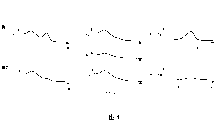


Classifications
-
- G—PHYSICS
- G08—SIGNALLING
- G08G—TRAFFIC CONTROL SYSTEMS
- G08G1/00—Traffic control systems for road vehicles
- G08G1/01—Detecting movement of traffic to be counted or controlled
- G08G1/0104—Measuring and analyzing of parameters relative to traffic conditions
Landscapes
- Chemical & Material Sciences (AREA)
- Analytical Chemistry (AREA)
- Physics & Mathematics (AREA)
- General Physics & Mathematics (AREA)
- Traffic Control Systems (AREA)
Abstract
Description
技术领域 technical field
本发明涉及基于通过安装在车辆中的传感器所取得的探测数据(probedata),收集/配送道路交通信息的交通信息收集/配送方法、交通信息收集/配送系统、中心装置以及车载终端装置。The present invention relates to a traffic information collection/distribution method, a traffic information collection/distribution system, a center device, and an on-vehicle terminal device for collecting/distributing road traffic information based on probe data acquired by sensors installed in vehicles.
背景技术 Background technique
以往,为了取得道路的交通信息,经常使用探测车(probe car),所谓探测车,是安装有包括各种传感器和通信装置等的车载装置,通过该各种传感器收集车辆位置、行驶速度、行驶距离等的数据(以下称作探测数据),将该收集的探测数据向规定的交通信息中心发送的车辆。例如基于出租车公司等的协助,而多利用出租车等作为探测车。In the past, in order to obtain road traffic information, a probe car was often used. The so-called probe car is a vehicle-mounted device equipped with various sensors and communication devices. Data such as distance (hereinafter referred to as probe data) is a vehicle that transmits the collected probe data to a predetermined traffic information center. For example, a taxi or the like is often used as a probe car based on the assistance of a taxi company or the like.
另一方面,交通信息中心对从探测车发送来的探测数据进行处理,收集交叉点之间的旅行时间、拥堵位置、拥堵长度等的交通信息。但是,现实的情况为由于探测车的数量不足,因此所收集的交通信息的精度成为问题。在此,为了增加探测车的数量,有例如使具备具有通信功能的导航装置的车辆发挥作为探测车的作用的构想。现状的大部分车辆,全部安装有为了收集交通信息而必需的传感器,此外,预测具有通信功能的导航装置今后也会增加。On the other hand, the traffic information center processes the probe data sent from the probe cars, and collects traffic information such as travel time between intersections, congestion locations, and congestion lengths. However, in reality, the accuracy of collected traffic information becomes a problem because the number of probe vehicles is insufficient. Here, in order to increase the number of probe cars, for example, a vehicle equipped with a navigation device having a communication function is conceived to function as a probe car. Most of the current vehicles are equipped with sensors necessary to collect traffic information, and it is expected that navigation devices with communication functions will increase in the future.
由此,多数车辆成为探测车,从该多个探测车向交通信息中心发送探测数据时,产生与以往不同的问题。首先,第一个问题在于,由于探测数据从多个探测车被发送,因此交通信息中心的通信线路的通信负荷和计算机的处理负荷增大。此外,第二个问题在于,用哪种方法来同样看待针对道路中的同一个事件(例如某地点的拥堵)从多个探测车所发送的不同的探测数据,并且进行分类的问题。As a result, many vehicles become probe cars, and when the probe data is transmitted from the plurality of probe cars to the traffic information center, a problem different from conventional ones arises. First, the first problem is that since the probe data is transmitted from a plurality of probe cars, the communication load on the communication line of the traffic information center and the processing load on the computer increase. In addition, the second problem is how to treat and classify different probe data sent from multiple probe cars for the same event on the road (for example, congestion at a certain point).
在专利文献1中,公开了通过探测车的车载装置进行称作SS/ST的事件的检查,减少向交通信息中心发送的数据的探测车的例子。所谓SS(Short Stop,速止)是指车辆未达到规定速度的停止状态,所谓ST(ShortTrip)是指规定速度以上的行驶状态,车载装置在SS以及ST的各个事件结束时,车辆位置、车辆速度等的探测数据与事件的状态一起上传(up link)(从车载装置向交通信息中心传送数据)。即SS/ST为事件驱动型的上传方法,可认为该方法具有压缩上传的数据的效果。
专利文献1:日本特开2003-296891号公报Patent Document 1: Japanese Patent Laid-Open No. 2003-296891
此外,针对上述第二问题,作为解决同样的问题的一般的方法,例如能够适用适应共鸣理论(ART:Adaptive Resonance Theory)。即对探测数据进行处理的计算机,采用预先设定的教学数据进行学习,通过该类似数据构成群集(cluster)。之后,对实时输入的探测数据,进行与该簇的匹配,进行事件的检测以及分类。Furthermore, for the second problem described above, for example, Adaptive Resonance Theory (ART: Adaptive Resonance Theory) can be applied as a general method for solving the same problem. That is, the computer that processes the detection data uses pre-set teaching data for learning, and forms a cluster through the similar data. Afterwards, the detection data input in real time is matched with the cluster, and event detection and classification are performed.
但是,专利文献1的SS/ST的事件检测,在事件检测的条件(车辆的行驶状况或周围的状况等)、车辆的种类或个体差、传感器的种类或个体差等存在差别时,会有其探测数据产生较大差,导致难以对交通信息中心侧的事件进行综合的情况。此外,即使通过SS/ST对信息进行压缩,也在所有的事件发生时对探测数据进行上传,因此只要探测车的增加、传感器种类的增加、时间分辨率的提高正在进行,就不能削减上传的信息量。However, in the event detection of SS/ST in
此外,在适应共鸣理论的适用中,通过车辆得到的探测数据时,成为其对象的数据的特性以及次数对应于车辆的辆数、车辆的个体差、道路的行驶特性等而多样且短时间地变化。因此,与限定判定对象的传感器的用途不同,不能简单地进行教学数据的设定和簇的形成。至少针对实时输入的探测数据,难以实时地检测出其事件,并进行分类。In addition, in the application of the adaptive resonance theory, when the probe data obtained by the vehicle is used, the characteristics and frequency of the target data are varied in a short period of time according to the number of vehicles, individual differences of vehicles, and road running characteristics. Variety. Therefore, setting of teaching data and formation of clusters cannot be easily performed, unlike the use of sensors that limit determination targets. At least for real-time input detection data, it is difficult to detect and classify its events in real time.
发明内容 Contents of the invention
在此,本发明的目的在于,提供一种能够削减从探测车上传的探测数据,并且从对于某道路区间的多个探测数据中抽出类似的特征数据,对该抽出的特征数据所对应的道路区间,附加与交通状况相关的事件信息并配送的处理,能够实时地进行的交通信息收集/配送方法、交通信息收集/配送系统、中心装置以及车载终端装置。Here, the purpose of the present invention is to provide a method that can reduce the detection data uploaded from the detection vehicle, and extract similar feature data from a plurality of detection data for a certain road section, and the road corresponding to the extracted feature data Sections, the process of adding and distributing event information related to traffic conditions, the traffic information collection/distribution method, traffic information collection/distribution system, center device, and vehicle-mounted terminal device that can be performed in real time.
本发明为,构成为具有车载装置和暂时存储机构,该车载装置被安装在车辆中且从该车辆所具备的传感器取得探测数据,该暂时存储机构接收从上述车载终端装置所发送的信息并进行暂时存储,与能够基于该暂时存储的信息,取得道路的交通状况相关的事件信息的中心装置可通信地连接的交通信息收集/配送系统,还有该交通信息收集/配送系统中采用的交通信息收集/配送方法、中心装置以及车载终端装置。并且,在本发明中,以上述车载终端装置以及上述中心装置按下述那样工作为特征。The present invention is configured to include an in-vehicle device that is installed in a vehicle and obtains detection data from a sensor of the vehicle, and a temporary storage mechanism that receives information transmitted from the above-mentioned in-vehicle terminal device and performs Temporary storage, a traffic information collection/distribution system communicably connected to a center device capable of acquiring event information related to road traffic conditions based on the temporarily stored information, and traffic information used in the traffic information collection/distribution system Collection/delivery method, center device, and vehicle-mounted terminal device. Furthermore, in the present invention, the vehicle-mounted terminal device and the center device are characterized in that they operate as follows.
(1)上述车载终端装置,在根据上述探测数据检测出到了规定的事件时,向中心装置发送检测到了该事件的道路区间的相关上述探测数据和识别该事件的事件识别信息。(1) The on-vehicle terminal device, when detecting a predetermined event based on the probe data, transmits the probe data related to the road section where the event was detected and event identification information for identifying the event to the center device.
(2)上述中心装置,(2-1)接收从上述车载终端装置发送的上述探测数据和上述事件识别信息,将该所接收到的上述探测数据和上述事件识别信息暂时存储到上述暂时存储机构,(2-2)对于上述暂时存储机构中存储的探测数据中,互相共有该对应的道路区间的一部分的多个探测数据,进行基于主成分分析的特征空间映射处理,(2-3)通过上述特征空间映射处理得到的特征空间矢量,检测出该特征空间矢量的方向的变化点,(2-4)通过上述所检测出的变化点,对上述多个探测数据相关的道路区间进行分割,(2-5)对上述分割的各个道路区间,分配与包括该道路区间的上述多个探测数据分别对应的事件识别信息之一,(2-6)将上述分配的事件识别信息和表示该道路区间的所在位置的区间信息配送到上述车载终端装置。(2) The above-mentioned central device, (2-1) receives the above-mentioned detection data and the above-mentioned event identification information transmitted from the above-mentioned vehicle-mounted terminal device, and temporarily stores the above-mentioned detection data and the above-mentioned event identification information received in the above-mentioned temporary storage mechanism , (2-2) among the detection data stored in the above-mentioned temporary storage mechanism, a plurality of detection data that share a part of the corresponding road section with each other, perform feature space mapping processing based on principal component analysis, (2-3) by The feature space vector obtained by the above-mentioned feature space mapping process is used to detect the change point of the direction of the feature space vector, and (2-4) segment the road sections related to the above-mentioned plurality of detection data through the above-mentioned detected change point, (2-5) To each of the above-mentioned divided road sections, assign one of the event identification information respectively corresponding to the plurality of detection data including the road section, (2-6) combine the above-mentioned assigned event identification information and The section information of the location of the section is delivered to the vehicle-mounted terminal device.
(3)上述车载终端装置,接收上述事件识别信息和上述区间信息,在该车辆的当前位置包括在由上述区间信息所表示的道路区间中时,将通过上述事件识别信息表示的事件信息显示在显示装置中。(3) The above-mentioned vehicle-mounted terminal device receives the above-mentioned event identification information and the above-mentioned section information, and displays the event information indicated by the above-mentioned event identification information on the road section when the current position of the vehicle is included in the road section indicated by the above-mentioned section information. display device.
通过本发明,削减了从探测车上传的探测数据的量,同时能够从针对某道路区间的多个探测数据抽出类似的特征数据,对该抽出的特征数据所对应的道路区间实时地附加交通状况相关的事件的信息并进行配送。Through the present invention, the amount of detection data uploaded from the detection vehicle is reduced, and at the same time, similar feature data can be extracted from a plurality of detection data for a certain road section, and traffic conditions can be added in real time to the road section corresponding to the extracted feature data Information about relevant events and deliveries.
附图说明 Description of drawings
图1为表示本发明的实施方式相关的交通信息收集/配送系统的功能模块的结构的例子的图。FIG. 1 is a diagram showing an example of a configuration of functional modules of a traffic information collection/distribution system according to an embodiment of the present invention.
图2为表示在本发明的实施方式中,从车载终端装置向中心装置发送的探测数据以及从中心装置向车载终端装置配送的事件数据的结构的图。2 is a diagram showing the structure of probe data transmitted from the vehicle-mounted terminal device to the center device and event data distributed from the center device to the vehicle-mounted terminal device in the embodiment of the present invention.
图3为表示本发明的实施方式相关的交通信息收集/配送系统中的处理的流程的概要的图。3 is a diagram showing an outline of a flow of processing in the traffic information collection/distribution system according to the embodiment of the present invention.
图4为示意地表示本发明的实施方式相关的主成分分析中的特征空间映射处理的例子的图。FIG. 4 is a diagram schematically showing an example of feature space mapping processing in principal component analysis according to the embodiment of the present invention.
图5为表示本发明的实施方式的相关中心装置中的事件合并区间的决定的方法的图。FIG. 5 is a diagram showing a method of determining an event integration section in the correlation center device according to the embodiment of the present invention.
图6为表示本发明的实施方式的相关中心装置中的事件标签分配的例子的图。Fig. 6 is a diagram showing an example of event tag assignment in the correlation center device according to the embodiment of the present invention.
图7为表示本发明的实施方式的相关车载终端装置中的探测数据的分割以及正交成分分解的例子的图。7 is a diagram showing an example of division and orthogonal component decomposition of probe data in the related vehicle-mounted terminal device according to the embodiment of the present invention.
图8为表示本发明的实施方式的相关车载终端装置中的探测数据的正交成分分解的基本方法的图。8 is a diagram showing a basic method of orthogonal component decomposition of probe data in the related vehicle-mounted terminal device according to the embodiment of the present invention.
图9为表示本发明的实施方式的相关车载终端装置中的事件数据的显示方法的例子的图。9 is a diagram showing an example of a method of displaying event data in the vehicle-mounted terminal device according to the embodiment of the present invention.
图10为表示本发明的实施方式的相关中心装置的动作流程的图。FIG. 10 is a diagram showing an operation flow of the correlation center device according to the embodiment of the present invention.
图11为表示本发明的实施方式的相关车载终端装置的动作流程的图。FIG. 11 is a diagram showing an operation flow of the vehicle-mounted terminal device according to the embodiment of the present invention.
图12为表示本发明的实施方式之变形的相关进行基于携带导航终端的探测数据的事件判定的系统的功能模块的结构的例子的图。FIG. 12 is a diagram showing an example of a configuration of a functional block of a system for performing event determination based on probe data of a portable navigation terminal according to a modification of the embodiment of the present invention.
图13为表示本发明的实施方式之变形的相关正常残差检测部的方法的图。FIG. 13 is a diagram showing a method of a correlated normal residual detection unit according to a modification of the embodiment of the present invention.
图14为表示本发明的实施方式之变形的相关异常残差检测部的方法的图。FIG. 14 is a diagram showing a method of a correlation abnormality residual detection unit according to a modification of the embodiment of the present invention.
图15为说明本发明的实施方式之变形的相关残差的分布和阈值的图。FIG. 15 is a diagram illustrating distributions of correlation residuals and thresholds in a modification of the embodiment of the present invention.
图16为表示本发明的实施方式之变形的相关形态导航残差检测部的方法的图。FIG. 16 is a diagram showing a method of a correlation form navigation residual detection unit according to a modification of the embodiment of the present invention.
图中:1-交通信息收集/配送系统;10-中心装置;11-探测数据接收部;12-探测数据更新部;13-主成分得分矢量发送部;14-特征空间映射处理部;15-变化点检测部;16-事件区间分割部;17-事件分配部;18-事件数据配送部;21-现状探测数据存储部;22-主成分得分矢量存储部;23-事件数据存储部;30-车载终端装置;31-探测数据取得部;32-事件检测部;33-探测数据发送部;34-探测数据分割部;35-正交成分分解部;36-上传判定部;37-主成分得分矢量接收部;38-事件数据接收部;39-事件数据显示部;41-探测数据存储部;50-传感器;60-显示装置。In the figure: 1-traffic information collection/distribution system; 10-central device; 11-detection data receiving unit; 12-detection data updating unit; 13-principal component score vector sending unit; 14-feature space mapping processing unit; 15- Change point detection unit; 16-event interval segmentation unit; 17-event distribution unit; 18-event data distribution unit; 21-status detection data storage unit; 22-principal component score vector storage unit; 23-event data storage unit; 30 -vehicle terminal device; 31-detection data acquisition unit; 32-event detection unit; 33-detection data transmission unit; 34-detection data segmentation unit; 35-orthogonal component decomposition unit; 36-upload determination unit; 37-principal component Score vector receiving unit; 38-event data receiving unit; 39-event data display unit; 41-detection data storage unit; 50-sensor; 60-display device.
具体实施方式 Detailed ways
以下,参照附图,对本发明的实施方式进行详细的说明。Hereinafter, embodiments of the present invention will be described in detail with reference to the drawings.
图1为表示本发明的实施方式相关的交通信息收集/配送系统的功能模块的结构的例子的图。如图1所示,交通信息收集/配送系统1,通过中心装置10和安装在车辆上的车载终端装置30而构成。在此,中心装置10和车载终端装置30介由携带电话线路或互联网等未图示的通信网络可互相通信地连接。此外,车载终端装置30与安装在车辆中的各种传感器50、显示装置60等连接。FIG. 1 is a diagram showing an example of a configuration of functional modules of a traffic information collection/distribution system according to an embodiment of the present invention. As shown in FIG. 1 , a traffic information collection/
在此,中心装置10包括探测数据接收部11、探测数据更新部12、主成分得分矢量发送部13、特征空间映射处理部14、变化点检测部15、事件区间分割部16、事件分配部17、事件数据配送部18、现状探测数据存储部21、主成分得分矢量存储部22、事件数据存储部23等的功能模块而构成。Here, the central device 10 includes a probe
此外,车载终端装置30包括探测数据取得部31、事件检测部32、探测数据发送部33、探测数据分割部34、正交成分分解部35、上传判定部36、主成分得分矢量接收部37、事件数据接收部38、事件数据显示部39、探测数据存储部41等的功能模块而构成。In addition, the vehicle-mounted terminal device 30 includes a probe data acquisition unit 31, an
可利用一般安装在车辆上的各种传感器作为传感器50。例如也可是车速传感器、距离传感器、加速度传感器、制动传感器、加速传感器、转向角传感器、GPS(Global Positioning System)接收机等的位置传感器、ABS(Antilock Braking System)等中的滑动传感器、雷达等的障碍物传感器等的任一个。Various sensors generally mounted on vehicles can be utilized as the
在车载终端装置30中,探测数据取得部31取得从各种传感器50输入的探测数据,将所取得的探测数据保存到探测数据存储部41。此外,事件检测部32根据由探测数据取得部31所取得的探测数据检测出事件,将表示所检测出的事件的种类的事件标签、例如“拥堵”等的信息附加到探测数据。之后,探测数据发送部33,基于来自探测数据分割部34或上传判定部36的指示信息,向中心装置10发送(上传)该附加有事件标签的探测数据。In the vehicle-mounted terminal device 30 , the probe data acquisition unit 31 acquires probe data input from
另外,在本实施方式中,事件检测部32所进行的事件的检测,可通过对来自单一或多个传感器50的探测数据进行监视而进行检测。例如,将车速在规定速度以下时检测为“拥堵”的事件,对此时得到的探测数据附加“拥堵”的事件标签(label)。此时,也可对探测数据附加多个事件标签。之后,将附加有该事件标签的探测数据部分称作事件区间。In addition, in the present embodiment, the event detection by the
此外,在车载终端装置30中,主成分得分矢量接收部37接收从中心装置10发送的主成分得分矢量(详细后述),探测数据分割部34将存储在探测数据存储部41中的探测数据分割为该所接收到的主成分得分矢量的区间内所包括的部分和该区间外所包括的部分。之后,指示探测数据发送部33上传该区间外所包括的部分的探测数据。此外,正交成分分解部35,通过对主成分得分矢量的区间内所包括的部分的探测数据进行正交成分分解,从而抽出与主成分得分矢量不同的成分(正交成分)的数据。之后,上传判定部36对是否存在该正交成分的数据进行判定,在存在不同成分的数据时,指示探测数据发送部33向中心装置10上传探测数据中该正交成分的数据。In addition, in the vehicle-mounted terminal device 30, the principal component score
此外,在车载终端装置20中,事件数据接收部38接收从中心装置10配送的事件数据。该事件数据中,附加有表示该事件数据与哪个道路区间对应的区间信息,因此事件数据显示部39在该所接收的事件数据中有该车辆在行驶中的道路区间的信息时,将该事件数据显示在显示装置60中。另外,显示装置60由例如LCD(Liquid Crystal Display)等构成,也可共用导航装置的显示装置。Moreover, in the vehicle-mounted terminal device 20 , the event
接下来,在中心装置10中,探测数据接收部11接收从车载终端装置30所发送的探测数据,将该接收的探测数据保存在现状探测数据存储部21中。此外,探测数据更新部12,对现状探测数据存储部21中所保存的探测数据,除去该探测数据中所添加的时日信息(时间戳,time stamp)偏离现状时间窗(time window)的信息。在此,所谓现状时间窗是指从当前时刻的规定时间前(例如5分前)到当前时刻的期间。即探测数据更新部12除去保存在现状探测数据存储部21中的探测数据中的旧数据。Next, in the center device 10 , the probe
特征空间映射处理部14,对保存在现状探测数据存储部21中的探测数据进行主成分分析处理,算出特征空间矢量以及主成分得分矢量,进而将该算出的主成分得分矢量保存在主成分得分矢量存储部22中。之后,变化点检测部15对上述算出的特征空间矢量检测该矢量的方向的变化点。此外,事件区间分割部16,基于该变化点对道路区间进行分割,事件分配部17对该所分割的道路区间,分配探测数据中所添加的事件标签,将道路区间信息和事件标签作为事件数据保存在事件数据存储部23中。事件数据配送部18将保存在事件数据存储部23中的事件数据向车载终端装置30配送。The feature space
另外,关于中心装置10中的特征空间映射处理部14以下的各功能模块,在后面更详细地进行说明。In addition, each functional block below the feature space
在图1中,中心装置10,通过包括未图示的CPU(Central ProcessingUnit)和存储装置而构成的计算机来构成,中心装置10的上述各功能模块的功能,通过上述CPU执行上述存储装置中所存储的规定的程序来实现。另外,存储装置由RAM(Random Access Memory)、闪烁存储器、硬盘装置等构成。In Fig. 1, the central device 10 is constituted by a computer comprising an unillustrated CPU (Central Processing Unit) and a storage device. Stored prescribed procedures to achieve. In addition, the storage device is composed of RAM (Random Access Memory), flash memory, hard disk device, and the like.
同样,车载终端装置30通过包括未图示的CPU和存储装置而构成的计算机来构成,车载终端装置30的上述各功能模块的功能通过上述CPU执行上述存储装置中所存储的规定的程序来实现。另外,存储装置由RAM、闪烁存储器、硬盘装置等构成。Similarly, the vehicle-mounted terminal device 30 is constituted by a computer comprising a CPU and a storage device not shown in the figure, and the functions of the above-mentioned functional modules of the vehicle-mounted terminal device 30 are realized by the above-mentioned CPU executing a prescribed program stored in the above-mentioned storage device. . In addition, the storage device is constituted by a RAM, a flash memory, a hard disk device, and the like.
图2为表示在本实施方式中,从车载终端装置向中心装置发送的探测数据以及从中心装置向车载终端装置配送的事件数据的结构的图。FIG. 2 is a diagram showing the structure of probe data transmitted from the vehicle-mounted terminal device to the center device and event data distributed from the center device to the vehicle-mounted terminal device in the present embodiment.
在图2中,探测数据的时日信息为表示取得该探测数据时的的时日的信息。此外,区间信息为取得该探测数据的道路路段(将连接交叉点之间的道路称作道路路段)中的道路区间相关的信息,包括道路路段的识别信息、该道路路段中的事件发送位置信息、该事件相关的探测数据存在的区间的距离信息等的信息。此外,事件标签为对由事件检测部32所附加的该事件的种类进行识别的信息。In FIG. 2 , the date and time information of the probe data is information indicating the time and date when the probe data was acquired. In addition, the section information is information related to the road section in the road section (the road connecting the intersections is called a road section) from which the probe data is obtained, and includes identification information of the road section, event transmission position information in the road section , information such as the distance information of the interval where the detection data related to the event exists. In addition, the event tag is information for identifying the type of the event added by the
另外,在车载终端装置30没有包括道路路段的识别信息和位置信息等的道路地图信息的情况下,在车载终端装置30中,不能附加道路路段的识别信息。此时,采用从GPS接收机等得到的纬度/经度信息作为事件发生位置信息,关于道路路段的识别信息,也可由中心装置10附加。In addition, if the vehicle-mounted terminal device 30 does not have road map information including road link identification information, location information, etc., the vehicle-mounted terminal device 30 cannot add road link identification information. At this time, latitude/longitude information obtained from a GPS receiver or the like is used as event occurrence position information, and identification information of road sections may be added by the center device 10 .
此外,探测数据的主体由从传感器#i(i=1,…,s:其中,s为传感器的数目)取得的数据dij(j=1,…,n:n为数据的数目)构成。另外,从传感器#i取得的dij一般作为时间序列的数据取得,但在本实施方式中,时间序列的数据为例如通过与行驶距离传感器的数据组合而变为以行驶距离作为主轴的数据,例如为通过车辆行驶1m而得到的数据。Also, the body of detection data is composed of data d ij (j=1,...,n: n is the number of data) acquired from sensors #i (i=1,...,s: where s is the number of sensors). In addition, d ij acquired from sensor #i is generally acquired as time-series data, but in the present embodiment, time-series data is data whose main axis is the traveling distance by combining with the traveling distance sensor data, for example, For example, it is data obtained when the vehicle travels 1 m.
此外,在通过上传判定部36指示上传的情况下,上传的探测数据不是从传感器#i(i=1,…,s)取得的数据dij本身,而是成为针对通过正交成分分解部35抽出的主成分得分矢量的正交成分的数据。In addition, when an upload is instructed by the upload
此外,从传感器10向车载终端装置30配送的事件数据,包括时日信息、区间信息和事件标签而构成。此时的区间信息包括道路路段的识别信息和该道路路段中的至少两个地点的位置信息。此外,事件标签为通过事件分配部17分配给该区间的事件标签,也可分配多个事件标签。Incidentally, the event data delivered from the sensor 10 to the vehicle-mounted terminal device 30 includes time and date information, section information, and an event tag. The section information at this time includes identification information of the road segment and location information of at least two locations in the road segment. In addition, an event tag is an event tag assigned to the section by the
另外,事件数据存储部23存储有多个如上那样构成的事件数据。而且,事件数据配送部18也可对每个车载终端装置30分别配送上述事件数据,但通常对在规定的区域内存在的多个车载装置30,通过多播同时配送具有在该区域所包括的道路区间的区间信息的事件数据。In addition, the event
图3为表示本实施方式相关的交通信息收集/配送系统中的处理的流程的概要的图。即该处理的流程表示,车载终端装置30从传感器50取得探测数据,根据该探测数据检测事件,只将必要最小限的探测数据上传到中心装置10,中心装置10将该被上传的探测数据与到目前保有的事件数据合并或分离,生成新的事件数据,并配送所保有生成的事件数据的处理为止的处理。另外,在该处理中,假设车载终端装置30存在有多个(多数)。FIG. 3 is a diagram showing an overview of the flow of processing in the traffic information collection/distribution system according to the present embodiment. That is, the processing flow shows that the vehicle-mounted terminal device 30 obtains detection data from the
如图3所示,车载终端装置30通过从传感器50取得的探测数据检测出称作拥堵的事件(步骤S10),对传感器装置10发送“上传通知”(步骤S11)。“上传通知”为车载终端装置30向中心装置10通知进行探测数据的上传的通知。此外,在本实施方式的情况下,“上传通知”也可为对中心装置10请求主成分得分矢量的发送的信息。另外,“上传通知”中被添附有安装车载终端装置30的车辆的当前位置信息。As shown in FIG. 3 , the in-vehicle terminal device 30 detects an event called congestion from the probe data acquired from the sensor 50 (step S10 ), and sends an "upload notification" to the sensor device 10 (step S11 ). The "upload notification" is a notification that the vehicle-mounted terminal device 30 notifies the center device 10 of uploading the probe data. In addition, in the case of the present embodiment, the "upload notification" may be information requesting the center device 10 to transmit the principal component score vector. In addition, the current location information of the vehicle on which the vehicle-mounted terminal device 30 is installed is added to the "upload notification".
中心装置10接收到“上传通知”时,基于所添附的车辆的当前位置信息参照主成分得分矢量存储部22,来判断在该车辆行驶中的道路路段中是否有事件合并完成区间(步骤S12)。所谓事件合并完成区间在此意味着对应主成分得分矢量的道路区间,其详细内容后述。When the center device 10 receives the "upload notification", it refers to the principal component score
之后,在该判定结果为事件合并完成区间存在时(步骤S12是),中心装置10将包括该合并完成区间信息的主成分得分矢量向车载终端装置30发送(步骤S13)。此外,在没有事件合并完成区间时(步骤S12否)中心装置10向车载终端装置30发送“无条件上传请求”(步骤S14)。Then, when the result of the determination is that the event integration completed section exists (step S12: Yes), the center device 10 transmits the principal component score vector including the information of the integrated section to the vehicle-mounted terminal device 30 (step S13). Moreover, when there is no event integration completion section (step S12 No), the center apparatus 10 transmits "unconditional upload request" to the vehicle-mounted terminal apparatus 30 (step S14).
另一方面,车载终端装置30,在此时所接收到的数据为“无条件上传请求”时(步骤S15是),将包括事件标签并与该事件相关的所有探测数据向中心装置10上传(步骤S16)。此外,在该所接收到的数据不是“无条件上传请求”时(步骤S15否),也即所接收的数据为包括合并完成区间信息的主成分得分矢量时,车载终端装置30基于该合并完成区间信息对探测数据进行区间分割(步骤S17)。On the other hand, the vehicle-mounted terminal device 30, when the data received at this time is "unconditional upload request" (step S15 is yes), will include the event tag and upload all detection data related to the event to the central device 10 (step S15). S16). In addition, when the received data is not an "unconditional upload request" (step S15 No), that is, when the received data is a principal component score vector including merged interval information, the vehicle-mounted terminal device 30 based on the merged interval The information performs interval division on the detection data (step S17).
之后,通过该区间分割而产生了不包括在上述合并完成区间中的新区间时,抽出该新区间的探测数据。此外,针对上述合并完成区间内所包括的探测数据,进行基于主成分得分矢量的正交成分分解(步骤S18),将该正交成分作为事件的新成分抽出。由此,在抽出了探测数据的新区间或新成分(正交成分)时(步骤S19是),车载终端装置30将包括事件标签的上述抽出部分的探测数据向中心装置10上传(步骤S20)。此外,在既没有抽出新区间又没有抽出新成分时(步骤S19否),不进行探测数据的上传。Afterwards, when a new section not included in the above-mentioned integrated section is generated by the section division, the detection data of the new section is extracted. In addition, for the detection data included in the above-mentioned integrated interval, the orthogonal component decomposition based on the principal component score vector is performed (step S18 ), and the orthogonal component is extracted as a new component of the event. Thus, when a new section or new component (orthogonal component) of the probe data is extracted (step S19 is yes), the vehicle-mounted terminal device 30 uploads the probe data of the above-mentioned extracted part including the event tag to the center device 10 (step S20) . In addition, when neither a new section nor a new component is extracted (step S19 No), uploading of probe data is not performed.
接下来,中心装置10接收从车载终端装置30上传的探测数据(所有探测数据、新区间或新成分的探测数据)时,在将该探测数据暂时保存在现状探测数据存储部21中之后,对于属于包括事件合并完成区间和新区间的新的事件合并区间的探测数据进行特征空间映射处理,通过检测出其结果所得到的特征空间矢量的变化点,从而对事件区间进行分割(步骤S21)。之后,中心装置10,向该分割的事件区间分配事件标签,将事件区间的区间信息和事件标签建立对应并保存在事件数据存储部23中(步骤S22)。Next, when the central device 10 receives the detection data (the detection data of all detection data, new intervals or new components) uploaded from the vehicle-mounted terminal device 30, after the detection data is temporarily stored in the current detection
此外,中心装置10将事件数据存储部23中保存的事件数据例如按每5分等规定时间向车载终端装置30配送(步骤S23)。此外,车载终端装置30接收该所配送的事件数据,将该所接收到的事件数据中所包括的区间信息和该车辆的当前位置进行对照,在存在具有区间信息的事件数据,且该区间信息包括该当前位置时,将该事件数据显示在显示装置中(步骤S24)。In addition, the center device 10 distributes the event data stored in the event
以上,通过图3所示的处理,中心装置10能够从在道路中行驶的多个车辆中分别安装的车载装置30收集事件数据、即交通信息,此外,能够将该收集的交通信息向车载装置30配送。因此,车载装置30即使在自己进行检测之前,也能取得由其他车载装置30检测出的事件数据,也即交通信息,并进行显示。As above, through the processing shown in FIG. 3 , the center device 10 can collect event data, that is, traffic information from the vehicle-mounted devices 30 respectively installed in a plurality of vehicles traveling on the road, and can also send the collected traffic information to the vehicle-mounted devices. 30 delivery. Therefore, even before the in-vehicle device 30 itself detects, it can acquire event data detected by another in-vehicle device 30, that is, traffic information, and display it.
接下来,对于在以上的处理中本实施方式所具有特征的处理,采用例子等,进一步进行详细说明。Next, among the above-mentioned processing, the characteristic processing of this embodiment will be described in further detail using examples and the like.
图4为示意地表示本实施方式相关的主成分分析中的特征空间映射处理的例子的图。主成分分析为从多个数据抽出互相具有相关性的数据,通过将上述数据进行合并,削减其数据量,使得该数据所具有的特征容易掌握的技术。因此,由于认为针对相同事件从多个车辆的车载终端装置30所取得的探测数据之间,当然具有高的相关性,因此通过适用主成分分析,能够将上述探测数据合并化。FIG. 4 is a diagram schematically showing an example of feature space mapping processing in principal component analysis according to this embodiment. Principal component analysis is a technique for extracting mutually correlated data from a plurality of data, reducing the amount of data by combining the above data, and making the characteristics of the data easy to grasp. Therefore, since it is considered that the probe data acquired from the vehicle-mounted terminal devices 30 of a plurality of vehicles for the same event naturally have a high correlation, the above probe data can be integrated by applying principal component analysis.
例如,如图4所示,通过多个车载终端装置30取得数据A、数据B、数据C的探测数据。此时,数据A、B、C的相关性非常高。因此,上述数据也可称为通过相同事件形成的数据。其中,数据C为例如因车辆的个体差异等而数据的变化率较大的数据,对于数据A、数据B而言相关性只减小一点。For example, as shown in FIG. 4 , probe data of data A, data B, and data C are acquired by a plurality of vehicle-mounted terminal devices 30 . At this time, the correlation of data A, B, and C is very high. Therefore, the above-mentioned data may also be referred to as data formed by the same event. Among them, data C is data whose rate of change is large due to, for example, individual differences in vehicles, and the correlation between data A and data B is only slightly reduced.
对于上述的数据A、B、C实施主成分分析时,能变换为数据的种类的数目减少、所谓的特征空间的数据。这种数据变换经常被称为特征空间映射。在图4中,数据A、B、C被变换为数据A、B、C具有相关而变化的成分的数据X、数据C与数据A、B没有相关地变化的成分的数据Y。也即特征空间的坐标轴,被选择为能够代表相关性高的数据者。When principal component analysis is performed on the above-mentioned data A, B, and C, it can be converted into data in a so-called feature space with a reduced number of types of data. This data transformation is often referred to as feature space mapping. In FIG. 4 , data A, B, and C are converted into data X of components in which data A, B, and C vary with correlation, and data Y of components in which data C and data A, B vary without correlation. That is, the coordinate axis of the feature space is selected to represent data with high correlation.
在本实施方式的中心装置10中,以上的特征空间映射由特征空间映射处理部14进行。另外,探测数据空间中的数据A、B、C被映射到特征空间而得到的数据X、数据Y非别称作主成分得分矢量。换句话说,主成分得分矢量为特征空间中的数据的每个坐标轴的坐标值的历史记录信息。由该特征空间映射所得到的主成分得分矢量被存储在主成分得分矢量存储部22中。In the center device 10 of the present embodiment, the above feature space mapping is performed by the feature space
特征空间中的数据所表示的坐标值称作特征空间矢量,但在本实施方式中,掌握该特征空间矢量的方向的变化,将其判断为事件的变化点。例如,在图4的例子中,数据X为其范数(矢量的大小的绝对值)大且该事件的贡献大的数据。此外,数据Y为其范数小且该事件的贡献小的数据。在多个矢量的合成中,所合成的矢量的方向受到范数大的矢量的方向的影响,因此此时的特征空间矢量的方向受到数据X的值的影响较大。因此,在图4的例子中,在虚线所示的位置附近数据X的值变化较大,因此特征空间矢量也在该虚线的位置附近变化较大。在此,判断在该虚线附近矢量变化。A coordinate value represented by data in a feature space is called a feature space vector, but in this embodiment, a change in direction of the feature space vector is grasped and judged as a change point of an event. For example, in the example of FIG. 4 , the data X has a large norm (absolute value of the magnitude of the vector) and a large contribution of the event. In addition, the data Y has a small norm and a small contribution to the event. In the synthesis of multiple vectors, the direction of the synthesized vector is affected by the direction of the vector with a large norm, so the direction of the feature space vector at this time is greatly affected by the value of the data X. Therefore, in the example of FIG. 4 , the value of the data X changes greatly near the position indicated by the dotted line, and therefore the feature space vector also greatly changes near the position indicated by the dotted line. Here, it is judged that the vector changes in the vicinity of the dotted line.
因此,在本实施方式中,检测特征空间矢量的变化点,通过该变化点分割事件区间。顺便提一下,在图4的例子中,设虚线之前的区间为事件α,设虚线后的区间为事件β。另外,在中心装置10中,由变化点检测部15以及事件区间分割部16进行上述处理。Therefore, in the present embodiment, a change point of the feature space vector is detected, and the event interval is divided by the change point. Incidentally, in the example of FIG. 4 , the interval before the dotted line is event α, and the interval after the dotted line is event β. In addition, in the center device 10 , the change
在此,预先补充并注意主成分得分矢量和特征空间矢量分别是不同的矢量。例如,设dij(i=1,…,s,j=1,…,n)为探测数据,设ckj(k=1,…,u,j=1,…,n,u<s)为将该探测数据通过特征空间映射所变换的特征空间的数据。此时,设ckj为矩阵C的要素时,矩阵C的列矢量(c1j,c2j,…cuj)t(j=1,…,n)为特征空间矢量,行矢量(ck1,ck2,…ckn)(k=1,…,u)为主成分得分矢量。Here, note in advance that the principal component score vector and the feature space vector are different vectors. For example, let d ij (i=1, ..., s, j = 1, ..., n) be the detection data, set c kj (k = 1, ..., u, j = 1, ..., n, u<s) is the data of the feature space transformed by the detection data through the feature space mapping. At this time, when c kj is an element of matrix C, the column vector (c 1j , c 2j , ... c uj ) t (j=1, ..., n) of matrix C is the feature space vector, and the row vector (c k1 , c k2 , . . . c kn ) (k=1, . . . , u) are principal component score vectors.
图5为表示本实施方式相关的中心装置中的矢量合并区间决定的方法的图。从车载终端装置30将新的探测数据上传到中心装置10时,往往在中心装置10的现状的探测数据存储部21中,从先行的车辆的车载终端装置30所上传的探测数据已经存在。在图5中,将该探测数据表记为现有探测数据#1、#2、…、#m。FIG. 5 is a diagram showing a method of determining a vector integration section in the center device according to the present embodiment. When new probe data is uploaded from the vehicle-mounted terminal device 30 to the center device 10 , the probe data uploaded from the vehicle-mounted terminal device 30 of the preceding vehicle often already exists in the current probe
此外,如图5所示,上述已存探测数据#1、#2、…、#m的事件区间由于道路的混杂状况和车辆的行驶状况等而产生位置偏差。但是,中心装置10,只要该事件区间中有重叠,便将该探测数据作为由来于相同事件的数据,合并到完全包括该事件区间那样的区间中而进行特征空间映射处理。In addition, as shown in FIG. 5 , the event intervals of the above-mentioned stored
因此,在新的探测数据被上传时,通过先行并被上传的已存的探测数据#1、#2、…、#m,上述事件区间被暂时合并。在此本实施方式中,新的探测速据被上传时,将对已存在的探测数据的事件区间进行合并后的事件区间称作事件合并完成区间。Therefore, when new probe data is uploaded, the above-mentioned event intervals are temporarily merged with the previously stored
中心装置10,在新的探测数据被上传时,通过该事件合并完成区间和新的探测数据的事件区间之间的或运算而形成新的事件合并区间,对于已有的探测数据#1、#2、…、#m和新的探测数据进行特征空间映射处理。此时,在事件合并完成区间存在经过了规定时间以上的时间的旧的探测数据时,将该旧的探测数据从特征空间映射处理的对象中除去。The central device 10, when new detection data is uploaded, forms a new event combination interval through the OR operation between the event integration completion interval and the event interval of the new detection data. For the existing
另外,如图5所示,对事件区间的范围不同的探测数据,进行特征空间映射处理时,各探测数据对特征空间映射处理对象的事件合并区间具有欠缺值。与此相对,在本实施方式中,虽然计算量变大,但可利用推定欠缺区间的值而进行插补的带欠缺值的主成分分析法。In addition, as shown in FIG. 5 , when the feature space mapping processing is performed on the detection data having different event interval ranges, each detection data has a missing value for the event integration interval to be processed by the feature space mapping processing. On the other hand, in the present embodiment, although the amount of calculation increases, the principal component analysis method with missing values can be used for interpolating by estimating the value of the missing interval.
图6为表示本实施方式相关的中心装置中的事件标签分配的例子的图。FIG. 6 is a diagram showing an example of event tag allocation in the center device according to the present embodiment.
中心装置10接受探测数据的上传时,如以上说明那样,对新的事件合并区间进行特征空间映射处理,检测出特征空间矢量的变化点,对事件区间进行分割。之后,中心装置10分别对该分割后的事件区间分配事件标签。When the central device 10 receives the upload of the probe data, as described above, it performs feature space mapping processing on the new event integration interval, detects the change point of the feature space vector, and divides the event interval. Thereafter, the center device 10 assigns event labels to the divided event sections.
在该事件标签的分配时,判定是否对成为合并对象的所有探测数据附加有相同的事件标签。并且,在对所有探测数据附加了相同的事件标签时,将该事件标签分配给上述分割后的事件区间。此外,在没有都附加有相同的事件标签时,也即在不同的事件标签混合存在时,通过多数决定而选择最多的事件标签,将该最多的事件标签分配给该事件区间。When assigning this event tag, it is determined whether or not the same event tag is attached to all the probe data to be merged. And, when the same event label is attached to all the probe data, the event label is assigned to the above-mentioned divided event sections. Also, when none of the event tags have the same event tag attached, that is, when different event tags are mixed, the event tag with the largest number is selected by majority decision, and the event tag with the largest number is assigned to the event section.
顺带提一下,在图6中,事件#1的事件区间的探测数据中所添加的事件标签,全部为相同的“拥堵”,因此事件#1的事件区间中分配有“拥堵”的事件标签。此外,事件#3以及事件#4的事件区间中,通过多数决定而分别分配有“障碍物”以及“滑动”的事件标签。Incidentally, in FIG. 6 , the event tags added to the detection data of the event interval of
图7为表示本实施方式相关的车载终端装置中的探测数据的分割以及正交成分分解的例子的图。图8为表示该正交成分分解的基本方法的图。7 is a diagram showing an example of division and orthogonal component decomposition of probe data in the vehicle-mounted terminal device according to the present embodiment. FIG. 8 is a diagram showing the basic method of this orthogonal component decomposition.
车载终端装置30,如上所述,在对探测数据进行上传时,向中心装置10发送“上传通知”。与此相对,中心装置10,判定安装有该车载终端装置30的车辆行驶中的道路路段中是否存在已有的事件合并完成区间,在存在已有的事件合并完成区间时,将通过针对该事件合并完成区间中所包括的已有的探测数据的特征空间映射处理而已得到的主成分得分矢量发送给车载终端装置30。The vehicle-mounted terminal device 30 transmits an "upload notification" to the center device 10 when uploading the probe data as described above. In contrast, the center device 10 determines whether there is an existing event integration completion section in the road section in which the vehicle on which the vehicle-mounted terminal device 30 is traveling is installed, and when there is an existing event integration completion section, it will pass the The principal component score vector obtained by combining the feature space mapping processing of the existing probe data included in the section is sent to the vehicle-mounted terminal device 30 .
车载终端装置30接收主成分得分矢量,将所接收到的主成分得分矢量的事件区间和想要上传的探测数据的事件区间(以下称作新上行区间)进行比较。之后,如图7所示,将新的上传区间分割为主成分得分矢量的事件区间内所包括的区间(1)和主成分得分矢量的事件区间中没有包括的区间(2)(探测数据分割部34)。另一方面,针对区间(1)的部分的探测数据,将该探测数据映射到所接收到的主成分得分矢量的基底矢量,并分解为映射成分(a)和与主成分得分矢量的基底矢量正交的正交成分(b)(正交成分分解部35)。之后,针对区间(2)的部分的探测数据,由于有可能具有到此为止的事件合并完成区间中所没有包括的事件信息,因此成为上传的对象。The in-vehicle terminal device 30 receives the principal component score vector, and compares the event interval of the received principal component score vector with the event interval of the probe data to be uploaded (hereinafter referred to as a new uplink interval). Afterwards, as shown in Figure 7, the new upload interval is divided into the interval (1) included in the event interval of the principal component score vector and the interval (2) not included in the event interval of the principal component score vector (probe data segmentation Section 34). On the other hand, for the part of the detection data in interval (1), map the detection data to the basis vector of the received principal component score vector, and decompose it into the mapping component (a) and the basis vector of the principal component score vector Orthogonal component (b) (orthogonal component decomposition unit 35). Thereafter, the probe data in the section (2) may have event information that was not included in the event integration completed section so far, and thus be uploaded.
在图8中,(例1)Y那样的探测数据,设主成分得分矢量为A时,分解为对该基底矢量的映射成分YA和与其正交的成分YB。即由于正交成分YB意味着具有主成分得分矢量A中所没有包括的任何矢量信息,因此将正交成分YB设为上传对象。但是,如图8(例2)Y那样,在即使具有正交成分YB,其范数也小时,判断不存在与其对应的事件,不作为上传的对象。车载终端装置30适当地设置阈值,通过将被抽出地正交成分YB的范数与该阈值进行比较,来判定有无正交成分。In FIG. 8, (Example 1) probe data such as Y, when the principal component score vector is A, is decomposed into a mapping component Y A to the basis vector and a component Y B orthogonal thereto. That is, since the orthogonal component Y B means having any vector information not included in the principal component score vector A, the orthogonal component Y B is set to be uploaded. However, as shown in FIG. 8 (example 2) Y, even if it has an orthogonal component Y B , its norm is small, and it is judged that there is no corresponding event, and it is not subject to upload. The in-vehicle terminal device 30 appropriately sets a threshold, and compares the norm of the extracted orthogonal component Y B with the threshold to determine whether there is an orthogonal component.
如上所述,在正交成分的范数没有达到规定的阈值时,车载诊断装置30判断为在该部分的探测数据中,除中心装置10已具有的事件信息以外没有新的信息,从上传的对象除去该探测数据。因此,能够削减从车载终端装置30向中心装置10上传的探测数据的量。As mentioned above, when the norm of the orthogonal component does not reach the predetermined threshold, the on-board diagnostic device 30 judges that there is no new information in this part of the probe data except the event information already possessed by the central device 10, and uploads it from the uploaded event information. The object removes the probe data. Therefore, the amount of probe data to be uploaded from the vehicle-mounted terminal device 30 to the center device 10 can be reduced.
图9为表示本实施方式相关的车载装置中的事件数据的表示方法的例子的图。FIG. 9 is a diagram showing an example of a method of displaying event data in the vehicle-mounted device according to the present embodiment.
车载终端装置30接收从中心装置10配送的事件数据,将该所接收到的事件数据显示在车载终端装置30的显示装置中。此时,如图9所示,中心装置10给通过已有的事件合并完成区间所分配的事件#1、#2、#3添加“已有记录标志”并配送,对通过新探测数据所分配的事件#4、#5添加“新记录标志”并配送。而且,车载终端装置30将添加有“已有记录标志”的事件数据和添加有“新记录标志”的事件数据,按照通过其颜色和形状等而可互相识别的方式,显示在显示装置上。The vehicle-mounted terminal device 30 receives the event data distributed from the center device 10 , and displays the received event data on the display device of the vehicle-mounted terminal device 30 . At this time, as shown in Figure 9, the central device 10 adds an "existing record flag" to the
此外,对于车载终端装置30自身所检测到的事件,在存在被配送的事件数据中不包括的事件时,车载终端装置30将其自身所检测出的事件按照通过其颜色和形状等与被配送的事件可识别的方式,显示在显示装置上。In addition, when there is an event not included in the distributed event data for an event detected by the vehicle-mounted terminal device 30 itself, the vehicle-mounted terminal device 30 distributes the event detected by itself according to its color, shape, etc. The events are displayed on the display device in an identifiable manner.
图10为表示本实施方式相关的中心装置的动作流程的图。如图10所示,中心装置10接收到从车载终端装置30所发送的上传通知时(步骤S31),基于该上传通知中所添附的该车辆的当前位置信息,参照主成分得分矢量存储部22,来判定该车辆行驶中的道路路段中是否有事件合并完成区间(步骤S32)。并且,在该道路路段中有事件合并完成区间时(步骤S32是),中心装置10将该事件合并完成区间相关的主成分得分矢量向车载终端装置30发送(步骤S33)。另一方面,在没有事件合并完成区间时(步骤S32否),将无条件上传请求向车载终端装置30发送(图示省略,但相当于图3步骤S14)。FIG. 10 is a diagram showing an operation flow of the center device according to the present embodiment. As shown in Figure 10, when the central device 10 receives the upload notification sent from the vehicle-mounted terminal device 30 (step S31), based on the current position information of the vehicle attached in the upload notification, refer to the principal component score
接下来,中心装置10,接收到从车载终端装置30发送的探测数据时(步骤S34),将该所接收的探测数据保存在现状探测数据存储部21中(步骤S35)。之后,中心装置10确认现状探测数据存储部21内保存的数据(探测数据)的时间戳(步骤S36),判定是否有从现状时间窗宽度偏离的数据(步骤S37)。在该判定结果为有从现状时间窗宽度偏离的数据时(步骤S37是),将该从现状时间窗宽度偏离的数据从现状探测数据存储部中21除去(步骤S38)。Next, when the center device 10 receives the probe data transmitted from the vehicle-mounted terminal device 30 (step S34), it stores the received probe data in the current probe data storage unit 21 (step S35). Thereafter, the center device 10 confirms the time stamp of the data (probe data) stored in the current state detection data storage unit 21 (step S36), and determines whether there is data deviated from the current state time window width (step S37). When the result of the determination is that there is data deviating from the width of the current time window (Yes in step S37 ), the data deviating from the width of the current time window is removed from the current detection data storage unit 21 (step S38 ).
接下来,中心装置10对于通过上述所接收到的探测数据的事件区间和上述事件合并完成区间所形成的事件合并区间中所包括的探测数据进行主成分分析的特征空间映射处理(步骤S39)。之后,中心装置10进行通过特征空间映射处理所得到的特征空间矢量的变化点检测(步骤S40),进而基于该变化点分割事件区间(步骤S41)。Next, the center device 10 performs feature space mapping processing of principal component analysis on the detection data included in the event integration interval formed by the event interval of the received detection data and the event integration completed interval (step S39 ). After that, the central device 10 detects the change point of the feature space vector obtained through the feature space mapping process (step S40 ), and further divides the event interval based on the change point (step S41 ).
接下来,中心装置10通过对步骤S42~步骤S46进行循环处理,而给上述被分割的各个事件区间分配事件标签(参照图6)。该循环处理中,中心装置10,将事件区间和探测数据中所添加的事件检测位置进行对照(步骤S43),对该事件区间内中存在的探测数据所添加的事件标签进行总计(步骤S44)。之后,将该事件区间中存在的事件标签中数目最多的事件标签作为该事件区间的代表事件标签分配(步骤S45)。Next, the center device 10 assigns an event tag to each of the above-mentioned divided event sections by looping through steps S42 to S46 (see FIG. 6 ). In this loop process, the central device 10 compares the event detection position added in the event interval with the detection data (step S43), and totals the event tags added to the detection data existing in the event interval (step S44) . After that, the event tag with the largest number among the event tags existing in the event interval is assigned as the representative event tag of the event interval (step S45).
最后,中心装置10将通过以上的事件标签的分配而被加标签的事件数据配送到车载终端装置30(步骤S47)。另外,配送时的一个事件数据的结构如图2所示,但在如图9所示,将事件数据区分为基于已有探测数据的数据和基于新探测数据的数据时,添加该识别记录标志(“已有”记录标志以及“新”记录标志)。Finally, the center device 10 distributes the event data tagged by the distribution of the above event tags to the vehicle-mounted terminal device 30 (step S47). In addition, the structure of an event data at the time of distribution is as shown in Figure 2, but when the event data is divided into data based on existing detection data and data based on new detection data as shown in Figure 9, the identification record flag is added ("existing" record flag and "new" record flag).
图11为表示本实施方式相关的车载终端装置的动作流程的图。如图11所示,车载终端装置30从由传感器50所取得的探测数据检测到事件时(步骤S51),向中心装置10发送“上传通知”(步骤S52)。由此,由于从中心装置10发送主成分得分矢量或无条件上传请求,因此车载终端装置30判定其是否为主成分得分矢量(步骤S53)。FIG. 11 is a diagram showing an operation flow of the vehicle-mounted terminal device according to the present embodiment. As shown in FIG. 11 , when the vehicle-mounted terminal device 30 detects an event from the probe data acquired by the sensor 50 (step S51), it transmits an "upload notification" to the center device 10 (step S52). Thereby, since the main component score vector or the unconditional upload request is sent from the center device 10, the vehicle-mounted terminal device 30 judges whether it is a main component score vector (step S53).
之后,在该判定的结果为不是主成分得分矢量时(步骤S53“否”),也即是无条件上传请求时,车载终端装置30将探测数据和事件标签上传到中心装置10(步骤S54)。另一方面,在是主成分得分矢量时(步骤S53是),如图5所示,基于该主成分得分矢量中所包括的矢量合并完成区间的信息对该探测数据进行分割(步骤S55)。Afterwards, when the result of this judgment is not the principal component score vector (step S53 "No"), that is, when an unconditional upload request, the vehicle-mounted terminal device 30 uploads the detection data and the event tag to the central device 10 (step S54). On the other hand, if it is a principal component score vector (YES in step S53 ), as shown in FIG. 5 , the probe data is divided based on the information of the vector integration completed section included in the principal component score vector (step S55 ).
接下来,车载终端装置30,通过上述所接收到的主成分得分矢量对上述已分割的探测数据中现有区间(事件合并完成区间)中所包括的部分探测数据进行正交成分分解(步骤S56:参照图8),判定该正交成分的范数是否为规定阈值以上(步骤S57)。在该判定结果为该正交成分的范数为规定阈值以上时(步骤S57是),车载终端装置30将新区间的探测数据和已有区间的正交成分以及事件标签向中心装置10上传(步骤S58)。另一方面,在该正交成分的范数没有达到规定阈值时(步骤S57否),车载终端装置30将新区间的探测数据和事件标签向中心装置10上传(步骤S59)。Next, the vehicle-mounted terminal device 30 uses the received principal component score vector to perform orthogonal component decomposition on the part of the detection data included in the existing interval (event combination completed interval) in the above-mentioned segmented detection data (step S56 : Referring to FIG. 8 ), it is determined whether the norm of the orthogonal component is equal to or greater than a predetermined threshold (step S57). When the determination result is that the norm of the orthogonal component is more than the prescribed threshold (step S57 is), the vehicle-mounted terminal device 30 uploads the detection data of the new interval and the orthogonal component and the event label of the existing interval to the center device 10 ( Step S58). On the other hand, when the norm of the orthogonal component does not reach the predetermined threshold (No in step S57), the vehicle-mounted terminal device 30 uploads the detection data and event tags of the new interval to the central device 10 (step S59).
接下来,车载终端装置30接收从中心装置10配送的事件数据(步骤S60),将所接收的事件数据显示在显示装置中(步骤S61)。关于其显示方法,如图9所示。Next, the vehicle-mounted terminal device 30 receives the event data distributed from the center device 10 (step S60), and displays the received event data on the display device (step S61). About its display method, as shown in Figure 9.
以上,通过本实施方式,车载终端装置30检测出事件时,不将探测数据全部发送给中心装置10,而是在(1)从中心装置10没有发送主成分得分矢量时,(2)存在与从中心装置10发送的主成分得分矢量正交的成分时,(3)位于从中心装置10发送的主成分得分矢量的区间外时,将该探测数据或者与主成分得分矢量正交的成分向中心装置10发送。即在为具有与中心装置10所具有的探测数据的特征相同特征的探测数据时,车载终端装置30不将该探测数据发送给中心装置10。因此,即使通过多个车辆的车载终端装置30检测出相同的事件,但在为与该探测数据类似的数据时,上述探测数据重复,不向中心装置10发送。因此,能够削减从车载终端装置30向中心装置10发送的探测数据的量,其结果也能减轻中心装置10的处理负荷。As mentioned above, according to this embodiment, when the vehicle-mounted terminal device 30 detects an event, it does not send all the probe data to the center device 10, but when (1) the principal component score vector is not sent from the center device 10, (2) there is When the component that is orthogonal to the principal component score vector sent from the center device 10, (3) when it is outside the interval of the principal component score vector sent from the center device 10, send the detection data or the component orthogonal to the principal component score vector to The central device 10 sends. That is, when the probe data has the same characteristics as the probe data that the center device 10 has, the vehicle-mounted terminal device 30 does not transmit the probe data to the center device 10 . Therefore, even if the same event is detected by the vehicle-mounted terminal devices 30 of a plurality of vehicles, if it is data similar to the probe data, the probe data described above will be duplicated and will not be transmitted to the center device 10 . Therefore, the amount of probe data transmitted from the vehicle-mounted terminal device 30 to the center device 10 can be reduced, and as a result, the processing load on the center device 10 can also be reduced.
此外,通过本实施方式,通过主成分分析法的特征空间映射处理而从多个探测数据抽出类似的特征数据,给该抽出的特征数据所存在的道路区间分配事件。该主成分分析法仅为从多个数据中抽出互相相关的特征数据,因此如适应共鸣理论所示,不需要教学数据,此外得到不依赖于探测数据的种类,也即不依赖于传感器50的种类和其个体差的结果。因此,在本实施方式中,即使在中心装置10中相继输入探测数据,中心装置10也实时且持续地从探测数据抽出特征数据,能够将事件分配给该特征数据,进而能够将该分配的事件配送给车载终端装置。In addition, according to the present embodiment, similar feature data is extracted from a plurality of probe data by feature space mapping processing of principal component analysis, and events are assigned to road sections where the extracted feature data exists. This principal component analysis method only extracts mutually correlated feature data from a plurality of data. Therefore, as shown by the adaptive resonance theory, teaching data is not required. In addition, the method does not depend on the type of detection data, that is, it does not depend on the
另外,以上所说明的实施方式有各种变形。例如,也可从中心装置10定期地配送主成分得分矢量,车载终端装置30检测到事件时,省略向中心装置10的“上传通知”的发送。此时也可得到与本实施方式相同的效果。In addition, there are various modifications of the embodiment described above. For example, the principal component score vector may be periodically delivered from the center device 10 , and when an event is detected by the vehicle-mounted terminal device 30 , transmission of the "upload notification" to the center device 10 may be omitted. Also in this case, the same effects as those of the present embodiment can be obtained.
此外,以上所说明的实施方式中的车载终端装置30,能够作为具有通信功能的导航装置的一部分来实现。此时,车载终端装置30,能够将从中心装置10配送的事件数据容易地显示在地图上。因此,车载终端装置30不需要将接受到配送的事件数据,限定为在自车临近产生了该事件的道路路段时才进行显示,随时能够在地图上显示该时刻的事件、即交通信息。In addition, the vehicle-mounted terminal device 30 in the embodiment described above can be realized as a part of a navigation device having a communication function. In this case, the vehicle-mounted terminal device 30 can easily display the event data distributed from the center device 10 on a map. Therefore, the in-vehicle terminal device 30 does not need to limit the display of the event data that has been delivered to when the own vehicle is close to the road segment where the event occurred, and can display the event at that time, that is, the traffic information on the map at any time.
以上所说明的实施方式中,以与车内网络连接的车载终端(以下称作组入探测终端)利用车载传感器数据为前提进行了说明。另一方面,如带GPS的移动电话和PND(Personal Navigation Device)那样,驾驶者从车外拿入并设置在车辆中而利用的携带导航装置(以下称为携带导航终端),能够将内置GPS的位置数据或加速度传感器和陀螺仪所产生的加速度数据作为探测数据上传到交通信息中心。但是,车载雷达、红外线照相机、滑动传感器等的车载传感器数据,从车辆直接取得而不能上传到交通信息中心。但是,如果能够将来自具有增加倾向的携带导航终端的探测数据用于障碍物检测、冻结检测等的事件检测中,则能够提高事件信息的区域覆盖率。In the above-described embodiments, the description has been made on the premise that the vehicle-mounted terminal (hereinafter referred to as an incorporation detection terminal) connected to the vehicle network utilizes the vehicle-mounted sensor data. On the other hand, like a mobile phone with GPS and a PND (Personal Navigation Device), a portable navigation device (hereinafter referred to as a portable navigation terminal) that the driver takes in from outside the vehicle and installs it in the vehicle can use the built-in GPS The position data or the acceleration data generated by the acceleration sensor and gyroscope are uploaded to the traffic information center as detection data. However, on-vehicle sensor data such as on-vehicle radars, infrared cameras, and slide sensors are directly acquired from the vehicle and cannot be uploaded to the traffic information center. However, if detection data from portable navigation terminals, which tend to increase, can be used for event detection such as obstacle detection and freeze detection, the area coverage of event information can be improved.
为了将携带导航装置的探测数据利用于事件检测,需要将上述位置数据、加速度数据与事件发送相关联。在本实施方式的变形中,采用组入探测终端的探测数据作为该关联的指标。以下叙述其具体的方法。In order to utilize the probe data of the on-board navigation device for event detection, it is necessary to associate the above-mentioned position data and acceleration data with event transmission. In a variant of this embodiment, the detection data incorporated into the detection terminal is used as the index of the association. The specific method is described below.
图12为表示本实施例的系统结构的框图。外界探测存储部1201为记录有从组入探测终端所上传的车载雷达、红外线传感器、滑动传感器的数据以及事件检测结果等与外部环境相关的探测数据的存储装置(以下称作外界探测数据)。运动探测存储部1202为记录有GPS、加速度传感器、陀螺仪的数据等、与车辆的运动有关的探测数据(以下称作运动探测数据)的存储装置。外界探测存储部1201和运动探测存储部1202的探测数据通过唯一地表示各行程(trip)的ID(以下称作行程ID)而对应起来。所谓行程是指一台车辆所进行的一次行驶,即使相同时日,如果车辆不同,则为不同行程,即使车辆相同,如果时日不同,也为不同行程。FIG. 12 is a block diagram showing the system configuration of this embodiment. The external
运动探测分割部1203基于记录在外界探测存储部1201中的外界探测数据,通过与上述的特征空间映射处理部14、变化点检测部15、事件区间分割部16相同的处理,将运动探测存储部1202中所记录的运动探测数据分为正常时(没有检测到障碍物或冻结等的事件时)的运动探测数据和异常时(检测到障碍物或冻结等的事件时)的运动探测数据,分别记录到正常探测存储部1204和异常探测存储部1205。Based on the outside world detection data recorded in the outside world
特征空间生成部1206对记录在正常探测存储部1204中的运动探测数据进行主成分分析,求出基底矢量,生成表示正常时的车辆的运动的特征空间。正常残差检测部1207,将记录在相同的正常探测存储部1204中的运动探测数据映射到所生成的特征空间,求出其残差。另一方面,异常残差检测部1208将记录在异常探测存储部1205中的运动探测数据映射到相同特征空间中,求出其残差。阈值决定部1209,通过对由正常残差检测部1207和异常残差检测部1208所检测出的残差进行比较,而决定用于根据运动探测数据进行正常/异常的判定的阈值。The feature
图13和图14为,以运动探测数据中横向(垂直于道路行进方向的方向)的加速度数据为对象,例示了从基于特征空间生成部1206的基底矢量的计算,到基于正常残差检测部1207和异常残差检测部1208的残差计算和基于阈值决定部1209的阈值计算的一系列处理的示意图。Fig. 13 and Fig. 14 take the acceleration data in the lateral direction (perpendicular to the direction of travel of the road) in the motion detection data as an object, and illustrate from the calculation of the basis vector based on the feature
正常加速度历史记录1301为,根据正常探测存储部1204中记录的运动探测数据,按每个行程描述有与作为处理对象的道路区间上的位置的变化相对的加速度的矩阵数据。正常加速度历史记录1301中,各行表示单一的行程,各列表示作为处理对象的道路区间上的相同位置。在此,作为处理对象的道路区间,例如为将主要交叉点或瓶颈地点之间作为一个单位而区分的道路区间。在特征空间生成部1206中,通过以正常加速度历史记录1301为对象进行主成分分析,从而得到生成可近似正常加速度历史记录1301的特征空间的基底(基底矢量)。扩展该特征空间的基底矢量,在作为处理对象的道路区间上,相当于在各行程中公共的加速度成分。The normal acceleration history record 1301 is matrix data in which the acceleration corresponding to the change in position on the road section to be processed is described for each trip based on the motion detection data recorded in the normal
正常残差检测部1207中,如果按每个行程向基于由特征空间生成部1206所求出的基底矢量所产生的特征空间映射正常加速度历史记录1301,则在每个行程中产生残差。在图13中,对通过基底矢量1303扩展的特征空间1302按每个行程映射正常加速度历史记录时,对各行程的正常加速度历史记录的映射点1304产生残差1305。该残差是指不能由用于生成该特征空间的基底矢量来表示,为行程中固有的加速度成分。In the normal
例如,在弯曲的道路中,有按照该曲率的横向的加速度变化,因行驶速度而有大小之差,但在作为处理对象的道路区间中行驶的车辆大多相同,示出了在某位置加速度增加时,在与该位置对应的其他位置加速度减小的这种相关。这是基底矢量的加速度成分。基底矢量不限于一个,对应于对在作为处理对象的道路区间中行驶的车辆中相同的加速度变化的模式的数目,存在多个。在图13的例子中,由与横向的加速度变化的模式对应的基底1,和在某位置加速度增加时,在与其对应的其他位置加速度减小的这种加速度变化的模式对应的基底2这两个基底矢量,生成特征空间。之后,由圆圈表示的各行程的加速度历史记录为由基底矢量表示的公共的加速度成分和在各行程中固有的加速度成分的合成值,通过向由基底矢量1303扩展的特征空间1302的映射,而被分别分解为映射点1304和残差1305。即各行程中固有的加速度成分越多,残差1305越大。For example, on a curved road, there is a lateral acceleration change according to the curvature, and there is a difference in magnitude depending on the traveling speed, but the vehicles traveling on the road section to be processed are mostly the same, and the acceleration increases at a certain position. , this correlation decreases in acceleration at other locations corresponding to that location. This is the acceleration component of the basis vector. The basis vector is not limited to one, and there are a plurality of patterns according to the number of patterns of the same acceleration change in the vehicle traveling on the road section to be processed. In the example of FIG. 13 , there are base 1 corresponding to the mode of lateral acceleration change, and base 2 corresponding to the mode of acceleration change at other positions where the acceleration decreases when the acceleration at a certain position increases. basis vectors to generate a feature space. Afterwards, the acceleration histories of the respective trips represented by the circles are the composite values of the common acceleration components represented by the basis vectors and the acceleration components unique to each trip, and are mapped to the
接下来,在图14中,在异常残差检测部1208中,通过对每个行程将根据记录在异常探测存储部1205中的异常时的运动探测数据得到的异常加速度历史记录1306映射到特征空间1302,从而与对正常加速度历史记录1301进行映射的情况相同,求出对映射点1307的残差1308。异常加速度历史记录1306与正常加速度历史记录1301相同,为对每个行程记述加速度相对作为处理对象的道路区间上的位置的变化的矩阵数据,包括伴随着事件检测的回避运动、例如伴随着障碍物回避的急方向盘操作的加速度成分。这种加速度成分,不在各行程中相同地出现,为在由正常加速度历史记录1301的主成分分析得到的基底矢量1303中无法表示的各行程固有的加速度成分。此外,由于为伴随着异常时的操作的加速度成分,因此加速度的值也变大。因此,异常加速度历史记录的各行程中的残差1308具有比正常加速度历史记录的残差1305大的倾向。在此,通过基于两者的残差的分布设定阈值,从而可进行基于特征空间上的残差大小的正常/异常的判定,即事件产生的判定。Next, in FIG. 14 , in the abnormal
图15为将正常加速度历史记录的残差1305的分布1401和异常加速度历史记录的残差1308的分布1402模式化的直方图。横轴为每个行程的残差的大小,纵轴为行程数目。在此,如果设定阈值1403,则能够根据大于阈值的正常加速度历史记录的残差1404的行程数Tn′和正常时的所有行程数Tn的比率,如下式那样算出误报率E。Figure 15 is a histogram modeling the
E=Tn′/Tn …式1E=Tn′/Tn…
该误报率E,是虽然没有产生事件,但由于行程的残差大于阈值,因此为判定已产生事件的概率。The false alarm rate E is the probability that an event is determined to have occurred because the residual error of the trip is greater than a threshold even though no event has occurred.
同样,根据小于阈值1403的异常加速度历史记录的残差1405的行程数Th′和异常加速度历史记录的所有行程数Th的比率,能够如下式那样算出漏报率M。Similarly, from the ratio of the number of strokes Th' of the residual 1405 of the abnormal acceleration history smaller than the
M=Tn′/Tn …式2M=Tn'/Tn ...Formula 2
该漏报率M,是虽然产生了事件,但由于行程的残差小于阈值,因此为判定没有产生事件的概率。The false negative rate M is the probability that it is determined that no event has occurred because the residual error of the trip is smaller than the threshold even though an event has occurred.
在事件发生的判定中,可以说误报率E和漏报率M均越低,判定精度越高。但是,由图15可知,如果减小阈值1403,则误报率E变大。如果增大阈值1403,则漏报率变大。阈值决定部1209,决定误报率E和漏报率M的比率,或者对误报率E和漏报率M的任一个决定上限,按照上述误报率E和漏报率M的比例或误报率E和漏报率M的任一个满足规定的上限的方式,根据正常加速度历史记录的残差分布1401和异常加速度历史记录的残差分布1402决定阈值1403。In the determination of event occurrence, it can be said that the lower the false positive rate E and the false positive rate M are, the higher the determination accuracy is. However, it can be seen from FIG. 15 that if the
采用图13、图14、图15进行解说的从特征空间生成部1206到由正常残差检测部1207和异常残差检测部1208所进行的残差的计算和阈值决定部1209所进行的阈值的计算位置的一系列处理,为用于采用从组入探测终端所上传的探测数据,将外界探测数据和运动探测数据相关联,通过运动探测数据的特征空间映射进行事件发生的判定的准备处理。该准备处理,例如采用在过去一个月期间从组入探测终端所上传并包括正常时/异常时双方的行程的探测数据,作为在线处理进行实施。此外,该在线处理以特定的周期反复进行。From the feature
接下来,采用由特征空间生成部1206生成的基底矢量所产生的特征空间1302和由阈值决定部1209所决定的阈值1403,对根据携带导航终端的探测数据进行事件发生的判定的在线处理进行说明。Next, using the
携带导航探测存储部1210为暂时记录从携带导航终端所上传的探测数据的存储装置。由于携带导航终端的制约,不收集外界探测数据,因此从携带导航终端所上传的探测数据被限定为运动探测数据。记录在携带导航探测存储部1210中的探测数据的存储期间例如与在线处理的处理周期相同。携带导航残差检测部1211中,如图16所示,将以记录在携带导航探测存储部1210中的探测数据为基础的加速度历史记录1501,映射到基于由特征空间生成部1206所生成的基底矢量的特征空间1302,而求出映射点1502和残差1503。在事件检测部1212中,将该残差1503和由阈值决定部1209决定的阈值1403进行比较,在残差1503大于阈值1403时,判定产生了事件,相反,判定没有产生事件。The portable navigation
在在线处理的处理周期内,相同道路区间上从携带导航终端上传的探测数据存在多个时,对于各行程,合计事件检测部1212的判定结果,在判定事件产生的行程数比判定没有产生事件的行程数多的情况下,判定在该道路区间上产生事件。In the processing cycle of online processing, when there are multiple probe data uploaded from the portable navigation terminal on the same road section, for each trip, the judgment results of the
如图13~图16所述的处理,也可采用通过纵向(道路行进方向)的加速度历史记录或位置历史记录的微分所生成的速度历史记录。例如,在障碍物检测中,由于产生基于回避操作的横方向的加速度,因此横向加速度历史记录的使用较晚合适,但在冻结检测中,冻结道中进行抑制了加减速的驾驶,因此纵向加速度历史记录的使用适于解析。In the processing described in FIGS. 13 to 16 , velocity histories generated by differentiation of acceleration histories or position histories in the longitudinal direction (road travel direction) may also be used. For example, in obstacle detection, since the acceleration in the lateral direction due to the avoidance operation occurs, it is appropriate to use the lateral acceleration history record later, but in the freeze detection, the acceleration and deceleration is suppressed during driving on a frozen track, so the longitudinal acceleration history Record usage is suitable for parsing.
通过以上说明,将组入探测终端的探测数据作为指示数据,可将利用台数丰富的携带导航终端的探测数据用于事件判定。Through the above description, the detection data incorporated into the detection terminal can be used as the instruction data, and the detection data of the portable navigation terminals which are widely used can be used for event determination.
Claims (8)
Applications Claiming Priority (3)
| Application Number | Priority Date | Filing Date | Title |
|---|---|---|---|
| JP2006240017 | 2006-09-05 | ||
| JP2006-240017 | 2006-09-05 | ||
| JP2006240017 | 2006-09-05 |
Publications (2)
| Publication Number | Publication Date |
|---|---|
| CN101154318A true CN101154318A (en) | 2008-04-02 |
| CN101154318B CN101154318B (en) | 2010-09-22 |
Family
ID=38722690
Family Applications (1)
| Application Number | Title | Priority Date | Filing Date |
|---|---|---|---|
| CN2007101411379A Expired - Fee Related CN101154318B (en) | 2006-09-05 | 2007-08-08 | Traffic information collection/distribution method and system, center device and vehicle-mounted terminal device |
Country Status (3)
| Country | Link |
|---|---|
| US (1) | US7693650B2 (en) |
| EP (1) | EP1898380B1 (en) |
| CN (1) | CN101154318B (en) |
Cited By (9)
| Publication number | Priority date | Publication date | Assignee | Title |
|---|---|---|---|---|
| CN102376160A (en) * | 2010-08-09 | 2012-03-14 | 中国移动通信集团辽宁有限公司 | Method and system for updating real-time traffic information |
| CN102841666A (en) * | 2011-05-30 | 2012-12-26 | 富士通天株式会社 | In-vehicle system |
| CN102867425A (en) * | 2011-07-07 | 2013-01-09 | 北京畅联万方科技有限公司 | Method for broadcasting traffic information text based on dynamic traffic data |
| CN102986256A (en) * | 2010-07-13 | 2013-03-20 | 三菱电机株式会社 | Mobile communication device |
| CN103975334A (en) * | 2011-12-13 | 2014-08-06 | 国际商业机器公司 | Authentication method, authentication system and authentication procedure |
| CN104933293A (en) * | 2015-05-22 | 2015-09-23 | 小米科技有限责任公司 | Road information processing method and device |
| CN107209985A (en) * | 2015-02-12 | 2017-09-26 | 西门子公司 | Method and system for promoting the environment-friendly vehicles |
| CN107784835A (en) * | 2016-08-30 | 2018-03-09 | 蓝色信号株式会社 | Traffic behavior model prediction system and its Forecasting Methodology based on traffic data analyzing |
| WO2022116804A1 (en) * | 2020-12-02 | 2022-06-09 | International Business Machines Corporation | Probe car data transmission reduction |
Families Citing this family (19)
| Publication number | Priority date | Publication date | Assignee | Title |
|---|---|---|---|---|
| JP4547408B2 (en) | 2007-09-11 | 2010-09-22 | 日立オートモティブシステムズ株式会社 | Traffic condition prediction device and traffic condition prediction method |
| CN102129078B (en) * | 2010-01-20 | 2013-05-22 | 厦门雅迅网络股份有限公司 | Method for uploading positioning data of vehicles |
| JPWO2011158484A1 (en) * | 2010-06-14 | 2013-08-19 | 三洋電機株式会社 | Terminal device |
| US8566010B2 (en) | 2010-06-23 | 2013-10-22 | Massachusetts Institute Of Technology | System and method for providing road condition and congestion monitoring using smart messages |
| US20120065871A1 (en) * | 2010-06-23 | 2012-03-15 | Massachusetts Institute Of Technology | System and method for providing road condition and congestion monitoring |
| WO2015192239A1 (en) | 2014-06-20 | 2015-12-23 | Miovision Technologies Incorporated | Machine learning platform for performing large scale data analytics |
| CN104574563B (en) * | 2014-09-02 | 2017-07-04 | 深圳市金溢科技股份有限公司 | The car-mounted terminal of proprietary vehicle, car-mounted terminal, information issuing method and system |
| CN105865485A (en) * | 2016-03-29 | 2016-08-17 | 西北农林科技大学 | GPS-based agricultural machinery working mileage metering method |
| JP6780456B2 (en) * | 2016-05-09 | 2020-11-04 | 株式会社デンソー | Driving characteristic storage device |
| KR20180039892A (en) * | 2016-10-11 | 2018-04-19 | 현대자동차주식회사 | Navigation apparatus, vehicle comprising the same and control method of the vehicle |
| US10157319B2 (en) * | 2017-02-22 | 2018-12-18 | Sas Institute Inc. | Monitoring, detection, and surveillance system using principal component analysis with machine and sensor data |
| CN110431375A (en) * | 2017-03-16 | 2019-11-08 | 福特全球技术公司 | Vehicular events identification |
| US10514696B2 (en) * | 2017-07-21 | 2019-12-24 | Here Global B.V. | Navigation driving metric |
| JP7162189B2 (en) * | 2018-01-12 | 2022-10-28 | パナソニックIpマネジメント株式会社 | Anomaly analysis method and program |
| CN112270298B (en) * | 2020-11-16 | 2023-04-25 | 北京深睿博联科技有限责任公司 | Method, device, device, and computer-readable storage medium for road anomaly recognition |
| DE102021107717A1 (en) * | 2021-03-26 | 2022-09-29 | Bayerische Motoren Werke Aktiengesellschaft | Method for updating traffic information of a vehicle, computer-readable medium, system, and vehicle |
| GB202114684D0 (en) * | 2021-10-14 | 2021-12-01 | Five Ai Ltd | Support tools for autonomous vehicles |
| KR20240016728A (en) * | 2022-07-29 | 2024-02-06 | 현대자동차주식회사 | Traffic speed prediction device and method therefor |
| DE102023203193A1 (en) * | 2023-04-05 | 2024-10-10 | Volkswagen Aktiengesellschaft | Procedures for collecting data from vehicles |
Family Cites Families (4)
| Publication number | Priority date | Publication date | Assignee | Title |
|---|---|---|---|---|
| DE19651143B4 (en) | 1996-12-10 | 2013-07-25 | T-Mobile Deutschland Gmbh | Method and arrangement for traffic information |
| US6047234A (en) | 1997-10-16 | 2000-04-04 | Navigation Technologies Corporation | System and method for updating, enhancing or refining a geographic database using feedback |
| JP3849435B2 (en) * | 2001-02-23 | 2006-11-22 | 株式会社日立製作所 | Traffic situation estimation method and traffic situation estimation / provision system using probe information |
| JP4142886B2 (en) | 2002-04-01 | 2008-09-03 | 株式会社アイ・トランスポート・ラボ | TRAVEL TIME ESTIMATION DEVICE AND METHOD, COMPUTER PROGRAM |
-
2007
- 2007-08-08 CN CN2007101411379A patent/CN101154318B/en not_active Expired - Fee Related
- 2007-08-31 US US11/848,343 patent/US7693650B2/en not_active Expired - Fee Related
- 2007-09-04 EP EP07017297A patent/EP1898380B1/en not_active Ceased
Cited By (20)
| Publication number | Priority date | Publication date | Assignee | Title |
|---|---|---|---|---|
| CN102986256A (en) * | 2010-07-13 | 2013-03-20 | 三菱电机株式会社 | Mobile communication device |
| CN102986256B (en) * | 2010-07-13 | 2015-11-25 | 三菱电机株式会社 | mobile communication device |
| CN102376160A (en) * | 2010-08-09 | 2012-03-14 | 中国移动通信集团辽宁有限公司 | Method and system for updating real-time traffic information |
| CN102841666A (en) * | 2011-05-30 | 2012-12-26 | 富士通天株式会社 | In-vehicle system |
| CN102841666B (en) * | 2011-05-30 | 2016-01-20 | 富士通天株式会社 | Onboard system |
| CN102867425A (en) * | 2011-07-07 | 2013-01-09 | 北京畅联万方科技有限公司 | Method for broadcasting traffic information text based on dynamic traffic data |
| CN103975334A (en) * | 2011-12-13 | 2014-08-06 | 国际商业机器公司 | Authentication method, authentication system and authentication procedure |
| CN103975334B (en) * | 2011-12-13 | 2016-08-24 | 国际商业机器公司 | Authentication method and Verification System |
| CN107209985A (en) * | 2015-02-12 | 2017-09-26 | 西门子公司 | Method and system for promoting the environment-friendly vehicles |
| US10444022B2 (en) | 2015-02-12 | 2019-10-15 | Siemens Aktiengesellschaft | Methods and systems for promoting environmentally friendly transportation mechanisms |
| CN104933293A (en) * | 2015-05-22 | 2015-09-23 | 小米科技有限责任公司 | Road information processing method and device |
| WO2016188061A1 (en) * | 2015-05-22 | 2016-12-01 | 小米科技有限责任公司 | Road information processing method and device |
| CN107784835A (en) * | 2016-08-30 | 2018-03-09 | 蓝色信号株式会社 | Traffic behavior model prediction system and its Forecasting Methodology based on traffic data analyzing |
| CN107784835B (en) * | 2016-08-30 | 2021-06-25 | 蓝色信号株式会社 | Traffic state mode prediction system based on traffic data analysis and prediction method thereof |
| WO2022116804A1 (en) * | 2020-12-02 | 2022-06-09 | International Business Machines Corporation | Probe car data transmission reduction |
| GB2615284A (en) * | 2020-12-02 | 2023-08-02 | Ibm | Probe car data transmission reduction |
| CN116569232A (en) * | 2020-12-02 | 2023-08-08 | 国际商业机器公司 | Probe car data transfer reduction |
| GB2615284B (en) * | 2020-12-02 | 2023-12-20 | Ibm | Probe car data transmission reduction |
| US12204343B2 (en) | 2020-12-02 | 2025-01-21 | International Business Machines Corporation | Probe car data transmission reduction |
| CN116569232B (en) * | 2020-12-02 | 2025-12-02 | 国际商业机器公司 | Methods and systems for reducing vehicle data transmission |
Also Published As
| Publication number | Publication date |
|---|---|
| EP1898380A2 (en) | 2008-03-12 |
| US20080059051A1 (en) | 2008-03-06 |
| CN101154318B (en) | 2010-09-22 |
| EP1898380A3 (en) | 2008-10-15 |
| EP1898380B1 (en) | 2011-08-31 |
| US7693650B2 (en) | 2010-04-06 |
Similar Documents
| Publication | Publication Date | Title |
|---|---|---|
| CN101154318B (en) | Traffic information collection/distribution method and system, center device and vehicle-mounted terminal device | |
| JP6200421B2 (en) | Driving support system and driving support method | |
| JP4933991B2 (en) | Traffic information collection / distribution method, traffic information collection / distribution system, center apparatus and in-vehicle terminal apparatus | |
| US10895467B2 (en) | Distributed data processing systems for processing remotely captured sensor data | |
| EP4004517B1 (en) | Evaluating the safety performance of vehicles | |
| US20160180705A1 (en) | Origin destination estimation based on vehicle trajectory data | |
| JP2021503678A (en) | Collision evaluation | |
| CN107533630A (en) | For the real time machine vision of remote sense and wagon control and put cloud analysis | |
| JP7759388B2 (en) | Method for providing information about road users | |
| CN206684779U (en) | A kind of vehicle insurance management service system based on ADAS intelligent vehicle mounted terminals | |
| CN107767661A (en) | Real time vehicle tracking system | |
| US12246723B2 (en) | Data recording for advanced driving assistance system testing and validation | |
| CN111183464A (en) | Estimation of saturated flow at signalized intersections based on vehicle trajectory data | |
| US20170229012A1 (en) | Method of quickly detecting road distress | |
| CN115713855A (en) | Vehicle-mounted terminal system, data display method and device and computer equipment | |
| CN120412290A (en) | A 5G+V2X module and risk warning terminal for smart transportation and its application method | |
| CN115223357A (en) | Traffic information processing system, method, device and computer equipment | |
| CN113808414B (en) | Road load determination method, device and storage medium | |
| CN113327414A (en) | Vehicle reverse running detection method and device, computer equipment and storage medium | |
| Nieto et al. | Using Hidden Markov Models for Profiling Driver Behavior Patterns. | |
| CN214502488U (en) | Slope navigation device and slope navigation system | |
| US20100262366A1 (en) | System and method for distance estimation | |
| Navea et al. | Traffic density estimation and mapping using IP-CCTV networks: A campus-based approach | |
| Oswald | Flexible framework for co-optimizing dynamic traffic signal control: foundation for adaptive optimization strategies | |
| Chatterjee | A methodology for quantifying and improving pavement condition estimation and forecasting by integrating smartphone and 3D laser data |
Legal Events
| Date | Code | Title | Description |
|---|---|---|---|
| C06 | Publication | ||
| PB01 | Publication | ||
| C10 | Entry into substantive examination | ||
| SE01 | Entry into force of request for substantive examination | ||
| C14 | Grant of patent or utility model | ||
| GR01 | Patent grant | ||
| ASS | Succession or assignment of patent right |
Owner name: CLARION CO., LTD. Free format text: FORMER OWNER: CHANAWEI INFORMATION CO., LTD. Effective date: 20140410 |
|
| C41 | Transfer of patent application or patent right or utility model | ||
| TR01 | Transfer of patent right |
Effective date of registration: 20140410 Address after: Japan's Saitama Prefecture Patentee after: Clarion Co., Ltd. Address before: Kanagawa County, Japan Patentee before: Chanawei Information Co., Ltd. |
|
| CF01 | Termination of patent right due to non-payment of annual fee | ||
| CF01 | Termination of patent right due to non-payment of annual fee |
Granted publication date: 20100922 Termination date: 20200808 |