CN101065906B - Method for steering smart antenna beams for a WLAN using MAC layer functions - Google Patents
Method for steering smart antenna beams for a WLAN using MAC layer functions Download PDFInfo
- Publication number
- CN101065906B CN101065906B CN2005800076921A CN200580007692A CN101065906B CN 101065906 B CN101065906 B CN 101065906B CN 2005800076921 A CN2005800076921 A CN 2005800076921A CN 200580007692 A CN200580007692 A CN 200580007692A CN 101065906 B CN101065906 B CN 101065906B
- Authority
- CN
- China
- Prior art keywords
- antenna
- value
- client station
- antenna beam
- power
- Prior art date
- Legal status (The legal status is an assumption and is not a legal conclusion. Google has not performed a legal analysis and makes no representation as to the accuracy of the status listed.)
- Expired - Fee Related
Links
Images




Classifications
-
- Y—GENERAL TAGGING OF NEW TECHNOLOGICAL DEVELOPMENTS; GENERAL TAGGING OF CROSS-SECTIONAL TECHNOLOGIES SPANNING OVER SEVERAL SECTIONS OF THE IPC; TECHNICAL SUBJECTS COVERED BY FORMER USPC CROSS-REFERENCE ART COLLECTIONS [XRACs] AND DIGESTS
- Y02—TECHNOLOGIES OR APPLICATIONS FOR MITIGATION OR ADAPTATION AGAINST CLIMATE CHANGE
- Y02D—CLIMATE CHANGE MITIGATION TECHNOLOGIES IN INFORMATION AND COMMUNICATION TECHNOLOGIES [ICT], I.E. INFORMATION AND COMMUNICATION TECHNOLOGIES AIMING AT THE REDUCTION OF THEIR OWN ENERGY USE
- Y02D30/00—Reducing energy consumption in communication networks
- Y02D30/70—Reducing energy consumption in communication networks in wireless communication networks
Landscapes
- Mobile Radio Communication Systems (AREA)
Abstract
Description
技术领域technical field
本发明系有关WLAN(无线局域网络)领域,且更特别有关一种操控操作于WLAN中的智能天线算法的天线。The present invention relates to the field of WLAN (Wireless Local Area Network), and more particularly to an antenna for steering a smart antenna algorithm operating in a WLAN.
背景技术Background technique
智能天线技术系有关可改变无线波束传输及接收图案来适应无线通信系统操作其内的环境的天线。智能天线具由提供相当高无线链接增益而不增加超额成本或系统复杂性的优点。Smart antenna technology relates to antennas that can change the transmission and reception patterns of wireless beams to suit the environment in which the wireless communication system operates. Smart antennas have the advantage of providing relatively high wireless link gain without adding excess cost or system complexity.
智能天线技术数十年来已被用于无线通信系统,而最近被检视用于WLAN。WLAN中,客户站(CS)系为被行动端使用者用来与相同WLAN内的其它站或WLAN外其它实体通信的装置。提供WLAN中的分配服务的中央集线器系被称为存取点(APs)。存取点类似无线通信系统中的基地台。Smart antenna technology has been used in wireless communication systems for decades and has recently been examined for use in WLANs. In a WLAN, a client station (CS) is a device used by a mobile user to communicate with other stations within the same WLAN or other entities outside the WLAN. Central hubs that provide distribution services in WLANs are called Access Points (APs). An access point is similar to a base station in a wireless communication system.
客户站可被配置智能天线及促使该天线电子切换至特定方向性天线波束的天线操控算法。此促使客户站与其存取点通信而达成高效能。A client station may be configured with a smart antenna and an antenna steering algorithm that causes the antenna to electronically switch to a particular directional antenna beam. This enables client stations to communicate with their access points for high performance.
如信号强度指针(RSSI)或信号噪声比(SNR)的信号质量信息,通常系被用来决定或操控较佳方向性天线波束。然而,当被接收信号包含未失真信号加随机噪声时,系很难精确测量该信号质量信息。此外,被接收信号本身可能失真而方向性干扰可能被增添于该被接收信号中。因此,信号质量信息可能不会单独永远为无线链接质量的可靠指针。此于具有很多来自其它客户站及存取点的干扰的无线环境中或其它噪声或干扰源中特别为真。Signal quality information, such as Signal Strength Indicator (RSSI) or Signal-to-Noise Ratio (SNR), is often used to determine or steer better directional antenna beams. However, it is difficult to accurately measure this signal quality information when the received signal contains an undistorted signal plus random noise. Furthermore, the received signal itself may be distorted and directional interference may be added to the received signal. Therefore, signal quality information alone may not always be a reliable indicator of wireless link quality. This is especially true in wireless environments with a lot of interference from other client stations and access points, or other sources of noise or interference.
此外,天线操控算法控制之外事件亦可有效操作天线操控算法。例如,媒体存取控制(MAC)层系执行有效操作天线操控算法,如与存取点协调的若干函数。In addition, events outside the control of the antenna steering algorithm can also effectively operate the antenna steering algorithm. For example, the Medium Access Control (MAC) layer implements antenna steering algorithms for efficient operation, such as several functions for coordinating with APs.
发明内容Contents of the invention
由于上述背景,因此本发明目的系提供一种响应实施与存取点无线链接的客户站的媒体存取控制层所执行函数的天线操控算法。Against the above background, it is therefore an object of the present invention to provide an antenna steering algorithm responsive to functions performed by the MAC layer of a client station wirelessly linked to an access point.
依据本发明的此及其它目的,特色及优点系通过操作包含一存取点的WLAN通信系统中的客户站的方法来提供,其中该客户站系包含一种天线操控算法及响应该天线操控算法来选择多个天线波束的一的一智能天线。该方法包含放置客户站于电源开启状态,计算标示以下事件状态的状态计量:客户站与存取点的同步,客户站与存取点的连结,及客户站通过存取点验证。In accordance with this and other objects of the present invention, features and advantages are provided by a method of operating a client station in a WLAN communication system including an access point, wherein the client station includes an antenna steering algorithm and responds to the antenna steering algorithm A smart antenna to select one of multiple antenna beams. The method includes placing the client station in a power-on state, calculating a state meter indicating the state of the following events: synchronization of the client station with the access point, linking of the client station with the access point, and authentication of the client station by the access point.
当该事件被满足时,状态计量系具有一第一值,当任一事件不被满足时,系具有一第二值。该方法进一步包含当状态计量具有第一值时,扫描多个天线波束来选择较佳天线波束以便与存取点交换数据。状态计量被监控,若状态计量从第一值改变为第二值,则较佳天线波束系被改变为预设天线波束。The status meter has a first value when the event is satisfied and a second value when either event is not satisfied. The method further includes scanning a plurality of antenna beams to select a better antenna beam for exchanging data with the access point when the status metric has the first value. The status metric is monitored, and if the status metric changes from a first value to a second value, the preferred antenna beam is changed to the default antenna beam.
预设天线波束可为一全方向天线波束。该方法可进一步包含当状态计量从第一值改变为第二值时,重设与该天线操控算法连结的至少一定时器。当状态计量从第二值改变为第一值时,多个天线波束系被扫描来选择新较佳天线波束。The preset antenna beam can be an omnidirectional antenna beam. The method may further include resetting at least one timer associated with the antenna steering algorithm when the state metric changes from a first value to a second value. When the state metric changes from the second value to the first value, multiple antenna beams are scanned to select a new preferred antenna beam.
与该状态计量联结的事件系被监控于客户站的媒体存取控制层内。多个天线波束系包含多个方向性波束及一全向性波束。WLAN可包含一802.11WLAN。Events associated with the status metering are monitored within the MAC layer of the client station. The multiple antenna beams include multiple directional beams and an omnidirectional beam. The WLAN may include an 802.11 WLAN.
本发明另一观点系有关操作WLAN中的客户站,该方法包含放置客户站于电源开启状态,及计算一功率计量。该功率计量系具有标示该客户站位于电源开启状态的一第一值,及标示该客户站位于省电状态的一第二值。Another aspect of the invention relates to operating a client station in a WLAN, the method comprising placing the client station in a powered-on state, and calculating a power meter. The power meter has a first value indicating that the client station is in a power-on state, and a second value indicating that the client station is in a power-saving state.
该方法进一步包含当功率计量具有第一值时,扫描多个天线波束来选择较佳天线波束及至少一替代天线波束以便与存取点交换数据。功率计量系针对第一值至第二值的变化被监控。当功率计量改变为标示客户站位于省电状态的第二值时,用于较佳天线波束及至少一替代天线波束的天线波束选择系被储存。The method further includes scanning the plurality of antenna beams to select a preferred antenna beam and at least one alternate antenna beam for exchanging data with the access point when the power metric has the first value. The power meter is monitored for a change from the first value to the second value. Antenna beam selections for the preferred antenna beam and at least one alternate antenna beam are stored when the power meter changes to a second value indicating that the client station is in a power saving state.
当功率计量从第一值改变为第二值时,与该天线操控算法连结的至少一定时器系被重设。当功率计量从第二值改变为第一值时,使用对应该被储存选择的天线波束的再扫描系被执行。该功率计量可被计算于客户站的媒体存取控制层内。At least one timer associated with the antenna steering algorithm is reset when the power meter changes from a first value to a second value. When the power meter changes from the second value to the first value, a rescan using the antenna beam corresponding to the stored selection is performed. The power meter can be calculated in the MAC layer of the client station.
本发明另一观点系有关操作WLAN中的客户站,该方法包含接收来自存取点的信标帧来设定追踪该被接收信标帧的信标周期的第一信标定时器,该第一信标定时器系被与天线操控算法独立操作。该第一信标定时器系周期性被与第二信标定时器同步,其系被操作于天线操控算法亦追纵被接收信标帧的信标周期。该第二信标定时器系运作于各天线波束搜寻期间。该第一信标定时器系被维持于客户站的媒体存取控制层内。Another aspect of the invention relates to operating a client station in a WLAN, the method comprising receiving a beacon frame from an access point to set a first beacon timer that tracks a beacon period of the received beacon frame, the first beacon timer A beacon timer is operated independently of the antenna steering algorithm. The first beacon timer is periodically synchronized with the second beacon timer, which is operated by the antenna steering algorithm and also tracks the beacon period of received beacon frames. The second beacon timer operates during each antenna beam search period. The first beacon timer is maintained in the MAC layer of the client station.
附图说明Description of drawings
图1系为依据本发明包含一存取点及以智能天线操作的一客户站的802.11WLAN简单图示。1 is a simplified diagram of an 802.11 WLAN including an access point and a client station operating with smart antennas in accordance with the present invention.
图2系为图1所示客户站方块图。FIG. 2 is a block diagram of the client station shown in FIG. 1 .
图3系为依据本发明计算被用于选择天线波束的信号质量计量及链接质量计量的流程图。FIG. 3 is a flow chart of calculating signal quality metrics and link quality metrics used to select antenna beams according to the present invention.
图4系为依据本发明操作智能天线自控再扫描的流程图。FIG. 4 is a flow chart of operating the self-controlled rescanning of the smart antenna according to the present invention.
图5系为依据本发明操作智能天线定期再扫描的流程图。FIG. 5 is a flow chart of operating a smart antenna for periodic rescanning in accordance with the present invention.
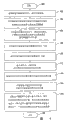
图6系为依据本发明以媒体存取控制层所提供的状态计量为基础操作智能天线的流程图。FIG. 6 is a flow chart of operating a smart antenna based on state metering provided by the MAC layer according to the present invention.
图7系为依据本发明以媒体存取控制层所提供的功率计量为基础操作智能天线的流程图。FIG. 7 is a flow chart of operating a smart antenna based on power metering provided by the MAC layer according to the present invention.
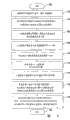
图8系为依据本发明以天线操控演算层相关的定时器为基础操作智能天线的流程图。FIG. 8 is a flow chart of operating a smart antenna based on timers associated with the antenna steering algorithm layer according to the present invention.
具体实施方式Detailed ways
本发明现在将参考本发明较佳实施例被显示其中的附图作更完整说明。然而,本发明可被具体化为许多不同型式且不应被建构限制为在此说明的实施例。相反地,这些实施例系被提供使此揭示详尽且完整,且可完全表达本发明范围给熟练技术人士。遍及全文的相似数字系代表相似组件,而主符号系被用来标示替代实施例中的类似组件。The invention will now be described more fully with reference to the accompanying drawings in which preferred embodiments of the invention are shown. This invention may, however, be embodied in many different forms and should not be construed as limited to the embodiments set forth herein. Rather, these embodiments are provided so that this disclosure will be thorough and complete, and will fully convey the scope of the invention to those skilled in the art. Like numbers refer to like components throughout, and primary symbols are used to designate like components in alternate embodiments.
起初参考图1和2,依据本发明的802.11WLAN10系包含一存取点12,及以一用户基础智能天线16操作的一客户站14。亦被称为切换波束天线的该智能天线16系产生响应天线操控算法18的多个天线波束。通过智能天线16产生的天线波束系包含方向性波束20及一全方向波束22。所述方向性波束20系为与存取点12通信的一切换波束。Referring initially to FIGS. 1 and 2, an 802.11
客户站14系包含被连接至智能天线16的一波束切换单元30,及被连接至该波束切换单元的一收发器32。一控制器40系被连接至该收发器32及至该波束切换单元30。该控制器40系包含用于执行该天线操控算法18的一处理器42。可替代是,该天线操控算法18可操作于802.11实体/媒体存取控制芯片组而非所述处理器42上。该实体/媒体存取控制芯片组系包含所述实体层43及媒体存取控制层44。不论执行该天线操控算法18的处理器为何,该算法系经由外部主处理器42用于存取的媒体存取控制撷取或实体/媒体存取控制芯片组上使用通常被称为媒体存取控制软件的上媒体存取控制或媒体存取控制管理部分所提供的信息。The
方向性波束20的使用系改善WLAN10的产出并增加存取点12及客户站14间的通信范围。大多数例中,方向性波束20系提供高信号噪声比,促使链接以较高数据速率操作。802.11b链接的实体数据速率系为1,2,5.5及11Mbps,而802.11a的速率系为6,9,12,18,24,36,48及54Mbps。802.11g装置系支持相同于802.11a装置的数据速率及802.11b速率所支持的速率。The use of
如以下更详细讨论的天线操控算法18系用于802.11WLAN客户站,特别是支持802.11a或802.11g者。该算法系以被获得自媒体存取控制层管理实体(MLME)及实体层管理实体(PLME)的特定质量计量计算及追踪为基础来选择天线波束。即使802.11WLAN系针对天线操控算法18来讨论,但熟练技术人士可轻易明了该算法亦可适用于其它局域网络类型。
虽然该算法的核心逻辑系为实体/媒体存取控制芯片组或所述外部主处理器42实施所共享,但天线操控算法18仍视实施类型而有差异。例如,有关某些计量多快可被计算的两类实施的间系存在差异,其可再次导致效能差异。然而,天线操控算法18系被设计充分参数化来单一说明该两类实施。Although the core logic of the algorithm is shared by the PMS/MAC chipset or the
现在参考图3,用于选择智能天线16的天线波束的质量计量(QM)系被计算。该质量计量系以信号质量计量及链接质量计量为基础。为了说明本发明,智能天线16系产生6个方向性波束20及1个全方向波束22,总共7个天线波束。各方向性波束20系涵盖约60度方位角。Referring now to FIG. 3, a quality metric (QM) for selecting the antenna beams of the
开始(块300),启始扫描系于块302开始。熟练技术人士轻易明了信标周期可通过存取点12提供。所述例中,具有10个信标周期来累积将被扫描的各天线波束计量。每信标周期仅1天线波束的计量被决定。因此,该流程图系回路经过7个天线波束的总共70个信标周期,也就是从0至69的k范围。Start (block 300 ), start scanning begins at
质量计量已针对各天线波束的各10个信标周期被决定之后,平均质量计量系通过质量计量计算器50来决定。如以下更详细讨论,质量计量计算器50系包含可决定信号质量计量的一信号质量模块52,及决定链接质量计量的一链接质量模块54。After the quality metric has been determined for each of the 10 beacon periods for each antenna beam, the average quality metric is determined by the quality
块304中,天线波束指数n系被设定为被评估天线波束,也就是从1至7的n范围。n值系以k/N余数为基础来选择,其中N系为将被扫描的天线图案数(也就是7),而k系为目前信标周期指数。对应被决定于块304的天线波束指数的天线波束系于块306处的信标周期TBeaconPeriod被维持。In
该信标周期TBeaconPeriod系为通常100微秒阶的周期或准周期时间区间。决定块308中,目前信标周期指数k系被与N*M-1所界定的数量作比较。因为N为扫描的天线图案数量(也就是7),而M为累积计量的信标周期数量(也就是10),斯我以k系针对所述例被与数量69作比较。The beacon period T BeaconPeriod is generally a period of 100 microseconds or a quasi-periodic time interval. In
块308处,每次目前信标周期指数k小于或等于N*M-1时,该方法系循环经过用于计算链接质量计量及信号质量计量的块310-318。信标周期指数k接着于块320处被增加1,而该方法轮回至块304用于下一个信标周期指数n。At
一实施例中,链接质量计量最初被测量于媒体存取控制层44,且在此以若干计数器62的使用为基础。该计数器62系被用来提供一媒体存取控制帧侦测率(MFDR),被定义为(1-MFER),其中MFER系为媒体存取控制帧错误率。In one embodiment, link quality metrics are initially measured at the
802.11媒体存取控制并不仅通过查看被标准化于802.11媒体存取控制层44中的计数器62来决定被传送至客户站(下链)或来自客户站(上链)的所有封包精确媒体存取控制帧侦测率。因此,例如不可计算精确下链(存取点12至客户站14)媒体存取控制帧侦测率。然而,具有计算与下链MPDR相关的计量,且可为测量下链质量的有用计量的方法。802.11 MAC doesn't just look at the
例如,被定义于802.11媒体存取控制信息库(MIB)的某些计数器62可被用来产生下链,也就是客户站14经历接收来自存取点12的封包的链接中的链接质量估计。下链的媒体存取控制信息库计数器62的利益系为dotllReceivedFragmentCount,dotllMulticastFragmentCount,及dotllFCSErrorCount。For example,
追踪被接收片段数的dotllReceivedFragmentCount系为任何被接收数据类型帧或针对此计数器的随选类型管理。操控算法18系追踪第k信标周期的此计数器增量Rx_Frag_Cnt(k)。dotllReceivedFragmentCount which tracks the number of fragments received is for any received data type frame or on-demand type management for this counter.
追踪被接收多播片段数的dotllMulticastFragmentCount系为任何被接收数据类型帧或针对此计数器的管理。操控算法18系追踪第k信标周期的此计数器增量Rx_Mult_Cnt(k)。dotllMulticastFragmentCount which tracks the number of multicast fragments received is any received data type frame or management for this counter.
追踪被接收帧数的任何类型dotllFCSErrorCount系产生帧检查序列(FCS)错误。此计数器亦可标示BSS的链接状况。天线操控算法18系追踪第k信标周期的此计数器增量Fcs_Err_Cnt(k)。Any type of dotllFCSErrorCount that tracks the number of frames received generates frame check sequence (FCS) errors. This counter can also indicate the link status of the BSS. The
下链链接质量计量(DLQM)系被定义为:Downlink Quality Metrics (DLQM) is defined as:
被定义于方程式1的下链链接质量计量仍不给予下链中的精确帧错误率(因为i)分母仅计数管理及数据随选及多播类型,而分子计数因所有帧类型的帧检查序列错误造成的封包损失,及ii)分母亦不区分因来自纯帧检查序列检查和错误的冲突造成的封包损失。The downlink link quality metric defined in
事实上,下链链接质量计量可能过度估计下链帧错误率。然而,若该限制系被考虑通过如使用较若下链链接质量计量为帧错误率较精确估计器则被使用为高的门坎值来决定可接受帧错误率,则下链链接质量计量仍可为下链链接质量的有用指针。In fact, downlink quality metrics may overestimate downlink frame error rates. However, the downlink quality metric can still be used if this limitation is taken into account by determining the acceptable frame error rate by eg using a higher threshold than if the downlink quality metric is a more accurate estimator for the frame error rate. Useful pointer for downlink quality.
同样地,上链(客户站14至存取点12)链接质量测量可被获得。媒体存取控制层管理实体计数器62系为dotllACKFailureCount,及dotllTransmittedFrameCount。dotllACKFailureCount系追踪响应被传送自客户站的数据封包的下链确认(ACK)接收失败数。天线操控算法18系追踪第k信标周期的此计数器增量Ack_Fail_Cnt(k)。Likewise, uplink (
dotllTransmittedFrameCount系计数成功下链帧传输总数。运算计数器系被定义为Tx_Frm_Cnt(k),其中后者系追踪任何第k信标周期期间媒体存取控制层管理实体计数器dotllTransmittedFrameCount增量。dotllTransmittedFrameCount counts the total number of successful downlink frame transmissions. The operational counter is defined as Tx_Frm_Cnt(k), where the latter tracks the increment of the MAC-layer MIE counter dotllTransmittedFrameCount during any k-th beacon period.
通过使用计数器Ack_Fail_Cnt(k)及Tx_Frm_Cnt(k),上链链接质量计量(ULQM)系可获得。此系依据以下的上链媒体存取控制封包错误率(MPER)估计:By using the counters Ack_Fail_Cnt(k) and Tx_Frm_Cnt(k), an Uplink Link Quality Metric (ULQM) can be obtained. This is based on the following uplink MAC Packet Error Rate (MPER) estimate:
如下链链接质量计量(方程式1)例中,因为分母中的ACK失败可能来自存取点12处的冲突及帧检查序列检查和错误,所以方程式2的上链链接质量计量通常过度估计上链中的实际帧检查序列检查和错误率。然而,由于该限制被考虑,上链链接质量计量系有用当作下链质量测量。In the example of the downlink link quality metric (Equation 1), the uplink link quality metric in Equation 2 generally overestimates the uplink in-link quality metric because ACK failures in the denominator can come from collisions and frame check sequence checksum errors at
较佳天线波束的搜寻系使用该下链链接质量计量及上链链接质量计量的估计。当以来自块314的各下链及上链计算为基础来决定块316中的链接质量计量时,加权因子系被使用。该加权因子系小于1,且通常被选择用于强调下链计算对上链计算或反的亦然。该加权因子系小于1。The search for a better antenna beam uses the downlink link quality metric and an estimate of the uplink link quality metric. The weighting factors are used when determining the link quality metric in
块318中,信号质量计量系针对目前n及k来决定。通常,驱动器位准处的实体层43最快可得的信号质量计量系为被接收信号强度指针。被接收信号强度指针通常针对各封包被测量于实体层汇聚协议标头末端处且被提供至信号质量模块52。In
802.11标准系严格定义被接收信号强度指针为一相对量,也就是被接收信号强度指针并非接收器中任何点处的被接收信号功率真实测量。然而,视其可用格式及频率而定,被接收信号强度指针仍可为天线操控算法18为基础的有用计量。802.11WLAN中,因为无线实体频道为下链及上链共享媒体,所以被接收信号强度指针较少程度地不仅保持接收亦保持传输。当然,信号噪声比亦可被使用。The 802.11 standard strictly defines the RSSI as a relative quantity, that is, the RSSI is not a real measurement of the received signal power at any point in the receiver. However, depending on its available format and frequency, the RSSI may still be a useful metric on which the
块308处,当信标周期指数k大于N*M-1时,该方法系继续至块322来决定信号质量计量的加权因子。该加权因子系小于1,且通常被选择用于强调链接质量计量对信号质量计量。各天线波束指数n及各信标周期指数k的质量计量系被计算于块324中。因为各天线波束有10质量计量计算,所以平均质量计量值系被获得于块326中。以各天线波束的平均质量计量为基础,具最高值的天线波束n系被选择于块328中。At
候选或替代天线波束系以被决定于块328中的质量计量值为基础被进一步选择于块330中。也就是说,具次高质量计量值的天线波束nc1及具第三高质量计量值的天线波束nc2系被选择。预设若较佳天线波束为方向性波束20,则替代天线波束的一系为全方向波束22。一旦较佳及替代天线波束被选择,则系统前进至块332中的持续使用状态或周期。持续使用状态或周期中,该被选择天线波束系被使用于客户站14处于下一个PSU假设信标周期用于所有帧的下链及上链,其中60<PSU<6000且具有一默认值600。该方法结束于块334。Candidate or alternative antenna beams are further selected in
链接质量计量因此被计算来增加及改善信号质量计量以外的天线操控决定。链接质量计量系以802.11媒体存取控制处理中所操作的五个既存计数器所得信息为基础。如块304中所记述,两个帧错误率独立估计系被获得,一为下链链接质量计量而另一为上链链接质量计量。802.11WLAN媒体存取控制层管理实体系提供帧计数器来估计下链链接质量计量及上链链接质量计量。Link quality metrics are thus calculated to augment and improve antenna steering decisions beyond signal quality metrics. Link quality metrics are based on information from five existing counters that operate in the 802.11 MAC process. As depicted in
使用帧错误率为基础的链接质量计量替代,媒体存取控制层44所提供的LENGTH(也就是产出)及RATE(速率)信息可被使用。LENGTH及RATE信息可从各被传送或接收媒体存取控制帧的802.11媒体存取控制层44获得。RATE模块64及LENGTH模块64系被用来提供下链(接收侧)及上链(传送侧)中的媒体存取控制层转移速率的估计。该被估计转移速率系于一周期时间每被传送或接收帧从LENGTH及RATE信息来计算。Instead of using frame error rate based link quality metrics, the LENGTH (ie output) and RATE (rate) information provided by the
天线操控算法18系具有对以Mbps单位报告合理潜伏内的各第k预设信标周期末端处的第k预设信标周期中的第m被接收帧的RATE(速率)的媒体存取控制层44内的RATETX(m,k)的最低驱动器位准读取存取。该RATE亦可被计算于上链。天线操控算法18亦具有对报告合理潜伏内的各第k预设信标周期末端处的第k预设信标周期中的第m被接收帧的位表示的SIZE(大小)的媒体存取控制层44内的SIZERX(m,k)的最低驱动器位准读取存取。
天线操控算法18的其它观点系有关执行自控再扫描及周期性再扫描的方法。自控再扫描涉及监控目前被选择天线波束,而周期性再扫描涉及监控替代天线波束。Other aspects of the
自控再扫描系通过天线操控算法18选择较佳天线波束之后于持续使用期间来执行。持续使用期间,其它天线波束的再扫描并不被执行。天线操控算法18周期性监控较佳天线波束所提供正进行无线链接的质量计量。该质量计量系以信号质量计量及链接质量计量为基础。若质量计量于持续使用期间下降低于特定门坎,则操控算法18系交换较佳天线波束及替代天线波束或启动再扫描可用天线波束来选择新较佳天线波束。Self-controlled re-scanning is performed during continuous use after selecting a better antenna beam by the
如上述,若自控再扫描于任何持续使用期间触发事件发生,则天线操控18系执行自控再扫描。持续使用期间,被选择图案质量计量系从来自MSP最近预设信标周期的计量数据来计算,且被评估于每Msp/2预设信标周期末端处。例如,MSP为大于0且小于12的偶数,且具有默认值6。As mentioned above, if an autonomous rescan trigger event occurs during any sustained use, the
自控再扫描触发事件系被定义为目前被选择图案质量计量采用与最后MAVG最近先前评估周期中相同计量平均值相较的较低某些门坎值的事件。视被选择图案质量计量与平均值相较的下降量而定,目前被选择图案可被以较早被识别的候选图案交换,或再扫描所有N图案。同时,当自控再扫描发生时,排序周期性再扫描及持续使用期间的定时器系被重设,而长度PSU预设信标周期的新持续使用期间系开始。A self-controlled rescan trigger event is defined as an event where the currently selected pattern quality metric takes a certain threshold lower than the average of the same metric in the last M AVG most recent previous evaluation period. Depending on the amount of decline in the selected pattern quality metric compared to the average, the currently selected pattern may be exchanged for an earlier identified candidate pattern, or all N patterns may be rescanned. At the same time, when a self-controlled rescan occurs, the sequenced periodic rescan and on-duration timers are reset, and a new on-duration period of length PSU preset beacon period is started.
现在参考图4,使用自控再扫描操控智能天线16的流程图将被讨论。开始(块400),较佳天线波束及替代天线波束系被选择于块402。于块404,数据系于再扫描其它天线波束不被执行的持续使用期间使用较佳天线波束被与存取点12交换。持续使用期间,被交换数据的质量计量系针对较佳天线波束被周期性计算于块406。于块408,该计算系系针对较佳天线波束包含决定被交换数据的至少一链接质量计量。针对较佳天线波束的被交换数据的信号质量计量系被决定于块410。至少一链接质量计量及信号质量计量系被组合于块412来计算质量计量。较佳天线波束的质量计量系于块414与交换门坎范围作比较。Referring now to FIG. 4, a flow chart for steering the
于块416,若质量计量位于交换门坎范围内继续与持续使用期间内的存取点12交换数据,则较佳天线波束被与替代天线波束交换。于块418,若质量计量不位于交换门坎范围内,则质量计量系与再扫描门坎作比较启动再扫描多个天线波束来选择新较佳天线波束。该方法系结束于块420。At
周期性再扫描系于一持续使用期间末端及下一持续使用期间之前通过天线操控算法18来执行。持续使用期间,其它天线波束的再扫描并不被执行。当较佳天线波束被选择时,周期性再扫描系被执行于被选择的替代天线波束上。Periodic rescanning is performed by the
天线操控算法18系监控替代天线波束的质量计量及较佳天线波束的质量计量。若较佳天线波束的质量计量低于任一替代天线波束的质量计量,则对应具有较高质量计量值的替代天线波束系被选择用于下一持续使用期间。The
如上述,若自控再扫描于先前持续使用期间并不发生,则发生周期性再扫描。周期性再扫描决定计量系于(Nc+1)*M预设信标周期被计算于替代天线波束上,其中Nc系为候选或替代天线波束数量。若本被选择天线波束系为全方向性,则剩余替代天线波束将为方向性波束。若切换波束天线16具有7个天线波束而目前被选择天线波束系为方向性天线波束,则替代天线波束的一将为全方向波束22,而另外替代天线波束将为方向性天线波束20。As mentioned above, periodic rescans occur if self-controlled rescans have not occurred during the previous sustained use period. The periodic rescan decision metric is calculated on the alternative antenna beams at (N c +1)*M preset beacon periods, where N c is the number of candidate or alternative antenna beams. If the selected antenna beam is omnidirectional, the remaining alternative antenna beams will be directional beams. If the switched
周期性再扫描期间,天线波束系被扫描于所有被接收或被传送于所有替代天线波束上的所有帧上。随后,是否取代或维持既存被选择天线波束的决定将被作成。另一周期性再扫描发生之后,长度PSP预设信标周期的新持续使用期间系开始。除了当先前持续使用期间发生自控再扫描触发事件或信号强度指针下降感应再扫描之外,此先前持续使用期间系继续周期性再扫描及持续使用固定,周期序列。During periodic rescanning, antenna beams are scanned on all frames received or transmitted on all alternate antenna beams. Subsequently, a decision is made whether to replace or maintain the existing selected antenna beam. After another periodic rescan occurs, a new on-going period of length P SP preset beacon period is started. Except when a self-controlled rescan trigger event or a SSI drop-induced rescan occurs during a previous sustained use period, the previous sustained use period is a continuation of periodic rescans and continuous use of a fixed, periodic sequence.
现在参考图5,使用周期性再扫描操控智能天线16的流程图将被讨论。开始(块500),较佳天线波束及至少一替代天线波束系被选择于块502。于块504,数据系于再扫描其它天线波束不被执行的持续使用期间使用较佳天线波束被与存取点12交换。Referring now to FIG. 5 , a flow chart for operating the
持续使用期间末端及下一持续使用期间之前,较佳天线波束及各替代天线波束的被交换数据质量计量系被计算于块506。于块508,该计算系包含针对较佳天线波束决定被交换数据的至少一链接质量计量。针对较佳天线波束的被交换数据的信号质量计量系被决定于块510。至少一链接质量计量及信号质量计量系被组合于块512来计算较佳天线波束的质量计量。该决定及组合系被重复于块514来计算各替代天线波束的质量计量。The exchanged data quality metrics for the preferred antenna beam and each alternate antenna beam are calculated at
于块516,较佳天线波束的质量计量系被与替代天线波束的质量计量比较。于块518,若较佳天线波束的质量计量低于至少一替代天线波束的质量计量,则对应至少一该具有较高质量计量值的替代天线波束系被选择于下一个持续使用期间内继续与继续与存取点12交换数据。该方法系结束于块520。At
本发明另一观点系响应媒体存取控制层执行的三个函数来操作天线操控算法18。该函数系为MAC_STATUS,MAC_PowerMode及信标周期同步信息中的改变通知。媒体存取控制层44内的接续模块系与这些函数连结:状态72,功率74及同步化76。Another aspect of the invention is to operate the
MAC_STATUS函数72及MAC_PowerMode函数74系通知媒体存取控制层44内的媒体存取控制状态变化给天线操控算法18。该通知系确保媒体存取控制状态适当,使天线操控算法18得以操作。媒体存取控制层44所使用的信标周期同步信息76系促使天线操控算法18维持与实际信标周期紧密同步。The
客户站14内的媒体存取控制层44系与天线操控算法18通信来决定天线波束选择。天线波束选择期间,媒体存取控制层44主要函数系涉及客户站14开始时间期间接续运作于媒体存取控制层44中的若干媒体存取控制状态机器,如AuthreqServiceSta,AuthRspService_Sta,AsocService_Sta及Synchronization_Sta。The
天线操控算法18本身仅需知道媒体存取控制状态机器的状态是否准备服务,而不需更详细媒体存取控制函数及程序。因此,被撷取状态计量MAC_STATUS72系被定义于媒体存取控制层44处来计算所需被撷取信息。当MAC_STATUS值改变时,媒体存取控制层44系通知天线操控算法18来验证MAC_STATUS72的状态。MAC_STATUS计量系被计算提供于方程式3中。天线操控算法18接着响应MAC_STATUS状态的改变。The
方程式3Equation 3
MAC_STATUS72的三个不同状态系被监控来同步化天线波束选择函数及媒体存取控制状态机器。该三个不同状态系SSCANNING,SAUTHENTICATION及S(RE)ASSCIATION。Three different states of
SSCANNING_STATUS状态系标示客户站14已被成功与存取点12同步或异步。此状态亦可被称为BSS状态。若客户站14已通过存取点同步,则状态为1。否则,状态为0。The S SCANNING_STATUS status indicates that the
从802.11标准看来,若媒体存取控制状态机器运作出BSS状态,则所有数据帧均不能传送于上链及下链。此例中,媒体存取控制层44仅接收信标帧,而拒绝任何申请数据帧。因此,BSS状态系被当作开始天线波束选择的条件。According to the 802.11 standard, if the MAC state machine operates out of the BSS state, all data frames cannot be transmitted on the uplink and downlink. In this example, the
SASSOCIATION_STATUS状态系标示客户站14已被成功与存取点12连结或中断。此状态亦可被称为assoc状态。若客户站14已通过存取点连结,则状态为1。否则,状态为0。The S ASSOCIATION_STATUS status indicates that the
SAUTH_STATUS状态系标示客户站14已成功通过验证或反验证。此状态于802.11标准中系被称为auth_open状态或auth_key状态。若客户站14已通过验证,则状态为1。否则,状态为0。The S AUTH_STATUS status indicates that the
从802.11标准看来,该验证服务系被所有客户站14用来建立其实体及其将与通信的存取点12。两类验证服务系为开放系统及共享钥匙。开放系统验证系违反较高网络层的内含假设。媒体存取控制层44仅验证媒体存取控制地址。共享钥匙验证系需实行有线等效加密(WEP)选择,而该实体系通过共享,秘密,有线等效加密钥匙知识来呈现。无论被使用的验证服务类型为何,验证处理的状态结果将被当作开始天线波束选择的条件。From the perspective of the 802.11 standard, this authentication service is used by all
验证处理可视使用的验证协议而耗时。该验证服务可独立于连结服务被引用。已与存取点连结的客户站14(其先前被与验证)通常执行预先验证。然而,802.11标准并不要求客户站14预先验证存取点12,但须于连结可被建立之前作验证。The authentication process can be time consuming depending on the authentication protocol used. The authentication service can be referenced independently of the connection service.
当所有三个管理程序,也就是扫描,验证及连结均被达成时,MAC_STATUS72系被设定为1。媒体存取控制层44接着通知该变化给天线操控算法18。天线操控算法18接着设定其SCAN_STATUS为1,也就是起始扫描期间,并开始如上述的起始扫描程序。同时,天线操控算法18的接续操作发生,如持续使用期间或不同类型再扫描。MAC_STATUS72 is set to 1 when all three hypervisors, ie, scan, authenticate and connect, are accomplished. The
若任何三个状态计量为0,则MAC_STATUS72的值系改变为0。此改变再次从媒体存取控制层44被通知至天线操控算法18。天线操控算法18接续重设目前被选择天线波束为预设天线波束,如全方向波束22。天线操控算法18亦于起始扫描开始之前重设其定时器至右方,且起始扫描或开始之前重设其SCAN_STATUS为0。If any of the three status metrics are 0, the value of MAC_STATUS72 is changed to 0. This change is again notified from the
参考图6所述流程图,通过天线操控算法18选择天线波束响应MAC_STATUS72的改变通知现在将被讨论。开始(块600),于块602,客户站14系被放置于电源开启状态。状态计量72系被计算于块604。状态计量72系标示以下事件状态:客户站14与存取点12的同步或异步,客户站14与该存取点的连结,及客户站通过存取点验证。当该事件被满足时,状态计量72系具有一第一值,当任一事件不被满足时,系具有一第二值。Referring to the flow chart described in FIG. 6, the selection of antenna beams by the
于块614,当状态计量72具有第一值时,多个天线波束系被扫描来选择较佳天线波束以便与存取点12交换数据。状态计量72系被监控于块616。于块618,当状态计量72从第一值被改变为第二值时,较佳天线波束系被改变为预设天线波束。该方法系结束于块620。At
媒体存取控制层44亦计算及维持功率计量SPOWER_STATUS74。SPWER_STATUS74系被用于通知省电模式状态的变化。功率计量74系经由读取媒体存取控制传输协调状态机器(Tx-Coordination)被媒体存取控制层44更新。此计量值改变时,媒体存取控制层44系通知天线操控算法18。
功率计量SPOWER_STATUS74的状态系标示客户站14已被唤醒或已被移入省电模式。此函数于802.11标准中系被称为TxC_Idle状态或睡着状态。若客户站清醒,则状态为1。否则,状态为0。功率计量SPOWER_STATUS74系被计算提供于方程式4。The status of the
媒体存取控制层44中的传输协调状态机器系使用所有站处的状态。媒体存取控制层44系于省电模式期间关闭传送器及接收器,而媒体存取控制层系于TRTT之前提升接收器功率。客户站14系维持其目前功率管理模式直到其经由将唤醒的成功帧交换来通知存取点12为止。功率计量SPOWER_STATUS74的状态系被用来指导天线操控算法18重新开始正常天线操控操作或关闭该操作。The transmission coordination state machine in
特别是,若功率计量SPOWER_STATUS74从1改变为0,也就是客户站14进入省电模式,则天线操控算法18可保存目前被选择天线波数及任何替代天线波束的指数。天线操控算法18亦重设其定时器至持续使用期间末端或新周期性再扫描开始时,并接着设定其SCAN_STATUS,及通知媒体存取控制层44完成这些程序。也就是若功率计量SPOWER_STATUS74从0改变为1,则天线操控算法18立即使用最后被保存被选择天线波束及替代天线波束来执行周期性再扫描。In particular, if the
参考图7说明的流程图,通过天线操控算法选择天线波束响应通知SPOWER_STATUS74的改变现在将被讨论。开始(块700),于块702,客户站14系被放置于电源开启状态。功率计量74系被计算于块704。功率计量74系具有标示客户站14位于电源开启状态的第一值,及标示客户站14位于省电状态的第二值。于块706,当功率计量74具有第一值时,多个天线波束系被扫描来选择较佳天线波束及至少一替代天线波束以便与存取点12交换数据。于块708,功率计量74系被监控从第一值至第二值的改变。当功率计量74改变为标示客户站14位于省电状态的第二值时,天线波束选择系被储存用于较佳天线波束及至少一替代天线波束。该方法系结束于块712。Referring to the flowchart illustrated in FIG. 7, the selection of antenna beams by the antenna steering algorithm to respond to changes in the notification S POWER_STATUS 74 will now be discussed. Beginning (block 700), at
信标周期同步信息定时器计量Tbcn14亦被定义,计算及维持于天线操控算法18来较佳同步其时序与媒体存取控制层44的实际定时器,且最终较佳同步化天线操控算法的预设信标周期及实际信标周期。The Beacon Period Sync Message
信标周期同步信息定时器计量Tbcn76系为追踪天线操控算法18的预设信标区间的计数器。当此计数器达到特定预定数量时,天线算法18系询问媒体存取控制层44及读取媒体存取控制TSF值。天线操控算法18接着使用该被读取媒体存取控制定时器值来更新其本身定时器。此定时器系被用于天线操控算法18来校准该搜寻时间与信标周期。The beacon cycle synchronization message
除了各信标周期之外,天线操控算法18系定期更新与实际信标周期的同步。更新周期的间,天线操控算法18系维持预设信标周期的定时器,并针对各波束搜寻周期运算该定时器。当天线操控算法18接收来自媒体存取控制层44的更新输入时,其系更新预设信标周期的边界。第k预设信标周期上,目前预设信标周期的定时器值系被计算提供于方程式5中。In addition to each beacon period, the
M*TU值系为被选择用来表示天线操控算法18的定时器可操作而不需被媒体存取控制定时器更新的时间长度数字。Rem(x,y)系为x除以y的余数。TU系为长度为1024μs的时间单位。例如,因为TBTT通常为100TU(.100微秒),M应至少为100倍数,如500或1000。参考图8描绘的流程图,通过天线操控算法选择天线波束响应算法18所维持的定时器现在将被讨论。开始(块800),于块802,客户站14系接收来自存取点的信标帧来设定追踪该被接收信标帧的第一信标定时器。第一信标定时器系被与天线操控算法18独立操作。于块804,第一信标定时器系定期被与第二信标定时器同步,其系被操作于天线操控算法18亦追纵被接收信标帧的信标周期。于块806,第二信标定时器系运作于各天线波束搜寻期间。该方法系结束于块808。The M*TU value is a number chosen to indicate the length of time that the timer of the
具有被呈现于上述说明及相关图示的传授利益的熟练技术人士将了解本发明的许多修改及其它实施例。因此,应了解本发明不限于被揭示的特定实施例,而该修改及实施例系预期被包含于附带申请专利范围内。Many modifications and other embodiments of the invention will be apparent to those skilled in the art having the benefit of the teachings presented in the foregoing description and the associated drawings. Therefore, it is to be understood that the inventions are not to be limited to the particular embodiments disclosed and that modifications and embodiments are intended to be included within the scope of the appended claims.
Claims (14)
Applications Claiming Priority (5)
| Application Number | Priority Date | Filing Date | Title |
|---|---|---|---|
| US55390204P | 2004-03-17 | 2004-03-17 | |
| US60/553,902 | 2004-03-17 | ||
| US11/080,039 | 2005-03-15 | ||
| US11/080,039 US7200376B2 (en) | 2004-03-17 | 2005-03-15 | Method for steering smart antenna beams for a WLAN using MAC layer functions |
| PCT/US2005/008771 WO2005089384A2 (en) | 2004-03-17 | 2005-03-16 | Method for steering smart antenna beams for a wlan using mac layer functions |
Publications (2)
| Publication Number | Publication Date |
|---|---|
| CN101065906A CN101065906A (en) | 2007-10-31 |
| CN101065906B true CN101065906B (en) | 2011-01-19 |
Family
ID=38716329
Family Applications (4)
| Application Number | Title | Priority Date | Filing Date |
|---|---|---|---|
| CNA2005800076940A Pending CN101129052A (en) | 2004-03-17 | 2005-03-16 | Method for steering a WLAN smart antenna using periodic re-scanning |
| CNA2005800077360A Pending CN101032086A (en) | 2004-03-17 | 2005-03-16 | Method for controlling wireless local area network smart antenna by using self-controlled rescanning |
| CN2005800076921A Expired - Fee Related CN101065906B (en) | 2004-03-17 | 2005-03-16 | Method for steering smart antenna beams for a WLAN using MAC layer functions |
| CNA2005800077479A Pending CN101053242A (en) | 2004-03-17 | 2005-03-16 | Method for Steering WLAN Smart Antenna Beams Using Signal and Link Quality Metrics |
Family Applications Before (2)
| Application Number | Title | Priority Date | Filing Date |
|---|---|---|---|
| CNA2005800076940A Pending CN101129052A (en) | 2004-03-17 | 2005-03-16 | Method for steering a WLAN smart antenna using periodic re-scanning |
| CNA2005800077360A Pending CN101032086A (en) | 2004-03-17 | 2005-03-16 | Method for controlling wireless local area network smart antenna by using self-controlled rescanning |
Family Applications After (1)
| Application Number | Title | Priority Date | Filing Date |
|---|---|---|---|
| CNA2005800077479A Pending CN101053242A (en) | 2004-03-17 | 2005-03-16 | Method for Steering WLAN Smart Antenna Beams Using Signal and Link Quality Metrics |
Country Status (1)
| Country | Link |
|---|---|
| CN (4) | CN101129052A (en) |
Families Citing this family (4)
| Publication number | Priority date | Publication date | Assignee | Title |
|---|---|---|---|---|
| CN103199905B (en) * | 2012-01-09 | 2015-10-14 | 光宝电子(广州)有限公司 | Antenna array control method and the communicator using the method |
| CN103647147B (en) * | 2013-12-30 | 2015-08-19 | 上海大唐移动通信设备有限公司 | The method of a kind of base station monitoring aerial deterioration and device |
| CN108632837B (en) * | 2017-03-23 | 2022-01-21 | 惠州Tcl移动通信有限公司 | Beam communication method and device |
| US11419052B2 (en) * | 2019-04-03 | 2022-08-16 | Acer Incorporated | Techniques for handling measurement set adaptation |
Citations (1)
| Publication number | Priority date | Publication date | Assignee | Title |
|---|---|---|---|---|
| CN1391310A (en) * | 2001-06-12 | 2003-01-15 | 莫比斯菲尔有限公司 | Intellectual antenna array and improvement concerned |
-
2005
- 2005-03-16 CN CNA2005800076940A patent/CN101129052A/en active Pending
- 2005-03-16 CN CNA2005800077360A patent/CN101032086A/en active Pending
- 2005-03-16 CN CN2005800076921A patent/CN101065906B/en not_active Expired - Fee Related
- 2005-03-16 CN CNA2005800077479A patent/CN101053242A/en active Pending
Patent Citations (1)
| Publication number | Priority date | Publication date | Assignee | Title |
|---|---|---|---|---|
| CN1391310A (en) * | 2001-06-12 | 2003-01-15 | 莫比斯菲尔有限公司 | Intellectual antenna array and improvement concerned |
Also Published As
| Publication number | Publication date |
|---|---|
| CN101129052A (en) | 2008-02-20 |
| CN101053242A (en) | 2007-10-10 |
| CN101032086A (en) | 2007-09-05 |
| CN101065906A (en) | 2007-10-31 |
Similar Documents
| Publication | Publication Date | Title |
|---|---|---|
| KR100989101B1 (en) | Method for steering smart antenna beams for a wlan using mac layer functions | |
| KR100842783B1 (en) | Method for steering smart antenna beams for a wlan using periodic re-scan | |
| KR100790929B1 (en) | How to Control the Smart Antenna Beam of Wireless LAN Using Signal and Link Quality Metrics | |
| KR100790927B1 (en) | How to Control Smart Antenna Beam in Wireless LAN Using Magnetic Sensing Rescan | |
| CN101065906B (en) | Method for steering smart antenna beams for a WLAN using MAC layer functions | |
| Du et al. | Harnessing mobile multiple access efficiency with location input |
Legal Events
| Date | Code | Title | Description |
|---|---|---|---|
| C06 | Publication | ||
| PB01 | Publication | ||
| C10 | Entry into substantive examination | ||
| SE01 | Entry into force of request for substantive examination | ||
| C14 | Grant of patent or utility model | ||
| GR01 | Patent grant | ||
| CF01 | Termination of patent right due to non-payment of annual fee |
Granted publication date: 20110119 Termination date: 20170316 |
|
| CF01 | Termination of patent right due to non-payment of annual fee |