CN100587681C - System and method for transferring images between communicating users - Google Patents
System and method for transferring images between communicating users Download PDFInfo
- Publication number
- CN100587681C CN100587681C CN03817911A CN03817911A CN100587681C CN 100587681 C CN100587681 C CN 100587681C CN 03817911 A CN03817911 A CN 03817911A CN 03817911 A CN03817911 A CN 03817911A CN 100587681 C CN100587681 C CN 100587681C
- Authority
- CN
- China
- Prior art keywords
- computing machine
- server
- broadcaster
- user
- image
- Prior art date
- Legal status (The legal status is an assumption and is not a legal conclusion. Google has not performed a legal analysis and makes no representation as to the accuracy of the status listed.)
- Expired - Fee Related
Links
Images









Classifications
-
- H—ELECTRICITY
- H04—ELECTRIC COMMUNICATION TECHNIQUE
- H04L—TRANSMISSION OF DIGITAL INFORMATION, e.g. TELEGRAPHIC COMMUNICATION
- H04L67/00—Network arrangements or protocols for supporting network services or applications
- H04L67/01—Protocols
- H04L67/10—Protocols in which an application is distributed across nodes in the network
- H04L67/104—Peer-to-peer [P2P] networks
- H04L67/1061—Peer-to-peer [P2P] networks using node-based peer discovery mechanisms
- H04L67/1068—Discovery involving direct consultation or announcement among potential requesting and potential source peers
-
- H—ELECTRICITY
- H04—ELECTRIC COMMUNICATION TECHNIQUE
- H04L—TRANSMISSION OF DIGITAL INFORMATION, e.g. TELEGRAPHIC COMMUNICATION
- H04L12/00—Data switching networks
- H04L12/02—Details
- H04L12/16—Arrangements for providing special services to substations
- H04L12/18—Arrangements for providing special services to substations for broadcast or conference, e.g. multicast
- H04L12/1813—Arrangements for providing special services to substations for broadcast or conference, e.g. multicast for computer conferences, e.g. chat rooms
-
- H—ELECTRICITY
- H04—ELECTRIC COMMUNICATION TECHNIQUE
- H04L—TRANSMISSION OF DIGITAL INFORMATION, e.g. TELEGRAPHIC COMMUNICATION
- H04L51/00—User-to-user messaging in packet-switching networks, transmitted according to store-and-forward or real-time protocols, e.g. e-mail
-
- H—ELECTRICITY
- H04—ELECTRIC COMMUNICATION TECHNIQUE
- H04L—TRANSMISSION OF DIGITAL INFORMATION, e.g. TELEGRAPHIC COMMUNICATION
- H04L51/00—User-to-user messaging in packet-switching networks, transmitted according to store-and-forward or real-time protocols, e.g. e-mail
- H04L51/04—Real-time or near real-time messaging, e.g. instant messaging [IM]
-
- H—ELECTRICITY
- H04—ELECTRIC COMMUNICATION TECHNIQUE
- H04L—TRANSMISSION OF DIGITAL INFORMATION, e.g. TELEGRAPHIC COMMUNICATION
- H04L67/00—Network arrangements or protocols for supporting network services or applications
- H04L67/01—Protocols
- H04L67/10—Protocols in which an application is distributed across nodes in the network
- H04L67/104—Peer-to-peer [P2P] networks
-
- H—ELECTRICITY
- H04—ELECTRIC COMMUNICATION TECHNIQUE
- H04L—TRANSMISSION OF DIGITAL INFORMATION, e.g. TELEGRAPHIC COMMUNICATION
- H04L67/00—Network arrangements or protocols for supporting network services or applications
- H04L67/01—Protocols
- H04L67/10—Protocols in which an application is distributed across nodes in the network
- H04L67/104—Peer-to-peer [P2P] networks
- H04L67/1044—Group management mechanisms
- H04L67/1046—Joining mechanisms
-
- H—ELECTRICITY
- H04—ELECTRIC COMMUNICATION TECHNIQUE
- H04L—TRANSMISSION OF DIGITAL INFORMATION, e.g. TELEGRAPHIC COMMUNICATION
- H04L67/00—Network arrangements or protocols for supporting network services or applications
- H04L67/01—Protocols
- H04L67/10—Protocols in which an application is distributed across nodes in the network
- H04L67/104—Peer-to-peer [P2P] networks
- H04L67/1044—Group management mechanisms
- H04L67/1048—Departure or maintenance mechanisms
-
- H—ELECTRICITY
- H04—ELECTRIC COMMUNICATION TECHNIQUE
- H04L—TRANSMISSION OF DIGITAL INFORMATION, e.g. TELEGRAPHIC COMMUNICATION
- H04L67/00—Network arrangements or protocols for supporting network services or applications
- H04L67/01—Protocols
- H04L67/10—Protocols in which an application is distributed across nodes in the network
- H04L67/104—Peer-to-peer [P2P] networks
- H04L67/1087—Peer-to-peer [P2P] networks using cross-functional networking aspects
- H04L67/1091—Interfacing with client-server systems or between P2P systems
-
- H—ELECTRICITY
- H04—ELECTRIC COMMUNICATION TECHNIQUE
- H04L—TRANSMISSION OF DIGITAL INFORMATION, e.g. TELEGRAPHIC COMMUNICATION
- H04L9/00—Cryptographic mechanisms or cryptographic arrangements for secret or secure communications; Network security protocols
- H04L9/40—Network security protocols
-
- H—ELECTRICITY
- H04—ELECTRIC COMMUNICATION TECHNIQUE
- H04N—PICTORIAL COMMUNICATION, e.g. TELEVISION
- H04N21/00—Selective content distribution, e.g. interactive television or video on demand [VOD]
- H04N21/40—Client devices specifically adapted for the reception of or interaction with content, e.g. set-top-box [STB]; Operations thereof
- H04N21/41—Structure of client; Structure of client peripherals
- H04N21/422—Input-only peripherals, i.e. input devices connected to specially adapted client devices, e.g. global positioning system [GPS]
- H04N21/4223—Cameras
-
- H—ELECTRICITY
- H04—ELECTRIC COMMUNICATION TECHNIQUE
- H04N—PICTORIAL COMMUNICATION, e.g. TELEVISION
- H04N21/00—Selective content distribution, e.g. interactive television or video on demand [VOD]
- H04N21/40—Client devices specifically adapted for the reception of or interaction with content, e.g. set-top-box [STB]; Operations thereof
- H04N21/47—End-user applications
- H04N21/472—End-user interface for requesting content, additional data or services; End-user interface for interacting with content, e.g. for content reservation or setting reminders, for requesting event notification, for manipulating displayed content
- H04N21/47202—End-user interface for requesting content, additional data or services; End-user interface for interacting with content, e.g. for content reservation or setting reminders, for requesting event notification, for manipulating displayed content for requesting content on demand, e.g. video on demand
-
- H—ELECTRICITY
- H04—ELECTRIC COMMUNICATION TECHNIQUE
- H04N—PICTORIAL COMMUNICATION, e.g. TELEVISION
- H04N21/00—Selective content distribution, e.g. interactive television or video on demand [VOD]
- H04N21/40—Client devices specifically adapted for the reception of or interaction with content, e.g. set-top-box [STB]; Operations thereof
- H04N21/47—End-user applications
- H04N21/478—Supplemental services, e.g. displaying phone caller identification, shopping application
- H04N21/4788—Supplemental services, e.g. displaying phone caller identification, shopping application communicating with other users, e.g. chatting
-
- H—ELECTRICITY
- H04—ELECTRIC COMMUNICATION TECHNIQUE
- H04N—PICTORIAL COMMUNICATION, e.g. TELEVISION
- H04N7/00—Television systems
- H04N7/14—Systems for two-way working
- H04N7/15—Conference systems
-
- H—ELECTRICITY
- H04—ELECTRIC COMMUNICATION TECHNIQUE
- H04N—PICTORIAL COMMUNICATION, e.g. TELEVISION
- H04N7/00—Television systems
- H04N7/16—Analogue secrecy systems; Analogue subscription systems
- H04N7/173—Analogue secrecy systems; Analogue subscription systems with two-way working, e.g. subscriber sending a programme selection signal
- H04N7/17309—Transmission or handling of upstream communications
- H04N7/17318—Direct or substantially direct transmission and handling of requests
Landscapes
- Engineering & Computer Science (AREA)
- Signal Processing (AREA)
- Computer Networks & Wireless Communication (AREA)
- Multimedia (AREA)
- Computing Systems (AREA)
- General Engineering & Computer Science (AREA)
- Physics & Mathematics (AREA)
- Mathematical Physics (AREA)
- Theoretical Computer Science (AREA)
- Human Computer Interaction (AREA)
- Databases & Information Systems (AREA)
- Computer Security & Cryptography (AREA)
- Two-Way Televisions, Distribution Of Moving Picture Or The Like (AREA)
- Information Transfer Between Computers (AREA)
- Telephonic Communication Services (AREA)
Abstract
Description
本申请要求于2002年6月26日提交的、题目为“System andMethod for Transmitting Images Between Intercommunicating Users”的美国临时专利申请No.60/392,174的权益,将其在这里完全包括并作为参考。This application claims the benefit of U.S. Provisional Patent Application No. 60/392,174, entitled "System and Method for Transmitting Images Between Intercommunicating Users," filed June 26, 2002, which is hereby incorporated by reference in its entirety.
技术领域 technical field
本发明涉及在通信网传输信息的领域,并且更为具体的说,涉及用于在相互通信的用户间传递图像的系统和方法。The present invention relates to the field of transmitting information over communication networks, and more particularly, to systems and methods for communicating images between users in communication with each other.
背景技术 Background technique
人们越来越多地选择通过例如因特网的网络互相进行通信。在因特网上通信的普遍形式包括电子邮件和聊天室。近来,即时消息已经变为用于在因特网上通信的普遍形式。即时消息是一种通信服务,其能够使用户与另一个人进行电子“对话”,且保持用户经常与其通信的人的个人的或私人列表。典型地,无论什么时候他或她私人列表上的人在线,即时消息系统警示用户。接着,用户可以通过输入消息和读取输入的回答,以几乎实时的方式启动与那个特定的个人的交谈会话。Increasingly, people choose to communicate with each other over a network such as the Internet. Common forms of communication on the Internet include electronic mail and chat rooms. Recently, instant messaging has become a common form for communicating on the Internet. Instant messaging is a communication service that enables a user to have an electronic "conversation" with another person and maintains a personal or private list of people with whom the user communicates frequently. Typically, the instant messaging system alerts the user whenever someone on his or her private list is online. The user can then initiate a chat session with that particular individual in near real-time by entering a message and reading the entered answer.
许多即时消息系统的缺陷在于,由于即时消息通常是基于文本的系统,用户不能看到其正在与之通信的人。没有任何视觉的接触,很难向下面所述的那样容易地传递感情或理解消息,例如,一个人可以观察其正在与之通信的人的面部表情。而且,没有看到人,就不能确定他的身份。因此,当即时消息成为通信的普遍方式时,在一些方面,它是不自然的和不方便的通信形式。A drawback of many instant messaging systems is that, since instant messaging is typically a text-based system, users cannot see who they are communicating with. Without any visual contact, it is difficult to convey emotion or understand messages as easily as, for example, one can observe the facial expressions of the person with whom one is communicating. Moreover, without seeing the person, it is impossible to determine his identity. Thus, while instant messaging has become a common means of communication, it has been, in some respects, an unnatural and inconvenient form of communication.
电视会议已经存在了一段时间,但是由于各种原因它并没有被广泛应用。通常,电视会议是一系统,通过它上传者或广播者(发送图像的人)使用照相机或其它这种图像捕捉设备向一个或多个浏览者(接收和浏览图像的一个或多个人)发送他的图像。由于电视会议的特点,它一般要求更多的资源(网络传输资源(例如,带宽)和/或处理能力和终端用户的设备资源),并且,例如,比基于文本和声音的系统更复杂。这种对资源和带宽相对大的使用使电视会议的应用变得困难,尤其对于一般的家庭计算机用户,他们可能使用拨号或其他相对慢(低带宽)的因特网连接。Videoconferencing has been around for a while, but it hasn't been widely adopted for various reasons. In general, videoconferencing is a system by which an uploader or broadcaster (the person who sends the image) uses a camera or other such image-capturing device to send his/her Image. Due to the nature of videoconferencing, it generally requires more resources (network transmission resources (eg, bandwidth) and/or processing power and end-user equipment resources) and is, for example, more complex than text- and voice-based systems. This relatively high use of resources and bandwidth makes video conferencing difficult, especially for typical home computer users who may use dial-up or other relatively slow (low bandwidth) Internet connections.
已经建立多种系统,力图克服这些缺陷。一些简单的系统包括通过例如FTP的标准协议,每隔固定的时间段向中央服务器发送图像,而在接收端的类似系统以周期性的时间间隔从中央服务器抓取图像以供浏览。这种系统具有接通和断开用于被处理的每个单图像帧的连接的总开销。另外,这些系统不能同步上传系统和观看装置系统,由于没有专用连接也不能实现智能优化。这些系统的例子是由spotlife(http://www.spotife.com/)和Earthcam TV(http://tv.earthcam.com/)提供的系统。Various systems have been developed in an attempt to overcome these deficiencies. Some simple systems involve sending images to a central server at regular intervals via a standard protocol such as FTP, while a similar system on the receiving end grabs images from the central server at periodic intervals for viewing. Such a system has the overhead of making and breaking connections for each single image frame being processed. In addition, these systems cannot synchronize the upload system and the viewing device system, nor can intelligent optimization be achieved without a dedicated connection. Examples of these systems are those offered by spotlife (http://www.spotife.com/) and Earthcam TV (http://tv.earthcam.com/).
其他公众可用的电视会议系统,例如微软的NetMeeting(网络会议)(http://www.microsoft.com/windows/netmeeting/)更复杂。NetMeeting实质上仅允许通过点对点连接的一对一电视会议。中央服务器仅用于确定用户位置的目的并且是可选的。类似系统的另一个例子是CuSeeme(http://www.cuseeme.com/)。Other publicly available videoconferencing systems, such as Microsoft's NetMeeting (http://www.microsoft.com/windows/netmeeting/), are more complicated. NetMeeting essentially only allows one-to-one video conferencing over a point-to-point connection. The central server is used only for the purpose of determining the user's location and is optional. Another example of a similar system is CuSeeme ( http://www.cuseeme.com/ ).
这些系统的另一个缺点是它们可能限制单个观看装置会话带宽或观看装置会话的数量。这种系统可能产生相对大的费用以及可能易于遭受来自黑客的攻击,这些黑客可能通过上传或浏览大量的图像而试图损坏或中断电视会议系统。Another disadvantage of these systems is that they may limit a single viewing device session bandwidth or the number of viewing device sessions. Such systems may incur relatively large costs and may be vulnerable to attacks from hackers who may attempt to damage or disrupt the videoconferencing system by uploading or viewing large numbers of images.
已知系统的另一个缺点是它们可能将系统性能降低到最低,也就是说,图像只能以最慢的观看装置能接收它们的速度传递。同样,需要改进的用于传输图像的系统和方法。Another disadvantage of known systems is that they may reduce system performance to a minimum, that is, images are only delivered at the speed at which the slowest viewing device can receive them. Likewise, improved systems and methods for transmitting images are needed.
发明内容 Contents of the invention
本发明满足这些或其它需要,正如将从这里的教导明白的。这里所教导的本发明的各种实施例提供了一种系统和方法,其在网络摄像机服务提供商的监督和控制下,允许在两个或多个连接到网络的用户之间图像的传送,网络摄像机是在用户位置捕捉用于在通信网络上传输的用户图像的设备。在一个实施例中,本发明允许用户传输与即时消息会话结合的图像。The present invention satisfies these and other needs, as will become apparent from the teachings herein. Various embodiments of the invention as taught herein provide a system and method that allow the transfer of images between two or more network-connected users under the supervision and control of a network camera service provider, A network camera is a device that captures an image of a user at the user's location for transmission over a communication network. In one embodiment, the present invention allows users to transmit images in conjunction with an instant messaging session.
通常,根据本发明的示例性的实施例,网络摄像机服务器可以是,例如,从广播装置计算机接收图像并将那些图像传输到观看装置计算机的中央集线器。In general, according to an exemplary embodiment of the present invention, a webcam server may be, for example, a central hub that receives images from broadcaster computers and transmits those images to viewing device computers.
在本发明的实施例中,系统可以完全包括点对点组件和中央服务器组件。在这种实施例中,广播装置计算机可以通过点对点连接将图像传输到单个观看装置计算机。然而,如果多个观看装置计算机加入网络摄像机会话,或者如果失去点对点连接,广播装置计算机可以通过网络摄像机服务器将图像传输到一个或多个观看装置计算机。In an embodiment of the present invention, the system may completely include peer-to-peer components and a central server component. In such an embodiment, the broadcaster computer may transmit images to a single viewing device computer via a point-to-point connection. However, if multiple viewing device computers join the webcam session, or if the peer-to-peer connection is lost, the broadcaster computer can transmit images to one or more viewing device computers through the webcam server.
本发明的实施例用于通过一个或多个应用服务器,从广播装置计算机向第一观看装置计算机传递图像,其可以包括接收请求以启动所述广播装置计算机和所述第一观看装置计算机之间的一个或多个服务器连接。所述连接用于传递图像和即时消息。所述方法还包括促进所述广播装置计算机和所述第一观看装置计算机之间的点对点连接(160)。所述点对点连接用于传递图像。所述方法还包括促进图像在点对点连接上而不是在服务器连接上的传递,从而保存服务器的带宽。Embodiments of the present invention for transferring images from a broadcaster computer to a first viewing device computer via one or more application servers may include receiving a request to initiate a communication between the broadcaster computer and the first viewing device computer. One or more server connections for . The connection is used to transfer images and instant messages. The method also includes facilitating a point-to-point connection between the broadcaster computer and the first viewing device computer (160). The point-to-point connection is used to transfer images. The method also includes facilitating delivery of the images over the point-to-point connection rather than the server connection, thereby conserving server bandwidth.
本发明的其它目的和特点从下述结合附图考虑的详细描述中将变得明显。然而,应该知道这些附图仅是为说明的目的而设计的,而不是定义对本发明的限制,对于本发明应该参考附加的权利要求。Other objects and features of the present invention will become apparent from the following detailed description considered in conjunction with the accompanying drawings. It should be understood, however, that these drawings are designed for purposes of illustration only and not as a definition of the limits of the invention, for which reference should be made to the appended claims.
附图说明 Description of drawings
这些附图,不是成比例的,且仅用于说明,并且其中相同的参考标号在整个附图中描述相同的元件。The drawings, not to scale, are for illustration only, and wherein like reference numerals describe like elements throughout.
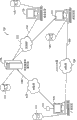
图1是根据本发明的用于传输图像的系统和方法的系统结构的示例性实施例的概述的示意图;1 is a schematic diagram of an overview of an exemplary embodiment of a system architecture of a system and method for transmitting images according to the present invention;
图2A和图2B是根据本发明示例性实施例的广播装置与第一观看装置的连接过程的流程图;2A and 2B are flowcharts of a connection process of a broadcasting device and a first viewing device according to an exemplary embodiment of the present invention;
图3A和图3B是第二观看装置加入图2A和图2B的广播装置与第一观看装置的过程的流程图;3A and FIG. 3B are flow charts of a process in which a second viewing device joins the broadcasting device of FIGS. 2A and 2B with the first viewing device;
图4A和图4B是第二观看装置退出与图3A和图3B的广播装置计算机和第一观看装置的浏览会话的过程的流程图;4A and 4B are flow charts of a process for a second viewing device to exit a browsing session with the broadcaster computer and the first viewing device of FIGS. 3A and 3B ;
图5是描述根据本发明的图像传输的柔性降级的方框图;FIG. 5 is a block diagram describing flexible degradation of image transmission according to the present invention;
图6是描述根据本发明的示例性滑动窗口节流算法图表;FIG. 6 is a diagram illustrating an exemplary sliding window throttling algorithm according to the present invention;
图7是描述根据本发明的限制带宽的示例性方法的方框图;7 is a block diagram illustrating an exemplary method of limiting bandwidth according to the present invention;
图8是描述根据本发明的提供适当性能的示例性方法的方框图;Figure 8 is a block diagram depicting an exemplary method of providing appropriate performance in accordance with the present invention;
图9是描述根据本发明的提供可选择访问的示例性方法的方框图;Figure 9 is a block diagram illustrating an exemplary method of providing selective access in accordance with the present invention;
图10是根据本发明的优选对话框的示例性屏幕截图;Figure 10 is an exemplary screenshot of a preferred dialog box according to the present invention;
图11是描述根据本发明的提供可选择地移去观看装置的示例性方法的方框图;11 is a block diagram illustrating an exemplary method of providing selectively removable viewing devices in accordance with the present invention;
图12是描述根据本发明的提供动态设置的示例性方法的流程图;Figure 12 is a flowchart describing an exemplary method of providing dynamic settings in accordance with the present invention;
图13A是描述根据本发明的示例性数据表的方框图;Figure 13A is a block diagram depicting an exemplary data table according to the present invention;
图13B是描述根据本发明的示例性数据表的方框图;Figure 13B is a block diagram depicting an exemplary data table according to the present invention;
图14是根据本发明的即时消息系统的系统结构的示例性实施例的概述的示意图;Fig. 14 is the schematic diagram according to the overview of the exemplary embodiment of the system architecture of the instant messaging system of the present invention;
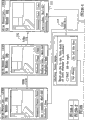
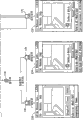
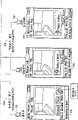
图15是根据本发明的示例性屏幕截图;Figure 15 is an exemplary screenshot according to the present invention;
图16是根据本发明的示例性屏幕截图;Figure 16 is an exemplary screenshot according to the present invention;
图17是根据本发明的示例性屏幕截图;Figure 17 is an exemplary screenshot according to the present invention;
图18是根据本发明的示例性屏幕截图;Figure 18 is an exemplary screenshot according to the present invention;
图19是根据本发明的示例性屏幕截图;Figure 19 is an exemplary screenshot according to the present invention;
图20是根据本发明的示例性屏幕截图;Figure 20 is an exemplary screenshot according to the present invention;
图21是根据本发明的示例性屏幕截图;Figure 21 is an exemplary screenshot according to the present invention;
图22是根据本发明的示例性屏幕截图;Figure 22 is an exemplary screenshot according to the present invention;
图23是根据本发明的示例性屏幕截图;Figure 23 is an exemplary screenshot according to the present invention;
图24是根据本发明的示例性屏幕截图;Figure 24 is an exemplary screenshot according to the present invention;
图25是根据本发明的示例性屏幕截图;以及Figure 25 is an exemplary screenshot according to the present invention; and
图26是根据本发明的示例性屏幕截图。Fig. 26 is an exemplary screenshot according to the present invention.
具体实施方式 Detailed ways
现在将结合附图表示和描述用于传输图像的系统和方法的示例性实施例。Exemplary embodiments of systems and methods for transmitting images will now be shown and described with reference to the accompanying drawings.
参考图1,其表示用于传输图像的系统和方法100的示例性实施例。系统100通常包括:用于获取和显示用户图像的一个或多个观看装置计算机130、132;用于上传用户图像并将图像传输到网络摄像机服务器110和/或一个或多个观看装置计算机130、132的一个或多个广播装置计算机120;以及一个或多个网络摄像机服务器110,其用于接收图像,和/或控制和/或监视来自一个或多个广播装置计算机120的信息,将那些图像传输到观看装置计算机130、132,以及控制和监视用户上传、传输和浏览图像。Referring to FIG. 1 , an exemplary embodiment of a system and
在示例性实施例中,网络摄像机服务器110以一个或多个计算设备实现,这些计算设备现在已知或以后将变得已知,其可以被设置以允许网络摄像机服务器110控制和监视客户上传、传输和浏览图像,以及执行这里教导或被本领域技术人员所公认的其它功能。在某些实施例中,网络摄像机服务器110是运行操作系统的一个或多个服务器,例如,Windows NT/2000或Sun Solaris。In an exemplary embodiment,
网络摄像机服务器110与用户计算机(广播装置计算机120和观看装置计算机130、132)通信,鉴权用户信息,接收来自广播装置计算机120上的上传系统(下面讨论)的图像,以及将图像传输到观看装置计算机130、132。网络摄像机服务器110可能已经在其上加载了服务器系统107。在示例性实施例中,服务器系统107可以是被设计和被设置以促进服务器功能的性能的软件,这些性能包括在网络摄像机服务器110处在存储器中存储数据和参数。此外,网络摄像机服务器110优选的在存储器中高速缓存图像以确保图像的读出和写入快速和有效。网络摄像机服务器110可以通过当观看装置计算机130、132不能以提供的速率(如同下面被讨论的)接收图像时,控制发送图像(降低图像速率),来管理在不同类别的网络(具有不同带宽和信息流容量的网络)上的观看装置计算机130、132。这就提供了以固定图像质量的可升级的帧速率,同时使图像传输的处理适应网络内动态的微小变化。The
广播装置计算机120可以是用户使用的任何类型的计算机或计算设备,只要计算机可以被配备图像捕捉设备或网络摄像机,例如用于以电子方式捕捉用户图像的照相/视频设备103。在作为选择的实施例中,广播装置计算机120可以是桌上或笔记本计算机、PDA、手持设备、或无线电话(具有图形能力)、或任何其他现在已知的或今后开发的能够实现这里所描述功能的设备。在本发明的示例性实施例中,广播装置计算机120可以已经在其上加载了上传系统102。上传系统102可以是存在于广播装置计算机120中,用于以现有方式执行的软件。上传系统102捕捉来自照相/视频设备103(例如,支持MicrosoftDirect Show的视频设备)的图像,利用例如基于小波的JPEG2000编码压缩图像,以及将图像传输到网络摄像机服务器110。上传系统102可以包括与用户接口(“UI”)组件交互以及在程序设计本地化中“环绕”用户接口组件的内部网络和图像(“N&I”)组件。在示例性实施例中,对于指定的软件平台,N&I组件在各种软件应用上可以是公用的,同时可以个性化和定制UI组件以适合特殊应用的需要,以及甚至被本地化。The
观看装置计算机130、132可以是用户使用的任何类型的计算机或计算设备,只要计算机能够以例如JPEG格式或任何其它现在已知或今后开发的格式显示图像。因此,观看装置计算机130、132可以是桌上或笔记本计算机、PDA、手持设备、或无线电话(具有图形能力)、或任何其它现在已知或今后开发的能够实现这种显示功能的设备。在示例性实施例中,观看装置系统105被加载在观看装置计算机130、132。观看装置系统105可以是加载在观看装置计算机130、132上的、用于以现有方式执行的软件。
当观看装置计算机130、132正在例如因特网、局域网(LAN)或广域网(WAN)的通信网络133上与网络摄像机服务器110通信时,观看装置系统105不断地获取来自网络摄像机服务器110的图像,或者如下所述在一定环境下,直接获取来自广播装置计算机120的图像。如这里进一步描述的,观看装置系统105优选的提供显示图像和状态栏上状态消息的简单窗口,该状态消息包括最后接收的图像的时间标记,尽管精确的设置是基于这里教导的设计选择的问题。在示例性实施例中,图像可以被放大到,例如原始大小的100%、200%、或300%,或者全屏。此外,在示例性实施例中,当用户已经最小化观看装置窗口或激活用户的屏保时,观看装置系统105可以(以可能对用户透明的方式)暂停观看装置系统,从而避免不需要时的网络活动。While the
在示例性实施例中,当使用系统100时,广播装置计算机120和观看装置计算机130、132试图建立点对点连接。如果建立了点对点连接,就能通过从广播装置计算机120到观看装置计算机130的通信路径直接传递图像。如果没有建立点对点连接,或者如果多个观看装置计算机130、132与广播装置计算机120一同使用,广播装置计算机120通过通信路径160向网络摄像机服务器110上传图像,从而由网络摄像机服务器110分配图像。在作为选择的实施例中,可以在广播装置计算机120与多个观看装置计算机130、132之间建立多个点对点连接。In an exemplary embodiment, when using the
如果在广播装置计算机120和观看装置计算机130之间没有建立点对点连接,或者如果几乎同时有多个观看装置计算机130、132浏览图像,可以通过通信路径150从广播装置计算机120向网络摄像机服务器110上传图像。If a point-to-point connection is not established between the
当通过网络摄像机服务器110发送图像时,图像可以被通过通信路径152、154传输到多个观看装置计算机130、132。When images are sent by the
在示例性实施例中,网络摄像机广播装置计算机120,观看装置计算机130、132,和网络摄像机服务器110可以利用任何现在已知或今后开发的协议,包括运行在例如TCP port 5100上的专用协议进行通信。单个永久性连接和共同协议可以被用于传送控制信息和传送图像数据。协议可以是“轻量”的,且实质上基于之后带有固定长度数据的二进制控制报头。控制报头可以包括关于固定长度数据的种类和类型以及将要执行的操作的信息。网络摄像机服务器110、广播装置120和观看装置130、132计算机适当地解释控制报头,并且如果不理解控制报头就忽略它们。本领域技术人员应该认可执行的特殊通信协议可以以本领域现在已知或者今后变为已知的方式变化,以实现这里的教导。In an exemplary embodiment, the
在本发明的实施例中,广播装置计算机120、观看装置计算机130、132和/或网络摄像机服务器110可以以各种方式通信,包括但是不限于利用数据分组传输协议(例如传输控制协议/因特网协议(TCP/IP),用户数据报协议/因特网协议(UDP/IP))的网络,普通旧式电话系统(POTS),蜂窝电话系统(例如先进的移动电话服务(AMPS)),数字通信系统(例如GSM,TDMA,或CDMA)或任何其它现在已知或今后开发的技术或协议。因此,当系统100的示例性实施例提供用于通过因特网的图像和数据传输时,也可以通过其它网络提供图像和数据的传输,例如,内部团体的有线或无线的局域网(LAN)或广域网(WAN),或任何其它可以通过其可进行数据交换的通信媒介。In embodiments of the present invention,
在示例性实施例中,系统100可以应用包括两个不同进程的客户机-服务器结构。第一进程包括将来自广播装置计算机120的图像上传到网络摄像机服务器110,而第二进程是恢复来自网络摄像机服务器110图像和为浏览目的传输图像到观看装置计算机130、132。In an exemplary embodiment,
这种结构支持对从一个广播装置计算机120到许多观看装置计算机130、132的图像共享,而不会给广播装置计算机120或观看装置计算机130、132的任何一个带来额外负担或降低服务质量。专用连接促进了观看装置图像的改进的更新,同时改进了安全性和降低了网络总开销。这种结构允许用于各种图像观看装置,包括客户的特定应用、网络观看装置和PDA。这种结构也容易使其应用在不同类型的网络中,其中每个用户能够以不同带宽能力连接到网络。This structure supports image sharing from one
而且,可以采用分布在整个通信网络中的一组服务器或服务器群(未显示)以实现服务器110的功能,使得大多数用户合理地接近服务器群中的至少一个。此外,由于广播装置120和观看装置130、132计算机都建立了到网络摄像机服务器110的出站连接,所描述的系统将用户由于被防火墙封锁而不能与系统交互的可能降低到最小,其中所述出站连接通常是比入站连接更经常地被防火墙接受的一种连接。Furthermore, a group of servers or server farms (not shown) distributed throughout the communication network may be employed to implement the functions of
当存在一个广播装置计算机120和一个观看装置计算机130时,发生一种特殊的情况(下面更详细讨论)。在这些情况下,根据本发明的实施例,图像数据可以从广播装置计算机120直接流向观看装置计算机130(即,点对点而不是通过网络摄像机服务器110传递)。在这种情况下,广播装置计算机120和观看装置计算机130可以具有在被系统100认为是最佳选择的点对点和服务器模式之间切换的能力,优选地不需用户的介入。A special case occurs when there is one
在示例性实施例中,向系统100提供安全性和鉴权以建立客户是他/她实际上声称的。允许或拒绝观看装置计算机130、132浏览特定的广播装置计算机120的图像优选地由广播装置计算机120的上传系统102控制,尽管这可能是基于服务器的功能。In an exemplary embodiment, security and authentication are provided to the
在示例性实施例中,当广播或浏览图像时,可以使用基于权标的鉴权。可以由上传系统102和/或观看装置系统105要求客户输入口令或标识符(“ID”),且之后将输入的ID与在通用数据库(“UDB”)1310(参考图13A)中找到的匹配,以实现鉴权用户。在本发明的示例性实施例中,UDB 1310可以存在于服务器110处,且其可以包括用户参数,例如(通过非限制性的例子的方式),用户ID参数、用户密码参数、用户名参数、邮件偏好参数,应用程序参数和地址簿参数。当做出匹配时,上传系统102或观看装置系统105可以生成权标,其只由网络摄像机服务器110处的服务器系统107理解。为了另外的安全性,权标可以具有超时时间周期,该时间周期后权标终止。In an exemplary embodiment, token-based authentication may be used when broadcasting or viewing images. The customer may be asked by the upload
本领域技术人员应该理解虽然这里网络摄像机服务器110一般被表示为单个服务器计算机,网络摄像机服务器110可以包括任何数量的互相连接的计算机。除了提供上述的基本功能,网络摄像机服务器110的构造可以提供可量测性、冗余度、自动从系统的错误和失效中恢复的能力,以及为预定的维护提供空闲时间,且所有这些都不限制或中断服务。为了达到这个目的,在示例性实施例中,可以使用n个服务器的主从配置(没有示出)。在基于这里所公开的这种配置中,例如两台服务器可以作为主机,其余的作为从机,这是熟知现有技术的技术人员知道的。Those skilled in the art will appreciate that although the
在这种配置中,两个主机可以(但不需要)是相同的,并且每一可以在主会话表1320中存储关于各种有效网络摄像机会话的状态的信息(参考图13A)。主会话表1320可以存在于主服务器上,并且可以包括关于网络摄像机会话的信息,例如,所有有效网络摄像机会话的列表。用于每个会话的主会话表1320的参数可以包括用户名、处理会话的从机的IP地址、最后更新时间等等。In this configuration, the two hosts may (but need not) be identical, and each may store information about the state of the various active webcam sessions in the master session table 1320 (see FIG. 13A ). Master session table 1320 may exist on the master server and may include information about webcam sessions, eg, a list of all active webcam sessions. Parameters of the master session table 1320 for each session may include username, IP address of the slave handling the session, last update time, and the like.
从机可以处理会话期间图像的鉴权和传输。它们可以在图像被更新的时间内在存储器中为每个用户高速缓存图像,并将其提供给请求它的任何观看装置。The slave can handle the authentication and transfer of images during the session. They can cache the image for each user in memory for as long as the image is updated and serve it to any viewing device that requests it.
从机可以维护与主机的专用连接,当用户被加入或被移出时更新会话表,以及在定期的基础上更新整个会话表,例如,每120秒一次。从机也可以在定期的基础上,例如每秒发送心律脉冲,以保持更新正在使用的从机的列表和平衡从属服务器的负荷。The slave can maintain a dedicated connection to the master, update the session table when users are added or removed, and update the entire session table on a regular basis, for example, every 120 seconds. Slaves can also send heart rate pulses on a periodic basis, such as every second, to keep an updated list of slaves in use and to balance the load on the slave servers.
在会话的开始,主机可以用最小的负荷重定向广播装置计算机120到从机的路径。这个从机接着负责剩下的会话。当观看装置计算机130、132向广播装置计算机120请求图像时,主机读取来自会话表的信息并重定向观看装置计算机130、132到正确的从机。从机现在可以提供图像,且观看装置计算机130、132对于所有将来的请求联系同样的从机。At the start of a session, the master can redirect the
在示例性实施例中,主机可以被放置在一设备之后,该设备向用户计算机提供虚拟IP地址和重定向任何输入话务到主服务器之一,同时向所有用户计算机提供只有单个服务器的假象,且同时平衡每个服务器的负荷,如同本领域技术人员熟知的那样(这种设备通常被本领域技术人员作为铸造厂(foundry)提到)。为降低总开销,铸造厂不干涉任何反向话务。同时,当整个服务器群足够小时,主机也能够用作从机以将硬件和维护费用降低到最小。In an exemplary embodiment, the host computer may be placed behind a device that provides user computers with a virtual IP address and redirects any incoming traffic to one of the main servers, while giving all user computers the illusion of a single server, And at the same time balance the load of each server, as is well known to those skilled in the art (this device is often referred to by those skilled in the art as a foundry). To reduce overhead, Foundry does not interfere with any reverse traffic. At the same time, when the entire server farm is small enough, the master can also be used as a slave to minimize hardware and maintenance costs.
在主/从结构实施例中,可以通过增加和请求数量一样多的从机来实现可量测性。主机的冗余促进了其中将总是有至少一个有效主机启动新的会话和从机的n-2级冗余的情形。它同时允许主机的动态负荷分配。在预定的维护期间,网络摄像机服务器110可以每次降低一级。网络摄像机服务器110可以接着通知广播装置计算机120和观看装置计算机130、132重新连接不同的从机,从而将网络摄像机服务的停机时间降到最低。In a master/slave embodiment, scalability can be achieved by adding as many slaves as requested. Redundancy of masters facilitates the situation where there will always be at least one active master starting a new session and n-2 levels of redundancy for slaves. It also allows dynamic load distribution of hosts. During scheduled maintenance, the
尽管在图中没有被描述,这里描述的服务器和计算机通常包括这种其它领域公认的组件,如通常在服务器系统中找到的,包括但是不限于CPU、RAM、ROM、存储器、时钟、硬件驱动器、接口,等等。尽管本领域技术人员应该公认服务器的特殊配置对于本发明不是关键的,服务器优选地被设置为使用Windows NT/2000,UNIX或SunSolaris操作系统。并且,这里被说明为在单独的和不同的服务器上实现的不同任务,在一些实施例中可以在相同的服务器上实现。相反地,这里被说明为在单个服务器上实现的单独的任务,可以被分配在几个服务器中。Although not depicted in the figures, the servers and computers described herein generally include such other art-recognized components as are commonly found in server systems, including but not limited to CPU, RAM, ROM, memory, clocks, hardware drivers, interface, etc. While those skilled in the art should recognize that the particular configuration of the server is not critical to the present invention, the server is preferably configured to use Windows NT/2000, UNIX or SunSolaris operating systems. Also, different tasks described herein as being performed on separate and different servers may in some embodiments be performed on the same server. Conversely, individual tasks illustrated here as implemented on a single server may be distributed among several servers.
参考图2A-4B,其说明了广播装置计算机120和观看装置计算机130、132形成网络摄像机会话的示例性进程的流程。2A-4B, which illustrate the flow of an exemplary process by which the
首先转到图2A和2B,其说明了通信会话的示例性进程流程,其由观看装置计算机130处的一个用户请求允许观看自广播装置计算机120发送的一个其它用户的网络摄像机图像开始。首先,在步骤210中,广播装置计算机120请求观看装置计算机130浏览来自广播装置计算机120网络摄像机的图像。通信由网络摄像机服务器110处理并通过网络摄像机服务器110进行。接着,在步骤212中,观看装置计算机130请求浏览来自广播装置计算机120的图像。接着,在步骤214中,广播装置计算机120开始通过网络摄像机服务器110向观看装置计算机广播图像。接着,在步骤216中,由于只有一个观看装置计算机130在观看,广播装置计算机120警示广播用户点对点连接选项(同时参考这里的“turbo”模式)是可选的。在这时,在步骤218中,广播装置计算机120可以询问广播用户如果点对点连接可用,是否总是使用点对点连接。在步骤224中,广播用户能够选择点对点连接(如果可能,或者总是,或者只是对于当前的网络摄像机会话,特定选择被作为参数值存储在通用数据库1310中)。在这时,在步骤226中,如果这样请求,在广播装置计算机120和观看装置计算机130之间建立点对点连接。在点对点连接期间,从广播装置计算机120到观看装置计算机130传输图像信息,而不通过的网络摄像机服务器110传递。在这种情况下,只有控制和监视数据持续通过网络摄像机服务器110传递。在示例性实施例中,控制和监视数据可以被存储在网络摄像机服务器110的控制和监视表1330(参考图13A)中。可以存储在控制和监视表1330中的参数可以包括观看装置暂停状态、上传者暂停状态、观看装置开始状态、观看装置离开状态、观看装置帐号、点对点连接启动状态,和其它参数。Turning first to FIGS. 2A and 2B , which illustrate an exemplary process flow for a communication session that begins with a user at
现在转到图3A和3B,其说明了上述示例性进程流程的继续,在这个进程期间观看装置计算机132的第二个浏览用户加入网络摄像机会话。通常,第二个浏览用户例如通过请求允许浏览广播装置计算机120网络摄像机加入网络摄像机会话。当这种情况发生时,系统100从通过点对点连接发送图像切换,改为按新路线发送图像到网络摄像机服务器110,而同时保持点对点连接有效(点对点连接可以被保持有效,从而在下述情况下,可以回复图像以通过点对点连接发送)。首先,在步骤310中,如上面讨论的,广播装置计算机120通过点对点连接将图像传输到第一观看装置计算机130,而不通过网络摄像机服务器110传递图像。应该理解尽管广播装置计算机120和观看装置计算机132之间的连接如图所示是直接连接,这个连接可以是通过网络摄像机服务器110之外的组件的,例如包括因特网或广播装置计算机120和观看装置计算机132存在于其中的网络的组件。接着,在步骤316中,使用第二观看装置计算机132的第二个浏览者请求浏览来自广播装置计算机120的图像。在步骤322中,如果广播装置计算机120使其偏好选项被设置为“忽略其它请求”,那么第二观看装置计算机132将不被允许加入网络摄像机会话,且广播装置计算机120和第一观看装置计算机130将继续点对点模式的网络摄像机会话。在步骤324中,另一方面,如果广播装置计算机120没有将其偏好选项设置为“忽略请求”,那么广播装置计算机的广播用户被警示如果允许第二观看装置计算机加入网络摄像机会话,则点对点模式将中断。在步骤378中,如果广播装置计算机120的广播用户允许第二观看装置计算机132加入网络摄像机会话,那么广播装置计算机120将图像传输到网络摄像机服务器110,其之后将图像传输到第一观看装置计算机130和第二观看装置计算机132。在这种情况下不再用于传输图像的点对点连接,由于下述原因仍然保持在广播装置计算机120和第一个观看装置计算机130之间。Turning now to FIGS. 3A and 3B , which illustrate a continuation of the exemplary process flow described above, during which a second viewing user
现在转到图4A和4B,其说明上述示例性进程流程的继续,在这个进程期间,观看装置计算机132的第二个浏览用户离开网络摄像机会话(在本发明的实施例中,如果多于一个的观看装置计算机正在浏览广播装置计算机120,一个观看装置计算机以外的所有观看装置计算机将离开网络摄像机会话)。通常,第二个浏览者终止浏览会话,且系统100可以往回回复以通过如上所述的保持的点对点连接传输图像(尽管当两个浏览者在网络摄像机会话中时,该连接没有用于传输图像)。首先,在步骤410中,如上所述,网络摄像机会话发生,其中广播装置计算机120传输图像到网络摄像机服务器110,其之后依次传输图像到第一观看装置计算机130和第二观看装置计算机132。然而,点对点连接仍然保持在广播装置计算机120和第一观看装置计算机130之间。接着,在步骤416中,第二观看装置计算机132的第二个浏览者决定离开网络摄像机会话。在这时,在步骤418中,网络摄像机服务器110分析会话数据库中的参数以确定广播装置计算机120和第一个观看装置计算机130之间的点对点连接现在是否可用。在步骤424中,如果网络摄像机服务器110确定点对点连接不可用,那么网络摄像机会话以通过网络摄像机服务器110传输图像继续。然而在步骤426中,如果网络摄像机服务器110确定在进程的这时点对点连接可用,那么点对点连接被用于将图像从广播装置计算机120传输到第一观看装置计算机130。Turning now to FIGS. 4A and 4B , which illustrate a continuation of the exemplary process flow described above, during which a second browsing user of the
转到图5,其说明了可选进程500的实施例,这里作为柔性降级提到的系统100的带宽控制。通过这个进程500,服务器系统107优选地保持跟踪图像是否已经成功地被每个观看装置计算机130、132获取。Turning to FIG. 5 , an embodiment of an
具体的说,每个服务器系统107和上传系统102优选地通过检查接口连接确定图像是否已经被全部发送。如这里所述,接口是或者连接服务器系统107或者连接上传系统102到网络协议的软件对象。例如,服务器系统107和上传系统102可以通过打开接口和套接口读取和向接口写入数据,来发送和接收TCP/IP消息。由于服务器系统107或上传系统102只需要操作接口,而计算机操作系统控制消息在网络上的传输,这就简化了服务器系统107或上传系统102的功能性。尽管接口可以以防火墙实现,它在这种意义上是软件对象。Specifically, each
在本系统的示例性实施例中,接口连接可以是阻挡类型或者是非阻挡类型。在阻挡接口中,根据定义,接口连接不可用,直到希望的数据被全部传输。在非阻挡接口中,服务器系统107或上传系统102,保持实际被发送的字节数与被传输图像的字节数比较的计数。这个计数可以存在于存储器中,或者作为网络摄像机服务器110上服务器系统107的一部分或者作为广播装置计算机120上上传系统102的一部分。当两个值相等时(或者在预定范围内),服务器系统107或上传系统102识别图像被全部发送。In an exemplary embodiment of the present system, the interfacing can be of the blocking type or of the non-blocking type. In a blocking interface, by definition, the interface connection is not available until all desired data is transmitted. In a non-blocking interface, the
如果由于网络阻塞,图像没有被成功获取,服务器系统107不发送下一个图像,使得阻塞的网络不会变得更加阻塞。每次图像被观看装置计算机130、132成功获取,每个观看装置计算机130、132的观看装置系统105转发传输完成信号到网络摄像机服务器110上的服务器系统107。传输完成信号状态被存储在网络摄像机服务器110的服务器系统107的存储器中。如果服务器系统107向观看装置计算机130、132发送图像,且没有接收到从某个观看装置计算机130、132返回的传输完成信号,观看装置计算机信号完成状态不被记录在网络摄像机服务器110的服务器系统107中,并且暂停另外的图像传输直到完成信号被成功记录。If an image is not successfully acquired due to network congestion, the
在示例性实施例中,如果应用程序,如果点对点连接建立在广播装置计算机120和观看装置计算机130之间,尽管这种系统可以被实现,柔性降级功能没有被实现。In an exemplary embodiment, if the application program, if the point-to-point connection is established between the
通常,柔性降级是一进程,通过其存在于网络摄像机服务器110上的服务器系统107可以逐渐降低整个图像帧,即柔性降级图像传输到观看装置计算机130、132的速率,而实际上不干扰用户体验的连续性/质量。多数网络固有地经历突然、间歇和暂时的延迟或其它问题,其可以导致不希望的行为或差的性能。通过仅如每个用户需要的降低图像帧,进程500和系统100提供在基础网络的带宽限制内的改善的性能。在某些实施例中,帧分辨率也被降低以进一步降低需要的带宽。In general, soft downgrade is a process by which the
继续参考图5,示出系统100包括广播装置计算机120和两个观看装置计算机130。132,它们都以相同速度连接到因特网(即,连接具有相同带宽)。为了解释的容易和简单,假设在广播装置计算机120和网络摄像机服务器110之间的通信路径150没有网络阻塞(网络阻塞在这里被解释为信息包丢失和/或其它网络延迟)。同时假设网络摄像机服务器110和观看装置计算机130之间的通信路径152没有网络阻塞,而网络摄像机服务器110和第二个观看装置计算机132之间的通信路径154存在间歇的网络阻塞。Continuing with FIG. 5, the
通过示例性例子,在时间t1,广播装置计算机120上传图像帧(I1)到网络摄像机服务器110。只是由于广播装置计算机120和网络摄像机服务器110之间的正常网络等待时间,I1延迟到达网络摄像机服务器110。网络摄像机服务器110在实质上相同的时间发送I1到观看装置计算机130和132。由于服务器110和观看装置130之间的通信路径152没有网络阻塞,I1实际上立即到达观看装置计算机130,只由通信路径152的网络等待时间产生延迟,且观看装置计算机130发送图像完成信号到服务器110。由于通信路径154具有间歇的阻塞,I1花费更长的时间到达第二观看装置计算机132。在这期间,在时间t2,广播装置计算机120发送第二图像帧I2到网络摄像机服务器110,其以与I1类似的方式到达观看装置计算机130。然而,当I2到达网络摄像机服务器110时,由于通信路径154的网络阻塞,I1仍然正在被发送到观看装置计算机132,并且因此网络摄像机服务器110没有接收到来自观看装置计算机132的图像完成信号。因此,网络摄像机服务器110不向第二观看装置计算机132发送I2(即,对那个用户使用柔性降级)。在时间t3,广播装置计算机120发送第三个图像帧I3到网络摄像机服务器110。到这是,I1已经被完全发送到第二观看装置计算机132,因此网络摄像机服务器110接收到来自观看装置计算机132的关于帧I1的图像完成信号。因此网络摄像机服务器110发送I3到观看装置计算机130和132。整个操作顺序的最后效果是图像帧I2没有被发送到观看装置计算机132,但是被发送到观看装置计算机130。By way of illustrative example, at time t 1 ,
在上述例子中,每隔一个图像帧的图像帧到达第二观看装置计算机132。然而,在其它情况下,根据网络状态的各种情况,每隔三个图像帧,或变化的图像序列,例如,第一、第三、第五、第六和第八图像可以被发送到观看装置计算机132。具体的帧和被减少的帧的数量取决于前一个图像是否被发送和接收,而不需根据一个严格的、确定的编码方案。同样的,确定哪个帧将被减少可以是根据不断变化的通信情况的动态过程。In the example above, every other image frame arrives at the second
同时,上述例子假设只有通信路径154具有间歇的网络阻塞。当然,本领域技术人员应该认可在另一情况下,通信路径150和152也可能具有间歇的网络阻塞,在这种情况下,图像帧也可能不会被从网络摄像机服务器110发送到观看装置计算机130。而且,通信路径150可能也具有间歇的网络阻塞,在这种情况下,以与上述相似的方式,某些图像可能不能被从广播装置计算机120发送到网络摄像机服务器110。Also, the above examples assume that
系统100的柔性降级实施例的优点是其促进了网络摄像机服务器110以不同速率向不同观看装置计算机130、132发送图像。因此,不需要以最慢连接的观看装置计算机130、132的速率(即,最低的共同水准)发送图像到所有观看装置计算机130、132。An advantage of the flexible fallback embodiment of the
转到图6和图7,其说明了进程700的实施例,通过其系统100通过限制分配给每个用户的带宽控制系统性能。通常,如这里所述的限制每个用户的带宽,意味着系统100分配每个观看装置计算机130、132一最大的带宽值,其可以用于在任何给定时间点与网络摄像机服务器110的通信,如果希望,如果带宽状态允许,或者如果由其他用户确定的原因所希望,带宽值可以随时间而变化。每个用户的最大带宽由服务器系统107分配,并可以被存储在通用数据库1310中。Turning to Figures 6 and 7, an embodiment of a process 700 by which the
转到图6和图7,每个用户所消耗的带宽的限制出现在广播装置计算机120和观看装置计算机130、132处,或者,在作为选择的实施例中,出现在它们的任何子集处。在限制广播装置计算机120的带宽的情况下,在任何给定时间,每个用户仅被允许具有一个有效的广播(或上传)会话。节流机制,优选地或者由广播装置计算机120上传系统102或者由网络摄像机服务器110的服务器系统107作为软件算法实施,用于限制使用的最大网络带宽。参考图6和图7,节流数据结构600包括成对的时间610和数据长度612值的滑动窗口序列。时间610表示当数据分组(在这种情况下为图像,或表示图像一部分的数据)被接收(如果通过通信路径150从广播装置计算机120上传,被网络摄像机服务器110终止,或者如果被观看装置计算机130、132分别通过通信路径152和154从网络摄像机服务器110获取,被观看装置计算机130、132终止)的时间,数据长度612表示每个数据分组的长度或大小,例如以字节表示。通过其完成节流的采样数目确定数组对的长度。每当接收到数据分组,数组对(610,612)被用于计算使用的当前带宽(带宽=总数据长度/时间间隔)。对于通信路径150,这个计算可以由广播装置计算机120的上传系统102执行,和由网络摄像机服务器110的网络摄像机服务器系统107执行(由存在于各个软件系统中的算法执行)。如果使用的带宽小于可允许的带宽,那么数据分组被正常处理,它的值被输入数组对。如果使用的带宽大于预定的带宽,或希望的可允许带宽,数据分组被丢弃并且用0值作为数据长度输入数组对。作为选择地,在本发明的另一实施例中,根据使用的算法的修改,也可能将处理数据分组延迟任意的时间,从而限制使用的最大带宽。在这种情况下,帧速率可以被降低,同时图像质量(分辨率)可以保持不变。Turning to Figures 6 and 7, the limitation of the bandwidth consumed by each user occurs at the
此外,如果多个浏览窗口在单个观看装置计算机上打开(浏览多个广播),观看装置计算机130、132可以也被设置为节流以控制带宽使用。在本系统的实施例中,用于观看装置计算机130、132的节流类似于上面所描述的。然而,在这种情况下,可允许的每个用户的带宽被除以有效会话的总数或打开的浏览窗口以可计算允许的每个会话的带宽,这个计算的值被用于节流机制中。为了保持跟踪有效浏览会话的总数,一个或多个网络摄像机服务器110为每个用户维持所有用户的映射和有效浏览会话的列表。在系统100的实施例中,映射可以是以主观看装置会话表1340的形式(参考图13A),存在于作为服务器系统107的一部分的存储器中。当浏览会话的数量变化时,服务器系统107传输消息到观看装置计算机130、132,通知每个会话相应地调整那个会话的最大可允许带宽。可以存在于主网络摄像机服务器的主观看装置会话表1340可以包括对于特殊上传者(广播者)的所有唯一观看装置的列表。对于每个唯一观看装置,维护包括特殊观看装置正在浏览的上传者的列表,和上传者位于其上的从机的IP地址的列表。例如,表1340说明一示例性参数设置,其反应一情况,其中观看装置计算机130正在浏览广播装置计算机120(U1)和第二广播装置计算机(未显示)(U2),而第二观看装置计算机132(V2)仅在浏览广播装置计算机120(U1)。Additionally, if multiple browsing windows are open on a single viewing device computer (browsing multiple broadcasts), the
在每个用户的基础上限制带宽的好处是观看装置计算机130、132处的每个用户不能浏览过量的网络摄像机会话和快速增加网络摄像机服务提供商的带宽使用(因此可能的费用),和/或控制网络摄像机服务器110,(由于一个或多个网络摄像机服务器为观看装置计算机130、132上用户打开的每个窗口发送单独的图像流)。于是,即使观看装置计算机130上的用户启动多个观看装置会话(试图从多个广播装置计算机120浏览图像),由于系统100具有上述的检测多个观看装置网络摄像机会话和相应地降低每个观看装置会话的帧速率以保持每个用户的总带宽在预定范围内的能力,分配给那个观看装置计算机130的带宽不会增加。在某些实施例中,系统也能够降低帧分辨率。在某些实施例中,系统允许用户增加带宽,例如,在限制带宽前增加到预定数量或者增加一定百分比。在某些实施例中,每个用户可使用的增加与不同的服务水平有关(例如,免费的和付费的)。The benefit of limiting bandwidth on a per-user basis is that each user at the
限制每个用户带宽的另一个好处是在给定的一组带宽限制内促进了性能的最大化。因此,网络摄像机服务提供商可以被保护免受计划外的带宽花费和可能试图通过上传或浏览大量图像破坏系统100或使系统100超负荷的恶意黑客。此外,它也保护相对低带宽的用户(例如,28.8Kbps拨号)免受因为太多的打开的观看装置窗口(即,浏览来自多个广播装置计算机的图像)而堵塞他们各自的通信路径。因此,系统100的实施例可以具有共同限制观看装置计算机130的整个带宽,同时容纳额外的观看装置网络摄像机会话的能力(即,允许观看装置计算机130浏览来自多个广播装置计算机的图像)。Another benefit of limiting per-user bandwidth is that it facilitates maximizing performance within a given set of bandwidth limits. Thus, the webcam service provider can be protected from unplanned bandwidth spending and malicious hackers who may attempt to damage or overload the
转到图8,其说明了进程800的实施例,根据该进程系统100可以促进不同观看装置计算机130、132、134的均衡性能。在系统100的实施例中,通过下面所述的方式,当有在各自的通信路径830、832、834上通信的多个浏览器和观看装置计算机130、132、134时,每个观看装置计算机130、132、134的性能是与它的基础结构(或通信路径速度)一致,而不是整个集合的最小值。作为例子,考虑三个不同类型的通信路径:拨号通信路径830(最小带宽);DSL(数字用户线)通信路径832(中等带宽);和LAN或宽带通信路径834(最大带宽)。如果广播装置计算机120在LAN或宽带通信路径820上,且三个观看装置计算机130、132、134分别在拨号通信路径830、DSL通信路径832和LAN或宽带通信路径834上,那么每个观看装置计算机130、132、134的性能可以与它的通信路径830、832、834的相对速度(或网络连接速度)一致。特别地,使用拨号通信路径830的观看装置计算机130将得到最差的性能,其次使用DSL通信路径832的浏览计算将132得到较好性能,并且最后,使用LAN或宽带通信路径834的观看装置计算机1334将达到最好性能。Turning to FIG. 8 , an embodiment of a
在系统100和一个或多个网络摄像机服务器110的实施例中,上述的均衡性能可以通过实现上述关于柔性降级和带宽使用限制的分流机制来达到。In the embodiments of the
在这种实施例中,在网络摄像机会话的开始,存在于每个观看装置计算机130、132、134上的观看装置系统105可以通知存在于网络摄像机服务器110上的服务器系统107网络连接的速度。这通过,例如,观看装置系统105最初把网络速度(如从观看装置计算机130上的网络驱动器得到)存储在作为观看装置系统105的一部分的存储器中来实现。观看装置系统105接着传输这个网络速度到网络摄像机服务器110上的服务器系统107。在本发明的实施例中,那个网络速度信息被存储在网络摄像机服务器系统107中的从机会话表1350处(参考图13B)。和主机浏览会话表1340一样(参考图13A),从机会话表1350可以存在于从网络摄像机服务器处的网络摄像机服务器系统107中。从机会话表1350为那个从机上的每个广播装置计算机保持观看装置计算机列表。对于每个观看装置计算机,它可以存储参数,例如,观看装置连接速度、浏览器名称、浏览室名称(如果他们在聊天室中)和浏览器IP地址。这些参数可以在开始通过各自的通信路径830、832、834被从每个观看装置计算机130、132、134的观看装置系统105传输。In such an embodiment, at the start of a webcam session, the
在网络摄像机会话的开始,每个观看装置计算机130、132、134(通过它的观看装置系统105)通知网络摄像机服务器110网络连接的速度(或连接类型),并且网络摄像机服务器系统107根据系统设计者选择的算法计算用于那个网络摄像机会话的最大允许带宽。这种算法可以是,例如,计算从观看装置计算机得到的网络连接速度的预定百分比,或者可以使用的最高速度,或者根据网络连接类型分配固定的速度,或者作为设计选择的问题执行其他计算。因此,例如,使用高带宽通信路径834的观看装置计算机134的带宽使用能够超过(通过网络摄像机服务器110处的服务器系统107实现的算法)280Kbps,使用中等带宽通信路径832的观看装置计算机132能够使其带宽使用超过(通过网络摄像机服务器110处的服务器系统107实现的算法)80Kbps,使用低带宽通信路径830的观看装置计算机130能够使其带宽使用超过(通过网络摄像机服务器110处的服务器系统107实现的算法)20Kbps,或者任何其他选择或计算的值,这是基于这里的教导,作为本领域技术人员设计选择的问题。因此,高带宽观看装置计算机134将可能接收所有(或相对大多数)被传输的图像帧,而中等带宽观看装置计算机132将可能使一定数量的图像帧被丢弃,低带宽用户130将可能使相对最多的图像帧被丢弃。最终结果是性能与每个基础通信路径(或网络连接)有关,并因此最优化性能。At the start of a webcam session, each
参考图9,其说明了进程900的实施例,根据该进程系统100可以促进网络摄像机会话的选择性访问或访问控制。通常,选择性访问提供广播装置计算机120(上传者)控制观看装置和观看装置计算机130、132的列表的能力,浏览器和观看装置计算机130、132被准许访问来自广播装置计算机120的图像用于浏览,或者自动或者通过提示进行。Referring to FIG. 9 , an embodiment of a
在系统100的实施例中,在步骤940中,当观看装置计算机130、132连接到一个或多个网络摄像机服务器110时,观看装置计算机130、132可以请求浏览特定广播装置计算机120(上传者)的图像。这个步骤可以通过观看装置计算机130的观看装置系统105从用户到网络摄像机服务器110处的服务器系统107传输请求来实现。在步骤941中,服务器系统107可以根据广播装置计算机120处用户指定的证书鉴权用户。鉴权由服务器系统107实现,其将从观看装置计算机130传输的标识数据与存储在广播装置系统120上的上传系统102处的存储器中、并被传输到网络摄像机服务器110处的服务器系统107的被允许的浏览者列表比较。网络摄像机服务器系统107和网络摄像机服务器110接着确定被请求的广播装置计算机120(上传者)是否实际上当前正在广播(通过等待来自广播装置计算机120信号一定持续时间)。在步骤942中,网络摄像机服务器110发送浏览请求到广播装置计算机120处的上传系统102。在步骤943中,广播装置计算机120处的用户可以接着确定是否准许观看装置计算机130处的用户访问。用户可以通过点击用户界面上的合适按钮作出这个决定或选择,其中该用户界面是上传系统102的一部分。最后,在步骤944中,通知观看装置计算机944处的用户广播用户的决定。这个决定被从网络摄像机服务器110传输到观看装置计算机130上的观看装置系统105。观看装置计算机130处的用户可以通过用户界面看到这个决定,该用户界面是观看装置计算机130的观看装置系统105的一部分。此外,可以使用其它鉴权技术,例如那些基于IP地址和/或存储在观看装置计算机130的“cookie”中的信息。In an embodiment of the
参考图14,并继续参考图1,在本发明的实施例中,网络摄像机系统100可以结合即时消息系统1400使用。即时消息系统1400可以包括一个或多个即时消息用户计算机1420、1430,每一个加载有在其上加载的即时消息系统1402、1405;和具有在其上加载的即时消息服务器系统1407的一个或多个即时消息服务器1410。Referring to FIG. 14 , with continued reference to FIG. 1 , in an embodiment of the present invention, the
即时消息用户计算机1420、1430和即时消息系统1402、1405可以被设计和配置以允许即时消息用户变换文本的即时消息,如本领域技术人员所知的。以本领域技术人员现在已知或可能变为已知的方式,即时消息服务器1410和消息服务器系统1407接收即时消息,例如通过因特网1433从即时消息用户计算机1420接收,并转发这些消息到第二即时消息用户计算机1430。如本领域所知,即时消息计算机1420可以用于发送即时消息到即时消息计算机1430,且即时消息计算机1430也用于发送即时消息到即时消息计算机1420。Instant
在本发明的实施例中,其中网络摄像机系统100用于结合即时消息系统1400使用,广播装置计算机120,例如,加载有即时消息系统1402,从而广播装置计算机120和即时消息用户计算机1420是相同的计算机。同样,观看装置计算机130可以加载有即时消息系统1405,从而观看装置计算机130和即时消息用户计算机1430是相同的计算机。在本发明的实施例中,即时消息功能和网络摄像机功能可以被集成在单个软件应用程序中。In an embodiment of the invention wherein the
在这种实施例中,例如,第一用户可以关联第一用户标识符或ID,即时消息可以关联第一用户ID,图像可以关联第一用户ID。基于第一用户ID使得即时消息被传递到第一用户,并基于第一用户ID将图像传递到第一用户通信,从而第一用户能够从第二用户终止即时消息和图像。In such an embodiment, for example, a first user may be associated with a first user identifier or ID, an instant message may be associated with a first user ID, and an image may be associated with a first user ID. The instant message is caused to be delivered to the first user based on the first user ID, and the image is communicated to the first user based on the first user ID so that the first user can terminate the instant message and the image from the second user.
然而,在示例性实施例中,网络摄像机服务器110和即时消息服务器1410可以是两个或更多分开的和不同的服务器。然而,在本发明的实施例中,即时消息服务器功能和网络摄像机服务器功能能够存在于单个服务器上。However, in an exemplary embodiment,
在本发明的实施例中,其中网络摄像机系统100可以用于结合即时消息系统1400使用(参考图14),如上所述,用户可以有利地同时享有即时消息会话和网络摄像机会话。In an embodiment of the present invention wherein the
通常,用户可以通过在合适的网站建立请求和输入用户ID及密码,来下载即时消息用户系统1402到即时消息用户计算机1420,由此包括即时消息用户系统1402的合适软件被自动加载到即时消息用户计算机1420。Typically, the user can download the instant
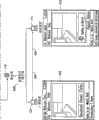
参考图15,一旦即时消息用户系统1402被加载到即时消息用户计算机1420上,用户可以点击合适的图标以显示介绍性的即时消息屏幕1500。参考图16,通过选择“登陆”选项,显示即时消息登陆平面1600。在这时,参考图17,用户可以输入合适的ID和密码,并且如果实现上述讨论的鉴权,显示即时消息状态屏幕1700示。通过浏览即时消息状态屏幕1700,用户可以确定,例如,用户选择的朋友的在线状态和即时消息的可用性。在本发明的实施例中,用户可以从“工具”菜单选择选项“浏览我的网络摄像机。如果照相/视频设备103(参考图1)被合适地连接到即时消息计算机1420(在这个例子中,它也可以用作广播装置计算机120(参考图1))(如果照相/视频设备103没有被合适地连接到即时消息计算机1420,那么显示错误消息)。参考图18,在这时,启动“我的网络摄像机”屏幕1800,这允许用户浏览来自广播装置计算机120自己的照相/视频设备103的图像。这个步骤允许用户浏览他或她自己的图像和检查例如,图像质量、照明、以及用户的特殊网络摄像机设置的照相角度。如这里所述,术语“屏幕”也可以表示“窗口”,从而多个屏幕或“窗口”可以由用户同时浏览,如同本领域技术人员所知的那样。Referring to FIG. 15, once the instant
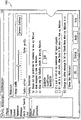
参考图19,用户可以从即时消息状态屏幕1700选择“登陆”和“偏好”以启动和浏览偏好屏幕1900。从偏好屏幕1900中,用户可以选择特定的目录,例如,调整偏好的“网络摄像机”。偏好是用于关于即时消息和网络摄像机会话的某些参数的默认设置。可以被调整的偏好的例子包括在更快图像更新速率和更好图像质量之间的选择;在允许另一个用户浏览上传的图像之前是否总是请求用户的同意,允许所有请求浏览上传的图像的人,或只允许列举在特定列表中的人浏览上传的图像。也可以调整其它参数和从偏好屏幕1900设置为“偏好”。参考图20,如果用户选择选项“只允许下列人浏览我的网络摄像机”,用户可以通过“选择允许浏览网络摄像机的用户”屏幕2000选择编辑被允许的用户列表。从这个屏幕,用户可以从“朋友列表”选择其他用户以添加或从“被允许列表”中删除。Referring to FIG. 19 , the user may select "Login" and "Preferences" from the instant
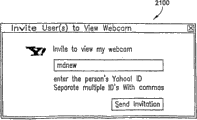
而且,从“工具”菜单中,用户可以邀请另一个用户浏览广播装置计算机120的上传的图像。参考图21,示出了用于邀请另一个用户浏览上传的图像的示例性屏幕。从这个屏幕,通过在合适的字段输入其他用户的ID,可以邀请其他用户浏览上传的图像。Also, from the "Tools" menu, a user may invite another user to view the broadcaster computer's 120 uploaded images. Referring to FIG. 21 , an exemplary screen for inviting another user to view uploaded images is shown. From this screen, other users can be invited to view uploaded images by entering the other user's ID in the appropriate field.
当广播装置计算机120处的用户要求观看装置计算机130处的另一个用户浏览来自广播装置计算机120的上传的图像时,其上加载有即时消息系统1405的观看装置计算机处的用户浏览显示要求的网络摄像机请求屏幕2200,如图22所示。参考图23,如果观看装置计算机130处的用户选择“是”,因此接受该要求,显示网络摄像机观看装置屏幕2300。网络摄像机观看装置屏幕2300允许观看装置计算机130处的用户浏览来自广播装置计算机120的照相/视频设备103的上传图像。When a user at the
观看装置计算机130处的用户也可以选择“浏览朋友的网络摄像机”选项以启动和浏览“浏览朋友的网络摄像机”屏幕2400,如图24所描述的。从“浏览朋友的网络摄像机”屏幕2400,用户可以选择用于浏览的另一用户的ID。然而,如果被选择的广播装置没有选择请求浏览的用户用于自动允许浏览,那么请求浏览的用户必须等待来自广播装置计算机处的用户的浏览允许。在等待允许时,在系统的示例性实施例中,如图25所描述的,请求的浏览者将浏览“等待允许”屏幕2500。如图26所描述,反过来,广播装置计算机120处的、向其请求允许浏览的用户将浏览“给予允许”屏幕2600。A user at the
图10说明根据本发明实施例的即时消息偏好对话框的实施例。在本发明的实施例中,偏好是与网络摄像机会话有关的参数的某些默认设置,其可以由用户选择和/或修改。即时消息对话框1000可以具有几个偏好,其给予浏览请求的自动处理的多种级别。首先,上传者可以选择给予所有用户无差别的访问。接着,上传者可以通过指定朋友的ID来只允许指定的朋友列表访问。如果浏览请求不是来自于列表中的朋友,即时消息系统基于选择的偏好或者提示用户动作或者可以拒绝请求。接着,可以提示上传者所有浏览请求,从而拒绝任何请求的自动处理。此外,上传客户也可以保持朋友列表总被忽略。Figure 10 illustrates an embodiment of an instant messaging preference dialog in accordance with an embodiment of the present invention. In an embodiment of the invention, preferences are certain default settings of parameters related to a webcam session, which may be selected and/or modified by the user. The
通过在例如网络摄像机服务器110的中央永久服务器中保存这些偏好,被选择的偏好信息优选地在会话之间保持不变和独立于实际使用的机器。在本发明的实施例中,这些参数可以被存储在上面讨论的通用数据库1310中(参考图13A)。因此从任何装备有必要软件的计算机登陆到系统的用户将达成如那个用户选择的偏好所表示的同样的功能,就好像那个用户在使用他或她自己的计算机一样。By storing these preferences in a central persistent server such as
而且,广播装置计算机也可以显示浏览器列表。浏览器列表允许广播者(上传者)在任何给定情况下,查看观看广播的所有浏览器的列表和总的浏览器数量。优选地,每当浏览器开始浏览,通知上传者浏览者的ID和浏览者的总数。当浏览会话终止时,也优选地更新这个信息。Furthermore, the broadcaster computer can also display the browser list. The browser list allows the broadcaster (uploader) to view a list of all browsers viewing the broadcast and the total number of browsers at any given time. Preferably, whenever the browser starts browsing, the uploader is notified of the ID of the viewer and the total number of viewers. This information is also preferably updated when the browsing session is terminated.
参考图11,其说明了进程1100的实施例,根据该进程系统100可以促进选择性的移去观看装置计算机130、132。通常,如这里定义的,选择性移去是广播者(上传者)从正在观看的浏览者列表,有选择地移去浏览者,而不终止网络摄像机会话的能力。这给了上传者对可能浏览上传图像的人的完全控制。Referring to FIG. 11, an embodiment of a
在进程1100中,用户可以通过通信路径1140从广播装置计算机120向网络摄像机服务器110上传图像,其依次由第一用户计算机130通过通信路径1142获取和由第二用户计算机132通过通信路径1144获取。接着,在步骤1150中,如果广播装置计算机120处的用户选择从网络摄像机会话移去第二用户计算机132,广播装置计算机120上的上传系统102转发移去消息到网络摄像机服务器110上的服务器系统107。在步骤1152中,服务器系统107与第二观看装置计算机132上的观看装置系统105通信并转发消息,以从网络摄像机会话中断开第二观看装置计算机132。然而,在步骤1154中,当第一观看装置计算机130上的观看装置系统105继续从服务器系统107获取图像时,因为继续将图像永久地从广播装置计算机120上传,第一观看装置计算机130保持作为网络摄像机会话的一部分。In
由于广播装置计算机120的网络摄像机会话在步骤1152中没有终止,第一观看装置计算机130不需要重新连接到网络摄像机会话。因此,本发明的实施例允许广播装置计算机120有选择地终止一个浏览者,同时保持与其他浏览者的连接。Since the webcam session of the
上传系统102优选地保持在任何给定时间正在浏览的用户的列表,这个列表可以存在于广播装置计算机120上传系统102的一部分中。广播装置计算机120上的上传系统102从存在于其中的用户列表传输特殊的用户标识符。选择性移去浏览者的好处是整个进程对所有不受影响的实体(例如另外的浏览者)是透明的,同时提供对可以浏览上传到广播者(上传者)的图像的用户的完全控制。The upload
图12说明一进程的实施例,根据其系统100可以促进动态参数设置。如这里所描述的,动态参数设置通常是在网络摄像机或即时消息会话的开始,在网络摄像机服务器110中存储用户偏好的参数设置,和传输这些设置到例如广播装置计算机120的用户计算机的能力。FIG. 12 illustrates an embodiment of a process according to which
例如,用户可以通过选择0到10之间的滑动值(参考图10),选择设置,例如,图像分辨率。继续参考图12,在步骤1220中,在每个广播会话的开始,当广播用户在广播装置计算机120启动网络摄像机会话时,上传系统102基于用户ID请求与特殊用户有关的参数列表。用户参数可以被存储在存在于网络摄像机服务器110中的配置文件1360中(参考图13B)。在网络摄像机会话的开始,这些参数可以被广播装置计算机120的上传系统102从网络摄像机服务器110读取。被请求的参数包括,例如,网络摄像机图像分辨率。之后,在步骤1222中,上传计算机120可以接收被请求的参数,并使用偏好的参数开始网络摄像机会话。如果用户通过用户界面改变了参数设置,将新的参数值从广播装置计算机传输到服务器计算机110,并且相应地更新配置文件1360。For example, a user may select a setting, eg, image resolution, by selecting a sliding value between 0 and 10 (see FIG. 10 ). Continuing with FIG. 12 , in
虽然已经结合其某些实施例描述了本发明,在不脱离本发明的精神和范围的情况下,可以对其进行各种改变和替换。仅是参考例子描述了本发明,仅为说明的目的提出这些例子,因此不应施加限制。因此,本发明的范围由其附加的权利要求所限定。Although the present invention has been described in conjunction with certain embodiments thereof, various changes and substitutions can be made therein without departing from the spirit and scope of the invention. The present invention has been described with reference to examples only, which examples are presented for purposes of illustration only and therefore should not be limiting. Accordingly, the scope of the invention is defined by the appended claims.
Claims (29)
Applications Claiming Priority (2)
| Application Number | Priority Date | Filing Date | Title |
|---|---|---|---|
| US39217402P | 2002-06-26 | 2002-06-26 | |
| US60/329,174 | 2002-06-26 |
Publications (2)
| Publication Number | Publication Date |
|---|---|
| CN1672143A CN1672143A (en) | 2005-09-21 |
| CN100587681C true CN100587681C (en) | 2010-02-03 |
Family
ID=35613904
Family Applications (1)
| Application Number | Title | Priority Date | Filing Date |
|---|---|---|---|
| CN03817911A Expired - Fee Related CN100587681C (en) | 2002-06-26 | 2003-06-26 | System and method for transferring images between communicating users |
Country Status (5)
| Country | Link |
|---|---|
| US (1) | US7509377B2 (en) |
| EP (2) | EP1556956B1 (en) |
| CN (1) | CN100587681C (en) |
| AU (1) | AU2003280467A1 (en) |
| WO (1) | WO2004004139A2 (en) |
Families Citing this family (75)
| Publication number | Priority date | Publication date | Assignee | Title |
|---|---|---|---|---|
| CN100587681C (en) | 2002-06-26 | 2010-02-03 | 雅虎公司 | System and method for transferring images between communicating users |
| US7275215B2 (en) | 2002-07-29 | 2007-09-25 | Cerulean Studios, Llc | System and method for managing contacts in an instant messaging environment |
| US7840593B2 (en) * | 2002-07-30 | 2010-11-23 | Sony Corporation | Program, information processing method and device, and data structure |
| JP3806931B2 (en) * | 2002-07-30 | 2006-08-09 | ソニー株式会社 | Information processing apparatus and method, and program |
| US7185292B2 (en) * | 2002-08-13 | 2007-02-27 | Hewlett-Packard Development Company, L.P. | Screen controller and method therefor |
| JP2004102459A (en) * | 2002-09-06 | 2004-04-02 | Sony Corp | Information processing system and method, information processing apparatus and method, and program |
| US7970854B2 (en) * | 2003-01-15 | 2011-06-28 | Qurio Holdings, Inc. | Method and system for requesting image prints in an online photosharing system |
| US7846023B2 (en) | 2003-03-27 | 2010-12-07 | Microsoft Corporation | Application-centric user interface techniques |
| US7610582B2 (en) * | 2003-04-18 | 2009-10-27 | Sap Ag | Managing a computer system with blades |
| US7590683B2 (en) * | 2003-04-18 | 2009-09-15 | Sap Ag | Restarting processes in distributed applications on blade servers |
| US7660864B2 (en) * | 2003-05-27 | 2010-02-09 | Nokia Corporation | System and method for user notification |
| US20040268156A1 (en) * | 2003-06-24 | 2004-12-30 | Canon Kabushiki Kaisha | Sharing system and operation processing method and program therefor |
| US7356565B2 (en) * | 2003-06-27 | 2008-04-08 | Logitech Europe S.A. | Camera based instant messenger client |
| US7363378B2 (en) | 2003-07-01 | 2008-04-22 | Microsoft Corporation | Transport system for instant messaging |
| US7539727B2 (en) | 2003-07-01 | 2009-05-26 | Microsoft Corporation | Instant messaging object store |
| CN100456715C (en) * | 2003-07-31 | 2009-01-28 | 腾讯科技(深圳)有限公司 | Method and system for realizing image information exchange via instant communication system |
| KR100585537B1 (en) * | 2003-12-09 | 2006-05-30 | 엘지전자 주식회사 | Image transmission system and control method thereof |
| TWI261465B (en) * | 2004-01-06 | 2006-09-01 | Era Digital Media Company Ltd | Digital real-time interactive program system |
| US8171084B2 (en) | 2004-01-20 | 2012-05-01 | Microsoft Corporation | Custom emoticons |
| US20050256968A1 (en) * | 2004-05-12 | 2005-11-17 | Johnson Teddy C | Delaying browser requests |
| GB0414716D0 (en) * | 2004-07-01 | 2004-08-04 | Ibm | Method and apparatus for conversational annotation for instant messaging systems |
| US8316088B2 (en) | 2004-07-06 | 2012-11-20 | Nokia Corporation | Peer-to-peer engine for object sharing in communication devices |
| CN100373894C (en) * | 2004-07-09 | 2008-03-05 | 腾讯科技(深圳)有限公司 | Instant communication roating method for mobile network |
| US7603466B2 (en) * | 2004-07-19 | 2009-10-13 | Sap (Ag) | Mobile collaborative peer-to-peer business applications |
| US8627213B1 (en) * | 2004-08-10 | 2014-01-07 | Hewlett-Packard Development Company, L.P. | Chat room system to provide binaural sound at a user location |
| US20060041627A1 (en) * | 2004-08-20 | 2006-02-23 | Sony Computer Entertainment America Inc. | System and method for effectively exchanging photo data in an instant messaging environment |
| US20060085515A1 (en) * | 2004-10-14 | 2006-04-20 | Kevin Kurtz | Advanced text analysis and supplemental content processing in an instant messaging environment |
| US20060130151A1 (en) * | 2004-12-14 | 2006-06-15 | Chao-Hung Wu | Web camera identification system and method |
| US7529255B2 (en) | 2005-04-21 | 2009-05-05 | Microsoft Corporation | Peer-to-peer multicasting using multiple transport protocols |
| CN100385854C (en) * | 2005-06-01 | 2008-04-30 | 腾讯科技(深圳)有限公司 | A system and method for sending broadcast messages |
| US7848736B2 (en) * | 2006-01-18 | 2010-12-07 | Sms.Ac, Inc. | Package billing for micro-transactions |
| CN101218572B (en) | 2005-08-15 | 2011-07-27 | 富士通株式会社 | Communication method and computer system |
| US8914070B2 (en) * | 2005-08-31 | 2014-12-16 | Thomson Licensing | Mobile wireless communication terminals, systems and methods for providing a slideshow |
| US8204950B2 (en) * | 2005-09-15 | 2012-06-19 | Qwest Communications International Inc. | Webpage search |
| US7933972B1 (en) | 2005-09-29 | 2011-04-26 | Qurio Holdings, Inc. | Method and system for organizing categories of content in a distributed network |
| US8799512B2 (en) * | 2005-10-19 | 2014-08-05 | Qwest Communications International Inc. | Cross-platform support for a variety of media types |
| US8170189B2 (en) | 2005-11-02 | 2012-05-01 | Qwest Communications International Inc. | Cross-platform message notification |
| US9098832B1 (en) | 2005-11-15 | 2015-08-04 | Qurio Holdings, Inc. | System and method for recording a photo chat session |
| US20070112918A1 (en) * | 2005-11-15 | 2007-05-17 | Viktors Berstis | Systems and methods for screening chat requests |
| US20070230794A1 (en) * | 2006-04-04 | 2007-10-04 | Logitech Europe S.A. | Real-time automatic facial feature replacement |
| US8078476B2 (en) | 2006-04-05 | 2011-12-13 | Qwest Communications International Inc. | Cross-platform calendar notifications |
| US20070239832A1 (en) * | 2006-04-05 | 2007-10-11 | Qwest Communications International Inc. | Communication presentation in a calendar perspective |
| US9323821B2 (en) * | 2006-04-05 | 2016-04-26 | Qwest Communications International Inc. | Network repository auto sync wireless handset |
| US8214469B2 (en) * | 2006-04-06 | 2012-07-03 | Qwest Communications International Inc. | Multiple use of common perspectives |
| US8320535B2 (en) * | 2006-04-06 | 2012-11-27 | Qwest Communications International Inc. | Selectable greeting messages |
| GB0607294D0 (en) | 2006-04-11 | 2006-05-24 | Nokia Corp | A node |
| JP4767817B2 (en) * | 2006-05-02 | 2011-09-07 | 株式会社ソニー・コンピュータエンタテインメント | COMMUNICATION SYSTEM, COMMUNICATION DEVICE, COMMUNICATION PROGRAM, COMPUTER-READABLE STORAGE MEDIUM CONTAINING COMMUNICATION PROGRAM |
| US8819751B2 (en) * | 2006-05-16 | 2014-08-26 | Qwest Communications International Inc. | Socially networked television experience |
| DE102006030613A1 (en) * | 2006-07-03 | 2008-01-10 | Combots Product Gmbh & Co. Kg | Method and communication system for controlling the data flow via network nodes |
| KR100966047B1 (en) * | 2006-08-25 | 2010-06-28 | 삼성전자주식회사 | Method and apparatus for transmitting media in communication system |
| US8781892B2 (en) * | 2006-09-29 | 2014-07-15 | Yahoo! Inc. | Digital media benefit attachment mechanism |
| WO2008041173A2 (en) * | 2006-10-02 | 2008-04-10 | Nokia Corporation | Method system and devices for network sharing or searching of resources |
| CN101170679B (en) * | 2006-10-27 | 2012-05-09 | 中兴通讯股份有限公司 | Implementation method and system of IPTV video monitoring service using peer-to-peer technology |
| US20080122932A1 (en) * | 2006-11-28 | 2008-05-29 | George Aaron Kibbie | Remote video monitoring systems utilizing outbound limited communication protocols |
| US7680816B2 (en) * | 2006-12-22 | 2010-03-16 | Verizon Patent And Licensing Inc. | Method, system, and computer program product providing for multimodal content management |
| JP2008182431A (en) * | 2007-01-24 | 2008-08-07 | Nec Corp | Video image and voice distribution system, and information processor |
| US20080201420A1 (en) * | 2007-02-20 | 2008-08-21 | William Wong | Digital media frame with peer to peer networking |
| US20080244075A1 (en) * | 2007-03-29 | 2008-10-02 | Deh-Yung Kuo | High performance real-time data multiplexer |
| CN101345909B (en) * | 2007-07-12 | 2012-02-01 | 英业达股份有限公司 | Interface, system and method for providing instant messaging service |
| US20090037826A1 (en) * | 2007-07-31 | 2009-02-05 | Christopher Lee Bennetts | Video conferencing system |
| US8477624B2 (en) * | 2008-03-31 | 2013-07-02 | Lenovo (Singapore) Pte. Ltd | Apparatus, system, and method for managing network bandwidth |
| US20090315886A1 (en) * | 2008-06-19 | 2009-12-24 | Honeywell International Inc. | Method to prevent resource exhaustion while performing video rendering |
| US8966090B2 (en) * | 2009-04-15 | 2015-02-24 | Nokia Corporation | Method, apparatus and computer program product for providing an indication of device to device communication availability |
| US8966110B2 (en) * | 2009-09-14 | 2015-02-24 | International Business Machines Corporation | Dynamic bandwidth throttling |
| CN102045659B (en) * | 2009-10-15 | 2015-12-16 | 中兴通讯股份有限公司 | The polychrome exhibiting method of instant message and system |
| US8730251B2 (en) * | 2010-06-07 | 2014-05-20 | Apple Inc. | Switching video streams for a display without a visible interruption |
| US8621213B2 (en) | 2010-06-08 | 2013-12-31 | Merge Healthcare, Inc. | Remote control of medical devices using instant messaging infrastructure |
| CN102158851B (en) * | 2011-02-17 | 2014-01-15 | 惠州Tcl移动通信有限公司 | Method for updating parameters of mobile terminal network service request |
| US20130041948A1 (en) * | 2011-08-12 | 2013-02-14 | Erick Tseng | Zero-Click Photo Upload |
| CN103037448B (en) | 2011-09-30 | 2015-05-27 | 华为技术有限公司 | Content publishing method and user device |
| US8924850B1 (en) | 2013-11-21 | 2014-12-30 | Google Inc. | Speeding up document loading |
| CN103888734B (en) * | 2014-03-26 | 2017-08-15 | 浙江宇视科技有限公司 | Media stream control method and device under two layers of private network |
| RU2608881C2 (en) * | 2014-05-28 | 2017-01-25 | Общество С Ограниченной Ответственностью "Яндекс" | Method and system for controlling turbo mode |
| CN104270603B (en) * | 2014-09-18 | 2018-03-06 | 福建星网物联信息系统有限公司 | Obtain the method and monitoring system of video flowing |
| US9819937B1 (en) * | 2015-04-14 | 2017-11-14 | Teradici Corporation | Resource-aware desktop image decimation method and apparatus |
Citations (2)
| Publication number | Priority date | Publication date | Assignee | Title |
|---|---|---|---|---|
| US6018774A (en) * | 1997-07-03 | 2000-01-25 | Yobaby Productions, Llc | Method and system for creating messages including image information |
| WO2002046934A1 (en) * | 2000-12-06 | 2002-06-13 | Ntt Docomo, Inc. | Apparatus and method for distributing content |
Family Cites Families (16)
| Publication number | Priority date | Publication date | Assignee | Title |
|---|---|---|---|---|
| US6181867B1 (en) * | 1995-06-07 | 2001-01-30 | Intervu, Inc. | Video storage and retrieval system |
| JP3658087B2 (en) * | 1995-07-04 | 2005-06-08 | キヤノン株式会社 | Terminal device and method for controlling terminal device |
| US5832300A (en) * | 1996-06-20 | 1998-11-03 | Intel Corporation | System for maintaining a minimum level of digitized data signal quality while allowing bandwidth dependent quality enhancement with additional enhancement data packets |
| JP3571902B2 (en) * | 1997-12-25 | 2004-09-29 | キヤノン株式会社 | Delivery system, client, method and medium |
| US20020126135A1 (en) * | 1998-10-19 | 2002-09-12 | Keith Ball | Image sharing for instant messaging |
| AU6515600A (en) | 1999-08-03 | 2001-02-19 | Videoshare, Inc. | Instant video messenger |
| US7701925B1 (en) * | 2000-03-22 | 2010-04-20 | Tekelec | Presence registration and routing node |
| IL135554A0 (en) * | 2000-04-09 | 2001-05-20 | Lea D Corp Ltd | Method and system for end-to-end communication through the internet transmission infrastructure |
| WO2001093503A2 (en) * | 2000-05-31 | 2001-12-06 | Snip, Llc | Method and system for instant messaging |
| DE60144233D1 (en) * | 2000-07-25 | 2011-04-28 | America Online Inc | VIDEO COMMUNICATIONS |
| US6981223B2 (en) * | 2001-03-19 | 2005-12-27 | Ecrio, Inc. | Method, apparatus and computer readable medium for multiple messaging session management with a graphical user interface |
| US6545697B1 (en) * | 2001-10-16 | 2003-04-08 | Sprint Communications Company, LP | Video telephony |
| US6677976B2 (en) * | 2001-10-16 | 2004-01-13 | Sprint Communications Company, LP | Integration of video telephony with chat and instant messaging environments |
| US7779076B2 (en) * | 2002-05-31 | 2010-08-17 | Aol Inc. | Instant messaging personalization |
| CN100587681C (en) | 2002-06-26 | 2010-02-03 | 雅虎公司 | System and method for transferring images between communicating users |
| US7362349B2 (en) * | 2002-07-10 | 2008-04-22 | Seiko Epson Corporation | Multi-participant conference system with controllable content delivery using a client monitor back-channel |
-
2003
- 2003-06-26 CN CN03817911A patent/CN100587681C/en not_active Expired - Fee Related
- 2003-06-26 WO PCT/US2003/020446 patent/WO2004004139A2/en not_active Ceased
- 2003-06-26 AU AU2003280467A patent/AU2003280467A1/en not_active Abandoned
- 2003-06-26 EP EP03742302.7A patent/EP1556956B1/en not_active Expired - Lifetime
- 2003-06-26 EP EP12152007.6A patent/EP2469716B1/en not_active Expired - Lifetime
- 2003-06-26 US US10/609,183 patent/US7509377B2/en not_active Expired - Lifetime
Patent Citations (2)
| Publication number | Priority date | Publication date | Assignee | Title |
|---|---|---|---|---|
| US6018774A (en) * | 1997-07-03 | 2000-01-25 | Yobaby Productions, Llc | Method and system for creating messages including image information |
| WO2002046934A1 (en) * | 2000-12-06 | 2002-06-13 | Ntt Docomo, Inc. | Apparatus and method for distributing content |
Also Published As
| Publication number | Publication date |
|---|---|
| EP1556956A2 (en) | 2005-07-27 |
| CN1672143A (en) | 2005-09-21 |
| WO2004004139A8 (en) | 2005-06-02 |
| EP1556956B1 (en) | 2018-03-07 |
| EP2469716A1 (en) | 2012-06-27 |
| WO2004004139A3 (en) | 2004-09-16 |
| US7509377B2 (en) | 2009-03-24 |
| AU2003280467A8 (en) | 2004-01-19 |
| EP1556956A4 (en) | 2008-03-19 |
| US20050033806A1 (en) | 2005-02-10 |
| EP2469716B1 (en) | 2013-12-04 |
| AU2003280467A1 (en) | 2004-01-19 |
| WO2004004139A2 (en) | 2004-01-08 |
Similar Documents
| Publication | Publication Date | Title |
|---|---|---|
| CN100587681C (en) | System and method for transferring images between communicating users | |
| US8918727B2 (en) | Video messaging | |
| CN101540769B (en) | Information processing unit, client device, information processing method and system | |
| JP4467220B2 (en) | Voice instant messaging | |
| US8245266B2 (en) | User interface | |
| CN104009938A (en) | Method and system for persistent connection based on routing level | |
| US20140055627A1 (en) | Information processing apparatus, data distribution system, method of controlling information processing apparatus, and storage medium | |
| EP1395000B1 (en) | A method of transmitting data streams dependent on the monitored state of the client application buffer | |
| JP7120333B2 (en) | DATA RELAY DEVICE, METHOD, DISTRIBUTION SYSTEM AND PROGRAM | |
| JP2004350227A (en) | Conference client device and program for video conference system | |
| CN104065913B (en) | A kind of instant communication client | |
| EP3461135A1 (en) | Method for managing the access right to a digital content | |
| JP7677424B2 (en) | DATA RELAY DEVICE, DISTRIBUTION SYSTEM, DATA RELAY METHOD, AND PROGRAM | |
| CN103119892B (en) | The system and method for meeting message transmission is carried out between telephone device and the wide area networking devices that universal plug and play enables | |
| JP4510632B2 (en) | Data acquisition source management method and system | |
| KR20050118834A (en) | Vod streaming service system and method thereof | |
| JP2003208364A (en) | Information processing system, information processing method, and information processing network program |
Legal Events
| Date | Code | Title | Description |
|---|---|---|---|
| C06 | Publication | ||
| PB01 | Publication | ||
| C10 | Entry into substantive examination | ||
| SE01 | Entry into force of request for substantive examination | ||
| C14 | Grant of patent or utility model | ||
| GR01 | Patent grant | ||
| ASS | Succession or assignment of patent right |
Owner name: FEIYANG MANAGEMENT CO., LTD. Free format text: FORMER OWNER: YAHOO CORP. Effective date: 20150331 |
|
| TR01 | Transfer of patent right |
Effective date of registration: 20150331 Address after: The British Virgin Islands of Tortola Patentee after: Yahoo! Inc. Address before: California, USA Patentee before: YAHOO! Inc. |
|
| CF01 | Termination of patent right due to non-payment of annual fee | ||
| CF01 | Termination of patent right due to non-payment of annual fee |
Granted publication date: 20100203 |