CN100447244C - BAFF receptor (BCMA), an immunomodulator - Google Patents
BAFF receptor (BCMA), an immunomodulator Download PDFInfo
- Publication number
- CN100447244C CN100447244C CNB008142882A CN00814288A CN100447244C CN 100447244 C CN100447244 C CN 100447244C CN B008142882 A CNB008142882 A CN B008142882A CN 00814288 A CN00814288 A CN 00814288A CN 100447244 C CN100447244 C CN 100447244C
- Authority
- CN
- China
- Prior art keywords
- baff
- amino acid
- acid sequence
- immunoglobulin
- polypeptide
- Prior art date
- Legal status (The legal status is an assumption and is not a legal conclusion. Google has not performed a legal analysis and makes no representation as to the accuracy of the status listed.)
- Expired - Lifetime
Links
Images




Classifications
-
- A—HUMAN NECESSITIES
- A61—MEDICAL OR VETERINARY SCIENCE; HYGIENE
- A61K—PREPARATIONS FOR MEDICAL, DENTAL OR TOILETRY PURPOSES
- A61K38/00—Medicinal preparations containing peptides
- A61K38/16—Peptides having more than 20 amino acids; Gastrins; Somatostatins; Melanotropins; Derivatives thereof
- A61K38/17—Peptides having more than 20 amino acids; Gastrins; Somatostatins; Melanotropins; Derivatives thereof from animals; from humans
-
- C—CHEMISTRY; METALLURGY
- C07—ORGANIC CHEMISTRY
- C07K—PEPTIDES
- C07K14/00—Peptides having more than 20 amino acids; Gastrins; Somatostatins; Melanotropins; Derivatives thereof
- C07K14/435—Peptides having more than 20 amino acids; Gastrins; Somatostatins; Melanotropins; Derivatives thereof from animals; from humans
- C07K14/705—Receptors; Cell surface antigens; Cell surface determinants
- C07K14/715—Receptors; Cell surface antigens; Cell surface determinants for cytokines; for lymphokines; for interferons
-
- C—CHEMISTRY; METALLURGY
- C07—ORGANIC CHEMISTRY
- C07K—PEPTIDES
- C07K14/00—Peptides having more than 20 amino acids; Gastrins; Somatostatins; Melanotropins; Derivatives thereof
- C07K14/435—Peptides having more than 20 amino acids; Gastrins; Somatostatins; Melanotropins; Derivatives thereof from animals; from humans
- C07K14/705—Receptors; Cell surface antigens; Cell surface determinants
- C07K14/715—Receptors; Cell surface antigens; Cell surface determinants for cytokines; for lymphokines; for interferons
- C07K14/7151—Receptors; Cell surface antigens; Cell surface determinants for cytokines; for lymphokines; for interferons for tumor necrosis factor [TNF], for lymphotoxin [LT]
-
- A—HUMAN NECESSITIES
- A61—MEDICAL OR VETERINARY SCIENCE; HYGIENE
- A61K—PREPARATIONS FOR MEDICAL, DENTAL OR TOILETRY PURPOSES
- A61K39/00—Medicinal preparations containing antigens or antibodies
- A61K39/395—Antibodies; Immunoglobulins; Immune serum, e.g. antilymphocytic serum
-
- A—HUMAN NECESSITIES
- A61—MEDICAL OR VETERINARY SCIENCE; HYGIENE
- A61K—PREPARATIONS FOR MEDICAL, DENTAL OR TOILETRY PURPOSES
- A61K47/00—Medicinal preparations characterised by the non-active ingredients used, e.g. carriers or inert additives; Targeting or modifying agents chemically bound to the active ingredient
- A61K47/50—Medicinal preparations characterised by the non-active ingredients used, e.g. carriers or inert additives; Targeting or modifying agents chemically bound to the active ingredient the non-active ingredient being chemically bound to the active ingredient, e.g. polymer-drug conjugates
- A61K47/51—Medicinal preparations characterised by the non-active ingredients used, e.g. carriers or inert additives; Targeting or modifying agents chemically bound to the active ingredient the non-active ingredient being chemically bound to the active ingredient, e.g. polymer-drug conjugates the non-active ingredient being a modifying agent
- A61K47/68—Medicinal preparations characterised by the non-active ingredients used, e.g. carriers or inert additives; Targeting or modifying agents chemically bound to the active ingredient the non-active ingredient being chemically bound to the active ingredient, e.g. polymer-drug conjugates the non-active ingredient being a modifying agent the modifying agent being an antibody, an immunoglobulin or a fragment thereof, e.g. an Fc-fragment
-
- A—HUMAN NECESSITIES
- A61—MEDICAL OR VETERINARY SCIENCE; HYGIENE
- A61P—SPECIFIC THERAPEUTIC ACTIVITY OF CHEMICAL COMPOUNDS OR MEDICINAL PREPARATIONS
- A61P13/00—Drugs for disorders of the urinary system
- A61P13/12—Drugs for disorders of the urinary system of the kidneys
-
- A—HUMAN NECESSITIES
- A61—MEDICAL OR VETERINARY SCIENCE; HYGIENE
- A61P—SPECIFIC THERAPEUTIC ACTIVITY OF CHEMICAL COMPOUNDS OR MEDICINAL PREPARATIONS
- A61P17/00—Drugs for dermatological disorders
-
- A—HUMAN NECESSITIES
- A61—MEDICAL OR VETERINARY SCIENCE; HYGIENE
- A61P—SPECIFIC THERAPEUTIC ACTIVITY OF CHEMICAL COMPOUNDS OR MEDICINAL PREPARATIONS
- A61P21/00—Drugs for disorders of the muscular or neuromuscular system
- A61P21/04—Drugs for disorders of the muscular or neuromuscular system for myasthenia gravis
-
- A—HUMAN NECESSITIES
- A61—MEDICAL OR VETERINARY SCIENCE; HYGIENE
- A61P—SPECIFIC THERAPEUTIC ACTIVITY OF CHEMICAL COMPOUNDS OR MEDICINAL PREPARATIONS
- A61P29/00—Non-central analgesic, antipyretic or antiinflammatory agents, e.g. antirheumatic agents; Non-steroidal antiinflammatory drugs [NSAID]
-
- A—HUMAN NECESSITIES
- A61—MEDICAL OR VETERINARY SCIENCE; HYGIENE
- A61P—SPECIFIC THERAPEUTIC ACTIVITY OF CHEMICAL COMPOUNDS OR MEDICINAL PREPARATIONS
- A61P31/00—Antiinfectives, i.e. antibiotics, antiseptics, chemotherapeutics
- A61P31/12—Antivirals
- A61P31/14—Antivirals for RNA viruses
- A61P31/18—Antivirals for RNA viruses for HIV
-
- A—HUMAN NECESSITIES
- A61—MEDICAL OR VETERINARY SCIENCE; HYGIENE
- A61P—SPECIFIC THERAPEUTIC ACTIVITY OF CHEMICAL COMPOUNDS OR MEDICINAL PREPARATIONS
- A61P35/00—Antineoplastic agents
-
- A—HUMAN NECESSITIES
- A61—MEDICAL OR VETERINARY SCIENCE; HYGIENE
- A61P—SPECIFIC THERAPEUTIC ACTIVITY OF CHEMICAL COMPOUNDS OR MEDICINAL PREPARATIONS
- A61P35/00—Antineoplastic agents
- A61P35/02—Antineoplastic agents specific for leukemia
-
- A—HUMAN NECESSITIES
- A61—MEDICAL OR VETERINARY SCIENCE; HYGIENE
- A61P—SPECIFIC THERAPEUTIC ACTIVITY OF CHEMICAL COMPOUNDS OR MEDICINAL PREPARATIONS
- A61P37/00—Drugs for immunological or allergic disorders
-
- A—HUMAN NECESSITIES
- A61—MEDICAL OR VETERINARY SCIENCE; HYGIENE
- A61P—SPECIFIC THERAPEUTIC ACTIVITY OF CHEMICAL COMPOUNDS OR MEDICINAL PREPARATIONS
- A61P37/00—Drugs for immunological or allergic disorders
- A61P37/02—Immunomodulators
-
- A—HUMAN NECESSITIES
- A61—MEDICAL OR VETERINARY SCIENCE; HYGIENE
- A61P—SPECIFIC THERAPEUTIC ACTIVITY OF CHEMICAL COMPOUNDS OR MEDICINAL PREPARATIONS
- A61P37/00—Drugs for immunological or allergic disorders
- A61P37/02—Immunomodulators
- A61P37/06—Immunosuppressants, e.g. drugs for graft rejection
-
- A—HUMAN NECESSITIES
- A61—MEDICAL OR VETERINARY SCIENCE; HYGIENE
- A61P—SPECIFIC THERAPEUTIC ACTIVITY OF CHEMICAL COMPOUNDS OR MEDICINAL PREPARATIONS
- A61P43/00—Drugs for specific purposes, not provided for in groups A61P1/00-A61P41/00
-
- A—HUMAN NECESSITIES
- A61—MEDICAL OR VETERINARY SCIENCE; HYGIENE
- A61P—SPECIFIC THERAPEUTIC ACTIVITY OF CHEMICAL COMPOUNDS OR MEDICINAL PREPARATIONS
- A61P7/00—Drugs for disorders of the blood or the extracellular fluid
-
- A—HUMAN NECESSITIES
- A61—MEDICAL OR VETERINARY SCIENCE; HYGIENE
- A61P—SPECIFIC THERAPEUTIC ACTIVITY OF CHEMICAL COMPOUNDS OR MEDICINAL PREPARATIONS
- A61P7/00—Drugs for disorders of the blood or the extracellular fluid
- A61P7/06—Antianaemics
-
- A—HUMAN NECESSITIES
- A61—MEDICAL OR VETERINARY SCIENCE; HYGIENE
- A61P—SPECIFIC THERAPEUTIC ACTIVITY OF CHEMICAL COMPOUNDS OR MEDICINAL PREPARATIONS
- A61P9/00—Drugs for disorders of the cardiovascular system
-
- A—HUMAN NECESSITIES
- A61—MEDICAL OR VETERINARY SCIENCE; HYGIENE
- A61P—SPECIFIC THERAPEUTIC ACTIVITY OF CHEMICAL COMPOUNDS OR MEDICINAL PREPARATIONS
- A61P9/00—Drugs for disorders of the cardiovascular system
- A61P9/10—Drugs for disorders of the cardiovascular system for treating ischaemic or atherosclerotic diseases, e.g. antianginal drugs, coronary vasodilators, drugs for myocardial infarction, retinopathy, cerebrovascula insufficiency, renal arteriosclerosis
-
- A—HUMAN NECESSITIES
- A61—MEDICAL OR VETERINARY SCIENCE; HYGIENE
- A61P—SPECIFIC THERAPEUTIC ACTIVITY OF CHEMICAL COMPOUNDS OR MEDICINAL PREPARATIONS
- A61P9/00—Drugs for disorders of the cardiovascular system
- A61P9/12—Antihypertensives
-
- C—CHEMISTRY; METALLURGY
- C07—ORGANIC CHEMISTRY
- C07K—PEPTIDES
- C07K14/00—Peptides having more than 20 amino acids; Gastrins; Somatostatins; Melanotropins; Derivatives thereof
- C07K14/435—Peptides having more than 20 amino acids; Gastrins; Somatostatins; Melanotropins; Derivatives thereof from animals; from humans
- C07K14/705—Receptors; Cell surface antigens; Cell surface determinants
- C07K14/70575—NGF/TNF-superfamily, e.g. CD70, CD95L, CD153, CD154
-
- C—CHEMISTRY; METALLURGY
- C07—ORGANIC CHEMISTRY
- C07K—PEPTIDES
- C07K16/00—Immunoglobulins [IG], e.g. monoclonal or polyclonal antibodies
- C07K16/18—Immunoglobulins [IG], e.g. monoclonal or polyclonal antibodies against material from animals or humans
- C07K16/24—Immunoglobulins [IG], e.g. monoclonal or polyclonal antibodies against material from animals or humans against cytokines, lymphokines or interferons
- C07K16/241—Tumor Necrosis Factors
-
- A—HUMAN NECESSITIES
- A61—MEDICAL OR VETERINARY SCIENCE; HYGIENE
- A61K—PREPARATIONS FOR MEDICAL, DENTAL OR TOILETRY PURPOSES
- A61K39/00—Medicinal preparations containing antigens or antibodies
- A61K2039/505—Medicinal preparations containing antigens or antibodies comprising antibodies
-
- A—HUMAN NECESSITIES
- A61—MEDICAL OR VETERINARY SCIENCE; HYGIENE
- A61K—PREPARATIONS FOR MEDICAL, DENTAL OR TOILETRY PURPOSES
- A61K38/00—Medicinal preparations containing peptides
- A61K38/16—Peptides having more than 20 amino acids; Gastrins; Somatostatins; Melanotropins; Derivatives thereof
- A61K38/17—Peptides having more than 20 amino acids; Gastrins; Somatostatins; Melanotropins; Derivatives thereof from animals; from humans
- A61K38/177—Receptors; Cell surface antigens; Cell surface determinants
- A61K38/1793—Receptors; Cell surface antigens; Cell surface determinants for cytokines; for lymphokines; for interferons
-
- A—HUMAN NECESSITIES
- A61—MEDICAL OR VETERINARY SCIENCE; HYGIENE
- A61K—PREPARATIONS FOR MEDICAL, DENTAL OR TOILETRY PURPOSES
- A61K39/00—Medicinal preparations containing antigens or antibodies
-
- C—CHEMISTRY; METALLURGY
- C07—ORGANIC CHEMISTRY
- C07K—PEPTIDES
- C07K2319/00—Fusion polypeptide
Landscapes
- Health & Medical Sciences (AREA)
- Life Sciences & Earth Sciences (AREA)
- Chemical & Material Sciences (AREA)
- Medicinal Chemistry (AREA)
- General Health & Medical Sciences (AREA)
- Organic Chemistry (AREA)
- Animal Behavior & Ethology (AREA)
- Veterinary Medicine (AREA)
- Public Health (AREA)
- Pharmacology & Pharmacy (AREA)
- Engineering & Computer Science (AREA)
- Bioinformatics & Cheminformatics (AREA)
- Immunology (AREA)
- Chemical Kinetics & Catalysis (AREA)
- General Chemical & Material Sciences (AREA)
- Nuclear Medicine, Radiotherapy & Molecular Imaging (AREA)
- Proteomics, Peptides & Aminoacids (AREA)
- Gastroenterology & Hepatology (AREA)
- Zoology (AREA)
- Molecular Biology (AREA)
- Epidemiology (AREA)
- Biophysics (AREA)
- Biochemistry (AREA)
- Genetics & Genomics (AREA)
- Cell Biology (AREA)
- Toxicology (AREA)
- Mycology (AREA)
- Microbiology (AREA)
- Heart & Thoracic Surgery (AREA)
- Hematology (AREA)
- Cardiology (AREA)
- Urology & Nephrology (AREA)
- Transplantation (AREA)
- Pain & Pain Management (AREA)
- Rheumatology (AREA)
- Diabetes (AREA)
- Oncology (AREA)
- Virology (AREA)
- Dermatology (AREA)
- Orthopedic Medicine & Surgery (AREA)
Abstract
Description
发明领域field of invention
本发明涉及BAFF受体,及其阻断剂在刺激或抑制B细胞和免疫球蛋白的表达方面的用途,其中BAFF是一种属于肿瘤坏死因子(TNF)家族的β-细胞活化因子。该受体可用于抗肿瘤及免疫调节,还可以用于治疗HIV等免疫抑制性疾病。此外,所述受体及其阻断剂与高血压及其相关疾病的发生有关。另外,该受体的基因转染的细胞可用于对下述病症进行基因治疗:肿瘤、淋巴瘤、自身免疫疾病或与B-细胞有关的遗传性疾病。阻断剂,例如特异于所述受体的重组变体或抗体也可用于免疫调节。可以在免疫抑制性疾病中,用BAFF受体作为B-细胞刺激剂刺激B细胞的产生,例如用于接受了器官移植(例如骨髓移植)的患者以及癌症治疗康复期的病人。也可以用BAFF受体作为佐剂或共刺激剂将B细胞水平提高和/或恢复至正常水平。BAFF受体的能够阻断B细胞功能的可溶性形式也可用于抑制B-细胞介导的疾病。The present invention relates to the use of BAFF receptor and its blocker in stimulating or inhibiting the expression of B cells and immunoglobulin, wherein BAFF is a beta-cell activating factor belonging to the tumor necrosis factor (TNF) family. The receptor can be used for anti-tumor and immune regulation, and can also be used for treating immunosuppressive diseases such as HIV. In addition, the receptors and their blockers are related to the development of hypertension and related diseases. In addition, cells transfected with the gene for the receptor can be used for gene therapy of tumors, lymphomas, autoimmune diseases or genetic diseases related to B-cells. Blocking agents, such as recombinant variants or antibodies specific for the receptors can also be used for immunomodulation. The BAFF receptor can be used as a B-cell stimulator to stimulate B-cell production in immunosuppressive diseases, for example in patients who have undergone organ transplantation (eg bone marrow transplantation) and patients recovering from cancer therapy. The BAFF receptor can also be used as an adjuvant or co-stimulator to increase and/or restore B cell levels to normal levels. Soluble forms of the BAFF receptor capable of blocking B-cell function are also useful in inhibiting B-cell-mediated diseases.
发明背景Background of the invention
本发明涉及TNF家族中的一种新型受体。一种已被鉴定了的新型受体,BAFF-R(或“BCMA”)。The present invention relates to a novel receptor in the TNF family. A novel receptor, BAFF-R (or "BCMA"), has been identified.
TNF家族由称为TNF家族配体及TNF家族受体的配体及其特异性受体成对组成(Bazzoni和Beutler,1996)。该家族参与免疫系统的调节,还可能参与其它非免疫系统的调节。这种调节通常是“总开关”式的调节,因而TNF家族的信号传递能够导致以TNF为最典型(best typified)的大量后续事件。TNF能激发生物发生对外来入侵的常规保护性炎症反应,该炎症反应涉及改变参与细胞运输的粘附分子展示,产生趋化因子将特异性细胞驱动入特定区室,以及启动各种效应细胞。因而,这些途径的调节具有临床意义。The TNF family consists of pairs of ligands and their specific receptors called TNF family ligands and TNF family receptors (Bazzoni and Beutler, 1996). This family is involved in the regulation of the immune system and possibly other non-immune systems. This regulation is usually a "master switch" regulation, so that the signaling of the TNF family can lead to a large number of follow-up events with TNF as the most typical (best typified). TNF stimulates the organism's general protective inflammatory response to foreign invasion, which involves altered display of adhesion molecules involved in cellular trafficking, production of chemokines to drive specific cells into specific compartments, and activation of various effector cells. Thus, modulation of these pathways has clinical implications.
这类TNF家族细胞因子介导的各种细胞应答必须通过它们与其特异性细胞受体结合才能启动。现在已经鉴定出了至少两种不同TNF受体,分子量约为55kDa(TNFR1)和75kDa(TNFR2)[Hohman et al.,J.Biol.Chem.264:14927-14934(1989)和Brockhaus et al.,PNAS,87:3127-3131(1990)]。这两种TNF受体基因具有广泛多形性。这两种TNFR共亨细胞表面受体的典型结构,包括胞外结构域、跨膜结构域以及胞内结构域。1型和2型TNFR的胞外部分都包括由4个富含半胱氨酸的结构域(CDR)组成的一段重复氨基酸序列模式。其它几种细胞表面蛋白中也存在类似的CDR重复模式,这些蛋白包括p75神经生长因子受体、B-细胞CD40抗原。Various cellular responses mediated by these TNF family cytokines must be initiated through their binding to their specific cell receptors. At least two different TNF receptors have now been identified, with molecular weights of approximately 55 kDa (TNFR1) and 75 kDa (TNFR2) [Hohman et al., J. Biol. Chem. 264:14927-14934 (1989) and Brockhaus et al. , PNAS, 87:3127-3131 (1990)]. These two TNF receptor genes have extensive polymorphism. These two TNFR share the typical structure of cell surface receptors, including extracellular domain, transmembrane domain and intracellular domain. The extracellular portion of both
由于受体很容易转化为免疫球蛋白融合蛋白,所以这些蛋白是用来阐明生物途径的重要工具。这些二聚体型可溶性受体形式能够很好地抑制分泌型或表面结合型配体介导的事件。这些受体通过与它们的配体结合,来阻断与那些能够发送信号的细胞相关受体结合。这些受体-Ig融合蛋白不仅有实验性应用价值,而且它们已经成功地应用于临床,例如用TNF-R-Ig结合OKT3治疗炎性肠道疾病、类风湿性关节炎和急性临床综合征(Eason et al.,1996;Feldmann et al.,1996;van Dullemen et al.,1995)。可预计:对TNF家族受体的信号传递介导的多个事件的操纵可广泛用于治疗免疫相关疾病,而且还可以用来治疗多种因免疫系统参与而导致病理性继发症状的人类疾病。Osteoprotegerin是一种新近公开的受体,其可溶形式能够阻断骨质量(bone mass)的损失,因此,由TNF家族受体的信号传递所调控的事件不一定限于免疫系统的调控。抗所述受体的抗体能阻断配体结合,因而也有临床用途。这类抗体通常寿命很长,与那些血液半衰期较短的可溶性受体-Ig融合蛋白相比,具有优势。Because receptors are readily converted to immunoglobulin fusion proteins, these proteins are important tools for elucidating biological pathways. These dimeric soluble receptor forms are highly capable of inhibiting secreted or surface-bound ligand-mediated events. These receptors block binding to cell-associated receptors capable of signaling by binding to their ligands. These receptor-Ig fusion proteins not only have experimental application value, but they have been successfully applied clinically, such as treating inflammatory bowel disease, rheumatoid arthritis and acute clinical syndrome with TNF-R-Ig combined with OKT3 ( Eason et al., 1996; Feldmann et al., 1996; van Dullemen et al., 1995). It can be expected that the manipulation of multiple events mediated by the signaling of TNF family receptors can be widely used in the treatment of immune-related diseases, and can also be used to treat a variety of human diseases that cause pathological secondary symptoms due to the involvement of the immune system . Osteoprotegerin is a recently disclosed receptor whose soluble form is capable of blocking bone mass loss, thus the events regulated by signaling of TNF family receptors are not necessarily limited to those of the immune system. Antibodies against the receptor block ligand binding and are therefore also of clinical use. Such antibodies are generally long-lived, giving them an advantage over those soluble receptor-Ig fusion proteins that have a shorter blood half-life.
尽管对受体介导的途径进行抑制标志着将这些受体的治疗作用开发至了最大限度,但是最初显示出临床作用的却是TNF受体的活化(Aggarwal andNatarajan,1996)。TNF受体的活化能启动靶细胞的死亡,因而应用于肿瘤治疗不只是过去就是现在也还是很有诱惑力的(Eggermont et al.,1996)。这些受体的活化可以通过施用配体,即通过自然途径来完成,另外那些能与受体交联的抗体也是强效的激动剂。因为配体在血液中的半衰期通常都很短,而抗体在血液中存在很长的时间因而在肿瘤学上更有优势。由于这些受体中大部分都可以在肿瘤上更有选择性地表达或者它们只传递肿瘤细胞死亡或分化的信号,所以激动剂抗体可以作为治疗癌症的有力武器。类似地,大多数主动免疫事件是通过TNF家族受体来介导的,例如宿主炎性反应、抗体生成等,因此激动性(agonistic)抗体应用于其它非肿瘤学领域也有有益效果。Although inhibition of receptor-mediated pathways marked the maximum therapeutic exploitation of these receptors, it was the activation of TNF receptors that initially demonstrated clinical effects (Aggarwal and Natarajan, 1996). Activation of TNF receptors can initiate the death of target cells, so its application in tumor therapy was and still is very attractive (Eggermont et al., 1996). Activation of these receptors can be accomplished through the administration of ligands, ie through natural pathways, and antibodies that can cross-link the receptors are also potent agonists. Because the half-life of ligands in the blood is usually very short, antibodies exist in the blood for a long time and thus have an advantage in oncology. Since most of these receptors can be more selectively expressed on tumors or they only signal tumor cell death or differentiation, agonist antibodies could be powerful weapons in the treatment of cancer. Similarly, most active immune events are mediated through TNF family receptors, such as host inflammatory response, antibody production, etc. Therefore, the application of agonistic antibodies to other non-oncology fields also has beneficial effects.
矛盾的是,对某种途径的抑制在治疗肿瘤方面也有有益效果。例如一些肿瘤表达Fas配体,这种表达能导致Fas阳性淋巴细胞的死亡,从而使肿瘤能逃避免疫系统。那么,这种情况下,抑制Fas系统就使得免疫系统能够通过其它途径对肿瘤作出反应,现在这种通路已经找到(Green and Ware,1997)。Paradoxically, inhibition of a certain pathway also has beneficial effects in treating tumors. For example, some tumors express the Fas ligand, which can lead to the death of Fas-positive lymphocytes, thereby allowing the tumor to evade the immune system. In this case, then, inhibition of the Fas system allows the immune system to respond to the tumor through other pathways, which have now been identified (Green and Ware, 1997).
发明概述Summary of the invention
申请人已经鉴定出了编码本申请中称为″BAFF-R″或″BCMA″的多肽的cDNA克隆,该多肽能结合肿瘤坏死因子BAFF,BAFF是一种属于肿瘤坏死因子(″TNF″)家族的B细胞活化因子。BAFF与此前在WO/9912964(在此引入作为参考)中公开的是同一分子。Applicants have identified a cDNA clone encoding a polypeptide referred to herein as "BAFF-R" or "BCMA", which binds tumor necrosis factor BAFF, a protein belonging to the tumor necrosis factor ("TNF") family B cell activating factor. BAFF is the same molecule previously disclosed in WO/9912964 (incorporated herein by reference).
一个实施方案中,本发明提供了BAFF-R的应用方法。这类方法中包括下述方法:使用BAFF-R多肽抑制动物中的B细胞生长、树突状细胞介导的B生长及成熟或者免疫球蛋白的生成。另外,还包括了下述方法:使用BAFF-R多肽刺激动物中的B细胞生长、树突状细胞介导的B生长及成熟或者免疫球蛋白的生成,或者使用BAFF-R多肽和抗-T抗体、CD40配体或者抗-CD40配体一起来共刺激动物中的B细胞生长、树突状细胞介导的B生长及成熟或者免疫球蛋白的生成。In one embodiment, the present invention provides methods of using BAFF-R. Included in such methods are methods of inhibiting B cell growth, dendritic cell-mediated B growth and maturation, or immunoglobulin production in an animal using a BAFF-R polypeptide. Also included are methods of using a BAFF-R polypeptide to stimulate B cell growth, dendritic cell-mediated B growth and maturation, or immunoglobulin production in an animal, or using a BAFF-R polypeptide and an anti-T The antibody, CD40 ligand, or anti-CD40 ligand together costimulate B cell growth, dendritic cell-mediated B growth and maturation, or immunoglobulin production in the animal.
另一实施方案中,本发明提供了使用BAFF-R治疗下列疾病的方法:自身免疫疾病、高血压、心血管疾病、肾病、B细胞淋巴-增生疾病、免疫抑制性疾病、器官移植以及HIV。另外,还包括了使用药物治疗、抑制或改变免疫应答的方法,所述免疫应答涉及BAFF-R与其配体之间的信号传送途径,以及通过施用特异于BAFF-R或其表位的抗体来抑制炎症的方法。In another embodiment, the invention provides methods of using BAFF-R to treat autoimmune diseases, hypertension, cardiovascular diseases, renal diseases, B cell lymphoproliferative diseases, immunosuppressive diseases, organ transplantation, and HIV. Also included are methods of treating, suppressing or altering an immune response involving the signaling pathway between BAFF-R and its ligands using drugs, as well as by administering antibodies specific for BAFF-R or epitopes thereof. Ways to suppress inflammation.
本发明所述方法优选通过施用治疗有效量的BAFF-R多肽、包含与异源氨基酸序列融合之BAFF-R多肽或其片段的嵌合分子或者抗BAFF-R抗体同系物来实现。The methods of the invention are preferably carried out by administering a therapeutically effective amount of a BAFF-R polypeptide, a chimeric molecule comprising a BAFF-R polypeptide or fragment thereof fused to a heterologous amino acid sequence, or an anti-BAFF-R antibody homolog.
一个实施方案中,本发明提供了包括BAFF-R多肽和一种药学上可接受的赋形剂的药用组合物。In one embodiment, the invention provides a pharmaceutical composition comprising a BAFF-R polypeptide and a pharmaceutically acceptable excipient.
另一实施方案中,本发明提供了包含与异源多肽或氨基酸序列融合之BAFF-R多肽的嵌合分子。这类嵌合分子的一个实例中包括融合到免疫球蛋白Fc区或一种表位标签序列上的BAFF-R。In another embodiment, the invention provides chimeric molecules comprising a BAFF-R polypeptide fused to a heterologous polypeptide or amino acid sequence. An example of such a chimeric molecule includes BAFF-R fused to an immunoglobulin Fc region or an epitope tag sequence.
另一实施方案中,本发明提供了一种能特异性结合BAFF-R多肽的抗体。可选择地,所述抗体是一种单克隆抗体。In another embodiment, the present invention provides an antibody that specifically binds to a BAFF-R polypeptide. Alternatively, said antibody is a monoclonal antibody.
附图简述Brief description of the drawings
图1给出人BAFF-R(BCMA)cDNA的核酸序列(SEQ ID NO:2)及其推导出的氨基酸序列(SEQ ID NO:1)。翻译的潜在起始位点为第219或228位的核酸残基;富含半胱氨酸的区域(CRD)为SEQ ID NO:2中的第240-341位核酸残基(SEQ ID NO:1中的第8-41位氨基酸残基);潜在的跨膜区域为SEQID NO:2中的第375-459位核酸残基。Fig. 1 shows the nucleic acid sequence (SEQ ID NO: 2) of human BAFF-R (BCMA) cDNA and its deduced amino acid sequence (SEQ ID NO: 1). The potential initiation site of translation is the 219th or 228th nucleic acid residue; the cysteine-rich region (CRD) is the 240-341st nucleic acid residue in SEQ ID NO: 2 (SEQ ID NO: 8-41 amino acid residues in 1); the potential transmembrane region is the 375-459 nucleic acid residues in SEQID NO:2.
图2显示编码BAFF-R-Fc的质粒pJST538的核酸序列(SEQ ID NO:4)及其推导出的氨基酸序列(SEQ ID NO:3),其中:第1-69位核酸残基为小鼠IgG-κ信号序列;第70-222位核酸残基为BAFF-R(核酸残基1-153);第223-906位核酸残基为人IgG。Figure 2 shows the nucleotide sequence (SEQ ID NO: 4) and its deduced amino acid sequence (SEQ ID NO: 3) of the plasmid pJST538 encoding BAFF-R-Fc, wherein: the 1-69th nucleic acid residue is mouse IgG-κ signal sequence; the 70th-222nd nucleic acid residues are BAFF-R (nucleic acid residues 1-153); the 223rd-906th nucleic acid residues are human IgG.
图3给出pJST535的核酸序列及其推导出的氨基酸序列,该质粒编码全长人BAFF-R。Figure 3 shows the nucleic acid sequence and its deduced amino acid sequence of pJST535, which encodes full-length human BAFF-R.
图4给出TNF-R55与BAFF-R间的结构比较。Figure 4 shows the structural comparison between TNF-R55 and BAFF-R.
图5给出平板测定中,用(a)CH269(1.0μg)或(b)pJST535(0.1μg),一种编码全长BAFF-R的质粒转染,然后用0.5μg/ml flag-hBAFF染色293EBNA细胞。Figure 5 presents plate assays transfected with (a) CH269 (1.0 μg) or (b) pJST535 (0.1 μg), a plasmid encoding full-length BAFF-R, followed by staining with 0.5 μg/ml flag-hBAFF 293EBNA cells.
图6(a)显示293EBNA细胞用pJST535转染并染色后的FACS覆盖图(overlay):无配体(黑色图),1μg/ml标签-hCD40L(粉红色)或flag-hBAFF(绿色)。然后,所有样品按照实施例2中所述方法,先用抗-标签M2,接着使用驴抗-小鼠IgG染色。Figure 6(a) shows the FACS overlay of 293EBNA cells transfected and stained with pJST535: no ligand (black), 1 μg/ml tag-hCD40L (pink) or flag-hBAFF (green). All samples were then stained with anti-tag M2 followed by donkey anti-mouse IgG as described in Example 2.
图6(b)显示相同实验的FACS图谱以及统计学分析。Figure 6(b) shows the FACS profile and statistical analysis of the same experiment.
染色情况如下:(1)未染色,(2)只用7AAD,(3)第2步骤,且只用7AAD,(4)9μg/ml flag-hBAFF,(5)3μg/ml flag-hBAFF,(6)1μg/ml flag-hBAFF,(7)0.33μg/ml flag-hBAFF,(8)0.11μg/ml flag-hBAFF,(9)标签-hCD40L 1μg/ml。The staining conditions are as follows: (1) unstained, (2) only 7AAD, (3) the second step, and only 7AAD, (4) 9μg/ml flag-hBAFF, (5) 3μg/ml flag-hBAFF, ( 6) 1 μg/ml flag-hBAFF, (7) 0.33 μg/ml flag-hBAFF, (8) 0.11 μg/ml flag-hBAFF, (9) tag-
图7给出按照实施例4中方法用BAFF-R-Fc进行免疫沉淀的结果。分子量以kDa计,标示于图的左侧。Figure 7 shows the results of immunoprecipitation with BAFF-R-Fc according to the method in Example 4. Molecular weights in kDa are indicated on the left side of the graph.
泳道(1)12.5ng flag-hTWEAK,(2)12.5ng flag-hBAFF,(3)用0.5ml经BAFF-R-Fc调整的培养基使flag-hBAFF免疫沉淀的结果,(4)用0.5ml经BAFF-R-Fc调整的培养基使flag-hTWEAK免疫沉淀的结果,(5)用0.5ml经BAFF-R-Fc调整的培养基对未加配体的样品免疫沉淀的结果,(6)用来自未转染的293EBNA的0.5ml已调整过的培养基使flag-hBAFF免疫沉淀的结果,(7)用来自未转染的293EBNA的0.5ml已调整过的培养基使flag-hTWEAK免疫沉淀的结果。Swimming lane (1) 12.5ng flag-hTWEAK, (2) 12.5ng flag-hBAFF, (3) the result of immunoprecipitation of flag-hBAFF with 0.5ml of BAFF-R-Fc-adjusted medium, (4) with 0.5ml The results of immunoprecipitation of flag-hTWEAK with BAFF-R-Fc-adjusted medium, (5) the results of immunoprecipitation of samples without ligand added with 0.5 ml of BAFF-R-Fc-adjusted medium, (6) Results of immunoprecipitation of flag-hBAFF with 0.5 ml adjusted medium from untransfected 293EBNA, (7) immunoprecipitation of flag-hTWEAK with 0.5 ml adjusted medium from untransfected 293EBNA the result of.
图8给出脾细胞增生试验结果制成的图,该图是用每分钟掺入小鼠脾细胞的计数(CPM)相对于人BAFF的加入量(μg/ml)制成的。Fig. 8 shows a graph showing the results of a splenocyte proliferation assay as counts per minute (CPM) of splenocytes incorporated into mice relative to the amount of human BAFF added (µg/ml).
图9是用来分析BAFF对Raji细胞的结合的BAFF阻断试验的结果,该图是用MFI(平均荧光强度)读数相对于R:hIgG1(ng/ml)的量绘制而成的。Figure 9 is the results of a BAFF blocking assay used to analyze BAFF binding to Raji cells, plotted with MFI (Mean Fluorescence Intensity) readings versus the amount of R:hIgG1 (ng/ml).
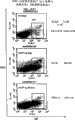
图10(a)是对接受了h-Ig(中间的方框)或hBCMA-Ig(下面的方框)的BaffTg小鼠以及注射了PBS的野生型同窝对照小鼠(上面的方框)进行FACS分析,得到的IgM对CD1的表达量,具体描述见实施例11。Figure 10(a) is a comparison of BaffTg mice that received h-Ig (middle box) or hBCMA-Ig (lower box) and wild-type littermate control mice injected with PBS (upper box) Perform FACS analysis to obtain the expression level of IgM on CD1, see Example 11 for specific description.
图10(b),在接受了h-Ig(中间方框)或hBCMA-Ig(下面的方框)的BaffTg小鼠以及注射了PBS的野生型同窝对照小鼠(上面的方框)中,通过对IgD阳性细胞群的门控(gate)而进行的FACS分析所得CD21对IgM的表达,具体描述见实施例11。Figure 10(b), in BaffTg mice that received h-Ig (middle box) or hBCMA-Ig (lower box) and wild-type littermate control mice injected with PBS (upper box) , the expression of CD21 to IgM obtained by FACS analysis of the gating (gate) of the IgD-positive cell population, as described in Example 11.
图10(c),在接受了h-Ig(中间方框)或hBCMA-Ig(下面的方框)的BaffTg小鼠以及注射了PBS的野生型同窝对照小鼠(上面的方框)中,通过对IgD阴性细胞群的门控而进行的FACS分析所得CD21对IgM的表达,具体描述见实施例11。Figure 10(c), in BaffTg mice that received h-Ig (middle box) or hBCMA-Ig (lower box) and wild-type littermate control mice injected with PBS (upper box) , the expression of CD21 to IgM obtained by FACS analysis by gating on the IgD-negative cell population, as described in Example 11.
图11图示各组BaffTg小鼠的脾重(计为mg+/-标准偏差)。Figure 11 is a graphical representation of the spleen weight (in mg +/- standard deviation) of BaffTg mice in each group.
图12是用PBS、hIg、hBCMA-Ig处理过的Baff Tg小鼠以及同窝对照小鼠的蛋白尿(mg/dL)相对于注射数目作图。Figure 12 is a graph of proteinuria (mg/dL) versus number of injections in Baff Tg mice treated with PBS, hIg, hBCMA-Ig, and littermate control mice.
图13图示Baff Tg小鼠及野生型对照小鼠的均值(average)平均动脉压(mmHg)。Figure 13 is a graph showing the average mean arterial pressure (mmHg) for Baff Tg mice and wild type control mice.
图14图示Baff Tg小鼠及野生型对照小鼠的个体平均动脉压(mmHg)。Figure 14 is a graph showing individual mean arterial pressure (mmHg) in Baff Tg mice and wild-type control mice.
图15的条形图表示用BAFF-R-Ig(BCMA-lg),HuIgG或PBS处理后出现重度肾炎的SNF1小鼠的百分比。Figure 15 is a bar graph showing the percentage of SNF1 mice that developed severe nephritis after treatment with BAFF-R-Ig (BCMA-Ig), HuIgG or PBS.
图16图示用20ug BCMA-Ig,50ug BCMA-Ig,HuIgG或PBS体内处理后,小鼠体内的CD11c+DC细胞总数(以百万计)。测试的CD11c+DC细胞群是:(1)CD8a-CD4-,(2)CD8a+CD4-,以及(3)CD8a CD4+。Figure 16 is a graph showing the total number of CD11c+ DC cells (in millions) in mice following in vivo treatment with 20ug BCMA-Ig, 50ug BCMA-Ig, HuIgG or PBS. The CD11c+ DC populations tested were: (1) CD8a-CD4-, (2) CD8a+CD4-, and (3) CD8aCD4+.
发明详述Detailed description of the invention
I.定义 I. Definition
术语″BAFF-R″和″BCMA″在本发明中使用时包括BAFF-R天然序列以及BAFF-R变体(其在本文中另有定义)。所述BAFF-R可以从多种来源分离到,例如从鼠或人组织类型或其它来源,或者用重组或合成的方法来制备。The terms "BAFF-R" and "BCMA" when used in the present invention include BAFF-R native sequences as well as BAFF-R variants (which are otherwise defined herein). The BAFF-R can be isolated from a variety of sources, eg, from murine or human tissue types or other sources, or produced recombinantly or synthetically.
“BAFF-R天然序列”包括具有与源于自然的BAFF-R氨基酸序列相同的多肽。所述BAFF-R天然序列可以从自然中分离,也可以用重组或合成的方法制备。BAFF-R的天然截短或分泌形式(例如含有胞外结构域序列的可溶形式)、天然变体形式(例如,可替换式剪接形式)以及BAFF-R天然等位变体。一个实施方案中,所述BAFF天然序列是指BAFF多肽的成熟或全长天然序列,其中包括SEQ ID NO:1中的第1-184位氨基酸或其片段。"BAFF-R native sequence" includes polypeptides having the same amino acid sequence as BAFF-R derived from nature. The natural sequence of BAFF-R can be isolated from nature, or prepared by recombinant or synthetic methods. Natural truncated or secreted forms of BAFF-R (eg, soluble forms containing extracellular domain sequences), natural variant forms (eg, alternatively spliced forms), and natural allelic variants of BAFF-R. In one embodiment, the BAFF native sequence refers to the mature or full-length native sequence of the BAFF polypeptide, which includes amino acids 1-184 in SEQ ID NO: 1 or fragments thereof.
“BAFF-R胞外结构域”或“BAFF-R ECD”是指基本上不含BAFF-R的跨膜和胞内结构域的BAFF-R形式。通常,BAFF-R胞外结构域带有此类跨膜结构域及胞内结构域的不足1%,优选不足0.5%。可选择的,BAFF-R ECD包括SEQ ID NO:1中的第8-41位,或4-51位,或1-53位氨基酸残基。在本发明的一个优选实施方案中,BAFF-R ECD包括SEQ IDNO:1中的第1-51位氨基酸残基。本领域技术人员应该理解的是,已鉴定的本发明BAFF-R的胞外结构域是依据本领域用于鉴定疏水结构域类型的标准来鉴定的。胞外结构域的确切边界可能各不相同,但很可能本说明书具体提到的结构域的任一末端不超过5个氨基酸。因此,BAFF-R ECD可以任选地包括氨基酸8-41(SEQ ID NO:1)。"BAFF-R extracellular domain" or "BAFF-R ECD" refers to a form of BAFF-R that is substantially free of the transmembrane and intracellular domains of BAFF-R. Typically, the BAFF-R extracellular domain carries less than 1%, preferably less than 0.5%, of such transmembrane and intracellular domains. Optionally, BAFF-RECD includes amino acid residues 8-41, or 4-51, or 1-53 of SEQ ID NO: 1. In a preferred embodiment of the present invention, BAFF-RECD comprises the 1st-51 amino acid residues in SEQ ID NO:1. Those skilled in the art should understand that the identified extracellular domains of BAFF-R of the present invention are identified according to the standards used in the art for identifying types of hydrophobic domains. The exact boundaries of the extracellular domains may vary, but it is likely that no domains specifically referred to in this specification have more than 5 amino acids at either end. Accordingly, the BAFF-RECD can optionally include amino acids 8-41 (SEQ ID NO: 1).
“BAFF-R变体”是指如下定义的活性BAFF-R,其氨基酸序列与SEQ IDNO:1所示BAFF-R全长天然序列或者与BAFF-R ECD序列有至少约80%的同一性。所述BAFF-R变体包括,例如,在SEQ ID NO:1所示序列C-末端添加或缺失了一个或多个氨基酸残基而得到的BAFF-R多肽。通常,BAFF-R变体与SEQ ID NO:1所示氨基酸序列之间应当具有至少约80%或85%的氨基酸序列同一性,更优选至少约90%的氨基酸序列同一性,最优选约95%的氨基酸序列同一性。"BAFF-R variant" refers to an active BAFF-R as defined below, whose amino acid sequence is at least about 80% identical to the full-length native sequence of BAFF-R shown in SEQ ID NO: 1 or to the BAFF-RECD sequence. The BAFF-R variant includes, for example, a BAFF-R polypeptide obtained by adding or deleting one or more amino acid residues at the C-terminus of the sequence shown in SEQ ID NO:1. Typically, BAFF-R variants should have at least about 80% or 85% amino acid sequence identity, more preferably at least about 90% amino acid sequence identity, and most preferably about 95% amino acid sequence identity to the amino acid sequence shown in SEQ ID NO: 1. % amino acid sequence identity.
本发明中鉴定的BAFF-R序列的″氨基酸序列同一性百分比″是指,将候选序列与BAFF-R序列对齐并在必要时引入缺口以便实现最大限度的序列同一性百分比,而且不将任一保守性取代计入序列同一性时,候选序列中与BAFF-R序列中氨基酸残基相同的氨基酸残基所占的百分比。为测定氨基酸序列同一性百分比而进行的对齐可以通过多种途径来实现,这些途径都属于本领域的技术范畴之内,例如,使用公众可得到的电脑软件,如BLAST、ALIGN或Megalign(DNASTAR)软件。本领域技术人员能够确定测算对齐时所用的相应参数,包括为实现所比较全长序列最大限度对齐而需要的任一算法。The "percent amino acid sequence identity" of the BAFF-R sequence identified in the present invention means that the candidate sequence is aligned with the BAFF-R sequence and gaps are introduced where necessary in order to achieve the maximum percent sequence identity, and that neither When conservative substitutions are included in the sequence identity, the percentage of amino acid residues in the candidate sequence that are identical to the amino acid residues in the BAFF-R sequence. Alignment for purposes of determining percent amino acid sequence identity can be accomplished in a number of ways, all of which are within the skill in the art, for example, using publicly available computer software such as BLAST, ALIGN or Megalign (DNASTAR) software. Those skilled in the art will be able to determine the appropriate parameters to use in calculating the alignment, including any algorithms needed to achieve maximal alignment of the full-length sequences being compared.
术语“表位标签”在本发明中出现时是指一嵌合多肽,其中包括融合到一“标签多肽”上的BAFF-R或其结构域序列。所述标签多肽必须有提供一表位所需的足够残基,从而可以保证能够制备到抗该表位的抗体,或者使该表位可被其它一些试剂鉴定,而且该表位必须足够的短从而保证其不会干扰BAFF-R的活性。优选地,所述标签多肽还应当是独一无二的,从而确保其抗体基本上不与其它表位发生交叉反应。通常,合适的标签多肽有至少6个氨基酸残基,并且通常为约8~约50个氨基酸残基(优选地,约10~约20个残基)。The term "epitope tag" as it occurs in the present invention refers to a chimeric polypeptide comprising BAFF-R or its domain sequence fused to a "tag polypeptide". The tag polypeptide must have enough residues required to provide an epitope, so that antibodies against the epitope can be prepared, or the epitope can be identified by other reagents, and the epitope must be short enough Thereby ensuring that it will not interfere with the activity of BAFF-R. Preferably, the tag polypeptide should also be unique so as to ensure that antibodies thereto do not substantially cross-react with other epitopes. Generally, suitable tag polypeptides have at least 6 amino acid residues, and usually about 8 to about 50 amino acid residues (preferably, about 10 to about 20 residues).
描述本发明所述各种多肽时使用的″分离的″是指从其所在天然环境一成分中分离并已经得到鉴定的多肽。其天然环境中的污染成分是指通常不会干扰所述多肽的诊断或治疗用途的物质,可以包括酶、激素、以及其它蛋白性质的或非蛋白性质的溶质。在优选实施方案中,将所述多肽纯化至下述程度:(1)足以通过使用转杯式测序仪测得N-末端或内部序列的至少15个氨基酸,或者(2)在非还原或还原条件下,使用考马氏蓝或优选银染可得到均一的SDSPAGE结果。必须分离的多肽包括位于重组细胞内原位处的多肽,因为BAFF-R天然环境中的至少一个成分不存在了。但是,分离的多肽通常经过至少一个纯化步骤制备而成。"Isolated" as used to describe the various polypeptides described herein refers to a polypeptide that has been isolated from a component of its natural environment and has been identified. Contaminants in its natural environment refer to substances that generally do not interfere with the diagnostic or therapeutic use of the polypeptide, and may include enzymes, hormones, and other proteinaceous or nonproteinaceous solutes. In a preferred embodiment, the polypeptide is purified to an extent (1) sufficient to determine at least 15 amino acids of the N-terminal or internal sequence by use of a rotor-cup sequencer, or (2) in a non-reducing or reducing Uniform SDSPAGE results can be obtained using Coomassie blue or preferably silver staining under certain conditions. Polypeptides which must be isolated include polypeptides in situ within recombinant cells because at least one component of the BAFF-R's natural environment is absent. Ordinarily, however, isolated polypeptide will be prepared by at least one purification step.
术语″抗体″取其最广泛的含义,具体包括单一的BAFF-R单克隆抗体(包括激动剂、拮抗剂、以及中和抗体)以及具有多表位特异性的抗BAFF-R抗体组合物。本发明中使用的“单克隆抗体”指从一组基本上均一的抗体中得到的抗体,即除了可能存在极少量天然发生的突变外,抗体个体之间是完全相同的。The term "antibody" is used in its broadest sense and specifically includes single BAFF-R monoclonal antibodies (including agonists, antagonists, and neutralizing antibodies) as well as anti-BAFF-R antibody compositions with polyepitope specificity. A "monoclonal antibody" as used in the present invention refers to an antibody obtained from a population of substantially homogeneous antibodies, ie, identical from individual antibody to individual, except for the possible presence of very small amounts of naturally occurring mutations.
本发明中,多肽的“纯化制品”或“基本上纯化的制品”是指该多肽已经从天然状态下与其一起出现的其它蛋白、脂类及核酸中分离出来。优选地,所述多肽还可分离自其它物质,例如用来纯化该多肽时使用的抗体、介质等。In the present invention, a "purified preparation" or "substantially purified preparation" of a polypeptide means that the polypeptide has been separated from other proteins, lipids and nucleic acids that occur with it in its natural state. Preferably, the polypeptide can also be isolated from other substances, such as antibodies and media used to purify the polypeptide.
本发明使用的“进行处理”“处理”以及“治疗”是指治愈性治疗、预防性治疗、以及防止性治疗。As used herein, "treating", "treating" and "treating" refer to curative treatment, prophylactic treatment, and preventive treatment.
术语“肽”、“蛋白”以及“多肽”在本发明中交互使用。The terms "peptide", "protein" and "polypeptide" are used interchangeably herein.
本发明使用的“生物活性”是指具有可直接或间接实施的体内或体外活性。BAFF-R的生物活性片段与该受体的活性位点之间具有,例如,70%的氨基酸同源性,更优选至少80%,最优选至少90%的同源性。受体的同一性或同源性在本发明中是指候选序列中与SEQ ID NO:1所示BAFF-R残基相同的氨基酸残基所占的百分比,或者与SEQ ID NO:1中指定部分的残基相同的氨基酸残基所占的百分比。"Biological activity" as used in the present invention refers to having in vivo or in vitro activities that can be directly or indirectly performed. The biologically active fragment of BAFF-R has, for example, 70% amino acid homology, more preferably at least 80%, most preferably at least 90% homology to the active site of the receptor. The identity or homology of the receptor in the present invention refers to the percentage of amino acid residues in the candidate sequence that are identical to the BAFF-R residue shown in SEQ ID NO: 1, or specified in SEQ ID NO: 1 The percentage of amino acid residues that are partially identical.
本发明中使用的″哺乳动物″是指分类学上属于哺乳动物的任一动物,包括,人、母牛、马、狗、鼠、以及猫。本发明的优选实施方案中,所述哺乳动物是人。"Mammal" as used in the present invention refers to any animal taxonomically belonging to mammal, including human, cow, horse, dog, mouse, and cat. In a preferred embodiment of the invention, said mammal is a human.
如非特别说明,本发明使用的是细胞生物学、细胞培养、分子生物学、转基因生物学、微生物学、重组DNA以及免疫学中的常规技术,这些技术都属于本技术领域范畴之内。这类技术在文献中已有描述。Unless otherwise specified, the present invention uses conventional techniques in cell biology, cell culture, molecular biology, transgenic biology, microbiology, recombinant DNA, and immunology, and these techniques all belong to the scope of the technical field. Such techniques have been described in the literature.
现在对本发明的优选实施方案做详细的参考。本发明涉及使用BAFF-R和BAFF-R相关分子影响B-细胞的生长和成熟以及免疫球蛋白的分泌。本发明涉及使用BAFF-R和BAFF-R相关分子影响免疫系统的应答,应免疫相关疾病的需要。另外,本发明还包括用BAFF-R或BAFF-R相关基因通过基因疗法治疗癌症和免疫疾病。Reference will now be made in detail to the preferred embodiments of the invention. The present invention relates to the use of BAFF-R and BAFF-R related molecules to affect the growth and maturation of B-cells and the secretion of immunoglobulins. The present invention relates to the use of BAFF-R and BAFF-R-related molecules to affect the response of the immune system to meet the needs of immune-related diseases. In addition, the present invention also includes using BAFF-R or BAFF-R related genes to treat cancer and immune diseases through gene therapy.
用本发明所述序列转化宿主制备的BAFF-R及其同系物,以及用本领域已知方法纯化到的天然BAFF-R,或者是从已知氨基酸序列制备的BAFF-R,都可以用到抗癌、抗肿瘤及免疫调节的方法中。它们也可以用于针对其它疾病的治疗及方法中。BAFF-R and its homologues prepared by transforming the host with the sequence described in the present invention, as well as natural BAFF-R purified by methods known in the art, or BAFF-R prepared from known amino acid sequences can be used Anti-cancer, anti-tumor and immunomodulatory methods. They can also be used in treatments and methods for other diseases.
本发明另一方面涉及将编码BAFF-R的分离的核酸编码的多肽用于″反义″治疗。本发明中使用的“反义”治疗是指施用或在原位生成寡核苷酸或其衍生物,这些寡核苷酸或其衍生物能够在细胞环境中与编码目的配体的细胞mRNA和/或DNA发生特异性地杂交,从而抑制所述编码蛋白的表达,即抑制转录和/或翻译。所述结合可以通过常规的碱基对互补,或者,例如,在与DNA双螺旋结合的情况下,通过与双螺旋的大沟间的特异性相互作用实现结合。通常,“反义”治疗是指本领域通常使用的一系列技术,包括以与寡核苷酸序列特异性结合为基础的任一治疗方法。Another aspect of the invention relates to the use of polypeptides encoded by isolated nucleic acids encoding BAFF-R for "antisense" therapy. As used in the present invention, "antisense" therapy refers to the administration or in situ generation of oligonucleotides or derivatives thereof that are capable of interacting in the cellular environment with cellular mRNA encoding a ligand of interest and /or the DNA specifically hybridizes, thereby inhibiting the expression of the encoded protein, that is, inhibiting transcription and/or translation. The binding may be through conventional base pair complementarity, or, for example, in the case of binding to a DNA double helix, through specific interactions with the major groove of the double helix. In general, "antisense" therapy refers to a series of techniques commonly used in the art, including any therapeutic method based on specific binding to oligonucleotide sequences.
本发明所述反义构建体可以表达质粒的形式来递送,当它在细胞中转录时,生成的RNA与编码BAFF-配体的细胞mRNA的至少一部分互补。可替代地,所述反义构建体可以是离体制备的寡核苷酸探针。所述寡核苷酸探针优选是经过修饰对内源性核酸酶有抗性的寡核苷酸,因而在体内是稳定的。用作反义寡核苷酸的核酸分子的实例有DNA的氨基磷酸酯、硫代磷酸酯及甲基膦酸酯类似物(参见,例如5,176,996;5,264,564;and5,256,775)。另外,用来构建反义治疗所用寡聚体的常规方法已经在下列文献中综述,例如Van Der Krol et al.,(1988)Biotechniques 6:958-976;以及Stein et al.(1988)Cancer Res 48:2659-2668,在此专门引入作为参考。The antisense constructs of the invention can be delivered in the form of an expression plasmid that, when transcribed in a cell, produces RNA that is complementary to at least a portion of cellular mRNA encoding BAFF-ligand. Alternatively, the antisense construct may be an oligonucleotide probe prepared ex vivo. The oligonucleotide probes are preferably oligonucleotides modified to be resistant to endogenous nucleases and thus stable in vivo. Examples of nucleic acid molecules useful as antisense oligonucleotides are phosphoramidate, phosphorothioate and methylphosphonate analogs of DNA (see, eg, 5,176,996; 5,264,564; and 5,256,775). In addition, conventional methods for constructing oligomers for antisense therapy have been reviewed in, for example, Van Der Krol et al., (1988) Biotechniques 6:958-976; and Stein et al. (1988) Cancer Res 48:2659-2668, which is hereby expressly incorporated by reference.
如上所述,本发明的BAFF-R是TNF受体家族的一个成员。其蛋白,片段或同系物可能具有广泛的治疗及诊断用途。As mentioned above, the BAFF-R of the present invention is a member of the TNF receptor family. Its protein, fragment or homologue may have a wide range of therapeutic and diagnostic applications.
本发明所述多肽与已在WO99/12964(在此引入作为参考)公开的多肽BAFF特异性地相互作用。但是,本发明中公开的肽和方法可以用来鉴定可特异性地与BAFF-R或其片段相互作用的分子。The polypeptides of the present invention specifically interact with the polypeptide BAFF which has been disclosed in WO99/12964 (herein incorporated by reference). However, the peptides and methods disclosed in the present invention can be used to identify molecules that specifically interact with BAFF-R or fragments thereof.
本发明特定实施方案中包括使用那些衍生自BAFF-R并能结合BAFF的肽的方法。BAFF-R的片段的制备方法有好几种,例如,重组、PCR、蛋白酶消化或者化学合成。多肽的内部或末端片段可以通过从编码该多肽的核酸的一端或两端除去1个或多个核苷酸制备而成。诱变后DNA的表达可产生多肽片段。Certain embodiments of the invention include methods using those peptides derived from BAFF-R that bind BAFF. There are several methods for preparing fragments of BAFF-R, for example, recombination, PCR, protease digestion or chemical synthesis. Internal or terminal fragments of a polypeptide can be prepared by removing one or more nucleotides from one or both ends of a nucleic acid encoding the polypeptide. Expression of the mutagenized DNA yields polypeptide fragments.
也可以用本领域的已知技术制备本发明所用的嵌合分子。本发明考虑了以下嵌合分子的用途,所述嵌合分子包括与异源氨基酸序列,例如免疫球蛋白的IgG Fc区融合的BAFF-R多肽(或其变体)。优选地,所述嵌合分子是可溶性的并包括一可溶性的BAFF-R多肽。Chimeric molecules for use in the present invention can also be prepared using techniques known in the art. The present invention contemplates the use of chimeric molecules comprising a BAFF-R polypeptide (or variant thereof) fused to a heterologous amino acid sequence, such as an IgG Fc region of an immunoglobulin. Preferably, said chimeric molecule is soluble and comprises a soluble BAFF-R polypeptide.
多肽片段也可以用本领域的已知技术化学合成,例如常规的Merrifield固相f-moc或t-boc化学合成法。例如,可以任意地将本发明的肽和DNA序列分成具有所需长度并且不重叠的片段,或者是分成具有所需长度的重叠片段。下文将对这些方法详细描述。Polypeptide fragments can also be chemically synthesized using techniques known in the art, such as conventional Merrifield solid-phase f-moc or t-boc chemical synthesis. For example, the peptide and DNA sequences of the present invention can be arbitrarily divided into non-overlapping fragments of a desired length, or into overlapping fragments of a desired length. These methods are described in detail below.
制备可溶性的BAFF-RPreparation of soluble BAFF-R
可溶性的BAFF-R通常能够有效地发送信号,因而可以作为模拟天然膜形式的药物来施用。本发明所述BAFF-R有可能以可溶性细胞因子的形式被天然分泌,但是,如果不能天然分泌,那么也可以重构基因以便强制分泌。为了制备BAFF-R的可溶性分泌形式,可在DNA水平上除去N-末端跨膜区域,以及茎干区域的某些部分,并且用I型或者II型前导序列来取代它们,这些前导序列在所选表达系统中可允许有效蛋白水解。本领域技术人员可以改变分泌型表达构建体中保留的茎干区域的数量,从而使配体结合特性及分泌效率达到最优化。例如,可以制备到含有全部可能茎干长度的构建体,即N-末端截短形式,从而得到第1-51位氨基酸的蛋白质。可从这类分析中得到具有最佳长度的茎干序列。Soluble BAFF-R is often capable of signaling efficiently and thus can be administered as a drug that mimics the natural membrane form. The BAFF-R of the present invention may be naturally secreted in the form of soluble cytokines, but if it cannot be naturally secreted, the gene can also be reconfigured for forced secretion. To prepare a soluble secreted form of BAFF-R, the N-terminal transmembrane region, as well as some parts of the stem region, can be removed at the DNA level and replaced with a type I or type II leader sequence, which is present in the Efficient proteolysis is allowed in selected expression systems. One skilled in the art can vary the amount of stem region retained in a secreted expression construct to optimize ligand binding properties and secretion efficiency. For example, constructs containing all possible stem lengths, ie, N-terminal truncated forms, can be prepared to give amino acids 1-51 of the protein. Stem sequences with optimal lengths can be derived from this type of analysis.
本发明的优选实施方案中,可溶性的BAFF-R多肽是:一分离的天然序列的BAFF-R多肽,其中包括SEQ ID NO:1中的第1-51位氨基酸残基,或其片段;一分离的BAFF-R多肽,其与含有SEQ ID NO:1中第1-51位氨基酸或其片段的BAFF-R多肽天然序列之间具有至少80%(更优选90%)的氨基酸序列同一性;或者,其中含有SEQ ID NO:1中第8-41位氨基酸残基的分离的BAFF-R多肽,或该多肽的片段。In a preferred embodiment of the present invention, the soluble BAFF-R polypeptide is: an isolated natural sequence BAFF-R polypeptide, which includes amino acid residues 1-51 in SEQ ID NO: 1, or a fragment thereof; An isolated BAFF-R polypeptide having at least 80% (more preferably 90%) amino acid sequence identity to a native sequence of a BAFF-R polypeptide comprising amino acids 1-51 of SEQ ID NO: 1 or a fragment thereof; Alternatively, an isolated BAFF-R polypeptide comprising amino acid residues 8-41 of SEQ ID NO: 1, or a fragment thereof.
制备能与BAFF-R反应的抗体Preparation of antibodies that react with BAFF-R
本发明还包括能与本发明请求保护的BAFF-R或其共受体特异性反应的抗体。抗-蛋白/抗-肽的抗血清或单克隆抗体可以通过标准方法(参见,例如,Antibodies:A Laboratory Manual,Harlow和Lane编著(Cold SpringHarbor Press:1988))制备。可以用所述肽的免疫原性形式免疫哺乳动物,例如小鼠、仓鼠或兔子。赋予蛋白或肽免疫原性的技术包括将其偶联到载体上,以及本领域熟知的其它技术。The present invention also includes antibodies that specifically react with the claimed BAFF-R or its co-receptors. Anti-protein/anti-peptide antisera or monoclonal antibodies can be prepared by standard methods (see, eg, Antibodies: A Laboratory Manual, edited by Harlow and Lane (Cold Spring Harbor Press: 1988)). Immunogenic forms of the peptides can be used to immunize mammals such as mice, hamsters or rabbits. Techniques for rendering a protein or peptide immunogenic include coupling it to a carrier, among other techniques well known in the art.
可以将BAFF-R或其共受体的免疫原性部分结合佐剂施用。免疫进程可以通过检测血浆或血清中抗体滴度来监测。可以用所述免疫原作为抗原,通过标准ELISA或其它免疫测定方法来测定抗体的水平。An immunogenic portion of BAFF-R or its co-receptor can be administered in conjunction with an adjuvant. The progress of immunization can be monitored by detecting antibody titers in plasma or serum. Antibody levels can be determined by standard ELISA or other immunoassay methods using the immunogen as antigen.
在一个优选实施方案中,所述抗体具有针对BAFF-R或其共受体的抗原决定簇,例如SEQ ID NO:1所示多肽的抗原决定簇,或密切相关的人或非人哺乳动物同系物(例如,70、80、或90%同源性,更优选至少95%同源性)的免疫特异性。在本发明的另一个优选实施方案中,抗-BAFF-R抗体或抗-BAFF-共受体抗体与具有下述特征的蛋白质基本上不发生交叉反应(即,为特异性反应),即与SEQ ID NO:1之间同源性小于80%的蛋白质,优选同源性小于90%的蛋白质,最优选同源性小于95%的蛋白质。″基本上不发生交叉反应″是指,抗体与非同源性蛋白质之间的结合亲和力,以及该抗体与SEQ ID NO:1所示蛋白质之间的结合亲和力,这二者相比,前者为后者的不足10%,更优选不足5%,甚至更优选不足1%。In a preferred embodiment, the antibody has an antigenic determinant directed against BAFF-R or its co-receptor, such as the epitope of the polypeptide shown in SEQ ID NO: 1, or a closely related human or non-human mammalian homologue The immunospecificity of the species (eg, 70, 80, or 90% homology, more preferably at least 95% homology). In another preferred embodiment of the invention, the anti-BAFF-R antibody or anti-BAFF-co-receptor antibody does not substantially cross-react (i.e., is specifically reactive) with a protein that is Proteins with less than 80% homology between SEQ ID NO: 1, preferably proteins with less than 90% homology, most preferably proteins with less than 95% homology. "Substantially non-cross-reactive" means that the binding affinity between the antibody and the non-homologous protein and the binding affinity between the antibody and the protein shown in SEQ ID NO: 1 are compared, the former is The latter is less than 10%, more preferably less than 5%, even more preferably less than 1%.
本文中术语抗体包括该抗体的能与BAFF-R或其受体特异性反应的片段。可以用常规技术将抗体片段化,用与上述用于完整抗体的同样方法来筛选可用的片段。例如,用胃蛋白酶处理抗体得到F(ab’)2片段。所述F(ab’)2片段经还原二硫键生成Fab′片段。本发明所述抗体还包括具有抗-BAFF-R或抗-BAFF-共受体活性的生物特异性分子及嵌合分子。因此,针对BAFF-R及其共受体的单克隆抗体及多克隆抗体(Ab),以及抗体片段,如Fab′及F(ab′)2,都可以用来封闭BAFF-R与其相应共受体的作用。The term antibody herein includes fragments of the antibody that specifically react with BAFF-R or its receptor. Antibodies can be fragmented using conventional techniques, and available fragments can be screened in the same manner as described above for intact antibodies. For example, treatment of antibodies with pepsin yields F(ab') 2 fragments. The F(ab') 2 fragment generates a Fab' fragment by reducing disulfide bonds. Antibodies of the invention also include biospecific molecules and chimeric molecules having anti-BAFF-R or anti-BAFF-co-receptor activity. Therefore, monoclonal and polyclonal antibodies (Ab) against BAFF-R and its co-receptors, as well as antibody fragments, such as Fab' and F(ab') 2 , can be used to block BAFF-R and its corresponding co-receptors. the role of the body.
也可以用标准重组DNA技术制备各种形式的抗体。(Winter and Milstein,Nature 349:293-299(1991)在此专门引入作为参考)例如,将动物抗体的抗原结合区连接到人源抗体的恒定区构建出嵌合抗体(例如,Cabilly等,U.S.4,816,567,在此引入作为参考)。嵌合抗体可以减弱动物抗体用于人的临床治疗时激发的免疫原性应答。Various forms of antibodies can also be prepared using standard recombinant DNA techniques. (Winter and Milstein, Nature 349:293-299 (1991) is expressly incorporated herein by reference) For example, chimeric antibodies are constructed by linking the antigen-binding region of an animal antibody to the constant region of a human antibody (e.g., Cabilly et al., U.S. 4,816,567, incorporated herein by reference). Chimeric antibodies can attenuate the immunogenic response elicited by animal antibodies when used in human clinical therapy.
此外,还可以合成出能识别BAFF-R或共受体的重组“人源化抗体”。人源化抗体是主要含有人IgG序列但其中已插入负责特异性抗原结合的区的嵌合体。用目的抗原免疫动物,分离相应抗体,取出负责特异性抗原结合的可变区序列。然后,将动物源的抗原结合区克隆入已经删除了抗原结合区的人抗体基因的相应位置。人源化抗体可以将人抗体中异源(即,种间)序列的使用降至最低,因而不太可能会在所治疗受试者中激发免疫应答。In addition, recombinant "humanized antibodies" that recognize BAFF-R or co-receptors can also be synthesized. Humanized antibodies are chimeras containing primarily human IgG sequences into which have been inserted the regions responsible for specific antigen binding. Animals are immunized with the antigen of interest, the corresponding antibody is isolated, and the variable region sequence responsible for specific antigen binding is removed. Then, the antigen-binding region of animal origin is cloned into the corresponding position of the human antibody gene from which the antigen-binding region has been deleted. Humanized antibodies minimize the use of heterologous (ie, interspecies) sequences in human antibodies and are therefore less likely to elicit an immune response in the treated subject.
通过制备含有可变区以及从不同类的免疫球蛋白分离出的人恒定区(CH1,CH2,CH3)的嵌合或人源化抗体,可以构建出不同类的重组抗体。例如,通过将抗原结合位点克隆入带有人:链恒定区的载体,可以重组产生具有增加的抗原结合价的抗体。(Arulanandam et al.,J.Exp.Med.,177:1439-1450(1993),在此引入作为参考。)Different classes of recombinant antibodies can be constructed by making chimeric or humanized antibodies containing variable regions and human constant regions (CH1, CH2, CH3) isolated from different classes of immunoglobulins. For example, antibodies with increased antigen-binding valence can be produced recombinantly by cloning the antigen-binding site into a vector with a human chain constant region. (Arulanandam et al., J. Exp. Med., 177:1439-1450 (1993), incorporated herein by reference.)
此外,可以使用标准重组DNA技术改变抗原结合位点邻近区的氨基酸残基,从而改变重组抗体与其对应抗原的结合亲和力。通过基于分子模型的诱变,可以提高人源化抗体的抗原结合亲和力。(Queen et al.,Proc.Natl.Acad.Sci.86:10029-33(1989)在此引入作为参考。In addition, standard recombinant DNA techniques can be used to alter amino acid residues in regions adjacent to the antigen binding site, thereby altering the binding affinity of the recombinant antibody for its cognate antigen. The antigen-binding affinity of humanized antibodies can be improved by mutagenesis based on molecular models. (Queen et al., Proc. Natl. Acad. Sci. 86:10029-33 (1989) is incorporated herein by reference.
制备同系物:制备改变后的DNA及肽序列Preparation of homologues: preparation of altered DNA and peptide sequences
BAFF-R同系物在氨基酸序列上,或其它不涉及序列的方面,或者二者同时不同于天然生成的BAFF-R。非序列修饰包括BAFF-R的体内或体外化学衍生。非序列修饰包括,但不限于,乙酰化、甲基化、磷酸化、羧基化或糖基化的改变。A BAFF-R homologue differs from naturally occurring BAFF-R in amino acid sequence, or other aspects not related to sequence, or both. Non-sequence modifications include in vivo or in vitro chemical derivatization of BAFF-R. Non-sequence modifications include, but are not limited to, changes in acetylation, methylation, phosphorylation, carboxylation, or glycosylation.
优选的同系物包括BAFF-R的生物活性片段,其序列与SEQ ID NO:1所示序列之间的区别在于:1个或多个保守的氨基酸取代,或者1个或多个非保守的但不会破坏BAFF-配体活性的氨基酸取代、缺失或插入。保守取代一般包括一个氨基酸被另一个具有相似特性的氨基酸取代,例如,下列各组内部的取代:缬氨酸、甘氨酸;甘氨酸、丙氨酸;缬氨酸,异亮氨酸、亮氨酸;天冬氨酸,谷氨酸;天冬酰胺,谷酰胺;丝氨酸,苏氨酸;赖氨酸,精氨酸;以及苯丙氨酸,酪氨酸。Preferred homologs include biologically active fragments of BAFF-R, the difference between its sequence and the sequence shown in SEQ ID NO: 1 is: 1 or more conservative amino acid substitutions, or 1 or more non-conservative but Amino acid substitutions, deletions or insertions that do not disrupt BAFF-ligand activity. Conservative substitutions generally include the substitution of one amino acid by another amino acid with similar properties, for example, substitutions within the following groups: valine, glycine; glycine, alanine; valine, isoleucine, leucine; Aspartic acid, glutamic acid; asparagine, glutamine; serine, threonine; lysine, arginine; and phenylalanine, tyrosine.
用途use
BAFF-R的全长基因(SEQ ID NO:2)或其片段可以用作cDNA文库的杂交探针,分离出与SEQ ID NO:2中所示BAFF-R序列之间具有期望的序列同一性的其它基因。编码BAFF-R的核酸序列还可以用来构建下列用途的杂交探针,即用于对编码BAFF-R基因进行做图的探针和用来对患有遗传疾病的个体进行基因分析的探针。可以设计筛选试验,找出模拟BAFF-R生物活性的先导化合物。这类筛选试验包括能够保证化学文库高输出量筛选的试验,从而使其特别适合用于鉴定小分子药物候选物。在考虑范围之内的小分子包括合成的有机化合物或无机化合物。编码BAFF-R或其修饰形式的核酸还可以用来制备转基因动物或者“基因敲除”动物,这些动物可用于开发及筛选具有治疗价值的试剂。The full-length gene of BAFF-R (SEQ ID NO: 2) or a fragment thereof can be used as a hybridization probe for a cDNA library, isolated with the desired sequence identity between the BAFF-R sequence shown in SEQ ID NO: 2 of other genes. The nucleic acid sequence encoding BAFF-R can also be used to construct hybridization probes for mapping the gene encoding BAFF-R and for the genetic analysis of individuals with genetic disorders . Screening assays can be designed to identify lead compounds that mimic the biological activity of BAFF-R. Such screening assays include assays that enable high-throughput screening of chemical libraries, making them particularly suitable for identifying small molecule drug candidates. Small molecules under consideration include synthetic organic or inorganic compounds. Nucleic acids encoding BAFF-R or modified forms thereof can also be used to produce transgenic or "knockout" animals that can be used in the development and screening of agents of therapeutic value.
如本发明所述,在本发明一个实施方案中,提供用BAFF-R多肽刺激动物体内B-细胞生长,树突状细胞诱导的B-细胞的生长及成熟或免疫球蛋白的生成的方法,或者是用BAFF-R多肽与抗-T抗体、CD40配体或抗-CD40配体一起共刺激动物体内B-细胞生长,树突状细胞诱导的B-细胞的生长及成熟或免疫球蛋白的生成的方法。另外,还包括用BAFF-R多肽抑制动物体内B-细胞生长,树突状细胞诱导的B-细胞的生长及成熟或免疫球蛋白的生成的方法。As described in the present invention, in one embodiment of the present invention, there is provided a method for stimulating the growth of B-cells in animals with BAFF-R polypeptides, the growth and maturation of B-cells induced by dendritic cells or the production of immunoglobulins, Or use BAFF-R polypeptide together with anti-T antibody, CD40 ligand or anti-CD40 ligand to co-stimulate the growth of B-cells in animals, the growth and maturation of B-cells induced by dendritic cells or the expression of immunoglobulins generated method. In addition, methods of using BAFF-R polypeptides to inhibit B-cell growth in animals, dendritic cell-induced B-cell growth and maturation, or immunoglobulin production are also included.
另一实施方案中,本发明提供了使用BAFF-R治疗下列病症的方法:自身免疫疾病、高血压、心血管病、肾脏疾病、B-细胞淋巴增生疾病、免疫抑制性疾病、器官移植、炎症、以及HIV。另外还包括了使用药剂治疗、抑制或改变涉及BAFF-R与其配体间信号传输途径的免疫应答。In another embodiment, the present invention provides methods of using BAFF-R to treat autoimmune disease, hypertension, cardiovascular disease, renal disease, B-cell lymphoproliferative disease, immunosuppressive disease, organ transplantation, inflammation , and HIV. Also included are the use of agents to treat, suppress or alter immune responses involving signaling pathways between BAFF-R and its ligands.
一个实施方案中,本发明提供了包括BAFF-R多肽和一种药物上可接受的赋形剂的药用组合物。与BAFF-R多肽适配的载体及其制剂在Oslo等编著的Remington′Pharmaceutical Sciences,第16版,1980,Mack PublishingCo.一书中有描述。通常情况下,制剂中使用适量的药物学上可接受的盐来提供该制剂的等渗性。所述载体的实例包括缓冲溶液,例如盐水、Ringer′s溶液及葡萄糖溶液。溶液的pH值优选约pH 5~约pH 8,更优选约pH 7.4~约pH7.8。其它载体包括缓释制剂,例如固相疏水聚合物的半透基质,该基质制成一定形式的成型物件,例如脂质体、膜或微粒。本领域技术人员明白,可以根据施用途径及所施用BAFF-R多肽的浓度对特定载体进一步地优化。In one embodiment, the invention provides a pharmaceutical composition comprising a BAFF-R polypeptide and a pharmaceutically acceptable excipient. Carriers compatible with BAFF-R polypeptides and formulations thereof are described in Remington' Pharmaceutical Sciences, 16th Edition, 1980, Mack Publishing Co., edited by Oslo et al. Typically, a suitable amount of a pharmaceutically acceptable salt is used in the formulation to render the formulation isotonic. Examples of the carrier include buffer solutions such as saline, Ringer's solution and glucose solution. The pH of the solution is preferably from about
施用可以通过注射(例如静脉内、腹膜内、皮下、肌内)或通过输注等其它方法来完成,以确保能以有效的形式输送到血流中。Administration can be accomplished by injection (eg, intravenous, intraperitoneal, subcutaneous, intramuscular) or by infusion or other methods to ensure delivery into the bloodstream in effective form.
除另有说明外,实施本发明采用的为细胞生物学、细胞培养、分子生物学、微生物学、重组DNA、蛋白质化学以及免疫学中的常规技术,这些都是本领域的现有技术。这类技术在文献中已有描述。参见,例如,分子克隆:实验指南,第2版.(Sambrook,Fritsch和Maniatis,编著),冷泉港实验室出版,1989;DNA克隆,第I及II卷(D.N.Glover,编著),1985;寡核苷酸合成,(M.J.Gait,编著),1984;美国专利US4,683,195(Mullis等);核酸杂交(B.D.Hames和S.J.Higgins,编著),1984;转录和翻译(B.D.Hames和S.J.Higgins,编著),1984;动物细胞培养(R.I.Freshney,编著).Alan R.Liss,Inc.,1987;Immobilized Cells and Enzymes,IRL Press,1986;A PracticalGuide to Molecular Cloning(B.Perbal),1984;Methods in Enzymology,第154及155卷(Wu et al.,编著),Academic Press,New York;Gene Transfer Vectorsfor Mammalian Cells(J.H.Miller and M.P.Calos,编著),1987,Cold SpringHarbor Laboratory;Immunochemical Methods in Cell and MolecularBiology(Mayer and Walker,编著),Academic Press,London,1987;Handbookof Experiment Immunology,第I-IV卷(D.M.Weir和C.C.Blackwell,编著),1986;Manipulating the Mouse Embryo,Cold Spring Harbor Laboratory Press,1986。The practice of the present invention employs, unless otherwise indicated, conventional techniques of cell biology, cell culture, molecular biology, microbiology, recombinant DNA, protein chemistry and immunology, which are within the skill of the art. Such techniques have been described in the literature. See, e.g., Molecular Cloning: A Laboratory Guide, 2nd Edition. (Sambrook, Fritsch and Maniatis, Eds.), Cold Spring Harbor Laboratory Publishing, 1989; DNA Cloning, Volumes I and II (D.N. Glover, Eds.), 1985; Nucleotide Synthesis, (M.J.Gait, Ed.), 1984; U.S. Patent No. 4,683,195 (Mullis et al.); Nucleic Acid Hybridization (B.D.Hames and S.J. Higgins, Ed.), 1984; Transcription and Translation (B.D.Hames and S.J.Higgins, Ed.) , 1984; Animal Cell Culture (R.I.Freshney, edited). Alan R.Liss, Inc., 1987; Immobilized Cells and Enzymes, IRL Press, 1986; A Practical Guide to Molecular Cloning (B.Perbal), 1984; Methods in Enzymology, Volumes 154 and 155 (Wu et al., edited), Academic Press, New York; Gene Transfer Vectors for Mammalian Cells (J.H.Miller and M.P. Calos, edited), 1987, Cold Spring Harbor Laboratory; Immunochemical Methods in Cell and Molecular Biology (Mayer and Walker, ed.), Academic Press, London, 1987; Handbook of Experiment Immunology, Volumes I-IV (D.M. Weir and C.C. Blackwell, eds.), 1986; Manipulating the Mouse Embryo, Cold Spring Harbor Laboratory Press, 1986.
下列实施例的提供是为了举例说明本发明,而决不应理解为对本发明的限制。The following examples are provided to illustrate the invention and should in no way be construed as limiting the invention.
实施例Example
实施例1:用平板试验来检测BAFF与BAFF-R的结合Embodiment 1: Detect the combination of BAFF and BAFF-R with plate test
该实施例中描述用平板试验测定BAFF与BAFF-R转染细胞的结合。This Example describes the assay of BAFF binding to BAFF-R transfected cells using a plate assay.
使用SuperscriptII预扩增试剂盒(Life Technologies)从BJAB polyA+RNA中制备出全长的人BAFF-R,从而得到cDNA模板,并采用与BAFF-R 5′及3′端编码序列互补的引物,用Pful进行扩增。将得到的PCR产物克隆入CH269,CH269衍生自pCEP4(Invitrogen)。得到的克隆命名为pJST535。将含有EBNA-1基因的人胚胎肾细胞(293EBNA)接种入已用纤连蛋白包被过的6孔培养板中,然后,用不同浓度的pJST535以及作为背景对照的CH269通过脂质转染胺(lipofectamine)(Life Technologies)进行转染。转染后48小时,测试转染细胞结合可溶性flag-hBAFF(氨基酸L83-L285)的能力,操作如下。所有保温均在室温下进行。吸出孔中用过的培养基,细胞用BHA缓冲液(20mM HEPES pH7.0,0.5mg/ml BSA,0.1%NaN3)洗涤,与0.5μg/ml FLAG-hBAFF的PBS溶液一起保温,该PBS中含有1mMMgCl2、1mM CaCl2及0.1%NaN3。保温1小时后,移去BAFF溶液,并用BHA洗涤细胞。然后将所述细胞在含有1μg/ml抗-FLAG单克隆抗体M2(Sigma)的PBS溶液中再保温30分钟。吸出该溶液,用BHA洗涤细胞。然后用1∶3000稀释后的碱性磷酸酶偶联型山羊抗-小鼠IgG F(ab)′2(JacksonImmunoResearch)保温30分钟。吸出该溶液,用BHA洗涤细胞。为了减少内源性碱性磷酸酶引起的背景染色量,使细胞在含有2.5mM左旋咪唑(levamisol)(Vector Laboratories)的100mM NaCl、100mM Tris-Cl pH9.5及5mM MgCl2的溶液中保温15分钟。为了检测碱性磷酸酶的产色反应,吸去该抑制剂溶液,用含固红及萘酚磷酸酯(Pierce)的溶液保温。观察染色,在低倍显微镜下照相。The full-length human BAFF-R was prepared from BJAB polyA+RNA using the SuperscriptII pre-amplification kit (Life Technologies) to obtain a cDNA template, and primers complementary to the 5' and 3' end coding sequences of BAFF-R were used, Amplification was performed with Pful. The resulting PCR product was cloned into CH269, which was derived from pCEP4 (Invitrogen). The resulting clone was named pJST535. Human embryonic kidney cells (293EBNA) containing the EBNA-1 gene were inoculated into 6-well culture plates coated with fibronectin, and then passed lipofectamine with different concentrations of pJST535 and CH269 as background control (lipofectamine) (Life Technologies) for transfection. 48 hours after transfection, the ability of transfected cells to bind soluble flag-hBAFF (amino acids L83-L285) was tested as follows. All incubations were performed at room temperature. Aspirate the spent medium in the well, wash the cells with BHA buffer (20mM HEPES pH7.0, 0.5mg/ml BSA, 0.1% NaN3), and incubate with a PBS solution of 0.5μg/ml FLAG-hBAFF in the PBS Contains 1mM MgCl2, 1mM CaCl2 and 0.1% NaN3. After incubation for 1 hour, the BAFF solution was removed and the cells were washed with BHA. The cells were then incubated for an additional 30 minutes in PBS solution containing 1 μg/ml anti-FLAG monoclonal antibody M2 (Sigma). Aspirate the solution and wash the cells with BHA. It was then incubated with alkaline phosphatase-coupled goat anti-mouse IgG F(ab)'2 (Jackson ImmunoResearch) diluted 1:3000 for 30 minutes. Aspirate the solution and wash the cells with BHA. To reduce the amount of background staining caused by endogenous alkaline phosphatase, cells were incubated for 15 minutes in a solution of 100 mM NaCl, 100 mM Tris-Cl pH 9.5, and 5 mM MgCl containing 2.5 mM levamisol (Vector Laboratories) . To detect the chromogenic reaction of alkaline phosphatase, the inhibitor solution was aspirated and incubated with a solution containing Fast Red and naphthol phosphate (Pierce). Observe the staining and take pictures under a low power microscope.
所有用BAFF-R表达质粒pJST535转染过的孔都观察到了固红染料的沉积。滴定信号的频率随转染入细胞内的质粒量的减少而降低。用对照表达质粒CH269转染后的细胞未见染色。另外,当染色操作中不使用flag-hBAFF时,或者是用TNF家族成员另一配体,FLAG-标记的LIGHT,代替flag-hBAFF也未见染色出现。因此,可见BAFF对BAFF-R转染后的细胞的染色是特异性的。Deposition of Fast Red dye was observed in all wells transfected with BAFF-R expression plasmid pJST535. The frequency of the titration signal decreases as the amount of plasmid transfected into the cells decreases. Cells transfected with control expression plasmid CH269 showed no staining. In addition, no staining was observed when flag-hBAFF was not used in the staining procedure, or another ligand of the TNF family member, FLAG-tagged LIGHT, was used instead of flag-hBAFF. Therefore, it can be seen that BAFF is specific for the staining of cells transfected with BAFF-R.
实施例2:用荧光激活细胞分选仪(FACS)测定BAFF与BAFF-R转染细胞的结合Example 2: Determination of the binding of BAFF to BAFF-R transfected cells using a fluorescence activated cell sorter (FACS)
该实施例描述了用FACS测定试验检测BAFF与BAFF-R转染细胞间的结合。This example describes the detection of BAFF binding to BAFF-R transfected cells using a FACS assay.
用FuGene6(Boehringer Mannheim)将编码全长BAFF-R的质粒pJST535转染入293EBNA细胞。转染后第24小时或48小时,用含5mM EDTA的PBS从平板中取出细胞并计数。用FACS缓冲液(PBS,其中含有10%胎牛血清、0.1%NaN3和10μg/ml hIgG(Jackson ImmunoResearch)洗涤细胞,然后取2.5×10⁵个细胞,用按9μg/ml~0.037μg/ml浓度稀释入FACS缓冲液的flag-hBAFF,在冰上保温1小时。用FACS缓冲液洗涤上述细胞,接着将细胞置于冰上,用5μg/ml的抗-FLAG单克隆抗体M2保温30分钟。用FACS缓冲液洗涤细胞,接着将细胞置于冰上,用含有1∶100稀释的R-藻红蛋白偶联型F(ab′)2驴抗-小鼠IgG及10μg/ml 7-AAD的溶液保温30分钟。细胞用FACS缓冲液洗涤后,重悬于含1%多聚甲醛的FACS缓冲液中。对选通除去了7-AAD阳性(死)细胞的部分进行FACS测定。Plasmid pJST535 encoding full-length BAFF-R was transfected into 293EBNA cells with FuGene6 (Boehringer Mannheim). At 24 hours or 48 hours after transfection, cells were removed from the plate with 5 mM EDTA in PBS and counted. Wash the cells with FACS buffer (PBS, containing 10% fetal bovine serum, 0.1% NaN3 and 10 μg/ml hIgG (Jackson ImmunoResearch), then take 2.5× 10⁵ cells and use 9 μg/ml~0.037 μg/ml Dilute into the flag-hBAFF of FACS buffer solution, incubate on ice for 1 hour. Wash the above cells with FACS buffer solution, then place the cells on ice, and incubate for 30 minutes with the anti-FLAG monoclonal antibody M2 of 5 μg/ml. Wash the cells with FACS buffer, then place the cells on ice and wash them with a solution containing 1:100 dilution of R-phycoerythrin-conjugated F(ab')2 donkey anti-mouse IgG and 10 μg/ml 7-AAD Incubate for 30 minutes. After the cells are washed with FACS buffer, they are resuspended in 1% paraformaldehyde-containing FACS buffer. FACS measurement is performed on the portion where 7-AAD positive (dead) cells are gated.
FACS测定结果表明:BAFF-R转染细胞的级分能结合BAFF。BAFF的浓度为9μg/ml时,约28%的细胞结合BAFF的平均荧光强度(MFI)为366。当单独使用PE-标记的驴抗-小鼠试剂时,未见明显的细胞转变(shift)。所有细胞的MFI平均值为5.5,其中只有1.3%的细胞的MFI为23.5。BAFF-R转染细胞上的信号随着BAFF用量的减少而降低。BAFF为100ng/ml时,8.76%的细胞的MFI为78.9。The results of FACS assay showed that the fraction of BAFF-R transfected cells could bind BAFF. When the concentration of BAFF was 9 μg/ml, about 28% of the cells bound to BAFF had a mean fluorescence intensity (MFI) of 366. No apparent cell shift was seen when PE-labeled donkey anti-mouse reagent was used alone. The mean MFI for all cells was 5.5, with only 1.3% of the cells having an MFI of 23.5. The signal on BAFF-R transfected cells decreased as the amount of BAFF was decreased. When BAFF was 100ng/ml, 8.76% of the cells had an MFI of 78.9.
实施例3:引入GFP标记后,用FACS测定BAFF/BAFF-R间的相互作用Example 3: After the introduction of GFP markers, the interaction between BAFF/BAFF-R was determined by FACS
该实施例中,描述了用BAFF-R和GFP报道质粒共转染后的细胞与BAFF的结合情况。In this example, the binding of BAFF to cells co-transfected with BAFF-R and GFP reporter plasmids is described.
按照实施例2所述方法,用pJST535和GFP报道质粒转染293EBNA细胞。该报道质粒可编码一种膜锚定的GFP分子。用这两种质粒共在转染,然后我们分析了能结合BAFF的转染细胞的百分比。从平板中取出细胞,与BAFF结合,然后用实施例2所述方法检测。同样,为了将死细胞排除在外,引入7-AAD。用FACS分析样品,并绘制曲线。右上方象限代表那些结合了BAFF(藻红蛋白阳性)并表达有GFP的细胞。According to the method described in Example 2, 293EBNA cells were transfected with pJST535 and GFP reporter plasmids. The reporter plasmid encodes a membrane-anchored GFP molecule. Co-transfected with these two plasmids, we then analyzed the percentage of transfected cells capable of binding BAFF. The cells were taken out from the plate, combined with BAFF, and detected by the method described in Example 2. Also, to exclude dead cells, 7-AAD was introduced. Samples were analyzed by FACS and curves were drawn. The upper right quadrant represents those cells that incorporate BAFF (phycoerythrin positive) and express GFP.
尽管并非所有GFP转染细胞都能结合BAFF,但是与对照相比,位于右上方象限中的细胞比例明显较大。相对于8%,33%的转染细胞位于右上方象限。这可能是由于,BAFF-R表达的特定水平是BAFF与细胞结合所必须的。还可能是,共受体是高亲和力相互作用的必要条件,且该受体限于293EBNA细胞上。Although not all GFP-transfected cells were able to bind BAFF, a significantly greater proportion of cells were located in the upper right quadrant compared to controls. 33% of the transfected cells were located in the upper right quadrant compared to 8%. This may be due to the fact that a specific level of BAFF-R expression is required for BAFF to bind to cells. It is also possible that a co-receptor is necessary for high affinity interactions and that this receptor is restricted to 293EBNA cells.
实施例4:用BAFF-R-Fc融合体免疫沉淀flag-hBAFFExample 4: Immunoprecipitation of flag-hBAFF with BAFF-R-Fc fusion
该实施例描述了flag-hBAFF与BAFF-R-Fc间的特异性相互作用,BAFF-R-Fc是将BAFF-R中富含半胱氨酸的结构域(CRD)与人IgGI的Fc区融合组成的一种分子。This example describes the specific interaction between flag-hBAFF and BAFF-R-Fc, which combines the cysteine-rich domain (CRD) of BAFF-R with the Fc region of human IgGI A molecule composed of fusion.
用RT-PCR从实施例1所述BJAB polyA+RNA中制备BAFF-R的CRD,采用与hBAFF-R编码序列中第132-152位核苷酸互补的寡核苷酸作为3′端引物。将扩增到的PCR片段克隆入CH269,让其位于鼠IgG-κ信号序列的下游以及人IgG Fc单元的上游。该构建体命名为pJST538。构建体pJST538或CH269用脂质胺转染至293EBNA。转染后20小时,收获用过的培养基及细胞提取物。用20mM Tris pH7.5/50mM Nacl/0.5%NP40/0.5%脱氧胆酸溶解细胞,离心出碎片。取一份用过的培养基及细胞提取物与等体积2x SDS还原缓冲液合并,煮沸,然后进行SDS-PAGE电泳及Western转移。为了确证表达,用溶有5%脱脂奶粉的TBST对小鼠抗-人IgG偶联的辣根过氧化物酶(HRP)做1∶3000稀释后,用其作为探针与上述膜在室温下杂交30分钟,然后用TBST洗涤。用ECL(Amersham)使印迹膜显色,在胶片上曝光。The CRD of BAFF-R was prepared from the BJAB polyA+RNA described in Example 1 by RT-PCR, and an oligonucleotide complementary to 132-152 nucleotides in the hBAFF-R coding sequence was used as a 3' end primer. The amplified PCR fragment was cloned into CH269 downstream of the murine IgG-κ signal sequence and upstream of the human IgG Fc unit. This construct was named pJST538. Construct pJST538 or CH269 was transfected into 293EBNA with lipid amine. Twenty hours after transfection, spent media and cell extracts were harvested. Cells were lysed with 20mM Tris pH7.5/50mM Nacl/0.5% NP40/0.5% deoxycholic acid, and the debris was centrifuged. Take a portion of the spent medium and cell extracts and combine them with an equal volume of 2x SDS reducing buffer, boil them, and then perform SDS-PAGE electrophoresis and Western transfer. In order to confirm the expression, mouse anti-human IgG-conjugated horseradish peroxidase (HRP) was diluted 1:3000 with TBST dissolved in 5% skimmed milk powder, and used as a probe with the above membrane at room temperature Hybridization was performed for 30 minutes, followed by washing with TBST. Blots were developed with ECL (Amersham) and exposed to film.
用25ng flag-hBAFF或flag-hTWEAK与0.5ml从转染了pJST538orCH269的293EBNA培养物中取出的用过的培养基,在4℃下搅拌保温1小时,然后加入30ul蛋白A-Sepharose(Pharmacia),继续搅拌过夜。蛋白A-sepharose珠粒用PBS洗涤2次,然后重悬于2xSDS还原性样品缓冲液中。SDS-PAGE电泳及western转移后,将印迹膜用含有5μg/ml抗-flag单克隆抗体M2(Sigma)及5%脱脂奶粉的TBST在室温下保温1小时。印迹膜用TBST洗涤,然后用以1∶3000稀释于含5%脱脂奶粉的TBST中的山羊抗-小鼠IgG HRP偶联物(Jackson Immunoresearch)室温下保温30分钟。用ECL(Amersham)使印迹膜显色,在胶片上曝光。Use 25ng of flag-hBAFF or flag-hTWEAK and 0.5ml of the used medium taken from the 293EBNA culture transfected with pJST538orCH269, stir and incubate at 4°C for 1 hour, then add 30ul protein A-Sepharose (Pharmacia), Stirring was continued overnight. Protein A-sepharose beads were washed twice with PBS and then resuspended in 2xSDS reducing sample buffer. After SDS-PAGE electrophoresis and western transfer, the blotted membrane was incubated with TBST containing 5 μg/ml anti-flag monoclonal antibody M2 (Sigma) and 5% skimmed milk powder at room temperature for 1 hour. Blots were washed with TBST and incubated with goat anti-mouse IgG HRP conjugate (Jackson Immunoresearch) diluted 1:3000 in TBST containing 5% nonfat dry milk for 30 minutes at room temperature. Blots were developed with ECL (Amersham) and exposed to film.
用pJST538转染293EBNA细胞时,用小鼠抗-人IgG(JacksonImmunoresearch)经Western印迹分析在细胞提取物和用过的培养基中均检测到了约43kDa蛋白质的表达,这表明BAFF-R-Fc融合体得到了有效的表达和分泌。When 293EBNA cells were transfected with pJST538, expression of a protein of approximately 43 kDa was detected in both cell extracts and spent medium by Western blot analysis with mouse anti-human IgG (Jackson Immunoresearch), suggesting BAFF-R-Fc fusion The body has been effectively expressed and secreted.
免疫沉淀中,只是在BAFF-R-Fc与flag-hBAFF保温时出现了一条带。该条带与直接加样的flag-hBAFF共-迁移。其它条带无一出现信号,表明BAFF-R-Fc与flag-hBAFF之间的相互作用是特异性的。In immunoprecipitation, only one band appeared when BAFF-R-Fc was incubated with flag-hBAFF. This band co-migrated with directly loaded flag-hBAFF. None of the other bands showed a signal, indicating that the interaction between BAFF-R-Fc and flag-hBAFF is specific.
实施例5:制备可溶性受体形式:Example 5: Preparation of Soluble Receptor Forms:
为了形成可用于人的受体抑制剂,应当获得人受体胞外区cDNA序列。如果小鼠形式是已知的,那么就可以用小鼠cDNA序列筛选人cDNA文库,这类操作在该领域中是常规的。对于人cDNA序列而言,可以设计出PCR用的寡核苷酸引物来扩增出不带有跨膜区和胞内区的受体胞外区。一般情况下,应当将连接″TNF结构域″和跨膜区的最后一个二硫键之间的大部分氨基酸也包括在内。可以对其中包括的“茎干”区的数量进行调整从而使得到的可溶性受体的效力最佳。该扩增部分中还应当构建有合适的限制性位点,从而能确保其可克隆入各种C-末端Ig融合嵌合载体。替代地,可在3′末端插入终止信号并制备出一可溶形式的受体而不必要借助使用Ig融合嵌合体的方法。得到的载体可在生物技术学用到的大多数系统中表达,包括酵母、昆虫细胞、细菌和哺乳动物细胞以及所有表达类型中的现有实例。可以连接各种人源Fc区从而根据需要优化或消除FcR与补体间的相互作用。替代地,可以使用这些Fc区的突变形式来选择性地除去FcR或补体相互作用,或者将N-连接糖连接到Fc区,这种方式具有特定的优势。In order to develop receptor inhibitors that can be used in humans, the human receptor extracellular domain cDNA sequence should be obtained. If the mouse form is known, then the mouse cDNA sequence can be used to screen human cDNA libraries, as is routine in the art. For human cDNA sequences, oligonucleotide primers for PCR can be designed to amplify the extracellular region of the receptor without the transmembrane region and intracellular region. In general, most of the amino acids between the last disulfide bond linking the "TNF domain" and the transmembrane region should also be included. The number of "stem" regions included can be adjusted to optimize the potency of the resulting soluble receptor. Appropriate restriction sites should also be constructed in this amplified portion to ensure that it can be cloned into various C-terminal Ig fusion chimeric vectors. Alternatively, a termination signal can be inserted at the 3' end and a soluble form of the receptor can be produced without resorting to the use of Ig fusion chimeras. The resulting vectors can be expressed in most systems used in biotechnology, including yeast, insect cells, bacteria and mammalian cells and existing examples of all expression types. Various human Fc regions can be linked to optimize or eliminate the interaction between FcR and complement as needed. Alternatively, mutated versions of these Fc regions can be used to selectively remove FcR or complement interactions, or to attach N-linked sugars to the Fc region, which have particular advantages.
实施例6:制备激动抗体或拮抗抗体:Example 6: Preparation of agonistic or antagonistic antibodies:
可用上述可溶性的受体免疫小鼠,用常规方法制备出单克隆抗体。用ELISA方法鉴定而得到的mAb在各种体外细胞测定中可以进一步作为可溶性抗体或者被固定在可塑性物质上的抗体,进行激动剂活性的筛选。通常HT29细胞系的死亡是一种使用便捷的系统,该系统对经由众多TNF受体的信号传送敏感。如果该细胞系不具有目标受体,可将全长受体稳定转染入HT29细胞系,从而允许开展细胞毒性测定。替代地,这类细胞可以用于细胞敏感(Cytosensor)装置,来评定受体的活化是否能激发pH改变,所述pH改变可指示一个信号传送事件。TNF家族受体在这类模式中可以有效发送信号,该方法不需知道该受体所激发的确切生物学事件。激动性的mAb可以人源化后用于临床。这种方法还可以用来限定拮抗性的mAb。这类mAb可以定义为:缺乏激动剂活性,以及在用ELISA、经典结合或BIAcore技术监测时抑制受体-配体间相互作用的能力。最后,通过各种细胞应答激动剂抗体而诱导趋化因子的分泌,这种诱导可以形成筛选试验。The above-mentioned soluble receptors can be used to immunize mice, and monoclonal antibodies can be prepared by conventional methods. The mAbs identified by ELISA can be further screened for agonist activity as soluble antibodies or antibodies immobilized on plastic substances in various in vitro cell assays. In general, death of the HT29 cell line is a convenient system to use that is sensitive to signaling through numerous TNF receptors. If the cell line does not have the receptor of interest, the full-length receptor can be stably transfected into the HT29 cell line, allowing cytotoxicity assays to be performed. Alternatively, such cells can be used in a Cytosensor device to assess whether activation of the receptor triggers a pH change that would indicate a signaling event. TNF family receptors can efficiently signal in such a mode, and the approach does not require knowledge of the exact biological event that the receptor stimulates. Agonistic mAbs can be used clinically after humanization. This approach can also be used to define antagonistic mAbs. Such mAbs can be defined by their lack of agonist activity and their ability to inhibit receptor-ligand interactions when monitored by ELISA, classical binding or BIAcore techniques. Finally, induction of chemokine secretion by various cells in response to agonist antibodies can lead to screening assays.
实施例7:受体-配体相互作用的抑制剂的筛选:Example 7: Screening for Inhibitors of Receptor-Ligand Interactions:
使用受体-Ig融合蛋白,可以从组合文库中筛选出能够直接结合该受体的分子。然后可以使用受体-Ig融合蛋白和一种能抑制受体-配体间相互作用的可溶性配体,用ELISA模式的试验来对上述这些分子进行测试。该ELISA可以直接用于从各种天然产物文库等来源中筛选抑制活性化合物。可以将所述受体转染入HT29等细胞系形成一种生物测试(本例中为细胞毒性),然后可将其用作筛选试验。Using receptor-Ig fusion proteins, combinatorial libraries can be screened for molecules capable of directly binding to the receptor. These molecules can then be tested in an ELISA format using the receptor-Ig fusion protein and a soluble ligand that inhibits the receptor-ligand interaction. This ELISA can be directly used to screen inhibitory active compounds from sources such as various natural product libraries. The receptor can be transfected into a cell line such as HT29 to form a biological test (cytotoxicity in this case) which can then be used as a screening assay.
实施例8:BAFF-R-IgG导致正常小鼠体内B细胞数目的减少Example 8: BAFF-R-IgG causes a reduction in the number of B cells in normal mice
8周龄的雌性BALB/c小鼠购自Jackson实验室(Bar Harbor,ME)。第-8、-5、-1和+2天,在小鼠(每3个一组)腹膜内注入PBS,400μg人BAFF-R-huIgGI(hBAFF-R-Ig)融合蛋白(Teresa Cachero,Biogen提供),或者400μg纯化后的人IgG(HuIgG)(Sandoz,Basel,Switzerland)。第0天时,小鼠接受了100μl 10%绵羊红细胞(SRBC)(Colorado Serum Company,Denver,CO)。Eight-week-old female BALB/c mice were purchased from Jackson Laboratories (Bar Harbor, ME). On days -8, -5, -1 and +2, mice (groups of 3) were intraperitoneally injected with PBS, 400 μg of human BAFF-R-huIgGI (hBAFF-R-Ig) fusion protein (Teresa Cachero, Biogen provided), or 400 μg of purified human IgG (HuIgG) (Sandoz, Basel, Switzerland). On
宰杀时,通过心脏穿刺将血液收集入含有EDT的试管,用低渗缓冲液溶解红细胞。不加EDTA而收集血液用于血清制备。从脾和肠系膜淋巴结(MLN)制备单细胞悬液,用低渗缓冲液溶解红细胞。使用PE-偶联的抗-CD45R/B220、抗-多配体聚糖/CD138和抗-B7.2,以及FITC-偶联的抗-IgM及抗-CD45R/B220,进行流式细胞仪分析。所有单抗均购自Pharmingen(SanDiego,CA)。At slaughter, blood was collected by cardiac puncture into tubes containing EDT, and the red blood cells were lysed with hypotonic buffer. Blood was collected without EDTA for serum preparation. Single cell suspensions were prepared from spleens and mesenteric lymph nodes (MLN), and erythrocytes were lysed with hypotonic buffer. Flow cytometric analysis using PE-conjugated anti-CD45R/B220, anti-syndecan/CD138 and anti-B7.2, and FITC-conjugated anti-IgM and anti-CD45R/B220 . All mAbs were purchased from Pharmingen (San Diego, CA).
简而言之,在冰上,用10μg/ml Fc Block(Pharmingen)封闭Fc受体15分钟,接着加入PE-和FITC-偶联的mAb,在冰上保温20-30分钟。用1x洗涤细胞,并悬浮于0.5%多聚甲醛中。在FACSCaliburTM流式细胞仪(BectonDickinson,San Jose,CA)上获取细胞荧光数据,并用CELLQuestTM软件(Becton Dickinson)进行分析。Briefly, Fc receptors were blocked with 10 μg/ml Fc Block (Pharmingen) for 15 minutes on ice, followed by addition of PE- and FITC-conjugated mAbs and incubation on ice for 20-30 minutes. Wash cells 1x and suspend in 0.5% paraformaldehyde. Cell fluorescence data were acquired on a FACSCalibur ™ flow cytometer (Becton Dickinson, San Jose, CA) and analyzed with CELLQuest ™ software (Becton Dickinson).
用hBAFF-R-Ig处理后,所测试的外周血和外周淋巴器官中B细胞数目减少了约50%。在PBS处理过和HuIgG-处理过的小鼠中,B220高IgM低B细胞分别占细胞总数的23.4%和21.5%,而hBAFF-R-Ig-处理过的小鼠中,这一细胞类群所占细胞的比例仅为9.9%。PBS处理过的小鼠以及HuIgG-处理过的小鼠的血液中,浆细胞(多配体聚糖/CD138+)仅分别轻微减少5.7%和4.8%,与之相比,hBAFF-R-Ig-处理过的小鼠减少了3.9%。PBS处理过和HuIgG-处理过的小鼠中,B220+细胞上的B7.2分子分别上调了3.1%和4.5%,与之相比,hBAFF-R-Ig处理过的小鼠上调比例为1.9%。After treatment with hBAFF-R-Ig, the number of B cells in the peripheral blood and peripheral lymphoid organs tested was reduced by about 50%. In PBS-treated and HuIgG-treated mice, B220 high IgM low B cells accounted for 23.4% and 21.5% of the total cells, respectively, while in hBAFF-R-Ig-treated mice, this cell population The proportion of cells is only 9.9%. In the blood of PBS-treated mice and HuIgG-treated mice, plasma cells (syndecan/CD138+) were only slightly reduced by 5.7% and 4.8%, respectively, compared with hBAFF-R-Ig- Treated mice had a 3.9% reduction. B7.2 molecules on B220+ cells were upregulated by 3.1% and 4.5% in PBS-treated and HuIgG-treated mice, respectively, compared to 1.9% in hBAFF-R-Ig-treated mice .
hBAFF-R-Ig处理过的小鼠的脾内,B220高B细胞显著减少,表现为18.8%,与之相比,PBS-和HuIgG-处理过的小鼠分别为36.7%和40%。IgM高和IgM低的细胞亚群中也观察到了这种下降趋势(见表8A)。脾内新生成B细胞隔室,B220低IgM高(数据未显示)中未见变化。PBS-处理过的和HuIgG-处理过的小鼠的脾内,浆细胞(多配体聚糖/CD138+)减少的比例分别为3.3%和3.4%,与之相比,hBAFF-R-Ig处理过的小鼠中的比例为2.4%。In the spleen of hBAFF-R-Ig-treated mice, B220- high B cells were significantly reduced by 18.8%, compared with 36.7% and 40% in PBS- and HuIgG-treated mice, respectively. This downward trend was also observed in the IgM- high and IgM- low cell subpopulations (see Table 8A). A new B-cell compartment was formed in the spleen, with no changes seen in B220 low IgM high (data not shown). In the spleens of PBS-treated and HuIgG-treated mice, the proportion of plasma cells (syndecan/CD138+) decreased by 3.3% and 3.4%, respectively, compared with hBAFF-R-Ig-treated The proportion among the over-fed mice was 2.4%.
hBAFF-R-Ig处理过的小鼠的MLN中B220+B细胞减少14.1%,与之相比,PBS-处理过的以及HuIgG-处理过的小鼠分别为26.7%和35.8%。数据总结于8A。B220+ B cells were reduced by 14.1% in the MLN of hBAFF-R-Ig-treated mice compared to 26.7% and 35.8% in PBS-treated and HuIgG-treated mice, respectively. Data summarized in 8A.
表8A.hBAFF-R-Ig、PBS以及HuIgG-处理过的小鼠中的B细胞类群1 Table 8A. B cell population 1 in hBAFF-R-Ig, PBS and HuIgG-treated mice
材料和方法部分中描述了对小鼠的处理,数据以%±标准差表示Treatment of mice is described in the Materials and methods section, and data are expressed in %±SD
hBAFF-R-Ig处理过的小鼠在用SRBC免疫后,血液中B7.2+B细胞以及血液和脾内的浆细胞的百分比降低,这表明对B细胞活化和/或成熟存在抑制,且大大增强了活化B细胞的清除。极小百分比的抗原特异性B细胞被活化,并可应答任一抗原,本例中为SRBC。因为hBAFF-R-Ig处理导致所检测的全部组织中B细胞百分比都明显减少,达50%,所以hBAFF-R-Ig活性可能还靶向静息的成熟B细胞。hBAFF-R-Ig-treated mice had decreased percentages of B7.2+ B cells in the blood and plasma cells in the blood and spleen following immunization with SRBCs, suggesting an inhibition of B cell activation and/or maturation, and Greatly enhanced clearance of activated B cells. A very small percentage of antigen-specific B cells are activated and can respond to any antigen, in this case SRBC. Since hBAFF-R-Ig treatment resulted in a significant reduction in the percentage of B cells of up to 50% in all tissues examined, it is possible that hBAFF-R-Ig activity also targets resting mature B cells.
因此,可以将BAFF-R融合蛋白用作治疗药物临床用于B细胞介导的疾病。所述疾病包括那些天然状态下自身免疫的疾病,例如系统性红斑狼疮、重症肌无力、自身免疫溶血性贫血、特发的血小板减少性紫癜、抗磷脂(antiphospholipid)综合征、恰加斯病(Chaga’s disease)、格雷夫斯病(Grave’s disease)、韦格纳(Wegener’s)肉芽肿病、结节性多动脉炎和急进性肾小球肾炎。所述治疗药剂还可以用于浆细胞疾病,例如多发性骨髓瘤、瓦尔登斯特伦(Waldenstrom’s)巨球蛋白血症、重链病(Heavey-chaindisease)、原发性或免疫细胞相关的淀粉样变性病、以及非显著性单克隆丙种球蛋白病(MGUS)。肿瘤学对象包括B细胞癌、白血病、和淋巴瘤。Therefore, the BAFF-R fusion protein can be used as a therapeutic drug clinically for B cell-mediated diseases. Said diseases include those autoimmune diseases in natural state, such as systemic lupus erythematosus, myasthenia gravis, autoimmune hemolytic anemia, idiopathic thrombocytopenic purpura, antiphospholipid syndrome, Chagas disease ( Chaga's disease, Grave's disease, Wegener's granulomatous disease, polyarteritis nodosa, and rapidly progressive glomerulonephritis. The therapeutic agent can also be used for plasma cell diseases such as multiple myeloma, Waldenstrom's macroglobulinemia, heavy chain disease (Heavey-chaindisease), primary or immune cell associated amyloid degenerative disease, and non-significant monoclonal gammopathy (MGUS). Oncology subjects include B cell carcinomas, leukemias, and lymphomas.
实施例9:用可溶性BAFF-R体外封闭BAFF诱导的B细胞增生Example 9: Blocking BAFF-induced B cell proliferation in vitro with soluble BAFF-R
该实施例中,我们研究表明可溶性BAFF-R:hIgG1融合蛋白能够阻断小鼠脾细胞中BAFF诱导的B细胞增殖。In this example, we show that soluble BAFF-R:hIgG1 fusion protein can block BAFF-induced B cell proliferation in mouse splenocytes.
从Balb/c小鼠中分离小鼠脾细胞(5×105个细胞/ml),并用RPMI(LifeTechnologies)将其培养于96-孔培养板中,该RPMI中加入10%胎牛血清(JRH)、2mM谷氨酰胺、100单位/ml青霉素和100mg/ml链霉素(LifeTechnologies)。然后加入不同量的人BAFF、10μg/ml人BAFF-R:hIgG1或人Ig、以及10μg/ml抗小鼠表面μ重链(Jackson Immuno Research)。37℃培养48小时后,用1μCi/孔[甲基-3H]胸腺嘧啶(DupontNEN)脉冲细胞24小时,用Tomtec(Orange,CT)细胞收集仪收集细胞。用Betaplate液体闪烁计数仪(Pharmacia Biotech)测定放射活性。Mouse splenocytes (5×10 5 cells/ml) were isolated from Balb/c mice and cultured in 96-well culture plates using RPMI (Life Technologies) supplemented with 10% fetal bovine serum (JRH ), 2 mM glutamine, 100 units/ml penicillin and 100 mg/ml streptomycin (Life Technologies). Then various amounts of human BAFF, 10 μg/ml human BAFF-R:hlgG1 or human Ig, and 10 μg/ml anti-mouse surface μ heavy chain (Jackson Immuno Research) were added. After culturing at 37°C for 48 hours, the cells were pulsed with 1 μCi/well [methyl- 3 H]thymidine (DupontNEN) for 24 hours, and the cells were harvested with a Tomtec (Orange, CT) cell harvester. Radioactivity was measured with a Betaplate liquid scintillation counter (Pharmacia Biotech).
图8显示脾细胞增生试验的结果。每分钟小鼠脾细胞中掺入的数目(CPM)相对于所加入的人BAFF试剂的量。抗-μ或融合蛋白或对照hIgG的水平恒定保持为10μg/ml。实心正方形代表单独用BAFF诱导的增生水平。实心圆代表用BAFF和抗-μ诱导的增生。带有空心三角形的曲线表示当用BAFF-R:hIgG1BAFF加抗-μ和BAFF-R:hIgG1时观察到的抑制。空心菱形表示用人Ig对照时观察到的抑制。Figure 8 shows the results of the splenocyte proliferation assay. Numbers incorporated in mouse splenocytes per minute (CPM) relative to the amount of human BAFF reagent added. Levels of anti-μ or fusion protein or control hIgG were kept constant at 10 μg/ml. Solid squares represent the level of proliferation induced by BAFF alone. Filled circles represent hyperplasia induced with BAFF and anti-μ. Curves with open triangles represent the inhibition observed when BAFF-R:hIgG1 BAFF was added with anti-μ and BAFF-R:hIgG1. Open diamonds indicate inhibition observed with human Ig control.
加入BAFF和抗-μ导致小鼠脾细胞体外增生。细胞中3H胸腺嘧啶掺入量明显高于脾细胞中单独加入BAFF或单独加入抗-μ时得到的水平。单用BAFF处理脾细胞导致3H胸腺嘧啶只以极高的浓度掺入。只加入抗-μ时无增生。向脾细胞加入10μg/ml人Ig对照,渐增量的BAFF和10μg/ml抗-μ时,增生水平适度渐弱。相反,在相同条件下测定试验中加入10μg/ml人BAFF-R:hIgG1融合蛋白时,增生水平减至单独使用BAFF处理时的水平。这表明BAFF-R:hIgGI融合蛋白能够抑制BAFF及抗-μ诱导的脾细胞增生。Addition of BAFF and anti-μ causes mouse splenocytes to proliferate in vitro. The incorporation of 3 H thymidine in the cells was significantly higher than that obtained when BAFF alone or anti-μ was added alone in splenocytes. Treatment of splenocytes with BAFF alone resulted in incorporation of3H thymidine only at very high concentrations. There was no proliferation when only anti-μ was added. The level of proliferation was moderately attenuated when 10 μg/ml human Ig control, increasing amounts of BAFF and 10 μg/ml anti-μ were added to the splenocytes. In contrast, addition of 10 [mu]g/ml human BAFF-R:hIgG1 fusion protein to assays under the same conditions reduced the level of proliferation to that of BAFF alone. This indicates that BAFF-R:hIgGI fusion protein can inhibit BAFF and anti-μ induced splenocyte proliferation.
实施例10:用BAFF-R:hIgG1阻断BAFF与Raji细胞的结合Example 10: Blocking of BAFF binding to Raji cells by BAFF-R:hIgG1
该实施例中,用BAFF-R:hIgG1融合蛋白预保温BAFF能够减少BAFF与RajiB细胞淋巴瘤细胞系的结合,描述如下。In this example, pre-incubation of BAFF with BAFF-R:hIgG1 fusion protein can reduce the binding of BAFF to Raji B cell lymphoma cell line, as described below.
在本次FACS测定中,将人BAFF-R:hIgG1或人LTβR:hIgG1在20μg/ml~39μg/ml范围内做二倍稀释后,用这些稀释液以及不加融合蛋白的对照液,在冰上对200ng/ml FLAG-标记后的人BAFF预保温30分钟。上述保温在FACS缓冲液中进行,该缓冲液中含PBS,不含Ca2+或Mg2+,加有10% FCS(JRH)和0.05%叠氮钠。预保温后,将BAFF-融合蛋白加入5×10⁶Raji(ATCC)细胞/ml。所述保温在冰上进行30分钟,然后4℃用2mlFACS缓冲液洗涤细胞。为了检测结合的BAFF,向细胞中加入5μg/ml抗-FLAG抗体M2(Sigma),冰上保温30分钟。再次洗涤细胞,接着用1∶100稀释的PE偶联驴抗-鼠Ig(Jackson Immuno Research)冰上保温30分钟。再用FACS缓冲液洗涤细胞后,用1%多聚甲醛固定细胞,用FACS
图9显示BAFF阻断试验的结果。显示检测BAFF结合Raii细胞时从FACS
当在无融合蛋白的条件下预保温人BAFF时,样品的平均荧光强度(MFI)是80。当用人LTβR:hIgG1预保温BAFF时,即使在20μg/ml水平,BAFF结合Raji细胞的检测结果不变。但是,当用人BAFF-R:hIgG1预保温BAFF时,MFl大大降低,甚至在625ng/ml融合蛋白的水平下低至20-25。该试验的背景MFI是7。因此,BAFF-R:hIgG1能够非常有效地阻断BAFF与Raji B细胞的结合。The mean fluorescence intensity (MFI) of the samples was 80 when human BAFF was pre-incubated without the fusion protein. When BAFF was pre-incubated with human LTβR:hIgG1, the detection of BAFF binding to Raji cells was unchanged even at 20 μg/ml. However, when BAFF was pre-incubated with human BAFF-R:hlgG1, MF1 was greatly reduced, even as low as 20-25 at a level of 625 ng/ml fusion protein. The background MFI for this trial was 7. Thus, BAFF-R:hIgG1 was able to block the binding of BAFF to Raji B cells very effectively.
实施例11:BAFF-R-IgG减轻转基因小鼠的狼疮样自身免疫病症Example 11: BAFF-R-IgG alleviates lupus-like autoimmune disorders in transgenic mice
该实施例描述了BAFF-R-Ig减少外周B细胞类群、抑制脾大(splenamegally)和肾炎的效果。This example describes the effect of BAFF-R-Ig in reducing peripheral B cell populations, suppressing splenamegally and nephritis.
本实验使用5月龄BAFF转基因(Tg)小鼠(C57BL/6)和年龄相当的同窝出生小鼠。BAFF Tg小鼠表现出淋巴细胞病症以及类似系统性红斑狼疮的自身免疫表型(Mackay et al.,1999)。该表型包括下述外周B细胞类群的增加,包括过渡型1(T1)和2(T2)、成熟型(M)、边缘区(MZ)以及CD 1高/IgM高B细胞。Five-month-old BAFF transgenic (Tg) mice (C57BL/6) and age-matched littermates were used in this experiment. BAFF Tg mice exhibit lymphocytic disorders and an autoimmune phenotype resembling systemic lupus erythematosus (Mackay et al., 1999). The phenotype includes an increase in peripheral B cell populations including transitional type 1 (T1) and 2 (T2), mature type (M), marginal zone (MZ), and
在第0,4,7,11,14,18,21,25,28,32,35天,小鼠腹膜内注射PBS,含400mg纯化人IgG(hIg)(Sandoz,Basel,Switzerland)(3个/组)或400μg CHO-来源的人BAFF-R-huIgGI(hBCMA-Ig)融合蛋白(2个/组),第40天时宰杀。On
宰杀时,称脾重,用低渗缓冲液溶解红细胞后制备单细胞悬液。用FITC-偶联的抗CD21/CD35,PE-偶联的抗-IgD和抗CD1,cychrome-偶联的抗-CD45R/B220和生物素偶联的抗-IgM进行流式细胞计数。所有Ab均购自Pharmingen(San Diego,CA)。简而言之,在冰上用10μg/ml FcBlock(Pharmingen)封闭Fc受体10分钟,接着加入生物素-偶联的mAb冰上保温30分钟,细胞用1x洗涤,接着加入FITC、PE、Cychrome-偶联的Ab,链霉抗生物素蛋白APC和10μg/ml Fc Block。冰上保温细胞30分钟,用1x洗涤,悬浮于0.5%多聚甲醛中。用FACSCalibur(流式血细胞仪(BectonDickinson,San Jose,CA)读取细胞荧光数据,并用CELLQuest(软件(BectonDickinson)分析。When slaughtered, the spleen was weighed, and the red blood cells were dissolved with hypotonic buffer to prepare a single cell suspension. Flow cytometry was performed with FITC-conjugated anti-CD21/CD35, PE-conjugated anti-IgD and anti-CD1, cychrome-conjugated anti-CD45R/B220 and biotin-conjugated anti-IgM. All Abs were purchased from Pharmingen (San Diego, CA). Briefly, Fc receptors were blocked with 10 μg/ml FcBlock (Pharmingen) for 10 minutes on ice, followed by addition of biotin-conjugated mAb for 30 minutes on ice, cells were washed 1x, followed by addition of FITC, PE, Cychrome - Conjugated Ab, Streptavidin APC and 10 μg/ml Fc Block. Cells were incubated on ice for 30 minutes, washed 1x, and suspended in 0.5% paraformaldehyde. Cell fluorescence data were read with FACSCalibur (flow cytometer (Becton Dickinson, San Jose, CA) and analyzed with CELLQuest (software (Becton Dickinson).
使用尿分析所用的Multistix 10SG试剂条(Bayer Corp.,DiagnosticsDivision)测定小鼠尿液中蛋白质的存在。The presence of protein in mouse urine was determined using Multistix 10SG reagent strips for urinalysis (Bayer Corp., Diagnostics Division).
结果见下列表11A和表11B:The results are shown in Tables 11A and 11B below:
表11ATable 11A
3月龄脾细胞分析3-month-old splenocyte analysis
每个脾中的细胞总量(x106)Total cells in each spleen (x10 6 )
T1 T2 MZ 成熟型 T1 T2 MZ Mature
BAFF Tg小鼠BAFF Tg mice
816E23 9.4 18 9 91816E23 9.4 18 9 91
816E33 14 30 19 170
816E99 14 24 19 150
平均值 13+/2.6 24+/-6 16+/5.7 140+/-41Average 13+/2.6 24+/-6 16+/5.7 140+/-41
同窝对照littermate control
816E2 5.3 5.8 3.1 73816E2 5.3 5.8 3.1 73
816E4 2.4 3.7 1.9 44 816E4 2.4 3.7 1.9 44
平均值 3.9+/-2 4.8+/-1.5 2.4+/-1 59+/-20Average 3.9+/-2 4.8+/-1.5 2.4+/-1 59+/-20
按照材料和方法章节中描述的方法,分离3月龄BAFF Tg小鼠(n=3)和同龄同窝对照小鼠(n=2)的脾,进行FACS分析。其中T1、T2、M和MZ细胞通过下列表面标记的表达定义(hi:高,lo:低,int:中间状态):Spleens from 3-month-old BAFF Tg mice (n=3) and littermate control mice (n=2) were isolated for FACS analysis as described in the Materials and Methods section. where T1, T2, M and MZ cells are defined by the expression of the following surface markers (hi: high, lo: low, int: intermediate state):
T1:IgD-,IgM高,CD21lo T1: IgD - , IgM high , CD21 lo
MZ:IgD-,IgMhi,CD21MZ: IgD - , IgM hi , CD21
T2:IgD+,IgMhi,CD21hi T2: IgD + , IgM hi , CD21 hi
M:IgD+,IgMlo,CD21int M: IgD + , IgM lo , CD21 int
表11BTable 11B
10月龄脾细胞分析10-month-old splenocyte analysis
每个脾的细胞总量(X106)Total cells per spleen (X10 6 )
T1 T2 MZ 成熟型 T1 T2 MZ Mature
BAFF Tg小鼠BAFF Tg mice
802-39 13 100 34 630802-39 13 100 34 630
823-3-11 7.5 43 6.6 200823-3-11 7.5 43 6.6 200
823-3-13 3.1 50 15 180 823-3-13 3.1 50 15 180
平均值 7.9+/-4.9 64+/-30 19+/-10 340+/-250Average 7.9+/-4.9 64+/-30 19+/-10 340+/-250
同窝对照littermate control
823-3-22 0.7 6.5 1.4 56823-3-22 0.7 6.5 1.4 56
802-64 0.28 5.4 1.3 38802-64 0.28 5.4 1.3 38
823-14-13 0.45 3.4 0.16 38 823-14-13 0.45 3.4 0.16 38
平均值 0.48+/-0.21 5.1+/-1.5 0.95+/-0.65 44+/-10Average 0.48+/-0.21 5.1+/-1.5 0.95+/-0.65 44+/-10
按照表1所述,对10月龄的BAFF Tg小鼠(n=3)和同龄同窝对照(n=3)进行FACS分析。FACS analysis was performed on 10-month-old BAFF Tg mice (n=3) and littermate controls (n=3) as described in Table 1.
与用PBS和hIg处理后的Baff Tg小鼠相比,向Baff Tg小鼠施用BAFF-R-Ig后,睥内T1、T2、M、MZ细胞群和CD1高/IgM高B细胞显著减少,T1、T2、M、MZ细胞群和CD1高/IgM高B细胞的总数减少至近似或者低于用PBS处理的对照同窝小鼠的水平(图10a,10b,10c).Intramedullary T1, T2, M, MZ cell populations and CD1 high /IgM high B cells were significantly reduced after administration of BAFF-R-Ig to Baff Tg mice compared with Baff Tg mice treated with PBS and hIg, The total number of T1, T2, M, MZ cell populations and CD1 high /IgM high B cells was reduced to levels similar to or lower than those of control littermates treated with PBS (Fig. 10a, 10b, 10c).
BAFF-R处理过的小鼠的脾大小正常,而对照处理过的BaffTg小鼠表现出脾大(图11),这种现象表明:BAFF-R-Ig处理Baff Tg小鼠可以减轻Baff-介导的自身免疫疾病。此外,BAFF-R-Ig处理过的小鼠中,作为肾机能障碍指标的蛋白尿进程得到抑制,而对照处理过的Baff Tg小鼠蛋白尿水平升高因而判定为患了肾炎(图12)。The spleen size of BAFF-R-treated mice was normal, while the control-treated BaffTg mice showed splenomegaly (Fig. 11), which indicated that BAFF-R-Ig treatment of Baff Tg mice could alleviate the effects of Baff-mediated induced autoimmune disease. Furthermore, the progression of proteinuria, an indicator of renal dysfunction, was suppressed in BAFF-R-Ig-treated mice, whereas control-treated Baff Tg mice had elevated levels of proteinuria and were judged to be suffering from nephritis (Fig. 12).
Baff转基因小鼠外周B细胞数目大大增加,我们进一步分析表明这些小鼠中T1,T2,MZ B细胞亚群大大增加。B细胞发育的过渡阶段(T1和T2)是自身反应性B细胞大体消除的检查站。CD1hi/IgM高B细胞往往位于边缘区,在Baff Tg小鼠中也大大增加。后面所述这种B细胞亚群是NZB/NZW狼疮小鼠自身抗体生成的主要来源。用BAFF-R-Ig处理Baff Tg小鼠导致T1、T2、MZ和CD1hi B细胞群降低至近似或低于野生型同窝对照的水平。The number of peripheral B cells in Baff transgenic mice was greatly increased, and our further analysis showed that T1, T2, and MZ B cell subsets were greatly increased in these mice. The transitional stages of B cell development (T1 and T2) are checkpoints for the substantial elimination of autoreactive B cells. CD1 hi /IgM high B cells, which tend to be located in the marginal zone, were also greatly increased in Baff Tg mice. This subpopulation of B cells, described later, is the major source of autoantibody production in NZB/NZW lupus mice. Treatment of Baff Tg mice with BAFF-R-Ig resulted in reductions in T1, T2, MZ, and CD1 hi B cell populations to levels similar to or lower than wild-type littermate controls.
BAFF-R-Ig发挥作用能减少外周B细胞库并抑制脾大和肾炎的进程。因此,BAFF-R-Ig除了可以用于系统性红斑狼疮狼疮肾炎外,它还可以用于B细胞介导的实质为自身免疫性的疾病,例如重症肌无力、自身免疫溶血性贫血、特发的血小板减少性紫癜、抗磷脂综合征、恰加斯病、格雷夫斯病、韦格纳肉芽肿病、结节性多动脉炎和急进性肾小球肾炎。这种治疗药剂还可以用于浆细胞病症,例如多发性骨髓瘤、瓦尔登斯特伦巨球蛋白血症、重链病、原发性或免疫细胞相关的淀粉样变性病、以及非显著性单克隆丙种球蛋白病(MGUS)。肿瘤学对象包括B细胞癌、白血病、和淋巴瘤。BAFF-R-Ig acts to reduce the peripheral B cell pool and inhibit the progression of splenomegaly and nephritis. Therefore, in addition to being used for systemic lupus erythematosus lupus nephritis, BAFF-R-Ig can also be used for B cell-mediated diseases that are essentially autoimmune, such as myasthenia gravis, autoimmune hemolytic anemia, idiopathic Thrombocytopenic purpura, antiphospholipid syndrome, Chagas disease, Graves' disease, Wegener's granulomatosis, polyarteritis nodosa, and rapidly progressive glomerulonephritis. This therapeutic agent may also be used in plasma cell disorders such as multiple myeloma, Waldenstrom's macroglobulinemia, heavy chain disease, primary or immune cell-associated amyloidosis, and insignificant Monoclonal gammopathy (MGUS). Oncology subjects include B cell carcinomas, leukemias, and lymphomas.
实施例12:BAFF转基因小鼠的平均动脉压Example 12: Mean Arterial Pressure of BAFF Transgenic Mice
本试验描述了BAFF转基因小鼠血压的测定。BAFF转基因小鼠表型评估中的观察表明该小鼠有发生高血压的可能。This assay describes the measurement of blood pressure in BAFF transgenic mice. Observations in the phenotypic evaluation of BAFF transgenic mice indicated that the mice had the potential to develop hypertension.
用氯胺酮麻醉上述Baff Tg小鼠。颈部切口暴露左侧颈动脉。颈动脉插入导管测量血压和心率。导管连接到压力传导器,用Gould数据采集系统(Po-Ne-Mah数据采集系统和Gould多种波动描记器)测量血压。从脉动压力波形中,得出心脏收缩压、心脏舒张压、平均压和心率。使用两组小鼠:BAFF转基因小鼠(n=8)和野生型对照(n=9)。The Baff Tg mice described above were anesthetized with ketamine. A neck incision exposes the left carotid artery. The carotid artery is catheterized to measure blood pressure and heart rate. The catheter was connected to a pressure transducer, and blood pressure was measured with a Gould data acquisition system (Po-Ne-Mah data acquisition system and Gould polygraph). From the pulsatile pressure waveform, systolic, diastolic, mean, and heart rate are derived. Two groups of mice were used: BAFF transgenic mice (n=8) and wild type controls (n=9).
图13显示两组的均值(average)平均动脉压(MAP,以mmHg计)。如图所示,BAFF转基因小鼠的均值MAP为102±8mmHg。对照小鼠的均值MAP为92±6mmHg。因此,BAFF小鼠的MAP比对照小鼠升高了10mmHg,尽管这一差异不具有统计显著性(ANOVA)。Figure 13 shows the average mean arterial pressure (MAP in mmHg) for the two groups. As shown, the mean MAP of BAFF transgenic mice was 102 ± 8 mmHg. The mean MAP of control mice was 92±6 mmHg. Thus, MAP in BAFF mice was 10 mmHg higher than in control mice, although this difference was not statistically significant (ANOVA).
数据的更详细分析见图14。该图中,显示了单个动物的结果。野生型对照(BAFF-)中,数据分布呈典型的二项分布。相反,BAFF转基因小鼠(BAFF+)中,数据分布成两组,其中一组为120-130mmHg,而另一组为80-90mmHg。See Figure 14 for a more detailed analysis of the data. In this figure, the results for a single animal are shown. In the wild-type control (BAFF-), the distribution of data showed a typical binomial distribution. In contrast, in BAFF transgenic mice (BAFF+), the data were distributed into two groups, one at 120-130 mmHg and the other at 80-90 mmHg.
与阴性对照小鼠相比,BAFF转基因小鼠作为一个群体,往往易发高血压。个体动脉压水平分析表明BAFF转基因小鼠分布成两个亚群,其一有高血压,而另一类血压正常。因此,施用可溶性BAFF-R、融合蛋白或者抗体类似物可以减轻高血压的后果.BAFF transgenic mice, as a group, tended to be hypertensive compared to negative control mice. Analysis of individual arterial pressure levels revealed that BAFF transgenic mice were distributed into two subpopulations, one hypertensive and the other normotensive. Thus, administration of soluble BAFF-R, fusion proteins, or antibody analogs can attenuate the consequences of hypertension.
实施例13:用BAFF-R-Ig处理已患病的SNF1小鼠可减慢其向重度肾炎发展的进程。Example 13: Treatment of already diseased SNF1 mice with BAFF-R-Ig slows down the progression to severe nephritis.
雌性狼疮-易感(SWR x NZB)F1(SNFI)小鼠,21周龄,显示中度肾炎(30-100mg/dl蛋白尿),在8周期间,每周向这些小鼠腹腔内注射200μg融合蛋白人BAFF-R-huIgGI(hBCMA-Ig)、人IgG(HuIgG)(Sandoz)或200μlPBS。每周都取每个小鼠的尿液用Albustix(Bayer Corp.,Terrytown,NY)进行蛋白尿的监测。蛋白尿超过100mg/dl被定为重度肾炎。BAFF-R-Ig产自瞬间转染的EBNA 293细胞。从过量表达有hBCMA-Ig的293细胞培养物中取用过的培养基,上样于蛋白A层析柱。用25mM磷酸盐100mM NaClpH 2.8洗脱蛋白质,然后用1/20体积的0.5M NaPO4pH 8.6中和。根据OD280选择级分,对其进行还原及非还原的SDS-PAGE凝胶电泳,Western印迹鉴定纯化后的蛋白质。Female lupus-susceptible (SWR x NZB) F1 (SNFI) mice, 21 weeks old, showing moderate nephritis (30-100 mg/dl proteinuria), were injected intraperitoneally with 200 μg weekly during 8 weeks Fusion protein human BAFF-R-huIgGI (hBCMA-Ig), human IgG (HuIgG) (Sandoz) or 200 μl PBS. Urine from each mouse was taken weekly to monitor proteinuria with Albustix (Bayer Corp., Terrytown, NY). Proteinuria over 100 mg/dl was defined as severe nephritis. BAFF-R-Ig was produced from transiently transfected EBNA 293 cells. Spent medium from 293 cell cultures overexpressing hBCMA-Ig was loaded onto a protein A column. Proteins were eluted with 25
处理终止后3周,用BAFF-R-Ig处理过的小鼠中有50%出现重度肾炎,而接受过HuIgG和PBS的小鼠中分别有75%和87.5%(见图15)。这些数据表明可溶性BAFF受体、BCMA-Ig,能够阻滞B cell-介导的自身免疫疾病,例如狼疮肾炎,使病程显著延迟。Three weeks after treatment was terminated, 50% of mice treated with BAFF-R-Ig developed severe nephritis, compared with 75% and 87.5% of mice that received HuIgG and PBS, respectively (see Figure 15). These data suggest that the soluble BAFF receptor, BCMA-Ig, can block B cell-mediated autoimmune diseases, such as lupus nephritis, significantly delaying the course of the disease.
实施例14:正常小鼠用BAFF-R-Ig处理后,脾树突状细胞(DC)数目减少并出现非典型的脾内定位(atypical splenic localization)Example 14: After normal mice were treated with BAFF-R-Ig, the number of splenic dendritic cells (DC) decreased and atypical splenic localization occurred
向7周龄雌性BALB/c小鼠(3个/组)腹腔内注射20μg或50μg人BAFF-R-IgG1(hBCMA-Ig)、50μg人IgG(HuIgG)或者100μl PBS,每周一次,共4周。hBCMA-Ig融合蛋白纯化自稳定转染的CHO细胞系的培养物上清。最后1次注射的8周后取脾,用胶原酶(Sigma cat.#C-5138)37℃消化1小时。制备单细胞悬液,用低渗缓冲液溶解红细胞,用PBS洗涤细胞3次。制备脾细胞,用抗-CD11c-生物素再用链霉抗生物素蛋白-APC、抗-CD8a-cychrome,和抗-CD4-FITC对细胞染色,经流式细胞仪分析评估DC类群。20 μg or 50 μg of human BAFF-R-IgG1 (hBCMA-Ig), 50 μg of human IgG (HuIgG) or 100 μl of PBS were intraperitoneally injected into 7-week-old female BALB/c mice (3 mice/group), once a week, a total of 4 week. hBCMA-Ig fusion protein was purified from the culture supernatant of a stably transfected CHO cell line. Eight weeks after the last injection, the spleen was taken and digested with collagenase (Sigma cat.#C-5138) at 37°C for 1 hour. Prepare single cell suspension, lyse red blood cells with hypotonic buffer, wash
在另一试验中,雌性BALB/c(N=3)小鼠腹腔内注射100μg hBCMA-Ig,每周一次,共四周,然后用CO2预冷了的2-甲基丁烷将脾脏速冻于OCT中。制备冷冻切片,用丙酮固定。切片与抗-CD11c-生物素再与链霉抗生物素蛋白-AP以及底物BCIP(Pierce)一起保温以显示树突状细胞,切片与mAb MOMA-1再与抗-大鼠IgG-HRP(Jackson ImmunoResearch)以及底物3,3′二氨基联苯胺(Sigma,St.Louis MO,Cat.#D-1293)一起保温以显示嗜金属(metallophilic)巨噬细胞,切片与抗-CD35-生物素再与链霉抗生物素蛋白-AP以及底物(碱性磷酸酶底物试剂盒I,Vector cat#SK5100)一起保温以显示滤泡树突状细胞(FDC)。In another experiment, female BALB/c (N=3) mice were intraperitoneally injected with 100 μg hBCMA-Ig once a week for four weeks, and then the spleens were snap-frozen in OCT in CO2-cooled 2-methylbutane. middle. Cryosections were prepared and fixed with acetone. Sections were incubated with anti-CD11c-biotin followed by streptavidin-AP and the substrate BCIP (Pierce) to reveal dendritic cells, sections were incubated with mAb MOMA-1 followed by anti-rat IgG-HRP ( Jackson ImmunoResearch) and the
用20μg或50μg BCMA-Ig体内处理小鼠,每周1次,共四周,这样处理后的小鼠,与用HuIgG和PBS处理后的对照相比,脾内的CD11c+树突状细胞显著减少(student’s t检验p<0.05)。这种减少现象出现在被检测的所有CD11c+DC类群中:CD8a-CD4-,CD8a+CD4-,和CD8a-CD4+(图16,表14A)。Mice were treated with 20 μg or 50 μg BCMA-Ig in vivo, once a week, for four weeks. Compared with the control group treated with HuIgG and PBS, the CD11c+ dendritic cells in the spleen were significantly reduced ( Student's t-test p<0.05). This reduction was present in all CD11c+ DC populations examined: CD8a-CD4-, CD8a+CD4-, and CD8a-CD4+ (Figure 16, Table 14A).
表14A.BAFF-R-Ig处理导致脾DC数减少.Table 14A. BAFF-R-Ig treatment results in a decrease in the number of splenic DCs.

脾树突状细胞是重要的抗原提呈细胞,它们的减少会影响B细胞活化、成熟以及体液免疫。Splenic dendritic cells are important antigen-presenting cells, and their reduction affects B cell activation, maturation, and humoral immunity.
按照材料和方法部分中所述制得冷冻脾切片。BCMA-Ig处理后的小鼠用抗-CD11c染色时呈现出非典型DC归巢模式。DC通常定位于白髓的T细胞区以及边缘区内,边缘区的桥连通道(bridging channel)尤为集中。但是BCMA-Ig处理后的小鼠中DC围绕在边缘区的周长周围,只有极少数能够进一步迁徙入白髓(数据未显示)。因此,阻断BAFF/BAFF-R与可溶性BAFF受体之间的相互作用能够干扰DC的归巢模式,这样就可以妨碍它们作为抗原提呈细胞的功能,因而影响B细胞活化、成熟及体液免疫。而且经免疫组化测定,BCMA-Ig处理后的小鼠脾内缺乏CD35+FDC(数据未显示)。由于正是FDC将抗原提呈给生发中心(GC)内的B细胞,所以缺乏这类细胞对GC结构以及B细胞的亲和成熟有不利影响。Frozen spleen sections were prepared as described in the Materials and Methods section. BCMA-Ig-treated mice exhibited an atypical DC homing pattern when stained with anti-CD11c. DCs are usually located in the T cell zone and the marginal zone of the white pulp, and the bridging channel in the marginal zone is particularly concentrated. However, DCs in BCMA-Ig-treated mice surrounded the perimeter of the marginal zone and only a few were able to migrate further into the white pulp (data not shown). Thus, blocking the interaction between BAFF/BAFF-R and soluble BAFF receptors can interfere with the homing pattern of DCs, thereby hindering their function as antigen-presenting cells, thereby affecting B cell activation, maturation, and humoral immunity . Moreover, as determined by immunohistochemistry, BCMA-Ig-treated mice lacked CD35+FDC in the spleen (data not shown). Since it is the FDCs that present antigens to B cells within germinal centers (GCs), the absence of such cells adversely affects GC structure and affinity maturation of B cells.
本领域技术人员都知道,在不脱离本发明实质和范围的前提下,可以对本发明所述多肽、组合物及方法进行各种修饰和变更。因此,如果本发明的修饰和变更落在本发明所附权利要求及其等价物的范围之内.那么它们就应属于本发明所覆盖的范围。Those skilled in the art will know that various modifications and changes can be made to the polypeptides, compositions and methods of the present invention without departing from the spirit and scope of the present invention. Therefore, if the modifications and changes of the present invention fall within the scope of the appended claims of the present invention and their equivalents, then they shall belong to the scope covered by the present invention.
序列表sequence listing
<110>费比尼.麦凯(MacKay,Fabienne)<110> MacKay, Fabienne
杰弗里.布朗宁(Browning,Jeffrey)Browning, Jeffrey
克里斯廷.安布罗斯(Ambrose,Christine)Christine Ambrose (Ambrose, Christine)
朱尔格.肖普(Tschopp,Jurg)Tschopp, Jurg
帕斯卡尔.施耐德(Schneider,Pascal)Pascal Schneider (Schneider, Pascal)
杰弗里.汤普森(Thompson,Jeffrey)Jeffrey Thompson (Thompson, Jeffrey)
比奥根公司(Biogen,Inc.)Biogen, Inc.
阿波泰克R&D股份有限公司(Apotech R&D S.A.)Apotech R&D S.A.
<120>Baff受体(BCMA),一种免疫调节剂<120> Baff receptor (BCMA), an immunomodulator
<130>A080PCT<130>A080PCT
<140>PCT/US00/22507<140>PCT/US00/22507
<141>2000-08-16<141>2000-08-16
<150>60/149,378<150>60/149,378
<151>1999-08-17<151>1999-08-17
<150>60/181,684<150>60/181,684
<151>2000-02-11<151>2000-02-11
<150>60/183,536<150>60/183,536
<151>2000-02-18<151>2000-02-18
<160>8<160>8
<170>适用于Windows 4.0的FastSEQ<170> FastSEQ for Windows 4.0
<210>1<210>1
<211>184<211>184
<212>PRT<212>PRT
<213>人(homo sapien)<213> people (homo sapien)
<400>1<400>1
Met Leu Gln Met Ala Gly Gln Cys Ser Gln Asn Glu Tyr Phe Asp SerMet Leu Gln Met Ala Gly Gln Cys Ser Gln Asn Glu Tyr Phe Asp Ser
1 5 10 151 5 10 15
Leu Leu His Ala Cys Ile Pro Cys Gln Leu Arg Cys Ser Ser Asn ThrLeu Leu His Ala Cys Ile Pro Cys Gln Leu Arg Cys Ser Ser Asn Thr
20 25 3020 25 30
Pro Pro Leu Thr Cys Gln Arg Tyr Cys Asn Ala Ser Val Thr Asn SerPro Pro Leu Thr Cys Gln Arg Tyr Cys Asn Ala Ser Val Thr Asn Ser
35 40 4535 40 45
Val Lys Gly Thr Asn Ala Ile Leu Trp Thr Cys Leu Gly Leu Ser LeuVal Lys Gly Thr Asn Ala Ile Leu Trp Thr Cys Leu Gly Leu Ser Leu
50 55 6050 55 60
Ile Ile Ser Leu Ala Val Phe Val Leu Met Phe Leu Leu Arg Lys IleIle Ile Ser Leu Ala Val Phe Val Leu Met Phe Leu Leu Arg Lys Ile
65 70 75 8065 70 75 80
Ser Ser Glu Pro Leu Lys Asp Glu Phe Lys Asn Thr Gly Ser Gly LeuSer Ser Glu Pro Leu Lys Asp Glu Phe Lys Asn Thr Gly Ser Gly Leu
85 90 9585 90 95
Leu Gly Met Ala Asn Ile Asp Leu Glu Lys Ser Arg Thr Gly Asp GluLeu Gly Met Ala Asn Ile Asp Leu Glu Lys Ser Arg Thr Gly Asp Glu
100 105 110100 105 110
Ile Ile Leu Pro Arg Gly Leu Glu Tyr Thr Val Glu Glu Cys Thr CysIle Ile Leu Pro Arg Gly Leu Glu Tyr Thr Val Glu Glu Cys Thr Cys
115 120 125115 120 125
Glu Asp Cys Ile Lys Ser Lys Pro Lys Val Asp Ser Asp His Cys PheGlu Asp Cys Ile Lys Ser Lys Pro Lys Val Asp Ser Asp His Cys Phe
130 135 140130 135 140
Pro Leu Pro Ala Met Glu Glu Gly Ala Thr Ile Leu Val Thr Thr LysPro Leu Pro Ala Met Glu Glu Gly Ala Thr Ile Leu Val Thr Thr Lys
145 150 155 160145 150 155 160
Thr Asn Asp Tyr Cys Lys Ser Leu Pro Ala Ala Leu Ser Ala Thr GluThr Asn Asp Tyr Cys Lys Ser Leu Pro Ala Ala Leu Ser Ala Thr Glu
165 170 175165 170 175
Ile Glu Lys Ser Ile Ser Ala ArgIle Glu Lys Ser Ile Ser Ala Arg
180180
<210>2<210>2
<211>552<211>552
<212>DNA<212>DNA
<213>人(homo sapien)<213> people (homo sapien)
<400>2<400>2
atgttgcaga tggctgggca gtgctcccaa aatgaatatt ttgacagttt gttgcatgct 60atgttgcaga tggctgggca gtgctcccaa aatgaatatt ttgacagttt gttgcatgct 60
tgcatacctt gtcaacttcg atgttcttct aatactcctc ctctaacatg tcaggttatt 120tgcatacctt gtcaacttcg atgttcttct aatactcctc ctctaacatg tcaggttat 120
gtaatgcaag tgtgaccaat tcagtgaaag gaacgaatgc gattctctgg acctgtttgg 180gtaatgcaag tgtgaccaat tcagtgaaag gaacgaatgc gattctctgg acctgtttgg 180
gactgagctt aataatttct ttggcagttt tcgtgctaat gtttttgcta aggaagataa 240gactgagctt aataatttct ttggcagttt tcgtgctaat gtttttgcta aggaagataa 240
gctctgaacc attaaaggac gagtttaaaa acacaggatc aggtctcctg ggcatggcta 300gctctgaacc attaaaggac gagtttaaaa acacaggatc aggtctcctg ggcatggcta 300
acattgacct ggaaaagagc aggactggtg atgaaattat tctccgagag gcctcgagta 360acattgacct ggaaaagagc aggactggtg atgaaattat tctccgagag gcctcgagta 360
cacggtggaa gaatgcacct gtgaagactg catcaagagc aaaccgaagg tcgactctga 420cacggtggaa gaatgcacct gtgaagactg catcaagagc aaaccgaagg tcgactctga 420
ccattgcttt ccactcccag ctatggagga aggcgcaacc attctgtcac cacgaaaacg 480ccattgcttt ccactcccag ctatggagga aggcgcaacc attctgtcac cacgaaaacg 480
aatgactatt gcaagagcct gccagctgct ttgagtgcta cggagataga gaaatcaatt 540aatgactatt gcaagagcct gccagctgct ttgagtgcta cggagataga gaaatcaatt 540
tctgctaggt aa 552tctgctaggt aa 552
<210>3<210>3
<211>207<211>207
<212>PRT<212>PRT
<213>人(homo sapien)<213> people (homo sapien)
<400>3<400>3
Met Asp Thr Leu Leu Leu Trp Val Leu Leu Leu Trp Val Pro Gly SerMet Asp Thr Leu Leu Leu Trp Val Leu Leu Leu Trp Val Pro Gly Ser
1 5 10 151 5 10 15
Thr Gly Met Leu Gln Met Ala Gly Gln Cys Ser Gln Asn Glu Tyr PheThr Gly Met Leu Gln Met Ala Gly Gln Cys Ser Gln Asn Glu Tyr Phe
20 25 3020 25 30
Asp Ser Leu Asp Val Thr Met Leu Gln Met Ala Gly Gln Cys Ser GlnAsp Ser Leu Asp Val Thr Met Leu Gln Met Ala Gly Gln Cys Ser Gln
35 40 4535 40 45
Asn Glu Tyr Phe Asp Ser Leu Leu His Ala Cys Ile Pro Cys Gln LeuAsn Glu Tyr Phe Asp Ser Leu Leu His Ala Cys Ile Pro Cys Gln Leu
50 55 6050 55 60
Arg Cys Ser Ser Asn Thr Pro Pro Leu Thr Cys Leu His Ala Cys IleArg Cys Ser Ser Asn Thr Pro Pro Leu Thr Cys Leu His Ala Cys Ile
65 70 75 8065 70 75 80
Pro Cys Gln Leu Arg Cys Ser Ser Asn Thr Pro Pro Leu Thr Cys GlnPro Cys Gln Leu Arg Cys Ser Ser Asn Thr Pro Pro Leu Thr Cys Gln
85 90 9585 90 95
Arg Tyr Cys Asn Ala Ser Val Thr Asn Ser Val Lys Gly Gln Arg TyrArg Tyr Cys Asn Ala Ser Val Thr Asn Ser Val Lys Gly Gln Arg Tyr
100 105 110100 105 110
Cys Asn Ala Ser Val Thr Asn Ser Val Lys Gly Val Asp Lys Thr HisCys Asn Ala Ser Val Thr Asn Ser Val Lys Gly Val Asp Lys Thr His
115 120 125115 120 125
Thr Cys Pro Pro Cys Pro Ala Pro Glu Leu Leu Gly Gly Pro Ser ValThr Cys Pro Pro Cys Pro Ala Pro Glu Leu Leu Gly Gly Pro Ser Val
130 135 140130 135 140
Phe Leu Phe Pro Pro Lys Pro Lys Asp Thr Leu Met Ile Ser Arg ThrPhe Leu Phe Pro Pro Lys Pro Lys Asp Thr Leu Met Ile Ser Arg Thr
145 150 155 160145 150 155 160
Pro Glu Val Thr Cys Val Val Val Asp Val Ser His Glu Asp Pro GluPro Glu Val Thr Cys Val Val Val Asp Val Ser His Glu Asp Pro Glu
165 170 175165 170 175
Val Lys Phe Asn Trp Tyr Val Asp Gly Val Glu Val His Asn Ala LysVal Lys Phe Asn Trp Tyr Val Asp Gly Val Glu Val His Asn Ala Lys
180 185 190180 185 190
Thr Lys Pro Arg Glu Glu Gln Tyr Asn Ser Tyr Val Val Ser ValThr Lys Pro Arg Glu Glu Gln Tyr Asn Ser Tyr Val Val Ser Val
195 200 205195 200 205
<210>4<210>4
<211>540<211>540
<212>DNA<212>DNA
<213>人(homo sapien)<213> people (homo sapien)
<400>4<400>4
atggagacag acacactcct gttatgggtg ctgctgctct gggttccagg ttccactggt 60atggagacag acacactcct gttatgggtg ctgctgctct gggttccagg ttccactggt 60
gacgtcacga tgttgcagat ggctgggcag tgctcccaaa atgaatattt tgacagtttg 120gacgtcacga tgttgcagat ggctgggcag tgctcccaaa atgaatattt tgacagtttg 120
ttgcatgctt gcataccttg tcaacttcga tgttcttcta atactcctcc tctaacatgt 180ttgcatgctt gcataccttg tcaacttcga tgttcttcta atactcctcc tctaacatgt 180
cagcgttatt gtaatgcaag tgtgaccaat tcagtgaaag gagtcgacaa aactcacaca 240cagcgttatt gtaatgcaag tgtgaccaat tcagtgaaag gagtcgacaa aactcacaca 240
tgcccaccgt gcccagcacc tgaactcctg gggggaccgt cagtcttcct cttcccccca 300tgcccaccgt gcccagcacc tgaactcctg gggggaccgt cagtcttcct cttcccccca 300
aaacccaagg acaccctcat gatctcccgg acccctgagg tcacatgcgt ggtggtggac 360aaacccaagg acaccctcat gatctcccgg acccctgagg tcacatgcgt ggtggtggac 360
gtgagccacg aagaccctga ggtcaagttc aactggtacg tggacggcgt ggaggtgcat 420gtgagccacg aagaccctga ggtcaagttc aactggtacg tggacggcgt ggaggtgcat 420
aatgccaaga caaagccgcg ggaggagcag tacaacagca cgtaccgtgt ggtcagcgtc 480aatgccaaga caaagccgcg ggaggagcag tacaacagca cgtaccgtgt ggtcagcgtc 480
ctcaccgtcc tgcaccagga ctggctgaat ggcaaggagt acaagtgcaa ggtctccaac 540ctcaccgtcc tgcaccagga ctggctgaat ggcaaggagt acaagtgcaa ggtctccaac 540
<210>5<210>5
<211>140<211>140
<212>PRT<212>PRT
<213>人(homo sapien)<213> people (homo sapien)
<400>5<400>5
Leu Thr Val Leu His Gln Asp Trp Leu Asn Gly Lys Glu Tyr Lys CysLeu Thr Val Leu His Gln Asp Trp Leu Asn Gly Lys Glu Tyr Lys Cys
1 5 10 151 5 10 15
Lys Val Ser Asn Lys Ala Leu Pro Ala Pro Ile Glu Lys Thr Ile SerLys Val Ser Asn Lys Ala Leu Pro Ala Pro Ile Glu Lys Thr Ile Ser
20 25 3020 25 30
Lys Ala Lys Gly Gln Pro Arg Glu Pro Gln Val Tyr Thr Leu Pro ProLys Ala Lys Gly Gly Gln Pro Arg Glu Pro Gln Val Tyr Thr Leu Pro Pro
35 40 4535 40 45
Ser Arg Asp Glu Leu Thr Lys Asn Gln Val Ser Leu Thr Cys Leu ValSer Arg Asp Glu Leu Thr Lys Asn Gln Val Ser Leu Thr Cys Leu Val
50 55 6050 55 60
Lys Gly Phe Tyr Pro Ser Asp Ile Ala Val Glu Trp Glu Ser Asn GlyLys Gly Phe Tyr Pro Ser Asp Ile Ala Val Glu Trp Glu Ser Asn Gly
65 70 75 8065 70 75 80
Gln Pro Glu Asn Asn Tyr Lys Thr Thr Pro Pro Val Leu Asp Ser AspGln Pro Glu Asn Asn Tyr Lys Thr Thr Pro Pro Val Leu Asp Ser Asp
85 90 9585 90 95
Gly Ser Phe Phe Lys Lys Leu Thr Val Asp Lys Ser Arg Trp Gln GlnGly Ser Phe Phe Lys Lys Leu Thr Val Asp Lys Ser Arg Trp Gln Gln
100 105 110100 105 110
Gly Asn Val Phe Ser Cys Ser Val Met His Glu Ala Leu His Asn HisGly Asn Val Phe Ser Cys Ser Val Met His Glu Ala Leu His Asn His
115 120 125115 120 125
Tyr Thr Gln Lys Ser Leu Ser Leu Ser Pro Gly LysTyr Thr Gln Lys Ser Leu Ser Leu Ser Pro Gly Lys
130 135 140130 135 140
<210>6<210>6
<211>369<211>369
<212>DNA<212>DNA
<213>人(homo sapien)<213> people (homo sapien)
<400>6<400>6
aaagccctcc cagcccccat cgagaaaacc atctccaaag ccaaagggca gccccgagaa 60aaagccctcc cagcccccat cgagaaaacc atctccaaag ccaaagggca gccccgagaa 60
ccacaggtgt acaccctgcc cccatcccgg gatgagctga ccaagaacca ggtcagcctg 120ccacaggtgt acaccctgcc cccatcccgg gatgagctga ccaagaacca ggtcagcctg 120
acctgcctgg tcaaaggctt ctatcccagc gacatcgccg tggagtggga gagcaatggg 180acctgcctgg tcaaaggctt ctatcccagc gacatcgccg tggagtggga gagcaatggg 180
cagccggaga acaactacaa gaccacgcct cccgtgttgg actccgacgg ctccttcttc 240cagccggaga acaactacaa gaccacgcct cccgtgttgg actccgacgg ctccttcttc 240
ctctacagca agctcaccgt ggacaagagc aggtggcagc aggggaacgt cttctcatgc 300ctctacagca agctcaccgt ggacaagagc aggtggcagc aggggaacgt cttctcatgc 300
tccgtgatgc atgaggctct gcacaaccac tacacgcaga agagcctctc cctgtctccc 360tccgtgatgc atgaggctct gcacaaccac tacacgcaga agagcctctc cctgtctccc 360
gggaaatga 369gggaaatga 369
<210>7<210>7
<211>184<211>184
<212>PRT<212>PRT
<213>人(homo sapien)<213> people (homo sapien)
<400>7<400>7
Met Leu Gln Met Ala Gly Gln Cys Ser Gln Asn Glu Tyr Phe Asp SerMet Leu Gln Met Ala Gly Gln Cys Ser Gln Asn Glu Tyr Phe Asp Ser
1 5 10 151 5 10 15
Leu Leu His Ala Cys Ile Pro Cys Gln Leu Arg Cys Ser Ser Asn ThrLeu Leu His Ala Cys Ile Pro Cys Gln Leu Arg Cys Ser Ser Asn Thr
20 25 3020 25 30
Pro Pro Leu Thr Cys Gln Arg Tyr Cys Asn Ala Ser Val Thr Asn SerPro Pro Leu Thr Cys Gln Arg Tyr Cys Asn Ala Ser Val Thr Asn Ser
35 40 4535 40 45
Val Lys Gly Thr Asn Ala Ile Leu Trp Thr Cys Leu Gly Leu Ser LeuVal Lys Gly Thr Asn Ala Ile Leu Trp Thr Cys Leu Gly Leu Ser Leu
50 55 6050 55 60
Ile Ile Ser Leu Ala Val Phe Val Leu Met Phe Leu Leu Arg Lys IleIle Ile Ser Leu Ala Val Phe Val Leu Met Phe Leu Leu Arg Lys Ile
65 70 75 8065 70 75 80
Ser Ser Glu Pro Leu Lys Asp Glu Phe Lys Asn Thr Gly Ser Gly LeuSer Ser Glu Pro Leu Lys Asp Glu Phe Lys Asn Thr Gly Ser Gly Leu
85 90 9585 90 95
Leu Gly Met Ala Asn Ile Asp Leu Glu Lys Ser Arg Thr Gly Asp GluLeu Gly Met Ala Asn Ile Asp Leu Glu Lys Ser Arg Thr Gly Asp Glu
100 105 110100 105 110
Ile Ile Leu Pro Arg Gly Leu Glu Tyr Thr Val Glu Glu Cys Thr CysIle Ile Leu Pro Arg Gly Leu Glu Tyr Thr Val Glu Glu Cys Thr Cys
115 120 125115 120 125
Glu Asp Cys Ile Lys Ser Lys Pro Lys Val Asp Ser Asp His Cys PheGlu Asp Cys Ile Lys Ser Lys Pro Lys Val Asp Ser Asp His Cys Phe
130 135 140130 135 140
Pro Leu Pro Ala Met Glu Glu Gly Ala Thr Ile Leu Val Thr Thr LysPro Leu Pro Ala Met Glu Glu Gly Ala Thr Ile Leu Val Thr Thr Lys
145 150 155 160145 150 155 160
Thr Asn Asp Tyr Cys Lys Ser Leu Pro Ala Ala Leu Ser Ala Thr GluThr Asn Asp Tyr Cys Lys Ser Leu Pro Ala Ala Leu Ser Ala Thr Glu
165 170 175165 170 175
Ile Glu Lys Ser Ile Ser Ala ArgIle Glu Lys Ser Ile Ser Ala Arg
180180
<210>8<210>8
<211>995<211>995
<212>DNA<212>DNA
<213>人(homo sapien)<213> people (homo sapien)
<400>8<400>8
aagactcaaa cttagaaact tgaattagat gtggtattca aatccttacg tgccgcgaag 60aagactcaaa cttagaaact tgaattagat gtggtattca aatccttacg tgccgcgaag 60
acacagacag cccccgtaag aacccacgaa gcaggcgaag ttcattgttc tcaacattct 120acacagacag cccccgtaag aacccacgaa gcaggcgaag ttcattgttc tcaacattct 120
agctgctctt gctgcatttg ctctggaatt cttgtagaga tattacttgt ccttccaggc 180agctgctctt gctgcatttg ctctggaatt cttgtagaga tattacttgt ccttccaggc 180
tgttctttct gtagctccct tgttttcttt ttgtgatcat gttgcagatg gctgggcagt 240tgttctttct gtagctccct tgttttcttt ttgtgatcat gttgcagatg gctgggcagt 240
gctcccaaaa tgaatatttt gacagtttgt tgcatgcttg cataccttgt caacttcgat 300gctcccaaaa tgaatatttt gacagtttgt tgcatgcttg cataccttgt caacttcgat 300
gttcttctaa tactcctcct ctaacatgtc agcgttattg taatgcaagt gtgaccaatt 360gttcttctaa tactcctcct ctaacatgtc agcgttattg taatgcaagt gtgaccaatt 360
cagtgaaagg aacgaatgcg attctctgga cctgtttggg actgagctta ataatttctt 420cagtgaaagg aacgaatgcg attctctgga cctgtttggg actgagctta ataatttctt 420
tggcagtttt cgtgctaatg tttttgctaa ggaagataag ctctgaacca ttaaaggacg 480tggcagtttt cgtgctaatg tttttgctaa ggaagataag ctctgaacca ttaaaggacg 480
agtttaaaaa cacaggatca ggtctcctgg gcatggctaa cattgacctg gaaaagagca 540agtttaaaaa cacaggatca ggtctcctgg gcatggctaa cattgacctg gaaaagagca 540
ggactggtga tgaaattatt cttccgagag gcctcgagta cacggtggaa gaatgcacct 600ggactggtga tgaaattatt cttccgagag gcctcgagta cacggtggaa gaatgcacct 600
gtgaagactg catcaagagc aaaccgaagg tcgactctga ccattgcttt ccactcccag 660gtgaagactg catcaagagc aaaccgaagg tcgactctga ccattgcttt ccactcccag 660
ctatggagga aggcgcaacc attcttgtca ccacgaaaac gaatgactat tgcaagagcc 720ctatggagga aggcgcaacc attcttgtca ccacgaaaac gaatgactat tgcaagagcc 720
tgccagctgc tttgagtgct acggagatag agaaatcaat ttctgctagg taattaacca 780tgccagctgc tttgagtgct acggagatag agaaatcaat ttctgctagg taattaacca 780
tttcgactcg agcagtgcca ctttaaaaat cttttgtcag aatagatgat gtgtcagatc 840tttcgactcg agcagtgcca ctttaaaaat cttttgtcag aatagatgat gtgtcagatc 840
tctttaggat gactgtattt ttcagttgcc gatacagctt tttgtcctct aactgtggaa 900tctttaggat gactgtattt ttcagttgcc gatacagctt tttgtcctct aactgtggaa 900
actctttatg ttagatatat ttctctaggt tactgttggg agcttaatgg tagaaacttc 960actctttatg ttagatatat ttctctaggt tactgttggg agcttaatgg tagaaacttc 960
cttggtttca tgattaaagt cttttttttt cctga 995cttggtttca tgattaaagt cttttttttt cctga 995
Claims (46)
Applications Claiming Priority (6)
| Application Number | Priority Date | Filing Date | Title |
|---|---|---|---|
| US14937899P | 1999-08-17 | 1999-08-17 | |
| US60/149,378 | 1999-08-17 | ||
| US18168400P | 2000-02-11 | 2000-02-11 | |
| US60/181,684 | 2000-02-11 | ||
| US18353600P | 2000-02-18 | 2000-02-18 | |
| US60/183,536 | 2000-02-18 |
Related Child Applications (1)
| Application Number | Title | Priority Date | Filing Date |
|---|---|---|---|
| CN 200810131699 Division CN101371923B (en) | 1999-08-17 | 2000-08-16 | BAFF receptor (BCMA), an immunomodulator |
Publications (2)
| Publication Number | Publication Date |
|---|---|
| CN1379815A CN1379815A (en) | 2002-11-13 |
| CN100447244C true CN100447244C (en) | 2008-12-31 |
Family
ID=27386828
Family Applications (1)
| Application Number | Title | Priority Date | Filing Date |
|---|---|---|---|
| CNB008142882A Expired - Lifetime CN100447244C (en) | 1999-08-17 | 2000-08-16 | BAFF receptor (BCMA), an immunomodulator |
Country Status (29)
| Country | Link |
|---|---|
| US (7) | US7691804B2 (en) |
| EP (3) | EP1806143B1 (en) |
| JP (4) | JP4787439B2 (en) |
| KR (2) | KR100897082B1 (en) |
| CN (1) | CN100447244C (en) |
| AT (1) | ATE360693T1 (en) |
| AU (1) | AU780240B2 (en) |
| BG (1) | BG106519A (en) |
| BR (2) | BRPI0013391B8 (en) |
| CA (1) | CA2383154C (en) |
| CZ (1) | CZ300364B6 (en) |
| DE (1) | DE60034579T3 (en) |
| DK (1) | DK1210425T4 (en) |
| EA (1) | EA004635B1 (en) |
| EE (1) | EE05673B1 (en) |
| GE (1) | GEP20053685B (en) |
| HK (1) | HK1043608B (en) |
| HU (3) | HU227008B1 (en) |
| IL (3) | IL148089A0 (en) |
| IS (1) | IS2955B (en) |
| MX (1) | MXPA02001665A (en) |
| NO (2) | NO331410B1 (en) |
| NZ (1) | NZ517782A (en) |
| PL (2) | PL207501B1 (en) |
| RS (1) | RS51157B (en) |
| SK (2) | SK288603B6 (en) |
| TR (1) | TR200201063T2 (en) |
| UA (1) | UA75049C2 (en) |
| WO (1) | WO2001012812A2 (en) |
Families Citing this family (154)
| Publication number | Priority date | Publication date | Assignee | Title |
|---|---|---|---|---|
| US8212004B2 (en) | 1999-03-02 | 2012-07-03 | Human Genome Sciences, Inc. | Neutrokine-alpha fusion proteins |
| US6812327B1 (en) | 1996-10-25 | 2004-11-02 | Human Genome Sciences, Inc. | Neutrokine-alpha polypeptides |
| WO2001060397A1 (en) * | 2000-02-16 | 2001-08-23 | Genentech, Inc. | Uses of agonists and antagonists to modulate activity of tnf-related molecules |
| GB9828628D0 (en) | 1998-12-23 | 1999-02-17 | Glaxo Group Ltd | Novel ligand |
| US7833529B1 (en) | 1999-01-07 | 2010-11-16 | Zymogenetics, Inc. | Methods for inhibiting B lymphocyte proliferation with soluble ztnf4 receptor |
| US20050100548A1 (en) * | 2001-07-24 | 2005-05-12 | Biogen Idec Ma Inc. | BAFF, inhibitors thereof and their use in the modulation of B-cell response |
| US20030095967A1 (en) | 1999-01-25 | 2003-05-22 | Mackay Fabienne | BAFF, inhibitors thereof and their use in the modulation of B-cell response and treatment of autoimmune disorders |
| AU4986700A (en) | 1999-05-06 | 2000-11-21 | National Jewish Medical And Research Center | Tall-1 nucleic acid molecules, proteins, receptors and methods of use thereof |
| CN100447244C (en) | 1999-08-17 | 2008-12-31 | 比奥根艾迪克Ma公司 | BAFF receptor (BCMA), an immunomodulator |
| UA74798C2 (en) | 1999-10-06 | 2006-02-15 | Байоджен Айдек Ма Інк. | Method for treating cancer in mammals using polypeptide interfering with interaction between april and its receptors |
| US20040002068A1 (en) | 2000-03-01 | 2004-01-01 | Corixa Corporation | Compositions and methods for the detection, diagnosis and therapy of hematological malignancies |
| US7371388B1 (en) | 2000-05-04 | 2008-05-13 | Human Genome Sciences, Inc. | Treatment of Sjogren's syndrome by administration of TR18 polypeptides |
| WO2001087977A2 (en) * | 2000-05-12 | 2001-11-22 | Amgen Inc. | Methods and compositions of matter concerning april/g70, bcma, blys/agp-3, and taci |
| US7879328B2 (en) | 2000-06-16 | 2011-02-01 | Human Genome Sciences, Inc. | Antibodies that immunospecifically bind to B lymphocyte stimulator |
| PT2281843T (en) | 2000-06-16 | 2017-01-02 | Human Genome Sciences Inc | Antibodies that immunospecifically bind to blys |
| AU2001288301A1 (en) | 2000-08-18 | 2002-03-04 | Human Genome Sciences, Inc. | Binding polypeptides and methods based thereon |
| UA83458C2 (en) | 2000-09-18 | 2008-07-25 | Байоджен Айдек Ма Інк. | The isolated polypeptide baff-r (the receptor of the factor of activation of b-cells of the family tnf) |
| DE10049010A1 (en) * | 2000-10-04 | 2002-04-18 | Boehringer Ingelheim Int | Transferrin polycation / DNA complexes for the systemic therapy of tumor diseases with cytotoxic proteins |
| BRPI0209933B8 (en) | 2001-05-24 | 2021-05-25 | Zymogenetics Inc | fusion protein, and, nucleic acid molecule |
| BR0211614A (en) * | 2001-08-03 | 2006-10-31 | Genentech Inc | tacis and br3 polypeptide and their uses |
| US20080267965A1 (en) * | 2002-02-21 | 2008-10-30 | Kalled Susan L | Use of Bcma as an Immunoregulatory Agent |
| WO2004011611A2 (en) * | 2002-07-25 | 2004-02-05 | Genentech, Inc. | Taci antibodies and uses thereof |
| US7700317B2 (en) | 2003-03-28 | 2010-04-20 | Biogen Idec Ma Inc. | Truncated baff receptors |
| JP2007526220A (en) * | 2003-06-05 | 2007-09-13 | ジェネンテック・インコーポレーテッド | Combination therapy for B cell disease |
| US20050163775A1 (en) * | 2003-06-05 | 2005-07-28 | Genentech, Inc. | Combination therapy for B cell disorders |
| JP2007509064A (en) | 2003-10-20 | 2007-04-12 | バイオジェン・アイデック・エムエイ・インコーポレイテッド | Treatment regimen for BAFF antagonists |
| US20070249530A1 (en) * | 2004-01-29 | 2007-10-25 | Genentech, Inc. | Bcma Polypeptides and Uses Thereof |
| AU2005305182A1 (en) * | 2004-11-04 | 2006-05-18 | Genentech, Inc. | Polypeptides that bind BAFF and/or APRIL |
| US7947805B2 (en) | 2004-12-23 | 2011-05-24 | Merck Serono S.A. | BCMA polypeptides and uses thereof |
| WO2006081516A2 (en) * | 2005-01-28 | 2006-08-03 | Biogen Idec Ma Inc. | USE OF BAFF TO TREAT Th2-MEDIATED CONDITIONS |
| EP1922080A2 (en) | 2005-08-09 | 2008-05-21 | ZymoGenetics, Inc. | Methods for treating b-cell malignancies using taci-ig fusion molecule |
| WO2007019573A2 (en) | 2005-08-09 | 2007-02-15 | Zymogenetics, Inc. | Methods for the treatment and prevention of abnormal cell proliferation using taci-fusion molecules |
| WO2007142667A2 (en) * | 2005-10-13 | 2007-12-13 | Human Genome Sciences, Inc. | Treatment of patients with autoantibody positive disease |
| US9168286B2 (en) | 2005-10-13 | 2015-10-27 | Human Genome Sciences, Inc. | Methods and compositions for use in treatment of patients with autoantibody positive disease |
| MY149159A (en) | 2005-11-15 | 2013-07-31 | Hoffmann La Roche | Method for treating joint damage |
| ES2618543T3 (en) | 2005-11-23 | 2017-06-21 | Genentech, Inc. | Methods and compositions related to B lymphocyte assays |
| WO2007123765A2 (en) | 2006-03-31 | 2007-11-01 | Human Genome Sciences Inc. | Neutrokine-alpha and neutrokine-alpha splice variant |
| BRPI0711823A2 (en) | 2006-05-15 | 2012-01-17 | Ares Trading Sa | methods for treating autoimmune diseases with a taci-ig fusion molecule |
| SI2315780T1 (en) | 2008-07-17 | 2015-11-30 | Novartis Ag | Compositions and methods of use for therapeutic antibodies |
| WO2010075249A2 (en) | 2008-12-22 | 2010-07-01 | Genentech, Inc. | A method for treating rheumatoid arthritis with b-cell antagonists |
| WO2010093993A2 (en) * | 2009-02-12 | 2010-08-19 | Human Genome Sciences, Inc. | Use of b lymphocyte stimulator protein antagonists to promote transplantation tolerance |
| MX341884B (en) * | 2009-03-10 | 2016-09-07 | Biogen Ma Inc | Anti-bcma antibodies. |
| JP5996429B2 (en) | 2009-09-03 | 2016-09-21 | ジェネンテック, インコーポレイテッド | Method for treatment, diagnosis and monitoring of rheumatoid arthritis |
| CN101781680B (en) * | 2009-10-19 | 2012-05-09 | 南通大学附属医院 | Method for Determining Factors Influencing Human BAFF-R Gene Promoter Activity |
| WO2011108008A2 (en) * | 2010-03-04 | 2011-09-09 | Transgene Biotek Ltd. | Antibody for targeted induction of apoptosis, cdc and adcc mediated killing of cancer cells, tbl-cln1 |
| MX353143B (en) | 2011-02-28 | 2017-12-20 | Genentech Inc | Biological markers and methods for predicting response to b-cell antagonists. |
| KR101972446B1 (en) * | 2011-05-27 | 2019-04-25 | 글락소 그룹 리미티드 | Bcma(cd269/tnfrsf17)-binding proteins |
| UA112434C2 (en) | 2011-05-27 | 2016-09-12 | Ґлаксо Ґруп Лімітед | ANTIGENCY BINDING SPECIFICALLY Binds to ALL |
| TWI679212B (en) | 2011-11-15 | 2019-12-11 | 美商安進股份有限公司 | Binding molecules for e3 of bcma and cd3 |
| KR20140119777A (en) | 2012-01-31 | 2014-10-10 | 제넨테크, 인크. | Anti-ig-e m1' antibodies and methods using same |
| WO2015100246A1 (en) | 2013-12-24 | 2015-07-02 | Ossianix, Inc. | Baff selective binding compounds and related methods |
| BR112016018100A2 (en) | 2014-02-07 | 2018-02-20 | Univ Mcmaster | trifunctional t-cell antigen coupler, methods and uses thereof |
| US20170335281A1 (en) | 2014-03-15 | 2017-11-23 | Novartis Ag | Treatment of cancer using chimeric antigen receptor |
| BR112017001183A2 (en) | 2014-07-21 | 2017-11-28 | Novartis Ag | cancer treatment using humanized anti-bcma chimeric antigen receptor |
| JP2017528433A (en) | 2014-07-21 | 2017-09-28 | ノバルティス アーゲー | Low immunoenhancing dose of mTOR inhibitor and CAR combination |
| JP6839074B2 (en) | 2014-09-17 | 2021-03-03 | ノバルティス アーゲー | Targeting cytotoxic cells at chimeric receptors for adoptive immunotherapy |
| MY191537A (en) | 2014-12-05 | 2022-06-30 | Memorial Sloan Kettering Cancer Center | Chimeric antigen receptors targeting b-cell maturation antigen and uses thereof |
| SI3226897T1 (en) | 2014-12-05 | 2021-08-31 | Memorial Sloan Kettering Cancer Center | Antibodies targeting B-cell maturation antigen and methods of administration |
| WO2016126608A1 (en) | 2015-02-02 | 2016-08-11 | Novartis Ag | Car-expressing cells against multiple tumor antigens and uses thereof |
| US10294304B2 (en) | 2015-04-13 | 2019-05-21 | Pfizer Inc. | Chimeric antigen receptors targeting B-cell maturation antigen |
| TWI703159B (en) * | 2015-04-13 | 2020-09-01 | 美商輝瑞股份有限公司 | Bcma-specific therapeutic antibodies and their uses |
| EP3286211A1 (en) | 2015-04-23 | 2018-02-28 | Novartis AG | Treatment of cancer using chimeric antigen receptor and protein kinase a blocker |
| US11667691B2 (en) | 2015-08-07 | 2023-06-06 | Novartis Ag | Treatment of cancer using chimeric CD3 receptor proteins |
| FI3380620T3 (en) | 2015-11-23 | 2024-08-01 | Novartis Ag | Optimized lentiviral transfer vectors and uses thereof |
| RU2018127657A (en) | 2015-12-30 | 2020-01-31 | Новартис Аг | TYPES OF THERAPY BASED ON IMMUNO EFFECTIVE CELLS WITH IMPROVED EFFICIENCY |
| CN108778329B (en) | 2016-02-17 | 2022-09-16 | 西雅图基因公司 | BCMA antibodies and their use to treat cancer and immune disorders |
| EP3432924A1 (en) | 2016-03-23 | 2019-01-30 | Novartis AG | Cell secreted minibodies and uses thereof |
| EP4628094A3 (en) | 2016-06-06 | 2025-12-31 | City of Hope | BAFF-R ANTIBODIES AND USES |
| KR20250175345A (en) | 2016-06-21 | 2025-12-16 | 테네오바이오, 인코포레이티드 | Cd3 binding antibodies |
| PE20241349A1 (en) | 2016-09-14 | 2024-07-03 | Teneobio Inc | CD3 BINDING ANTIBODIES |
| WO2018111340A1 (en) | 2016-12-16 | 2018-06-21 | Novartis Ag | Methods for determining potency and proliferative function of chimeric antigen receptor (car)-t cells |
| IL317134A (en) | 2016-12-21 | 2025-01-01 | Teneobio Inc | Heavy chain-only antibody binding to human b-cell maturation antigen, pharmaceutical composition comprising same, use thereof in the treatment of a b-cell disorder and method for making it |
| ES2912408T3 (en) | 2017-01-26 | 2022-05-25 | Novartis Ag | CD28 compositions and methods for therapy with chimeric receptors for antigens |
| CN110582509A (en) | 2017-01-31 | 2019-12-17 | 诺华股份有限公司 | Cancer treatment with multispecific chimeric T cell receptor proteins |
| WO2018160731A1 (en) | 2017-02-28 | 2018-09-07 | Novartis Ag | Shp inhibitor compositions and uses for chimeric antigen receptor therapy |
| US20200179511A1 (en) | 2017-04-28 | 2020-06-11 | Novartis Ag | Bcma-targeting agent, and combination therapy with a gamma secretase inhibitor |
| EP3615055A1 (en) | 2017-04-28 | 2020-03-04 | Novartis AG | Cells expressing a bcma-targeting chimeric antigen receptor, and combination therapy with a gamma secretase inhibitor |
| US11166985B2 (en) | 2017-05-12 | 2021-11-09 | Crispr Therapeutics Ag | Materials and methods for engineering cells and uses thereof in immuno-oncology |
| MX2019013514A (en) | 2017-05-12 | 2020-01-20 | Crispr Therapeutics Ag | Materials and methods for engineering cells and uses thereof in immuno-oncology. |
| WO2018229715A1 (en) | 2017-06-16 | 2018-12-20 | Novartis Ag | Compositions comprising anti-cd32b antibodies and methods of use thereof |
| KR20250007003A (en) | 2017-06-20 | 2025-01-13 | 테네오바이오, 인코포레이티드 | Anti-bcma heavy chain-only antibodies |
| AU2018301393B2 (en) | 2017-07-11 | 2025-02-27 | Compass Therapeutics Llc | Agonist antibodies that bind human CD137 and uses thereof |
| WO2019035938A1 (en) | 2017-08-16 | 2019-02-21 | Elstar Therapeutics, Inc. | Multispecific molecules that bind to bcma and uses thereof |
| CN111479925B (en) | 2017-10-12 | 2024-03-08 | 麦克马斯特大学 | T cell-antigen conjugates with Y182T mutation and methods and uses thereof |
| AU2018351050B2 (en) | 2017-10-18 | 2025-09-18 | Novartis Ag | Compositions and methods for selective protein degradation |
| WO2019081983A1 (en) | 2017-10-25 | 2019-05-02 | Novartis Ag | Antibodies targeting cd32b and methods of use thereof |
| US20210179709A1 (en) | 2017-10-31 | 2021-06-17 | Novartis Ag | Anti-car compositions and methods |
| WO2019089753A2 (en) | 2017-10-31 | 2019-05-09 | Compass Therapeutics Llc | Cd137 antibodies and pd-1 antagonists and uses thereof |
| SG11202003501XA (en) | 2017-11-01 | 2020-05-28 | Juno Therapeutics Inc | Antibodies and chimeric antigen receptors specific for b-cell maturation antigen |
| PT3703750T (en) | 2017-11-01 | 2025-01-17 | Memorial Sloan Kettering Cancer Center | Chimeric antigen receptors specific for b-cell maturation antigen and encoding polynucleotides |
| MX2020004568A (en) | 2017-11-06 | 2020-10-05 | Juno Therapeutics Inc | COMBINATION OF A CELL THERAPY AND A GAMMA SECRETase INHIBITOR. |
| CN111787938A (en) | 2017-11-15 | 2020-10-16 | 诺华股份有限公司 | Chimeric Antigen Receptor Targeting BCMA, Chimeric Antigen Receptor Targeting CD19 and Combination Therapy |
| EP3713961A2 (en) | 2017-11-20 | 2020-09-30 | Compass Therapeutics LLC | Cd137 antibodies and tumor antigen-targeting antibodies and uses thereof |
| US20200371091A1 (en) | 2017-11-30 | 2020-11-26 | Novartis Ag | Bcma-targeting chimeric antigen receptor, and uses thereof |
| US12539308B2 (en) | 2018-01-08 | 2026-02-03 | The Trustees Of The University Of Pennsylvania | Immune-enhancing RNAs for combination with chimeric antigen receptor therapy |
| US12247060B2 (en) | 2018-01-09 | 2025-03-11 | Marengo Therapeutics, Inc. | Calreticulin binding constructs and engineered T cells for the treatment of diseases |
| AU2019215031C1 (en) | 2018-01-31 | 2026-02-26 | Novartis Ag | Combination therapy using a chimeric antigen receptor |
| US20200399383A1 (en) | 2018-02-13 | 2020-12-24 | Novartis Ag | Chimeric antigen receptor therapy in combination with il-15r and il15 |
| EP3765517A1 (en) | 2018-03-14 | 2021-01-20 | Elstar Therapeutics, Inc. | Multifunctional molecules that bind to calreticulin and uses thereof |
| WO2019210153A1 (en) | 2018-04-27 | 2019-10-31 | Novartis Ag | Car t cell therapies with enhanced efficacy |
| EP3788369A1 (en) | 2018-05-01 | 2021-03-10 | Novartis Ag | Biomarkers for evaluating car-t cells to predict clinical outcome |
| MX2020012028A (en) | 2018-05-11 | 2021-03-29 | Crispr Therapeutics Ag | Methods and compositions for treating cancer. |
| EP3801769A1 (en) | 2018-05-25 | 2021-04-14 | Novartis AG | Combination therapy with chimeric antigen receptor (car) therapies |
| KR102870868B1 (en) | 2018-06-01 | 2025-10-15 | 노파르티스 아게 | Binding molecules for BCMA and uses thereof |
| WO2019237035A1 (en) | 2018-06-08 | 2019-12-12 | Intellia Therapeutics, Inc. | Compositions and methods for immunooncology |
| TWI890660B (en) | 2018-06-13 | 2025-07-21 | 瑞士商諾華公司 | Bcma chimeric antigen receptors and uses thereof |
| CA3105448A1 (en) | 2018-07-03 | 2020-01-09 | Elstar Therapeutics, Inc. | Anti-tcr antibody molecules and uses thereof |
| AR116109A1 (en) | 2018-07-10 | 2021-03-31 | Novartis Ag | DERIVATIVES OF 3- (5-AMINO-1-OXOISOINDOLIN-2-IL) PIPERIDINE-2,6-DIONA AND USES OF THE SAME |
| US11110123B2 (en) | 2018-07-17 | 2021-09-07 | Triumvira Immunologics Usa, Inc. | T cell-antigen coupler with various construct optimizations |
| TWI838389B (en) | 2018-07-19 | 2024-04-11 | 美商再生元醫藥公司 | BISPECIFIC ANTI-BCMAxANTI-CD3 ANTIBODIES AND USES THEREOF |
| MD3823665T2 (en) | 2018-07-19 | 2024-05-31 | Regeneron Pharma | Chimeric antigen receptors with BCMA specificity and uses thereof |
| EP3844265A2 (en) | 2018-08-31 | 2021-07-07 | Novartis AG | Methods of making chimeric antigen receptor-expressing cells |
| EP4635978A2 (en) | 2018-08-31 | 2025-10-22 | Novartis AG | Methods of making chimeric antigen receptor-expressing cells |
| MA54078A (en) | 2018-11-01 | 2021-09-15 | Juno Therapeutics Inc | METHODS FOR THE TREATMENT WITH CHEMERA ANTIGEN RECEPTORS SPECIFIC FOR B LYMPHOCYTE MATURATION ANTIGEN |
| KR20210106437A (en) | 2018-12-20 | 2021-08-30 | 노파르티스 아게 | Dosage regimens and pharmaceutical combinations comprising 3-(1-oxoisoindolin-2-yl)piperidine-2,6-dione derivatives |
| CN113490528B (en) | 2019-02-15 | 2024-12-03 | 诺华股份有限公司 | 3-(1-oxo-5-(piperidin-4-yl)isoindolin-2-yl)piperidine-2,6-dione derivatives and uses thereof |
| CA3123519A1 (en) | 2019-02-15 | 2020-08-20 | Novartis Ag | Substituted 3-(1-oxoisoindolin-2-yl)piperidine-2,6-dione derivatives and uses thereof |
| GB2599228B (en) | 2019-02-21 | 2024-02-07 | Marengo Therapeutics Inc | Multifunctional molecules that bind to T cell related cancer cells and uses thereof |
| CN119039441A (en) | 2019-02-21 | 2024-11-29 | 马伦戈治疗公司 | Antibody molecules that bind to NKP30 and uses thereof |
| US20220152150A1 (en) | 2019-02-25 | 2022-05-19 | Novartis Ag | Mesoporous silica particles compositions for viral delivery |
| EP3942025A1 (en) | 2019-03-21 | 2022-01-26 | Novartis AG | Car-t cell therapies with enhanced efficacy |
| WO2020206330A1 (en) | 2019-04-05 | 2020-10-08 | Teneobio, Inc. | Heavy chain antibodies binding to psma |
| EP3953455A1 (en) | 2019-04-12 | 2022-02-16 | Novartis AG | Methods of making chimeric antigen receptor-expressing cells |
| EP3959320A1 (en) | 2019-04-24 | 2022-03-02 | Novartis AG | Compositions and methods for selective protein degradation |
| MX2021013359A (en) | 2019-04-30 | 2022-01-31 | Crispr Therapeutics Ag | Allogeneic cell therapy of b cell malignancies using genetically engineered t cells targeting cd19. |
| JP7489407B2 (en) | 2019-05-21 | 2024-05-23 | ノバルティス アーゲー | CD19 binding molecules and uses thereof |
| CR20210622A (en) | 2019-06-14 | 2022-06-27 | Teneobio Inc | Multispecific heavy chain antibodies binding to cd22 and cd3 |
| SG11202111943UA (en) | 2019-07-02 | 2021-11-29 | Hutchinson Fred Cancer Res | Recombinant ad35 vectors and related gene therapy improvements |
| IL293215A (en) | 2019-11-26 | 2022-07-01 | Novartis Ag | Chimeric antigen receptors binding bcma and cd19 and uses thereof |
| BR112022011902A2 (en) | 2019-12-20 | 2022-09-06 | Novartis Ag | COMBINATION THERAPIES |
| AU2020416273A1 (en) | 2020-01-03 | 2022-07-28 | Marengo Therapeutics, Inc. | Anti-TCR antibody molecules and uses thereof |
| EP4110376A2 (en) | 2020-02-27 | 2023-01-04 | Novartis AG | Methods of making chimeric antigen receptor-expressing cells |
| CN115397460A (en) | 2020-02-27 | 2022-11-25 | 诺华股份有限公司 | Method for producing cells expressing chimeric antigen receptors |
| IL297601A (en) | 2020-04-29 | 2022-12-01 | Teneobio Inc | Multispecific heavy chain antibodies with modified heavy chain constant regions |
| JP2023529211A (en) | 2020-06-11 | 2023-07-07 | ノバルティス アーゲー | ZBTB32 inhibitors and uses thereof |
| KR20230027056A (en) | 2020-06-23 | 2023-02-27 | 노파르티스 아게 | Dosage regimen comprising 3-(1-oxoisoindolin-2-yl)piperidine-2,6-dione derivatives |
| IL299826A (en) | 2020-07-15 | 2023-03-01 | Cerebral Therapeutics Inc | Medical device having non-filtered csf withdrawal pathway |
| JP7819176B2 (en) | 2020-08-03 | 2026-02-24 | ノバルティス アーゲー | Heteroaryl-substituted 3-(1-oxoisoindolin-2-yl)piperidine-2,6-dione derivatives and uses thereof |
| TW202220693A (en) * | 2020-08-12 | 2022-06-01 | 斯坦福大學托管董事會 | Sbcma variants and fc fusion proteins thereof |
| MX2023002107A (en) | 2020-08-21 | 2023-03-15 | Novartis Ag | COMPOSITIONS AND METHODS FOR THE IN VIVO GENERATION OF CELLS THAT EXPRESS CAR. |
| TW202304979A (en) | 2021-04-07 | 2023-02-01 | 瑞士商諾華公司 | USES OF ANTI-TGFβ ANTIBODIES AND OTHER THERAPEUTIC AGENTS FOR THE TREATMENT OF PROLIFERATIVE DISEASES |
| WO2022216993A2 (en) | 2021-04-08 | 2022-10-13 | Marengo Therapeutics, Inc. | Multifuntional molecules binding to tcr and uses thereof |
| WO2022229853A1 (en) | 2021-04-27 | 2022-11-03 | Novartis Ag | Viral vector production system |
| AU2022283819A1 (en) | 2021-06-01 | 2024-01-04 | Triumvira Immunologics Usa, Inc. | Claudin 18.2 t cell-antigen couplers and uses thereof |
| US11453723B1 (en) | 2021-06-25 | 2022-09-27 | Mcmaster University | BCMA T cell-antigen couplers and uses thereof |
| KR20240053675A (en) | 2021-08-11 | 2024-04-24 | 악소 바이오파마슈티컬 인코포레이티드 | Method for reducing production of IgA, IgM and/or IgG using sBCMA variants and FC fusion proteins thereof |
| EP4388000A1 (en) | 2021-08-20 | 2024-06-26 | Novartis AG | Methods of making chimeric antigen receptor?expressing cells |
| US12605537B2 (en) | 2022-02-15 | 2026-04-21 | Biogen Ma Inc. | Implantable medical device for use with or having recording electrode |
| WO2023214325A1 (en) | 2022-05-05 | 2023-11-09 | Novartis Ag | Pyrazolopyrimidine derivatives and uses thereof as tet2 inhibitors |
| AU2023369684A1 (en) | 2022-10-26 | 2025-04-17 | Novartis Ag | Lentiviral formulations |
| AU2024239150A1 (en) | 2023-03-21 | 2025-10-02 | Biograph 55, Inc. | Cd19/cd38 multispecific antibodies |
| PE20252789A1 (en) | 2023-05-24 | 2025-12-22 | Kumquat Biosciences Inc | HETEROCYCLIC COMPOUNDS AND THEIR USES |
| WO2025170844A1 (en) * | 2024-02-05 | 2025-08-14 | Board Of Regents, The University Of Texas System | Chimeric polypeptides and methods of use |
| WO2026050572A2 (en) | 2024-08-29 | 2026-03-05 | Marengo Therapeutics, Inc. | Multifunctional molecules binding to tcr and uses thereof |
Citations (3)
| Publication number | Priority date | Publication date | Assignee | Title |
|---|---|---|---|---|
| WO1999012964A2 (en) * | 1997-09-12 | 1999-03-18 | Biogen, Inc. | Kay - a novel immune system protein |
| WO1999012965A2 (en) * | 1997-09-12 | 1999-03-18 | Biogen, Inc. | April- a novel protein with growth effects |
| WO2000043032A2 (en) * | 1999-01-25 | 2000-07-27 | Biogen, Inc. | Baff, inhibitors thereof and their use in the modulation of b-cell response |
Family Cites Families (39)
| Publication number | Priority date | Publication date | Assignee | Title |
|---|---|---|---|---|
| US4816567A (en) | 1983-04-08 | 1989-03-28 | Genentech, Inc. | Recombinant immunoglobin preparations |
| US4683195A (en) | 1986-01-30 | 1987-07-28 | Cetus Corporation | Process for amplifying, detecting, and/or-cloning nucleic acid sequences |
| AU726486C (en) | 1996-03-14 | 2004-02-05 | Human Genome Sciences, Inc. | Human tumor necrosis factor delta and epsilon |
| US6541224B2 (en) * | 1996-03-14 | 2003-04-01 | Human Genome Sciences, Inc. | Tumor necrosis factor delta polypeptides |
| PT939804E (en) | 1996-10-25 | 2005-11-30 | Human Genome Sciences Inc | ALPHA NEUTROQUIN |
| WO1998027114A2 (en) | 1996-12-17 | 1998-06-25 | Schering Corporation | Mammalian cell surface antigens; related reagents |
| US5969102A (en) * | 1997-03-03 | 1999-10-19 | St. Jude Children's Research Hospital | Lymphocyte surface receptor that binds CAML, nucleic acids encoding the same and methods of use thereof |
| CA2232743A1 (en) | 1997-04-02 | 1998-10-02 | Smithkline Beecham Corporation | A tnf homologue, tl5 |
| ES2284203T5 (en) | 1997-04-16 | 2016-03-11 | Amgen Inc. | Osteoprotegerin binding proteins and their receptors |
| AU7608898A (en) | 1997-06-06 | 1998-12-21 | Regeneron Pharmaceuticals, Inc. | Ntn-2 member of tnf ligand family |
| JP2002504818A (en) | 1997-06-06 | 2002-02-12 | リジェネロン ファーマシューティカルズ,インコーポレイテッド | NTN-2 members of the ligand family |
| WO1999011791A2 (en) | 1997-09-05 | 1999-03-11 | University Of Washington | Tumor necrosis factor family receptors and ligands, encoding nucleic acids and related binding agents |
| CA2301173C (en) | 1997-09-12 | 2015-04-14 | Biogen, Inc. | Cysteine rich receptors-train |
| US6297367B1 (en) * | 1997-12-30 | 2001-10-02 | Chiron Corporation | Polynucleotide encoding TNFL1 |
| AU2093499A (en) | 1997-12-30 | 1999-07-19 | Chiron Corporation | Members of tnf and tnfr families |
| EP0947556B1 (en) * | 1998-04-01 | 2004-11-10 | Solvay Solexis, Inc. | Compatible blends of polyvinylidene fluoride and aromatic polyimide |
| WO2001060397A1 (en) † | 2000-02-16 | 2001-08-23 | Genentech, Inc. | Uses of agonists and antagonists to modulate activity of tnf-related molecules |
| WO2000026244A2 (en) | 1998-11-04 | 2000-05-11 | The Government Of The United States Of America, As Represented By The Secretary, Department Of Health And Human Services | A novel tumor necrosis factor family member, drl, and related compositions and methods |
| GB9828628D0 (en) | 1998-12-23 | 1999-02-17 | Glaxo Group Ltd | Novel ligand |
| SI1642972T1 (en) † | 1999-01-07 | 2010-05-31 | Zymogenetics Inc | Therapeutic uses of BR43X2 soluble receptors |
| US7833529B1 (en) * | 1999-01-07 | 2010-11-16 | Zymogenetics, Inc. | Methods for inhibiting B lymphocyte proliferation with soluble ztnf4 receptor |
| US20060067933A1 (en) * | 1999-01-07 | 2006-03-30 | Gross Jane A | Soluble receptor BR43x2 and methods of using |
| US6475986B1 (en) * | 1999-02-02 | 2002-11-05 | Research Development Foundation | Uses of THANK, a TNF homologue that activates apoptosis |
| EP1157126A4 (en) | 1999-02-24 | 2005-03-02 | Gen Hospital Corp | PROCESS FOR CLONING INTERMEDIATE PRODUCTS FOR SIGNAL TRANSDUCTION |
| WO2000058362A1 (en) | 1999-03-26 | 2000-10-05 | Human Genome Sciences, Inc. | Neutrokine-alpha binding proteins and methods based thereon |
| AU4986700A (en) * | 1999-05-06 | 2000-11-21 | National Jewish Medical And Research Center | Tall-1 nucleic acid molecules, proteins, receptors and methods of use thereof |
| CN100447244C (en) | 1999-08-17 | 2008-12-31 | 比奥根艾迪克Ma公司 | BAFF receptor (BCMA), an immunomodulator |
| UA74798C2 (en) | 1999-10-06 | 2006-02-15 | Байоджен Айдек Ма Інк. | Method for treating cancer in mammals using polypeptide interfering with interaction between april and its receptors |
| CA2897626C (en) | 2000-02-11 | 2020-03-24 | Biogen Ma Inc. | Heterologous polypeptide of the tnf family |
| US20040013674A1 (en) | 2001-04-27 | 2004-01-22 | Christine Ambrose | Taci as an anti-tumor agent |
| WO2001087977A2 (en) | 2000-05-12 | 2001-11-22 | Amgen Inc. | Methods and compositions of matter concerning april/g70, bcma, blys/agp-3, and taci |
| PT2281843T (en) | 2000-06-16 | 2017-01-02 | Human Genome Sciences Inc | Antibodies that immunospecifically bind to blys |
| WO2002018620A2 (en) | 2000-08-15 | 2002-03-07 | Human Genome Sciences, Inc. | Neutrokine-alpha and neutrokine-alpha splice variant |
| UA83458C2 (en) | 2000-09-18 | 2008-07-25 | Байоджен Айдек Ма Інк. | The isolated polypeptide baff-r (the receptor of the factor of activation of b-cells of the family tnf) |
| CA2467521A1 (en) | 2001-11-16 | 2003-07-10 | Human Genome Sciences, Inc. | Antibodies that immunospecifically bind to blys |
| US20080267965A1 (en) | 2002-02-21 | 2008-10-30 | Kalled Susan L | Use of Bcma as an Immunoregulatory Agent |
| US7083735B2 (en) | 2003-09-03 | 2006-08-01 | Laing David A | High debris content strainer |
| KR101972446B1 (en) | 2011-05-27 | 2019-04-25 | 글락소 그룹 리미티드 | Bcma(cd269/tnfrsf17)-binding proteins |
| FR3005792B1 (en) | 2013-05-16 | 2017-12-29 | Parknplug | METHOD FOR DYNAMICALLY PREDICTIVE MANAGEMENT OF ELECTRICAL BATTERY RECHARGING |
-
2000
- 2000-08-16 CN CNB008142882A patent/CN100447244C/en not_active Expired - Lifetime
- 2000-08-16 TR TR2002/01063T patent/TR200201063T2/en unknown
- 2000-08-16 DK DK00957502.8T patent/DK1210425T4/en active
- 2000-08-16 KR KR1020027002098A patent/KR100897082B1/en not_active Expired - Lifetime
- 2000-08-16 NZ NZ517782A patent/NZ517782A/en not_active IP Right Cessation
- 2000-08-16 EE EEP200200071A patent/EE05673B1/en unknown
- 2000-08-16 CZ CZ20020579A patent/CZ300364B6/en not_active IP Right Cessation
- 2000-08-16 EP EP07100908.8A patent/EP1806143B1/en not_active Expired - Lifetime
- 2000-08-16 HU HU0203084A patent/HU227008B1/en unknown
- 2000-08-16 PL PL354661A patent/PL207501B1/en unknown
- 2000-08-16 SK SK50017-2015A patent/SK288603B6/en not_active IP Right Cessation
- 2000-08-16 HU HU1000128A patent/HU227947B1/en unknown
- 2000-08-16 WO PCT/US2000/022507 patent/WO2001012812A2/en not_active Ceased
- 2000-08-16 MX MXPA02001665A patent/MXPA02001665A/en active IP Right Grant
- 2000-08-16 SK SK229-2002A patent/SK288287B6/en not_active IP Right Cessation
- 2000-08-16 JP JP2001516900A patent/JP4787439B2/en not_active Expired - Lifetime
- 2000-08-16 BR BRPI0013391A patent/BRPI0013391B8/en unknown
- 2000-08-16 RS YUP-106/02A patent/RS51157B/en unknown
- 2000-08-16 DE DE60034579.3T patent/DE60034579T3/en not_active Expired - Lifetime
- 2000-08-16 PL PL391600A patent/PL211786B1/en unknown
- 2000-08-16 BR BR0013391-4A patent/BR0013391A/en not_active IP Right Cessation
- 2000-08-16 CA CA2383154A patent/CA2383154C/en not_active Expired - Lifetime
- 2000-08-16 HU HU1100145A patent/HU230583B1/en unknown
- 2000-08-16 EP EP10181130.5A patent/EP2314694A3/en not_active Withdrawn
- 2000-08-16 AT AT00957502T patent/ATE360693T1/en active
- 2000-08-16 GE GE4749A patent/GEP20053685B/en unknown
- 2000-08-16 EP EP00957502.8A patent/EP1210425B2/en not_active Expired - Lifetime
- 2000-08-16 IL IL14808900A patent/IL148089A0/en active IP Right Grant
- 2000-08-16 EA EA200200261A patent/EA004635B1/en unknown
- 2000-08-16 AU AU69112/00A patent/AU780240B2/en not_active Expired
- 2000-08-16 KR KR1020097002454A patent/KR20090016772A/en not_active Ceased
- 2000-08-16 HK HK02105250.2A patent/HK1043608B/en unknown
- 2000-08-16 UA UA2002032076A patent/UA75049C2/en unknown
-
2002
- 2002-02-10 IL IL148089A patent/IL148089A/en unknown
- 2002-02-15 IS IS6273A patent/IS2955B/en unknown
- 2002-02-15 US US10/077,137 patent/US7691804B2/en not_active Expired - Lifetime
- 2002-02-15 US US10/077,438 patent/US7083785B2/en not_active Expired - Lifetime
- 2002-02-18 NO NO20020789A patent/NO331410B1/en not_active IP Right Cessation
- 2002-03-14 BG BG106519A patent/BG106519A/en unknown
-
2009
- 2009-07-10 US US12/500,909 patent/US20100040627A1/en not_active Abandoned
-
2010
- 2010-10-29 JP JP2010244800A patent/JP5379107B2/en not_active Expired - Lifetime
-
2011
- 2011-03-17 JP JP2011059944A patent/JP2011116790A/en not_active Withdrawn
- 2011-09-12 NO NO20111232A patent/NO344346B1/en not_active IP Right Cessation
-
2012
- 2012-02-21 US US13/401,610 patent/US8828669B2/en not_active Expired - Lifetime
-
2013
- 2013-11-15 JP JP2013236434A patent/JP5904985B2/en not_active Expired - Lifetime
-
2014
- 2014-02-13 IL IL230961A patent/IL230961A/en active IP Right Grant
- 2014-08-06 US US14/452,870 patent/US9650430B2/en not_active Expired - Lifetime
-
2017
- 2017-05-15 US US15/595,733 patent/US10494416B2/en not_active Expired - Fee Related
-
2019
- 2019-10-16 US US16/654,244 patent/US20200095305A1/en not_active Abandoned
Patent Citations (3)
| Publication number | Priority date | Publication date | Assignee | Title |
|---|---|---|---|---|
| WO1999012964A2 (en) * | 1997-09-12 | 1999-03-18 | Biogen, Inc. | Kay - a novel immune system protein |
| WO1999012965A2 (en) * | 1997-09-12 | 1999-03-18 | Biogen, Inc. | April- a novel protein with growth effects |
| WO2000043032A2 (en) * | 1999-01-25 | 2000-07-27 | Biogen, Inc. | Baff, inhibitors thereof and their use in the modulation of b-cell response |
Also Published As
Similar Documents
| Publication | Publication Date | Title |
|---|---|---|
| CN100447244C (en) | BAFF receptor (BCMA), an immunomodulator | |
| AU776852B2 (en) | April receptor (BCMA) and uses thereof | |
| JP4357738B2 (en) | TRAIN, a cysteine-rich receptor | |
| CN101371923B (en) | BAFF receptor (BCMA), an immunomodulator | |
| HK1157388A (en) | Baff receptor (bcma), an immunoregulatory agent |
Legal Events
| Date | Code | Title | Description |
|---|---|---|---|
| C10 | Entry into substantive examination | ||
| SE01 | Entry into force of request for substantive examination | ||
| C06 | Publication | ||
| PB01 | Publication | ||
| C14 | Grant of patent or utility model | ||
| GR01 | Patent grant | ||
| C56 | Change in the name or address of the patentee |
Owner name: BIOGEN MA INC. Free format text: FORMER NAME: BIOGEN IDEC MA |
|
| CP01 | Change in the name or title of a patent holder |
Address after: Massachusetts, USA Patentee after: Than Ao Gen MA company Patentee after: Apotech R & D S. A. Address before: Massachusetts, USA Patentee before: Biogen Idec MA Inc. Patentee before: Apotech R & D S. A. |
|
| CX01 | Expiry of patent term | ||
| CX01 | Expiry of patent term |
Granted publication date: 20081231 |