CN100401692C - Monitoring Method of Packet Voice Network - Google Patents
Monitoring Method of Packet Voice Network Download PDFInfo
- Publication number
- CN100401692C CN100401692C CNB2004100554530A CN200410055453A CN100401692C CN 100401692 C CN100401692 C CN 100401692C CN B2004100554530 A CNB2004100554530 A CN B2004100554530A CN 200410055453 A CN200410055453 A CN 200410055453A CN 100401692 C CN100401692 C CN 100401692C
- Authority
- CN
- China
- Prior art keywords
- media
- proxy device
- signaling
- monitoring
- voice network
- Prior art date
- Legal status (The legal status is an assumption and is not a legal conclusion. Google has not performed a legal analysis and makes no representation as to the accuracy of the status listed.)
- Expired - Fee Related
Links
Images


Landscapes
- Data Exchanges In Wide-Area Networks (AREA)
- Monitoring And Testing Of Exchanges (AREA)
Abstract
Description
技术领域 technical field
本发明涉及通信领域,特别涉及分组网络中的合法监听技术。The invention relates to the communication field, in particular to the lawful interception technology in the packet network.
背景技术 Background technique
通信技术的持续进步在很大程度上影响着人们用新的方式交换信息的能力,在以前,语音业务主要采用电路时分复用技术承载,而电路时分复用技术虽然可以解决语音业务的传送,却对新兴的数据、多媒体业务支持较差,为了更好的支持数据、多媒体业务,以网间互联协议(Internet Protocol,简称“IP”)技术为核心的网络逐渐兴起。但是,对于运营商来说,语音业务保持较高的利润,而新兴数据、多媒体业务的利润虽然逐年上升,但目前还比不上语音业务。新技术推动电信网络从电路交换向分组、包交换网络演进。未来的网络必然是一个以分组、包交换网络为核心的可以提供括语音、数据和多媒体传送的高速网络,这样的网络称为下一代网络(Next Generation Network,简称“NGN”)。为了在NGN网络中支持语音业务,分组语音技术得到大发展,以提供基于IP的语音传送的分组语音(Voice over IP,简称“VoIP”)技术已经广泛开展引用,这样NGN网络也逐步的可以从试验走向商用,运营商看到NGN网络可以很好的支持原先的具有较高利润的语音业务,也可以适应未来数据和多媒体等新兴业务的快速增长,而且新建网络可以实现盈利,所以电信网络大规模升级换代的时刻即将到来。于是新一代网络,无论是国家还是运营商都提出必须解决分组网络的合法监听的问题。在传统的电路交换机上合法监听的技术、接口标准和产品都已经比较成熟,但分组网络中,网络核心技术已经和传统的电路交换网络完全的不同,所以在分组网络中合法监听还是一个新课题,必须提出新的解决方案。The continuous progress of communication technology has greatly affected people's ability to exchange information in new ways. In the past, voice services were mainly carried by circuit time-division multiplexing technology. Although circuit time-division multiplexing technology can solve the transmission of voice services, However, the support for emerging data and multimedia services is poor. In order to better support data and multimedia services, networks with Internet Protocol (Internet Protocol, "IP") technology as the core technology are gradually emerging. However, for operators, the voice business maintains relatively high profits, while the profits of emerging data and multimedia services are rising year by year, but they are still not as good as the voice business. New technologies promote the evolution of telecommunication networks from circuit switching to packet and packet switching networks. The future network must be a high-speed network that can provide voice, data and multimedia transmission with a packet and packet switching network as the core. Such a network is called the next generation network (Next Generation Network, referred to as "NGN"). In order to support the voice service in the NGN network, the packet voice technology has been greatly developed, and the packet voice (Voice over IP, referred to as "VoIP") technology for providing IP-based voice transmission has been widely used, so that the NGN network can gradually start from The trial is moving towards commercial use. Operators see that the NGN network can well support the original high-profit voice service, and can also adapt to the rapid growth of emerging services such as data and multimedia in the future. Moreover, the new network can achieve profitability. Therefore, large-scale telecom networks The time for scale upgrade is coming. Therefore, in the new generation network, both the country and the operator have proposed to solve the problem of lawful interception of the packet network. The technology, interface standards and products of legal interception on traditional circuit switches are relatively mature, but in packet networks, the core network technology is completely different from traditional circuit switching networks, so legal interception in packet networks is still a new topic , a new solution must be proposed.
在实际应用中,上述方案存在以下问题:网关无法对分散的媒体终端监听,并且被监听对象容易察觉,导致监听不够安全可靠。In practical applications, the above solution has the following problems: the gateway cannot monitor the scattered media terminals, and the monitored objects are easy to detect, resulting in insufficient security and reliability of the monitoring.
造成这种情况的主要原因在于,在NGN网络中,媒体网关设备上进行监听只能针对一部分客户,即该媒体网关直接管理的用户。对诸如使用IP电话软件的PC终端或简单的IAD设备之类分散的媒体终端,则无法实现监听功能。The main reason for this situation is that in the NGN network, the monitoring on the media gateway device can only target some customers, that is, the users directly managed by the media gateway. For scattered media terminals such as PC terminals using IP phone software or simple IAD devices, the monitoring function cannot be realized.
当通过软交换设备实现监听时,由于通常软交换设备本身只处理信令流,并不处理媒体流,所以需要增加一个专门的媒体资源服务器或监听台。在监听的时候,软交换设备根据监听指示,将主叫和被叫的呼叫流程进行重定向,使得主叫、被叫分别和媒体资源服务器呼叫,然后媒体资源服务器将中继的媒体流转发到真实的被叫方和主叫方。When the monitoring is implemented through the softswitch device, since the softswitch device itself usually only processes the signaling flow and does not process the media flow, it is necessary to add a special media resource server or a monitoring station. During monitoring, the softswitch device redirects the call flow of the calling party and the called party according to the monitoring instruction, so that the calling party and the called party respectively call the media resource server, and then the media resource server forwards the relayed media stream to Real called and calling parties.
由此可见,正常的呼叫流程中主叫和被叫是直接交互媒体流的,但被监听的时候,分别和媒体资源服务器直接交互媒体流,导致正常情况下的媒体报文源地址和监听状态下的媒体报文源地址不一致。由此,被监听的用户能够通过报文的IP地址发现自己被监听。此外,如果被监听用户根据被监听时接收的报文,还能够获得媒体资源服务器或监听台的IP地址,从而对该地址进行攻击,为监听带来安全问题。It can be seen that in the normal call process, the calling party and the called party directly exchange media streams, but when being monitored, they directly exchange media streams with the media resource server respectively, resulting in the source address of the media message and the monitoring status under normal circumstances. The source addresses of the media packets below are inconsistent. Thus, the monitored user can find that he/she is monitored through the IP address of the packet. In addition, if the monitored user can also obtain the IP address of the media resource server or the monitoring station according to the message received when being monitored, so as to attack the address and bring security problems to the monitoring.
发明内容 Contents of the invention
有鉴于此,本发明的主要目的在于提供一种分组语音网络的监听方法,使得不易被受到监听的对象察觉,比较安全可靠,并能够对所有分组终端用户实现监听。In view of this, the main purpose of the present invention is to provide a monitoring method for a packet voice network, so that it is not easy to be detected by the object to be monitored, it is relatively safe and reliable, and it can monitor all packet terminal users.
为实现上述目的,本发明提供了一种分组语音网络的监听方法,包含以下步骤:In order to achieve the above object, the invention provides a method for monitoring a packet voice network, comprising the following steps:
A通过代理设备跟踪指定用户的通信过程,该指定用户包括主叫分组终端用户或者被叫分组终端用户,所述代理设备包括信令代理设备和媒体代理设备;A tracks the communication process of a specified user through a proxy device, the specified user includes a calling group terminal user or a called group terminal user, and the proxy device includes a signaling proxy device and a media proxy device;
B通过所述代理设备复制所述指定用户通信过程中的媒体报文;B copies the media message in the communication process of the specified user through the proxy device;
C所述代理设备将网间互联协议目的地址/端口设置为监听台设置的指定用户地址/端口,并向监听台转发所述复制的媒体报文。C. The proxy device sets the IP destination address/port as the specified user address/port set by the listening station, and forwards the copied media message to the listening station.
其中,所述步骤A中,所述信令代理设备和所述媒体代理设备是一个整体设备。Wherein, in the step A, the signaling proxy device and the media proxy device are an integral device.
所述步骤A中,所述信令代理设备和所述媒体代理设备是两个通过消息交互的独立设备。In the step A, the signaling proxy device and the media proxy device are two independent devices that interact through messages.
所述监听台设置在所述信令代理设备上,并在其上设置所述监听条件。The monitoring station is set on the signaling agent device, and the monitoring condition is set on it.
所述步骤A中还包含以下步骤:The step A also includes the following steps:
A1设置监听条件,其中所述监听条件是主叫或被叫用户号码、或预定时间段的指定网间互联协议地址,或它们的任意组合;A1 sets the monitoring condition, wherein the monitoring condition is the number of the calling or called user, or the specified Internet protocol address of the predetermined time period, or any combination thereof;
A2根据所述监听条件判断是否是所述指定用户的呼叫,如果是,则通过所述信令代理设备和媒体代理设备对所述用户的通信过程进行跟踪。A2 judges whether it is the call of the specified user according to the monitoring condition, and if so, tracks the communication process of the user through the signaling proxy device and the media proxy device.
所述步骤B中,所述媒体报文包含音频报文、或视频报文、或数据报文、或它们的任意组合。In the step B, the media message includes an audio message, or a video message, or a data message, or any combination thereof.
所述步骤C中,还包含以下步骤:所述监听台对接收到的所述复制的媒体报文进行保存。In the step C, the following step is also included: the monitoring station saves the received copied media message.
在所述步骤C中,预先设置了多个监听台,并且所述代理设备将所述复制的媒体报文转发给所述多个监听台。In the step C, multiple listening stations are preset, and the proxy device forwards the copied media message to the multiple listening stations.
所述监听台是一个独立的设备,或者设置在所述媒体代理设备内。The listening station is an independent device, or is set in the media proxy device.
本发明还提供了一种分组语音网络的监听系统,包含The present invention also provides a monitoring system of a packet voice network, comprising
通过分组语音网络连接的至少两个分组终端,用于通过信令和媒体流交互实现相互之间的通信;At least two packet terminals connected through a packet voice network are used to communicate with each other through signaling and media stream interaction;
监听台,用于进行监听所收到的媒体流;A listening station, used to monitor the received media stream;
软交换设备,用于为所述分组终端的通信提供业务呼叫控制和连接控制功能;Softswitch equipment, used to provide service call control and connection control functions for the communication of the packet terminal;
代理设备,用于对所述分组终端的通信中所有信令和媒体流进行转发,根据设置的跟踪条件跟踪呼叫接续过程,并在满足跟踪条件时对所述媒体流进行复制,将复制的媒体流转发到所述监听台。The proxy device is used to forward all signaling and media streams in the communication of the packet terminal, track the call connection process according to the set tracking conditions, and copy the media streams when the tracking conditions are met, and copy the copied media streams The stream is forwarded to the listening station.
通过比较可以发现,本发明的技术方案与现有技术的区别在于,通过信令代理设备和媒体代理设备跟踪指定用户的通信过程,并复制指定用户通信过程中的媒体报文,再由代理设备将IP目的地址/端口设置为监听台设置的指定用户地址/端口,向监听台转发复制报文。By comparison, it can be found that the difference between the technical solution of the present invention and the prior art is that the communication process of the designated user is tracked by the signaling proxy device and the media proxy device, and the media message in the communication process of the designated user is copied, and then the proxy device Set the IP destination address/port to the specified user address/port set by the monitoring station, and forward the copy message to the monitoring station.
这种技术方案上的区别,带来了较为明显的有益效果,即不需要软交换设备做特殊的信令处理和媒体处理,通过一个代理设备来接入所有的分组终端用户,并实现信令代理和媒体代理的功能,从而能够方便地跟踪特定的用户通信,并通过媒体报文的复制实现合法监听。另一方面,对终端用户而言,正常呼叫和被监听的呼叫的信令报文/媒体报文的IP地址相同,被监听的终端用户不能察觉二者的差异,使合法监听的过程更可靠更安全。可见,本发明的方案使得监听更加有效、安全可靠、便于运营。The difference in this technical solution has brought obvious beneficial effects, that is, no special signaling processing and media processing are required for softswitch equipment, and a proxy device is used to access all group end users and realize signaling The function of proxy and media proxy, so that specific user communication can be easily tracked, and legal interception can be realized through the duplication of media packets. On the other hand, for end users, the IP address of the signaling packet/media packet of the normal call and the intercepted call is the same, and the intercepted end user cannot perceive the difference between the two, making the process of legal interception more reliable safer. It can be seen that the solution of the present invention makes monitoring more effective, safe and reliable, and convenient for operation.
附图说明 Description of drawings
图1是根据本发明的一个实施例的分组语音网络的监听方法涉及的网络连接示意图;Fig. 1 is a schematic diagram of the network connection involved in the monitoring method of the packet voice network according to an embodiment of the present invention;
图2是在没有监听的情况下的呼叫流程示意图;FIG. 2 is a schematic diagram of a call flow without monitoring;
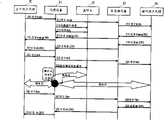
图3是是根据本发明的一个实施例的分组语音网络的监听方法流程示意图。Fig. 3 is a schematic flowchart of a method for monitoring a packet voice network according to an embodiment of the present invention.
具体实施方式 Detailed ways
为使本发明的目的、技术方案和优点更加清楚,下面将结合附图对本发明作进一步地详细描述。In order to make the object, technical solution and advantages of the present invention clearer, the present invention will be further described in detail below in conjunction with the accompanying drawings.
如图1所示,根据本发明搭建的网络图由被监听域分组终端用户10、11,代理设备(Proxy Server)12,监听台(Watch)13,分组语音网络14,以及网络另一端的分组终端用户15、16构成。As shown in Figure 1, the network diagram built according to the present invention consists of monitored domain
其中,分组终端用户10、11代表所有直接接入代理设备12的被监听域分组终端用户。根据本发明,在此域中的分组终端用户无论是主叫方还是被叫方,都可以被监听。Among them, the
代理设备12接入所有的被监听域分组终端用户10、11,用于实现信令和媒体代理,根据设置的跟踪条件跟踪呼叫接续过程,并在满足跟踪条件时对媒体流进行复制,将复制的媒体流转发到监听台13。需要说明的是,信令代理设备和媒体代理设备在物理上可以合一,也可以分成两个相对独立的设备。图1用一个框图代表了信令代理设备和媒体代理设备合一的情况。
监听台13用于实现合法监听,监听内容不限于语音,还包括视频、数据等多媒体业务。需要说明的是,它既可以是媒体代理的一个部件或模块,也可以是和媒体代理完全独立的一个设备或多个设备。图1示出只有一个监听台13且和媒体代理完全独立的情况。The
分组语音网络14是用于传送分组终端用户信息的网络,分组核心业务设备比如软交换设备和媒体网关设备包含在其中,分组语音网络传送的信息可以是语音、视频、数据等各种业务。软交换设备用于提供业务呼叫控制和连接控制功能。The
分组终端用户15、16代表分组语音网络14另一端的分组终端用户,如图1所示,它们和被监听域分组用户建立的信息通道可以被监听。The
为了使本发明更加容易理解,下面以会话初始协议(Session InitiationProtocol,简称″SIP″)的呼叫流程为例,结合本发明及附图,简单说明无监听和有监听下的呼叫流程。In order to make the present invention easier to understand, the following takes the call flow of the Session Initiation Protocol (Session Initiation Protocol, referred to as "SIP") as an example, combined with the present invention and the accompanying drawings, to briefly describe the call flow without monitoring and with monitoring.
首先简单介绍SIP协议的总体概况。First, a brief overview of the SIP protocol is introduced.
SIP系统包括用户代理(User Agents,简称″UA″)以及一个或多个服务器。SIP系统既可以是专用网段、通过公用因特网连接的网段,也可以是支持其它IP信令协议的企业网中设备的逻辑分组。The SIP system includes user agents (User Agents, "UA" for short) and one or more servers. The SIP system can be either a private network segment, a network segment connected through the public Internet, or a logical grouping of devices in an enterprise network that supports other IP signaling protocols.
SIP的信令方法有6种,分别是Invite(邀请)、Ack(回应)、OPTIONS(选项)、BYE(结束)、CANCEL(取消)和REGISTER(注册)。其中,在下文描述的根据本发明的实施例中出现的Invite,表示这是呼叫处理周期中呼叫方发送的第一条消息,它在SIP报头中包含的信息,标识了呼叫方(From)、呼叫ID(Call-ID)、被叫方(To)、呼叫顺序编号(Cseq)和其它一些内容,基本上它说明了一个呼叫正在被发起。Ack,表示呼叫方已经收到了对Invite请求的确认。BYE,表示客户端发送这条消息给呼叫代理以释放呼叫,发送端点终止媒体流,认为呼叫已经终止,而且不管来自远程端点的应答。There are 6 signaling methods of SIP, namely Invite (invitation), Ack (response), OPTIONS (option), BYE (end), CANCEL (cancel) and REGISTER (registration). Wherein, the Invite that appears in the embodiment of the present invention according to hereinafter described, represents that this is the first message that the caller sends in the call processing cycle, and the information it contains in the SIP header identifies the caller (From), Call ID (Call-ID), called party (To), call sequence number (Cseq) and some other content, basically it shows that a call is being initiated. Ack, indicating that the caller has received an acknowledgment of the Invite request. BYE, indicating that the client sends this message to the Call Agent to release the call, and the sending endpoint terminates the media stream, considering the call terminated, regardless of the reply from the remote endpoint.
SIP还定义六种对消息的应答,每种类型的应答使用应答编码列表中的一种编码。例如在下文描述的根据本发明的实施例中出现的ringring(编码180),表示虚拟或者真实的电话正在振铃。ok(编码200),表示请求成功执行。SIP also defines six responses to messages, each type of response using a code in the response code list. For example, the ring (code 180) appearing in the embodiment according to the present invention described below indicates that a virtual or real phone is ringing. ok (code 200), indicating that the request was successfully executed.
以上介绍了SIP协议的总体概况,接下来参照图2,描述在无监听情况下的呼叫流程。如图2所示。The general overview of the SIP protocol is introduced above, and then referring to FIG. 2 , the call flow in the case of no monitoring is described. as shown in picture 2.
主叫用户代理20的媒体网关控制器(Media Gateway Controller,简称″MGC″)被设置成代理设备21的名字。首先,在步骤210,主叫用户代理20将信令Invite请求发送到代理设备21,其中的To域指定了被叫用户代理23的名字。The Media Gateway Controller ("MGC" for short) of the calling
此后进入步骤211,一旦代理设备21找到被叫用户代理23的位置,它就将信令Invite发送给分组语音网络的核心设备软交换设备(Soft switch)22,代理设备21除了在Via域中添加它自己的服务器名称外,不改变该请求的报头域,也就是说,步骤211中的信令Invite请求和步骤210中的信令Invite相比只是在Via域中增加了代理设备21的名称。Enter step 211 hereafter, in
接着进入步骤212,软交换设备22向被叫用户代理23传送信令Invite,具体的说,该信令Invite被发送到公认的STP UDP端口(5060)。Then enter step 212, the
然后进入步骤213,当呼叫到达远端的被叫用户代理23后,虚拟的或者是真实的电话开始振铃,此时一条新的信息应答ringing开始向软交换设备22回传。Then enter step 213, when the call arrives at the called
当软交换设备22收到上述应答ringing后,进入步骤214,软交换设备22向代理设备21转发应答ringing。同样,代理设备21也在应答ringing到达后,进入步骤215,即向主叫用户代理20转发应答ringing。熟悉本领于的技术人员应该知道,在这个过程中,步骤213、214和215中的应答ringing的内容都一样,即告知主叫方,被叫用户已经振铃了。After receiving the above-mentioned response ringing, the
另一方面,当被叫用户代理23响应后,即拿起电话或者同意建立连接,则进入步骤216,被叫用户代理23将一条应答ok发送给软交换设备22。然后进入步骤217,由软交换设备22将应答ok发送给代理设备21。此后进入步骤218,代理设备21将应答ok发送到主叫用户代理20。On the other hand, after the called
此后,进入步骤219,由主叫用户代理20向代理设备21发送一条信令Ack,确认对先前在步骤210中由主叫用户代理20发出的信令Invite的成功应答。此后,进入步骤220,代理设备21向软交换设备22转发信令Ack。接着进入步骤221,软交换设备22转发信令Ack到达被叫用户代理23。需要说明的是,信令Ack并非多余,它是一条请求信令,当同时是对信令Invite的确认的情况下,媒体流开始在两个端点的传输地址上流动,并且信令Ack不需要应答。Thereafter, enter step 219 , the calling
执行到步骤221时,已经到达SIP的通话点,媒体流流过实时传输协议RTP(RealTime Transfer Protocol,简称″RTP″),而实时传输控制协议RTCP(RealTimeTransfer Control Protocol,简称″RTCP″)提供对连接质量的统计数据和监控。熟悉本领于的技术人员可以理解,传统的代理服务器不会有媒体处理和转发的功能,在建立连接后呼叫流变成直接模型。而本发明中的代理设备21中的媒体代理功能使主叫、被叫双方的媒体流都通过代理设备21来转发。在双方开始进行RTP/RTCP交互的过程中,主叫和被叫无论是否处于被监听状态都将RTP/RTCP报文发送到代理设备21,只是代理设备21对媒体流的处理和转发流程稍有差异。在无监听的情况下,代理设备21收到主叫方的RTP/RTCP报文,根据信令交互中的RTP/RTCP地址转换关系将RTP/RTCP报文的IP源地址/端口变换为代理设备21的地址/端口,IP目的地址/端口变换为被叫方的地址/端口,然后向被叫方直接转发;收到被叫方的RTP/RTCP报文,采用类似的变换,向主叫方直接转发。在无监控的情况下,不复制双方的包括音频、视频及数据报文在内的媒体报文。When step 221 is executed, the call point of SIP has been reached, and the media stream flows through the Real Time Transfer Protocol (RTP) (RealTime Transfer Protocol, "RTP"), and the Real Time Transfer Control Protocol RTCP (RealTimeTransfer Control Protocol, "RTCP") provides Statistics and monitoring of connection quality. Those skilled in the art can understand that the traditional proxy server does not have the functions of media processing and forwarding, and the call flow becomes a direct model after the connection is established. However, the media proxy function in the
本次呼叫流程结束的时候,进入步骤222,主叫用户代理20再发出信令bye给代理设备21,以释放呼叫,同时主叫用户代理20终止媒体流,认为呼叫已经终止,而不管来自远端被叫用户23的应答。此后,在步骤223,代理设备21还是将信令bye转发给软交换设备22。接着进入步骤224,软交换设备22将信令bye抓发给被叫用户代理23。同时,当被叫用户代理23挂机后,进入步骤225,由被叫用户代理23向软交换设备22发送一条应答ok。此后进入步骤226,软交换设备将应答ok发送给代理设备21。最后进入步骤227,由代理设备21将应答ok转发给主叫用户代理20。When the call flow ends this time, enter step 222, and the calling
上面已经参照图2,对无监听情况下的呼叫流程进行了说明。接下来再进一步描述根据本发明的一个实施例中有监听情况下的呼叫流程。The call flow in the case of no monitoring has been described above with reference to FIG. 2 . Next, the call flow in the case of listening in according to an embodiment of the present invention will be further described.
如图3所示,主叫用户代理30的MGC已设置成代理设备31的名字。首先在步骤310,主叫用户代理30将一条信令Invite被发送给代理设备31,其中的To域指定了被叫用户代理34的名字。As shown in FIG. 3 , the MGC of the calling
此后,一旦代理设备31找到被叫用户代理34的位置,就进入步骤311,代理设备31将信令Invite发送给分组语音网络的核心设备软交换设备33,其中,代理设备31除了在Via域中添加它自己的服务器名称外,不改变该请求的报头域。Thereafter, once the
同时在监听的情况下,代理设备31在接收到主叫用户代理30的信令Invite后,根据主叫或被叫号码判断出是否被监听的呼叫,如果是需要被监听的,则进入步骤314,即通知监听台32创建监听通道(Create Channel)。此后进入步骤315,监听台32反馈该通道的信息,即信令Ack。Simultaneously under the situation of monitoring,
在此后的流程中,当获得双方最后确认的SDP信息,比如SIP消息的200Ack消息之后,在步骤325,代理设备31根据是否需要监听的标识通知监听台32该呼叫双方的SDP信息(Notify SDP),即会话描述协议通报,主要是编解码方式等,于是监听台32能够选择正确的RTP编解码方式来解析监听到的报文。另一方面,在步骤313,软交换设备33向被叫用户代理34传送信令Invite请求,信令Invite被发送到公认的STP UDP端口(5060)。信令Iinvite到达远端的被叫用户代理34后,虚拟和真实的电话开始振铃。此后在步骤316,一条新的信息应答ringing开始从被叫用户代理34向软交换设备33回传。此后,进入步骤317,软交换设备33向代理设备31转发应答ringing。此后,进入步骤318,代理设备31向主叫用户代理30转发应答ringing318。In the following flow process, when obtaining the SDP information confirmed by both parties at last, such as after the 200Ack message of the SIP message, in step 325, the
熟悉本领域的技术人员应该理解,在步骤316、317和318中的应答ringing内容都一样,即告知主叫方,被叫用户已经振铃了。Those skilled in the art should understand that the contents of the answering ringing in steps 316, 317 and 318 are the same, that is, to inform the calling party that the called party has ringing.
当被叫用户代理34响应后,即拿起电话或者同意建立连接。此时进入步骤319,被叫用户代理34向软交换设备33发送一条应答ok。接着进入步骤320,通过软交换设备33向代理设备31转发应答ok。此后再进入步骤321,通过代理设备31转发应答ok到主叫用户代理30。After the called
然后进入步骤322,主叫用户代理30再发一条信令Ack给代理设备31,确认对先前发出的信令Invite的成功应答。接着进入步骤323,由代理设备31将信令Ack转发给软交换设备33。然后进入步骤324,软交换设备33向被叫用户代理34转发应答Ack。这时媒体流开始在两个端点的传输地址上流动。Ack不需要应答。Then enter step 322, the calling
经过上面的流程,已经到达SIP的通话点,媒体流流过RTP,而RTCP提供对连接质量的统计数据和监控。在有监听的情况下,代理设备31除了进行和无监听情况下相同的处理外,还需要复制一份接收到的主叫或被叫的RTP/RTCP报文,将IP目的地址/端口变换为监听台设置的主叫或被叫地址/端口,向监听台转发。监听台就可以同时监听到主叫和被叫的通话,甚至视频通信了,并可以将接收到的报文以一种方便的格式保存下来。After the above process, the call point of SIP has been reached, the media stream flows through RTP, and RTCP provides statistical data and monitoring of connection quality. In the case of monitoring, the
当本次呼叫流程结束时,在步骤326,主叫用户代理30向代理设备31发送信令bye,以释放呼叫,同时主叫用户代理30终止媒体流,认为呼叫已经终止,而不管来自远端被叫用户34的应答。需要说明的是,代理设备31还是在步骤327中将信令bye转发给软交换设备33。此后在步骤328中,软交换设备33将信令bye转发给被叫用户代理34。When the current call process ends, in step 326, the calling
此后,当被叫用户代理34挂机后,在步骤329中,被叫用户代理34向软交换设备33发送一条应答ok,并在步骤330中由软交换设备33将应答ok转发给代理设备31。最后在步骤331,由代理设备31将应答ok转发给主叫用户代理30。Thereafter, after the called
熟悉本领域的技术人员不难理解,在上述呼叫流程中,具体消息的交互次序和格式不限于此。同时,在根据本发明的其他实施例中,代理设备在运用中可以设置多个监听台,用于供多人同时监听;并且可以灵活地设置监听的条件,比如主叫或被叫号码,或某个时段的某个IP地址等等。It is not difficult for those skilled in the art to understand that in the above call flow, the interaction sequence and format of specific messages are not limited thereto. At the same time, in other embodiments according to the present invention, the proxy device can set up a plurality of monitoring stations during operation, and can be used for simultaneous monitoring by multiple people; and the monitoring conditions can be flexibly set, such as calling or called numbers, or A certain IP address for a certain period of time and so on.
另外值得说明的是,在对本发明的具体实现中,代理设备的信令代理和媒体代理可以是统一的一个设备或部件,也可以分成两个相对独立的设备,信令代理和媒体代理之间采用消息交互。同样,监听台既可以是代理设备的一个部件或模块,也可以是一个或多个独立的设备。当代理设备的信令代理和媒体代理分开的时候,通常在信令代理上设置监听台和监听条件,但监听台可以是媒体代理的一部分或独立的设备。It is also worth noting that, in the specific implementation of the present invention, the signaling proxy and the media proxy of the proxy device can be a unified device or component, or can be divided into two relatively independent devices, between the signaling proxy and the media proxy Use message interaction. Likewise, the listening station can be a component or module of the proxy device, or one or more independent devices. When the signaling agent and the media agent of the proxy device are separated, the listening station and listening conditions are usually set on the signaling agent, but the listening station can be a part of the media agent or an independent device.
虽然通过参照本发明的某些优选实施例,已经对本发明进行了图示和描述,但本领域的普通技术人员应该明白,可以在形式上和细节上对其作各种各样的改变,而不偏离所附权利要求书所限定的本发明的精神和范围。Although the present invention has been illustrated and described with reference to certain preferred embodiments thereof, it will be understood by those skilled in the art that various changes in form and details may be made therein, and without departing from the spirit and scope of the invention as defined by the appended claims.
Claims (10)
Priority Applications (1)
| Application Number | Priority Date | Filing Date | Title |
|---|---|---|---|
| CNB2004100554530A CN100401692C (en) | 2004-08-06 | 2004-08-06 | Monitoring Method of Packet Voice Network |
Applications Claiming Priority (1)
| Application Number | Priority Date | Filing Date | Title |
|---|---|---|---|
| CNB2004100554530A CN100401692C (en) | 2004-08-06 | 2004-08-06 | Monitoring Method of Packet Voice Network |
Publications (2)
| Publication Number | Publication Date |
|---|---|
| CN1731744A CN1731744A (en) | 2006-02-08 |
| CN100401692C true CN100401692C (en) | 2008-07-09 |
Family
ID=35964052
Family Applications (1)
| Application Number | Title | Priority Date | Filing Date |
|---|---|---|---|
| CNB2004100554530A Expired - Fee Related CN100401692C (en) | 2004-08-06 | 2004-08-06 | Monitoring Method of Packet Voice Network |
Country Status (1)
| Country | Link |
|---|---|
| CN (1) | CN100401692C (en) |
Families Citing this family (7)
| Publication number | Priority date | Publication date | Assignee | Title |
|---|---|---|---|---|
| CN100459532C (en) * | 2006-05-26 | 2009-02-04 | 华为技术有限公司 | A Method to Realize Lawful Interception |
| WO2008080335A1 (en) * | 2006-12-31 | 2008-07-10 | Huawei Technologies Co., Ltd. | A lawful interception system, method and application server |
| CN101080101A (en) * | 2007-07-10 | 2007-11-28 | 华为技术有限公司 | Call tracking method, device and wireless network controller |
| CN101188525B (en) * | 2007-11-27 | 2011-10-26 | 成都市华为赛门铁克科技有限公司 | A processing method and device for voice stream |
| CN102480575B (en) * | 2010-11-30 | 2014-12-10 | 迈普通信技术股份有限公司 | VOIP recording control method and system thereof |
| CN102185988B (en) * | 2011-05-18 | 2015-06-03 | 中兴通讯股份有限公司 | Method, system and media gateway for collecting voice data in real time |
| CN103220586A (en) * | 2013-03-05 | 2013-07-24 | 杭州常春藤软件科技有限公司 | Method, device and soft switching system for media code stream data acquisition |
Citations (3)
| Publication number | Priority date | Publication date | Assignee | Title |
|---|---|---|---|---|
| US20030007606A1 (en) * | 2001-02-01 | 2003-01-09 | Estech Systems, Inc. | Service observing in a voice over IP telephone system |
| CN1498482A (en) * | 2001-03-21 | 2004-05-19 | Method and communication system for monitoring data flows in a data network | |
| CN1509015A (en) * | 2002-12-16 | 2004-06-30 | 华为技术有限公司 | System and method for realizing packet voice network monitoring |
-
2004
- 2004-08-06 CN CNB2004100554530A patent/CN100401692C/en not_active Expired - Fee Related
Patent Citations (3)
| Publication number | Priority date | Publication date | Assignee | Title |
|---|---|---|---|---|
| US20030007606A1 (en) * | 2001-02-01 | 2003-01-09 | Estech Systems, Inc. | Service observing in a voice over IP telephone system |
| CN1498482A (en) * | 2001-03-21 | 2004-05-19 | Method and communication system for monitoring data flows in a data network | |
| CN1509015A (en) * | 2002-12-16 | 2004-06-30 | 华为技术有限公司 | System and method for realizing packet voice network monitoring |
Also Published As
| Publication number | Publication date |
|---|---|
| CN1731744A (en) | 2006-02-08 |
Similar Documents
| Publication | Publication Date | Title |
|---|---|---|
| EP2150013B1 (en) | System, equipment and method for implementing special calling services | |
| JP5450444B2 (en) | Method and apparatus for handling multimedia calls | |
| US20070153770A1 (en) | System and method for feature-based services control using SIP | |
| WO2003077512A1 (en) | Apparatus and method for computer telephone integration in packet switched telephone networks | |
| CN102480575B (en) | VOIP recording control method and system thereof | |
| US10320972B2 (en) | Enhanced session initiation protocol recording | |
| EP1111892B1 (en) | Methods and systems for internet protocol (IP) network surveillance | |
| CN101507210A (en) | Associating a telephone call with a dialog based on a computer protocol such as SIP | |
| CN100401692C (en) | Monitoring Method of Packet Voice Network | |
| CN101094086B (en) | A method and system for constructing a call center in a next-generation network | |
| CN100527739C (en) | Method and system for implementing call making service | |
| WO2007093116A1 (en) | A method and system for realizing the simulating service and the access signaling adaptive entity | |
| KR100969458B1 (en) | Multimedia ringback service system using session establishment protocol and method | |
| US7616752B2 (en) | Methods, systems, and computer program products for providing call waiting and caller ID and for toggling between active and waiting calls using session initiation protocol (SIP) | |
| CN101159787B (en) | Softswitch communication system and method for realizing conference service | |
| CN103475648B (en) | Blind Call Transfer method and Blind Call Transfer system based on Session Initiation Protocol | |
| CN100466641C (en) | System and Implementation Method of Supporting Multiple ITSPs Based on SIP | |
| JP4136798B2 (en) | Relay device with voice guidance function | |
| CN101800948B (en) | Method, device and system for implementing call deflection service | |
| KR100809398B1 (en) | Sms transmission method and system for multicast protocol support | |
| KR100493100B1 (en) | Method and apparatus for supporting voice over ip in a mobile communication system | |
| Qian et al. | Analysis and Research on Abnormal of Shore-Ship VoIP Call Forwarding | |
| US20060045072A1 (en) | Method of managing telephone calls over a data network, telephony station, server and telephony system supporting said method | |
| WO2006111062A1 (en) | A calling method between the terminals of packet multimedia communication system | |
| CN100459542C (en) | Method for Realizing Internet Access in Next Generation Network Environment |
Legal Events
| Date | Code | Title | Description |
|---|---|---|---|
| C06 | Publication | ||
| PB01 | Publication | ||
| C10 | Entry into substantive examination | ||
| SE01 | Entry into force of request for substantive examination | ||
| C14 | Grant of patent or utility model | ||
| GR01 | Patent grant | ||
| TR01 | Transfer of patent right |
Effective date of registration: 20180426 Address after: London, England Patentee after: GW partnership Co.,Ltd. Address before: 518129 Bantian HUAWEI headquarters office building, Longgang District, Guangdong, Shenzhen Patentee before: HUAWEI TECHNOLOGIES Co.,Ltd. Effective date of registration: 20180426 Address after: California, USA Patentee after: Global innovation polymerization LLC Address before: London, England Patentee before: GW partnership Co.,Ltd. |
|
| TR01 | Transfer of patent right | ||
| CF01 | Termination of patent right due to non-payment of annual fee |
Granted publication date: 20080709 |
|
| CF01 | Termination of patent right due to non-payment of annual fee |