JP2004310525A - Image processing device for vehicles - Google Patents
Image processing device for vehicles Download PDFInfo
- Publication number
- JP2004310525A JP2004310525A JP2003104214A JP2003104214A JP2004310525A JP 2004310525 A JP2004310525 A JP 2004310525A JP 2003104214 A JP2003104214 A JP 2003104214A JP 2003104214 A JP2003104214 A JP 2003104214A JP 2004310525 A JP2004310525 A JP 2004310525A
- Authority
- JP
- Japan
- Prior art keywords
- lane
- vehicle
- recognition
- information
- line
- Prior art date
- Legal status (The legal status is an assumption and is not a legal conclusion. Google has not performed a legal analysis and makes no representation as to the accuracy of the status listed.)
- Granted
Links
Images


Landscapes
- Traffic Control Systems (AREA)
- Image Analysis (AREA)
- Image Processing (AREA)
Abstract
【課題】検出開始時や検出不能状態からの復帰時において、正確な区画線を選別することが可能な車両用画像処理装置を提供する。
【解決手段】画像認識(ステップS1〜S5)で区画線情報を得、過去の白線認識結果が蓄積されていない場合には、車両状態から車両の予想進路を推定し、この予想進路と認識結果から判定される走行レーンとを比較する(ステップS9)。両者のずれが所定範囲内にある場合に、区画線認識が成功したものとみて、認識した区画線候補の情報を白線情報として出力し、この情報を白線認識ECU1内に格納する(ステップS10)。
【選択図】 図4An image processing apparatus for a vehicle capable of selecting an accurate lane marking at the start of detection or at the time of recovery from an undetectable state.
In a case where lane marking information is obtained by image recognition (steps S1 to S5) and a past white line recognition result is not accumulated, an estimated course of the vehicle is estimated from a vehicle state, and the estimated course and the recognition result are determined. Is compared with the traveling lane determined from (step S9). If the difference between the two is within a predetermined range, it is considered that the lane line recognition has been successful, and information on the recognized lane line candidates is output as white line information, and this information is stored in the white line recognition ECU 1 (step S10). .
[Selection diagram] Fig. 4
Description
【0001】
【発明の属する技術分野】
本発明は、自車両の走行する車線を認識するための車両用画像処理装置に関する。
【0002】
【従来の技術】
設定された車線上を自動的に走行する自動走行装置や、車両の車線からの不用意な逸脱を警告したり、逸脱後の衝突を予想して乗員を保護するシステムを作動させる技術等の開発が進められている。こうした技術においては、自車両の走行すべき車線を正確に認識する必要があり、そのための技術として、車両進行方向の映像を取得して、エッジ抽出等の画像認識によって車線を区画する境界線(白線)を検出する装置が知られている(例えば、特許文献1参照)。
【0003】
【特許文献1】
特開平7−239996号公報(段落0013〜0029、図1〜図5)
【0004】
【発明が解決しようとする課題】
この種の車線認識技術においては、撮像装置で取得した画像データを基に画像認識によって道路を区画する白線を認識している。しかし、車両の移動によって、撮像条件が著しく変化する。この結果、逆光、過剰露出、露出不足などにより、得られた画像データが白線認識に適さない場合が出てくる。また、エッジ抽出の結果、区画線候補が多数存在し、正しい区画線の選択が困難となることがある。このように認識に不適当な画像データが取得した一連の影像の一部であるときは、こうした不適当な画像データを認識処理対象から除外すれば足りる。また、過去の認識データを基にして候補選択を行う等の手法もとり得る。しかしながら、こうした過去の認識データや画像データを利用することが困難な場合、例えば、車線認識を行う装置の起動後、初めて白線を検出する時点や、検出不能状態が継続してから復帰した際の検出時等に、区画線候補が多数存在した場合には、その中からどの候補を区画線として採用するかを判定するのは困難である。
【0005】
そこで本発明は、こうした検出開始時や検出不能状態からの復帰時において、正確な区画線を選別することが可能な車両用画像処理装置を提供することを課題とする。
【0006】
【課題を解決するための手段】
上記課題を解決するため、本発明に係る車両用画像処理装置は、車両に搭載された撮像手段によって取得した画像中からエッジ抽出によって自車の走行する車線の道路区画線を検出する車両用画像処理装置において、車両の進行方向を検出する手段をさらに備えており、道路区画線の検出開始時または検出不能状態からの復帰時には、検出した車両の進行方向と道路区画線の方向とを比較して両者が所定の範囲内に合致している場合に道路区画線の検出結果を出力するものである。
【0007】
検出開始時または検出不能状態からの復帰時においては、車両は車線に沿って走行している蓋然性が高い。したがって、車両の進行方向と画像認識によって判定した道路区画線候補の延在方向とを比較し、所定の範囲内に合致している場合に合致した道路区画線候補を自車両の走行する車線の道路区画線と判定すれば、正確な区画線が選別できる。
【0008】
さらに運転者に対して所定の指示を行う指示手段を備えており、道路区画線の検出開始時または検出不能状態からの復帰時には、車両の進行方向と道路区画線の方向とを比較する間、この指示手段により、運転者に走行レーンを維持するよう指示することが好ましい。
【0009】
【発明の実施の形態】
以下、添付図面を参照して本発明の好適な実施の形態について詳細に説明する。説明の理解を容易にするため、各図面において同一の構成要素に対しては可能な限り同一の参照番号を附し、重複する説明は省略する。
【0010】
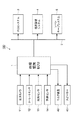
図1は、本発明に係る車両用画像処理装置を含む車両制御装置のブロック構成図であり、図2は、それを搭載した車両を示す斜視図である。この車両制御装置100は、車両前方の画像を取得する前方カメラ11と、この前方カメラ11で取得した画像から画像処理により車両の前方進路上の白線を認識する白線認識ECU1(本発明に係る車両用画像処理装置を含む。)と、を備える。白線認識ECU1には、また、ヨーレートセンサ12、舵角センサ13、車速センサ14の出力信号が入力されており、白線認識ECU1の認識結果は、車内LAN2を介してPCS(Pre−Crash Safety)システム3、逸脱警報システム4、レーンキープシステム5等に送られる。また、白線認識ECU1には、モニタ装置42とスピーカー43が接続されている。これらPCSシステム3、逸脱警報システム4、レーンキープシステム5の詳細については、後述する。
【0011】
前方カメラ11は、図2に示されるように車両200のフロントウィンドウ上部(例えば、バックミラーの裏側)に配置されており、車両200前方の画像、つまり、車両前方の走行レーン300の画像(区画線301を含む。)を取得するものである。
【0012】
以下、前方カメラ11により取得した画像から画像処理によって走行レーン300を認識する処理について具体的に説明する。図3は、この画像処理の処理フローであり、図4〜図8はその処理内容を説明する図である。以下に説明する処理は、特に記載のない限り、白線認識ECU1によって行われる。
【0013】
まず、前方カメラ11によって図4に示されるような画像が取得される(ステップS1)。区画線301R、301Lを境界とする走行レーン300の右側には、区画線301Rを挟んで対向レーン310が存在し、その右側に区画線301Xが存在する。対向レーン310上には対向車210が存在している。この区画線は連続線である場合のほか、点線、破線等の不連続線である場合が存在する。これらの区画線301は、通常白色に塗装されているため、以下、塗装部分を白線と称するが、白色以外に黄色に塗装されている場合や鋲、ブロック等により区画されている場合もここでいう白線に含まれるものとする。さらに、区画線301に並行して補助線が設置されている場合もある。
【0014】
取得した画像は、AD変換により、所定の画素数(例えば、図4の横方向をx方向、縦方向をy方向として、x×yが320×240画素とする。)のモノクロ階調(例えば8階調)のデジタル画像データに変換されて白線認識ECU1に送られる(ステップS2)。もちろん、所定の画素数、階調を有するデジタルデータを直接出力可能なデジタルカメラを前方カメラ11に用いてもよく、前方カメラ11のアナログ出力を白線認識ECU1内部でAD変換してもよい。変換されたデジタル画像は、図4に示されるアナログ画像と実質的に同一である。
【0015】
次に、白線認識ECU1は、受信したデジタル画像をエッジ抽出処理することによって画像内の白線候補を抽出する(ステップS3)。例えば、画像内の平均輝度をしきい値とし、左側の画素の輝度がしきい値未満で右側の画素の輝度がしきい値以上の画素をエッジとして抽出する。これにより、白線(区画線301L、301R、301X等)の左側境界線に対応する位置の画素位置が抽出される。エッジ抽出はこれに限られるものではなく、例えば、左側の画素との輝度の差がしきい値以上となる画素をエッジとして抽出してもよい。これらは暗から明に変化するエッジを抽出することで白線の左側境界線に対応する位置の画素位置を抽出するものであったが、逆に明から暗に変化するエッジを抽出することで白線の右側境界線に対応する位置の画素位置を抽出してもよい。
【0016】
図5は、この抽出されたエッジ位置を元画像に重ね合わせて示している。黒丸が抽出されたエッジ位置であり、破線は、Y方向の画素位置を示している。ここで、取得された走行レーン300の画像は、走行レーン300を前方カメラ11の画像面に投影したものである。これに対して、実際に求めたい区画線301L、301Rの位置は、走行レーン300上の車両に対する位置である。そこで、幾何変換によって、車両を原点(0,0)として、X軸方向に横方向(車両から見て右方向がプラスとなる。)を、Y軸方向に車両からの距離(数値が大きいほど前方、つまり車両から離れていることを示す。)を採って表した走行平面上のエッジ画素位置に対応する位置を求める(ステップS4)。この幾何変換は、前方カメラ11の取り付け位置、撮像方向、撮像領域を基にして行うことができる。なお、車体の傾き等を複数の車高センサで検出することにより、撮像方向等の補正を行ってもよい。また、前方カメラ11の撮像系の光学的な収差等に起因する画像の歪曲についても補正を行うことが好ましい。図6は、こうして幾何変換によって得られた区画線301Lに対応する抽出エッジ画素の車両に対する位置を示している。
【0017】
次に、幾何変換した結果をハフ変換することで、直線/曲線抽出を行う(ステップS5)。直線抽出の場合を例にとると、抽出したエッジ点の走行平面上の位置を(x,y)で表すとき、各エッジ点に対して、傾きθを0度から180度まで所定の角度Δθごとに変更し、それぞれのθに対応するρ=xcosθ+ysinθとなるρを求める。そして、このようにして求めた(ρ,θ)が、ハフ空間を所定間隔ごとに区切った領域のどの領域内に位置するかを探索し、探索した領域に投票する。つまり、各領域の投票数とは、この領域にエッジ点のハフ変換結果が存在する個数を示していることになる。この投票は、走行レーン300の左側と右側とで分けて行うことが好ましい。走行レーン300の左右の分割を行うのに必要とされる走行レーン300の中心線の把握は、これまでのレーン認識結果や車両の進行方向、ヨーレート、舵角等を参照することで行うことができる。図7は、こうして得られた走行レーン300の左側のハフ変換領域内の投票結果を示している。
【0018】
投票数が複数ある(ρ,θ)領域がエッジ点から抽出された直線(途中断続している場合にも1本の線として抽出される。)を示している。この直線は(x,y)平面上では、y=ρ/sinθ−x×cosθ/sinθに対応する。ここで、投票結果が多い(ρ,θ)ほど多くのエッジ点が近接している直線を示すことになる。ノイズの影響等を考えて閾値(3、好ましくは )以上の投票数を有する直線を抽出結果とする。図7で投票数が2となっている領域はこのノイズを示している。
【0019】
ここでは、直線の場合を例に説明したが、ハフ変換においては曲線の抽出も同様に可能である。そして、投票数が多く、最も近似しているとみられる直線または曲線を抽出結果である区画線候補とする。
【0020】
次に、白線認識ECU1内に、過去の白線認識結果が蓄積されているか否かを判定する(ステップS6)。ここで、過去の認識結果とは現在より所定時間遡った過去までの区画線情報認識結果が保存されているか否かによって判別される。このとき、所定時間遡った過去までの区画線情報認識結果が全て保存されていることを要するのではなく、所定時間遡った過去までの間に所定個数以上のデータが保存されていれば、一時的に誤認識が発生した場合でも、過去の認識情報を基にした制御が可能となり、好ましい。
【0021】
ステップS6で、所定時間遡った過去までの区画線情報認識結果が保存されている場合は、車線認識をスタートさせてから所定時間以上連続して車線の認識が成功していることを示すから、ステップS7へと移行し、今回認識した区画線候補の情報が過去の認識結果に整合しているか否かをチェックする。区画線候補と過去の認識結果とのずれが所定範囲以内であり、整合していると判定した場合には、認識した区画線候補の情報を白線情報として出力し、この情報を白線認識ECU1内に格納する(ステップS10)。
【0022】
一方、ずれが所定範囲を超えており、整合していないと判定された場合には、認識した区画線候補の情報を破棄して過去の認識結果から推定される区画線情報を出力する(ステップS8)。
【0023】
ステップS6で、所定時間遡った過去までの区画線情報認識結果が保存されていないと判定された場合は、ステップS9へと移行する。このような所定時間遡った過去までの区画線情報認識結果が保存されていない場合としては、車線認識をスタートさせてから所定時間経過していない場合(車線認識手段の起動時のほか、駐車場・パーキングエリア等からの道路進入時がある。)や、瞬断や何らかのトラブルによって格納されていた認識結果が失われた場合、所定時間以上にわたって車線認識ができない状態から復帰したような場合(例えば、工事区間や影となる部分を通過した場合など)である。このような場合には、過去の認識結果と今回認識した結果との整合性をチェックすることができない。そこで、このような場合には、ヨーレートセンサ12、舵角センサ13、車速センサ14から出力されるヨーレート、舵角、車速等の車両状態から車両200の予想進路を推定し、この予想進路と今回の画像処理による認識結果から判定される走行レーン300とを比較する(ステップS9)。
【0024】
予想進路と認識結果から求まる走行レーン300とのずれが所定範囲内にある場合には、区画線認識が成功したものとみて、認識した区画線候補の情報を白線情報として出力し、この情報を白線認識ECU1内に格納する(ステップS10)。予想進路と画像認識処理で求めた走行レーンとのずれが所定範囲内にあるか否かについては、例えば、以下のようにして検証することができる。予め設定された距離の間、あるいは、予め設定された時間の間、予想進路が走行レーンを外れるか否かによって判断を行う。具体的には、予想進路と走行レーンのなす角度が所定角度以内か否かによって判断を行えばよい。また、予想走行進路の曲率と、走行レーンの曲率とが所定値以上ずれているか否かによって判断を行うこともできる。
【0025】
一方、予想進路と認識結果から求まる走行レーン300とのずれが所定範囲を超えている場合(区画線認識結果302R、302Lが図8に示されるような場合)には、区画線を誤認識したものとみて、認識した区画線候補を破棄し、処理を終了する(ステップS11)。
【0026】
このように車両状態を基にして区画線情報の検出の成否を判定するためには、車両200が走行レーン300内を正しく走行している必要があり、運転者によるレーン変更等が行われると、認識が成功しても誤認識であると判定されてしまう。そこで、過去の白線情報が格納されていない場合には、モニタ装置42やスピーカー43により、運転者に対して、進路と区画線情報を比較していることを報知することが望ましい。この報知によって、運転者は、白線認識ECU1が道路と区画線情報を比較していることを認識することになり、これらの情報の比較のためには現在走行している車線を維持するほうが検出精度の向上につながると考え、走行車線を維持するように注意することになる。さらに、車両200が実際に走行した軌跡と過去の認識結果から予想された走行レーンとを照合することにより、過去の車線情報の正誤を検定してもよい。
【0027】
本発明によれば、車線認識のスタート直後でも運転者による特別な操作を必要とせずに画像認識で得られた区画線情報が正しい区画線情報であるか否かの検定が可能となる。このため、誤検出した区画線情報を利用した車両挙動制御を抑制することができるため、運転者に不安感を与えることがなく、また、操作性も向上する。
【0028】
区画線(白線)の画像認識手段は、以上説明した認識手法に限られるものではなく、各種の認識手法を用いることができる。また、認識した区画線情報を地図情報や道路情報を基にして検定してもよい。例えば、高速道路走行中に極端に曲率半径の小さいカーブ等を検出した場合は、これのみで誤検出と判定しうる。
【0029】
次に、こうして得られた白線情報を利用した本発明に係る車両制御装置における車両制御について説明する。図9〜図11は、図1に示されるPCSシステム3、逸脱警報システム4、レーンキープシステム5それぞれのブロック構成図である。
【0030】
まず、図9に示されるPCSシステム3から説明する。このPCSシステムは、制動力を制御する制動系32、運転者の操舵力にアシスト力を付与するステアリングアシストモータ33、シートベルトの巻き上げを行うシートベルトプリテンショナー34、乗員保護用のエアバッグ35と、これらの制御を行うPCS・ECU31を備えており、PCS・ECU31には先行車両や障害物を検出するレーザレーダ16のほか、ヨーレートセンサ12、舵角センサ13、車速センサ14と、ブレーキペダルの操作、非操作状態を検出するためのブレーキペダルスイッチ15の出力が入力されている。
【0031】
PCS・ECU31は、車線認識ECU1から送られた車線情報(白線情報)と、各センサ12〜15およびレーザレーダ16の出力を基にして、自車両の進路上の先行車両、障害物を検知し、衝突可能性を予測する。そして、衝突不可避と判定したら、制動系32に指示してブレーキ操作時に付与されるアシスト力を予め増大する設定に切り替えることで、運転者が危険を察知してブレーキペダルを操作した際に、大きな制動力が得られるようにする。
【0032】
また、ステアリングアシストモータ33によるアシスト操舵力を増大させて、運転者がより弱い力で操舵を行えるようにする。必要ならば、自動的に操舵を行い、衝突を回避する。
【0033】
さらに、シートベルトプリテンショナー34によってシートベルトの余分長を衝突前に予め巻き取っておくことで、乗員を座席により強く拘束し、衝突時のダメージを軽減する。また、エアバッグを衝突を検知してからではなく、衝突前後の最適なタイミングで作動させることで、衝突時の乗員へのダメージを軽減する。これらの制御により、衝突が避けられない場合でも、車両、乗員への深刻なダメージを抑制し、衝突のショックを軽減することが可能となる。
【0034】
次に、図10に示される逸脱警報システム4について、説明する。この逸脱警報システム4は、逸脱警報ECU41と、表示用のモニタ装置42と、音声出力用のスピーカー43から構成されており、逸脱警報ECU41には、車線情報(白線情報)と、車速情報、ヨーレート情報が入力されている。
【0035】
逸脱警報ECU41は、車速・ヨーレート情報から自車両の進路を予測し、これと車線情報とを比較する。そして、車線逸脱が予想される場合には、モニタ装置42に車線から逸脱が予想される旨を表示するとともに、スピーカー43により、アラーム音、または音声出力によって警報を発することで、運転者にその旨報知する。
【0036】
続いて、図11に示されるレーンキープシステム5について説明する。このレーンキープシステム5は、レーンキープECU51と、制動力を制御する制動系32と、運転者の操舵力にアシスト力を付与するステアリングアシストモータ33と、トランスミッションの変速状態を変更する変速手段52と、電子制御スロットル53と、を備えており、レーンキープECU51には、先行車両や障害物を検出するレーザレーダ16のほか、ヨーレートセンサ12、舵角センサ13、車速センサ14と、ブレーキペダルの操作、非操作状態を検出するためのブレーキペダルスイッチ15、アクセルペダルの操作量を検出するためのアクセル開度センサ17の各出力が入力されている。
【0037】
このレーンキープシステム5は、現在走行中の走行レーン300内での車両の位置を維持して走行するものである。具体的には、ヨーレートセンサ12、舵角センサ13、車速センサ14の出力から自車両の進路を予測し、これと車線情報を比較することによって、走行レーン300内の走行が維持できているか否かを判定する。そして、前方車線情報を基に、自車と白線位置から自車が白線内を走行するようにステアリングアシストモータ33を制御することで、走行レーン300内の走行を維持する。
【0038】
このように本発明に係る車両用画像処理装置を用いて自車両の走行車線の道路区画線を検出することで、区画線、ひいては走行車線を早期に認識することが可能となり、その認識精度が向上し、それを用いた各種の車両の挙動制御を精度良く行うことが可能となる。
【0039】
【発明の効果】
以上説明したように本発明によれば、車両状態を基にして車両の進路を予測し、これと画像認識で得られた区画線情報とを比較することで区画線情報の正誤を検定するので、運転者の特別な操作なしに区画線情報の検定を行うことができる。このとき、運転者に車線を維持するよう指示すれば、正確な区画線情報を得ることができる。
【図面の簡単な説明】
【図1】本発明に係る車両用画像処理装置を含む車両制御装置のブロック構成図である。
【図2】図1の車両制御装置を搭載した車両を示す斜視図である。
【図3】図1の車両用画像処理装置における画像処理の処理フローである。
【図4】前方カメラによって取得した画像の一例を示す図である。
【図5】図4の画像からエッジ抽出処理を行った結果を示す図である。
【図6】図5の幾何変換処理結果を示す図である。
【図7】図6のハフ変換処理結果を示す図である。
【図8】図4の画像から区画線を誤認識した場合の例を示す図である。
【図9】図1に示されるPCSシステムのブロック構成図である。
【図10】図1に示される逸脱警報システムのブロック構成図である。
【図11】図1に示されるレーンキープシステムのブロック構成図である。
【符号の説明】
1…白線認識ECU、2…車内LAN、3…PCS(Pre−Crash Safety)システム、4…逸脱警報システム、5…レーンキープシステム、11…前方カメラ、12…ヨーレートセンサ、13…舵角センサ、14…車速センサ、15…ブレーキペダルスイッチ、16…レーザレーダ、17…アクセル開度センサ、31…PCS・ECU、32…制動系、33…ステアリングアシストモータ、34…シートベルトプリテンショナー、35…エアバッグ、41…逸脱警報ECU、42…モニタ装置、43…スピーカー、51…レーンキープECU、52…変速手段、53…電子制御スロットル、100…車両制御装置、200…車両、300…走行レーン、301…区画線、302…区画線認識結果(誤認識線)。[0001]
TECHNICAL FIELD OF THE INVENTION
The present invention relates to a vehicular image processing device for recognizing a lane in which a vehicle travels.
[0002]
[Prior art]
Development of automatic driving equipment that automatically runs on the set lane, technology to warn of inadvertent departure from the lane of the vehicle, and to activate a system that protects occupants by predicting collision after departure Is being promoted. In such a technology, it is necessary to accurately recognize the lane in which the host vehicle should travel. As a technology for this purpose, a boundary line that separates the lane by image recognition such as edge extraction or the like is acquired by acquiring an image in the traveling direction of the vehicle. A device that detects a white line) is known (for example, see Patent Document 1).
[0003]
[Patent Document 1]
JP-A-7-239996 (paragraphs 0013 to 0029, FIGS. 1 to 5)
[0004]
[Problems to be solved by the invention]
In this type of lane recognition technology, a white line dividing a road is recognized by image recognition based on image data acquired by an imaging device. However, the imaging conditions change significantly due to the movement of the vehicle. As a result, the obtained image data may not be suitable for white line recognition due to backlight, overexposure, underexposure, and the like. In addition, as a result of edge extraction, there may be many lane marking candidates, and it may be difficult to select a correct lane marking. When the image data that is inappropriate for recognition is part of a series of acquired images, it is sufficient to exclude such inappropriate image data from the recognition processing target. Further, a method of selecting a candidate based on past recognition data may be used. However, when it is difficult to use such past recognition data or image data, for example, when a lane recognition device is activated, a white line is detected for the first time, or when a state in which detection is not possible continues and then returns. When there are many lane marking candidates at the time of detection or the like, it is difficult to determine which candidate is adopted as the lane marking line.
[0005]
Therefore, an object of the present invention is to provide a vehicular image processing apparatus capable of selecting an accurate lane marking at the time of starting detection or returning from an undetectable state.
[0006]
[Means for Solving the Problems]
In order to solve the above-described problems, a vehicular image processing apparatus according to the present invention provides a vehicular image processing device that detects a road lane marking of a lane in which a vehicle travels by extracting edges from an image acquired by an imaging unit mounted on the vehicle. The processing device further includes means for detecting the traveling direction of the vehicle, and when the detection of the lane marking is started or when returning from the undetectable state, the traveling direction of the detected vehicle is compared with the direction of the lane marking. When both of them match within a predetermined range, the detection result of the road lane marking is output.
[0007]
At the start of detection or at the time of recovery from the undetectable state, the vehicle is likely to be traveling along the lane. Therefore, the traveling direction of the vehicle is compared with the extending direction of the candidate road lane line determined by the image recognition. If it is determined that the road is a lane marking, an accurate lane marking can be selected.
[0008]
Further, the vehicle is provided with instructing means for giving a predetermined instruction to the driver, and when the detection of the road lane marking is started or when the vehicle returns from the undetectable state, while comparing the traveling direction of the vehicle with the direction of the road lane marking, It is preferable that the instruction means instructs the driver to maintain the traveling lane.
[0009]
BEST MODE FOR CARRYING OUT THE INVENTION
Hereinafter, preferred embodiments of the present invention will be described in detail with reference to the accompanying drawings. In order to facilitate understanding of the description, the same components are denoted by the same reference numerals as much as possible in each drawing, and redundant description is omitted.
[0010]
FIG. 1 is a block diagram of a vehicle control device including a vehicle image processing device according to the present invention, and FIG. 2 is a perspective view showing a vehicle equipped with the same. The
[0011]
The
[0012]
Hereinafter, the process of recognizing the
[0013]
First, an image as shown in FIG. 4 is obtained by the front camera 11 (step S1). An
[0014]
The acquired image is subjected to A / D conversion to obtain a predetermined number of pixels (for example, the horizontal direction in FIG. 4 is the x direction, the vertical direction is the y direction, and x × y is 320 × 240 pixels) (for example, 320 × 240 pixels). The image data is converted into digital image data (8 gradations) and sent to the white line recognition ECU 1 (step S2). Of course, a digital camera capable of directly outputting digital data having a predetermined number of pixels and gradation may be used for the
[0015]
Next, the white
[0016]
FIG. 5 shows the extracted edge position superimposed on the original image. Black circles indicate the extracted edge positions, and broken lines indicate pixel positions in the Y direction. Here, the acquired image of the traveling
[0017]
Next, a line / curve is extracted by performing Hough transformation on the result of the geometric transformation (step S5). Taking the case of straight line extraction as an example, when the position of the extracted edge point on the traveling plane is represented by (x, y), the inclination θ of each edge point is set to a predetermined angle Δθ from 0 ° to 180 °. And ρ corresponding to each θ is obtained as ρ = xcos θ + ysin θ. Then, the (ρ, θ) obtained in this manner is searched for in which of the areas divided at predetermined intervals in the Huff space, and a vote is made on the searched area. In other words, the number of votes in each area indicates the number of Hough transform results of edge points in this area. This voting is preferably performed separately for the left side and the right side of the traveling
[0018]
A (ρ, θ) region having a plurality of votes is shown as a straight line extracted from an edge point (even if the region is intermittent, it is also extracted as one line). This straight line corresponds to y = ρ / sin θ−x × cos θ / sin θ on the (x, y) plane. Here, the larger the voting result (ρ, θ), the closer the edge point is to a straight line. In consideration of the influence of noise and the like, a straight line having a vote count equal to or more than a threshold value (3, preferably) is set as an extraction result. In FIG. 7, the area where the number of votes is 2 indicates this noise.
[0019]
Here, the case of a straight line has been described as an example, but a curve can be similarly extracted in the Hough transform. Then, a straight line or a curve that has a large number of votes and is considered to be the most similar is set as a division line candidate as an extraction result.
[0020]
Next, it is determined whether or not past white line recognition results are stored in the white line recognition ECU 1 (step S6). Here, the past recognition result is determined based on whether or not the lane line information recognition result up to the past which is a predetermined time earlier than the present is stored. At this time, it is not necessary that all the lane line information recognition results up to the past traced back by the predetermined time are stored. Even if erroneous recognition occurs, control based on past recognition information is possible, which is preferable.
[0021]
In step S6, if the lane marking information recognition results up to the past that are traced back by the predetermined time are stored, it indicates that the lane recognition has succeeded continuously for a predetermined time or more after starting the lane recognition. The process proceeds to step S7, and it is checked whether the information of the lane line candidate recognized this time matches the past recognition result. When it is determined that the deviation between the lane marking candidate and the past recognition result is within a predetermined range and that the lane marking is consistent, information on the recognized lane marking candidate is output as white line information, and this information is stored in the white
[0022]
On the other hand, when it is determined that the deviation is beyond the predetermined range and is not matched, the information of the recognized lane line candidate is discarded and the lane line information estimated from the past recognition result is output (step S1). S8).
[0023]
If it is determined in step S6 that the lane line information recognition result up to the past that has been traced by the predetermined time has not been stored, the process proceeds to step S9. Such a case in which the lane line information recognition result up to the past that is traced back by the predetermined time is not stored is when the predetermined time has not elapsed since the start of the lane recognition (in addition to the activation of the lane recognition means, the parking lot・ There is a time when the vehicle enters a road from a parking area, etc.), when the stored recognition result is lost due to a momentary interruption or some trouble, or when the vehicle returns from a state where lane recognition cannot be performed for a predetermined time or more (for example, , A construction section or a part that is shadowed). In such a case, the consistency between the past recognition result and the current recognition result cannot be checked. Therefore, in such a case, the estimated course of the
[0024]
When the deviation between the predicted course and the traveling
[0025]
On the other hand, when the deviation between the predicted course and the traveling
[0026]
In order to determine the success or failure of the lane line information detection based on the vehicle state in this way, the
[0027]
According to the present invention, it is possible to test whether or not the lane marking information obtained by image recognition is correct lane marking information without requiring a special operation by the driver immediately after the start of lane recognition. Therefore, it is possible to suppress vehicle behavior control using erroneously detected lane marking information, so that the driver does not feel uneasy and operability is improved.
[0028]
The image recognition means of the division line (white line) is not limited to the recognition method described above, and various recognition methods can be used. Alternatively, the recognized lane marking information may be verified based on map information or road information. For example, when a curve or the like having an extremely small radius of curvature is detected while traveling on a highway, it can be determined that this is the only erroneous detection.
[0029]
Next, vehicle control in the vehicle control device according to the present invention using the white line information thus obtained will be described. 9 to 11 are block diagrams of the
[0030]
First, the
[0031]
The PCS /
[0032]
Further, the assist steering force by the steering assist
[0033]
Further, by winding the extra length of the seat belt in advance by the
[0034]
Next, the
[0035]
The
[0036]
Next, the
[0037]
The
[0038]
As described above, by detecting the lane marking of the traveling lane of the own vehicle using the vehicular image processing device according to the present invention, it becomes possible to recognize the lane marking, and thus the traveling lane at an early stage. Thus, it is possible to accurately control the behavior of various vehicles using the same.
[0039]
【The invention's effect】
As described above, according to the present invention, the correctness of the lane line information is verified by predicting the course of the vehicle based on the vehicle state and comparing this with lane line information obtained by image recognition. Thus, the lane line information can be verified without any special operation by the driver. At this time, if the driver is instructed to maintain the lane, accurate lane marking information can be obtained.
[Brief description of the drawings]
FIG. 1 is a block diagram of a vehicle control device including a vehicle image processing device according to the present invention.
FIG. 2 is a perspective view showing a vehicle equipped with the vehicle control device of FIG. 1;
FIG. 3 is a processing flow of image processing in the vehicle image processing apparatus of FIG. 1;
FIG. 4 is a diagram illustrating an example of an image acquired by a front camera.
FIG. 5 is a diagram showing a result of performing edge extraction processing from the image of FIG. 4;
FIG. 6 is a diagram showing a result of the geometric conversion processing of FIG. 5;
FIG. 7 is a diagram showing a result of the Hough transform processing of FIG. 6;
8 is a diagram illustrating an example of a case where a division line is erroneously recognized from the image of FIG. 4;
FIG. 9 is a block diagram of the PCS system shown in FIG. 1;
FIG. 10 is a block diagram of the departure warning system shown in FIG. 1;
FIG. 11 is a block diagram of the lane keeping system shown in FIG. 1;
[Explanation of symbols]
DESCRIPTION OF
Claims (2)
車両の進行方向を検出する手段をさらに備えており、道路区画線の検出開始時または検出不能状態からの復帰時には、検出した車両の進行方向と道路区画線の方向とを比較して両者が所定の範囲内に合致している場合に道路区画線の検出結果を出力することを特徴とする車両用画像処理装置。An image processing apparatus for a vehicle that detects a lane marking of a lane in which the vehicle travels by image recognition from an image acquired by an imaging unit mounted on the vehicle,
The vehicle further includes means for detecting the traveling direction of the vehicle. When the detection of the lane marking starts or when the vehicle returns from the undetectable state, the detected traveling direction is compared with the direction of the lane marking to determine whether the vehicle is traveling. An output processing unit that outputs a detection result of a road demarcation line when the distance is within the range.
Priority Applications (1)
| Application Number | Priority Date | Filing Date | Title |
|---|---|---|---|
| JP2003104214A JP4066869B2 (en) | 2003-04-08 | 2003-04-08 | Image processing apparatus for vehicle |
Applications Claiming Priority (1)
| Application Number | Priority Date | Filing Date | Title |
|---|---|---|---|
| JP2003104214A JP4066869B2 (en) | 2003-04-08 | 2003-04-08 | Image processing apparatus for vehicle |
Publications (2)
| Publication Number | Publication Date |
|---|---|
| JP2004310525A true JP2004310525A (en) | 2004-11-04 |
| JP4066869B2 JP4066869B2 (en) | 2008-03-26 |
Family
ID=33467106
Family Applications (1)
| Application Number | Title | Priority Date | Filing Date |
|---|---|---|---|
| JP2003104214A Expired - Fee Related JP4066869B2 (en) | 2003-04-08 | 2003-04-08 | Image processing apparatus for vehicle |
Country Status (1)
| Country | Link |
|---|---|
| JP (1) | JP4066869B2 (en) |
Cited By (9)
| Publication number | Priority date | Publication date | Assignee | Title |
|---|---|---|---|---|
| JP2007264714A (en) * | 2006-03-27 | 2007-10-11 | Fuji Heavy Ind Ltd | Lane recognition device |
| JP2008522881A (en) * | 2004-11-18 | 2008-07-03 | ジェンテックス コーポレイション | Improved image acquisition and processing system for vehicle equipment control |
| JP2010102427A (en) * | 2008-10-22 | 2010-05-06 | Nec Corp | Lane division line detection device, lane division line detection method and line division line detection program |
| WO2011078300A1 (en) * | 2009-12-25 | 2011-06-30 | Ricoh Company, Ltd. | Imaging device, on-vehicle imaging system, road surface appearance detection method, and object detection device |
| JP2013092944A (en) * | 2011-10-26 | 2013-05-16 | Isuzu Motors Ltd | Lane identification device |
| KR20140030636A (en) * | 2012-09-03 | 2014-03-12 | 엘지이노텍 주식회사 | Traffic lane correction system, traffic lane correction apparatus and correction method |
| JP6407447B1 (en) * | 2017-01-10 | 2018-10-17 | 三菱電機株式会社 | Traveling path recognition device and traveling path recognition method |
| JP2020086956A (en) * | 2018-11-26 | 2020-06-04 | トヨタ自動車株式会社 | Imaging abnormality diagnosis device |
| CN114967763A (en) * | 2022-08-01 | 2022-08-30 | 电子科技大学 | Plant protection unmanned aerial vehicle sowing control method based on image positioning |
Citations (6)
| Publication number | Priority date | Publication date | Assignee | Title |
|---|---|---|---|---|
| JPH0719882A (en) * | 1993-06-30 | 1995-01-20 | Mazda Motor Corp | Vehicle driving range recognition device and automobile safety device including the same |
| JPH07239996A (en) * | 1994-02-28 | 1995-09-12 | Toyota Motor Corp | Track recognition device |
| JPH0991440A (en) * | 1995-09-26 | 1997-04-04 | Toyota Motor Corp | Vehicle white line recognition apparatus and method |
| JPH11180328A (en) * | 1997-12-18 | 1999-07-06 | Mitsubishi Motors Corp | Lane departure prevention device |
| JP2003072578A (en) * | 2001-09-04 | 2003-03-12 | Honda Motor Co Ltd | Vehicle travel control device |
| JP2003223700A (en) * | 2002-01-29 | 2003-08-08 | Nissan Motor Co Ltd | Preceding car judgment method |
-
2003
- 2003-04-08 JP JP2003104214A patent/JP4066869B2/en not_active Expired - Fee Related
Patent Citations (6)
| Publication number | Priority date | Publication date | Assignee | Title |
|---|---|---|---|---|
| JPH0719882A (en) * | 1993-06-30 | 1995-01-20 | Mazda Motor Corp | Vehicle driving range recognition device and automobile safety device including the same |
| JPH07239996A (en) * | 1994-02-28 | 1995-09-12 | Toyota Motor Corp | Track recognition device |
| JPH0991440A (en) * | 1995-09-26 | 1997-04-04 | Toyota Motor Corp | Vehicle white line recognition apparatus and method |
| JPH11180328A (en) * | 1997-12-18 | 1999-07-06 | Mitsubishi Motors Corp | Lane departure prevention device |
| JP2003072578A (en) * | 2001-09-04 | 2003-03-12 | Honda Motor Co Ltd | Vehicle travel control device |
| JP2003223700A (en) * | 2002-01-29 | 2003-08-08 | Nissan Motor Co Ltd | Preceding car judgment method |
Cited By (14)
| Publication number | Priority date | Publication date | Assignee | Title |
|---|---|---|---|---|
| JP2008522881A (en) * | 2004-11-18 | 2008-07-03 | ジェンテックス コーポレイション | Improved image acquisition and processing system for vehicle equipment control |
| JP4838261B2 (en) * | 2004-11-18 | 2011-12-14 | ジェンテックス コーポレイション | Image collection and processing system for vehicle equipment control |
| JP2007264714A (en) * | 2006-03-27 | 2007-10-11 | Fuji Heavy Ind Ltd | Lane recognition device |
| JP2010102427A (en) * | 2008-10-22 | 2010-05-06 | Nec Corp | Lane division line detection device, lane division line detection method and line division line detection program |
| WO2011078300A1 (en) * | 2009-12-25 | 2011-06-30 | Ricoh Company, Ltd. | Imaging device, on-vehicle imaging system, road surface appearance detection method, and object detection device |
| CN102668540A (en) * | 2009-12-25 | 2012-09-12 | 株式会社理光 | Imaging device, on-vehicle imaging system, road surface appearance detection method, and object detection device |
| JP2013092944A (en) * | 2011-10-26 | 2013-05-16 | Isuzu Motors Ltd | Lane identification device |
| KR20140030636A (en) * | 2012-09-03 | 2014-03-12 | 엘지이노텍 주식회사 | Traffic lane correction system, traffic lane correction apparatus and correction method |
| KR102058001B1 (en) * | 2012-09-03 | 2020-01-22 | 엘지이노텍 주식회사 | Traffic lane correction system, traffic lane correction apparatus and correction method |
| JP6407447B1 (en) * | 2017-01-10 | 2018-10-17 | 三菱電機株式会社 | Traveling path recognition device and traveling path recognition method |
| JP2020086956A (en) * | 2018-11-26 | 2020-06-04 | トヨタ自動車株式会社 | Imaging abnormality diagnosis device |
| JP7183729B2 (en) | 2018-11-26 | 2022-12-06 | トヨタ自動車株式会社 | Imaging abnormality diagnosis device |
| CN114967763A (en) * | 2022-08-01 | 2022-08-30 | 电子科技大学 | Plant protection unmanned aerial vehicle sowing control method based on image positioning |
| CN114967763B (en) * | 2022-08-01 | 2022-11-08 | 电子科技大学 | Plant protection unmanned aerial vehicle sowing control method based on image positioning |
Also Published As
| Publication number | Publication date |
|---|---|
| JP4066869B2 (en) | 2008-03-26 |
Similar Documents
| Publication | Publication Date | Title |
|---|---|---|
| US11461595B2 (en) | Image processing apparatus and external environment recognition apparatus | |
| CN110281930B (en) | Vehicle control device, vehicle control method, and storage medium | |
| US10887568B2 (en) | Image processing apparatus, and image processing method | |
| US12033403B2 (en) | Vehicle control device, vehicle control method, and storage medium | |
| US9892641B2 (en) | Regulatory information notifying device and method | |
| CN106004879A (en) | Driving assistant system of vehicle and method for controlling same | |
| JP7606894B2 (en) | Image processing device, image processing method, and program | |
| KR102723378B1 (en) | Vehicle and control method thereof | |
| US20220306150A1 (en) | Control device, control method, and storage medium | |
| US10565869B2 (en) | Vehicle driving assistance apparatus and vehicle driving assistance method | |
| JP2004310522A (en) | Image processing device for vehicles | |
| KR20200044194A (en) | Apparatus and method for speed control | |
| KR20210005439A (en) | Advanced Driver Assistance System, Vehicle having the same and method for controlling the vehicle | |
| JP4066869B2 (en) | Image processing apparatus for vehicle | |
| EP1555159B1 (en) | Vehicle situation monitoring apparatus and vehicle situation monitoring method | |
| US20230256967A1 (en) | Apparatus for controlling vehicle, method for controlling vehicle and control program thereof | |
| JP2005202787A (en) | Vehicle display device | |
| WO2017138343A1 (en) | Driving teaching device | |
| CN104742911A (en) | Driving support system | |
| JP7362800B2 (en) | Vehicle control device | |
| JP2010039933A (en) | Inattentive driving determination device | |
| JP2006256493A (en) | Vehicle travel support device | |
| JP7630063B2 (en) | Abnormal attitude determination device, abnormal attitude determination method, and vehicle control system | |
| JP7125893B2 (en) | TRIP CONTROL DEVICE, CONTROL METHOD AND PROGRAM | |
| JP2012027623A (en) | Drive recorder and image storage method |
Legal Events
| Date | Code | Title | Description |
|---|---|---|---|
| A621 | Written request for application examination |
Free format text: JAPANESE INTERMEDIATE CODE: A621 Effective date: 20050926 |
|
| A977 | Report on retrieval |
Free format text: JAPANESE INTERMEDIATE CODE: A971007 Effective date: 20070711 |
|
| A131 | Notification of reasons for refusal |
Free format text: JAPANESE INTERMEDIATE CODE: A131 Effective date: 20070814 |
|
| A521 | Written amendment |
Free format text: JAPANESE INTERMEDIATE CODE: A523 Effective date: 20071002 |
|
| TRDD | Decision of grant or rejection written | ||
| A01 | Written decision to grant a patent or to grant a registration (utility model) |
Free format text: JAPANESE INTERMEDIATE CODE: A01 Effective date: 20071218 |
|
| A61 | First payment of annual fees (during grant procedure) |
Free format text: JAPANESE INTERMEDIATE CODE: A61 Effective date: 20071231 |
|
| FPAY | Renewal fee payment (event date is renewal date of database) |
Free format text: PAYMENT UNTIL: 20110118 Year of fee payment: 3 |
|
| FPAY | Renewal fee payment (event date is renewal date of database) |
Free format text: PAYMENT UNTIL: 20110118 Year of fee payment: 3 |
|
| FPAY | Renewal fee payment (event date is renewal date of database) |
Free format text: PAYMENT UNTIL: 20110118 Year of fee payment: 3 |
|
| FPAY | Renewal fee payment (event date is renewal date of database) |
Free format text: PAYMENT UNTIL: 20120118 Year of fee payment: 4 |
|
| FPAY | Renewal fee payment (event date is renewal date of database) |
Free format text: PAYMENT UNTIL: 20130118 Year of fee payment: 5 |
|
| FPAY | Renewal fee payment (event date is renewal date of database) |
Free format text: PAYMENT UNTIL: 20130118 Year of fee payment: 5 |
|
| LAPS | Cancellation because of no payment of annual fees |