CN114498600A - Mobile device power supply, mobile device and power supply control method thereof - Google Patents
Mobile device power supply, mobile device and power supply control method thereof Download PDFInfo
- Publication number
- CN114498600A CN114498600A CN202011170252.0A CN202011170252A CN114498600A CN 114498600 A CN114498600 A CN 114498600A CN 202011170252 A CN202011170252 A CN 202011170252A CN 114498600 A CN114498600 A CN 114498600A
- Authority
- CN
- China
- Prior art keywords
- power
- module
- power supply
- real
- time
- Prior art date
- Legal status (The legal status is an assumption and is not a legal conclusion. Google has not performed a legal analysis and makes no representation as to the accuracy of the status listed.)
- Pending
Links
Images




Classifications
-
- H—ELECTRICITY
- H02—GENERATION; CONVERSION OR DISTRIBUTION OF ELECTRIC POWER
- H02J—ELECTRIC POWER NETWORKS; CIRCUIT ARRANGEMENTS OR SYSTEMS FOR SUPPLYING OR DISTRIBUTING ELECTRIC POWER; SYSTEMS FOR STORING ELECTRIC ENERGY
- H02J1/00—Circuit arrangements for DC mains or DC distribution networks
- H02J1/10—Parallel operation of DC sources
- H02J1/109—Scheduling or re-scheduling the operation of the DC sources in a particular order, e.g. connecting or disconnecting the sources in sequential, alternating or in subsets, to meet a given demand
Landscapes
- Engineering & Computer Science (AREA)
- Power Engineering (AREA)
- Charge And Discharge Circuits For Batteries Or The Like (AREA)
Abstract
Description
技术领域technical field
本发明涉及电源技术领域,特别是涉及一种移动设备电源、移动设备及其供电控制方法。The present invention relates to the technical field of power supplies, and in particular, to a mobile device power supply, a mobile device and a power supply control method thereof.
背景技术Background technique
当前市场上的移动设备内部电能管理架构基本相同,一般采用5V左右的锂电池储能,移动设备内经过功率变换器实现供电电压的转换,将锂电池输出的5V左右的电压转换为内部功能模块实际所需的工作电压。移动设备内部的功能模块电路如果需要高电压供电,需要通过直流升压转换器将锂电池提供的低压电转换为需要的高压电后向供能模块供能。The internal power management structure of the current mobile devices on the market is basically the same. Generally, a lithium battery of about 5V is used for energy storage. The power converter in the mobile device realizes the conversion of the power supply voltage, and converts the voltage of about 5V output by the lithium battery into an internal function module. Actual required operating voltage. If the functional module circuit inside the mobile device needs high-voltage power supply, it needs to convert the low-voltage power provided by the lithium battery into the required high-voltage power through a DC boost converter to supply energy to the energy supply module.
然而,若直流升压转换器的输入输出电压差比较大,导致电能转换效率较低,降低了电源储能的利用率,引发移动设备发热严重的同时降低移动设备的待机使用时间。However, if the input and output voltage difference of the DC boost converter is relatively large, the power conversion efficiency is low, the utilization rate of power storage is reduced, and the mobile device is seriously heated and the standby time of the mobile device is reduced.
发明内容SUMMARY OF THE INVENTION
基于此,有必要针对上述背景技术中的问题,提供一种移动设备电源、移动设备及其供电控制方法,能够有效提高电源储能利用率、缓解移动设备发热情况且延长移动设备的待机使用时间。Based on this, it is necessary to provide a mobile device power supply, a mobile device and a power supply control method thereof in view of the problems in the above-mentioned background technology, which can effectively improve the utilization rate of energy storage of the power supply, alleviate the heating of the mobile device and prolong the standby time of the mobile device. .
为实现上述目的及其他目的,本申请的第一方面提供一种移动设备电源,包括:To achieve the above purpose and other purposes, a first aspect of the present application provides a mobile device power supply, including:
第一电源模块,用于给移动设备内部的第一用电模块提供电能;a first power module, used to provide power to a first power module inside the mobile device;
第二电源模块,与所述第一电源模块相互独立,被配置为电压幅值大于所述第一电源模块的电压幅值,用于给所述移动设备内部的第二用电模块提供电能;A second power supply module, independent of the first power supply module, is configured to have a voltage amplitude greater than that of the first power supply module, and is configured to provide power to a second power consumption module inside the mobile device;
电量调节模块,串联在所述第一电源模块与所述第二电源模块之间,用于获取所述第一电源模块的实时电量及所述第二电源模块的实时电量,并根据所述第一电源模块的实时电量及所述第二电源模块的实时电量,控制导通或断开所述第一电源模块与所述第二电源模块之间的电能传输通路。A power adjustment module, connected in series between the first power supply module and the second power supply module, is used to obtain the real-time power of the first power supply module and the real-time power of the second power supply module, and according to the first power supply module The real-time power of a power module and the real-time power of the second power module control to turn on or off the power transmission path between the first power module and the second power module.
于上述实施例中的移动设备电源中,可以根据移动设备内部用电负载的供电电压幅值的需求,将移动设备内部用电负载划分为第一用电模块及第二用电模块,并在移动设备电源中设置相互独立的第一电源模块及第二电源模块,其中,第二电源模块的电压幅值大于所述第一电源模块的电压幅值,配置第一电源模块给移动设备内部的第一用电模块提供电能,并配置第二电源模块给所述移动设备内部的第二用电模块提供电能,避免利用直流升压转换器将移动设备电源提供的低压直流电,转换为第二用电模块需要的高压直流电的过程中产生电能损耗及热量。由于移动设备内部的第二用电模块相对于第一用电模块一般耗电更多且更快,容易导致第二电源模块中存储的电能比第一电源模块中存储的电能更快地耗尽,通过设置电量调节模块串联在所述第一电源模块与所述第二电源模块之间,用于获取所述第一电源模块的实时电量及所述第二电源模块的实时电量,并根据所述第一电源模块的实时电量及所述第二电源模块的实时电量控制导通或断开所述第一电源模块与所述第二电源模块之间的电能传输通路,以最大化利用第一电源模块及第二电源模块中存储的电能,有效地延长移动设备的待机寿命。In the power supply of the mobile device in the above-mentioned embodiment, the internal power load of the mobile device can be divided into a first power module and a second power module according to the demand of the power supply voltage amplitude of the internal power load of the mobile device, and the A first power supply module and a second power supply module that are independent of each other are set in the power supply of the mobile device, wherein the voltage amplitude of the second power supply module is greater than the voltage amplitude of the first power supply module, and the first power supply module is configured to the internal power supply module of the mobile device. The first power supply module provides power, and the second power module is configured to provide power to the second power module inside the mobile device, so as to avoid using a DC boost converter to convert the low-voltage direct current provided by the power supply of the mobile device into the second power supply. Power loss and heat are generated in the process of the high-voltage direct current required by the electrical module. Since the second power consumption module inside the mobile device generally consumes more power and faster than the first power consumption module, it is easy to cause the power stored in the second power module to be depleted faster than the power stored in the first power module , by setting a power adjustment module in series between the first power supply module and the second power supply module, to obtain the real-time power of the first power module and the real-time power of the second power module, and according to the The real-time power of the first power module and the real-time power of the second power module are controlled to turn on or off the power transmission path between the first power module and the second power module, so as to maximize the utilization of the first power supply module. The power stored in the power module and the second power module effectively prolongs the standby life of the mobile device.
在其中一个实施例中,所述电量调节模块包括:In one embodiment, the power adjustment module includes:
双向直流转直流电路,串联在所述第一电源模块与所述第二电源模块之间;A bidirectional DC-to-DC circuit is connected in series between the first power supply module and the second power supply module;
微处理器,与所述双向直流转直流电路连接,用于获取所述第一电源模块的实时电量及所述第二电源模块的实时电量,并根据所述第一电源模块的实时电量及所述第二电源模块的实时电量,控制导通或断开所述第一电源模块经由所述双向直流转直流电路与所述第二电源模块之间的电能传输通路。The microprocessor is connected to the bidirectional DC-to-DC circuit, and is used for acquiring the real-time power of the first power module and the real-time power of the second power module, and according to the real-time power of the first power module and the real-time power of the first power module. The real-time power of the second power module is controlled, and the power transmission path between the first power module and the second power module via the bidirectional DC-to-DC circuit is controlled to be turned on or off.
在其中一个实施例中,所述微处理器被配置为:In one embodiment, the microprocessor is configured to:
若所述第一电源模块的实时电量,大于或等于第一预设参考阈值,且所述第二电源模块的实时电量,小于第二预设参考阈值,控制所述双向直流转直流电路,导通所述第一电源模块经由所述双向直流转直流电路向所述第二电源模块传输电能的通路;If the real-time power of the first power module is greater than or equal to the first preset reference threshold, and the real-time power of the second power module is less than the second preset reference threshold, the bidirectional DC-to-DC circuit is controlled to conduct a path for transmitting electrical energy from the first power supply module to the second power supply module through the bidirectional DC-to-DC circuit;
若所述第一电源模块的实时电量,小于所述第一预设参考阈值,且所述第二电源模块的实时电量,小于所述第二预设参考阈值,控制所述双向直流转直流电路,断开所述第一电源模块经由所述双向直流转直流电路向所述第二电源模块传输电能的通路。If the real-time power of the first power module is less than the first preset reference threshold, and the real-time power of the second power module is less than the second preset reference threshold, the bidirectional DC-to-DC circuit is controlled , disconnecting the path for the first power supply module to transmit power to the second power supply module via the bidirectional DC-to-DC circuit.
在其中一个实施例中,所述微处理器被配置为:In one embodiment, the microprocessor is configured to:
若所述第一电源模块的实时电量,小于所述第一预设参考阈值,且所述第二电源模块的实时电量,大于或等于第二预设参考阈值,控制所述双向直流转直流电路,导通所述第二电源模块经由所述双向直流转直流电路向所述第一电源模块传输电能的通路。If the real-time power of the first power module is less than the first preset reference threshold, and the real-time power of the second power module is greater than or equal to the second preset reference threshold, the bidirectional DC-to-DC circuit is controlled and turning on the path for the second power module to transmit electrical energy to the first power module via the bidirectional DC-to-DC circuit.
在其中一个实施例中,所述微处理器被配置为:In one embodiment, the microprocessor is configured to:
若所述第一电源模块的实时电量,小于所述第一预设参考阈值,且所述第二电源模块的实时电量,大于或等于第二预设参考阈值,控制所述双向直流转直流电路,导通所述第二电源模块经由所述双向直流转直流电路向所述第一电源模块传输电能的通路。If the real-time power of the first power module is less than the first preset reference threshold, and the real-time power of the second power module is greater than or equal to the second preset reference threshold, the bidirectional DC-to-DC circuit is controlled and turning on the path for the second power module to transmit electrical energy to the first power module via the bidirectional DC-to-DC circuit.
在其中一个实施例中,所述微处理器被配置为:In one embodiment, the microprocessor is configured to:
若所述第一电源模块的实时电量,大于或等于所述第一预设参考阈值,且所述第二电源模块的实时电量,大于或等于所述第二预设参考阈值,控制所述双向直流转直流电路,断开所述第一电源模块与所述第二电源模块之间传输电能的通路。If the real-time power of the first power module is greater than or equal to the first preset reference threshold, and the real-time power of the second power module is greater than or equal to the second preset reference threshold, control the bidirectional The DC-to-DC circuit disconnects the power transmission path between the first power supply module and the second power supply module.
在其中一个实施例中,所述双向直流转直流电路包括:In one embodiment, the bidirectional DC-to-DC circuit includes:
双向BUCK-BOOST电路,被配置为输入端与所述第二电源模块连接且输出端与所述第一电源模块连接。A bidirectional buck-boost circuit is configured such that an input end is connected to the second power supply module and an output end is connected to the first power supply module.
在其中一个实施例中,所述双向BUCK-BOOST电路包括:In one embodiment, the bidirectional buck-boost circuit includes:
第一容性储能单元,被配置为与所述第二电源模块并联;a first capacitive energy storage unit configured to be connected in parallel with the second power module;
第一可控开关单元,被配置为第一端口与所述第一容性储能单元的第一端口连接;a first controllable switch unit, configured so that the first port is connected to the first port of the first capacitive energy storage unit;
第二可控开关单元,被配置为第一端口与所述第一可控开关单元的第二端口连接,且第二端口与所述第一容性储能单元的第二端口连接;a second controllable switch unit, configured such that a first port is connected to a second port of the first controllable switch unit, and a second port is connected to a second port of the first capacitive energy storage unit;
感性储能单元,被配置为第一端口与所述第一可控开关单元的第二端口及所述第二可控开关单元的第一端口均连接;an inductive energy storage unit, configured such that a first port is connected to both the second port of the first controllable switch unit and the first port of the second controllable switch unit;
第二容性储能单元,被配置为第一端口与所述感性储能单元的第二端口连接,且第二端口与所述第二可控开关单元的第二端口连接;a second capacitive energy storage unit, configured such that the first port is connected to the second port of the inductive energy storage unit, and the second port is connected to the second port of the second controllable switch unit;
其中,所述第一电源模块与所述第二容性储能单元并联,所述微处理器分别与所述第一可控开关单元的控制端口及所述第二可控开关单元的控制端口连接,所述微处理器根据所述第一电源模块的实时电量及所述第二电源模块的实时电量,控制所述第一可控开关单元及所述第二可控开关单元的导通与关断,来导通或断开所述第一电源模块经由所述双向BUCK-BOOST电路与所述第二电源模块之间的电能传输通路。Wherein, the first power module is connected in parallel with the second capacitive energy storage unit, and the microprocessor is respectively connected with the control port of the first controllable switch unit and the control port of the second controllable switch unit connection, the microprocessor controls the conduction and switching of the first controllable switch unit and the second controllable switch unit according to the real-time power of the first power module and the real-time power of the second power module. Turn off to turn on or off the power transmission path between the first power module and the second power module via the bidirectional BUCK-BOOST circuit.
本申请的第二方面提供一种移动设备,包括任一本申请实施例中所述的移动设备电源。该移动设备具备待机时间长、产热低及充电利用率高的优点。A second aspect of the present application provides a mobile device, including any of the mobile device power sources described in the embodiments of the present application. The mobile device has the advantages of long standby time, low heat generation and high charging utilization.
本申请的第三方面提供一种移动设备供电控制方法,用于控制移动设备电源给移动设备供电,所述移动设备电源包括第一电源模块、第二电源模块及电量调节模块,所述方法包括:A third aspect of the present application provides a power supply control method for a mobile device, which is used to control a mobile device power supply to supply power to the mobile device, where the mobile device power supply includes a first power supply module, a second power supply module, and a power adjustment module, and the method includes :
控制所述第一电源模块为移动设备内部的第一用电模块提供电能;controlling the first power supply module to provide power for the first power consumption module inside the mobile device;
控制所述第二电源模块为所述移动设备内部的第二用电模块提供电能,所述第一电源模块与所述第二电源模块相互独立,所述第一电源模块的电压幅值小于所述第二电源模块的电压幅值;Controlling the second power module to provide power for the second power module inside the mobile device, the first power module and the second power module are independent of each other, and the voltage amplitude of the first power module is less than the voltage amplitude of the second power module;
获取所述第一电源模块的实时电量及所述第二电源模块的实时电量;acquiring the real-time power of the first power module and the real-time power of the second power module;
根据所述第一电源模块的实时电量及所述第二电源模块的实时电量,控制所述电量调节模块导通或断开所述第一电源模块与所述第二电源模块之间的电能传输通路。According to the real-time power of the first power module and the real-time power of the second power module, the power adjustment module is controlled to turn on or off the power transmission between the first power module and the second power module path.
于上述实施例中的移动设备供电控制方法中,通过控制第一电源模块为移动设备内部的第一用电模块提供电能;控制所述第二电源模块为所述移动设备内部的第二用电模块提供电能,所述第一电源模块与所述第二电源模块相互独立,所述第一电源模块的电压幅值小于所述第二电源模块的电压幅值;获取所述第一电源模块的实时电量及所述第二电源模块的实时电量,并根据所述第一电源模块的实时电量及所述第二电源模块的实时电量,控制所述电量调节模块导通或断开所述第一电源模块与所述第二电源模块之间的电能传输通路,以最大化利用第一电源模块及第二电源模块中存储的电能,有效地延长移动设备的待机寿命。通过为移动设备内部的第一用电模块及第二用电模块分别提供匹配的独立电源,避免利用直流升压转换器将移动设备电源提供的低压直流电,转换为第二用电模块需要的高压直流电的过程中产生电能损耗及热量,提高了第一电源模块及第二电源模块中储存电能的利用率的同时,有效地延长移动设备的待机寿命。In the mobile device power supply control method in the above-mentioned embodiment, the first power supply module is controlled to provide power to the first power consumption module inside the mobile device; the second power supply module is controlled to be used for the second power consumption inside the mobile device. The module provides power, the first power module and the second power module are independent of each other, and the voltage amplitude of the first power module is smaller than the voltage amplitude of the second power module; obtaining the voltage amplitude of the first power module The real-time power and the real-time power of the second power module, and according to the real-time power of the first power module and the real-time power of the second power module, control the power adjustment module to turn on or off the first power The power transmission path between the power supply module and the second power supply module can maximize the utilization of the power stored in the first power supply module and the second power supply module, and effectively prolong the standby life of the mobile device. By providing matched independent power supplies for the first power module and the second power module inside the mobile device, the DC boost converter is avoided to convert the low-voltage DC power provided by the power source of the mobile device into the high-voltage required by the second power module. Electric power loss and heat are generated in the process of direct current, which improves the utilization rate of the electric energy stored in the first power supply module and the second power supply module, and effectively prolongs the standby life of the mobile device.
在其中一个实施例中,所述根据所述第一电源模块的实时电量及所述第二电源模块的实时电量控制导通或断开所述第一电源模块与所述第二电源模块之间的电能传输通路的步骤包括:In one embodiment, the control of turning on or off the connection between the first power module and the second power module according to the real-time power of the first power module and the real-time power of the second power module The steps of the power transmission path include:
若所述第一电源模块的实时电量大于或等于第一预设参考阈值,且所述第二电源模块的实时电量小于第二预设参考阈值,控制电量调节模块,导通所述第一电源模块经由所述电量调节模块向所述第二电源模块传输电能的通路;If the real-time power of the first power module is greater than or equal to the first preset reference threshold, and the real-time power of the second power module is less than the second preset reference threshold, the power adjustment module is controlled to turn on the first power a path for the module to transmit power to the second power module via the power conditioning module;
若所述第一电源模块的实时电量小于所述第一预设参考阈值,且所述第二电源模块的实时电量小于所述第二预设参考阈值,控制电量调节模块,断开所述第一电源模块经由所述电量调节模块向所述第二电源模块传输电能的通路。If the real-time power of the first power supply module is less than the first preset reference threshold, and the real-time power of the second power module is less than the second preset reference threshold, the power adjustment module is controlled to disconnect the first power supply module. A power supply module transmits power to the second power supply module via the power conditioning module.
在其中一个实施例中,所述根据所述第一电源模块的实时电量及所述第二电源模块的实时电量控制导通或断开所述第一电源模块与所述第二电源模块之间的电能传输通路的步骤包括:In one embodiment, the control of turning on or off the connection between the first power module and the second power module according to the real-time power of the first power module and the real-time power of the second power module The steps of the power transmission path include:
若所述第一电源模块的实时电量小于所述第一预设参考阈值,且所述第二电源模块的实时电量大于或等于第二预设参考阈值,控制所述电量调节模块,导通所述第二电源模块经由所述电量调节模块向所述第一电源模块传输电能的通路。If the real-time power of the first power module is less than the first preset reference threshold, and the real-time power of the second power module is greater than or equal to the second preset reference threshold, the power adjustment module is controlled to turn on all The second power supply module transmits power to the first power supply module via the power regulating module.
在其中一个实施例中,所述根据所述第一电源模块的实时电量及所述第二电源模块的实时电量控制导通或断开所述第一电源模块与所述第二电源模块之间的电能传输通路的步骤包括:In one embodiment, the control of turning on or off the connection between the first power module and the second power module according to the real-time power of the first power module and the real-time power of the second power module The steps of the power transmission path include:
若所述第一电源模块的实时电量大于或等于所述第一预设参考阈值,且所述第二电源模块的实时电量大于或等于所述第二预设参考阈值,控制所述电量调节模块,断开所述第一电源模块与所述第二电源模块之间传输电能的通路。If the real-time power of the first power module is greater than or equal to the first preset reference threshold, and the real-time power of the second power module is greater than or equal to the second preset reference threshold, control the power adjustment module , disconnecting the power transmission path between the first power supply module and the second power supply module.
附图说明Description of drawings
为了更清楚地说明本申请实施例的技术方案,下面将对实施例描述中所需要使用的附图作简单地介绍,显而易见地,下面描述中的附图仅仅是本申请的一些实施例,对于本领域普通技术人员来讲,在不付出创造性劳动的前提下,还可以根据这些附图获得其他实施例的附图。In order to illustrate the technical solutions of the embodiments of the present application more clearly, the following briefly introduces the drawings that are used in the description of the embodiments. Obviously, the drawings in the following description are only some embodiments of the present application. For those of ordinary skill in the art, the drawings of other embodiments can also be obtained according to these drawings without creative effort.
图1为本申请一实施例中提供的一种移动设备电源的电路原理示意图;FIG. 1 is a schematic diagram of a circuit principle of a mobile device power supply provided in an embodiment of the application;
图2为本申请另一实施例中提供的一种移动设备电源的电路原理示意图;2 is a schematic diagram of a circuit principle of a mobile device power supply provided in another embodiment of the present application;
图3为本申请又一实施例中提供的一种移动设备电源的电路原理示意图;3 is a schematic diagram of a circuit principle of a mobile device power supply provided in another embodiment of the present application;
图4为本申请再一实施例中提供的一种移动设备电源的电路原理示意图;4 is a schematic diagram of a circuit principle of a mobile device power supply provided in still another embodiment of the present application;
图5为本申请一实施例中提供的一种移动设备电源中的双向BUCK-BOOST电路的电路示意图;5 is a schematic circuit diagram of a bidirectional BUCK-BOOST circuit in a mobile device power supply provided in an embodiment of the application;
图6为本申请一实施例中提供的一种移动设备的架构示意图;FIG. 6 is a schematic structural diagram of a mobile device provided in an embodiment of the present application;
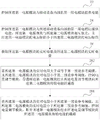
图7为本申请一实施例中提供的一种移动设备供电控制方法的流程示意图;7 is a schematic flowchart of a method for controlling power supply of a mobile device according to an embodiment of the present application;
图8为本申请另一实施例中提供的一种移动设备供电控制方法的流程示意图;8 is a schematic flowchart of a method for controlling power supply of a mobile device provided in another embodiment of the present application;
图9为本申请又一实施例中提供的一种移动设备供电控制方法的流程示意图;FIG. 9 is a schematic flowchart of a method for controlling power supply of a mobile device according to another embodiment of the present application;
图10为本申请再一实施例中提供的一种移动设备供电控制方法的流程示意图。FIG. 10 is a schematic flowchart of a method for controlling power supply of a mobile device according to another embodiment of the present application.
具体实施方式Detailed ways
为了便于理解本申请,下面将参照相关附图对本申请进行更全面的描述。附图中给出了本申请的较佳的实施例。但是,本申请可以以许多不同的形式来实现,并不限于本文所描述的实施例。相反地,提供这些实施例的目的是使对本申请的公开内容的理解更加透彻全面。In order to facilitate understanding of the present application, the present application will be described more fully below with reference to the related drawings. The preferred embodiments of the present application are shown in the accompanying drawings. However, the application may be implemented in many different forms and is not limited to the embodiments described herein. Rather, these embodiments are provided so that a thorough and complete understanding of the disclosure of this application is provided.
除非另有定义,本文所使用的所有的技术和科学术语与属于本申请的技术领域的技术人员通常理解的含义相同。本文中在本申请的说明书中所使用的术语只是为了描述具体的实施例的目的,不是旨在于限制本申请。本文所使用的术语“及/或”包括一个或多个相关的所列项目的任意的和所有的组合。Unless otherwise defined, all technical and scientific terms used herein have the same meaning as commonly understood by one of ordinary skill in the technical field to which this application belongs. The terms used herein in the specification of the application are for the purpose of describing specific embodiments only, and are not intended to limit the application. As used herein, the term "and/or" includes any and all combinations of one or more of the associated listed items.
在使用本文中描述的“包括”、“具有”、和“包含”的情况下,除非使用了明确的限定用语,例如“仅”、“由……组成”等,否则还可以添加另一部件。除非相反地提及,否则单数形式的术语可以包括复数形式,并不能理解为其数量为一个。Where "including", "having", and "comprising" are used as described herein, unless an explicit qualifying language is used, such as "only", "consisting of," etc., another component may also be added . Unless mentioned to the contrary, terms in the singular may include the plural and should not be construed as having a number of one.
应当理解,尽管本文可以使用术语“第一”、“第二”等来描述各种元件,但是这些元件不应受这些术语的限制。这些术语仅用于将一个元件和另一个元件区分开。例如,在不脱离本申请的范围的情况下,第一元件可以被称为第二元件,并且类似地,第二元件可以被称为第一元件。It will be understood that, although the terms "first," "second," etc. may be used herein to describe various elements, these elements should not be limited by these terms. These terms are only used to distinguish one element from another. For example, a first element could be termed a second element, and, similarly, a second element could be termed a first element, without departing from the scope of the present application.
在本申请中,除非另有明确的规定和限定,术语“相连”、“连接”等术语应做广义理解,例如,可以是直接相连,也可以通过中间媒介间接相连,可以是两个元件内部的连通或两个元件的相互作用关系。对于本领域的普通技术人员而言,可以根据具体情况理解上述术语在本申请中的具体含义。In this application, unless otherwise expressly specified and limited, the terms "connected", "connected" and other terms should be understood in a broad sense, for example, it may be directly connected, or indirectly connected through an intermediate medium, and it may be an internal connection between two elements. The connectivity or interaction of two elements. For those of ordinary skill in the art, the specific meanings of the above terms in this application can be understood according to specific situations.
请参考图1,在本申请的一个实施例中,提供了一种移动设备电源100,包括第一电源模块10、第二电源模块20及电量调节模块30,第一电源模块10用于给移动设备内部的第一用电模块201提供电能;第二电源模块20与第一电源模块10相互独立,被配置为电压幅值大于第一电源模块10的电压幅值,用于给所述移动设备内部的第二用电模块202提供电能;电量调节模块30串联在第一电源模块10与第二电源模块20之间,用于获取第一电源模块10的实时电量及第二电源模块20的实时电量,并根据第一电源模块10的实时电量及第二电源模块20的实时电量,控制导通或断开第一电源模块10与第二电源模块20之间的电能传输通路。Referring to FIG. 1 , in an embodiment of the present application, a mobile
具体地,请继续参考图1,可以根据移动设备内部用电负载的供电电压幅值的需求,将移动设备内部用电负载划分为第一用电模块201及第二用电模块202,其中,第一用电模块201所需供电电压幅值的最大值小于或等于第二用电模块202所需供电电压幅值的最小值;并在移动设备电源中设置相互独立的第一电源模块10及第二电源模块20,其中,第二电源模块20的电压幅值大于第一电源模块10的电压幅值,配置第一电源模块10给移动设备内部的第一用电模块201提供电能,并配置第二电源模块20给移动设备内部的第二用电模块202提供电能,避免利用直流升压转换器将移动设备电源提供的低压直流电,转换为第二用电模块202需要的高压直流电的过程中产生电能损耗及热量。由于移动设备内部的第二用电模块202相对于第一用电模块201一般耗电更多且更快,容易导致第二电源模块20中存储的电能比第一电源模块10中存储的电能更快地耗尽,通过设置电量调节模块30串联在第一电源模块10与第二电源模块20之间,用于获取第一电源模块10的实时电量及第二电源模块20的实时电量,并根据第一电源模块10的实时电量及第二电源模块20的实时电量,控制导通或断开第一电源模块10与第二电源模块20之间的电能传输通路,以最大化利用第一电源模块10及第二电源模块20中存储的电能,有效地延长移动设备的待机寿命。Specifically, please continue to refer to FIG. 1 , the internal electrical load of the mobile device can be divided into a first
进一步地,请参考图2,在本申请的一个实施例中,电量调节模块30包括双向直流转直流电路31及微处理器32,双向直流转直流电路31串联在第一电源模块10与第二电源模块20之间;微处理器32与双向直流转直流电路31连接,用于获取第一电源模块10的实时电量及第二电源模块20的实时电量,并根据第一电源模块10的实时电量及第二电源模块20的实时电量,控制导通或断开第一电源模块10经由双向直流转直流电路31与第二电源模块20之间的电能传输通路,以最大化利用第一电源模块10及第二电源模块20中存储的电能,有效地延长移动设备的待机寿命。Further, please refer to FIG. 2 , in an embodiment of the present application, the
进一步地,请继续参考图2,在本申请的一个实施例中,微处理器32被配置为:若第一电源模块10的实时电量C1,大于或等于第一预设参考阈值Cref1,且第二电源模块20的实时电量C2,小于第二预设参考阈值Cref2,控制双向直流转直流电路31,导通第一电源模块10经由双向直流转直流电路31向第二电源模块20传输电能的通路。在第二电源模块20中存储的电量即将耗尽时,微处理器32控制双向直流转直流电路31导通第一电源模块10向第二电源模块20传输电能的通路,使得第一电源模块10中存储的电能经由双向直流转直流电路31传输给第二电源模块20,以使得第二电源模块20继续向第二用电模块202提供电能,从而提高了第一电源模块10中存储电能的利用率,并延长了移动设备的待机时间。若第一电源模块10的实时电量C1,小于所述第一预设参考阈值Cref1,且第二电源模块20的实时电量C2,小于所述第二预设参考阈值Cref2,控制双向直流转直流电路31,断开第一电源模块10经由双向直流转直流电路31向第二电源模块20传输电能的通路,以在第一电源模块10及第二电源模块20中的电能均快耗尽时,控制双向直流转直流电路31,断开第一电源模块10经由双向直流转直流电路31向第二电源模块20传输电能的通路,以准备在移动设备进入工作状态时启动下一次的电能调节工作。Further, please continue to refer to FIG. 2, in an embodiment of the present application, the
进一步地,请继续参考图2,在本申请的一个实施例中,微处理器32被配置为:若第一电源模块10的实时电量C1,小于所述第一预设参考阈值Cref1,且第二电源模块20的实时电量C2,大于或等于第二预设参考阈值Cref2,控制双向直流转直流电路31,导通第二电源模块20经由双向直流转直流电路31向第一电源模块10传输电能的通路。在第一电源模块10中存储的电量即将耗尽时,微处理器32控制双向直流转直流电路31导通第二电源模块20向第一电源模块10传输电能的通路,使得第二电源模块20中存储的电能经由双向直流转直流电路31传输给第一电源模块10,以使得第一电源模块10继续向第一用电模块201提供电能,从而提高了第二电源模块20中存储电能的利用率,并延长了移动设备的待机时间。Further, please continue to refer to FIG. 2, in an embodiment of the present application, the
进一步地,请继续参考图2,在本申请的一个实施例中,微处理器32被配置为:若第一电源模块10的实时电量C1,大于或等于所述第一预设参考阈值Cref1,且第二电源模块20的实时电量C2,大于或等于所述第二预设参考阈值Cref2,控制双向直流转直流电路31,断开第二电源模块20经由双向直流转直流电路31向第一电源模块10传输电能的通路,以避免在第一电源模块10与第二电源模块20的存储电能均充足的情况下,第一电源模块10与第二电源模块20之间进行不必要的能量交换导致其中一个或两个产生供电异常的情况,同时有效地减少了双向直流转直流电路31动作的次数,有利于提高电源工作的稳定性与可靠性。Further, please continue to refer to FIG. 2, in an embodiment of the present application, the
进一步地,请参考图3,在本申请的一个实施例中,双向直流转直流电路31包括双向BUCK-BOOST电路311,双向BUCK-BOOST电路311被配置为输入端与第二电源模块20连接且输出端与第一电源模块10连接。若第一电源模块10的实时电量C1,小于所述第一预设参考阈值Cref1,且第二电源模块20的实时电量C2,大于或等于第二预设参考阈值Cref2,控制双向BUCK-BOOST电路311中的开关管动作以实现BUCK降压型DC/DC转换,使得第二电源模块20中存储的电能经由BUCK-BOOST电路311转换为第一电源模块10所需工作电压,并使得第一电源模块10储能,以继续向第一用电模块201供电,从而延长了移动设备的待机寿命,并提高了第二电源模块20中存储电能的利用率。若第一电源模块10的实时电量C1,大于或等于第一预设参考阈值Cref1,且第二电源模块20的实时电量C2,小于第二预设参考阈值Cref2,控制双向BUCK-BOOST电路311中的开关管动作以实现BUCK升压型DC/DC转换,使得第一电源模块10中存储的电能经由BUCK-BOOST电路311转换为第二电源模块20所需工作电压,并使得第二电源模块20储能,以继续向第二用电模块202供电,从而延长了移动设备的待机寿命,并提高了第一电源模块10中存储电能的利用率。Further, please refer to FIG. 3 , in an embodiment of the present application, the bidirectional DC-to-
进一步地,请参考图4,在本申请的一个实施例中,双向BUCK-BOOST电路311包括第一容性储能单元3111、第一可控开关单元3112、第二可控开关单元3113及感性储能单元3114,第一容性储能单元3111被配置为与第二电源模块20并联;第一可控开关单元3112被配置为第一端口与第一容性储能单元3111的第一端口连接;第二可控开关单元3113被配置为第一端口与第一可控开关单元3112的第二端口连接,且第二端口与第一容性储能单元3111的第二端口连接;感性储能单元3114被配置为第一端口与第一可控开关单元3112的第二端口及第二可控开关单元3113的第一端口均连接;第二容性储能单元3115被配置为第一端口与感性储能单元3114的第二端口连接,且第二端口与第二可控开关单元3113的第二端口连接;其中,第一电源模块10与第二容性储能单元3115并联,微处理器32分别与第一可控开关单元3112的控制端口及第二可控开关单元3113的控制端口连接,微处理器32根据第一电源模块10的实时电量及第二电源模块20的实时电量,控制第一可控开关单元3112及第二可控开关单元3113的导通与关断,来导通或断开第一电源模块10经由双向BUCK-BOOST电路311与第二电源模块20之间的电能传输通路。Further, please refer to FIG. 4 , in an embodiment of the present application, the bidirectional buck-boost circuit 311 includes a first capacitive energy storage unit 3111 , a first controllable switch unit 3112 , a second controllable switch unit 3113 and an inductive The energy storage unit 3114, the first capacitive energy storage unit 3111 is configured in parallel with the second power supply module 20; the first controllable switch unit 3112 is configured as the first port and the first port of the first capacitive energy storage unit 3111 connection; the second controllable switch unit 3113 is configured such that the first port is connected to the second port of the first controllable switch unit 3112, and the second port is connected to the second port of the first capacitive energy storage unit 3111; the inductive storage The energy unit 3114 is configured so that the first port is connected to both the second port of the first controllable switch unit 3112 and the first port of the second controllable switch unit 3113; the second capacitive energy storage unit 3115 is configured as the first port It is connected to the second port of the inductive energy storage unit 3114, and the second port is connected to the second port of the second controllable switch unit 3113; wherein, the first power supply module 10 is connected in parallel with the second capacitive energy storage unit 3115, and the microprocessing The controller 32 is respectively connected to the control port of the first controllable switch unit 3112 and the control port of the second controllable switch unit 3113. Control the turn-on and turn-off of the first
作为示例,请参考图5,在本申请的一个实施例中,双向BUCK-BOOST电路311包括电容C1、第一功率开关管S1、第二功率开关管S2、电感L及电容C2,其中,第一功率开关管S1的第一端口与电容C1的第一端口连接,第二功率开关管S2的第一端口与第一功率开关管S1的第二端口连接,第二功率开关管S2的第二端口与电容C1的第二端口连接,电感L与第一功率开关管S1的第二端口、第二功率开关管S2的第一端口均连接,电容C2的第一端口与电感L的第二端口连接,电容C2的第二端口与第二功率开关管S2的第二端口连接。可以设置第一电源模块10并联在电容C2的两端,并设置第二电源模块20并联在电容C1的两端。As an example, please refer to FIG. 5. In an embodiment of the present application, the bidirectional buck-
进一步地,请参考图6,在本申请的一个实施例中,提供了一种移动设备,包括任一本申请实施例中所述的移动设备电源。该移动设备具备待机时间长、产热低及充电利用率高的优点。Further, referring to FIG. 6 , in an embodiment of the present application, a mobile device is provided, including a power source for the mobile device described in any of the embodiments of the present application. The mobile device has the advantages of long standby time, low heat generation and high charging utilization.
进一步地,请参考图7,在本申请的一个实施例中,提供了一种移动设备供电控制方法,用于控制移动设备电源给移动设备供电,所述移动设备电源包括第一电源模块、第二电源模块及电量调节模块,所述方法包括:Further, please refer to FIG. 7 , in an embodiment of the present application, a method for controlling power supply of a mobile device is provided, which is used to control the power supply of the mobile device to supply power to the mobile device, where the power supply of the mobile device includes a first power supply module, a first power supply Two power supply modules and power regulation modules, the method includes:
步骤22:控制所述第一电源模块为移动设备内部的第一用电模块提供电能。Step 22: Control the first power supply module to provide power to the first power consumption module inside the mobile device.
步骤24:控制所述第二电源模块为所述移动设备内部的第二用电模块提供电能,所述第一电源模块与所述第二电源模块相互独立,所述第一电源模块的电压幅值小于所述第二电源模块的电压幅值。Step 24: Control the second power supply module to provide power to the second power consumption module inside the mobile device, the first power supply module and the second power supply module are independent of each other, and the voltage amplitude of the first power supply module is The value is smaller than the voltage amplitude of the second power module.
步骤26:获取所述第一电源模块的实时电量及所述第二电源模块的实时电量。Step 26: Acquire the real-time power of the first power module and the real-time power of the second power module.
步骤28:根据所述第一电源模块的实时电量及所述第二电源模块的实时电量,控制所述电量调节模块导通或断开所述第一电源模块与所述第二电源模块之间的电能传输通路。Step 28: According to the real-time power of the first power module and the real-time power of the second power module, control the power adjustment module to turn on or off the connection between the first power module and the second power module power transmission path.
具体地,请继续参考图7,通过控制第一电源模块为移动设备内部的第一用电模块提供电能;控制所述第二电源模块为所述移动设备内部的第二用电模块提供电能,所述第一电源模块与所述第二电源模块相互独立,所述第一电源模块的电压幅值小于所述第二电源模块的电压幅值;获取所述第一电源模块的实时电量及所述第二电源模块的实时电量,并根据所述第一电源模块的实时电量及所述第二电源模块的实时电量,控制所述电量调节模块导通或断开所述第一电源模块与所述第二电源模块之间的电能传输通路,以最大化利用第一电源模块及第二电源模块中存储的电能,有效地延长移动设备的待机寿命。通过为移动设备内部的第一用电模块及第二用电模块分别提供匹配的独立电源,避免利用直流升压转换器将移动设备电源提供的低压直流电,转换为第二用电模块需要的高压直流电的过程中产生电能损耗及热量,提高了第一电源模块及第二电源模块中储存电能的利用率的同时,有效地延长移动设备的待机寿命。Specifically, please continue to refer to FIG. 7 , by controlling the first power module to provide power to the first power module inside the mobile device; controlling the second power module to provide power to the second power module inside the mobile device, The first power supply module and the second power supply module are independent of each other, and the voltage amplitude of the first power supply module is smaller than the voltage amplitude of the second power supply module; obtain the real-time power and all the power of the first power supply module. the real-time power of the second power module, and according to the real-time power of the first power module and the real-time power of the second power module, control the power adjustment module to turn on or off the first power module and all The power transmission path between the second power modules is used to maximize the utilization of the power stored in the first power module and the second power module, thereby effectively prolonging the standby life of the mobile device. By providing matched independent power supplies for the first power module and the second power module inside the mobile device, the DC boost converter is avoided to convert the low-voltage DC power provided by the power source of the mobile device into the high-voltage required by the second power module. Electric power loss and heat are generated in the process of direct current, which improves the utilization rate of the electric energy stored in the first power supply module and the second power supply module, and effectively prolongs the standby life of the mobile device.
进一步地,请参考图8,在本申请的一个实施例中,所述根据所述第一电源模块的实时电量及所述第二电源模块的实时电量控制导通或断开所述第一电源模块与所述第二电源模块之间的电能传输通路的步骤包括:Further, please refer to FIG. 8 , in one embodiment of the present application, the first power supply is turned on or off according to the real-time power of the first power module and the real-time power of the second power module. The steps of the power transmission path between the module and the second power module include:
步骤282:若所述第一电源模块的实时电量大于或等于第一预设参考阈值,且所述第二电源模块的实时电量小于第二预设参考阈值,控制电量调节模块,导通所述第一电源模块经由所述电量调节模块向所述第二电源模块传输电能的通路;Step 282: If the real-time power of the first power module is greater than or equal to the first preset reference threshold, and the real-time power of the second power module is less than the second preset reference threshold, control the power adjustment module to turn on the power a path for the first power supply module to transmit power to the second power supply module via the power conditioning module;
步骤284:若所述第一电源模块的实时电量小于所述第一预设参考阈值,且所述第二电源模块的实时电量小于所述第二预设参考阈值,控制电量调节模块,断开所述第一电源模块经由所述电量调节模块向所述第二电源模块传输电能的通路。Step 284: If the real-time power of the first power supply module is less than the first preset reference threshold, and the real-time power of the second power module is less than the second preset reference threshold, control the power adjustment module to disconnect The first power supply module transmits power to the second power supply module via the power conditioning module.
具体地,请继续参考图8,在第二电源模块的实时电量即将耗尽时,如果第一电源模块的实时电量仍然比较充足,则控制双向直流转直流电路,导通所述第一电源模块经由所述双向直流转直流电路向所述第二电源模块传输电能的通路,以延长移动设备电源的供电时间,从而延长移动设备的待机时间;当第一电源模块与第二电源模块的实时电量均即将耗尽时,控制所述双向直流转直流电路,断开所述第一电源模块经由所述双向直流转直流电路向所述第二电源模块传输电能的通路,以准备在移动设备进入工作状态时启动下一次的电能调节工作。Specifically, please continue to refer to FIG. 8 , when the real-time power of the second power module is about to be exhausted, if the real-time power of the first power module is still relatively sufficient, the bidirectional DC-to-DC circuit is controlled to turn on the first power module A path for transmitting power to the second power module through the bidirectional DC-to-DC circuit, so as to extend the power supply time of the mobile device power supply, thereby prolonging the standby time of the mobile device; when the real-time power of the first power module and the second power module are equal When it is about to be exhausted, control the bidirectional DC-to-DC circuit, and disconnect the path for the first power supply module to transmit power to the second power supply module via the bidirectional DC-to-DC circuit, so as to prepare for when the mobile device enters the working state Start the next power adjustment work.
进一步地,请参考图9,在本申请的一个实施例中,所述根据所述第一电源模块的实时电量及所述第二电源模块的实时电量控制导通或断开所述第一电源模块与所述第二电源模块之间的电能传输通路的步骤包括:Further, please refer to FIG. 9 , in an embodiment of the present application, the first power supply is turned on or off according to the real-time power of the first power module and the real-time power of the second power module. The steps of the power transmission path between the module and the second power module include:
步骤283:若所述第一电源模块的实时电量小于所述第一预设参考阈值,且所述第二电源模块的实时电量大于或等于第二预设参考阈值,控制所述电量调节模块,导通所述第二电源模块经由所述电量调节模块向所述第一电源模块传输电能的通路。Step 283: If the real-time power of the first power supply module is less than the first preset reference threshold, and the real-time power of the second power module is greater than or equal to the second preset reference threshold, control the power adjustment module, A path for transmitting electric power from the second power supply module to the first power supply module via the power adjustment module is turned on.
具体地,请继续参考图9,在第一电源模块的实时电量即将耗尽时,如果第二电源模块的实时电量仍然比较充足,则控制双向直流转直流电路,导通所述第二电源模块经由所述双向直流转直流电路向所述第一电源模块传输电能的通路,以延长移动设备电源的供电时间,从而延长移动设备的待机时间。Specifically, please continue to refer to FIG. 9 , when the real-time power of the first power module is about to be exhausted, if the real-time power of the second power module is still relatively sufficient, the bidirectional DC-to-DC circuit is controlled to turn on the second power module A path for transmitting electric energy to the first power supply module through the bidirectional DC-to-DC circuit, so as to prolong the power supply time of the power supply of the mobile device, thereby prolonging the standby time of the mobile device.
进一步地,请参考图10,在本申请的一个实施例中,所述根据所述第一电源模块的实时电量及所述第二电源模块的实时电量控制导通或断开所述第一电源模块与所述第二电源模块之间的电能传输通路的步骤包括:Further, please refer to FIG. 10 , in an embodiment of the present application, the first power supply is controlled to be turned on or off according to the real-time power of the first power module and the real-time power of the second power module The steps of the power transmission path between the module and the second power module include:
步骤286:若所述第一电源模块的实时电量大于或等于所述第一预设参考阈值,且所述第二电源模块的实时电量大于或等于所述第二预设参考阈值,控制所述电量调节模块,断开所述第一电源模块与所述第二电源模块之间传输电能的通路。Step 286: If the real-time power of the first power module is greater than or equal to the first preset reference threshold, and the real-time power of the second power module is greater than or equal to the second preset reference threshold, control the The power adjustment module disconnects the power transmission path between the first power supply module and the second power supply module.
具体地,请继续参考图10,若第一电源模块与第二电源模块的实时电量均充足,控制双向直流转直流电路断开第二电源模块与第一电源模块之间的能量传输通路,以避免第一电源模块与第二电源模块之间进行不必要的能量交换,导致其中一个或两个产生供电异常的情况,同时有效地减少了双向直流转直流电路动作的次数,有利于提高电源工作的稳定性与可靠性。Specifically, please continue to refer to FIG. 10 , if the real-time power of the first power supply module and the second power supply module is sufficient, the bidirectional DC-to-DC circuit is controlled to disconnect the energy transmission path between the second power supply module and the first power supply module, so as to Avoid unnecessary energy exchange between the first power supply module and the second power supply module, causing one or both of them to have abnormal power supply, and effectively reduce the number of operations of the bidirectional DC to DC circuit, which is conducive to improving the power supply operation. stability and reliability.
应该理解的是,除非本文中有明确的说明,所述的步骤的执行并没有严格的顺序限制,这些步骤可以以其它的顺序执行。而且,所述的步骤的至少一部分步骤可以包括多个子步骤或者多个阶段,这些子步骤或者阶段并不必然是在同一时刻执行完成,而是可以在不同的时刻执行,这些子步骤或者阶段的执行顺序也不必然是依次进行,而是可以与其它步骤或者其它步骤的子步骤或者阶段的至少一部分轮流或者交替地执行。It should be understood that the steps described are not strictly limited to the order in which they are performed, and that the steps may be performed in other orders, unless explicitly stated herein. Moreover, at least a part of the described steps may include multiple sub-steps or multiple stages. These sub-steps or stages are not necessarily executed and completed at the same time, but may be executed at different times. The order of execution is also not necessarily sequential, but may be performed alternately or alternately with other steps or sub-steps of other steps or at least a portion of a phase.
本领域普通技术人员可以理解实现上述实施例方法中的全部或部分流程,是可以通过计算机程序来指令相关的硬件来完成,所述的计算机程序可存储于一非易失性计算机可读取存储介质中,该计算机程序在执行时,可包括如上述各方法的实施例的流程。其中,本申请所提供的各实施例中所使用的对存储器、存储、数据库或其它介质的任何引用,均可包括非易失性和/或易失性存储器。非易失性存储器可包括只读存储器(ROM)、可编程ROM(PROM)、电可编程ROM(EPROM)、电可擦除可编程ROM(EEPROM)或闪存。易失性存储器可包括随机存取存储器(RAM)或者外部高速缓冲存储器。作为说明而非局限,RAM以多种形式可得,诸如静态RAM(SRAM)、动态RAM(DRAM)、同步DRAM(SDRAM)、双数据率SDRAM(DDRSDRAM)、增强型SDRAM(ESDRAM)、同步链路(Synchlink)DRAM(SLDRAM)、存储器总线(Rambus)直接RAM(RDRAM)、直接存储器总线动态RAM(DRDRAM)、以及存储器总线动态RAM(RDRAM)等。Those of ordinary skill in the art can understand that all or part of the processes in the methods of the above embodiments can be implemented by instructing relevant hardware through a computer program, and the computer program can be stored in a non-volatile computer-readable storage In the medium, when the computer program is executed, it may include the processes of the above-mentioned method embodiments. Wherein, any reference to memory, storage, database or other medium used in the various embodiments provided in this application may include non-volatile and/or volatile memory. Nonvolatile memory may include read only memory (ROM), programmable ROM (PROM), electrically programmable ROM (EPROM), electrically erasable programmable ROM (EEPROM), or flash memory. Volatile memory may include random access memory (RAM) or external cache memory. By way of illustration and not limitation, RAM is available in various forms such as static RAM (SRAM), dynamic RAM (DRAM), synchronous DRAM (SDRAM), double data rate SDRAM (DDRSDRAM), enhanced SDRAM (ESDRAM), synchronous chain Road (Synchlink) DRAM (SLDRAM), memory bus (Rambus) direct RAM (RDRAM), direct memory bus dynamic RAM (DRDRAM), and memory bus dynamic RAM (RDRAM), etc.
以上所述实施例的各技术特征可以进行任意的组合,为使描述简洁,未对上述实施例中的各个技术特征所有可能的组合都进行描述,然而,只要这些技术特征的组合不存在矛盾,都应当认为是本说明书记载的范围。The technical features of the above-described embodiments can be combined arbitrarily. For the sake of brevity, all possible combinations of the technical features in the above-described embodiments are not described. However, as long as there is no contradiction between the combinations of these technical features, All should be regarded as the scope described in this specification.
以上所述实施例仅表达了本申请的几种实施方式,其描述较为具体和详细,但并不能因此而理解为对申请专利范围的限制。应当指出的是,对于本领域的普通技术人员来说,在不脱离本申请构思的前提下,还可以做出若干变形和改进,这些都属于本申请的保护范围。因此,本申请专利的保护范围应以所附权利要求为准。The above-mentioned embodiments only represent several embodiments of the present application, and the descriptions thereof are relatively specific and detailed, but should not be construed as a limitation on the scope of the patent application. It should be pointed out that for those skilled in the art, without departing from the concept of the present application, several modifications and improvements can be made, which all belong to the protection scope of the present application. Therefore, the scope of protection of the patent of the present application shall be subject to the appended claims.
Claims (12)
Priority Applications (1)
| Application Number | Priority Date | Filing Date | Title |
|---|---|---|---|
| CN202011170252.0A CN114498600A (en) | 2020-10-28 | 2020-10-28 | Mobile device power supply, mobile device and power supply control method thereof |
Applications Claiming Priority (1)
| Application Number | Priority Date | Filing Date | Title |
|---|---|---|---|
| CN202011170252.0A CN114498600A (en) | 2020-10-28 | 2020-10-28 | Mobile device power supply, mobile device and power supply control method thereof |
Publications (1)
| Publication Number | Publication Date |
|---|---|
| CN114498600A true CN114498600A (en) | 2022-05-13 |
Family
ID=81490086
Family Applications (1)
| Application Number | Title | Priority Date | Filing Date |
|---|---|---|---|
| CN202011170252.0A Pending CN114498600A (en) | 2020-10-28 | 2020-10-28 | Mobile device power supply, mobile device and power supply control method thereof |
Country Status (1)
| Country | Link |
|---|---|
| CN (1) | CN114498600A (en) |
Cited By (1)
| Publication number | Priority date | Publication date | Assignee | Title |
|---|---|---|---|---|
| CN115296386A (en) * | 2022-10-09 | 2022-11-04 | 苏州维伟思医疗科技有限公司 | Power management system, power management method, power consumption device, electronic device, and medium |
Citations (4)
| Publication number | Priority date | Publication date | Assignee | Title |
|---|---|---|---|---|
| JP2005057826A (en) * | 2003-08-01 | 2005-03-03 | Masayuki Hattori | Charger/discharger, charging/discharging method, and device for evaluating characteristics of secondary battery |
| CN101171718A (en) * | 2005-03-11 | 2008-04-30 | 泰克蒂姆有限公司 | Bidirectional battery charging controller |
| CN102790520A (en) * | 2012-08-06 | 2012-11-21 | 江苏大学 | Bilateral soft start control method for bidirectional DC-DC (direct current-to-direct current) converter for new energy power generation systems |
| CN103633671A (en) * | 2012-08-21 | 2014-03-12 | 宏碁股份有限公司 | Multi-battery charging device and bidirectional charging method thereof |
-
2020
- 2020-10-28 CN CN202011170252.0A patent/CN114498600A/en active Pending
Patent Citations (4)
| Publication number | Priority date | Publication date | Assignee | Title |
|---|---|---|---|---|
| JP2005057826A (en) * | 2003-08-01 | 2005-03-03 | Masayuki Hattori | Charger/discharger, charging/discharging method, and device for evaluating characteristics of secondary battery |
| CN101171718A (en) * | 2005-03-11 | 2008-04-30 | 泰克蒂姆有限公司 | Bidirectional battery charging controller |
| CN102790520A (en) * | 2012-08-06 | 2012-11-21 | 江苏大学 | Bilateral soft start control method for bidirectional DC-DC (direct current-to-direct current) converter for new energy power generation systems |
| CN103633671A (en) * | 2012-08-21 | 2014-03-12 | 宏碁股份有限公司 | Multi-battery charging device and bidirectional charging method thereof |
Cited By (1)
| Publication number | Priority date | Publication date | Assignee | Title |
|---|---|---|---|---|
| CN115296386A (en) * | 2022-10-09 | 2022-11-04 | 苏州维伟思医疗科技有限公司 | Power management system, power management method, power consumption device, electronic device, and medium |
Similar Documents
| Publication | Publication Date | Title |
|---|---|---|
| KR102290478B1 (en) | Battery management circuits, charging standby equipment and power management methods | |
| US20230198261A1 (en) | Power supply system including dc-to-dc converter and control method therefor | |
| CN101247053B (en) | Buck-boost conversion circuit and device for battery access, DC backup power supply device | |
| CN103199704B (en) | Three-port DC-DC (direct current) converter topology circuit | |
| US20120001608A1 (en) | Intelligent gate drive | |
| CN103441667B (en) | A kind of direct-flow controlling device being applied to multistage energy-storage system | |
| CN103647213B (en) | Efficient fast laser pumping driving power and the laser started fast | |
| US20120306278A1 (en) | Voltage Regulation Of A DC/DC Converter | |
| CN114498600A (en) | Mobile device power supply, mobile device and power supply control method thereof | |
| WO2024103277A1 (en) | Control method for voltage conversion circuit, apparatus, and electronic device | |
| CN201113494Y (en) | New Solar Controller | |
| WO2025025944A1 (en) | Battery control method, battery system, power supply system, energy storage device, storage medium, and chip | |
| CN109856565B (en) | Power loop test circuit of non-isolated DC/DC converter and control method | |
| WO2022242037A1 (en) | Power supply circuit, power supply system and smart door lock | |
| JP6066671B2 (en) | Power system | |
| Zhang et al. | Adaptive pseudo-continuous conduction mode operation schemes and circuit designs for single-inductor multiple-output switching converters | |
| CN115276202A (en) | Photovoltaic energy storage power supply circuit, method and storage medium | |
| RU120291U1 (en) | BACK-UP POWER SUPPLY SYSTEM WITH BOOSTER CIRCUIT | |
| CN218603368U (en) | DC-DC conversion device and uninterruptible power supply system comprising same | |
| CN111585438A (en) | Multiphase DCDC conversion control circuit and method | |
| KR102772287B1 (en) | Load Power based DC-DC converter | |
| CN222706298U (en) | Solar photovoltaic charging regulation and control circuit | |
| CN114448070B (en) | High power portable energy storage equipment | |
| CN110311564A (en) | DCDC circulation control device, control method, electronic equipment and medium | |
| CN215956272U (en) | Wide input buck-boost converter on a large scale |
Legal Events
| Date | Code | Title | Description |
|---|---|---|---|
| PB01 | Publication | ||
| PB01 | Publication | ||
| SE01 | Entry into force of request for substantive examination | ||
| SE01 | Entry into force of request for substantive examination |